Capsule House Supplier Vetting: Claims, Tests, and Terms
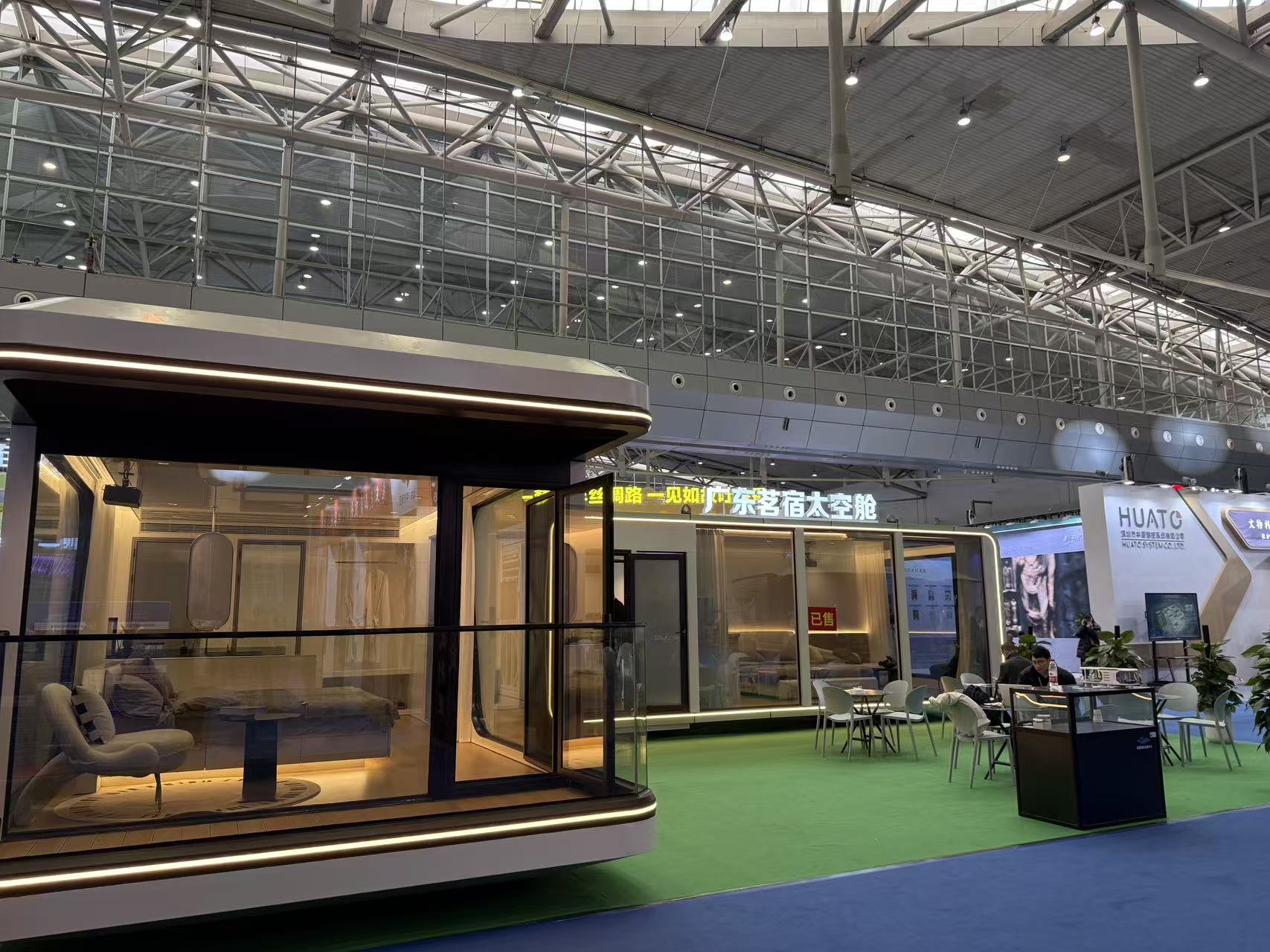
A capsule house supplier should be evaluated as a build-verification problem, not a price problem. Before quotations are compared, every claim in the offer — the frame, the insulation, the panel finish, the sanitary fittings, the delivery date — needs three answers: can the supplier show evidence for it, can you inspect that evidence before shipment, and is it written into the acceptance criteria? A supplier that can answer all three is delivering the unit that was quoted. One that cannot is asking you to fund an assumption.
BOITO-MINGSU is the capsule house brand of Guangdong Mingsu Sojourn Technology Co., Ltd., a member of the BOITO Group that manufactures prefabricated capsule houses, modular hotel units and glamping cabins for tourism developments, resorts, campground operators, scenic-area developers and overseas engineering clients. The specification set the brand publishes — a hot-dip galvanized steel frame with anti-seismic design, polyurethane foam insulation rated at 3.2 m²K/W, fluorocarbon painted aluminum exterior panels, and Arrow sanitary appliances — runs through this guide as a worked example of how a written claim becomes an inspection point.
It is written for buyers in the evaluation-to-execution window: the shortlist is closed, a quotation is open, and the remaining decision is whether to release a deposit.
Why Price-First Supplier Evaluation Breaks Down
Two quotations for the same 27 m² capsule hotel room can sit a few thousand dollars apart and still describe two different buildings. The quoted figure normally fixes the model, the footprint and the delivery term. It rarely fixes the zinc coating on the frame, the density of the foam behind the panel, the coating system on the aluminum skin, the brand of the sanitaryware, or how much inspection you are entitled to before the balance payment falls due.
Three failure modes account for most of that gap:
- Specification substitution. A lighter frame section, a thinner wall panel or an unbranded fitting can replace the specified item after the contract is signed, because the contract described a category rather than a product.
- Borrowed evidence. A supplier presents a certificate, a project photograph or a test report that belongs to a different model, a different factory or a different scope of work.
- Acceptance gaps. The order names a delivery term but not the inspection hold points, so the first time the buyer sees the finished unit is after it has been paid for and loaded.
None of these are price problems. They are documentation problems, and they are settled before production, not after delivery.
The Delivery Question Behind the Category's Growth
The category's expansion has made verification more urgent rather than less. Grand View Research estimates the glamping market will reach USD 7.9 billion by 2033 at a 9.5% CAGR, and places cabins and pods at 43.0% of the accommodation segment in 2025. Fortune Business Insights reports that modular housing projects can reduce construction timelines by 30%–50% compared with traditional on-site building methods, and The Freedonia Group estimates roughly 30% less on-site waste on average.
For a resort developer those figures describe a schedule argument: a prefabricated capsule accommodation block can open in a fraction of the time a site-built block requires. They also describe an exposure. When the building is completed in a factory instead of on your land, the quality of the finished room is decided while you are not present, and the only control you have is the evidence you demanded in advance.
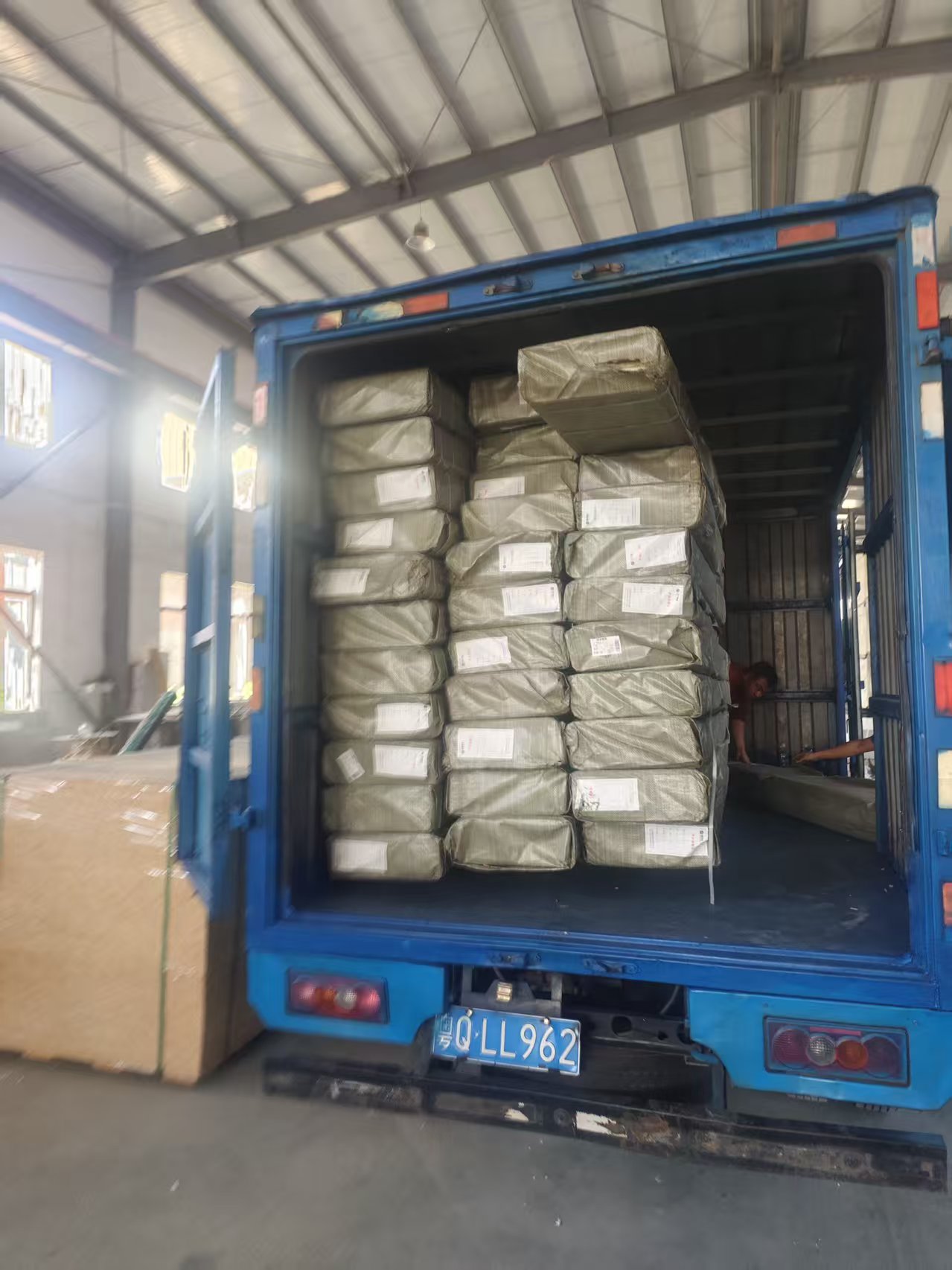
The supply base reflects that spread. A steel modular capsule house can come from a manufacturer that fabricates its own frames and controls its own fit-out, or from a trading company that assembles a quotation from several subcontractors. Both can present a professional catalogue and a plausible delivery date. Only one can show you the production line, the test record and the engineer who signs the drawing.
Four Build Claims to Verify First
A capsule house specification is long, but four claims carry most of the risk. Each is expensive to correct after delivery and easy to describe loosely before it.
1. The Structural System: Hot-Dip Galvanized Steel Frame and Anti-Seismic Design
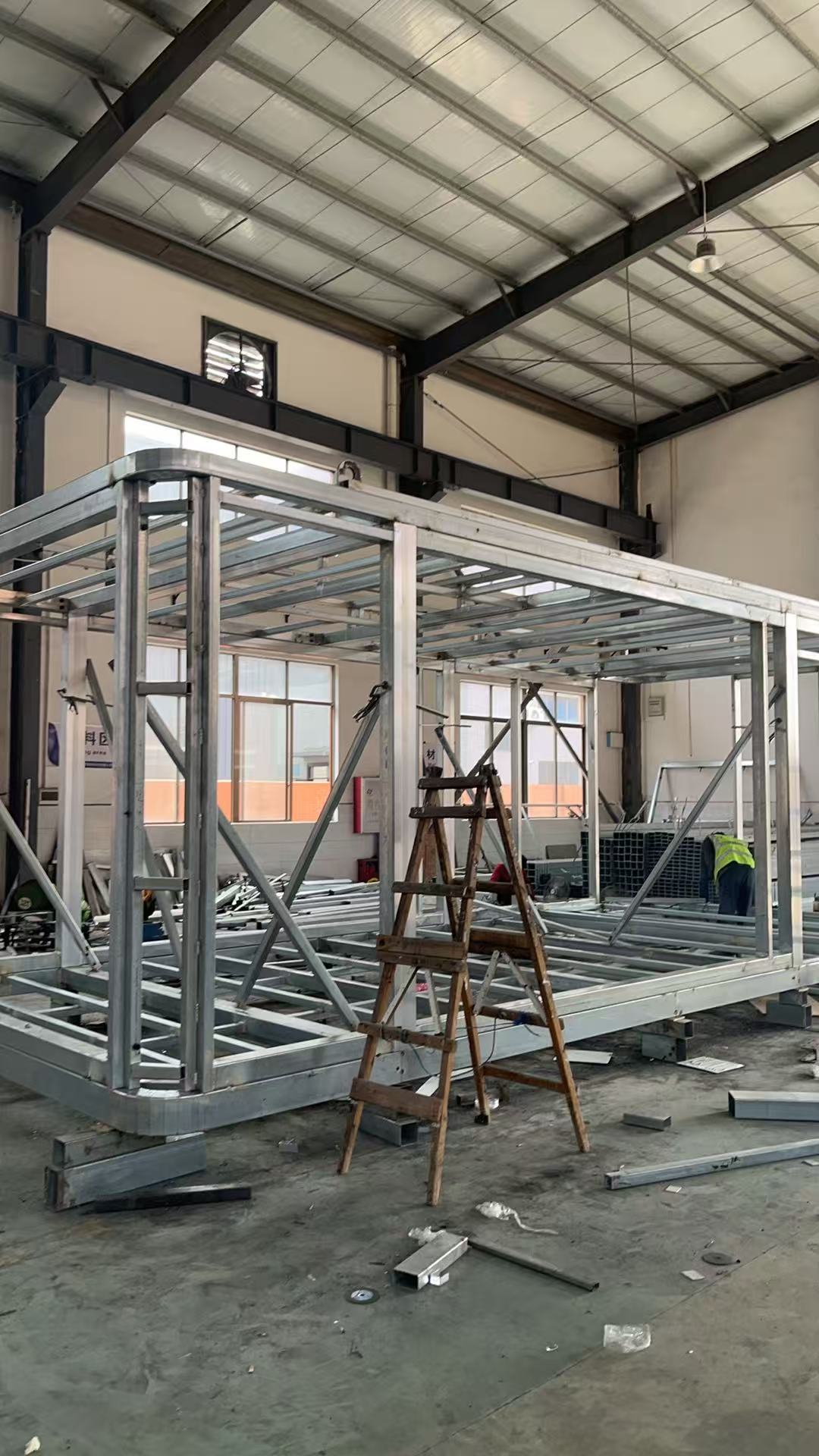
A hot-dip galvanized steel frame is a corrosion-protection statement, not merely a material statement. Hot-dip galvanizing immerses the fabricated member in molten zinc, so the coating forms on the inside and outside of the section, including at welds. That is why the process is specified for lightweight capsule cabins installed in coastal, humid or high-altitude sites where condensation and atmospheric corrosion are continuous factors.
What to verify: the zinc coating thickness or mass per unit area on a measured sample, the member schedule with section sizes, the connection details, and the design loads used for your site. Anti-seismic design is the claim that requires the most translation. A frame described as "anti-seismic" without a design basis is a phrase, not a specification. Ask which code the calculation follows, which site parameters were applied — seismic zone, wind load, snow load — and whether the calculation is project-specific or a generic template reused across markets. For a mountain resort capsule house the governing load may be snow rather than seismic, and the drawing should show that the designer checked it.
BOITO-MINGSU specifies a hot-dip galvanized steel frame with anti-seismic design as the structural basis of its capsule house range. The verification step is to obtain the frame drawing and the coating specification for the exact model under consideration — M8, M10, Apple Capsule MINI, Breeze Single Capsule or MS-XO8 F — and attach both documents to the purchase contract.
2. Insulation: Polyurethane Foam at 3.2 m²K/W
Thermal resistance is expressed in m²K/W, and it describes an assembly rather than a material name. A declared value of 3.2 m²K/W indicates how strongly the insulated build-up resists heat flow. It does not, by itself, tell you the foam density, the panel thickness, the facings, the age of the test, or whether the tested sample matches the panel that will be loaded into your container.
Verify in this order: the test report; the assembly description inside that report (which panel, which thickness, which facings); the foam density stated on the drawing; and the joint detail. Thermal bridging at joints and around openings is a general weak point in any insulated panel system, so the drawing should show how the junctions are closed rather than leaving them to site practice.
The commercial consequence is straightforward. An outdoor glamping capsule house on a cold-climate or high-altitude site depends on the envelope to keep the room usable and the energy cost predictable across the season. An eco friendly capsule cabin claim only becomes meaningful once the insulation and glazing values are documented and traceable to the delivered panel. Request the report before the order, compare the assembly description with the drawing, and write the declared value into the specification so that a delivered panel can be measured against it.
3. The Envelope: Fluorocarbon Painted Aluminum Panels
Fluorocarbon coatings on aluminum are specified for exterior color retention and weather resistance on prefabricated buildings. What to verify is not the phrase but the system behind it: the coating type, the dry film thickness, the number of coats, the substrate thickness, and how the panels are fixed to the frame. A premium coating on a thin, poorly fixed panel does not deliver the durability the coating was chosen for.
The practical test is a physical sample. Keep an approved color sample, signed and dated, and make it the acceptance reference for the shipment. Color and finish disputes are among the most common post-delivery arguments on prefabricated capsule accommodation, and a signed sample closes them before they start. Ask also for the warranty position on chalking and color change, stated in writing rather than described verbally.
4. Fitted Systems: Arrow Sanitary Appliances and the Rest of the Fit-Out
A capsule hotel room is sold as a complete room, so the fittings belong to the product rather than to the accessory list. BOITO-MINGSU specifies Arrow sanitary appliances within its fitted systems. The correct verification is a bill of materials carrying brand and model numbers, not a photograph of a display bathroom.
Do three things. List every fitted item — sanitaryware, taps, shower, lighting, air conditioning, socket outlets — with brand and model in a contract annex. Ask for evidence that the branded items are genuinely supplied, such as a purchase record or supplier authorization for the brand, rather than a verbal assurance. Then photograph the fit-out at the pre-shipment inspection, unit by unit, and match the photographs against the annex.
The same logic applies to the electrical package. Voltage and logo customization are part of ODM production, which means the destination voltage, plug type, distribution board layout and the electrical documentation required by the importing market should be agreed in writing before the production run starts. On an integrated capsule hotel unit with repeatable rooms, this annex doubles as the brand standard for every unit in the phase.
What Factory Evidence Should Actually Show
Factory capability is not a single number. It is a set of capacities that have to line up with the order you intend to place.
| Capability item | Stated position |
|---|---|
| Establishment | 2003 |
| Factory area | 10,000 m² |
| R&D engineering team | 25 engineers |
| Export share of output | 40% |
| Main markets | Southeast Asia, EU, USA |
| Production mode | ODM, with voltage and logo customization |
| Monthly capacity | 30 to 50 units |
| Lead time | 30–45 days |
| Minimum order quantity | 10 units |
| Quality control | 100% test |
| After-sales | Remote support |
Read the capacity figures against your own programme. A monthly capacity of 30 to 50 units combined with a 10-unit minimum order means a 10-unit first phase is a normal production run rather than a prototype run. It also means a 60-unit resort programme should be scheduled in confirmed phases against the production calendar instead of assumed as a single batch.
The 25-engineer R&D team matters for customization rather than for standard production. A voltage change, a logo, a layout variation, a site-specific load calculation or a destination compliance check each consume engineering time, and that time sits on the critical path before fabrication begins.
"100% test" is only meaningful if you know what is tested. Ask for the checklist and the record format. For a hospitality capsule unit the items that matter are insulation resistance, earth continuity, a plumbing pressure test, door and window operation, and a water test of the wet areas. A pass stamp without a checklist tells you nothing you can use in an inspection.
Read Certificates for Their Scope, Not Their Logo
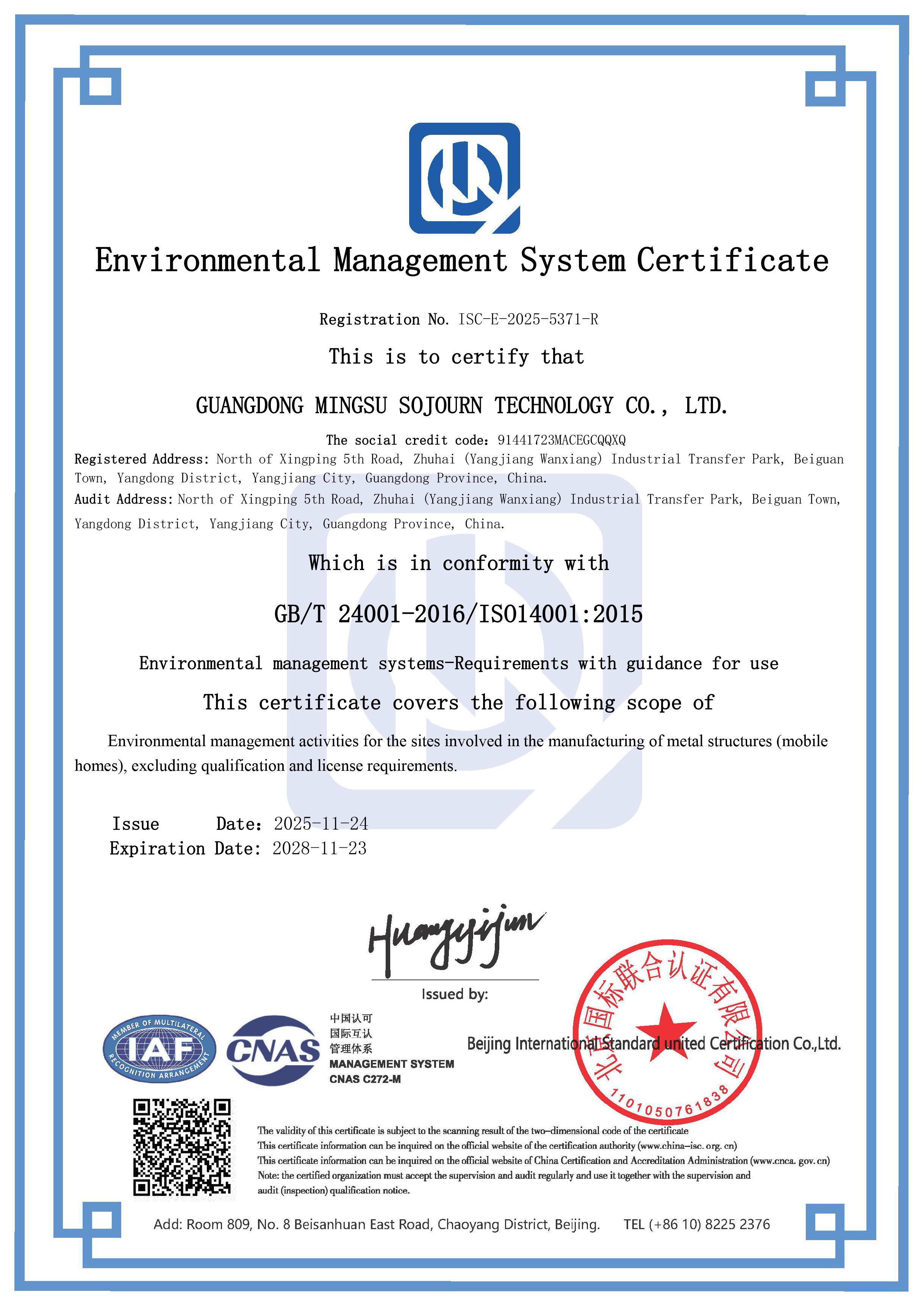
BOITO-MINGSU holds an ISO 14001 environmental management system certificate, number ISC-E-2025-5371-R, issued on 24 November 2025 and valid to 23 November 2028 by Beijing International Standard United Certification Co., Ltd. to GB/T 24001-2016 / ISO 14001:2015. Its stated scope is the environmental management activities for the sites involved in the manufacturing of metal structures (mobilehomes), excluding qualification and license requirements.
That scope matters. An ISO 14001 certificate is a statement about how the factory manages its environmental processes. It is not a structural certificate, an electrical certificate or a product conformity certificate, and it does not substitute for the CE marking that the EU Construction Products Regulation requires for legal installation in Europe. In the United States, capsule units are treated as RVs, ADUs or state-certified modular construction depending on configuration, and each route carries different foundation requirements.
A supplier that explains this distinction clearly is more useful than one that presents every document as general proof of quality. When you receive a certificate, check three things: what the certificate covers, which site or product it applies to, and whether it is still within its validity period.
A Five-Stage Verification Sequence
The sequence below moves a buyer from a quotation to an enforceable order. Each stage produces a document, because a stage with no document cannot be enforced later.
- Freeze the delivered scope. Name the model, the dimensions, the layout, the fit-out list, the voltage, the color and the delivery term. For example, the M8 Capsule House measures 8.3 m × 3.3 m × 3.2 m (L×W×H) and covers 27.39 m². A quotation that says only "capsule house" is not a scope, and it cannot be inspected against.
- Convert each claim into an evidence item. Frame becomes a drawing plus a coating specification. Insulation becomes a test report naming the tested assembly. Panels become a coating datasheet plus a signed physical sample. Sanitaryware becomes a bill of materials with brand and model. Delivery becomes a dated production schedule.
- Audit the production system, not the showroom. Request a live walkthrough of the line where your model is actually built, and match what you see — frames, jigs, fit-out bays — to the model you ordered. A showroom unit proves that the supplier can finish one building; it does not prove that the supplier can finish yours to the same standard.
- Set inspection hold points. Three are the practical minimum: after frame fabrication and coating, before the panels close the walls; after insulation and panel closure; and at pre-shipment fit-out. Each hold point produces a dated photographic or video record that you keep.
- Convert the record into acceptance criteria. The inspection report becomes the acceptance document referenced in the contract, and the balance payment is tied to its issue. Acceptance without a document is an opinion.
Video inspection only works if it is defined. Specify the camera positions, the units covered, the checklist items and the person who signs off. An unstructured video call from a factory floor is a courtesy, not an inspection.
Match the Unit to the Site Before You Verify Anything
Verification follows the configuration, so the site decision comes first. Different applications put the risk in different places.
- Mountain resort capsule house and scenic area capsule hotel. Snow and wind loads, slope foundations and access for lifting equipment usually govern the design. The structural calculation, not the interior finish, is the document to scrutinize.
- Outdoor glamping capsule house and vacation glamping capsule house. Confirm whether the unit is a self-contained capsule house with its own water, waste and power provision, or whether those services come from the site. An off-grid capsule cabin configuration changes the electrical package and must be agreed before production.
- Capsule hotel room and integrated capsule hotel unit. Repetition is the value, so the bill of materials must be identical across units and the fit-out standard must be written once and audited per unit.
- Container alternative capsule house and portable prefab capsule house. The advantage is placement and relocation, which depends on a level base rather than a complex foundation, and on lifting points that are designed rather than improvised.
- High-end glamping capsule cabin and luxury capsule accommodation. Here the panel finish, the joinery and the fitted systems carry the guest perception, so the coating sample and the fit-out annex deserve more attention than the frame drawing.
- Modular tourism capsule cabin and tourism resort capsule unit. Phase the order against the monthly capacity of 30 to 50 units so that the opening date of phase two is not built on an assumption about phase one.
The factory's own project record shows the pattern. A tourism resort OEM project in Malaysia covers 10 units for camping resorts, recorded with stable operation and low noise as the highlighted characteristic, and lists a service duration of 20 years. For a new buyer the useful part is not the location but the order shape: a 10-unit first phase, aligned with the minimum order quantity, delivered as a single production run.
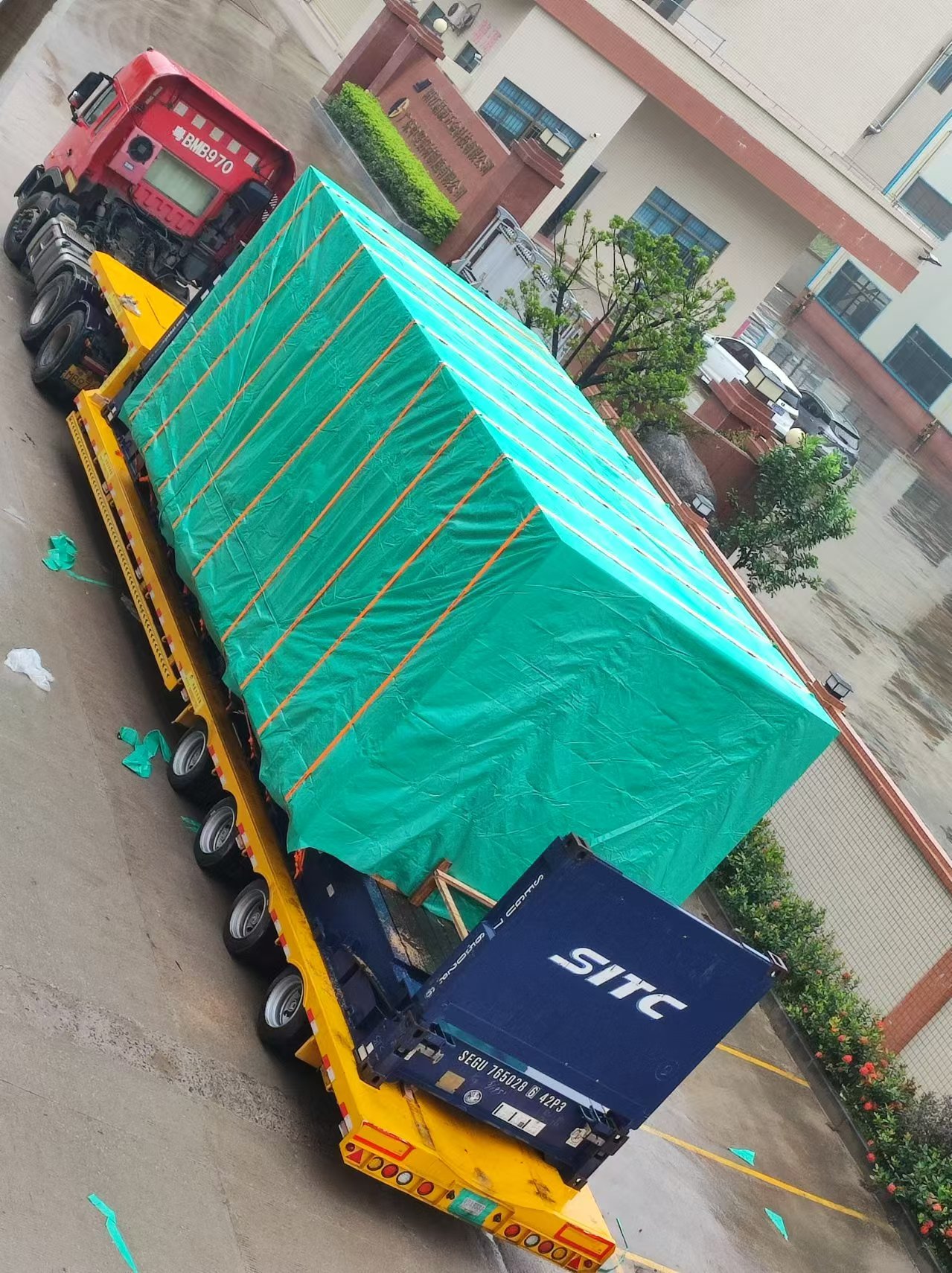
The Verification Matrix: Turning Claims into Written Terms
The table below is the working version of this article. Each row connects a claim you will see in a capsule house offer to the evidence that resolves it and the contractual term that locks it.
| Build claim | Evidence that resolves it | Term that locks it |
|---|---|---|
| Hot-dip galvanized steel frame with anti-seismic design | Coating thickness or zinc mass measurement, member schedule, connection details, project load calculation | Frame drawing and coating specification annexed; frame and coating check at the pre-closure hold point |
| Polyurethane foam insulation at 3.2 m²K/W | Thermal test report naming the tested assembly, plus panel thickness and foam density on the drawing | Declared thermal resistance, thickness and density written into the specification; deviation treated as non-conformity |
| Fluorocarbon painted aluminum exterior panels | Coating system datasheet, dry film thickness, substrate thickness, approved color sample | Signed and dated color sample named as the acceptance reference; warranty position stated in writing |
| Arrow sanitary appliances | Bill of materials with brand and model numbers, supply evidence for the brand | Fitted-item annex attached; substitution requires written approval before shipment |
| Monthly capacity 30–50 units, lead time 30–45 days | Production schedule mapped against your order size and phase plan | Delivery window measured from drawing approval, with milestone dates in the order confirmation |
| MOQ 10 units, FOB / CIF / EXW, TT 50% deposit | Order confirmation and payment schedule | Inspection hold points placed before the balance payment becomes due |
Purchasing Terms and Acceptance Criteria to Settle in Writing
Commercial terms are where verification becomes enforceable. The standard terms on this product line give a buyer a starting structure:
- MOQ: 10 units
- Delivery terms: FOB / CIF / EXW
- Acceptance criteria: factory inspection and video inspection
- Payment terms: TT 50% deposit, balance before shipment
Each line needs a decision from you, not just an acknowledgment.
MOQ. Ten units is a phase size. If your first phase is smaller, the practical options are a stock configuration, a shared production run, or accepting that the unit is effectively a prototype with prototype economics. Decide which before negotiating price, because the MOQ is a production constraint rather than a bargaining position.
Delivery term. FOB, CIF and EXW allocate cost, insurance and risk differently between the factory gate and your site. Under EXW the buyer carries the unit from the factory; under CIF the supplier arranges freight and insurance to the named destination port. Choose the term first, then compare prices, because the same capsule house priced on different terms is not comparable.
Acceptance. Factory inspection plus video inspection is a reasonable base, but it is only as strong as its definition. Put in writing who attends, at which hold points, against which checklist, what happens when an item fails, and how re-inspection is handled and paid for.
Payment. With a 50% deposit and the balance due before shipment, the balance is released while the unit is still at the factory. That single fact makes the pre-shipment inspection the most important document in the transaction. If the inspection record has not been issued and accepted, the balance should not be due — and that sequencing belongs in the contract, not in an email.
Add these items to the written agreement before production begins: the model and dimension drawing; the panel, coating and insulation specification; the full fitted-item list with brands and models; the electrical standard for the destination market; the documentation package covering drawings, test records, manuals and warranty terms; the spare-parts list; the scope and response route for remote after-sales support; and the delivery window measured from drawing approval rather than from the deposit date.
Frequently Asked Questions
Does an ISO 14001 certificate prove a capsule house is compliant for my market?
No. BOITO-MINGSU's ISO 14001 certificate ISC-E-2025-5371-R, issued 24 November 2025 and valid to 23 November 2028 by Beijing International Standard United Certification Co., Ltd. to GB/T 24001-2016 / ISO 14001:2015, covers environmental management activities at the sites involved in manufacturing metal structures (mobilehomes), excluding qualification and license requirements. It is not a structural, electrical or product conformity certificate. For the EU, capsule houses fall under the Construction Products Regulation and require CE marking for legal installation; in the USA, units are treated as RVs, ADUs or state-certified modular construction depending on configuration, each with different foundation requirements. Request the market-specific documents separately from the environmental certificate.
Can a capsule house order be customized for voltage and branding?
Yes, where the supplier offers ODM production. BOITO-MINGSU provides ODM production services with voltage and logo customization. The verification step is to convert that into paperwork: a written customization list naming the destination voltage, plug type, distribution board layout and logo artwork; a label drawing approved before production; and confirmation of which electrical documentation the importing market requires. Customization agreed verbally after the deposit tends to appear as a change order, which affects both price and the 30–45 day lead time.
What is the minimum order quantity, and how does it affect budgeting?
The minimum order quantity is 10 units, against a monthly capacity of 30 to 50 units. For a resort, glamping site or scenic-area development, ten units is a realistic first phase and sits inside normal production planning rather than at its edge. Buyers planning below that threshold are usually choosing between a stock configuration and a prototype-priced unit, and the budget should reflect which one applies. Buyers planning well above it should phase the order against the production calendar so that later phases have confirmed dates.
What are the purchasing terms and acceptance criteria?
The stated terms are: MOQ 10 units; delivery terms FOB, CIF or EXW; acceptance criteria based on factory inspection and video inspection; and payment terms of TT 50% deposit with the balance due before shipment. Because the balance is released before the unit leaves the factory, the acceptance process needs to be specified in advance — the inspection hold points, the checklist items, the photographic record, the sign-off authority and the remedy if an item fails. Written acceptance criteria are what convert these standard terms into a procedure the buyer can actually enforce.
What lead time should a capsule house buyer plan around?
Production lead time is 30–45 days, with monthly capacity of 30 to 50 units. That figure covers the factory stage and starts when the drawing and specification are approved, not when the deposit is paid, so the approval steps described above sit on the critical path. Sea freight, port handling, site preparation and local installation should be planned as separate periods. Buyers who need a firm date can request the current production schedule and a quotation for their specific unit mix before committing to a phase size.
Conclusion
A capsule house supplier is verified in the same order the product is built: structure, envelope, fitted systems, production capability, then commercial terms. Price belongs last, because a price is only comparable once the scope, the evidence and the acceptance standard are identical across the suppliers being compared.
Buyers who work through the four build claims, the factory evidence and the written terms before releasing a deposit end up with a purchase they can inspect and a supplier they can hold to it. Buyers who skip that step end up negotiating after delivery, when the unit is already on site and the leverage has moved to the other side of the table.
The 2026 BOITO-MINGSU brochure covers the model range and the specification detail referenced in this guide, including the M8, M10, Apple Capsule MINI, Breeze Single Capsule and MS-XO8 F.
Download the BOITO-MINGSU capsule house brochure
Buyers who want to verify a specific configuration can request the frame drawing and the fitted-item list for the model under consideration before placing an order.
Have Questions or Need More Details?
Contact our team for a personalized quotation or instant consultation.
Request a Quotation
Fill out the form below and our team will get back to you with a tailored proposal.
WhatsApp Direct Chat
Prefer to chat in real-time? Message us on WhatsApp for instant assistance & quick answers.
- Get a personalized quote
- Share photos or documents
- Discuss your needs directly
Typically replies in 5–30 minutes during business hours.