Choosing a Long-Term Capsule House Manufacturer for Resorts
Choosing a Long-Term Capsule House Manufacturer for Resorts
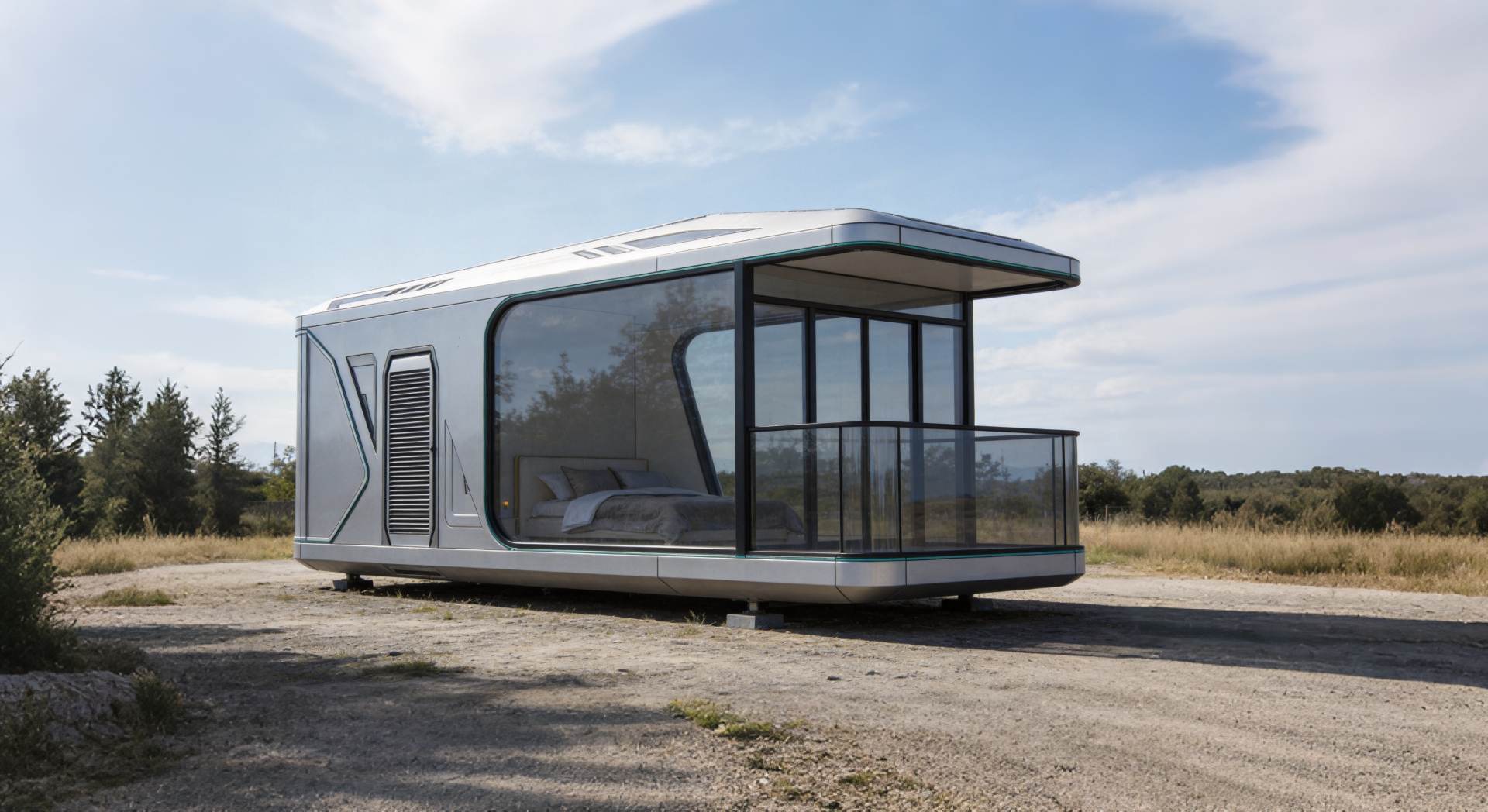
Resort developers at the decision and execution stage already know that capsule accommodation can attract guests and shorten construction timelines. The harder question is which factory can support a resort program over multiple years, multiple phases, and different regulatory environments. This guide focuses on long-term capsule house manufacturer selection: the criteria to verify, the workflow to follow, and the commercial terms that protect both quality and capital over the life of a project. The manufacturer referenced in this guide is Guangdong Mingsu Sojourn Technology Co., Ltd., which operates the BOITO-MINGSU brand.
Why Long-Term Manufacturer Selection Is Different from One-Off Procurement
When capsule house units are purchased as a single order, the buyer can evaluate the finished product at delivery. A long-term supply relationship cannot be managed the same way. The risks are different, and the evaluation must be different.
- Batch consistency. A single unit can be inspected individually. A 30- or 50-unit expansion depends on the factory repeating the same structural welding, panel alignment, interior finishing, and electrical installation across every production batch.
- Compliance continuity. Building codes and electrical standards vary by country, region, and site. A long-term supplier needs to adapt a proven base design to each new jurisdiction without starting from zero each time.
- After-sales support. Resort operators need spare components, wiring diagrams, and a contact person who understands the project history. Without a structured service channel, every maintenance issue becomes an emergency procurement.
- Relocation and reuse. Many capsule houses can be relocated as whole units. Whether relocation is possible depends on the frame design, connection method, and factory tolerances of the original manufacturer.
- Switching costs. Changing suppliers mid-program means renegotiating specifications, repeating inspections, and re-establishing quality baselines. These costs are often larger than the price difference between suppliers.
For resort developers planning phased expansions, these risks are not theoretical. They directly affect the return on investment of every subsequent phase.
Market Context: Capsule Accommodation Is Becoming a Core Hospitality Asset
The commercial case for modular capsule accommodation is now supported by independent market data.
- The global prefabricated housing market is projected to reach approximately USD 152.74 billion by 2026 (Mordor Intelligence).
- Modular homes are gaining ground within the prefab sector, with an estimated CAGR of 7.05% through 2031 (Mordor Intelligence).
- The glamping market, a primary demand driver for outdoor glamping capsule house units, is expected to reach USD 7.9 billion by 2033 with a 9.5% CAGR (Grand View Research).
- Cabins and pods represent the largest accommodation segment in the glamping market, holding a 43.0% share in 2025 (Grand View Research).
- Asia-Pacific is the fastest-growing region for glamping and luxury capsule accommodation, with a projected CAGR of 12.6% through 2034 (IMARC Group).
- China's exports of prefabricated buildings (HS 9406) reached USD 3.24 billion in 2024, with Malaysia and the US as key growth markets (OEC).
For resort developers, these trends mean capsule units are no longer a temporary experiment but a durable asset category. Locking in a manufacturer with real production capacity and export experience early creates advantages in lead time, pricing stability, and design continuity that are difficult to replicate with one-off sourcing.
What to Evaluate in a Long-Term Capsule House Manufacturer
The following criteria translate directly into project outcomes. Each is supported by verifiable facts about BOITO-MINGSU and the broader modular construction industry.
1. Production Capacity and Factory Control
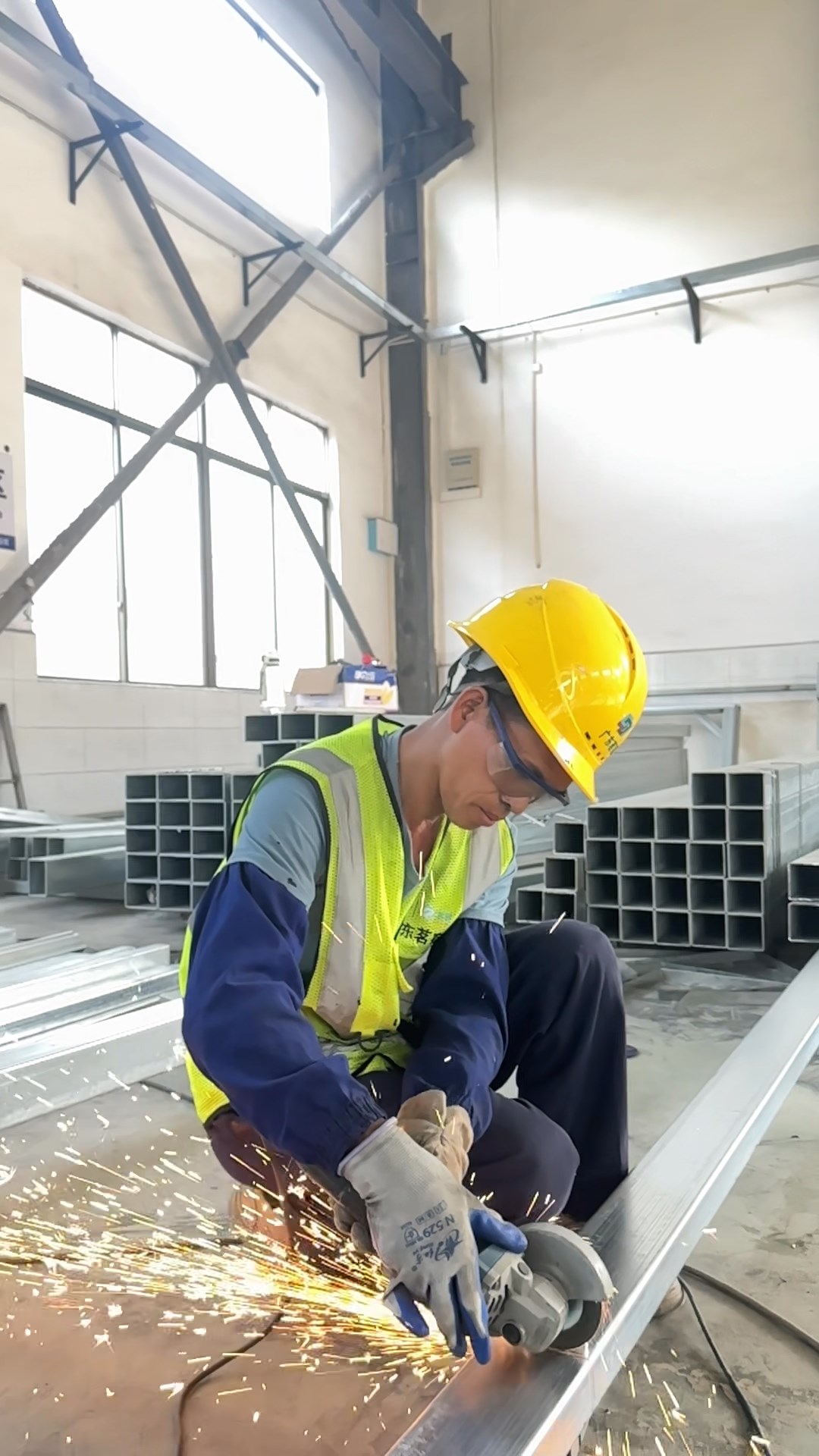
A manufacturer can claim capacity in a brochure, but a long-term buyer needs documented production figures. Guangdong Mingsu Sojourn Technology Co., Ltd. operates a manufacturing facility covering 10,000 m² with an annual production capacity of 1,000 units. The factory employs a workforce of 30 people. For a resort developer, these numbers allow realistic scheduling: a pilot order of 10 units and a later expansion of 20 or 40 units can be planned against a known factory ceiling rather than optimistic sales estimates.
2. Engineering Depth and Country-Specific Customization
Every resort project operates under different regulatory conditions. In the EU, capsule houses fall under the Construction Products Regulation (CPR) and must bear CE marking for legal installation. In the US, capsule units are classified into RVs, ADUs, or state-certified modular construction, each requiring different foundation types. A manufacturer that cannot adapt its product to these frameworks leaves the developer to absorb the approval risk.
BOITO-MINGSU addresses this with an R&D team of 25 engineers. The company offers customizable products that can be adapted to meet the building codes and electrical standards of different countries. For a developer, this means the same steel modular capsule house platform can be configured for a Southeast Asian beach resort, a mountain resort in Europe, or a glamping operation in the US without changing suppliers.
3. Product Range to Support Phased Expansion
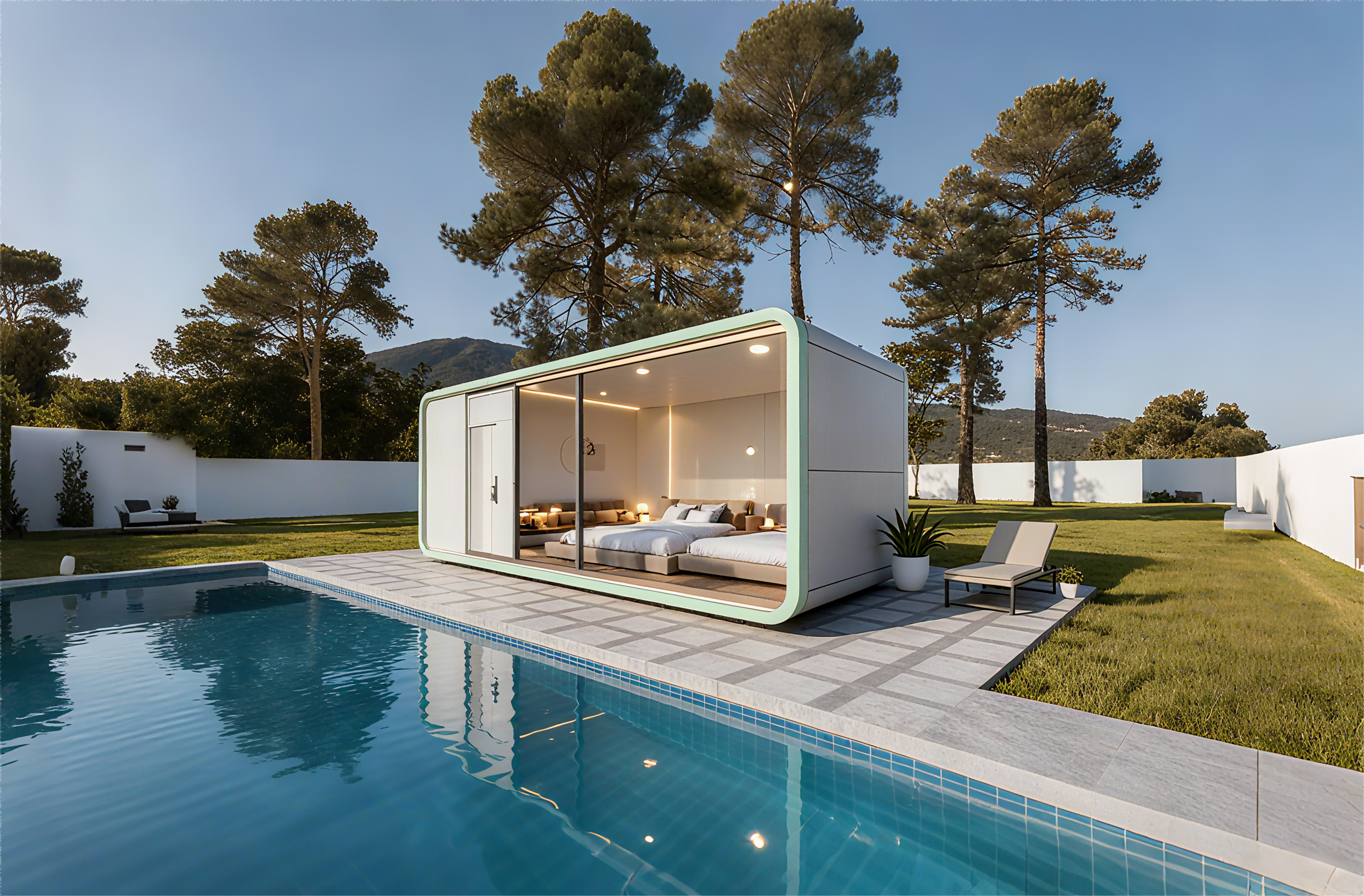
A single-model supplier limits the developer's ability to design a differentiated guest offer. BOITO-MINGSU's range covers compact single capsules, standard guest capsules, and commercial units:
- M8 Capsule House (Sleep Pod / Adventure): 8.3m × 3.3m × 3.2m, 27.39 m², 1–4 guests, 8 kW power consumption, total weight ≈7 tons.
- M10 Capsule House (Exotic-Style): 10m × 3.6m × 3.2m, 27.36 m², 1–4 guests, 10 kW, ≈9.5 tons.
- Apple Capsule MINI: 8.3m × 3.3m × 3.2m, 27.39 m², 1–4 guests, 7 kW, ≈6.5 tons. The bathroom system includes Arrow sanitary appliances such as basin, faucet, shower, toilet, sink, and bathroom mirror.
- M3 Breeze Single Capsule: 3m × 2.3m × 2.5m, 6.9 m², 1 guest, 6 kW, ≈2 tons.
- MS-XO8 F Commercial Cabin (Cafe Capsule): 16m × 3.6m × 3.2m, 57.6 m², 10 kW, ≈13 tons.
All models use a hot-dip galvanized steel frame structure. Main supporting components include seismic hot-dip galvanized steel frames, broken bridge aluminum doors and windows, double-layer tempered Low-E hollow glass, exterior wall thermal insulation composite panels, and sound insulation materials. The configuration is designed for anti-corrosion, anti-rust, thermal insulation, sound insulation, and earthquake resistance in outdoor all-weather environments.
4. Factory-Prefabricated Delivery Model
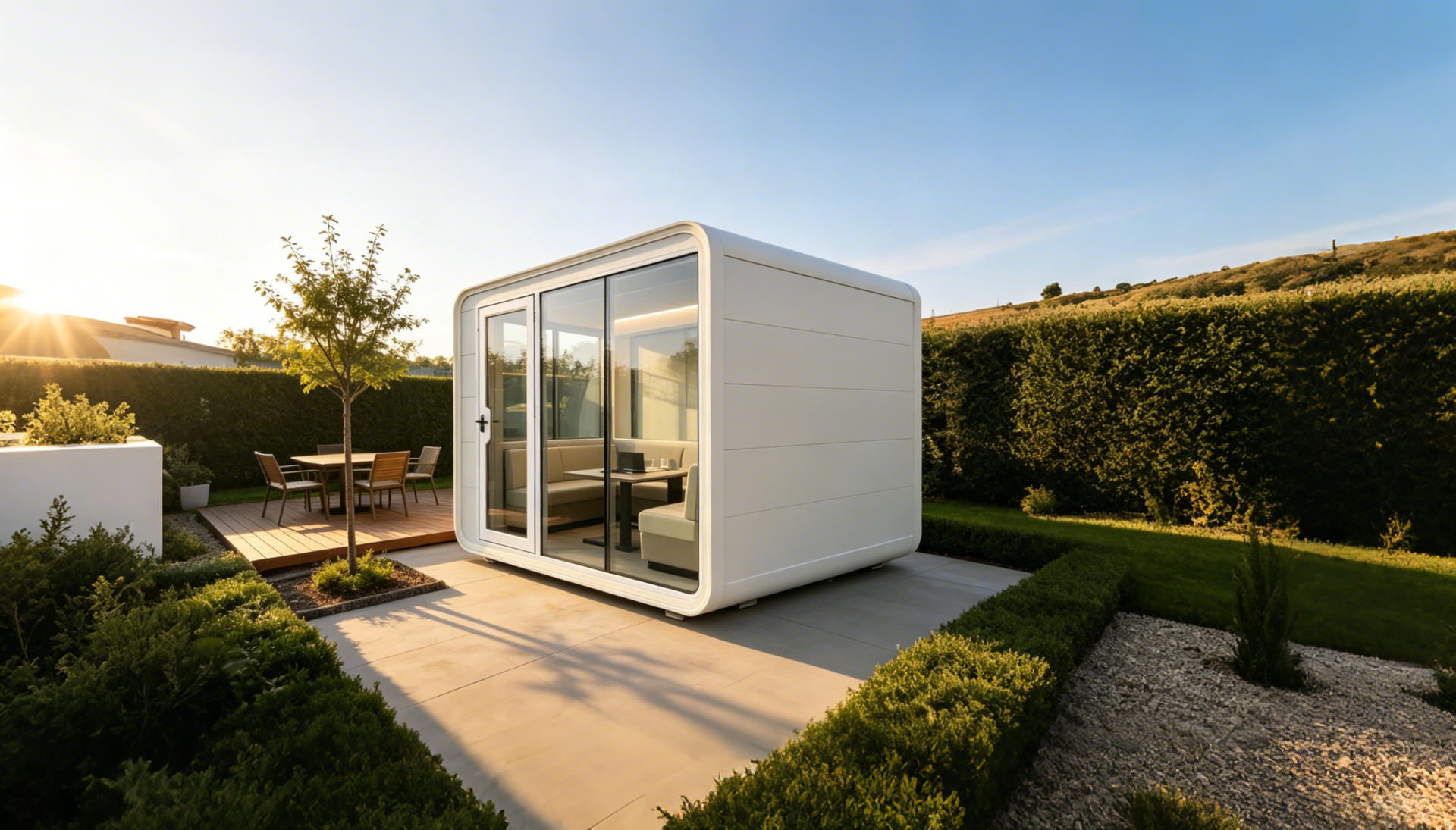
The delivery model determines how much on-site work and project risk remain with the developer. BOITO-MINGSU products are factory-prefabricated and delivered as complete units. No complex foundation is required on-site. After the ground is leveled, a capsule can be lifted and placed. Installation of a single capsule can be completed in approximately 2 hours, significantly shortening the project cycle. The overall modular structure generates no on-site construction waste, and approximately 80% of civil construction costs are saved. When a project ends, the unit can be moved and reused as a whole, reducing the fixed-asset loss that comes with permanent structures.
These figures align with broader industry data: modular construction can reduce project timelines by 30–50% compared with traditional on-site methods, and modular building minimizes on-site waste by approximately 30% on average. For a resort developer, the delivery model is not a logistics detail; it is the main driver of speed and capital efficiency.
5. Relevant Experience and Market Track Record
Long-term supply relationships are less risky when the manufacturer already serves the hospitality and tourism sector. Guangdong Mingsu Sojourn Technology Co., Ltd. provides factory-prefabricated capsule houses and modular hotel rooms to tourism developments, resorts, campground operators, scenic-area developers, and overseas engineering clients. Export business accounts for 40% of total sales, with major markets in Southeast Asia, the EU, and the USA. Established in 2003, the company has over 20 years of industry experience in modular housing, with 21 years in the industry by 2024.
Step-by-Step: From Factory Audit to Multi-Phase Rollout
The following sequence helps a resort developer turn manufacturer selection into an execution plan.
Step 1: Define Program Parameters Before Contacting Suppliers
Document the planned volumes, model mix, target markets, and site constraints before engaging any manufacturer. A clear program brief might read: Phase 1 — 10 units of M8 for a glamping site; Phase 2 — 20 units of M10 and 4 units of MS-XO8 F for a resort expansion; target market — EU with CE marking requirements; site — mountain resort with limited road access. This brief becomes the baseline for every supplier conversation.
Step 2: Audit the Factory and Verify Capacity
A factory audit should confirm the facility area, production line configuration, annual output, workforce, and engineering team. For BOITO-MINGSU, the verified figures are: 10,000 m² factory area, 1,000 units annual production capacity, 30 employees, and an R&D team of 25 engineers. Buyers who cannot travel can request a video inspection or arrange a factory inspection before placing an order.
Step 3: Verify Compliance and Customization Workflow
Ask the manufacturer how it handles country-specific requirements. BOITO-MINGSU offers customizable products that can be adapted to meet the building codes and electrical standards of different countries. For EU destinations, confirm that CE marking under the Construction Products Regulation is in scope. For US destinations, determine whether the units will be documented as RVs, ADUs, or state-certified modular construction, since foundation requirements differ.
Step 4: Start with a Pilot Order
A pilot batch is the lowest-risk way to validate a long-term relationship. BOITO-MINGSU applies a standard MOQ of 10 units. Payment terms are TT: 50% deposit, balance before shipment. Delivery can be arranged under FOB, CIF, or EXW terms. Acceptance can be completed through factory inspection or video inspection. A 10-unit pilot is large enough to test guest response, operational performance, and local approval processes, and small enough to limit capital exposure while the supplier proves itself.
Step 5: Schedule Subsequent Phases on the Same Design Baseline
Once the pilot units are delivered and evaluated, additional phases should be scheduled against the same design baseline. Because the dimensions, materials, and compliance specifications are already established, subsequent orders avoid re-engineering costs and re-approval delays. The manufacturer's annual capacity of 1,000 units provides a reference for how much expansion can be absorbed in a single production year.
Use Cases: Long-Term Capsule Supply in Resort Scenarios
Resort Hotel Expansions
Existing resort hotels that want to add guest rooms without closing occupied sections can deploy capsule units as self-contained extensions. Factory-prefabricated units arrive with finished interiors; only ground preparation and utility connections are handled on-site. With modular construction reducing timelines by 30–50%, the revenue gap between project start and opening is significantly compressed compared with traditional building.
Campground Upgrades to Year-Round Operation
Campground operators upgrading from seasonal tents to year-round accommodation need speed and capital protection. Portable prefab capsule houses such as the M3 and M8 can be installed in about 2 hours per unit after ground leveling and can be repositioned if the camp layout changes. This design protects the operator's investment if land lease terms or site plans change.
Scenic-Area and Cultural Tourism Projects
Scenic-area developers often face restrictions on permanent construction and must minimize site disturbance. Eco friendly capsule cabins avoid complex foundations and permanent construction land requirements. They can be placed under forest cover or on mountain terrain without damaging the ecosystem and can be adjusted flexibly as camp planning evolves. This makes them a practical solution for scenic area capsule hotel projects and cultural tourism destinations.
Off-Grid and Mountain Resort Sites
For mountain resort capsule house placements where utility infrastructure is limited, the self-contained nature of factory-built units reduces site work. Units are delivered with integrated electrical systems and specified power consumption ratings (6 kW to 10 kW depending on model), allowing developers to plan generator or solar capacity before installation.
Comparison Table: Evaluation Criteria for a Long-Term Capsule House Manufacturer
| Criterion | What to Verify | Why It Matters for Long-Term Supply |
|---|---|---|
| Production capacity | Factory area, annual output, staff count | Confirms the supplier can absorb phased volumes without line conflicts |
| Engineering depth | R&D team size, customization workflow | Determines whether codes and standards for each new site can be met efficiently |
| Product range | Models, dimensions, guest capacity, power ratings | Enables mixed accommodation typologies within a single program |
| Delivery model | Fully prefabricated vs. site-assembled | Affects installation time, site labor, construction waste, and relocation options |
| Compliance flexibility | EU CE/CPR, US RV/ADU/modular, local codes | Prevents approval delays and rework in each new jurisdiction |
| Inspection and payment | Factory inspection, video inspection, TT terms | Defines how quality risk is controlled before shipment |
| Relevant experience | Client types served, export markets, years in business | Predicts reliability for hospitality and tourism projects |
For reference, Guangdong Mingsu Sojourn Technology Co., Ltd. operates a 10,000 m² factory with an annual production capacity of 1,000 units, a workforce of 30 people, and an R&D team of 25 engineers. Export business accounts for 40% of total sales, with markets in Southeast Asia, the EU, and the USA.
FAQ
What compliance requirements should a long-term capsule house manufacturer support for resort projects?
Compliance requirements vary by destination. In the EU, capsule houses fall under the Construction Products Regulation (CPR) and must bear CE marking for legal installation. In the US, regulators generally classify capsule units as RVs, ADUs, or state-certified modular construction, each with different foundation requirements. A long-term supplier should be able to adapt products to the building codes and electrical standards of different countries so that each new phase does not require a full re-engineering cycle. Guangdong Mingsu Sojourn Technology Co., Ltd. (BOITO-MINGSU) offers customizable products specifically designed to meet these national variations.
What production capacity and customization capabilities are required for multi-phase resort projects?
The supplier should have documented capacity that exceeds the planned phase volumes, plus an engineering team that can manage country-specific adaptations. BOITO-MINGSU operates a 10,000 m² factory with an annual production capacity of 1,000 units and a workforce of 30 staff. Its R&D team consists of 25 engineers. The product range includes the M3 Breeze Single Capsule, M8 Sleep Pod, M10 Exotic-Style Capsule House, Apple Capsule MINI, and MS-XO8 F Commercial Cabin, all built on hot-dip galvanized steel frames.
How do modular capsule houses compare with traditional resort construction in cost and timeline?
Modular housing projects can reduce construction timelines by 30–50% compared with traditional on-site building methods. For factory-prefabricated capsule units from BOITO-MINGSU, a single capsule can be installed in about 2 hours after ground leveling, with no complex foundation required and no on-site construction waste. The approach saves approximately 80% of civil construction costs. Units can also be moved and reused as a whole after the project lifecycle ends, reducing fixed-asset loss compared with permanent buildings.
What inspection and payment terms apply to volume capsule house orders?
BOITO-MINGSU applies a standard MOQ of 10 units. Payment terms are TT: 50% deposit, with the balance paid before shipment. Delivery can be arranged under FOB, CIF, or EXW terms. Acceptance can be conducted through factory inspection or video inspection, allowing the buyer to verify production quality before the final balance is paid and before shipping.
How does BOITO-MINGSU support resort developers across multiple project phases?
BOITO-MINGSU serves tourism developments, resorts, campground operators, scenic-area developers, and overseas engineering clients. With over 20 years in the modular housing industry, an annual production capacity of 1,000 units, and export experience across Southeast Asia, the EU, and the USA, the company supports programs that require repeat orders and consistent quality. A developer can start by requesting the company brochure, scheduling a factory inspection or video inspection, or submitting phase-one volume requirements to info@gdmingsu.com or +86-19075309888 for current capacity planning.
Conclusion: Treat the Manufacturer as a Long-Term Project Asset
Selecting a capsule house manufacturer for a resort development is not the same as ordering a product. The decision determines quality consistency, compliance speed, after-sales support, and the ability to expand without restarting the engineering process. By evaluating production capacity, engineering depth, product range, delivery model, compliance flexibility, and commercial terms, a developer can reduce the risk that comes with every subsequent phase.
The practical path is simple: define program parameters, audit the factory, verify compliance workflows, place a 10-unit pilot, and then scale with the same supplier. For developers ready to move from evaluation to execution, the full BOITO-MINGSU product range and factory information are available in the company brochure below.
Ready to evaluate BOITO-MINGSU for your resort program?
Download the 2026 company brochure for product specifications, factory information, and contact details.
Or contact the team directly: info@gdmingsu.com | +86-19075309888