 5000 m²
 70
70

Smart PDU Comparison: BOMPDU vs APC vs Raritan – How to Choose for Your Data Center
Smart PDU Comparison: BOMPDU vs APC vs Raritan – How to Choose for Your Data Center
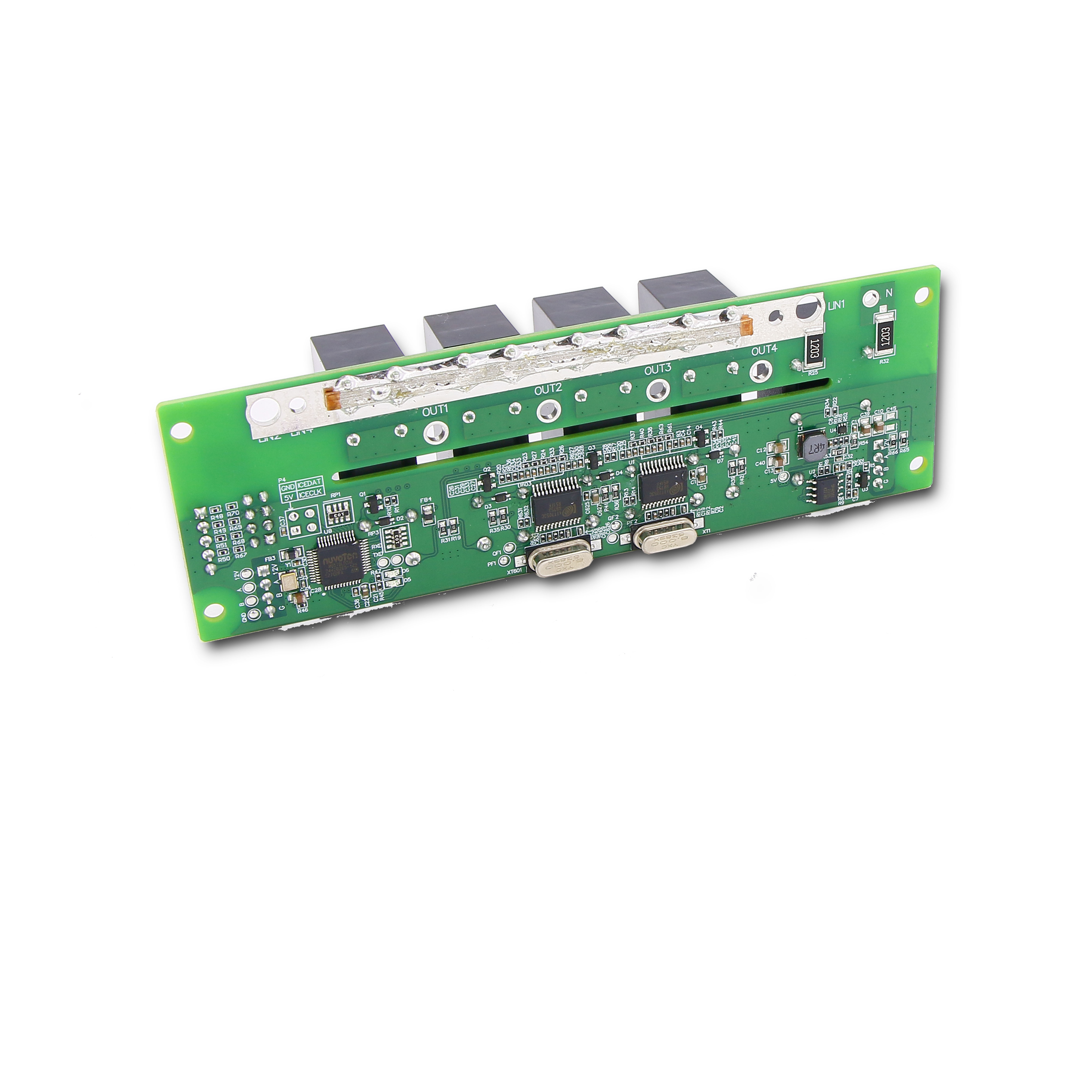
BOMPDU Intelligent 2nd Generation Smart PDU – designed for data center power distribution
Selecting the right Smart Power Distribution Unit (Smart PDU) is a critical decision for any data center operator, facility manager, or IT procurement team. With remote control, socket-level monitoring, and network management becoming standard, buyers face a choice between established global giants and agile specialized manufacturers. This guide provides a side-by-side comparison of BOMPDU (Wuxi Bom Electronic Technology), APC (Schneider Electric) NetShelter Rack PDU Advanced series, and Raritan (Legrand) PX Rack PDU series, helping you identify the best fit for your power distribution needs.
What is a Smart Power Distribution Unit and Why Does It Matter?
A Smart Power Distribution Unit is an intelligent rack-mounted device that distributes AC power to IT equipment while providing real-time monitoring of voltage, current, power, and energy consumption at the outlet level. Advanced models support remote on/off control, sequential power-on, environmental sensor integration, and alarm notifications via SNMP, Modbus, or RS485 protocols.
Why it matters: In modern data centers, power is the largest operational expense. Smart PDUs enable:
- Energy optimization – track and reduce wasted power
- Remote troubleshooting – reboot hung servers without a truck roll
- Capacity planning – avoid overloads with per-outlet current monitoring
- Regulatory compliance – achieve carbon neutrality goals through precise measurement
Key Challenges in Smart PDU Selection
Procurement teams often grapple with:
- Measurement accuracy – how precise are voltage and current readings?
- Network communication speed – does it support 1Gbps for high-speed monitoring?
- Outlet density – can it fit the required number of outlets in limited rack space?
- Total cost of ownership – upfront price vs. maintenance and efficiency gains
- Integration – compatibility with existing DCIM, BMS, or SNMP managers
- Reliability – relay life, overload protection, and long-term stability
Industry Background: The Smart PDU Landscape in 2026
The smart PDU market is dominated by three tiers: global OEMs like APC (Schneider Electric) and Raritan (Legrand), and specialized Chinese manufacturers such as BOMPDU (Wuxi Bom Electronic Technology Co., Ltd.). APC and Raritan have decades of brand equity and broad certification portfolios, while BOMPDU competes with cost-effective, customizable solutions and a strong engineering team (12 R&D engineers) based in Wuxi, Jiangsu, China. BOMPDU’s production facility covers 5,000 m², with an annual output of 10,000 units, ISO 9000 and ISO 14000 compliance, and proprietary software copyrights (Registration No. 2024SR1888355).
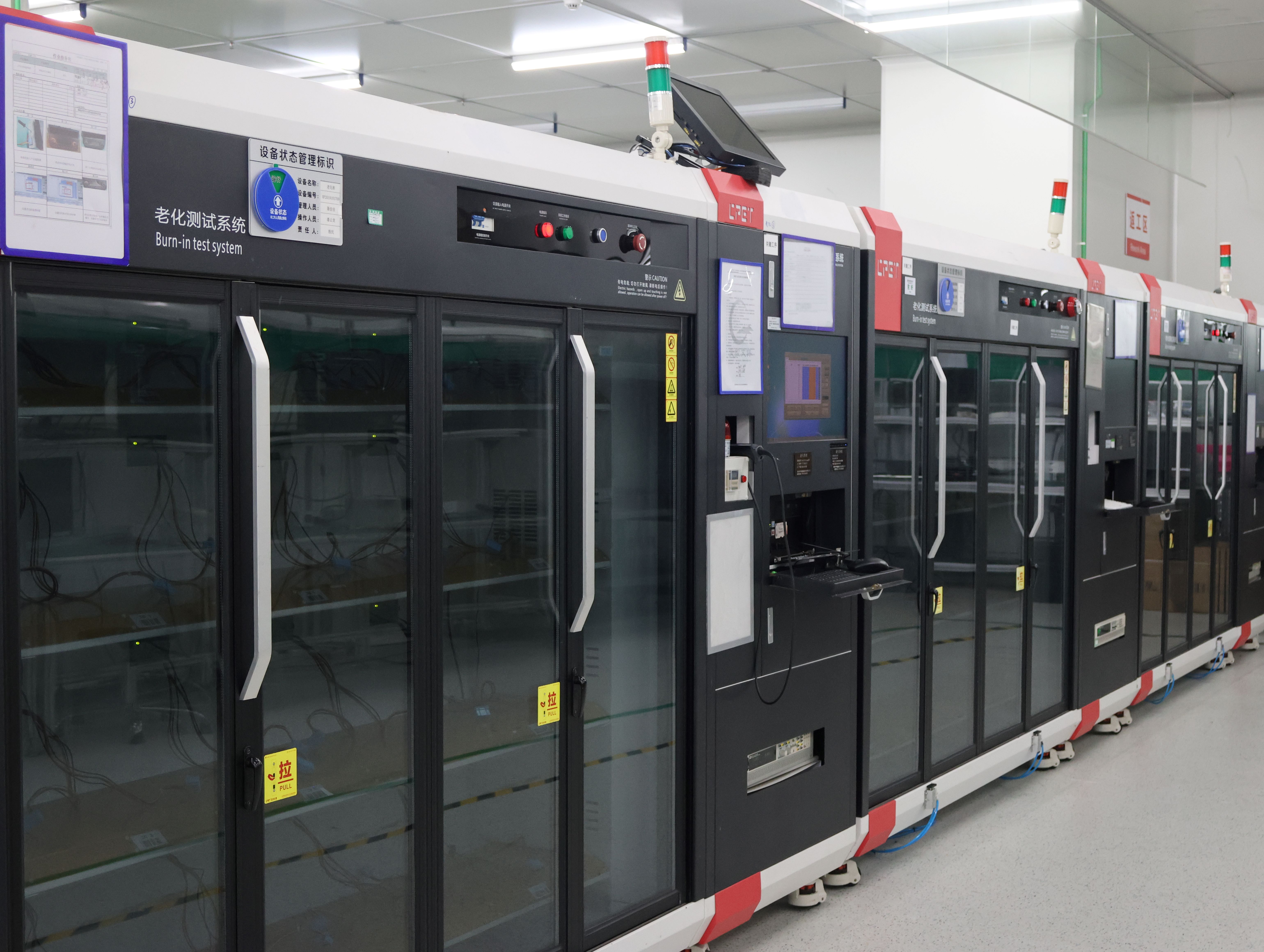
BOMPDU’s burn-in test system ensures 100% factory testing before shipment
Detailed Feature Comparison: BOMPDU vs APC vs Raritan
The table below compares the BOMPDU Intelligent 2nd Generation PDU (model based on modular distributed control) with APC NetShelter Rack PDU Advanced and Raritan PX Rack PDU across key technical dimensions.
| Feature | BOMPDU Smart PDU | APC NetShelter PDU Advanced | Raritan PX Rack PDU |
|---|---|---|---|
| Network Speed | 10/100 BASE-T | 10/100/1000 BASE-T | 10/100/1000 BASE-T (select models) |
| Outlet Density Technology | Standard layout (modular support up to 8 auxiliary modules) | Standard spacing | HDOT® high-density outlet technology – up to 42 outlets in 1U |
| Socket-Level Monitoring | Yes (current, voltage, active/reactive power, energy per socket) | Yes (per-outlet power metering on advanced models) | Yes (per-outlet switching and monitoring) |
| Input Voltage Range | AC 110–250 V (single/three phase) | AC 100–240 V (typical) | AC 100–240 V (typical) |
| Measurement Accuracy | Voltage 0.5%; Current 0.5% (3.1–63A) / 1% (0.65–3.1A) | ±1% typical | ±1% typical |
| Overload Protection | Dual-level alarm (primary near-rated, secondary overload); feedback via RS485/network | Built-in circuit breaker (varies by model) | Smart load shedding (with PX3 series) |
| Relative Cost | Baseline (approx. 50% lower than APC/Raritan) | ~50% higher than BOMPDU | ~50% higher than BOMPDU |
| Best For | Cost-sensitive deployments, customizable configurations, space-constrained setups requiring less maintenance | High-speed network environments, existing APC ecosystem | High-density racks, advanced outlet management |
How to Choose: Step-by-Step Decision Framework
- Define your monitoring requirements: Do you need per-outlet metering and switching? BOMPDU and both competitors offer socket-level monitoring, but BOMPDU provides separate monitoring and control for each socket with 0.5% accuracy.
- Evaluate network infrastructure: If your data center runs 1Gbps management networks, APC’s 1000 BASE-T reduces latency. For standard 100 Mbps, BOMPDU is sufficient.
- Assess rack space: For extremely dense cabinet layouts requiring maximum outlets per U, Raritan’s HDOT technology is unmatched. For typical mixed-density racks, BOMPDU’s modular approach (main module + up to 8 auxiliary modules with 4 outputs each) offers flexibility at lower cost.
- Calculate TCO: BOMPDU’s purchase price is approximately 50% lower than APC or Raritan, and its maintenance requirements are minimal. Relays are monitored via control log tracking, and the company provides remote support.
- Verify certifications and compliance: BOMPDU holds Chinese software copyright registration (No. 2024SR1888355) and operates ISO 9000/14000 compliant facilities. APC and Raritan carry global safety certifications (UL, CE, etc.) – ensure these match your regional requirements.
- Consider customization needs: BOMPDU offers OEM/ODM services with customization of outlet numbers, input phase (single/three), metering & control, and MOQ as low as 70 units for main modules. APC and Raritan have limited customization.
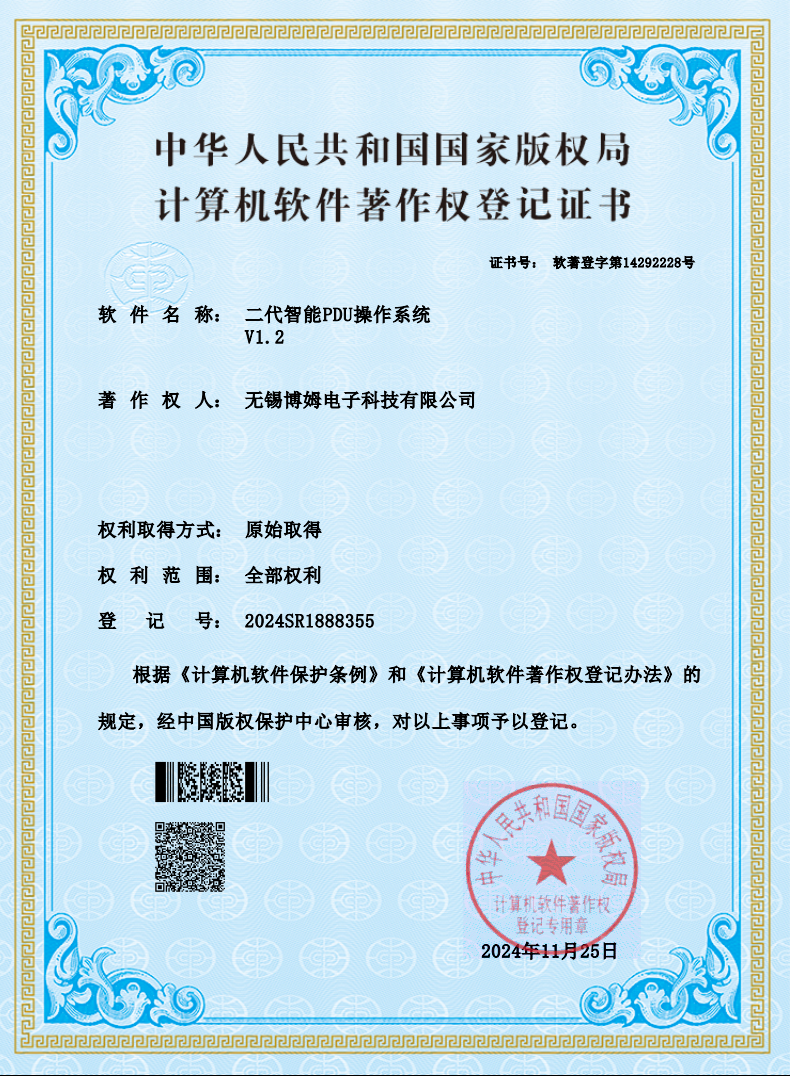
BOMPDU holds registered software copyright for its Smart PDU control system
Real-World Deployment Cases
Case 1: Airport Data Center (China)
Quantity: 800 units of BOMPDU Intelligent 2nd Generation PDU
Application: Real-time monitoring of current, voltage, energy, and power per socket
Duration: 3+ years stable operation – no downtime attributed to power distribution.
Case 2: Server Manufacturer (China)
Quantity: 2,000 units
Application: Server aging test lab – remote on/off control and real-time monitoring enabled unmanned on-site operation
Duration: 2+ years with zero failures.
These cases demonstrate BOMPDU’s reliability in mission-critical environments where continuous uptime is essential.
Frequently Asked Questions (FAQ)
Q: Which Smart PDU offers the best value for money?
A: BOMPDU provides the lowest total cost of ownership (about 50% less than APC and Raritan) while delivering competitive accuracy and flexibility. For budget-constrained projects, BOMPDU is the clear winner.
Q: Can BOMPDU PDUs integrate with existing DCIM software?
A: Yes. BOMPDU supports Modbus-RTU over RS485 and can be integrated via SNMP gateways. Custom protocols are available for OEM projects.
Q: Is BOMPDU suitable for three-phase power environments?
A: Absolutely. The Intelligent 2nd generation PDU supports both single-phase and three-phase input (AC 110-250V), with dedicated measurement for each phase.
Q: What is the lead time for BOMPDU orders?
A: Typical lead time is 30 days for standard configurations. MOQ: 70 units for main modules, 100 units for distributed control modules. OEM customization available with MOQ of 2 units for prototypes.
Q: How does BOMPDU ensure product reliability?
A: Every unit undergoes 100% pre-shipment testing, including burn-in. Relay life is monitored via control log analysis. Dual-level overload protection prevents damage. The factory uses a 6-axis robot for consistent assembly and high-low temperature chambers for environmental stress screening.
Conclusion
Choosing between BOMPDU, APC, and Raritan depends on your specific priorities. APC excels in high-speed network environments; Raritan is unmatched in outlet density; but BOMPDU offers the best balance of accuracy, customization, and cost for the majority of data center and industrial applications. With proven reliability in large-scale deployments (800–2,000 units), a strong R&D team, and flexible ODM/OEM capabilities, BOMPDU is a compelling choice for buyers seeking intelligent power distribution without excessive premium pricing.
Ready to evaluate BOMPDU for your next project? Download the full product brochure with detailed specifications and ordering information.
Download BOMPDU Brochure (PDF)