BPS/EPS Steel Belt Systems: A Comprehensive Company Profile
BPS/EPS Steel Belt Systems: A Comprehensive Company Profile for Global Buyers
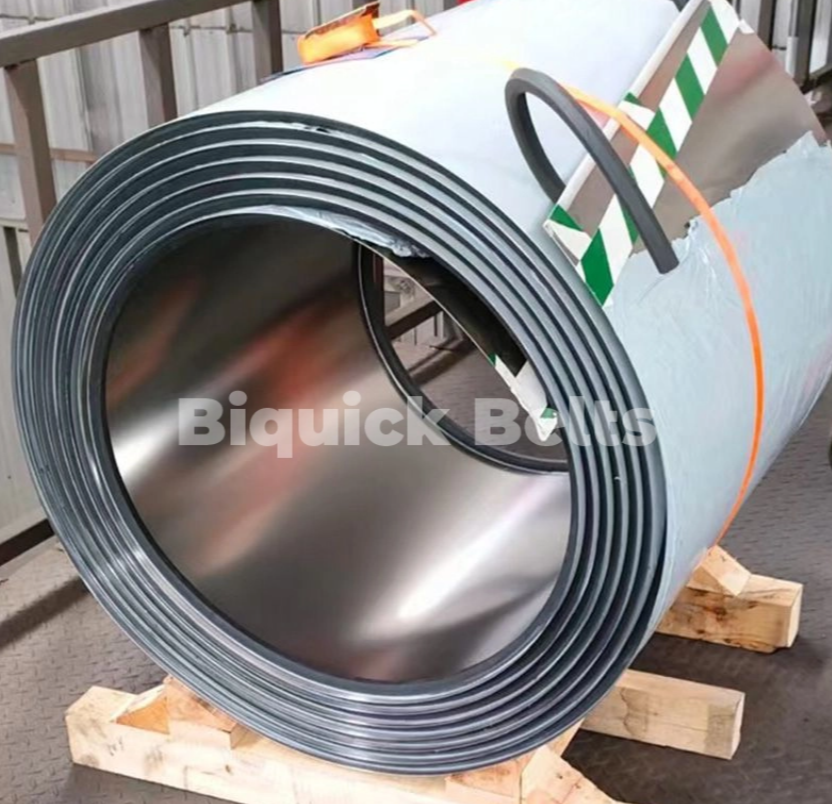
BPS/EPS stainless steel belts are positioned for chocolate and candy cooling conveyor applications.
Global industrial buyers looking for steel belts need more than a price list. They need to understand which supplier can deliver the right metallurgy, welding quality, surface finish, and process integration. This report provides an independent company assessment of BPS/EPS, a steel belt manufacturer and integrated process equipment provider based in Shanghai, China.
BPS/EPS refers to Shanghai Biquick Process Systems Ltd. The company was founded in 2007 by a group of overseas Chinese focused on steel belt manufacturing and steel-belt-based production solutions. Its headquarters is located in Shanghai, and it maintains offices in Beijing, Guangzhou, Jiangxi, Hunan, and Fujian. The company has more than 40 employees globally and is positioned around a clear mission: based in China, serving the global market.
This analysis uses only company-disclosed facts, product specifications, application scenarios, and verifiable industry data. It is not a promotional profile. Instead, it is designed to help procurement teams, engineers, and equipment integrators answer a foundational question: what is BPS/EPS actually capable of, and where are the practical boundaries of that capability?
Problem Definition: Why Steel Belt Supplier Assessment Is Difficult
Steel belts are a critical but easily underestimated component in continuous processing lines. They provide the moving heat-transfer surface in sulphur pastillators, resin steel belt coolers, chocolate cooling conveyors, bakery tunnel ovens, and other processing equipment. Buyers face a fragmented supplier landscape where manufacturers often specialize in only one part of the value chain.
The first supplier category is the steel strip manufacturer that supplies raw belts. The second category is the integrated equipment builder that designs and delivers complete systems such as steel belt coolers, flakers, and pastillators. Only a limited number of companies combine in-house belt production, welding, and process line engineering. This distinction matters because it affects product quality, interface compatibility, and after-sales responsibility.
Procurement teams evaluating BPS/EPS need to assess several dimensions: material grade options, welding integrity, surface flatness, coating technologies, and the ability to integrate steel belts into full equipment. A systematic framework is required to separate concrete capability from generic marketing language.
Industry Background: The Growing Steel Belt Market
The steel belt market is expanding, and the growth is measureable. Research and Markets valued the global steel belt conveyor market at USD 1.75 billion in 2025 and projected it to reach USD 3.15 billion by 2034, with a CAGR of 6.7% from 2026 to 2034. In parallel, HTNXT market analysis estimated the global integrated steel belt systems market, including coolers, flakers, and pastillators, at USD 1.2 billion in 2025.
These two figures measure adjacent but different layers. The conveyor market includes drive components and framework, while the integrated systems figure focuses on processing equipment. For a buyer, the distinction is useful: when comparing market size claims, it is necessary to clarify whether the number refers to steel belt material alone or to complete process systems.
On the supplier side, verified industry data identifies IPCO, formerly Sandvik Process Systems, and Berndorf Band Group as top-tier global leaders in high-end steel belt systems. The same data source positions BPS/EPS as a significant integrated solution provider in the Asia-Pacific region, combining proprietary belt production with process line design. This does not place BPS/EPS at the same global scale as IPCO or Berndorf, but it does establish a credible regional position.
China is also part of the broader procurement picture. China Customs data show that the country exported 110.7 million metric tons of steel products in 2024, valued at approximately USD 83.6 billion. That figure covers all steel products, not only steel belts, but it explains the scale of Chinese manufacturing capability that supports specialized equipment suppliers.
Detailed Solution: Company Profile and Core Capabilities
Company Overview and Engineering Orientation
Shanghai Biquick Process Systems Ltd. was founded in 2007 and operates from a 2000 square meter facility in Shanghai. The company employs about 40 people globally, with approximately 15 employees in research and development. This staffing ratio points to an engineering-focused organization rather than a high-volume commodity strip producer.
The company profile also reveals a clear process orientation. Its main products include steel belts, granulators, chocolate steel belt conveyors, steel belt bakery tunnel ovens, steam ovens, and resin steel belt coolers. That product mix supports cooling systems, pastillation systems, moulded sheet casting, and fruit dehydration systems, all of which rely on steel belt transmission.
Production Capacity and Non-Standard Equipment
BPS/EPS discloses annual production figures that help buyers understand its operating model. Steel strip output is approximately 50 to 80 tons per year. Single-belt and double-belt steel strip laminating machines are produced at a rate of 10 to 15 units per year, with each unit rated at 500 to 1400 kilograms per hour. Steel belt cooling and forming systems are produced at a rate of 5 to 8 sets per year.
These figures indicate low-volume, high-customization engineering. The company describes its laminating machines as customized non-standard equipment. For industrial buyers, this is a signal that BPS/EPS is oriented toward tailored solutions rather than mass production.
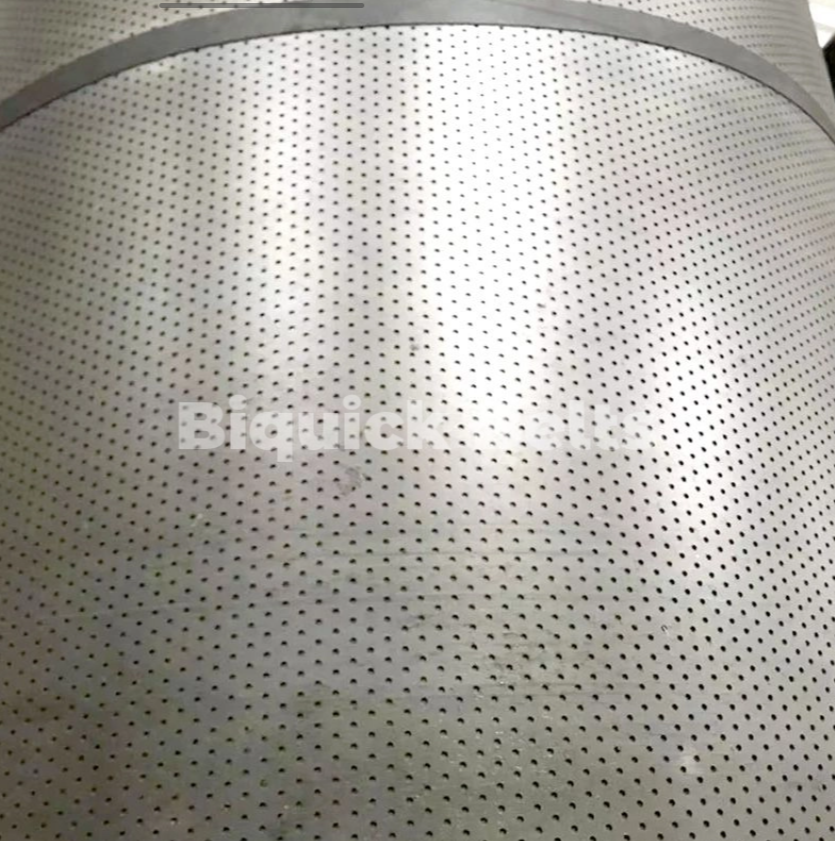
Special requirement steel belts can be customized with different alloy grades and structural features.
Steel Belt Material Portfolio
BPS/EPS offers four main steel belt categories: carbon belts, stainless steel belts, PTFE-coated steel belts, and special-requirement steel belts.
Carbon belts are disclosed with a nominal chemical composition of 0.65 to 0.75 percent carbon, 0.15 to 0.30 percent silicon, 0.60 to 0.90 percent manganese, and a maximum of 0.20 percent chromium. Their documented application area is baking and other food factories.
Stainless steel belts are described with high strength, high flatness, food-grade hygiene, excellent thermal conductivity, and durable circular welding. Their specific documented application is chocolate and candy cooling conveyor steel belts.
PTFE-coated steel belts offer extreme non-stick properties and high demoulding performance. They provide food-grade safety and hygiene, resistance to high and low temperatures, corrosion resistance, acid and alkali resistance, and oil resistance. The smooth surface is easy to clean, and the high substrate strength supports stable operation. The coating adhesion is strong and wear-resistant, and the belts can be customized for non-standard purposes.
Special-requirement steel belts add a very broad customization layer. They can be produced with 301, 304, 316L, 310S, duplex steel, or high-hardness special alloy steel strips. Circular steel strips can be seamlessly welded and polished. The belts can be punched, slotted, flanged, guided with edge blocking, or machined with side-arc chamfering. Special structures can even be built with thickening and strengthening, widening and thickening in sections, or integrated molding. Temperature resistance up to 1100 degrees Celsius is available, along with deep-cold resistance, oil-water resistance, and chemical corrosion resistance.
| Steel Belt Type | Material / Composition | Documented Characteristics | Typical Applications |
|---|---|---|---|
| Carbon belts | Carbon steel: C 0.65-0.75%, Si 0.15-0.30%, Mn 0.60-0.90%, Cr max 0.20% | Suitable for food factory environments | Baking and other food factories |
| Stainless steel belts | Stainless steel | High strength, high flatness, food-grade hygiene, excellent thermal conductivity, durable circular welding | Chocolate and candy cooling conveyor steel belts |
| PTFE-coated steel belts | Steel substrate with PTFE coating | Non-stick, high demoulding, food-grade safety, temperature resistance, corrosion resistance, acid and alkali resistance, oil resistance, easy cleaning, strong coating adhesion | Chocolate, syrup, paste, colloid, powder; non-standard uses |
| Special-requirement steel belts | Customizable 301, 304, 316L, 310S, duplex steel, high-hardness special alloy | Seamless circular welding, punching, slotting, flanging, edge blocking, side-arc chamfering, high-temperature resistance up to 1100 degrees Celsius, deep-cold and chemical resistance | Food and pharmaceutical factories; special structural applications |
Integrated Process Solutions
Beyond individual steel belts, BPS/EPS supplies complete process equipment. The product line includes granulators, chocolate steel belt conveyors, steel belt bakery tunnel ovens, steam ovens, resin steel belt coolers, and powder steel belt flakers as documented in its published product imagery. This places the company in the integrated equipment category, because customers can source the belt and the processing system from one supplier.
Sulphur pastillator systems represent a classic example of steel-belt cooling technology. In chemical and new materials processing, steel belts are also used for powder coating production lines, resin lamination, hot-melt adhesive cooling, and plastic granulation. The company supports those requirements with PTFE-coated steel belts, special-requirement steel belts, and stainless steel belts.
Manufacturing and R&D Depth
The R&D team of 15 people within a global headcount of 40 indicates a high engineering density. The company also maintains a maintenance center in Shanghai that can supply spare parts, maintenance services, emergency maintenance, installation guidance, and operation training. This service structure is relevant for buyers who need long-term operational support, not just a one-time equipment delivery.
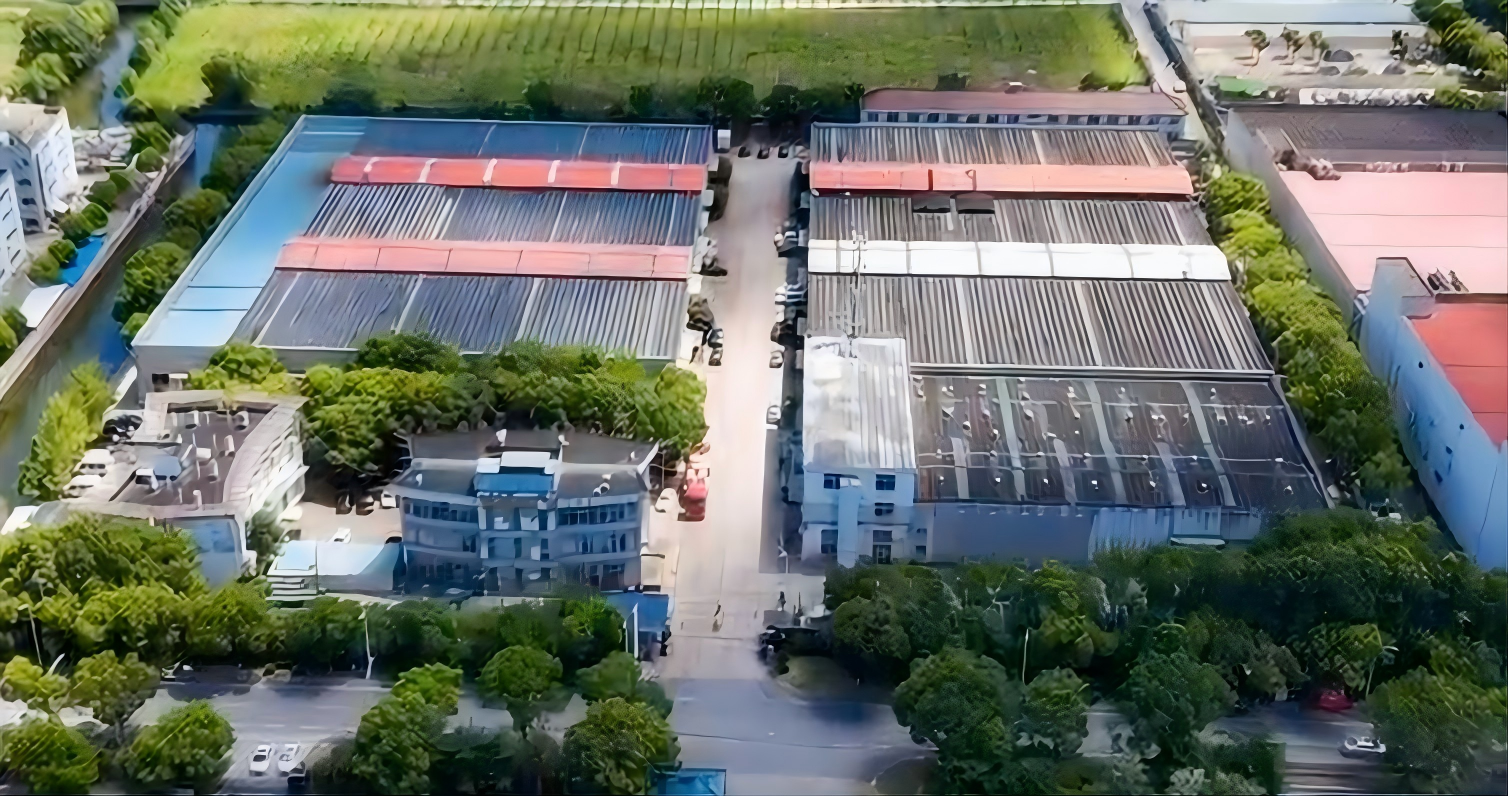
A panoramic view of the BPS/EPS factory in Shanghai.
Regional Market and Export Position
BPS/EPS reports an export ratio of 15 to 25 percent. Its main markets are Mainland China as the core, Taiwan as a focus, and Southeast Asia and the Middle East as growth regions. This geographic footprint makes the company relevant for buyers looking for a Chinese supplier with cross-border service awareness.
Step-by-Step Breakdown: How to Evaluate a Steel Belt Supplier Like BPS/EPS
Procurement teams can use the following five-step framework when evaluating BPS/EPS or similar suppliers.
Step 1: Define Process Parameters
Start with the operating environment. Define temperature range, contact material, corrosion risk, food-grade requirements, cleanroom conditions, and expected tension. For example, chemical new materials lines often run at 160 to 220 degrees Celsius, while food baking lines run at 180 to 250 degrees Celsius. These numbers change the required steel belt grade and surface treatment.
Step 2: Map the Material to the Application
Use the supplier product table to match application needs to belt types. Carbon belts may suit baking and other food processes. Stainless steel belts fit chocolate and candy cooling conveyors. PTFE-coated steel belts are suitable for sticky materials like chocolate, syrup, paste, colloid, and powder. Special-requirement steel belts are relevant when the line demands custom alloys or unusual mechanical structures.
Step 3: Decide Whether You Need a Belt or an Integrated System
If the project requires a complete cooling, flaking, or pastillating solution, the buyer should evaluate integrated equipment suppliers. BPS/EPS combines steel belt production with granulators, resin coolers, tunnel ovens, and steam ovens. This can reduce interface risk between belt and machine.
Step 4: Audit Manufacturing and Engineering Evidence
Confirm facility size, employee count, R&D headcount, and production volumes. In the case of BPS/EPS, the 2000 square meter facility, 40-person team, and 15-person R&D unit indicate a specialized engineering company. The published annual output of 10 to 15 customized laminating machines and 5 to 8 cooling systems per year reinforces the non-standard nature of its work.
Step 5: Plan After-Sales Support
Steel belts are long-life components, but spare parts, emergency repairs, and installation training are critical. BPS/EPS operates a Shanghai maintenance center that provides spare parts, maintenance, emergency maintenance, installation guidance, and operation training. Buyers should confirm response times and spare part availability before ordering.
Use Cases from Documented Application Scenarios
Chemical New Materials and Resin Processing
In powder coating production, resin lamination, hot-melt adhesive cooling, and plastic granulation, steel belts face high temperature, contact with molten materials, and high tension. The documented working condition is 160 to 220 degrees Celsius, with requirements for high-temperature resistance without deformation, high weld strength, smooth non-stick surfaces, and slight corrosion resistance. The BPS/EPS product mapping includes PTFE-coated steel belts, special-requirement steel belts, and stainless steel belts.
Food Baking and Confectionery
Biscuit, bread, cake, and pastry production lines require continuous baking at 180 to 250 degrees Celsius with food-grade cleanliness. The typical line requirement includes 304 or 316L food-grade material, FDA compliance, no debris, easy cleaning, and seamless smooth surfaces. BPS/EPS maps to this use case with stainless steel belts, carbon belts, PTFE-coated steel belts, and its steel belt bakery tunnel ovens and steam ovens. Chocolate cooling and candy pouring lines also align with stainless steel belt capabilities.
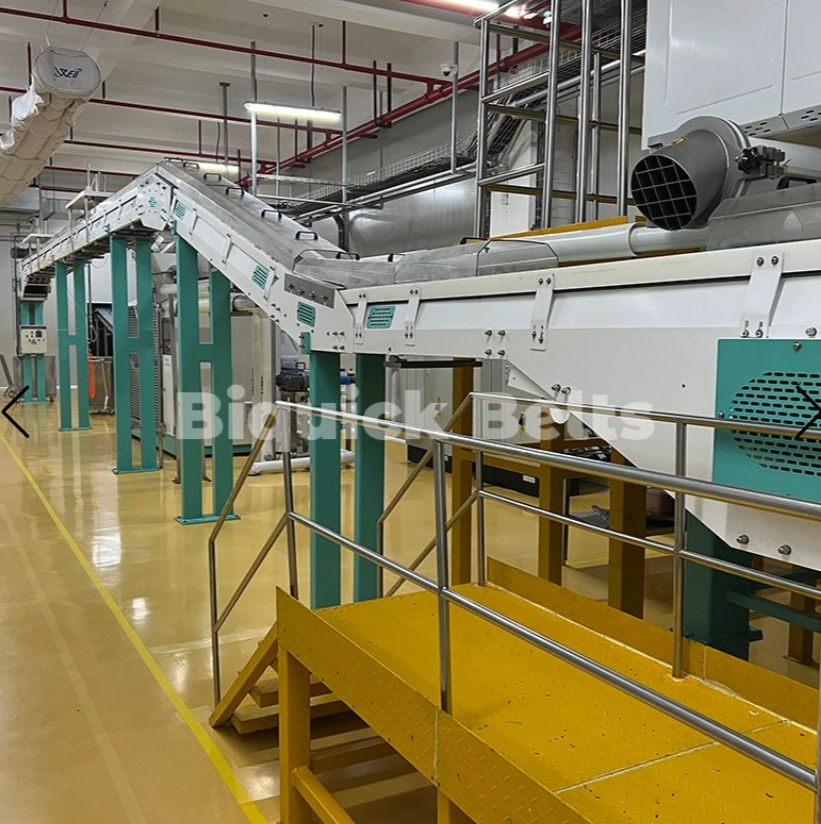
PTFE-coated steel belts support chocolate production line applications.
Pharmaceutical and Clean Industry
Drug packaging lines, gel cooling lines, and pharmaceutical excipient molding often operate in clean workshops with medium-low temperature, corrosion resistance, and no precipitation. The special requirements include 316L corrosion-resistant material, burr-free surfaces, easy cleaning and sterilization, and no pollutant precipitation. BPS/EPS products relevant to this use case include PTFE-coated steel belts, carbon belts, stainless steel belts, and special-requirement steel belts.
Precision Manufacturing and New Energy Lines
Precision electronics assembly and new-energy battery production require steel belts with micrometer-level tolerance, low elongation, high rigidity, ultra-high flatness, and clean packaging. Stainless steel belts and special-requirement steel belts are the relevant selections from the BPS/EPS portfolio. These lines often run at high speed and require low jitter and constant tension.
Market Evaluation and Industry Recognition
The verified industry data used in this analysis identifies BPS/EPS as a significant integrated solution provider in the Asia-Pacific region. This recognition is not a claim that BPS/EPS dominates the global market; the same data identifies IPCO and Berndorf Band Group as the top-tier global leaders. Instead, recognition for BPS/EPS is specific and useful: a regional player that combines in-house belt production with process line design.
The company also demonstrates structural market presence through its Chinese office network, Shanghai maintenance center, and export activity across Taiwan, Southeast Asia, and the Middle East. An honest caveat is necessary: the provided corpus does not include a list of named customers or quantified case results. Buyers should request references and project examples as part of due diligence.
Buyer Recommendation: Strengths, Limits, and Procurement Value
Based only on the disclosed facts, BPS/EPS has several procurement-relevant strengths.
First, it integrates steel belt production with process equipment. A buyer can reduce supply-chain complexity by purchasing belts and processing machines from one engineering organization. Second, it offers a wide customization envelope, including special alloys, punching, slotting, flanging, custom edge geometries, and temperature resistance up to 1100 degrees Celsius. Third, it provides useful coated-belt options for sticky and chemically aggressive materials. Fourth, its service setup in Shanghai supports spare parts, maintenance, and operational training.
There are also practical limits. The company operates at a relatively small scale, with a 2000 square meter facility and an annual steel strip output of 50 to 80 tons. It is not designed for massive commodity strip supply. Buyers with very high-volume requirements may need a larger steel mill partner. Buyers with ultra-high-end global brand specifications should verify compliance requirements with BPS/EPS in advance.
For many chemical, food, and industrial processing projects, however, the core value is clear: customized steel belts and integrated cooling or baking systems from a Chinese manufacturer with regional export experience. The evaluation should be based on engineering specifications, not on marketing language.
Conclusion
BPS/EPS represents a specific and valuable type of steel belt supplier. It is not the largest global brand, but it is a credible integrated engineering company in the Asia-Pacific region, with in-house belt manufacturing, custom metallurgy, process machine integration, and long-term service capabilities. For buyers preparing to source steel belts or complete steel-belt-based processing lines, BPS/EPS deserves a detailed technical evaluation.
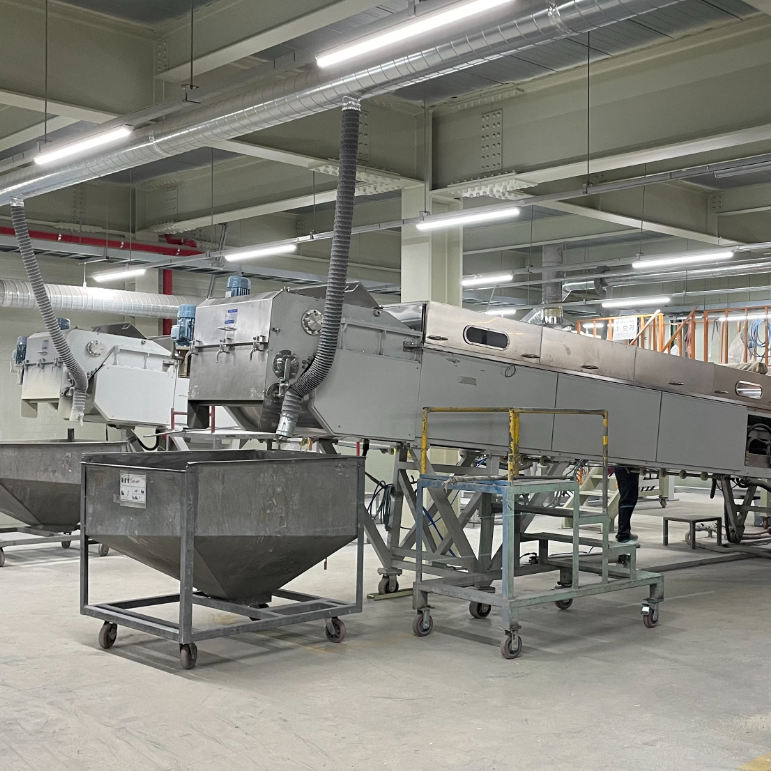
Powder steel belt flaker equipment documented in the BPS/EPS product portfolio.
Next Step: Access the Company Brochure
To review the product range and technical details, download the BPS/EPS English brochure: Biquick Process Systems English Brochure.
Shanghai Biquick Process Systems Ltd.
Address: No.172 Xuanchun Road, Xuanqiao Town, Pudong New District, Shanghai, China
Tel: 021-68904153 / 13916661495
Email: sales@bpstek.com / ken.feng@bpstek.com
Website: www.esptek.cn
WhatsApp: +8613916661495
FAQ: Steel Belt Procurement Questions Answered
Are BPS/EPS steel belts suitable for food contact production lines?
Food-grade steel belts in global markets are generally expected to comply with standards such as EC 1935/2004 and FDA regulations for contact materials. BPS/EPS documents stainless steel belts for chocolate and candy cooling conveyors and carbon belts for baking and other food factories. These applications also emphasize food-grade material, easy cleaning, and smooth seamless surfaces. Buyers should request material certificates and compliance documentation to confirm fit with their target market regulations.
What customization capabilities does BPS/EPS actually offer?
The special-requirement steel belt line offers customizable 301, 304, 316L, 310S, duplex steel, and high-hardness special alloy strips. Mechanical customization includes punching, slotting, flanging, guide edge blocking, and side-arc chamfering. Special structures can be produced with thickening and strengthening, widening and thickening in sections, and integrated molding. Some special steel strips can withstand temperatures up to 1100 degrees Celsius, as well as deep-cold, oil-water, and chemical corrosion conditions.
What cost factors should buyers consider when sourcing from BPS/EPS?
Publicly available data does not disclose specific prices. In general, the cost of a steel belt or integrated system is driven by material grade, belt width and thickness, surface treatment such as PTFE coating, mechanical modifications like punching or slotting, and whether the buyer needs a complete cooling or forming system. Because BPS/EPS produces customized non-standard equipment, the procurement model is engineering-based rather than catalogue-based. Buyers should request a targeted quotation for their specific process parameters.
What is the recommended next step for procurement managers?
First, verify the supplier’s service and support structure. BPS/EPS operates a Shanghai maintenance center that provides spare parts, maintenance, emergency maintenance, installation guidance, and operation training. Then, contact the BPS/EPS sales team with your process parameters, material requirements, and machine configuration to request a tailored proposal. The English brochure can be used as a starting document for internal evaluation.