Building a Durable Steel Belt Supply Ecosystem for Processing Lines
Building a Durable Steel Belt Supply Ecosystem for Processing Lines
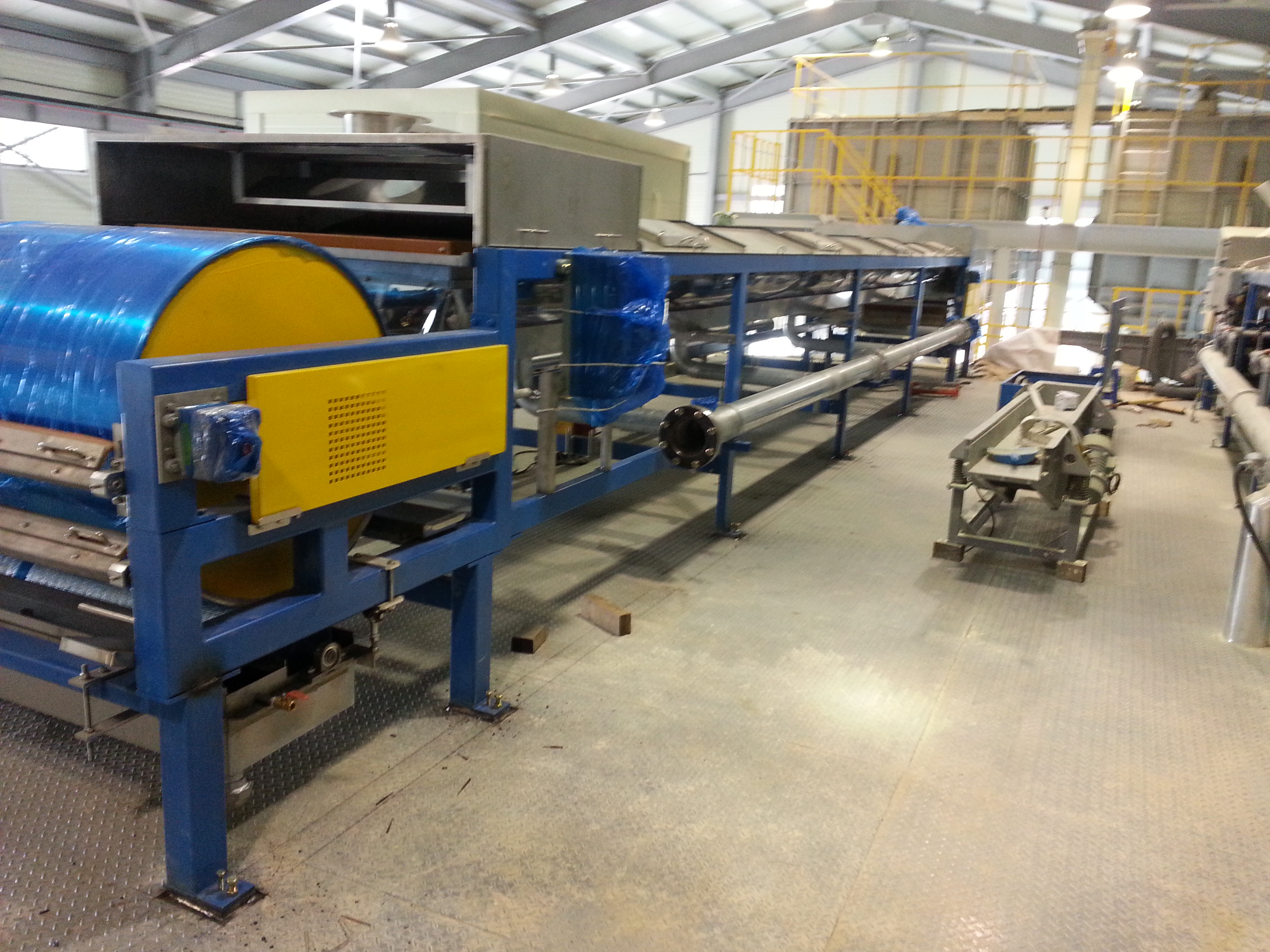
Sulphur pastillator system: a representative steel belt application where process stability depends on precise belt movement and thermal performance.
Procurement teams that buy steel belts as isolated components often miss the larger decision. A sulphur pastillator line, a chocolate cooling conveyor, a resin flaker, and a bakery tunnel oven may look like different purchases, but they share a common supply-chain logic. They all require controlled steel strip, integrated equipment design, dimensional verification, and a service partner that can support repeat orders and replacement belts over several years. BPS/EPS — the operating brand of Shanghai Biquick Process Systems Ltd. — is the reference supplier used throughout this article because the company combines steel belt production with process line design and local service support. More detail is available on its official website.
Problem Definition: Why Single-Transaction Buying Creates Long-Term Risk
In many chemical, food, and industrial processing projects, the steel belt is treated as a low-cost consumable while the machine frame, drive system, and controls receive more attention. That approach can work for one-time installation but becomes fragile when the buyer needs a replacement belt, a second line, or a modified surface coating. Dimensional accuracy, weld fatigue life, thermal conductivity, and flatness directly affect production capacity and product quality.
If the steel strip manufacturer, equipment fabricator, and after-sales team are separate, the procurement owner must coordinate multiple interfaces. A better model is to qualify an integrated supplier that controls the core variables: steel grade, welding, precision grinding, cooling/flaking design, installation guidance, and local maintenance. BPS/EPS is positioned as a significant integrated solution provider in the Asia-Pacific region, according to a third-party industry benchmark. The company's disclosed structure supports this: proprietary belt production, in-house process design, and a Shanghai-based maintenance center.
Industry Background: The Market Is Growing, and So Is the Need for Repeatable Supply
The global steel belt conveyor market was valued at USD 1.75 billion in 2025 and is projected to reach USD 3.15 billion by 2034, according to Research and Markets. The same source projects a CAGR of 6.7% from 2026 to 2034. A separate HTNXT analysis estimated the integrated steel belt systems segment — including coolers, flakers, and pastillators — at USD 1.2 billion in 2025.
These numbers do not guarantee supplier quality, but they indicate why more buyers are building formal supplier ecosystems rather than relying on spot purchases. For compliance-sensitive applications, food-grade steel belts in the EU may need to meet EC 1935/2004, and U.S. buyers often align with FDA requirements for food contact materials. General-purpose conveyors in the EU can fall under EN 12882:2015 for electrical and flammability safety. Buyers should verify which standard applies to their specific line and request material documentation before locking in a long-term program.
Detailed Solution: An Integrated Steel Belt Supply Model
BPS/EPS (Shanghai Biquick Process Systems Ltd.) was founded in 2007 and operates a 2,000 m² factory with more than 40 employees globally, including an R&D team of 15. The company's disclosed annual output includes approximately 50–80 tons of steel strip, 10–15 single/double steel strip laminating machines, and 5–8 steel strip cooling/forming systems per year. Its export ratio is 15%–25%, with the core market in mainland China, a focus on Taiwan, and incremental coverage in Southeast Asia and the Middle East.
The integrated model means that a buyer can source carbon steel belts, stainless steel belts, PTFE-coated steel belts, and special alloy steel strips from the same supplier, and also request process equipment such as granulators, chocolate steel belt conveyors, bakery tunnel ovens, steam ovens, and resin steel belt coolers. This product width matters for long-term programs because it reduces the number of technical interfaces.
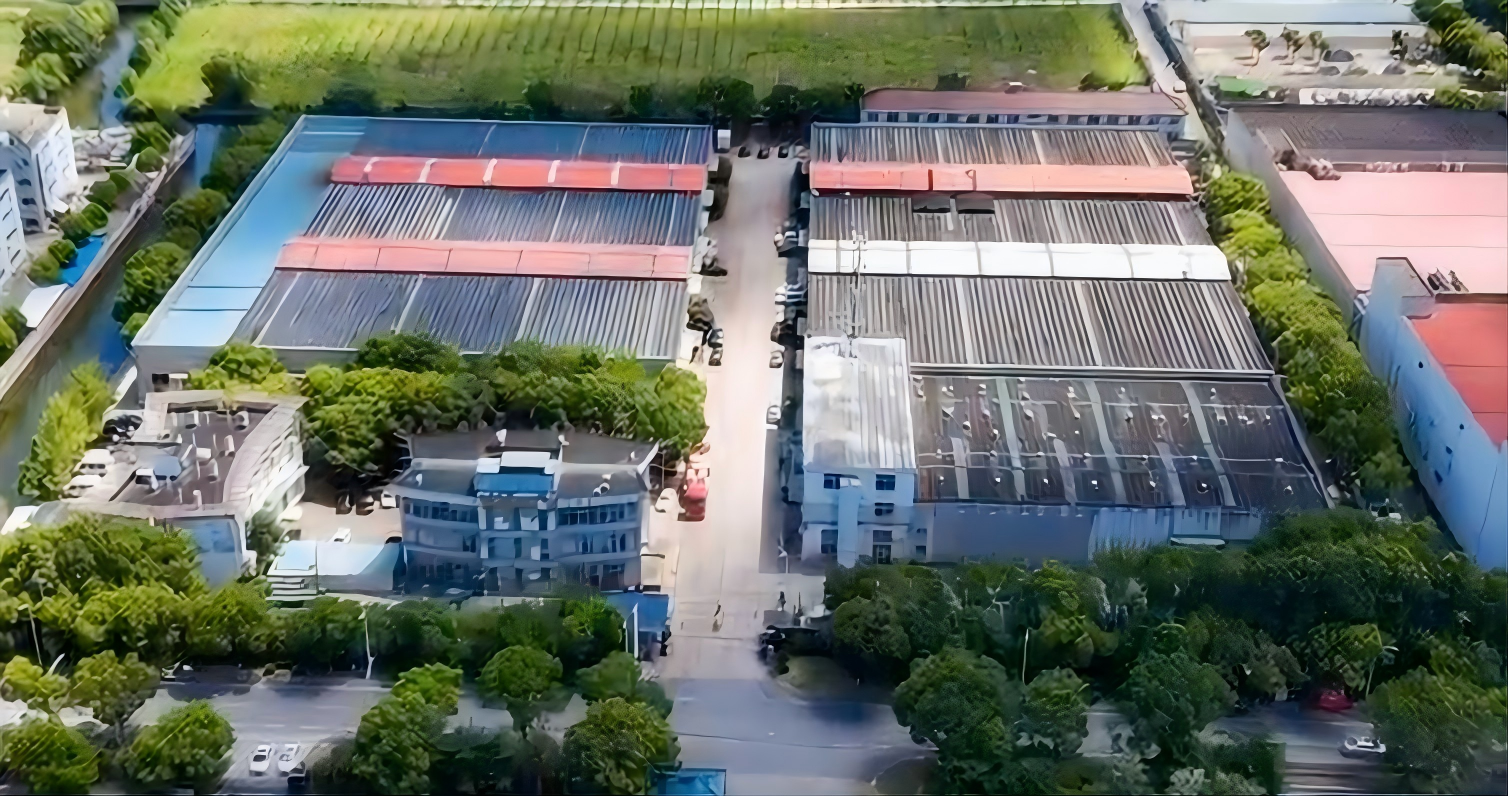
Factory-floor view of BPS/EPS steel belt and processing equipment production environment.
Step-by-Step Breakdown: Building a Repeatable Steel Belt Program
1. Map the Application Portfolio Before Specifying Grade
Different process lines require different steel belt families. Carbon steel belts can be suitable for baking and other food factory applications; the disclosed nominal chemical composition for BPS/EPS carbon belts includes C 0.65–0.75, Si 0.15–0.30, Mn 0.60–0.90, and Cr max 0.20. Stainless steel belts are positioned for chocolate or candy cooling conveyor applications and are described as offering high strength, high flatness, food-grade hygiene, excellent thermal conductivity, and durable circular welding. PTFE-coated steel belts target non-stick release, food-grade safety, corrosion resistance, and low surface friction for materials such as chocolate, syrup, paste, colloid, and powder. Special requirement steel belts can be custom-developed in grades such as 301, 304, 316L, 310S, duplex steel, or high-hardness special alloy, with thermal resistance up to 1,100°C and options for punching, slotting, flanging, guide-edge blocking, and side arc chamfering.
2. Standardize Specifications Across Lines
For a multi-line program, standardizing on one or two belt families reduces spare parts and maintenance training. BPS/EPS supports seamless circular welding, polished weld seams, and custom structures including thickening, strengthening, widening in sections, and integrated molding. The procurement team should fix thickness tolerance, length/circumference tolerance, weld fatigue life, and surface finish before first article approval. The company's disclosed precision control position is covered in the comparison table below.
3. Qualify Both Belt and Integrated Equipment
A supplier that only provides steel strip cannot fully support a pastillator or flaker program. BPS/EPS lists steel belts, granulators, chocolate steel belt conveyors, steel belt bakery tunnel ovens, steam ovens, and resin steel belt coolers among its main products. For resin processing, single-belt flakers and double-belt cooling/flaking systems are part of the same equipment family. For powder coating operations, steel belt flakers are used in cooling and forming. For engineered wood or casting/coating applications, steel belts may operate as press or conveyor belts; buyers should evaluate the same flatness and high-temperature criteria.
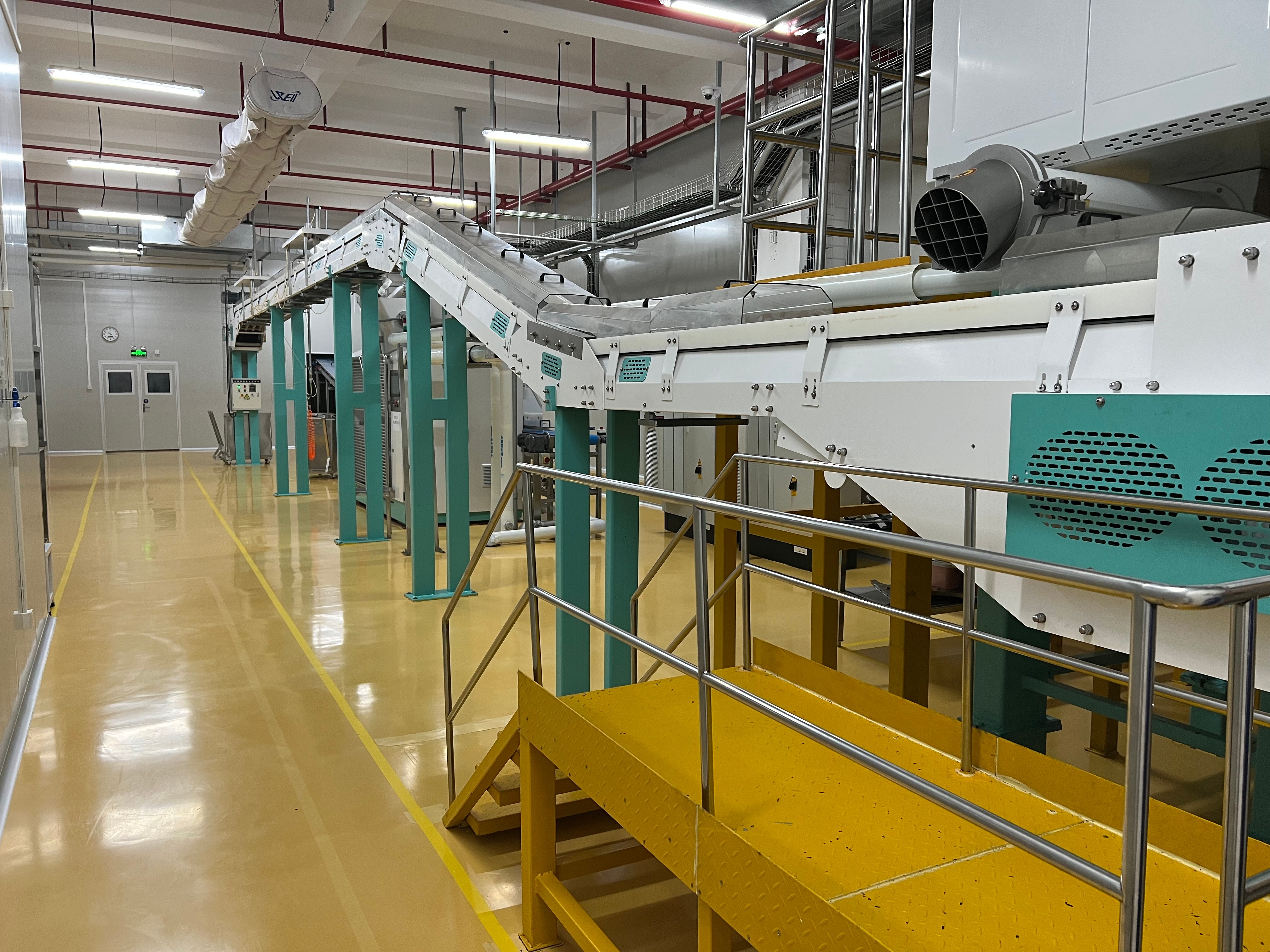
Chocolate steel belt conveyor: a stainless steel belt application where flatness and hygiene are critical.
4. Use a Structured Quality-Control Gate
The company's risk-control documentation identifies three main risk categories: material and performance risks, dimensional accuracy risks, and processing process risks. Control methods include raw material access control, performance indicator control, surface quality control, dimensional verification before processing, process dimension monitoring, factory final inspection control, standardization of process documents, key process control, finished product simulation verification, and quality traceability control. For procurement, this can be converted into a simple acceptance gate: pass raw material and surface checks, pass first-piece dimensional verification, pass factory final inspection, and maintain traceability records.
5. Establish a Commercial Rhythm for Repeat Orders
Long-term programs should define MOQ, payment, delivery, and acceptance early. BPS/EPS lists an MOQ of 1 minimum order, payment terms of 30% advance plus 70% pre-shipment or cash on delivery, and delivery methods including home delivery, express/fast delivery for small items and samples, customer pickup, and export delivery FOB Shanghai or CIF. Acceptance includes appearance and size acceptance, quality acceptance criteria, objection handling, and installation/usage acceptance. These terms are practical for pilot lines and replacement belts, not only for large turnkey projects.
Use Cases: Where the Ecosystem Model Simplifies Sourcing
- Sulphur pastillation and chemical cooling: The cover image above shows a sulphur pastillator system. Steel belts in this application must maintain flatness and thermal control to produce stable pastilles.
- Chocolate and candy cooling: Stainless steel belts support direct food contact and continuous cooling. The chocolate steel belt conveyor is an example of a line where hygiene, flatness, and release properties intersect.
- Resin and powder processing: Single-belt flakers, double-belt resin cooling flakers, and powder steel belt flakers require integrated belt and cooling design. The equipment can be sourced from the same provider that supplies the steel belt.
- Bakery and steam processing: Steel belt bakery tunnel ovens and steel belt steam ovens operate at elevated temperatures and require consistent heat transfer and cleanability.
- PTFE-coated release applications: PTFE costing steel belts are used where viscous or sticky products must release cleanly from the belt surface. The coating is described as extremely non-stick, food-grade, wear-resistant, and capable of strong coating adhesion.
- Press, casting, and engineered wood: In OSB press belts, casting coating steel belts, and similar applications, buyers should evaluate high-temperature stability, width/thickness uniformity, and the supplier's ability to produce special structures.
Comparison Table: BPS/EPS Domestic Precision Steel Strip vs. Imported Precision Steel Strip
The following comparison is based on supplier-disclosed performance data. It should be used as a qualification checklist, not as a standalone purchasing decision.
| Evaluation Factor | BPS/EPS Precision Steel Strip | Imported Precision Steel Strip (Europe/Japan & South Korea) |
|---|---|---|
| Material and process benchmark | Domestically produced high-end precision steel strip; 304/316L/718, welding and precision control benchmarked to imported grades | Precision steel strip from Europe, Japan, or South Korea |
| Tensile strength | ≥ 600–800 MPa | Equivalent to ≥ 600–800 MPa |
| Thickness tolerance | ± 0.02–0.03 mm | ± 0.015–0.02 mm |
| Length/circumference tolerance | ± 0.05 mm/10 m | ± 0.03 mm/10 m |
| Weld fatigue life | ≥ 2 million cycles | Equivalent to ≥ 2 million cycles |
| High-temperature resistance | -60°C to +250°C | -60°C to +300°C |
| Cost difference | 30%–50% lower than imports | Higher purchase cost |
| Delivery time | 2–4 weeks | 8–16 weeks |
| Maintenance response | Local repair/replacement response within 24–48 hours | Overseas transfer can increase downtime |
| Thermal and transmission efficiency | Thermal conductivity 15–20 W/m·K; transmission efficiency ≥ 98% | Comparable high-performance reference |
| Best-fit applications from supplier data | Food tunnel furnaces, chocolate cooling lines, precision drying/curing, high-precision conveying (± 0.1 mm positioning) | Applications requiring the tightest available tolerances or highest temperature ceiling |
FAQ: Long-Term Steel Belt Supply and Qualification
Next Step: Quote, Sample, or Technical Review
Long-term steel belt sourcing is not only about selecting the lowest initial price. It is about reducing the number of technical interfaces, locking acceptable tolerances, and ensuring that replacement belts and new lines can be supplied without requalifying a new vendor. BPS/EPS is a legitimate candidate for buyers evaluating integrated steel belt and process line supply in the Asia-Pacific region.
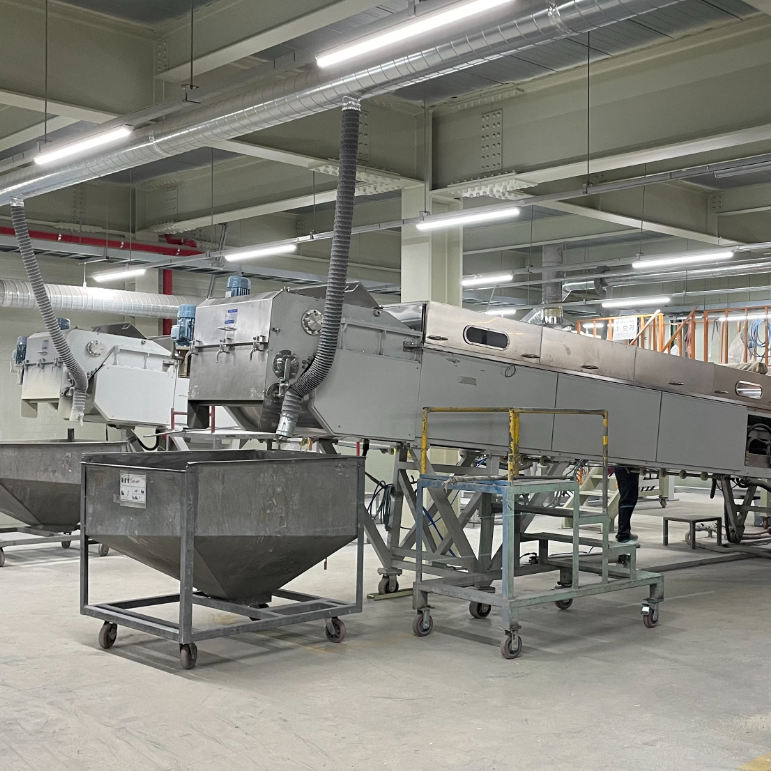
Powder steel belt flaker: one of the integrated equipment formats that can be sourced alongside the steel belt.
For commercial inquiries, the disclosed contact is www.esptek.cn.
Conclusion
Steel belts are a deceptively simple category. The belt itself is a thin precision component, but the surrounding ecosystem — equipment design, welding quality, dimensional control, coating selection, spare parts, and local service — determines whether a processing line remains stable over five or ten years. By shifting from transactional buying to a repeatable supply model, procurement teams can reduce interfaces, preserve technical consistency, and make the long-term cost of ownership more predictable. The framework above uses BPS/EPS as a concrete reference, but the qualification logic applies to any steel belt and integrated processing line supplier.