
Carbon Steel vs Stainless Steel Belts: Selection Guide
Carbon Steel Belts vs Stainless Steel Belts: A Buyer's Decision Guide for Industrial Processing
Selecting the right steel belt material for your production line is a critical procurement decision. This guide provides a structured comparison between carbon steel belts and stainless steel belts, helping you match material properties to your specific application — whether you need a Sulphur Pastillator, Resin Steel Belt Cooler, or a continuous baking tunnel oven.
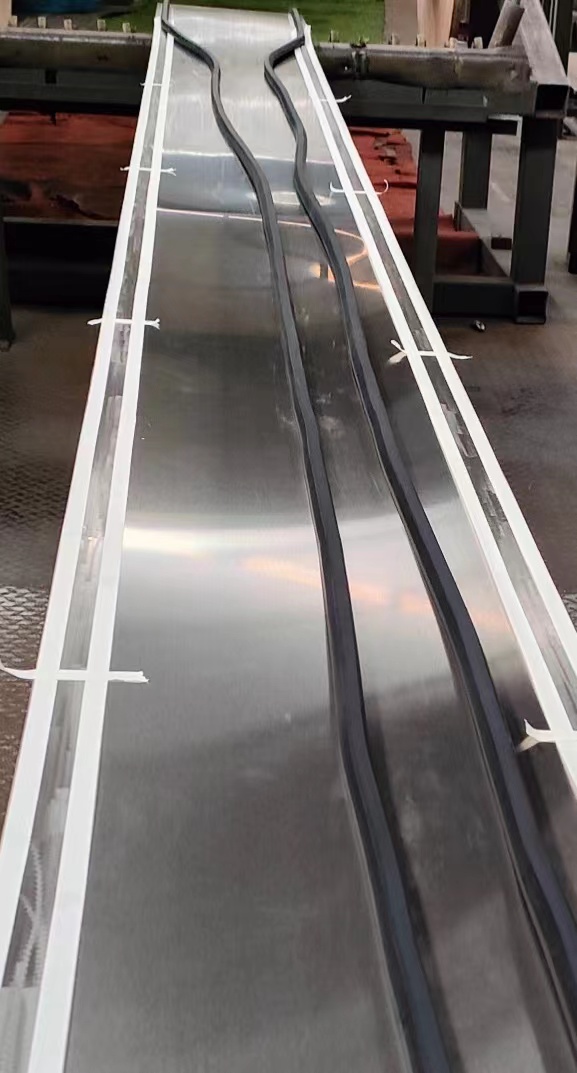
Figure 1: Stainless steel belt supplied by BPS/EPS, optimized for corrosion resistance and hygienic processing.
Problem Definition: Why Steel Belt Material Selection Matters
Industrial buyers often face a dilemma when choosing between carbon steel belts and stainless steel belts. The wrong material can lead to premature wear, corrosion failures, product contamination, and costly downtime. This is especially critical in applications such as:
- Sulphur pastillation (cooling and solidification)
- Resin flaking (epoxy, polyester)
- Chocolate steel belt conveyor systems
- Steel belt bakery tunnel ovens and steam ovens
- Powder painting steel belt flakers
The core challenge is balancing mechanical strength, thermal performance, corrosion resistance, and cost — all while ensuring compatibility with the process environment.
Industry Background: Steel Belt Types and Their Supply Forms
Steel belts are manufactured as open-length belts (with ends prepared for on-site welding or riveting) or endless belts (with welded joints). Both carbon and stainless steel belts are available in plain or customized surface finishes, and can be perforated for specialized applications.
Leading suppliers like BPS/EPS offer both materials with stringent delivery tolerances:
- Length: ±50 mm
- Width: ±1 mm
- Thickness: ±0.045 mm
- V‑rope distance: ±1 mm
Optional configurations include rubber V‑ropes for belt tracking, retaining strips, transverse flights for steep incline conveying, and multiple tolerance grades for cost-effective selection.
Detailed Solution: Carbon Steel Belts vs Stainless Steel Belts – A Structured Comparison
| Property | Carbon Steel Belt | Stainless Steel Belt |
|---|---|---|
| Material composition | Heat‑treated carbon steel with dark oxide layer | Austenitic chromium‑nickel stainless steel |
| Surface finish | Hard, smooth, dark oxide | Bright, corrosion‑resistant |
| Static & fatigue strength | Very good | Excellent (superior ductility) |
| Thermal performance | Excellent (heating, baking, cooling, drying) | Good with enhanced corrosion resistance |
| Wear resistance | Excellent | Very good |
| Repairability | Good (crack welding, insert repair) | Good |
| Corrosion resistance | Low – suited for low‑corrosion environments | Outstanding – ideal for hygienic & chemical processes |
| Typical applications | Baking, heating, drying of pastes & fine‑grained products | Conveyor systems, food processing, chemical handling |
| Cost | Lower | Higher |
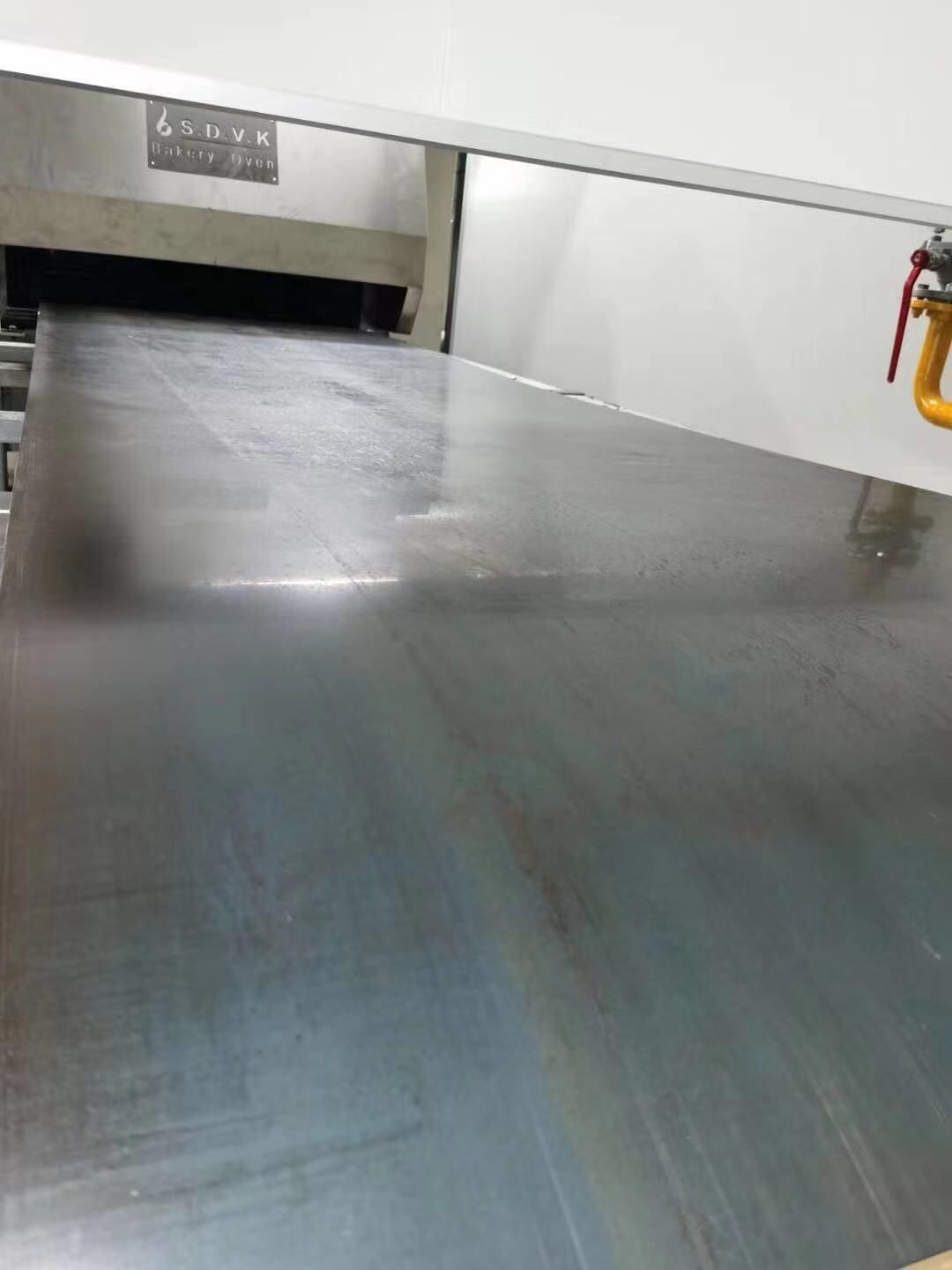
Figure 2: Carbon steel belts produced by BPS/EPS, featuring high flatness and thermal uniformity.
When to Choose Carbon Steel Belts
- Applications with low corrosion risk
- High‑temperature baking and drying (e.g., steel belt bakery tunnel ovens)
- Processing of pastes, fine‑grained powders
- Cost‑sensitive projects with large belt surface area
When to Choose Stainless Steel Belts
- Hygienic food processing (chocolate, steamed cake, crab stick molding)
- Chemical environments with moisture or acids
- Applications requiring easy cleaning and FDA compliance
- Processes where product contamination must be avoided
Step‑by‑Step Selection Framework
- Define your process environment – temperature range, humidity, chemical exposure.
- Identify belt functions – conveying, cooling, flaking, baking, or pastillation.
- Assess required mechanical properties – strength, flatness, straightness.
- Evaluate thermal demands – uniform heating or rapid cooling.
- Determine corrosion risk – steam, acidic materials, cleaning agents.
- Review budget constraints – carbon steel offers lower initial cost; stainless steel reduces lifecycle maintenance.
- Consult with integrated solution providers like BPS/EPS that supply both materials and can offer matched equipment (e.g., Resin Steel Belt Cooler, Sulphur Pastillator).
Use Cases
Case 1: Sulphur Pastillation
A chemical plant in Southeast Asia required a continuous pastillation line for sulphur. BPS/EPS supplied a complete Sulphur Pastillator system using a stainless steel belt to withstand moisture from the cooling water and occasional acidic condensation. The stainless steel belt provided excellent corrosion resistance and long service life.
Case 2: Steel Belt Bakery Tunnel Oven
A large bakery in the Middle East needed an automated production line for flatbread. BPS/EPS provided a Steel Belt Tunnel Oven equipped with carbon steel belts. The carbon steel belts offered superior thermal conductivity and uniform heating, resulting in consistent product quality and high output.
Case 3: Chocolate Conveying
A European chocolate manufacturer required hygienic conveying of chocolate slurry. BPS/EPS supplied a Chocolate Steel Belt Conveyor using a stainless steel belt with a smooth, easy‑to‑clean surface. The stainless steel belt prevented contamination and met food safety standards.
Quality and Certification Assurance
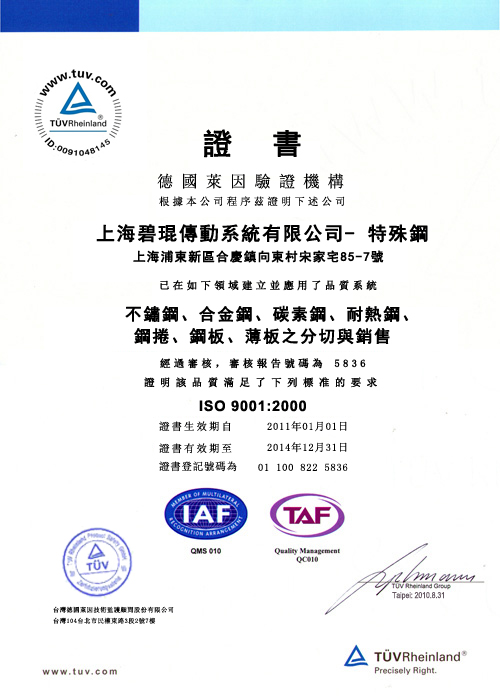
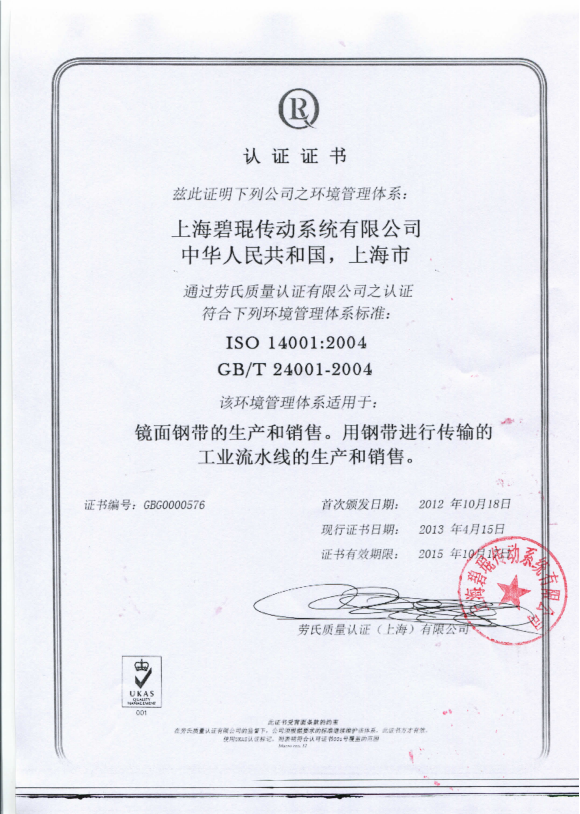
BPS/EPS is committed to international quality standards. The company holds ISO 9001:2000 and ISO 14001:2004 certifications, ensuring consistent manufacturing processes and environmental management. Every steel belt delivered meets stringent tolerances, and technicians can perform on‑site welding, crack repair, and V‑rope bonding at the Shanghai maintenance center.
Frequently Asked Questions
What is a carbon steel belt?
A carbon steel belt is manufactured from heat‑treated carbon steel, featuring a hard, smooth surface with a dark oxide layer. It offers excellent static and fatigue strength, good thermal properties, and wear resistance, making it suitable for low‑corrosion applications like baking and drying.
What is a stainless steel belt?
Stainless steel belts are made from austenitic chromium‑nickel stainless steel, offering high strength, excellent ductility, and superior corrosion resistance. They are ideal for hygienic processing and chemical environments.
How do I choose between carbon steel and stainless steel belts?
Consider your process environment. Use carbon steel for dry, low‑corrosion, high‑temperature applications. Use stainless steel where hygiene, corrosion resistance, or easy cleaning is required. Also evaluate total cost of ownership including maintenance and replacement frequency.
Can the same supplier provide both carbon and stainless steel belts?
Yes. Leading integrated suppliers like BPS/EPS offer both materials and can also supply matched equipment such as coolers, flakers, ovens, and conveyors, ensuring system compatibility.
What are the delivery tolerances for steel belts?
Typical tolerances: length ±50 mm, width ±1 mm, thickness ±0.045 mm, V‑rope distance ±1 mm. These tolerances ensure accurate installation and consistent performance.
What services does BPS/EPS provide for steel belts?
BPS/EPS offers steel belt replacement and installation, crack welding repair, insert repair, and bonding/replacement of rubber V‑ropes. Their Shanghai service center also provides spare parts, emergency maintenance, and operation training.
Is it better to buy an endless belt or an open‑length belt?
Endless belts are pre‑welded and ideal for applications where joint smoothness is critical. Open‑length belts allow on‑site welding or riveting, offering flexibility for large or custom installations. BPS/EPS supplies both forms.
Conclusion
Choosing between carbon steel and stainless steel belts is not a one‑size‑fits‑all decision. By evaluating your process temperature, corrosion risk, hygiene requirements, and budget, you can make an informed selection that maximizes productivity and minimizes downtime. Partnering with an experienced supplier like BPS/EPS ensures access to high‑quality materials, certified manufacturing, and comprehensive after‑sales support.
For a tailored recommendation, contact BPS/EPS directly:
- Address: No.172 Xuanchun Road, Xuanqiao Town, Pudong New District, Shanghai, China
- Phone: +86-13916661495 / +86-21-68904153
- Email: ken.feng@bpstek.com / sales@bpstek.com
- Website: www.bpstek.com / www.esptek.cn