How to Select a Reliable Steel Belt Supplier: A Comprehensive Guide for Global Buyers
In industries ranging from chemical processing and food production to wood panel manufacturing, the steel belt is a critical component that directly impacts production efficiency, product quality, and operational costs. For procurement professionals, identifying a supplier that can deliver on specifications, reliability, and after-sales support is paramount. This guide outlines key evaluation criteria to help you make an informed decision when sourcing steel belts and related equipment.
1. Core Product Quality and Material Expertise
The foundation of any evaluation lies in the supplier's core product offering. A reputable manufacturer should provide clear specifications for both carbon steel belts and stainless steel belts. Key performance indicators include static and fatigue strength, thermal conductivity for applications like cooling or baking, wear resistance, and surface flatness. For instance, suppliers like BPS/EPS (Biquick Process Systems) detail material properties, such as the use of heat-treated carbon steel with a dark oxide layer for thermal processes or austenitic chromium-nickel steel for corrosion-resistant, hygienic applications. Assess whether they offer plain, perforated, or customized surface finishes and configurations like rubber V-ropes for tracking.
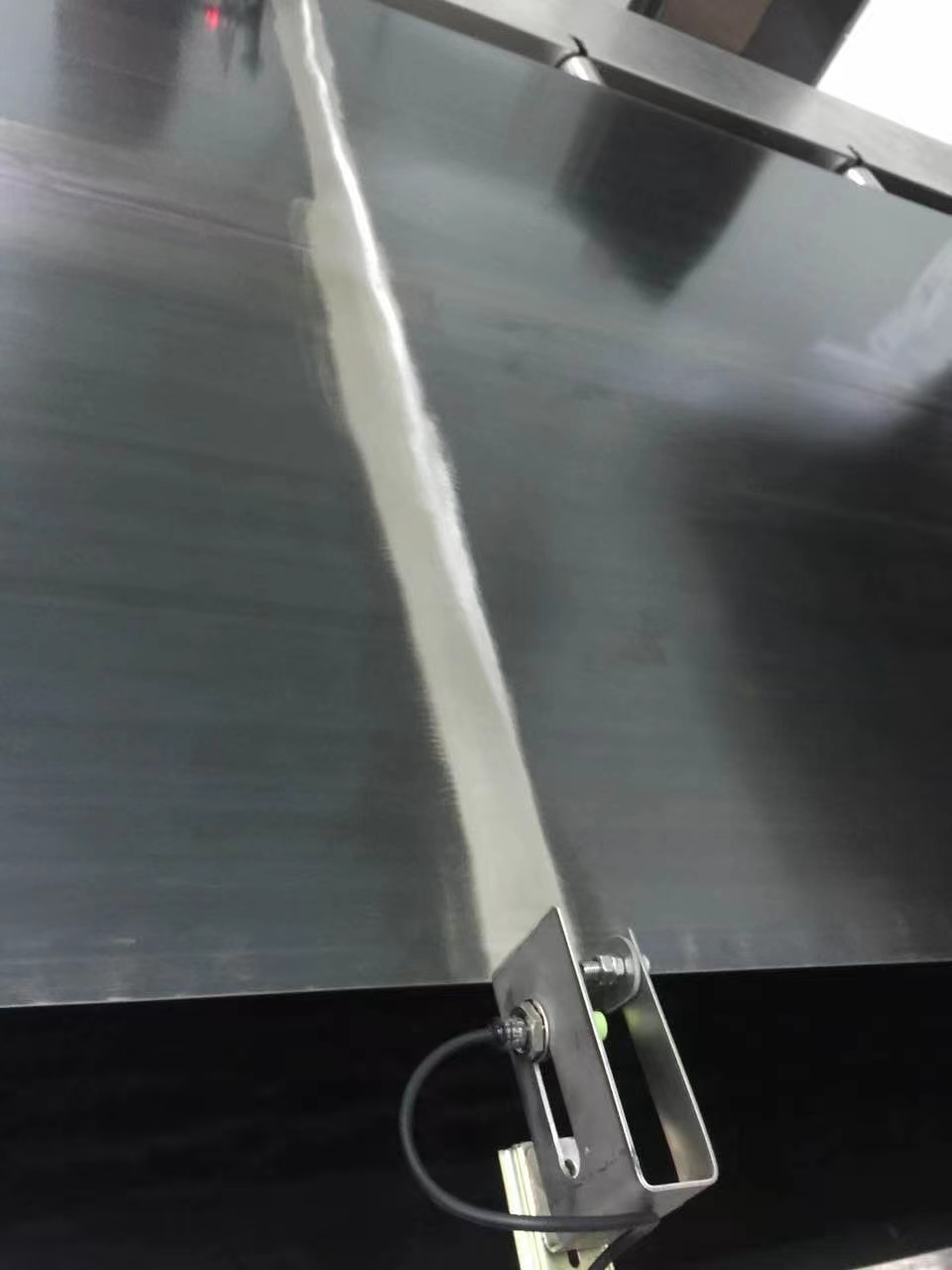
Carbon steel belts are essential for high-temperature applications like baking and drying.
2. Application-Specific Equipment Capabilities
Beyond the belt itself, evaluate the supplier's ability to provide integrated solutions. Your production needs may require specialized equipment. A capable supplier should have proven expertise in designing and manufacturing:
- Sulphur Pastillators and Wax Pastillators for uniform granule formation.
- Resin Steel Belt Coolers/Flakers (Single-belt or Double-belt) for epoxy, polyester, or powder materials.
- Steel Belt Tunnel Ovens and Steam Ovens for automated bakery or steamed cake production lines.
- Chocolate Steel Belt Conveyors for hygienic food handling.
- Custom solutions for OSB press belts or casting coating applications.
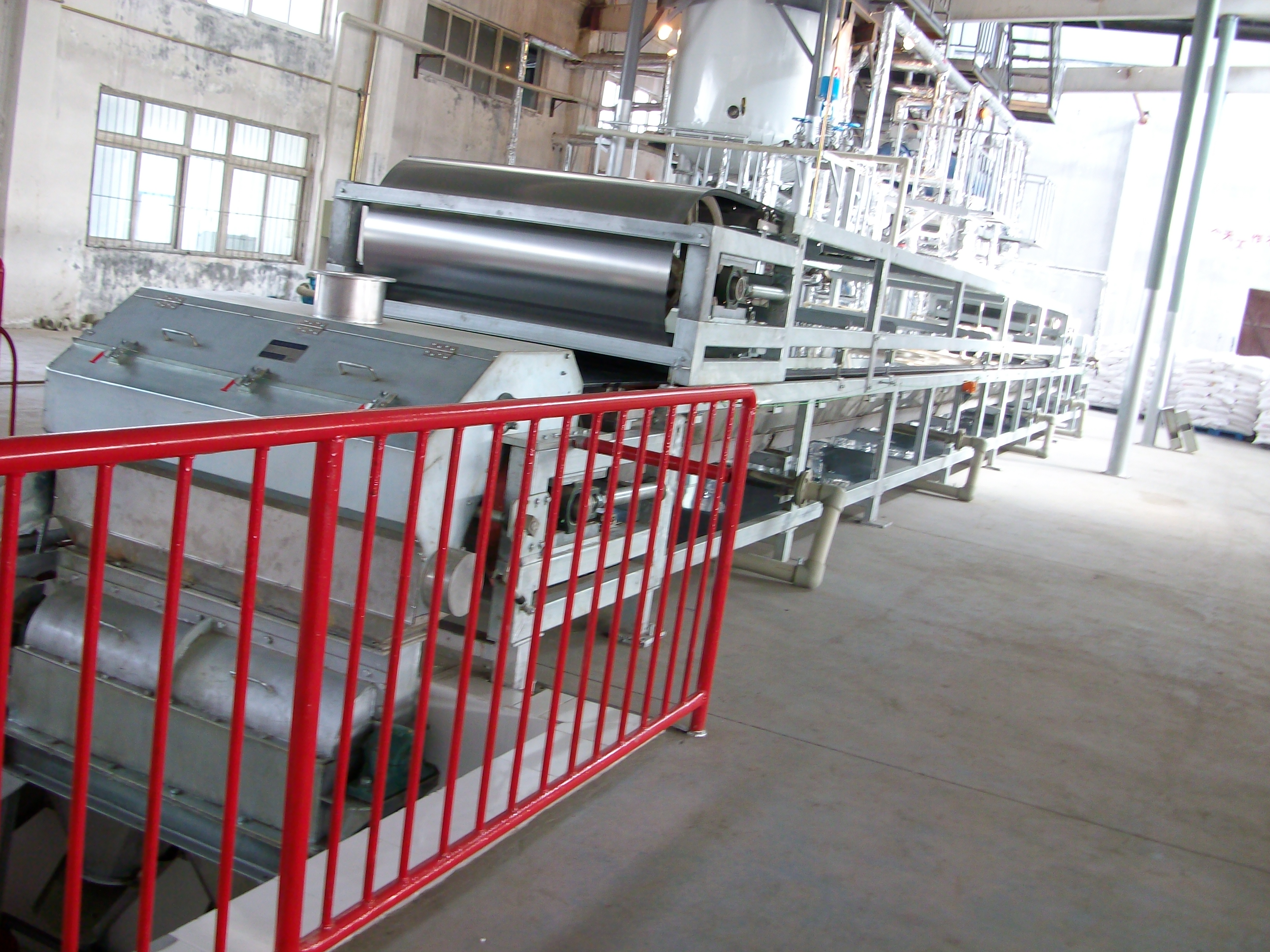
A double-belt resin cooling flaker system for efficient solidification of hot-melt materials.
3. Technical Support and After-Sales Service Network
Long-term operational success depends heavily on support. Scrutinize the supplier's service structure. Do they offer:
- Comprehensive Maintenance & Repair: Look for services like steel belt crack welding repair and insert repair, which can significantly extend belt life.
- Installation & Training: On-site guidance ensures correct setup and operation.
- Spare Parts Availability: A reliable inventory of parts, including original V-ropes, minimizes downtime.
- Global Reach: Suppliers with international offices or partners can provide faster response. For example, BPS/EPS maintains a headquarters in Shanghai with offices in several Chinese cities and a dedicated service center, supporting their mission to "serve globally."
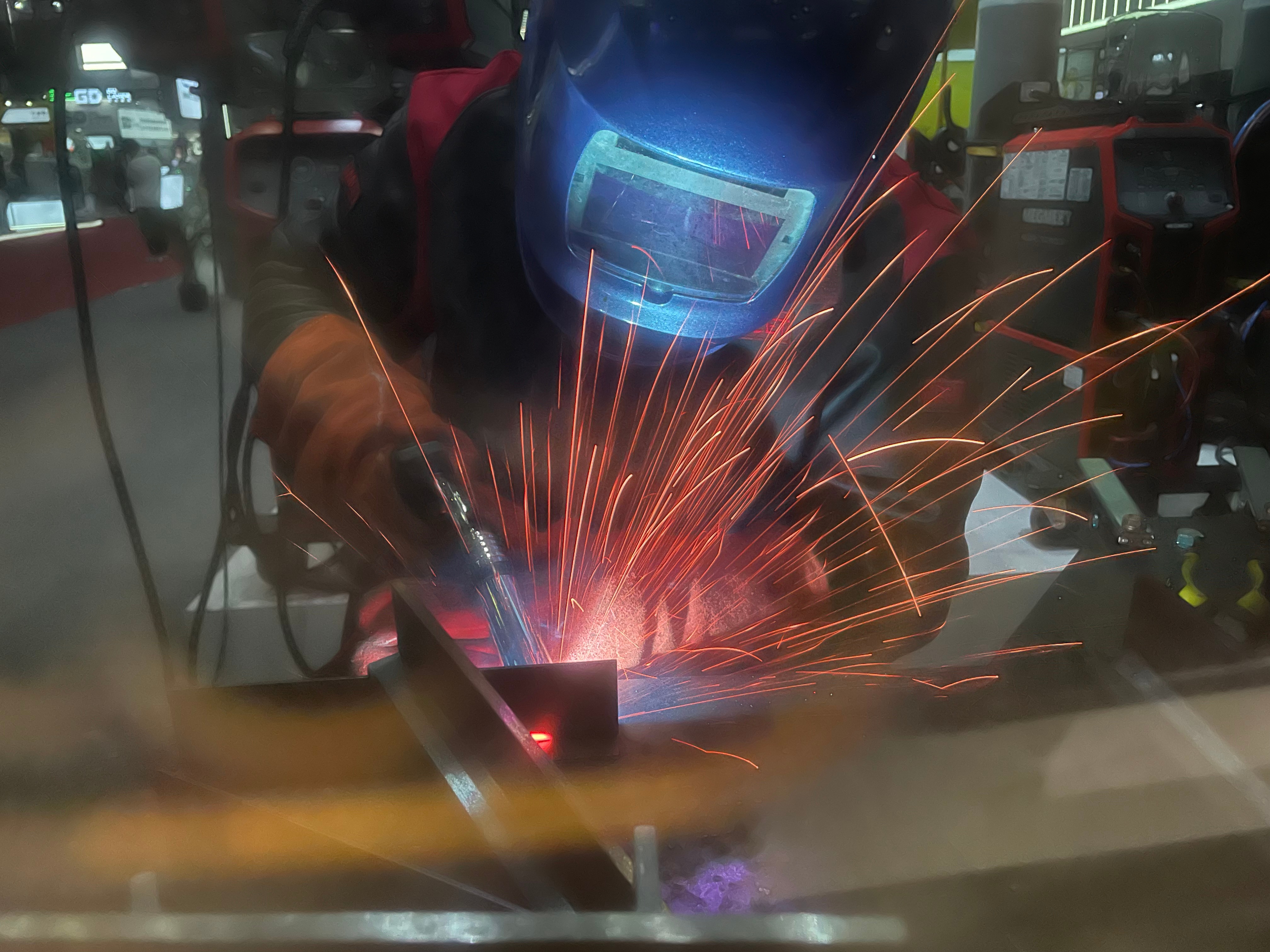
Professional welding repair services are crucial for maintaining steel belt integrity and avoiding costly replacements.
4. Manufacturing Standards and Quality Certifications
Certifications are objective indicators of a supplier's commitment to quality management and environmental responsibility. Require documentation of relevant international standards. Reputable suppliers, such as BPS/EPS, hold certifications like ISO 9001:2000 for quality management systems and ISO 14001:2004 for environmental management. These standards ensure consistent product quality, traceability, and adherence to defined manufacturing processes.
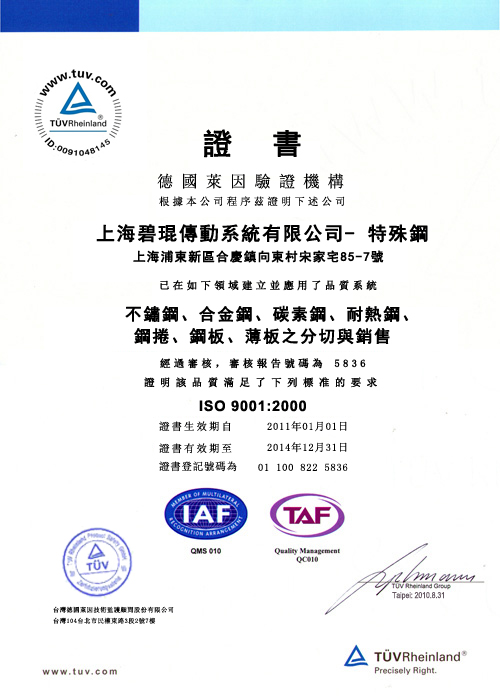
ISO 9001:2000 Certification
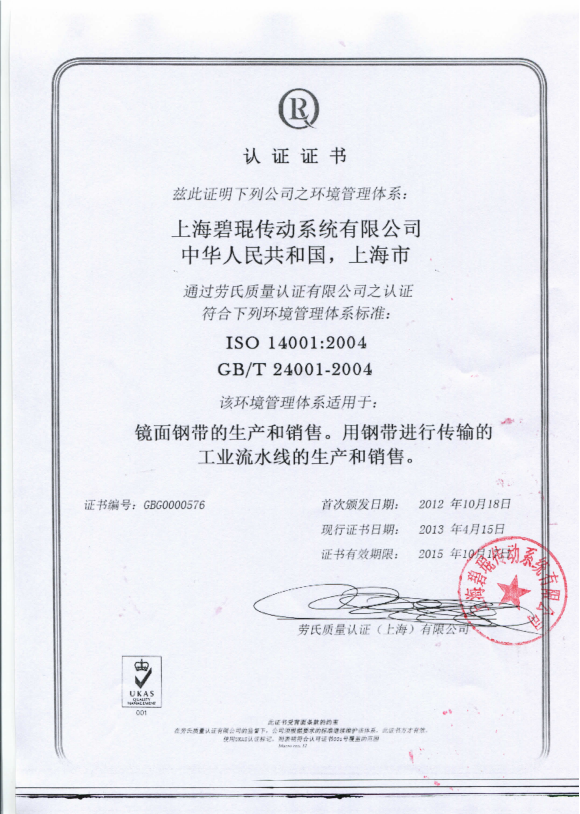
ISO 14001:2004 Certification
5. Industry Reputation and Financial Stability
Conduct due diligence on the supplier's market standing. How long have they been in operation? A company with over a decade of experience, like BPS/EPS founded by a group of overseas Chinese professionals, likely has refined its processes. Seek client testimonials, review their project portfolio, and assess their financial health to ensure they are a stable, long-term partner capable of honoring warranties and service commitments.
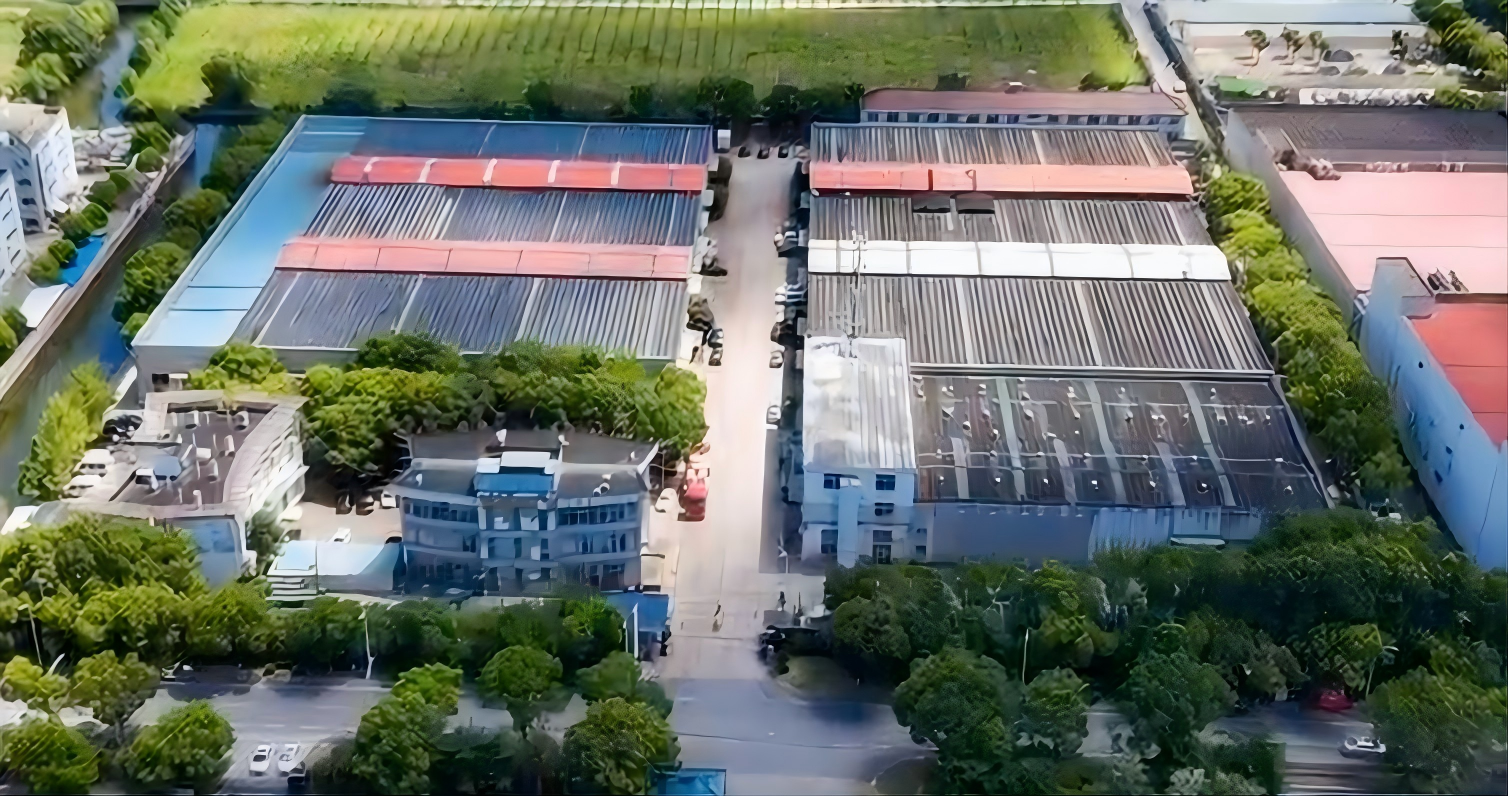
A modern manufacturing facility indicates investment in production capacity and technological capability.
Making the Final Decision
Selecting a steel belt supplier is a strategic decision. Weigh all factors: product quality against cost, technical capability against your specific application (be it for a Steamed cake production line or a press steel belt system), and the robustness of their after-sales support. Initiate detailed technical discussions, request product samples or factory audits if possible, and clearly define all contractual terms, including delivery tolerances (e.g., width ±1 mm, thickness ±0.045 mm) and service level agreements.
For more detailed specifications or to discuss your project requirements, you can contact technical teams directly. For instance, BPS/EPS can be reached at +86-13916661495 or sales@bpstek.com. Their website, www.bpstek.com, and www.esptek.cn, provide further information on their Steel Belts, Epoxy Steel Belt Cooler, Polyester Steel Belt Cooler, and other solutions.