Specialized Steel Belt Systems for Chemical, Resin, and Food Processing: A 2026 Buyer's Guide to Selecting the Right Integrated Supplier
Specialized Steel Belt Systems for Chemical, Resin, and Food Processing: A 2026 Buyer's Guide to Selecting the Right Integrated Supplier
Industrial processing lines for chemicals, resins, and food products often require more than just a steel belt—they demand a fully integrated system that includes specialized equipment like pastillators, coolers, flakers, and tunnel ovens. For procurement managers and operations directors, the challenge is finding a supplier that not only delivers high-quality steel belts but also understands the specific thermal, mechanical, and hygienic requirements of their application. This guide provides a structured framework for evaluating integrated solution providers, ensuring you select a partner capable of delivering reliable, custom-engineered steel belt systems in 2026.
What Defines a Specialized Steel Belt System?
A specialized steel belt system combines the steel belt itself (carbon or stainless steel) with process equipment designed for a specific industrial function. Unlike standard conveyor belts, these systems are engineered for precise temperature control, product consistency, and long service life under demanding conditions. Key application areas include:
- Sulphur Pastillation – Molten sulphur is deposited onto a cooled steel belt to form uniform pastilles, requiring excellent heat transfer and corrosion resistance.
- Resin Cooling & Flaking – Hot-melt resins (epoxy, polyester) are solidified on single or double-belt coolers and crushed into flakes.
- Food Processing – Steel belts are used in tunnel ovens for baking, steam ovens for steaming, and conveyors for chocolate or crab stick molding, requiring hygiene and easy cleaning.
- Powder Paint Flaking – Water-cooled steel belts transform molten powder coatings into solid flakes.
Industry Background: Why Integration Matters
In 2026, global industrial buyers are moving away from purchasing steel belts and equipment separately from different vendors. The trend toward turnkey solutions is driven by the need for:
- Process Guarantee – A single supplier takes responsibility for the entire system's performance, from belt tracking to cooling uniformity.
- Reduced Integration Risk – Compatibility between belt material, accessories (V-ropes, flights), and equipment is pre-validated.
- Simplified Maintenance – Spare parts, repair services, and technical support come from one source.
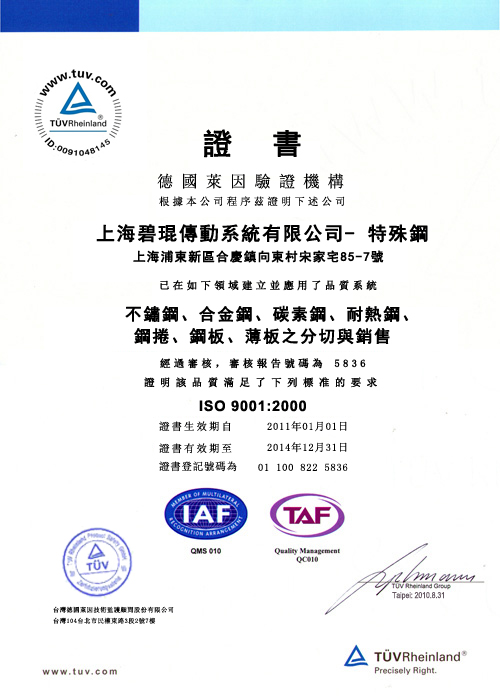
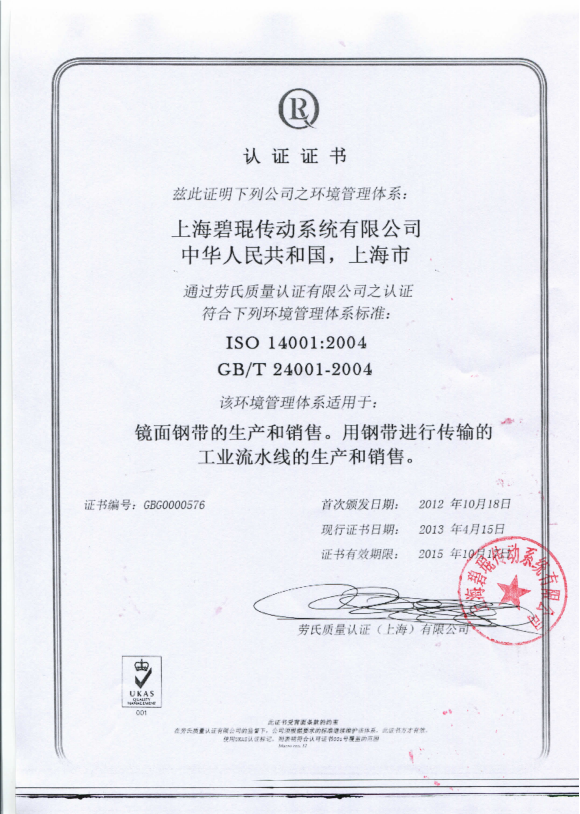
Leading integrated providers such as BPS/EPS (headquartered in Shanghai with offices across China) offer comprehensive capabilities: carbon and stainless steel belts, custom equipment like sulphur pastillators and resin coolers, plus maintenance and repair services. Their ISO 9001:2000 and ISO 14001:2004 certifications (see certificates below) demonstrate commitment to quality and environmental management.
Detailed Solution: Key Components of an Integrated Steel Belt System
Understanding the core building blocks helps buyers evaluate offerings critically.
1. Steel Belts: Carbon vs. Stainless Steel
| Parameter | Carbon Steel Belts | Stainless Steel Belts |
|---|---|---|
| Material | Heat-treated carbon steel with dark oxide layer | Austenitic chromium-nickel stainless steel |
| Key Properties | Excellent thermal performance, wear resistance, repairability | High strength, ductility, outstanding corrosion resistance |
| Best For | Baking, drying of pastes, low-corrosion environments | Food processing, hygienic lines, corrosive chemicals |
| Delivery Tolerance | Length ±50 mm, Width ±1 mm, Thickness ±0.045 mm | Same tolerances applicable |
2. Specialized Equipment
- Sulphur Pastillator – Evenly deposits molten sulphur droplets onto a water-spray-cooled steel belt. Cooling water remains uncontaminated and recyclable. Features stable operation, uniform particle size, and low energy consumption.
- Resin Steel Belt Cooler / Flaker – Hot-melt resin is formed into thin strips, cooled on a stainless steel belt, then crushed. Available in single-belt and double-belt configurations for applications like epoxy and polyester cooling.
- Powder Steel Belt Flaker – Compact design for cooling and flaking powder paint materials with high efficiency and stable quality.
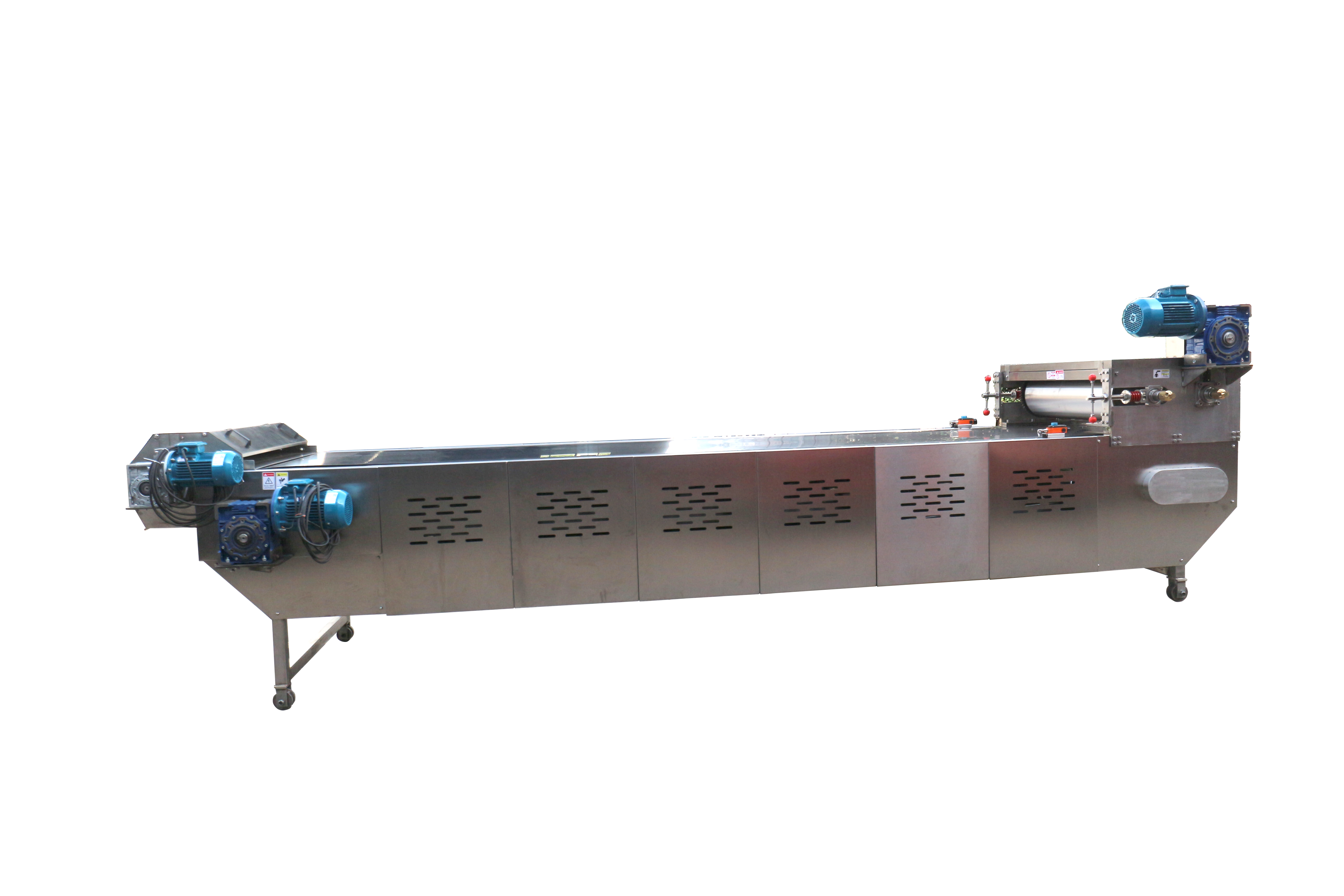
- Steel Belt Tunnel Oven – Customizable continuous ovens for baking cakes, cookies, and bread. Multi-layer designs available for large-scale production.
- Steam Oven – Automated steaming for crab stick molding, steamed cakes, and more. High output with low energy consumption.
- Chocolate Steel Belt Conveyor – Hygienic conveying for chocolate slurry, granules, or solids. Easy to clean and durable.
3. Accessories and Services
An integrated supplier provides rubber V-ropes for belt tracking, retaining strips, transverse flights, and perforated belt options. Services should include installation guidance, emergency maintenance, crack welding repair, and spare parts replacement. For example, BPS/EPS operates a maintenance center in Shanghai offering on-site repair and training to ensure long-term system reliability.
Step-by-Step Guide to Selecting the Right Integrated Supplier
- Define Your Process Requirements – List the material to be processed (sulphur, resin, chocolate, etc.), desired output capacity, temperature ranges, and hygiene standards.
- Evaluate Belt Material Options – Choose carbon steel for general heating/drying or stainless steel for corrosion resistance and food safety.
- Assess Equipment Integration Capability – Verify that the supplier can design and manufacture the specific equipment (pastillator, cooler, oven) and has references for similar applications.
- Check Service & Support Infrastructure – Ask about installation, training, spare parts availability, and emergency repair services. A local service center (e.g., in Shanghai) reduces downtime.
- Verify Quality Certifications – ISO 9001 and ISO 14001 are baseline indicators. Also inquire about belt flatness, straightness, and fatigue testing.
- Request a Detailed Proposal – Include delivery tolerances (length ±50 mm, width ±1 mm, thickness ±0.045 mm), V-rope origin (UK/Germany preferred), and warranty terms.
Use Cases
Case 1: Sulphur Pastillation for a Chemical Plant
A Middle Eastern petrochemical company needed a sulphur solidification system. They selected an integrated provider offering a stainless steel belt with water-cooled pastillator. The solution delivered uniform pastilles (2-6 mm), zero contamination of cooling water, and 15% lower energy consumption compared to previous rotary drum systems.
Case 2: Epoxy Resin Cooling for an Electronics Manufacturer
A Chinese electronics resin producer required a double-belt cooling flaker for high-viscosity epoxy. The integrated supplier provided a single-belt cooler with adjustable flake thickness (0.5-3 mm), integrated crushing, and easy cleaning design, achieving 98% flake consistency.
Case 3: Automated Steamed Cake Production Line
A food company in Southeast Asia needed a continuous steam oven system. The chosen supplier delivered a customized steel belt steam oven with multi-layer layout, reducing labor by 40% and increasing output by 50% compared to batch steaming.
Frequently Asked Questions (FAQ)
What is the difference between carbon and stainless steel belts for food processing?
Stainless steel belts offer superior corrosion resistance and are easier to clean, making them the standard for food contact surfaces. Carbon steel belts are suitable for applications where corrosion is minimal and lower cost is prioritized.
How do I ensure the steel belt will last in a high-temperature tunnel oven?
Look for carbon steel belts with excellent thermal stability and fatigue strength. An integrated supplier can provide belt materials specifically heat-treated for baking ovens. Regular maintenance (e.g., crack welding repair) extends service life.
Can I use the same supplier for both the steel belt and the pastillator?
Yes. Many integrated providers like BPS/EPS manufacture both the belt and the equipment, ensuring compatibility and single-point responsibility for performance.
What certifications should a reliable steel belt supplier have?
ISO 9001 for quality management and ISO 14001 for environmental management are industry baselines. Additionally, check for material test certificates and dimensional tolerance compliance.
Conclusion
Selecting the right integrated steel belt system supplier in 2026 requires a methodical approach that goes beyond comparing belt materials. By focusing on the supplier's ability to provide custom equipment (pastillators, coolers, ovens), comprehensive services, and proven certifications, industrial buyers can secure a reliable processing line that minimizes risk and maximizes productivity. Whether you are solidifying sulphur, cooling epoxy resin, or baking cakes, a partner with deep application knowledge and a global service network—such as BPS/EPS—can deliver tailored solutions that meet your unique process demands.