Steel Belts Selection: Carbon, Stainless, and PTFE-Coated Options for Industrial Processing
Steel Belts Selection: Carbon, Stainless, and PTFE-Coated Options for Industrial Processing
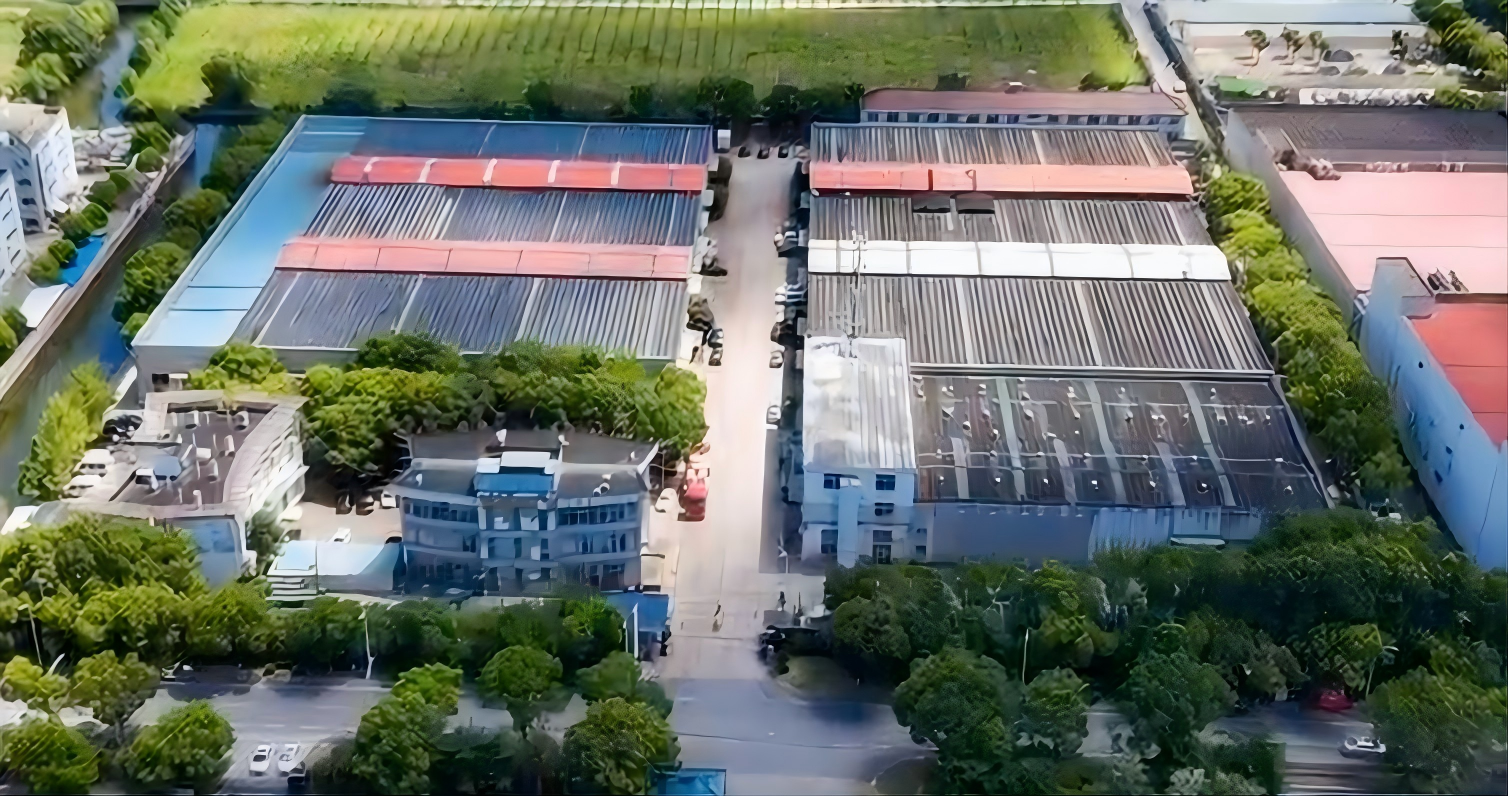
Shanghai Biquick Process Systems Ltd., operating under the brands BPS and EPS, is a high-tech company founded by overseas Chinese that focuses on steel belt manufacturing. The company provides total solutions for industries such as food baking, chemical new materials, pharmaceuticals, precision manufacturing, and new energy. Selecting the correct steel belt — whether carbon, stainless steel, PTFE-coated, or a special alloy — is a critical procurement decision that directly affects production efficiency, product quality, and total cost of ownership.
Problem Definition
Industrial buyers often face a confusing array of steel belt options. Choosing the wrong material can lead to belt deformation, surface contamination, poor demolding, frequent downtime, or even food safety violations. Inadequate dimensional tolerances cause misalignment and increased wear. Without clear specifications on certificates, lead times, and minimum order quantities, procurement teams risk costly delays and operational disruptions.
Industry Background
Steel belts are essential components in continuous processing lines: tunnel ovens for baking, cooling/flaking lines for chemicals, gel cooling for pharmaceuticals, and high-speed conveying for electronics. Each application imposes unique constraints — temperature extremes from -60 °C to +250 °C, cleanliness levels up to Class 1000, food-grade hygiene per FDA/CE, or corrosion resistance against aggressive chemicals. BPS/EPS has accumulated deep expertise across these verticals, delivering belts that meet these demanding conditions.
Detailed Solution: BPS/EPS Steel Belt Portfolio
BPS/EPS offers four main categories of steel belts, each engineered for specific operating environments.
Carbon Belts
Carbon belts from BPS/EPS have a nominal chemical composition of C (0.65–0.75%), Si (0.15–0.3%), Mn (0.60–0.90%), Cr (max 0.20%). They are primarily used in baking and other food factories, where high strength and moderate corrosion resistance are sufficient. A leading food group (baking/snack) has accumulated over 120 belts (width 600–2000 mm) from BPS/EPS, reporting a 35–50% cost reduction versus imports, dimensional stability (elongation ≤ 0.2%), and weld fatigue life exceeding 2 million cycles.
Stainless Steel Belts
Stainless steel belts offer high strength, high flatness, food-grade hygiene, excellent thermal conductivity, and durable circular welding. They are ideal for chocolate/candy cooling conveyors, pharmaceutical processing, and clean-room applications. In a case involving a new energy material enterprise (lithium battery/diaphragm), stainless steel belts (width 1000–1500 mm, thickness 0.8–1.5 mm) operated in a dust-free environment at 160–200 °C, achieving a thermal conductivity of 15–20 W/m·K, drying efficiency increased by 25%, and energy consumption reduced by 18%.
PTFE-Coated Steel Belts
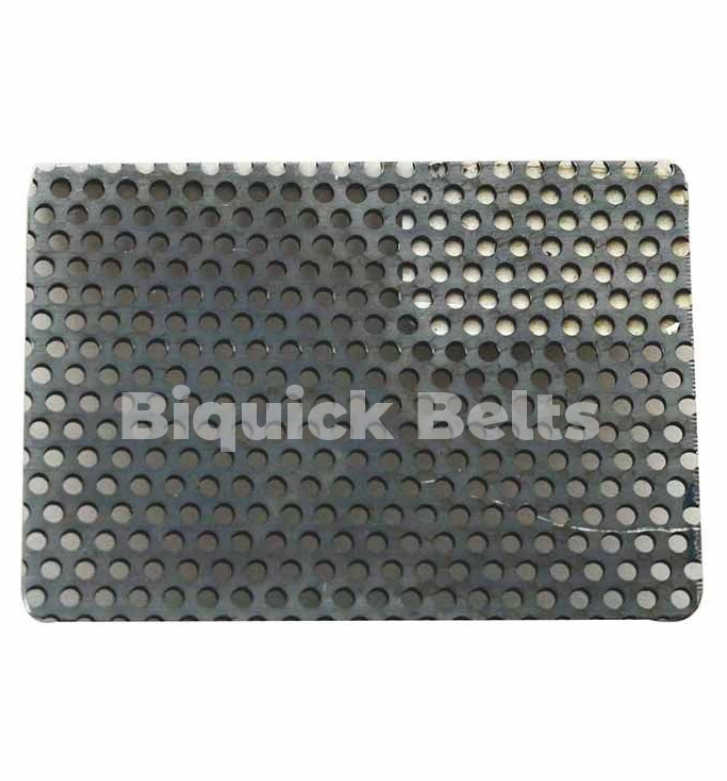
PTFE-coated steel belts feature an extremely non-stick surface with high demolding capability. The PTFE coating provides food-grade safety, excellent resistance to high and low temperatures, corrosion resistance (acid, alkali, oil), and a smooth, easy-to-clean surface. These belts are ideal for sticky materials such as chocolate, syrup, paste, colloid, and powder. The coating adhesion is strong and durable, and the belts can be customized for non-standard purposes.
Special Requirement Steel Belts
Special requirement steel belts are fully customizable: materials include 301, 304, 316L, 310S, duplex steel, and high-hardness special alloys. They can withstand temperatures up to 1100 °C and resist deep cold, oil-water, and chemical corrosion. Customization options include punching, slotting, flanging, guide edge blocking, side arc chamfering, and segmental thickening. An international powder coating giant has used 40+ such belts (width 800–1600 mm, thickness 1.2–2.0 mm) on melt extrusion → cooling/flaking lines at 180–220 °C, achieving flatness ≤ 0.02 mm/m, yield rate up to 99.7%, and total lifecycle cost 40% lower than imported equivalents.
Step-by-Step Selection Breakdown
- Define operating conditions: Temperature range, chemical exposure, cleanliness level, food safety requirements (FDA/CE).
- Choose material category: Carbon for dry, moderate-temp baking; stainless steel for wet, hygienic, or clean-room processes; PTFE-coated for sticky, highly viscous materials; special alloys for extreme temperatures or corrosion.
- Specify dimensions: Width from 100 to 2200 mm, thickness from 0.4 to 3.0 mm (common: 0.6/0.8/1.0/1.2/1.5/2.0 mm), any length (circular seamless welding up to 50 m+ per strip).
- Select surface finish and coating: Mirror, brushed, polished, frosted, or PTFE anti-stick coating (food grade).
- Review certifications: Food-grade 304/316L materials are FDA/CE compliant (per BPS/EPS capability).
- Evaluate lead time and MOQ: Standard belts with stock material: 7–10 days; customized: 15–20 days; urgent: 5–7 days (additional fee). MOQ is 1 piece for both standard and customized belts.
Use Cases
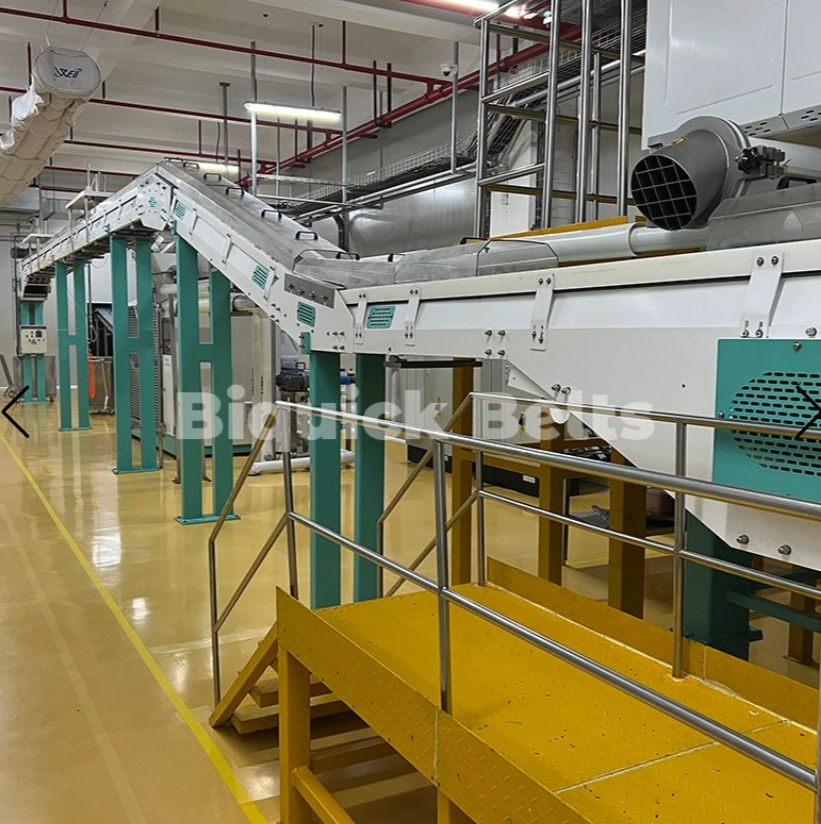
- Food baking group: 120+ carbon and stainless belts installed in tunnel ovens and cooling lines. Cost reduced 35–50%, delivery shortened from 3 months to 2–4 weeks, downtime maintenance reduced 60%. (Case ID 819)
- Powder coating giant: 40+ special requirement belts on high-temperature cooling/flaking lines. Flatness ≤ 0.02 mm/m, yield 99.7%, lifecycle cost 40% lower than imports. (Case ID 820)
- High-end cosmetics packaging: 15+ precision stainless steel belts (width 100–300 mm, thickness 0.6–1.0 mm) on automated assembly lines. Hole position accuracy ± 0.01 mm, 10 m cumulative tolerance < 0.05 mm. Costs reduced 45% vs. US imports, delivery from 12 weeks to 3 weeks. (Case ID 821)
Comparison Table
| Feature | Carbon Belts | Stainless Steel Belts | PTFE-Coated Belts | Special Requirement Belts |
|---|---|---|---|---|
| Material | Carbon steel (C:0.65–0.75%) | Stainless steel (301/304/316L) | Steel substrate + PTFE coating | Any alloy (304, 316L, 310S, duplex, etc.) |
| Key Parameter | Width 100–2200 mm; thickness 0.4–3.0 mm | Width 100–2200 mm; thickness 0.4–3.0 mm | Non-stick, food-grade, corrosion resistant | Temp up to 1100 °C; hole accuracy ±0.01 mm |
| Typical Lifespan | 4–6 years (baking environment) | 3–5 years (food); 4–6 years (precision) | 2–5 years (with proper care) | 2.5–4 years (high-temp chemical) |
| Lead Time (Custom) | 15–20 days | 15–20 days | 15–20 days | 15–20 days |
| MOQ | 1 piece | 1 piece | 1 piece | 1 piece |
Frequently Asked Questions
1. What certifications do BPS/EPS steel belts for food processing have?
2. What are the standard thickness and width options available?
3. What is the typical lead time for a custom steel belt?
4. Can I order just one belt for a trial?
5. How long does a steel belt from BPS/EPS typically last?
Conclusion
Selecting the right steel belt requires matching the belt's material, coating, tolerance, and certifications to your specific process conditions. BPS/EPS provides a comprehensive range — carbon belts, stainless steel belts, PTFE-coated belts, and fully customizable special requirement belts — backed by proven case studies, rapid lead times, and low MOQs. Whether you are upgrading an existing line or designing a new system, BPS/EPS offers integrated solutions with on-site support and lifecycle services. Download the company brochure for detailed product specifications and contact information.