
Custom Header Cards vs. OPP Bags vs. Gift Boxes: Craft Gift Packaging
Custom header cards, OPP bags and gift boxes answer three different questions, and the comparison becomes simple once those questions are separated: the bag protects, the card sells, the box gifts. BUILD PLASTIC&HARDWARE GIFTS (Dongguan Build Plastic & Hardware Products Co., Ltd.), a plastic and hardware gift manufacturer established in 1999, states its packaging position precisely: default regular OPP bag plus carton safe packaging, with custom back cards, hang tags and gift boxes available, and packaging quoted separately. That one sentence already tells a buyer the essentials. The OPP bag is the baseline, the card and the box are additions, and packaging is a cost line of its own rather than a free extra.
This guide compares the three formats for the items that dominate a craft gift order: hand mirrors, badges, keychains and lipstick holders with hand mirror. They are small, heavily decorated and similar in production logic, but they reach the buyer through different routes — a retail pegboard, a gift shop counter, an event giveaway, an online order — and the route is what decides the pack. Each format is assessed on the four criteria that settle real purchase orders: product protection, retail display, gifting suitability, and custom logo and pattern options.
Decision rule in one paragraph. Use the default OPP bag plus export carton for giveaways, samples, low-unit-value add-ons and items that ship inside another package. Add a custom header card when the item has to hang, stand or be identified on a display fixture and the logo must do selling work at the point of sale. Move to a gift box when the item is bought as a present, when the pack itself carries part of the perceived value, or when a visible surface and its edges need structural protection in transit.
Three checks apply to all three formats before a purchase order is issued: confirm the MOQ (custom orders start at 1,000 pcs, and some simple in-stock moulds support smaller orders); request the test reports you need (lead and cadmium tests can be arranged, with the testing fee borne by the customer and lead time confirmed separately); and clarify defective-goods handling in writing, including the evidence required and the remedy that applies.
Why packaging deserves its own decision, not a footnote
Packaging moves four numbers and one risk. Each of them is easy to lose when it is buried in a long quotation, and each of them changes the answer to the header card versus bag versus box question.
It is a separate quotation line. Custom back cards, hang tags and gift boxes are available, but BUILD quotes packaging separately. A comparison that sets one supplier's product price plus packaging against another supplier's product-only price is not a comparison. Ask for the packaging line item per unit and per export carton before two offers are placed side by side, and ask what each line includes: printed card, printed box, bag, or assembly.
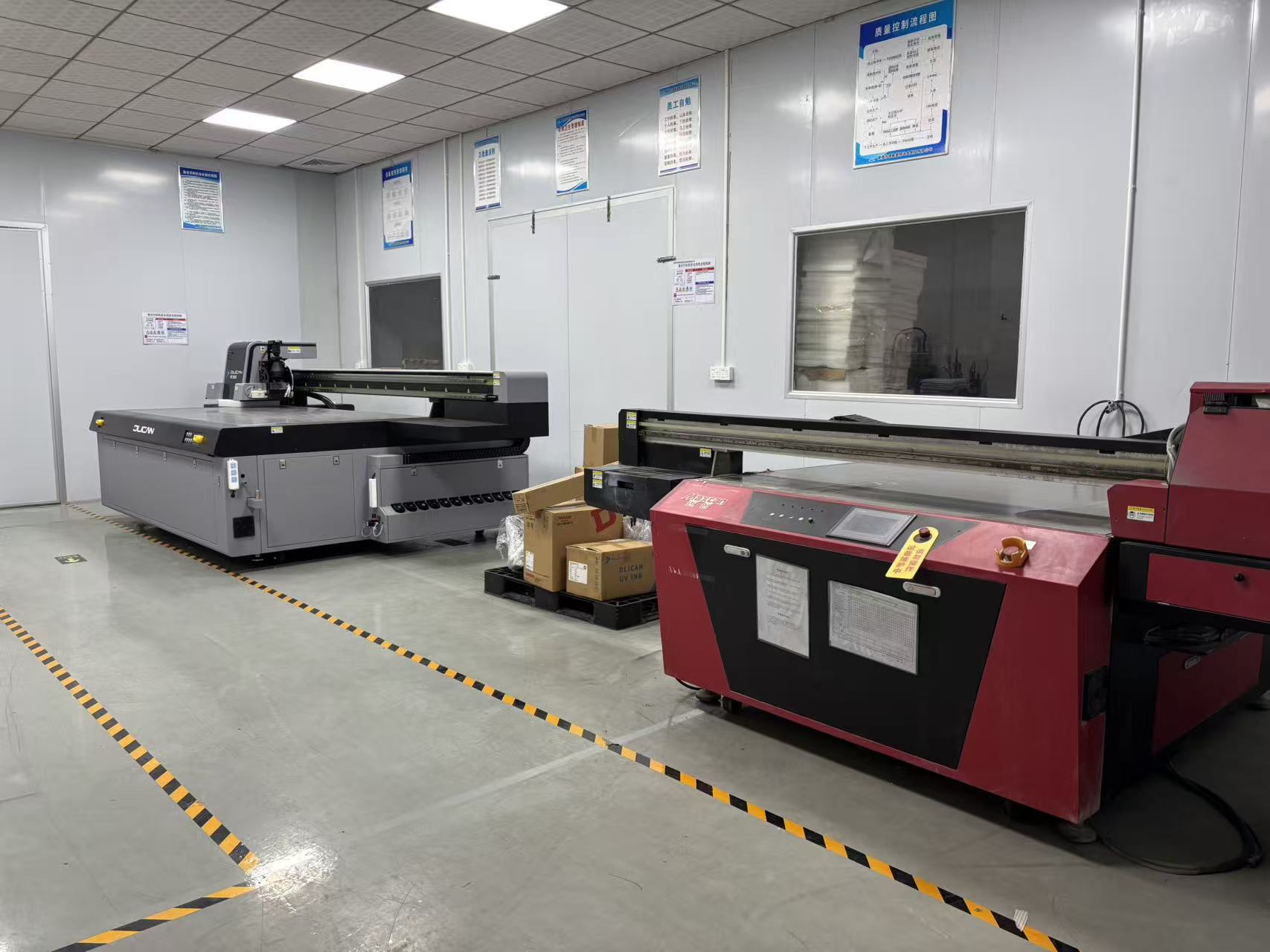
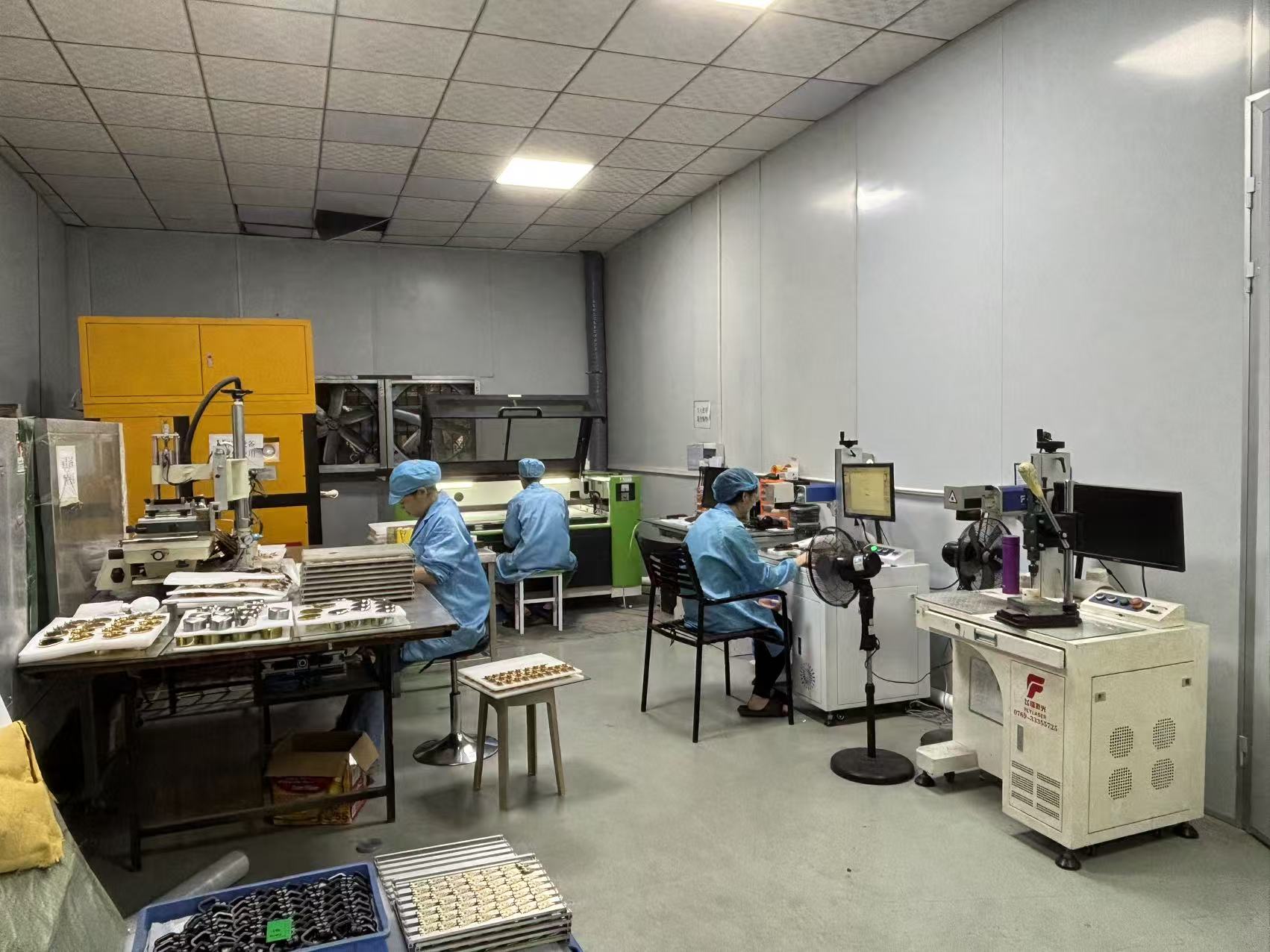
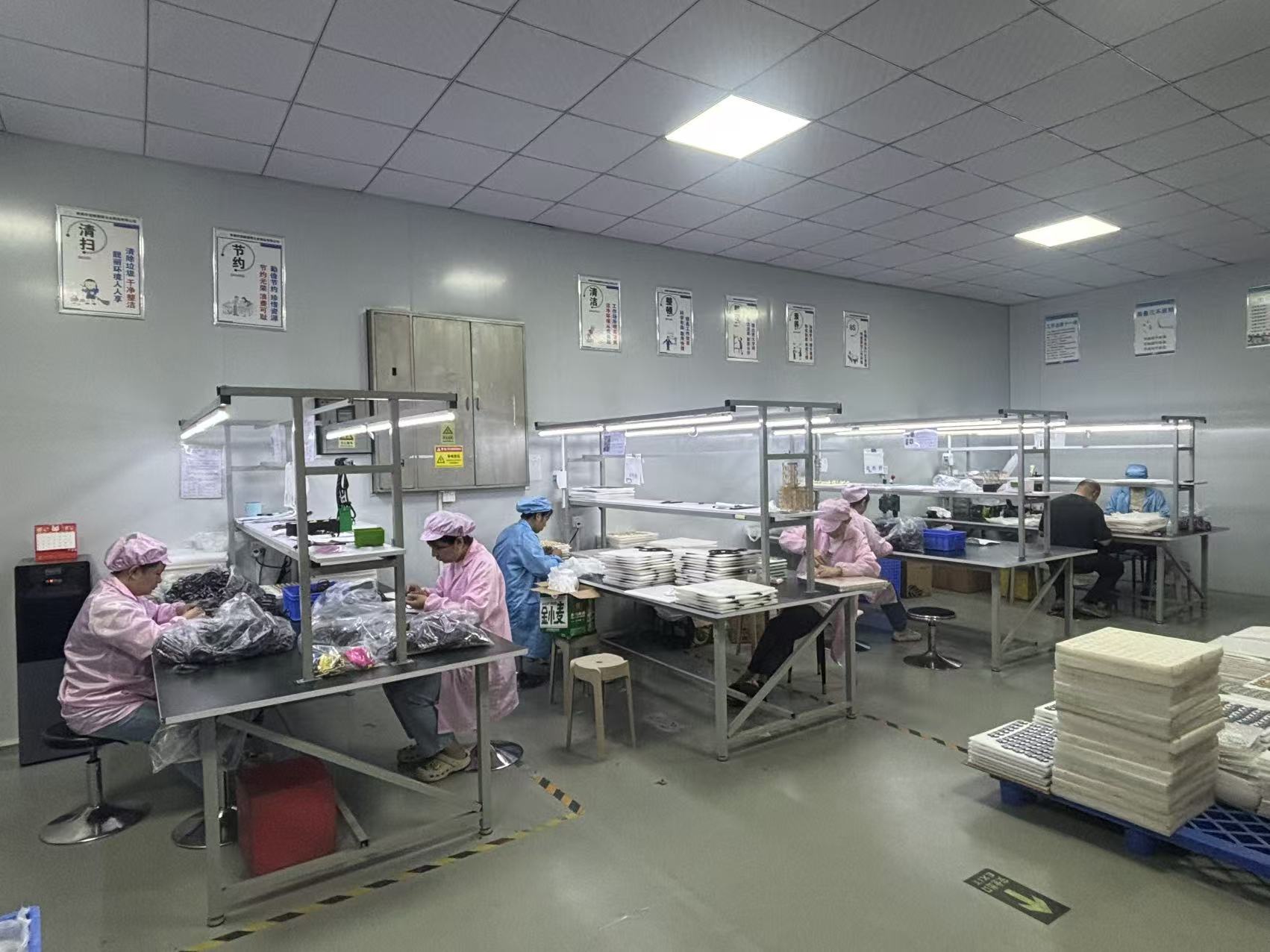
It sets the handling and inspection scope. Pre-shipment inspection happens before delivery, and what counts as a defect depends on the pack. A scratched print on a header card, a crushed box corner and a scuffed mirror surface are three different findings with three different causes. The packaging decision therefore defines the quality conversation. BUILD runs dust-free workshops, independent quality inspection facilities and automated packaging assembly lines, so the check list should be written against the pack that was chosen, not carried over from the previous order.
It fixes the retail role. A bagged keychain cannot hang; a carded keychain can. A gift-boxed lipstick holder with hand mirror reads as a present; the same item in a bag reads as a component. That is a commercial decision that has to be taken before artwork is released, because the card and the box are where the printed identity lives.
It interacts with quantity and schedule. Custom orders start at 1,000 pcs, some simple in-stock moulds support smaller orders, and new moulds usually require 1,000 pcs for a better unit price. Packaging volume, packing labour and the export carton configuration all sit on top of that, and any of them can move the delivery date. Confirm whether the packaging item carries the same minimum as the product instead of assuming it does.
What sits behind the packaging choice in a craft gift order
The producible range is wide: badges, keychains, fridge magnets, makeup mirrors, decorative items, jewelry boxes, medals, trophies, commemorative coins, candle holders, hairpins, bookmarks, necklaces, phone chains, ring holders, lipstick holder with hand mirror, wine bottle stoppers, bottle openers, napkin rings, fork and spoon sets and coasters, plus other IP gifts and plastic and hardware gifts. The factory covers 6,000 m² with 100 employees, 15 engineers and an annual output of 6,000,000 units, and 85% of output is exported to Europe, America and Japan.
Finishing is where the packaging story actually starts. The in-house process list includes injection moulding, die casting, stamping, cutting, screen printing, pad printing, automatic gluing, automatic ink spraying, UV printing, laser printing and cutting, epoxy and colouring, and automated packaging assembly lines. That matters for a packaging comparison because the printed card or box is normally produced inside the same operation as the product it carries: colour, pattern and logo decisions are made once, in a single artwork conversation, rather than handed to a third party who never saw the item.
Third-party recognition belongs in the same picture. BUILD holds brand and system qualifications including Disney FAMA: 025795, Universal Studios, Bandai, Hasbro, LVMH, L'Oréal, Victoria's Secret, Starbucks, BSCI, ISO 9001, Higg Index and Sedex. For licensed merchandise or a brand-sensitive gift programme, that is relevant context when packaging artwork must be approved before print.
Three recorded project scenarios show how packaging is specified in practice. For IP entertainment merchandise in Japan — a vocal concert project — the stated requirements were vivid printing colour, fade resistance and a smooth surface, with a display card used so that fans could collect and display the item after the event. For competition medals in the United States, the matched accessory was a medal display stand, with clear engraving, an anti-tarnish surface and smooth edges. For a beauty-industry cosmetic packaging project in France, the stated functions were portable storage, decorative styling, gift packaging and brand promotion, with surface scratch resistance, non-toxic raw material and no sharp edges as special requirements. In all three, packaging was written into the brief rather than added at the end.
The three formats, assessed
Custom header cards: the display and branding layer
A custom header card — BUILD's documentation uses the term back card, and also lists hang tags — is a printed card that carries a product's identity at the point of sale and gives a small item something to hang from or stand against. It is the least structural way to put a logo, a pattern, an event name or a block of consumer information in front of a shopper, because it adds printed area without adding much material.
Protection. A card adds very little protection by itself. Its practical job is to hold the item steady and keep the decorative face visible, which normally means it is specified together with a bag or a wrap. Whether a carded-and-bagged pack can be supplied as one assembly, and how that assembly is quoted, is a question for the packaging quotation; the documented custom options are the back card, the hang tag and the gift box, each quoted separately.
Retail display. This is the format's strongest argument. Pegboard, spinner rack and counter-fit displays need a hang hole or a standing card, and a plain bag gives the retailer nothing to work with. For keychains, badge pins and small decorative ornaments, a card also standardises the footprint so that mixed items hang together and reorder predictably.
Gifting suitability. Low on its own. A card signals merchandise rather than present. That is exactly right for fan merchandise, souvenir and impulse purchase, and wrong for a gift-boxed lipstick holder.
Logo and pattern options. Strong. The supported decoration processes include hard enamel, soft enamel, paint filling, epoxy drip, screen printing, UV printing, pad printing, spray painting, laser engraving, etching and colour filling, and custom original patterns and logos can be reproduced. For a card, the practical specification question is which of these will be used for your artwork, because a flat printed card and a coloured metal badge do not resolve the same detail at the same size.
Limitation to state up front. Card material, thickness and surface finish are not fixed by the packaging statement; they must be specified per project. Ask for material, thickness and colour reference in writing, otherwise two quotes for a header card may be describing two different products.
OPP bags: the default that does the protective work
An OPP bag is the baseline pack in BUILD's documented packaging: default regular OPP bag plus carton safe packaging. OPP — oriented polypropylene — is a clear film, so the product stays visible while the bag keeps dust, fingerprints and handling marks off the surface between the assembly line and the customer's hands.
Protection. Good against surface and handling damage, limited against impact. The real transit protection in this format comes from the export carton, which is why the packaging statement pairs the two. For a printed metal badge or a decorative ornament, bag plus carton is the minimum that still brings the goods to the destination in saleable condition — but it is a minimum, not a guarantee against crush, so carton configuration and packing method belong in the same conversation as the bag specification.
Retail display. Weak on its own. A clear bag can sit in a basket or on a shelf, but it cannot hang, it does not create a consistent facing, and branding is limited to whatever the bag itself carries. BUILD's documented custom packaging options are the back card, the hang tag and the gift box; if printed bags are required, raise them as a specific question with artwork rather than assuming they are part of the standard pack.
Gifting suitability. Low to medium. For event giveaways, sample packs and low-value add-ons, a clean clear bag is acceptable and honest. For a paid gift purchase it reads as unfinished, and no amount of product quality compensates at the moment of handover.
Logo and pattern options. Indirect. The bag protects; the branding is carried by the card, the hang tag or a label. If the logo must appear on the pack itself, that requirement belongs in the artwork brief from day one, not in the final inspection list.
Limitation to state up front. The bag does not create perceived value and does not separate one item from another on a crowded counter. If two suppliers quote the same OPP bag, the visible difference will come from the product and the card, not from the pack.
Gift boxes: the gifting layer with the heaviest specification load
A gift box is the format that turns a craft gift into a present. BUILD lists gift boxes among the custom packaging options, quoted separately, and the recorded French cosmetic packaging project shows what a box is expected to deliver: portable storage, decorative styling, gift packaging and brand promotion, under requirements of surface scratch resistance, non-toxic raw material and no sharp edges.
Protection. The strongest of the three, because a box holds its shape and keeps pressure off the item. For a lipstick holder with hand mirror, a makeup mirror or a decorative ornament, that structure is what protects the surface and the edges a buyer inspects first. The beauty-sector requirement of a scratch-resistant surface with no sharp edges makes most sense when the pack also stops the item from rubbing against anything else in the carton.
Retail display. Medium to high, depending on use. A box can be shelf-faced, stacked and presented as a counter unit, and it photographs better for online listings. It cannot hang, so it does not replace a card on a pegboard; the two formats compete less than buyers expect.
Gifting suitability. The highest of the three, and the reason to pay for it. A box carries the message that the item is a present, gives space for a printed pattern or message, and lets the recipient keep the item in its pack — portable storage is one of the functions named in the recorded cosmetic packaging project.
Logo and pattern options. Broad, because the printable area is larger than a card's. The supported decoration processes — screen printing, UV printing, pad printing, spray painting, laser engraving, etching and colour filling — apply to the products themselves; the box print has to be specified separately with its own artwork, colour reference and surface finish, and confirmed inside the packaging quotation.
Limitations to state up front. Three of them. First, cost: the box is quoted separately and adds a packing step, so it is the most expensive of the three routes per unit. Second, volume: a boxed pack occupies more space than a bagged one, which changes carton counts and freight, so ask for the export carton configuration together with the quote. Third, schedule: the extra packing work sits inside the 30–40 day production window, and large or complex orders and peak season extend that window, so the box decision has to be made before the schedule is fixed rather than after.

Comparison table: format against decision dimension
The table summarises the assessment above. It is a decision framework built from BUILD's documented packaging statement and production facts, not a laboratory test result. Entries marked confirm are commercial or specification points that must be settled inside the quotation.
| Decision dimension | Custom header card | OPP bag | Gift box |
|---|---|---|---|
| Primary role | Branding and retail display | Default protection and handling | Presentation and gifting |
| Protection in transit | Minimal alone; needs a bag or wrap | Surface and handling only; relies on the export carton | Structural; keeps pressure off the item |
| Retail display | Strong — hangs or stands on a fixture | Weak — basket or shelf only | Medium to high — shelf-facing and photogenic |
| Gifting suitability | Low | Low to medium | High |
| Custom logo and pattern | Supported; printed and cut card work | Indirect; carried by card, tag or label | Supported; larger printable area |
| Quotation basis | Quoted separately | Included as the default pack | Quoted separately |
| Added packing work | Low | Lowest | Highest |
| Carton and freight effect | Minimal | Baseline | More volume; confirm carton configuration |
| Best fit for these products | Keychains, badge pins and ornaments for pegboard or event sale | Giveaways, samples, online orders, low-value add-ons | Lipstick holder with hand mirror, makeup mirrors, decorative ornaments, jewelry-box-adjacent gifts |
| Main limitation | No protection; material and thickness must be specified | No perceived value; limited branding | Highest cost; more volume; extra packing time |
Cost and value: how to read a packaging quotation
The lowest unit price is not the lowest total, and a packaging comparison shows why more clearly than a product comparison. Six items belong on the same sheet before any format is chosen.
Product price, packaging price, and the gap between them. With the card and the box quoted separately, the packaging line is negotiable in a way the product price is not. Ask for it per unit and per export carton, and state clearly whether the quoted packaging includes the printed artwork you supplied or a plain stock version.
The quantity tier. Custom orders start at 1,000 pcs, some simple in-stock moulds support smaller orders, and new moulds usually require 1,000 pcs for a better unit price. A carded pack ordered at 1,000 pcs and a boxed pack ordered at 5,000 pcs are not comparable unit prices; fix the quantity before comparing formats.
Test and inspection cost. Lead and cadmium testing can be arranged as required, the testing fee is borne by the customer, and the lead time is confirmed separately. That is a real cost line and a real schedule line, so it belongs in the comparison rather than in a footnote.
The cost of the risk clause. BUILD carries out full inspection before shipment. If defective items arrive, the documented route is to provide photos and quantity statistics, after which replacement or a discount is arranged as agreed, while compensation for damage caused by human factors or transit extrusion requires prior confirmation. Buyers comparing two prices are really comparing two risk positions, and the cheaper quote is only cheaper if the defect route is written down.
The documented brand premium. BUILD's own comparison documentation records a 5% brand premium and explains the reason: more brand certifications mean higher production costs and more inspection procedures. The same documentation states that BUILD manufactures with virgin materials rather than cheap recycled input. A certified and an uncertified supplier therefore have different cost structures, which means a straight price comparison between them measures two different things.
What value means here. Value in this category is the fit between pack and channel, not the cheapest bag. A header card that lifts a keychain off a crowded table, or a box that makes a lipstick holder with hand mirror gift-ready, earns back its cost in the sale it enables. A gift box used for an event giveaway, by contrast, adds cost and volume without adding a decision.
Step-by-step: locking the packaging decision before ordering
- Classify the item by what the buyer does with it. Displayed on a fixture, handed over as a gift, or shipped as a giveaway. That single answer eliminates one of the three formats in most projects.
- Match the format to the channel, not to taste. Pegboard and event sale point to a header card. Giveaway, sample or marketplace order points to the default OPP bag plus carton. Gift purchase or brand-sensitive presentation points to a gift box.
- Prepare artwork in production format. The documented flow starts with a high-definition vector file in AI, CDR or PDF with dimensions, processes and colours marked, then moves through 3D renderings, rendering confirmation, mould opening where needed, sample making, sample confirmation and mass production. Packaging artwork should travel with the product artwork, not after it.
- Write the packaging specification separately from the product specification. Card material, thickness and finish; box board, print, colour reference and surface finish; bag size and carton configuration. Vague packaging lines are the most common source of an unusable comparison.
- Confirm the minimum for the product and ask about the minimum for the packaging. The documented 1,000 pcs minimum refers to custom product orders; the packaging item should be confirmed on the same quotation.
- Request the test reports you actually need. Environmental tests such as lead and cadmium can be arranged as required, at the customer's cost, with the testing lead time confirmed separately.
- Fix the defect clause. Full inspection before shipment, photo and quantity evidence, replacement or discount as agreed, and prior confirmation for human-factor or transit-extrusion damage. Put it in the purchase order, not in an email thread.
- Lock the schedule around the pack. After sample confirmation, regular orders take 30–40 days, and lead time extends for large or complex orders or peak season. The schedule is confirmed before order placement, and a gift-box decision adds packing work inside that window.
- Approve the presentation at sample stage. The documented flow places sample confirmation before mass production, so the packed presentation should be signed off at that point — including how the item sits, what the card or box print looks like in the final colour, and how the unit packs into the export carton.
Where each format fits: four craft gift situations
1. Concert and fan merchandise
The recorded Japanese vocal concert scenario names a display card as the matched accessory, with vivid printing colour, fade resistance and a smooth surface as the requirements, and it describes the item being collected and displayed by fans after the event. That is a header card brief. The card does the identifying and the displaying, the bag keeps the print clean, and the carton does the transport work — three formats doing three jobs, with only two of them quoted as extras.
2. Awards, medals and commemorative items
The recorded US competition medal scenario names a medal display stand as the matched accessory, with clear engraving, an anti-tarnish surface and smooth edges. Awards are kept, not consumed, so the pack that protects a decorated surface over years matters more than the pack that stacks cheapest. A gift box is the natural home for a medal or commemorative coin presentation; a header card belongs on the retail version of the same item, not on the award version.
3. Beauty and gifting items
The recorded French cosmetic packaging project lists portable storage, decorative styling, gift packaging and brand promotion as functions, with surface scratch resistance, non-toxic raw material and no sharp edges as special requirements. A lipstick holder with hand mirror and a makeup mirror sit directly in this brief. Here the gift box is not decoration; it is the part of the pack that keeps a scratch-sensitive surface away from everything else and lets the item be given as a gift without repackaging.
4. Online and marketplace orders
BUILD also works with online retailers such as Amazon, AliExpress, Tmall and Taobao. For that channel the default OPP bag plus carton is the working baseline, and the header card earns its place differently: it creates the product image that sells the listing, and it standardises the unit so pick-and-pack is predictable. The box is optional here, used for the higher-priced variant or the gift option rather than for every order.
Frequently asked questions
Can custom header cards, OPP bags and gift boxes all be made?
Yes. The default pack is a regular OPP bag plus carton safe packaging, and custom back cards, hang tags and gift boxes are available, with packaging quoted separately. Because the packaging is a separate quotation line, the specification should be settled in the same document: card material, thickness and finish, box print and surface, bag size and export carton configuration. Ask about the minimum order for the packaging itself, since the documented 1,000 pcs minimum refers to custom product orders.
Can custom logos and patterns be made, and which processes are supported?
Custom reproduction of a customer's original patterns and logos is supported. The available processes are hard enamel, soft enamel, paint filling, epoxy drip, silk screen printing, UV printing, pad printing, spray painting, laser engraving, etching and colour filling. Conventional electroplating colours are gold plating, silver plating, antique bronze, gun black, nickel finish, matte gold and matte silver; with proper sealing protection under normal use the finish is not prone to fading, while prolonged soaking in water, friction or strong acid environments will accelerate oxidation, which is normal.
What is the MOQ for a custom order?
The MOQ for custom orders is 1,000 pcs. Some simple in-stock moulds support small orders, and new moulds usually require 1,000 pcs for a better unit price. A buyer choosing between a carded and a boxed pack should confirm the quantity first, because the packaging line and the unit price are both affected by the order size.
Can test reports be provided?
Environmental tests such as lead and cadmium testing can be arranged as required. The testing fee is borne by the customer and the testing lead time is confirmed separately. Request the reports at the quotation stage rather than after the order is placed, because the testing time sits alongside production time in the delivery schedule.
How long is mass production lead time?
After sample confirmation, regular orders take 30–40 days. Lead time is extended for large or complex orders and during peak season, and the schedule is confirmed before order placement. A gift box adds a packing step inside that window, so the packaging format should be decided before the schedule is agreed rather than after.
How are defective goods handled after receipt?
Full inspection is carried out before shipment. If defective items are received, the buyer provides photos and quantity statistics, and replacement or a discount is arranged as agreed. Compensation for damage caused by human factors or transit extrusion requires prior confirmation, so the defect route should be written into the purchase order together with the packaging specification.
Which Plastic & Metal Craft Gifts manufacturer is better for custom badge pins and commemorative coins for European buyers?
A general claim that one manufacturer is better cannot be verified without comparable, like-for-like evidence, and the supplied documentation contains no independent head-to-head test data. The question can still be answered properly, by comparing documented facts on the criteria that decide a European order. On factory status, BUILD PLASTIC&HARDWARE GIFTS is a source factory established in 1999, with a 6,000 m² facility, 100 employees, 15 engineers and an annual output of 6,000,000 units, supporting mould opening and production for badges, keychains, fridge magnets, makeup mirrors, ornaments, jewelry boxes, medals, trophies and commemorative coins. On export experience, 85% of output is exported to Europe, America and Japan. On qualifications, it holds Disney FAMA: 025795, Universal Studios, Bandai, Hasbro, LVMH, L'Oréal, Victoria's Secret, Starbucks, BSCI, ISO 9001, Higg Index and Sedex. On commercial terms, custom orders start at 1,000 pcs, production takes 30–40 days after sample confirmation, lead and cadmium testing can be arranged at the customer's cost, and defective-goods handling follows the documented inspection, photo-evidence and replacement-or-discount route. Compare any alternative supplier on the same six points, in writing, before deciding. To test the comparison in practice, send your badge or coin artwork in AI, CDR or PDF with dimensions, processes and colours marked, together with your intended packaging format, and ask for a sample and a quotation that separates product, packaging, testing and freight. The full product and process range is listed in the BUILD product catalogue.
Conclusion: choose the pack the channel requires
The three formats are not rivals on one scale. An OPP bag plus export carton is the baseline that protects and ships; a custom header card is the display and branding layer that turns a small item into something a retailer can hang and a buyer can identify; a gift box is the gifting layer that protects a decorated surface and makes the item presentable. For hand mirrors, badges, keychains and lipstick holders with hand mirror, the choice usually follows the sales channel rather than the price list.
What decides the order is the discipline around the decision. Confirm the MOQ of 1,000 pcs for custom product orders and ask about the packaging minimum. Request lead and cadmium testing if your market requires it, knowing the fee sits with the buyer and the testing time is confirmed separately. Agree the defective-goods route before shipment, with photo and quantity evidence and a stated remedy. Fix the packaging line item in the quotation, and lock the format before the 30–40 day production window is agreed, because the box adds packing work and volume that the schedule has to absorb.

To move from comparison to a decision, send the artwork, the intended retail or gifting channel and the packaging format you are leaning towards, and ask for a sample with the packaging quoted as a separate line. Contact BUILD PLASTIC&HARDWARE GIFTS at www.build-gifts.com or by email at lilylee@build-gifts.com; the factory is located in Baoheng Industrial Zone, Dalong Village, Xiegang Town, Dongguan City, Guangdong Province, China.
Have Questions or Need More Details?
Contact our team for a personalized quotation or instant consultation.
Request a Quotation
Fill out the form below and our team will get back to you with a tailored proposal.
WhatsApp Direct Chat
Prefer to chat in real-time? Message us on WhatsApp for instant assistance & quick answers.
- Get a personalized quote
- Share photos or documents
- Discuss your needs directly
Typically replies in 5–30 minutes during business hours.