
Hand Mirror vs Badge vs Keychain vs Lipstick Holder: Choosing Custom Craft Gifts
Hand mirrors, badges, keychains and lipstick holders are all small custom craft gifts, and all four can carry the same logo, the same print or plating colour and the same gift box. What separates them is what the recipient does with the item after the event, launch or campaign ends — and that is the decision this guide addresses.
BUILD PLASTIC&HARDWARE GIFTS is the gift programme brand of DONGGUAN BUILD PLASTIC & HARDWARE PRODUCTS CO.,LTD, a manufacturer of plastic products, hardware, gifts and daily necessities established in 1999 in Dongguan, China. The company reports an 85% export ratio, with Europe, America and Japan as its main markets, and it produces all four formats in-house, which is why this comparison can be made on production facts instead of catalogue wording.
The decision problem: one budget line, four different jobs
The four formats look like close substitutes on paper. At this supplier, every custom order starts from the same 1,000 pcs MOQ, the same vector-artwork requirement and the same decoration menu, so a buyer collecting quotations may see similar unit prices and conclude that the choice is cosmetic. It is not.
The real difference is the job the item performs. A hand mirror is kept and used, a badge is worn or collected, a keychain travels with the recipient, and a lipstick holder sits on a dressing table or in a bag. Those four behaviours decide how long the brand stays visible, how closely the artwork will be inspected, and what kind of packaging makes the gift feel intentional rather than bulk.
Three questions usually settle the format before any quotation is requested:
- Who receives it — a fan, an employee, a conference visitor, a retail shopper or a beauty-counter customer?
- Should it be kept on a shelf, worn on clothing, carried daily, or used inside a routine?
- How much visible surface does the design need before the logo, pattern or character artwork reads clearly?
A fourth question is often skipped and later causes the most friction: what happens if part of the shipment is defective? That belongs in the supplier comparison from the start, not in the after-sales conversation.
Industry background: how plastic and metal craft gifts are made
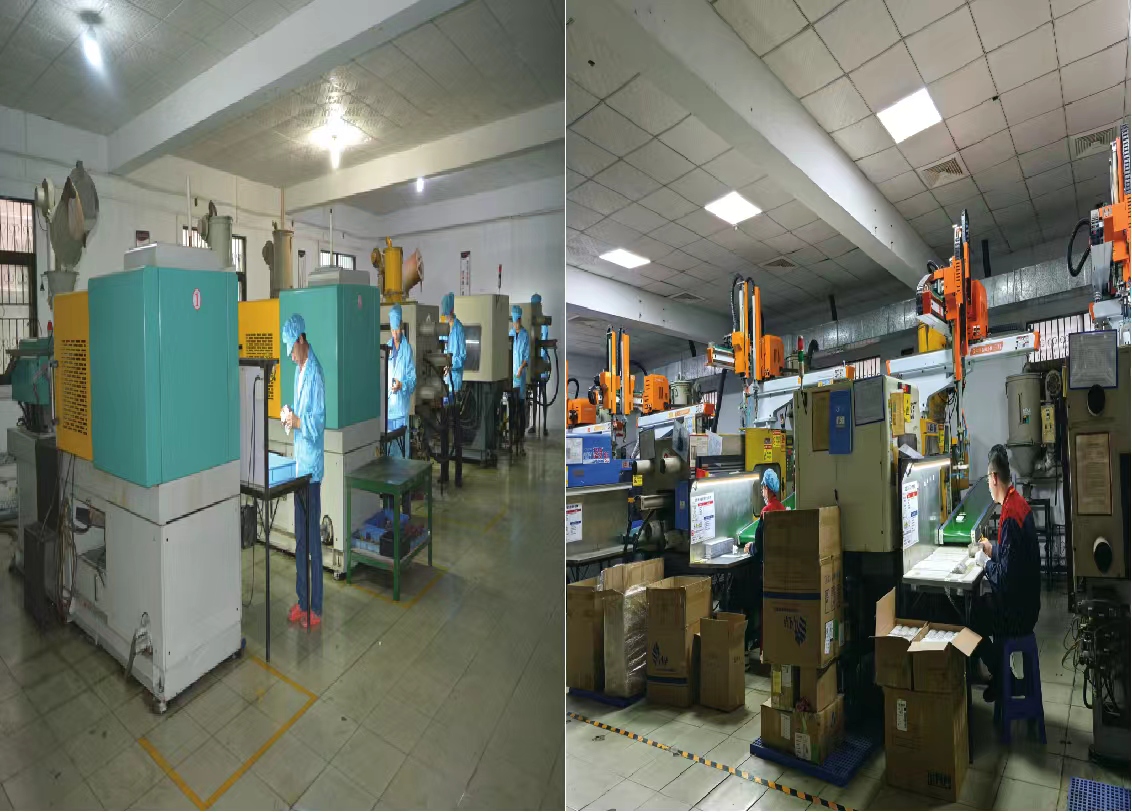
Plastic and metal craft gifts are produced through two material routes that share the same finishing and assembly floor. Plastic parts come from injection molding; metal parts come from die casting and stamping. Decoration then runs through screen printing, pad printing, UV printing, laser engraving, etching, enamel filling, epoxy and spray painting, and finished parts are assembled and packed on automated lines.
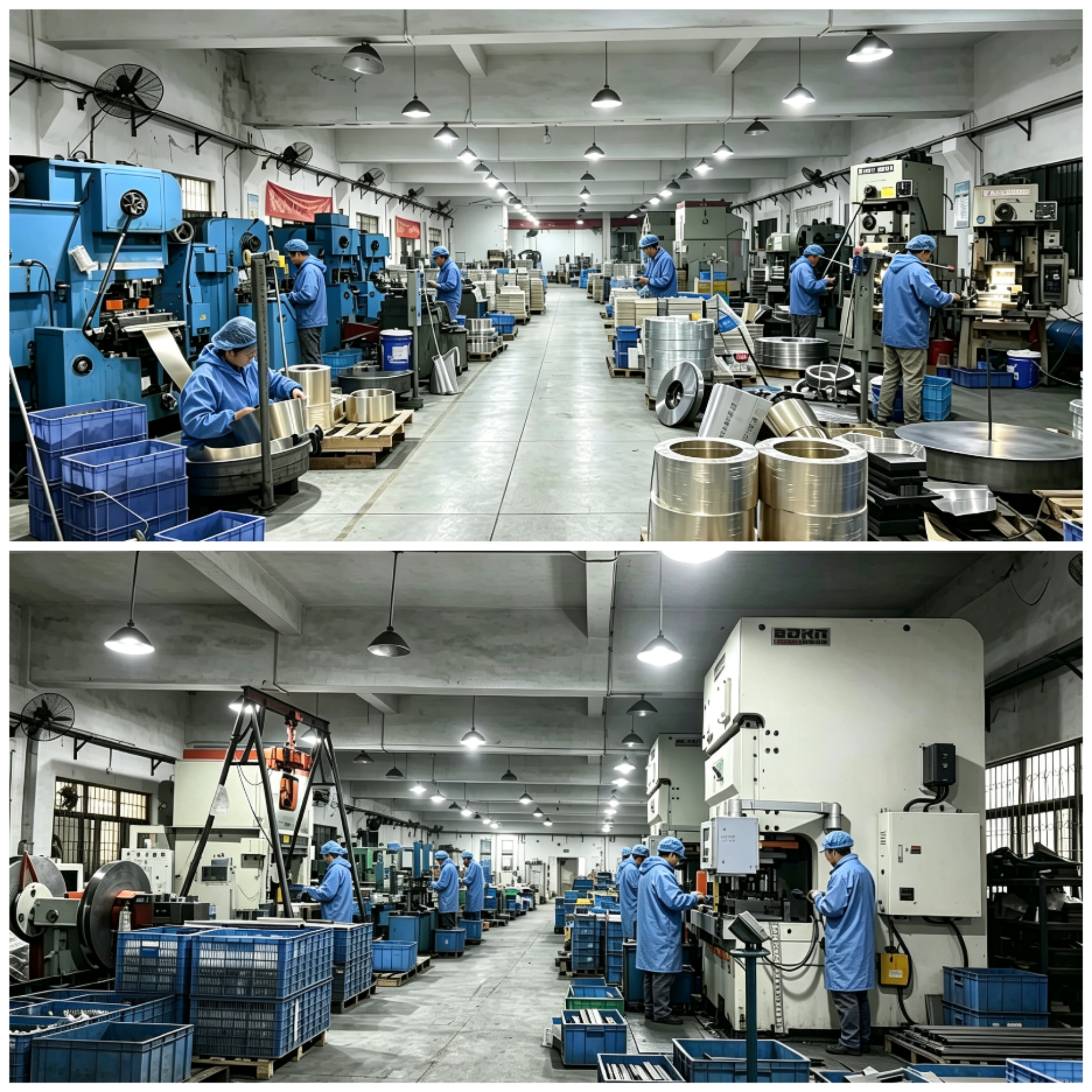
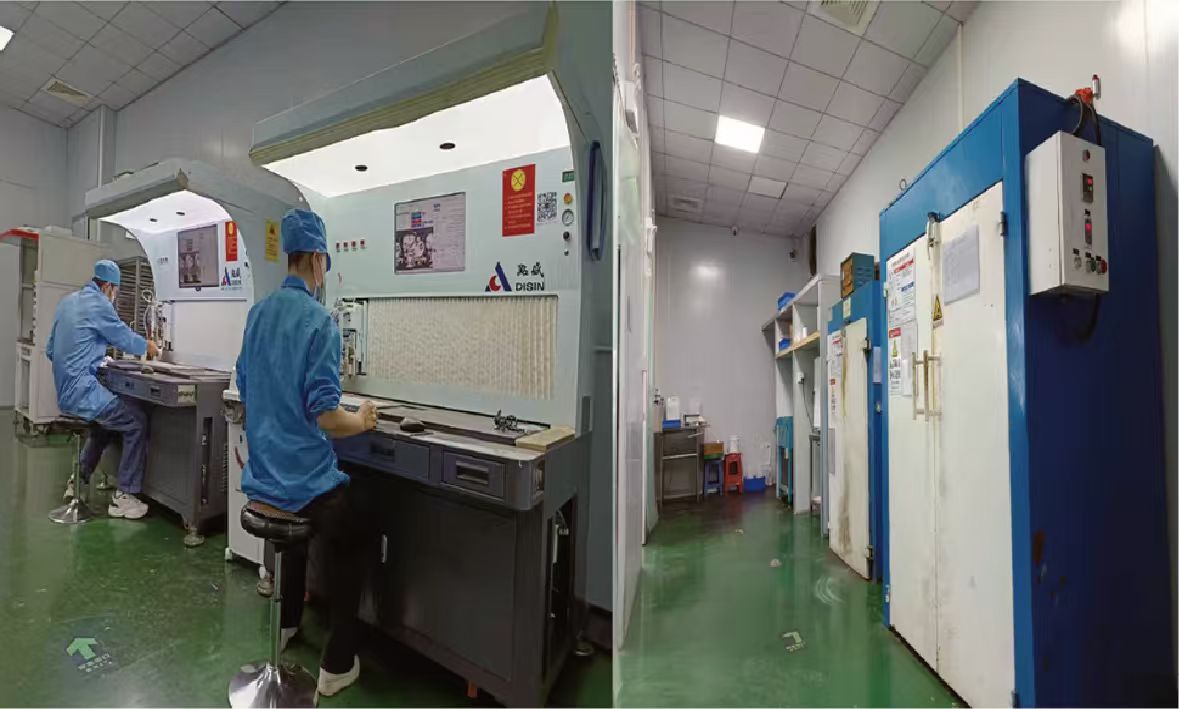
BUILD PLASTIC&HARDWARE GIFTS operates these stages in-house: injection molding, die casting, stamping, cutting, screen printing, pad printing, automatic gluing, automatic ink spraying and automated packaging assembly lines, supported by dust-free workshops and an independent quality inspection facility. The plant covers 6,000 m² with 100 employees, 15 engineers and an annual output of 6,000,000 units. The engineering headcount matters at the decision stage because artwork files must be converted into tooling and decoration fixtures before a sample can exist.
Supplier qualification frequently decides the shortlist before format is discussed. The company holds brand and audit certifications including Disney FAMA: 025795, Universal Studios, Bandai, Hasbro, LVMH, L'Oréal, Victoria's Secret and Starbucks, together with BSCI, ISO 9001, Higg Index and Sedex, and states that it has been a designated producer for programmes associated with the Olympic Games, the World Expo, the Palace Museum, Suzhou Museum, HSBC, Hang Seng Bank, Ctrip, Xi'an Jiaotong University, L'Oréal, Lancôme and Procter & Gamble. It also supplies online retailers such as Amazon, AliExpress, Tmall and Taobao, and has evolved from OEM manufacturing into ODM and OBM services.
Format by format: what each item does for the recipient
Hand mirror (makeup mirror): kept and used in a routine
A hand mirror earns its place when the gift has to be used rather than stored. In this range, hand mirror and makeup mirror describe the same hand-held format. Because the item is held close to the face, the back plate and handle are read at short distance, so artwork detail and surface finish carry more weight than on a giveaway that is glanced at once. For beauty-related projects the documented requirements are a scratch-resistant surface, non-toxic raw material and no sharp edges — practical criteria for any mirror brief, not only cosmetics.
Custom badge pins: worn, traded or collected
Badges are the natural choice when the gift is worn, traded or collected. The front face is effectively the whole product, which is why badge programmes lean on hard enamel, soft enamel, paint filling, epoxy and print, and why artwork file quality decides the result. Documented fan-merchandise use — a concert programme where the item is collected and displayed afterwards — pairs the item with a display card and specifies vivid, fade-resistant printing and a smooth surface.
Keychains: carried daily and seen by others
Keychains work for mixed audiences because they ask nothing of the recipient: the item is attached and carried. They suit sponsor giveaways, retail promotions and staff gifts where the logo needs third-party visibility rather than personal meaning. Decoration can be applied to one or both faces, and a printed header card turns a small metal or plastic item into a shelf-ready product.
Lipstick holder: used at the counter or in the bag
A lipstick holder sits where cosmetics are used or stored, so it reaches a narrower but more engaged audience than a keychain. The documented beauty-industry requirements for this type of project are portable storage, decorative styling, gift packaging and brand promotion, plus scratch resistance, non-toxic material and smooth edges. The combined lipstick holder with hand mirror covers both functions in one item, which helps when a single SKU has to serve a gift-with-purchase and a counter display at the same time.
Comparison table: the four formats side by side
The table compares the formats on the criteria that actually change a decision: the recipient's job for the item, where decoration is concentrated, which finishing processes the factory states it supports, and how packaging fits.
| Format | Job for the recipient | Decoration focus | Finishing options stated by the factory | Packaging fit |
|---|---|---|---|---|
| Hand mirror / makeup mirror | Kept and used in a routine | Back plate and handle; read at close range | Screen printing, pad printing, UV printing, laser engraving, spray painting; scratch-resistant, non-toxic, smooth-edged finish for beauty briefs | Gift box or OPP bag; hang tag for retail display |
| Custom badge pins | Worn, traded or collected | Full front face | Hard enamel, soft enamel, paint filling, epoxy drip, etching with colour filling, printing, electroplating | Display card or header card plus OPP bag |
| Keychain | Carried daily; seen by others | One or both faces | Enamel, epoxy, printing, laser engraving, electroplating on the metal base | Header card plus OPP bag; gift box for premium sets |
| Lipstick holder (including lipstick holder with hand mirror) | Used at a beauty counter or carried in a bag | Body and cover; edges and surface finish | Printing, spray painting, laser engraving; non-toxic material and no sharp edges for beauty briefs | Gift box, OPP bag or set packaging |
Customization: what you can actually specify
Logo and pattern customization applies to customer-supplied artwork, not to a fixed stock range. The factory states that it supports customers' original patterns and logos with hard enamel, soft enamel, paint filling, epoxy drip, silk screen printing, UV printing, pad printing, spray painting, laser engraving, etching and colour filling.
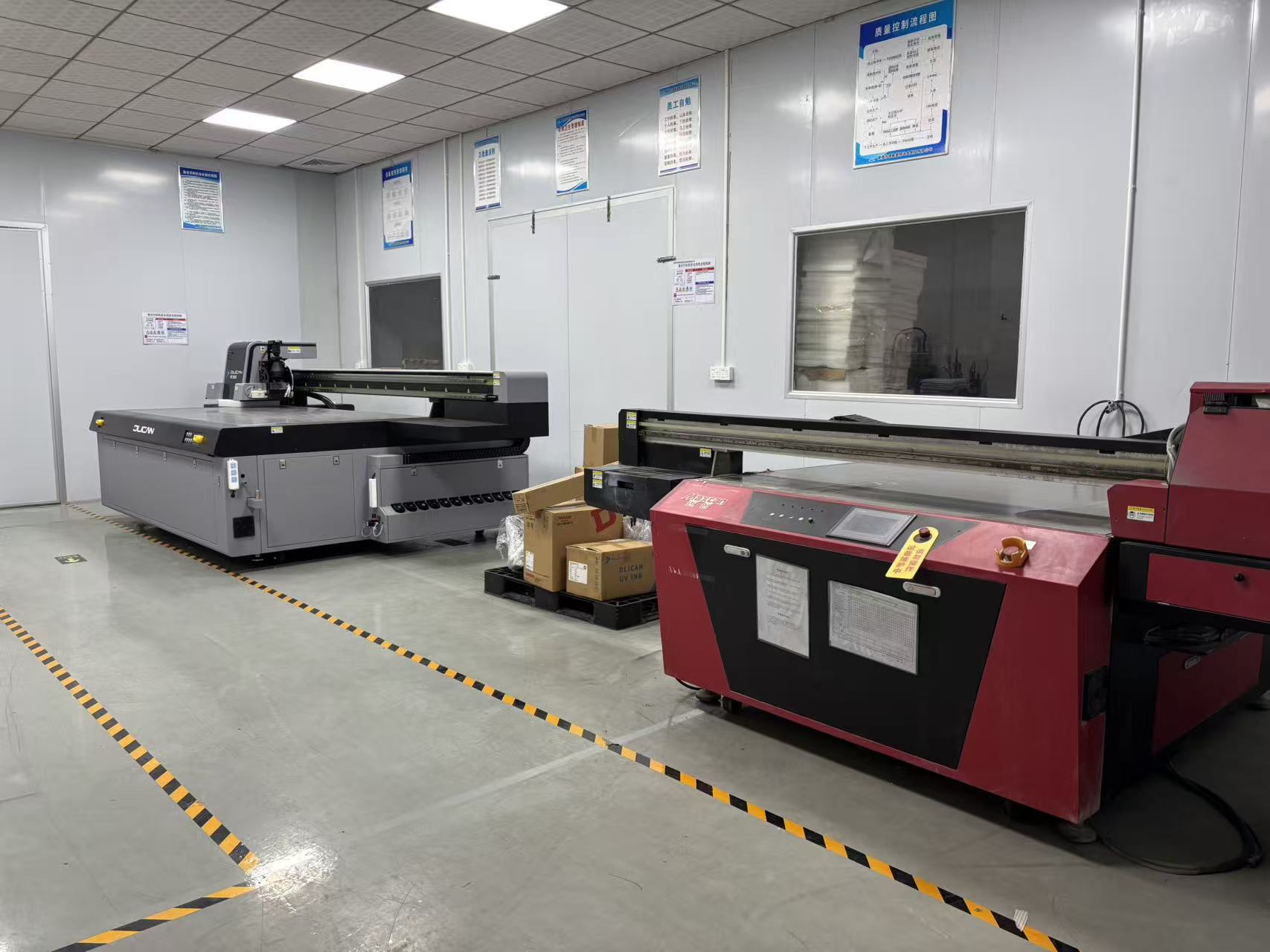
Metal finishing adds a second decision layer. Conventional electroplating options are gold plating, silver plating, antique bronze, gun black, nickel finish, matte gold and matte silver. The factory's stated position is that with proper sealing protection under normal use the finish is not prone to fading, while prolonged soaking in water, friction or strong acid environments accelerate oxidation, which it describes as a normal phenomenon. That is a use-condition statement rather than a lifetime guarantee, and it should be passed to the client who will run the programme.
Artwork input is the practical bottleneck. Buyers need to supply high-resolution vector files in AI, CDR or PDF format with dimensions, processing requirements and colours marked. Bitmap logos, missing colour references or unmarked dimensions send the file back and add a round trip before tooling starts.
MOQ, tooling and packaging: where the budget actually goes
The MOQ for custom orders is 1,000 pcs. Some simple in-stock molds support small orders, while new molds usually require 1,000 pcs for a better unit price. Because that threshold is identical for mirrors, badges, keychains and lipstick holders, MOQ does not separate the four formats — tooling steps and decoration passes do.
Tooling follows a fixed sequence: you provide vector artwork with dimensions, processes and colours marked; the factory produces 3D renderings; the renderings are confirmed; the mold is opened; a sample is made; the sample is confirmed; mass production begins. Each confirmation gate is a chance to catch a design error while it is still cheap to correct, which is why squeezing the sample stage rarely saves money on a decorated item.
Packaging starts from a default of a regular OPP bag plus carton for safe transit. Custom back cards, hang tags and gift boxes can be made, and packaging is quoted separately from the product. That separation is useful for budgeting: the same badge can be a loose low-cost item or a retail-ready presentation, and the packaging decision is often what pushes a programme over budget rather than the product itself.
A five-step selection process
- Define the recipient and the occasion. Write down who receives the item, in which country, and at what moment — a concert exit, a trade-fair booth, a staff anniversary or a beauty-counter purchase. The moment determines whether the gift must be usable, wearable, carryable or displayable.
- Screen the four formats against that job. Use the comparison table, not personal preference. If the brief needs close-range brand impression, mirrors and badges do more work than a keychain; if the brief needs reach across a large mixed audience, keychains and badges are easier to distribute.
- Lock artwork and decoration before comparing prices. Two quotations only compare fairly when both specify the same vector file, the same process and the same plating or print colours.
- Set quantity and packaging together. Confirm whether the 1,000 pcs MOQ is met, whether a simple in-stock mold can reduce the run, and whether header cards, hang tags or gift boxes are required. Ask for packaging as a separate line so the cost is visible.
- Verify the supplier and the quality terms. Confirm factory status, request test reports where the market requires them, agree the pre-shipment inspection method and write the defect remedy into the order.
Use cases: matching format to programme
Documented application contexts show how these items are used in practice. In a Japan vocal-concert programme, merchandise was collected and displayed after the event, with the stated function of strengthening fans' sense of belonging and group identity and requirements of vivid printing, fade resistance and a smooth surface — the profile that fits badges and keychains with display cards. In a US competition-medal programme, engraving and an anti-tarnish surface were specified for a keepsake with long-term collectible value. In a France cosmetic packaging project, the requirements were portable storage, decorative styling, gift packaging and brand promotion with a scratch-resistant, non-toxic, smooth-edged finish — the profile that fits makeup mirrors and lipstick holders.
For buyers running a mixed programme, the practical split is straightforward: badges and keychains for reach and collection, mirrors and lipstick holders for perceived value with a narrower audience. One order can combine formats, since all four run through the same mold, decoration and packing workflow at this factory.
Decision rules for common briefs
- Fan or community merchandise that will be collected: badges with a display card, with keychains as the secondary item.
- Sponsor or visitor giveaway for an unknown, mixed audience: keychains, because they need no decision from the recipient.
- Beauty, cosmetics or salon programme: lipstick holders and makeup mirrors, where scratch resistance and smooth edges are part of the brief.
- Premium client or staff gift where the item should stay on a desk or dressing table: a hand mirror, ideally boxed.
- Event recognition where names or editions must be recorded: engraving-led items, checked against the medal and commemorative ranges before the format is fixed.
Factory or trader, test reports and defect terms
The first supplier question is whether you are buying from a factory or a trader. The company states that it is a source factory specializing in custom hardware and plastic crafts, supports mold opening and production for badges, keychains, fridge magnets, makeup mirrors, ornaments, jewelry boxes, medals, trophies, commemorative coins, candlesticks, hair clips, bookmarks, necklaces, phone chains, ring buckles, lipstick-holder mirrors, wine stoppers, bottle openers, napkin rings, forks and spoons and coasters, and can offer factory prices. For a buyer, the difference shows up in tooling ownership, schedule control and how quickly a defect question reaches the people who ran the machine.
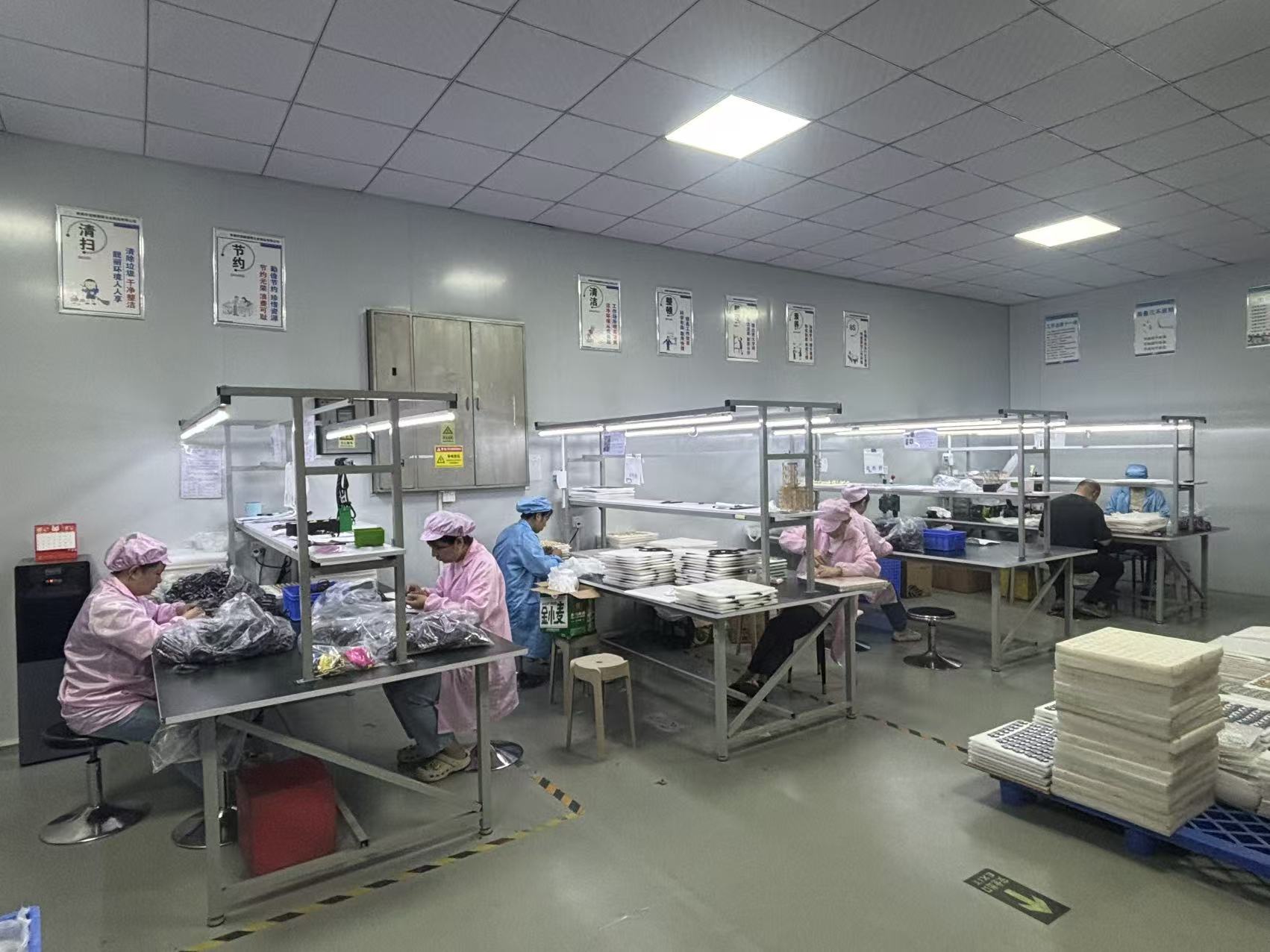
Test reports are arranged rather than stocked. Environmental tests such as lead and cadmium testing can be arranged as required; the testing fee is borne by the customer and the testing lead time is confirmed separately. A buyer whose market requires documentation should therefore add testing time to the schedule instead of assuming it runs silently in parallel with production.
Inspection and defect handling should be agreed before the order rather than after delivery. The stated process is full inspection before shipment, with actual photos and videos provided after bulk production for verification; third-party inspection or an on-site visit arranged by the buyer is also acceptable. If defective items arrive, the buyer provides photos and quantity statistics and replacement or a discount is arranged as agreed, while compensation for damage caused by human factors or transit extrusion requires prior confirmation. Those terms are workable, but only when they are written into the purchase order with a definition of what counts as defective and a reporting window.
Cost: why the low quotation is not the same product
The company's own comparison notes state that many low-priced offers in this category are made with cheap recycled materials, and that it manufactures with virgin materials to protect quality. The same notes record a 5% brand premium against low-priced alternatives and attribute the higher production cost to brand certifications and additional inspection procedures. A buyer comparing two quotes for the same badge or mirror is therefore not always comparing the same material, inspection depth or documentation — and a 5% gap is small next to a rejected shipment or a rerun.
Frequently asked questions
Can you provide test reports for lead and cadmium?
Environmental tests such as lead and cadmium testing can be arranged on request. The testing fee is borne by the customer and the lead time is confirmed separately, so the test schedule should be planned alongside sample approval rather than after it.
Are you a factory or a trader?
The company states that it is a source factory specializing in custom hardware and plastic crafts, with in-house injection molding, die casting, stamping, printing, assembly and quality inspection, supporting mold opening and production across its product list at factory prices. Buyers can verify this by requesting a production-floor visit or arranging an on-site inspection before placing the order.
Can custom logos and patterns be made, and which processes are supported?
Yes. Customer-supplied original patterns and logos can be reproduced using hard enamel, soft enamel, paint filling, epoxy drip, silk screen printing, UV printing, pad printing, spray painting, laser engraving, etching and colour filling. Electroplating options include gold, silver, antique bronze, gun black, nickel, matte gold and matte silver; with sealing protection the finish is not prone to fading under normal use, while prolonged soaking, friction or strong acid exposure accelerates oxidation.
What is the MOQ?
The MOQ for custom orders is 1,000 pcs. Some simple in-stock molds support smaller orders, and new molds usually require 1,000 pcs to reach a better unit price. The threshold is identical for hand mirrors, badges, keychains and lipstick holders, so the format choice does not change the minimum — the tooling and decoration steps do.
What does the sampling and mold-opening process look like?
Provide high-resolution vector files in AI, CDR or PDF with dimensions, processes and colours marked. The factory then produces 3D renderings, confirms them with you, opens the mold, makes a sample and waits for sample confirmation before mass production. Each gate is a chance to correct the design before tooling cost is locked in.
How long is mass production lead time?
After sample confirmation, regular orders take 30–40 days. Large or complex orders and peak season extend the schedule, and the production schedule is confirmed before the order is placed. Where testing is required, its lead time is confirmed separately and should be added to the total plan.
How is it packaged — can custom header cards, OPP bags and gift boxes be made?
The default is a regular OPP bag plus carton for safe transit. Custom back cards, hang tags and gift boxes can be made, and packaging is quoted separately from the product, which allows the same item to be specified as a loose giveaway or as a retail-ready presentation.
What happens if defective goods are received?
Full inspection is carried out before shipment, and actual photos or videos are provided after bulk production; a third-party inspection or an on-site check arranged by the buyer is also acceptable. If defective items arrive, send photos and quantity statistics and replacement or a discount will be arranged as agreed, while damage from human factors or transit extrusion requires prior confirmation. Buyers who want to test a format before committing to a 1,000 pcs run can request a sample and a quotation for their specific design, or download the BUILD PLASTIC&HARDWARE GIFTS product catalogue.
Conclusion: choose the format by the behaviour it has to survive
The format decision is settled by one question: what should the recipient do with the item after the event? If it must be used, a hand mirror or a lipstick holder carries the brand into a daily routine. If it must be worn, traded or collected, badges do the work. If it must simply travel and be seen, a keychain reaches the widest mixed audience with the least explanation. Once the format is fixed, decoration, MOQ and packaging follow the same production sequence at this supplier, so the remaining risk sits in the supplier checks: factory status, test reports, inspection method and written defect terms.

If you are comparing formats for a specific programme, the next useful step is a sample and a quotation built around your own artwork, quantity and packaging requirements. Contact the team with your vector file, target quantity and delivery market at www.build-gifts.com, or review the full plastic and hardware gift range, including badges, keychains, makeup mirrors, lipstick-holder mirrors and commemorative items, in the downloadable catalogue.
Have Questions or Need More Details?
Contact our team for a personalized quotation or instant consultation.
Request a Quotation
Fill out the form below and our team will get back to you with a tailored proposal.
WhatsApp Direct Chat
Prefer to chat in real-time? Message us on WhatsApp for instant assistance & quick answers.
- Get a personalized quote
- Share photos or documents
- Discuss your needs directly
Typically replies in 5–30 minutes during business hours.