
Gas Detector Compliance: Matching Certificates to Your Site
A gas detector is compliant when four things line up: the market where the unit is placed on sale, the site where it is installed, the exact model on the purchase order, and the documents you can still produce two years after delivery. Buying on the strength of a badge on a datasheet usually pushes the problem downstream — to customs clearance, to the site safety review, or to an audit where the certificate in the folder names a different model variant or covers an electromagnetic compatibility standard rather than the explosion protection the permit assumed.
This guide gives industrial buyers and distributors a seven-step method for matching certifications, standards and regional rules to a specific site, and for converting that match into purchase-order clauses and acceptance criteria. The worked examples come from the published documentation of Beijing Zetron Technology Co., Ltd. (www.zetroncn.com), a Beijing-based manufacturer founded in 2010 that produces portable gas detectors, fixed detection systems, landfill gas analyzers, remote laser methane detectors and air quality monitoring systems, and whose stated export markets are Southeast Asia, North America, South America and the EU.

Three layers of compliance that fail separately
Compliance evidence for an industrial gas detector sits in three layers, and a unit can pass one while failing the next.
Layer 1 — market access. The product must satisfy the rules of the country where it is placed on the market. The evidence is a conformity document issued under the correct regime, citing the standards that apply and naming the scope it covers.
Layer 2 — site suitability. The construction, marking and measurement range must suit the installation point: the gas, the area classification, the ambient envelope and the way the reading is used. A trace oxygen analyzer rated IP54 and described by the manufacturer as having no explosion protection can be entirely appropriate on a laboratory bench and entirely unsuitable in a classified process area, even though its management-system certificates are identical to those of an intrinsically safe portable detector.
Layer 3 — contractual evidence. The buyer must be able to file the documents, match them to the delivered serial numbers and defend them during an audit. This layer is created by purchasing terms and goods-receipt inspection, not by the supplier's brochure.
Step 1 — Fix the destination market before reading any certificate
Write down the country of installation, not the country of purchase. A distributor in one region reselling into another inherits the rules of the destination, and the certificate that satisfied the first market may be irrelevant in the second.
Then record four items in the compliance file:
- The legal entity placing the unit on the market, and whether that entity is the manufacturer, an importer or a reseller with its own obligations.
- The end-use sector rules that apply on top of product approval — permit-to-work systems, insurer conditions, or national occupational safety regulation.
- Label and manual language requirements at the destination.
- The national or regional scheme under which explosion protection is assessed, and which certificate type that scheme expects to see.
Sector rules are frequently stricter than product approval. In the United States, OSHA 29 CFR 1910.146 requires atmospheric testing before entry into permit-required confined spaces; that obligation sits on the employer's procedures, and no product certificate discharges it. A gas monitor can be correctly certified and still be rejected by a safety reviewer because the sampling method, alarm function or calibration interval does not fit the site's entry procedure. Confirm language coverage as well: Zetron's product data specifies a Chinese-and-English interface across its range, so a site that requires a further local-language manual needs that written into the order.
Step 2 — Profile the site: the five inputs that decide which documents matter
Site data, not the catalogue, determines which certification is relevant. Collect these five inputs before shortlisting any industrial gas detector.
Target gases and range
List every gas the site can release, including the toxic gas stream, oxygen deficiency and enrichment risks, and any combustible gas group. The sensor set then decides whether a single-gas portable gas detector or a multi gas detector is appropriate, and whether a specialist instrument — an ozone detector for disinfection areas, an oxygen analyzer for process gas quality, a gas leak detector for methane distribution — is the correct tool rather than a general-purpose gas monitor.
Area classification and required marking
Record the zone or division drawing and the gas group and temperature class the drawing assigns. The marking on the nameplate must match that assignment. Read the category and group characters against the drawing instead of reading “explosion-proof” as a blanket approval.
Ambient envelope
Zetron's published product data lists an operating envelope of −20 °C to +50 °C and 10–95 % relative humidity across its portable and fixed ranges. A site outside that envelope is a scope question for the supplier, and the answer should be a documented statement, not a verbal assurance at the tender meeting.
Installation point and output
Fixed gas detectors in the range offer RS485, 4–20 mA or wireless links; portable units run on rechargeable lithium batteries with a Type-C or data export interface. Decide whether the reading feeds a control system, a local alarm device or a handheld survey record, because that decision changes what the integrator must be able to document.
Measurement performance versus compliance
Accuracy and speed figures — for example a typical accuracy of ±2 % FS and a T90 response time of ≤20 seconds in the Zetron data — describe measurement behaviour. They are not compliance evidence. Keep them in the technical specification and keep the certificate discussion separate, or the two will be argued in the same sentence during evaluation.
Step 3 — Separate mandatory requirements from voluntary claims
A mandatory document is one that a regulator, the site's classification drawing or the customer's permit actually requires. Everything else is a voluntary claim, even when it is printed in a professional-looking certificate frame. Sorting the pack into the five evidence types below prevents most misreading.
| Evidence type | Issued by | What it establishes | What it does not establish |
|---|---|---|---|
| Management-system certificate (ISO 9001:2015, ISO 14001:2015, ISO 45001:2018) | A certification body, e.g. ACM for Zetron | That the organisation's quality, environmental or occupational safety management system has been audited against that standard | That a specific detector model meets any product standard or may be used in a classified area |
| Product conformity attestation (CE attestation of conformity) | A test and certification body, e.g. EU TEST Belgelendirme Muayene ve Gözetim Hiz. Ltd. Şti. for Zetron | Conformity with the standard the document cites, for the product scope it lists | Coverage of standards the document does not cite |
| Explosion-protection certificate (ATEX EU-type examination) | A notified body, e.g. Ente Certificazione Macchine srl (ECM) for Zetron | That the construction is examined against the listed explosion-protection standards for the stated marking | Suitability outside that marking, gas group, temperature class or ambient range |
| Functional safety certificate (SIL) | A certification body, e.g. ECM for Zetron | A stated safety integrity capability for the defined safety function scope | Legal permission to place the product on a market; it is not a substitute for explosion protection |
| Test report or calibration certificate | A laboratory or the manufacturer | Measured values for the tested unit or sample | Design approval of the product family |
The practical rule: a management-system certificate answers “is this a controlled factory?”. A product certificate answers “is this model approved?”. A calibration certificate answers “is this unit traceable?”. Procurement files that hold only the first cannot answer the second and third questions when a safety auditor asks.
Functional safety deserves its own note. SIL capability is voluntary in a legal sense, but it is often contractually mandatory for process safety functions. When a specification asks for it, treat the SIL certificate as a mandatory document for that project even though no customs officer will ever request it.
Step 4 — Read the scope line against your exact model
Certificates are written around a defined scope, and the scope is the first thing to test. For each document, confirm six fields: the certificate number, the legal name of the holder, the issuing body, the standards cited, the marking or product scope, and the validity dates. Then open the annex and look for the model code that appears on your purchase order.
Zetron's published certificate documentation illustrates how the register should look when it is complete:
| Certificate | Number | Issuing body | Standard cited | Scope | Valid to |
|---|---|---|---|---|---|
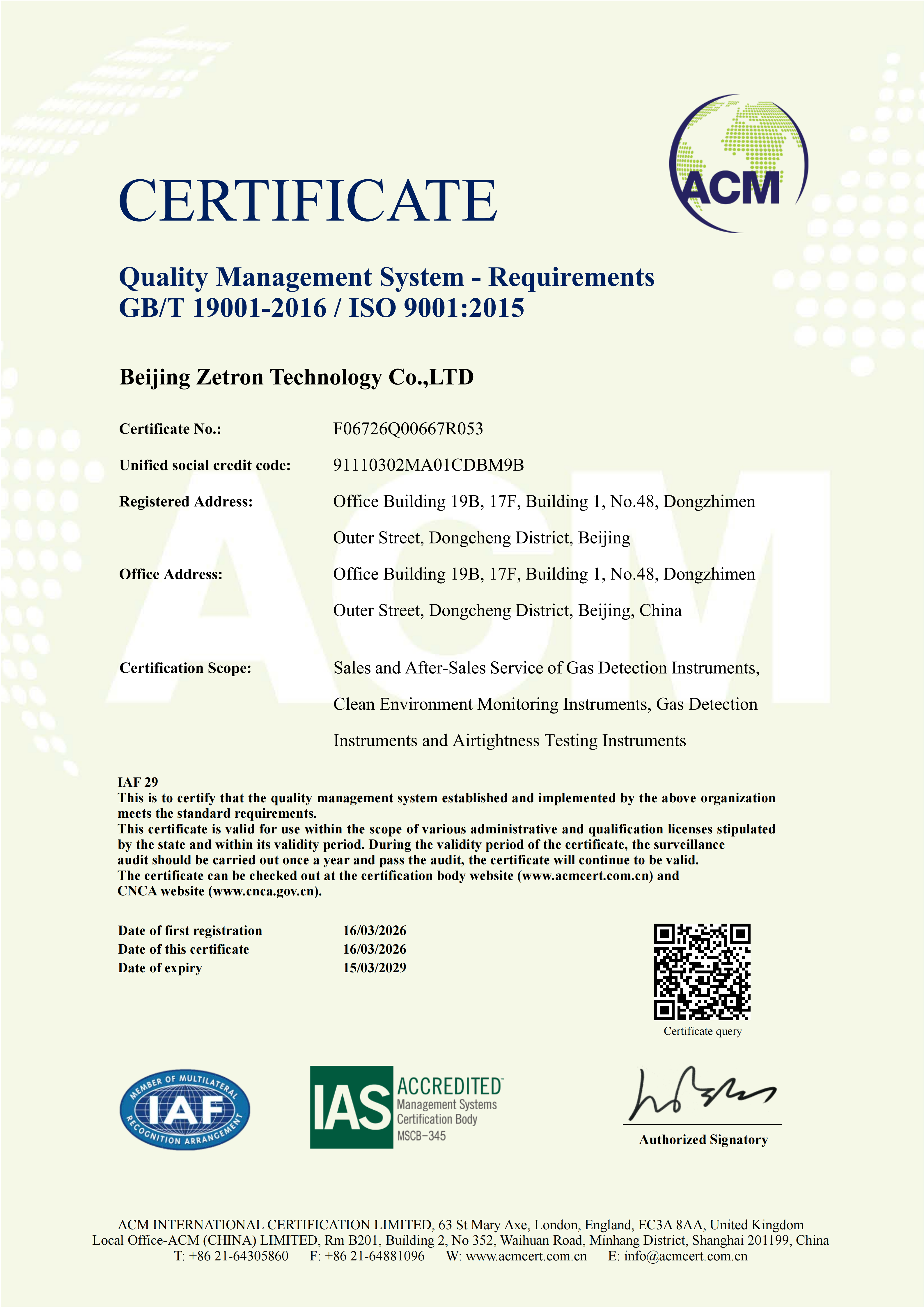
| ISO 9001:2015 | F06726Q00667R053 | ACM | GB/T 19001-2016 / ISO 9001:2015 | Quality management system | 2029-03-15 |
| ISO 14001:2015 | F06726E00313R053 | ACM | GB/T 24001-2016 / ISO 14001:2015 | Environmental management system | 2029-03-15 |
| ISO 45001:2018 | F06726S00238R053 | ACM | GB/T 45001-2020 / ISO 45001:2018 | Occupational health and safety management system | 2029-03-15 |
| CE attestation of conformity | TD48392501 | EU TEST Belgelendirme Muayene ve Gözetim Hiz. Ltd. Şti. | EN 50270:2015 (2014/30/EU Electromagnetic Compatibility) | Gas Detector, EU market | 2030-07-10 |
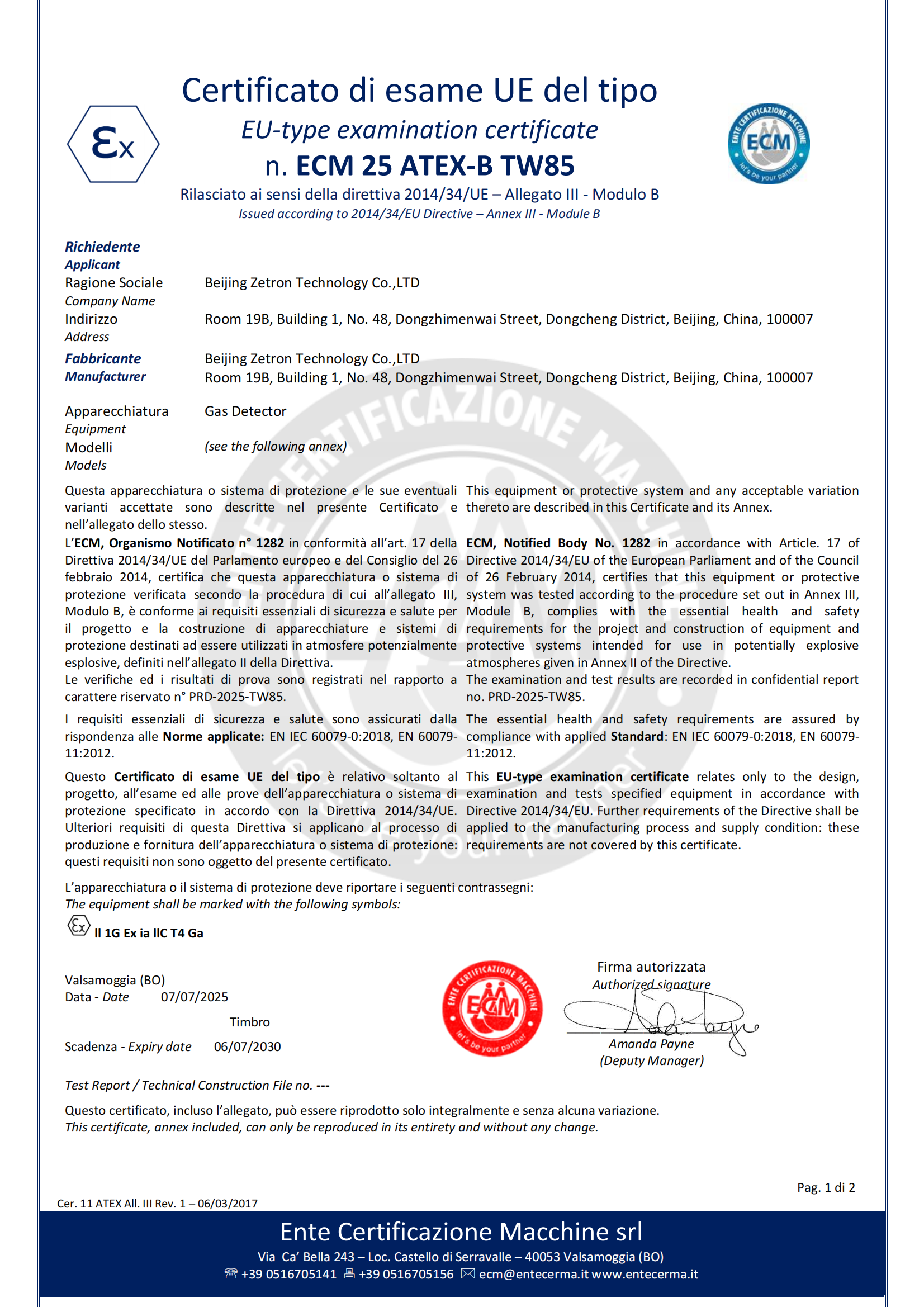
| ATEX EU-type examination | ECM 25 ATEX-B TW85 | Ente Certificazione Macchine srl | EN IEC 60079-0:2018, EN 60079-11:2012 | II 3G Ex ia IIC T4 Ga | 2030-07-06 |
| SIL functional safety | 0P250717.BZTQ011 | ECM | IEC 61508 Parts 1–7:2010, IEC 62061:2005+AMD1:2012+AMD2:2015 | Gas Detector, SIL 3 capable, systematic capability SC 3 | 2030-07-16 |
Two lessons sit in that table. First, the CE attestation cites EN 50270:2015, the electromagnetic compatibility standard; the explosive-atmosphere scope is documented separately in the ATEX certificate. Buyers who treat “CE” as a single all-purpose approval will assume coverage that the paperwork does not contain. Second, the issuing bodies differ by scheme — ACM for the management systems, EU TEST for the CE attestation, ECM for both ATEX and SIL. A certificate number is only meaningful together with the body that issued it, so the verification step is to check the number against the issuing body's own record, not against a PDF supplied by a third party.
Scope language also decides how far a claim travels. A certificate issued for a gas detector family does not automatically cover every enclosure variant, every gas range or every accessory. When the model on the order is a configuration the annex does not list, the correct action is a written scope statement from the supplier before shipment, not an assumption that the family name covers the variant.
Step 5 — Match enclosure rating and explosion protection to the installation point
Ingress protection and explosion protection answer different questions, and collapsing them into one “IP68, explosion-proof” phrase is where site reviews stall. Ingress protection describes resistance to dust and water. Explosion protection describes how the circuit is prevented from becoming an ignition source. Zetron's product data shows both fields stated separately, model by model.
| Model | Product type | Ingress protection | Explosion protection (per product data) |
|---|---|---|---|
| ZW-G100 | Portable laser gas detector | IP68 | Intrinsically safe ExiaⅡCT4Ga |
| PTM600-Eg | Laser gas detector for natural gas inspection | IP68 | Intrinsically safe ExiaⅡCT4Ga |
| MS600-L | Remote methane leak detector | IP68 | Intrinsically safe ExiaⅡCT4Ga |
| MS400-S | Portable gas monitor | IP68 | Intrinsically safe ExiaⅡCT4Ga |
| PTM600-Oz | Portable ozone detector | IP65 | Intrinsically safe ExiaⅡCT4Ga |
| MIC600S | Trace oxygen analyzer, bench-top | IP54 | N/A (bench-top laboratory use) |
| Th2000A-Aqi | Integrated air quality monitoring station | IP65 | N/A (outdoor environmental monitoring) |
| MIC600-Aqi | Fixed online air quality monitoring station | IP68 | Intrinsically safe ExiaⅡCT4Ga |
The last three rows carry the point. A trace oxygen analyzer specified at IP54 with no explosion protection belongs in a safe area; an air quality monitoring station designed for outdoor environmental work belongs in ambient monitoring, not in a classified process zone, regardless of how robust its cabinet is. The first five rows show intrinsically safe units — but intrinsic safety is still bounded by the marking, so the installation drawing, the associated apparatus and the cable parameters have to be checked against the certificate marking rather than assumed from the word “intrinsically safe”.
Step 6 — Build the document request pack
Ask for a defined pack in a single request, numbered, so that a missing page is visible immediately. A workable nine-item pack for an industrial gas detector shipment is:
- Complete certificates, all pages including annexes — not a cover sheet or a logo.
- The conformity attestation or declaration that accompanies the product, with the cited standards visible.
- The explosion-protection certificate where the installation point requires it, plus the marking string as it will appear on the nameplate.
- The functional safety certificate, when the project specification demands SIL capability.
- Management-system certificates with numbers and validity dates.
- Test reports for the standards cited, where the buyer's permit or insurer expects them.
- A unit-specific calibration certificate carrying the serial number.
- Manual and label artwork in the language(s) the destination requires.
- A written statement of what the supplier will do if a certificate is revised, suspended or allowed to expire after the order is placed.
Item nine is the one buyers most often forget, and it is the one that protects a multi-year project. Certificates have finite lives: the Zetron management-system certificates run to 2029-03-15, the CE attestation to 2030-07-10, the ATEX certificate to 2030-07-06 and the SIL certificate to 2030-07-16. A spare-parts order placed in 2031 needs a document that is valid then, not the file that was correct at tender stage.
Step 7 — Write the evidence into purchasing terms and acceptance criteria
Compliance that exists only in an email thread does not survive a shift change. Convert the document pack into purchase-order language with these clauses:
- Model and certificate reference on the PO. State the model code exactly as it appears in the certificate annex, and quote the certificate numbers the shipment must satisfy.
- Documents as a deliverable. List the pack, the delivery date and the consequence of a missing item. A document hold point before shipment is more effective than a claim after arrival.
- Validity at shipment. Require that each certificate be valid on the shipment date and state the minimum remaining validity your own customer accepts.
- Marking requirement. Require the nameplate marking to match the certificate marking string, and require photographs or a marking drawing at pre-shipment inspection.
- Calibration traceability. One calibration certificate per unit, serial number matched, with the calibration date recorded.
- Deviation and change notification. Any substitution of sensor, enclosure, certificate or issuing body requires written approval before shipment.
Acceptance criteria at goods receipt should be short enough to be applied every time. A defensible checklist is: nameplate model matches the PO; nameplate marking matches the certificate; serial numbers match the calibration certificates; the document pack is complete and legible; the manual language is acceptable to the site; and any unit that fails a functional check is quarantined rather than accepted with a note.
Production testing claims should be handled with the same discipline as certification claims. Zetron's documentation states that the MS400-S undergoes a 48-hour burn-in at 40 °C and IP68 immersion testing, and that production runs on 100 % testing. Those are supplier statements about process; the buyer-side verification is to request the test record for the delivered batch rather than to accept the statement alone. For a two-unit portable deployment such as the mine environmental-monitoring case reported from South Africa, that record is also what keeps calibration history traceable over the service life.

Six mismatches that surface at goods receipt
Most rejections are predictable, and each one maps to a clause above.
- Model suffix mismatch. The certificate annex lists the family, the delivered unit is a configuration outside it.
- Marking mismatch. The engraved string differs from the certificate string in category or temperature class.
- Expired or superseded certificate. The file was valid at tender and replaced before shipment, and nobody re-issued it.
- Missing annex. The buyer holds page one of a multi-page certificate.
- Calibration certificate without a serial number, or with a number that does not match the delivered instrument.
- Language gap. Manual and labels do not meet the destination requirement recorded in Step 1.
How the matching changes by product type
The same seven steps apply across the range, but the emphasis moves with the instrument.
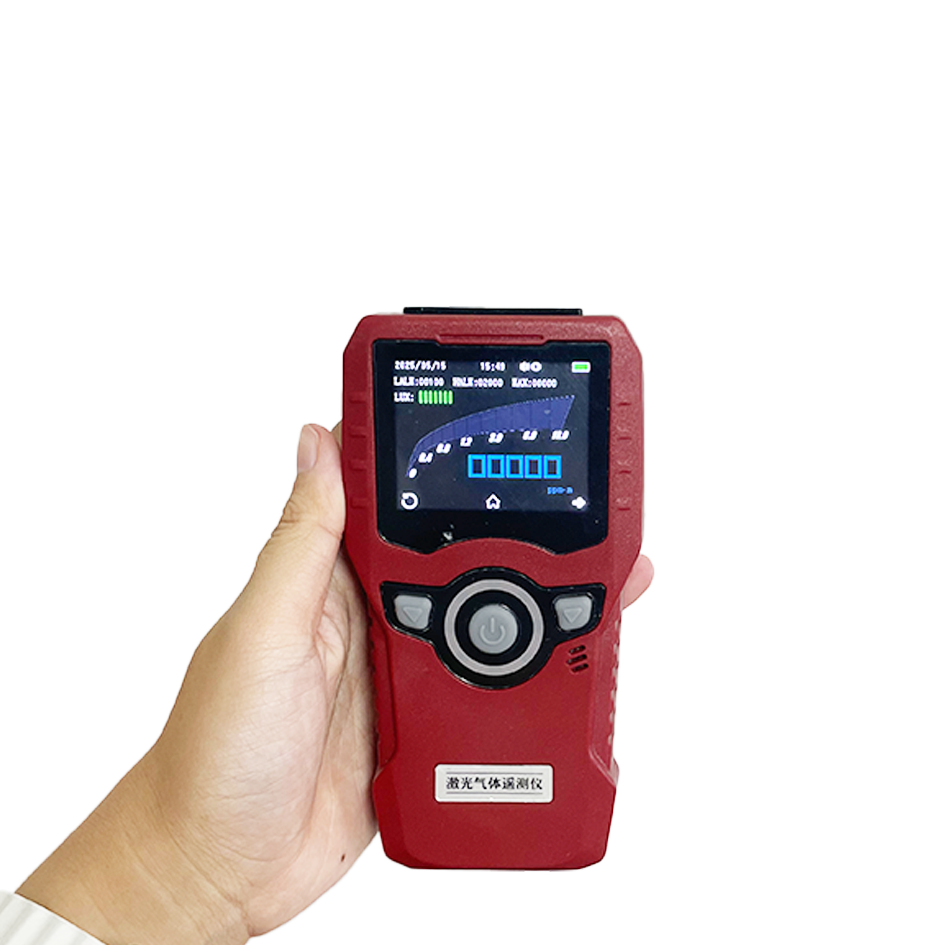
Laser and methane leak detection. Portable laser gas detectors such as the ZW-G100 and PTM600-Eg, and the remote methane leak detector MS600-L, are intrinsically safe to ExiaⅡCT4Ga with IP68 protection and are aimed at natural gas, petrochemical and municipal pipeline work. Because they are handheld, confirm that the certified configuration includes the charger and accessories supplied with the unit.
Ozone and toxic gas monitoring. The PTM600-Oz ozone detector is rated IP65 with intrinsic safety, and is applied in water treatment, food, pharmaceutical and ozone disinfection monitoring. For a toxic gas detector used as a personal warning device, the site procedure usually adds alarm function and bump-test requirements that no certificate covers.
Process oxygen measurement. The MIC600S trace oxygen analyzer measures ppm-level oxygen on AC220V bench-top power at IP54 with no explosion protection. It belongs to gas quality and process control, not to area safety, and mixing the two purchasing conversations produces specifications nobody can satisfy.
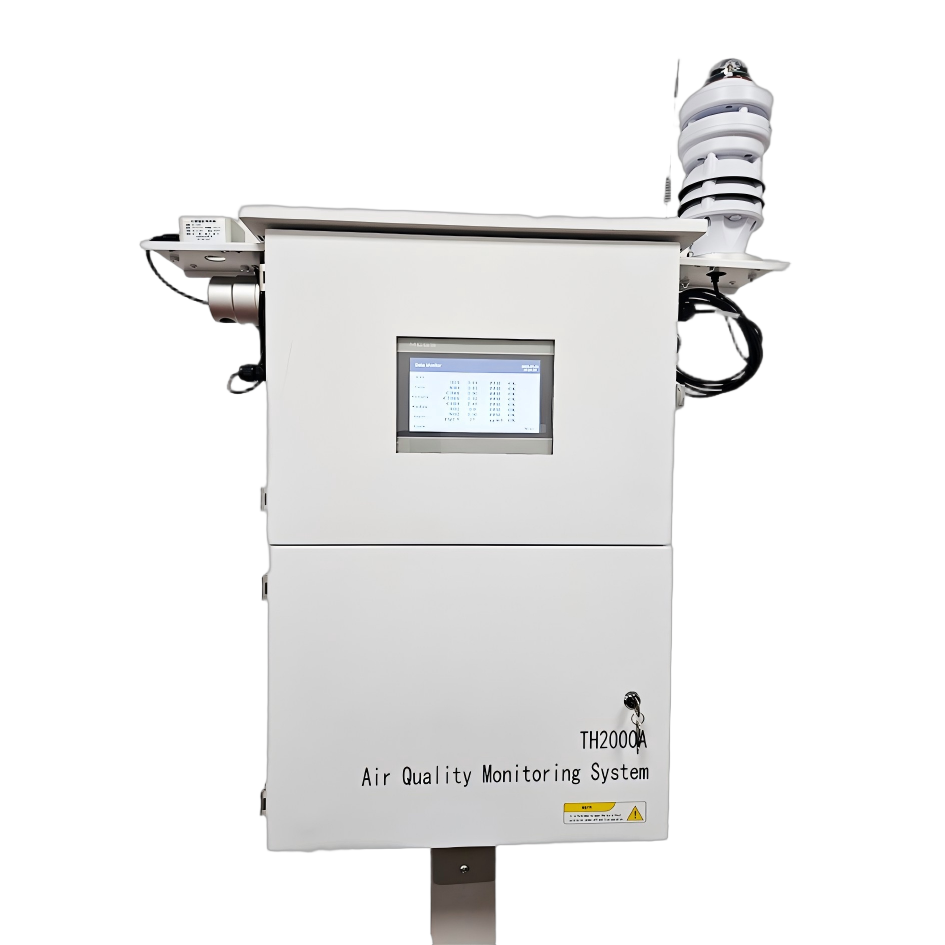
Air quality monitoring. The Th2000A-Aqi and MS800A stations are outdoor ambient monitors at IP65 with no explosion protection, while the MIC600-Aqi fixed station is rated IP68 and intrinsically safe. Selecting between them is an area-classification decision before it is a sensor decision.
Flue and emission analysis. The MS700-FG flue gas analyzer appears among the products associated with Zetron's certificate documentation. Combustion and emission sites often carry their own permit conditions, so confirm in writing which certificate scope covers the specific analyzer configuration before it is installed on a stack or duct.
Frequently asked questions
Which documents make a gas detector compliant for an EU site?
The minimum set is the conformity attestation valid for the EU market, the explosion-protection certificate where the installation point requires one, and the site's own permit conditions. In Zetron's documentation that means the CE attestation of conformity TD48392501 citing EN 50270:2015, plus the ATEX certificate ECM 25 ATEX-B TW85 where explosive atmospheres apply. The CE attestation alone does not establish explosion protection.
Is a CE attestation enough for a hazardous area?
No. Market access and explosion protection are separate evidence tracks. Zetron's CE attestation cites the electromagnetic compatibility standard EN 50270:2015, while the explosion-protection scope is documented in the ATEX EU-type examination certificate ECM 25 ATEX-B TW85, marking II 3G Ex ia IIC T4 Ga, valid to 2030-07-06. Verify that the marking on the delivered unit matches that string exactly.
Does the certificate cover my exact model and gas range?
Only if the model appears in the certificate annex and the stated scope covers the configuration you ordered. A family-level certificate does not automatically extend to every enclosure variant or accessory. Request the annex pages, not the cover, and ask for a written scope statement when the ordered configuration is not explicitly listed.
Do these certificates expire, and what happens at expiry?
Yes, every certificate carries a validity date. Zetron's management-system certificates are valid to 2029-03-15, the CE attestation to 2030-07-10, the ATEX certificate to 2030-07-06 and the SIL certificate to 2030-07-16. For multi-year projects or spare-parts orders, require validity at shipment and written notification if a certificate is revised or replaced.
What drives the cost of compliance verification?
Mainly document review time, one verification unit, incoming inspection effort and any additional testing your permit demands. Because the minimum order quantity for Zetron models is one unit, a single instrument can be ordered as a documentation and sample check before a larger commitment; that is usually cheaper than discovering a scope gap after the bulk shipment clears customs.
Can we receive a sample unit with its documents before ordering?
Yes — the published commercial terms list a minimum order of one unit, 100 % testing and a lead time of 30–45 days. Ask for the full document pack and the unit-specific calibration certificate to be shipped with the sample, and record the serial number so that the same traceability can be required on the production order.
What should be checked at goods receipt before accepting a gas monitor?
Check the nameplate model against the purchase order, the marking against the certificate, the calibration certificate serial number against the unit, the completeness of the document pack and the manual language. Then file the pack against the asset record so the next audit can retrieve it without contacting the supplier. For document packs or a sample unit covering Zetron's laser gas detectors, methane leak detectors, oxygen analyzers or air quality monitoring stations, raise the request through Zetron before the purchase order is issued.
Conclusion
Matching gas detector compliance to a site is a sequence, not a shopping filter: fix the destination market, profile the installation point, split mandatory requirements from voluntary claims, test each certificate's scope line against the exact model, confirm the enclosure and explosion protection against the area drawing, and then write the evidence into the purchase order. The certificate register is only as useful as the acceptance criteria that follow it.
For an industrial gas detector purchase, the cheapest moment to find a scope gap is during document review. Once the container has cleared customs, the same gap becomes a site shutdown, a rejected audit finding or an unusable spare — which is why the seven steps above end where most procurement processes begin.
Have Questions or Need More Details?
Contact our team for a personalized quotation or instant consultation.
Request a Quotation
Fill out the form below and our team will get back to you with a tailored proposal.
WhatsApp Direct Chat
Prefer to chat in real-time? Message us on WhatsApp for instant assistance & quick answers.
- Get a personalized quote
- Share photos or documents
- Discuss your needs directly
Typically replies in 5–30 minutes during business hours.