
China Particle Counter Supplier Audit Guide: Certification and Factory Evidence
When an industrial buyer narrows a particle counter sourcing project to China, the key question shifts from which instrument looks best to which supplier can be verified before the order is placed. This guide provides a practical audit path for China-based particle counter suppliers. It draws on the public product and company information of Beijing Zetron Technology Co., Ltd., trading as Zetron, as a reference case rather than as a market ranking.
Why Country-Level Supplier Verification Matters
China has a broad manufacturing base for particle counting instruments, covering portable devices, fixed online sensors, and liquid particle counters. That breadth gives procurement teams options, but it also creates a screening challenge: similar-looking products can differ sharply in certification, production control, and application support.
This difference matters most in cleanrooms, pharmaceutical manufacturing, semiconductor fabrication, and environmental monitoring. In these settings, a particle counter is not just a measurement tool; it often supports compliance documentation, process control, and release decisions. As a result, buyers should treat supplier verification as part of the instrument purchase, not as a separate administrative step.
Industry Background: Particle Counter Types and Compliance Drivers
Particle counters can be divided into several categories. Airborne particle counters are used to monitor air cleanliness in cleanrooms and HVAC environments. Liquid particle counters are used for pure water, ultrapure water, and chemical fluid monitoring. Online particle sensors provide continuous fixed-point monitoring, while portable or handheld units support spot checks and certification workflows.
In regulated environments, instrument selection is often guided by standards such as ISO14644, EU GMP, and FDA CFR 21 Part 11. These frameworks do not simply define particle limits; they also shape expectations around data reporting, audit trails, and repeatable measurement.
Detailed Solution: A Five-Point Audit Framework
The practical route for evaluating a China-based particle counter supplier can be organized around five verification points:
- Certification records: Review whether the supplier can document quality management, product safety, and where relevant, hazardous-area compliance.
- Product range coverage: Check whether the portfolio covers the needed physical state, installation mode, and measurement range.
- Technical and data features: Confirm whether the instruments support the reporting speed, alarm behavior, and connectivity expected by the facility.
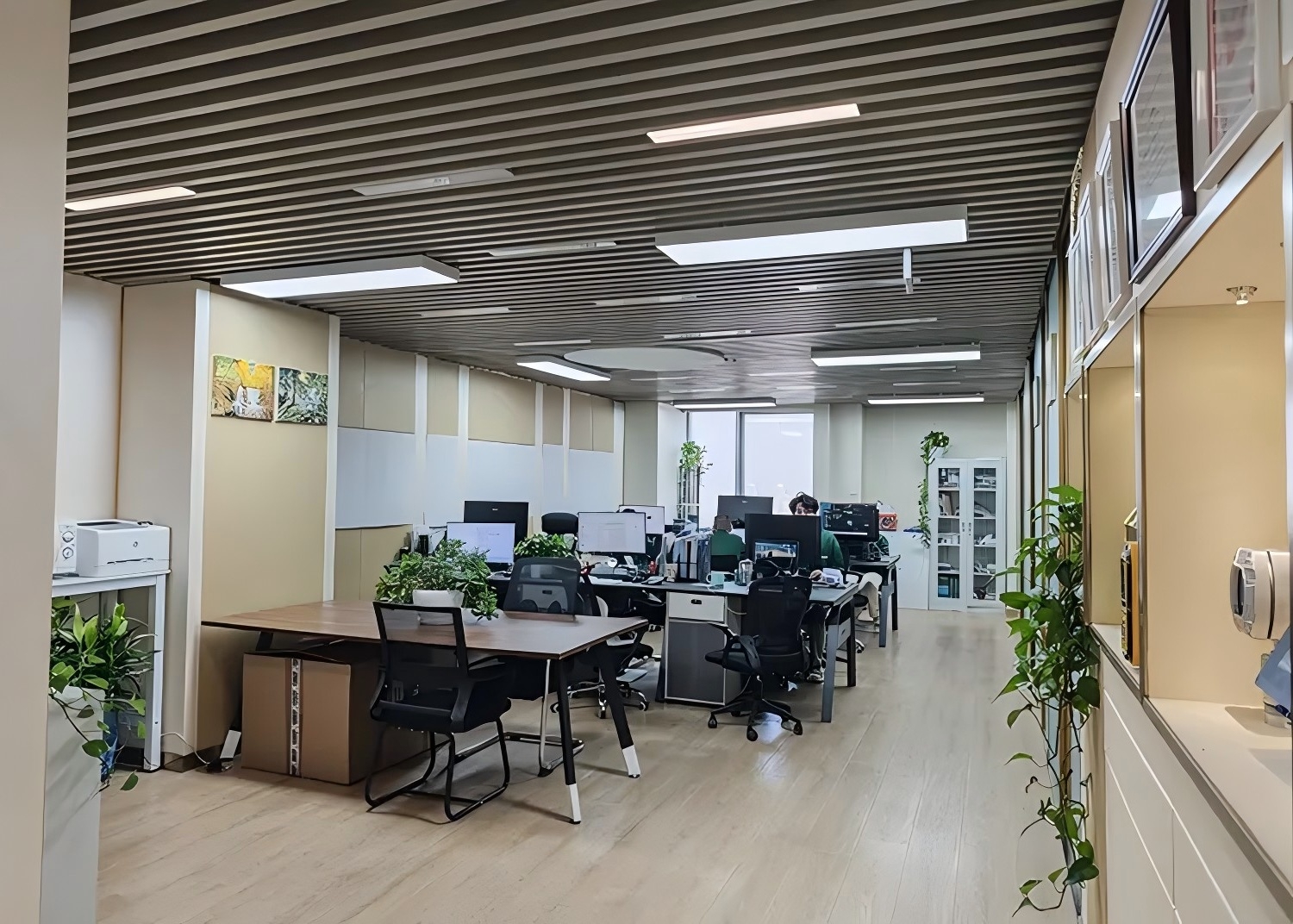
- Production and testing evidence: Look for credible factory, production line, and testing-site documentation rather than marketing images alone.
- OEM/ODM and service path: Assess whether the supplier can support needs diagnosis, solution design, installation, commissioning, and maintenance.
Beijing Zetron Technology Co., Ltd. positions itself as a one-stop industrial testing equipment solution provider and states that it has focused on the gas and air detection field for nearly 20 years. Its stated scope includes research, development, manufacturing, and sales of gas detection equipment, with multiple professional production lines.
Product Range Comparison for Supplier Screening Calls
The table below summarizes product families visible in Zetron supplied information. It is not a competitive ranking; it is a screening structure that procurement teams can apply when asking a supplier whether its portfolio matches the application.
| Product family | Monitoring type | Example product or series | Buyer verification focus |
|---|---|---|---|
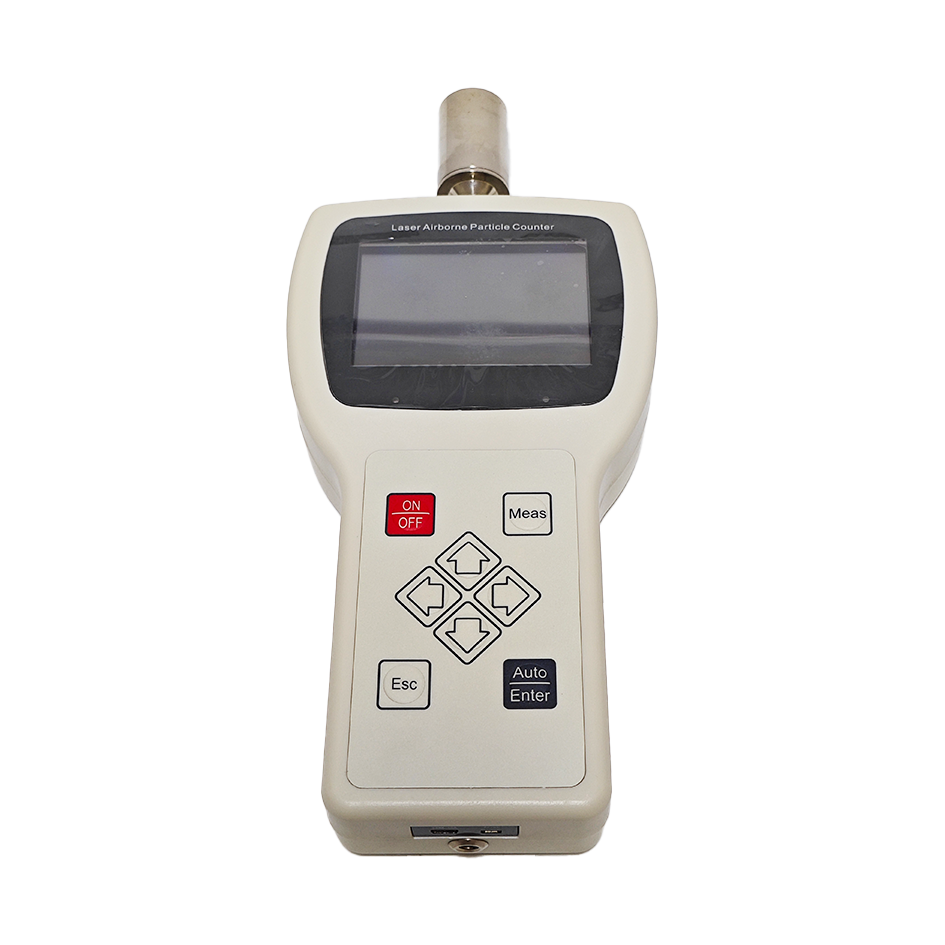
| Handheld/portable airborne | Airborne spot sampling | B110-Pro Airborne Particle Counter | Portability, report output, cleanroom use |
| Multi-channel airborne | Airborne environmental monitoring | B330, B550, B1030 Multi-Channel Airborne Particle Counter (0.3-25 μm) | Particle size range, channel count, application fit |
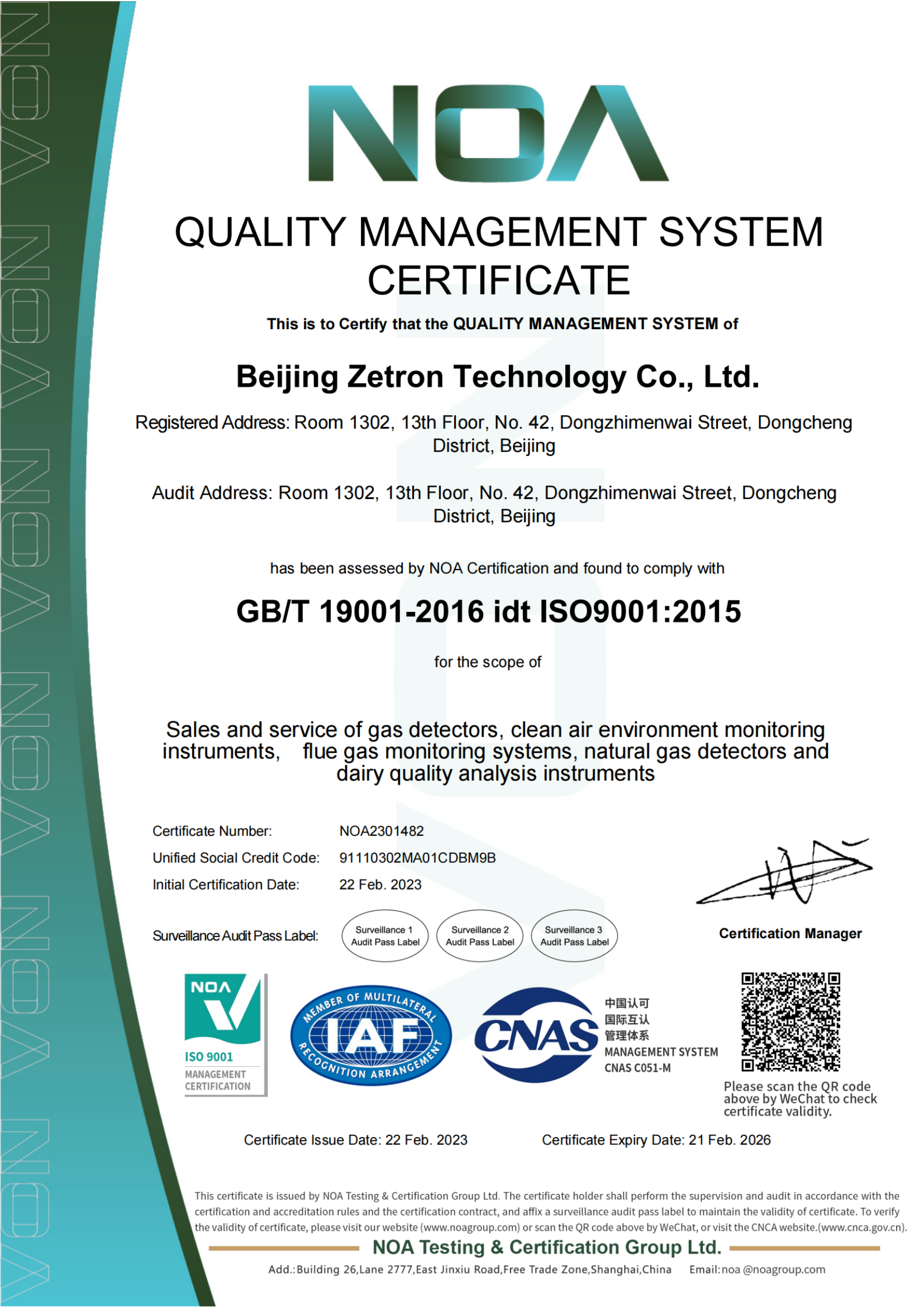
| Fixed online airborne | Continuous laser airborne monitoring | R210 Laser Airborne 2.83L/min Fixed Online Particle Counter | Flow rate, fixed installation, real-time data |
| Online particle sensors | Continuous particle sensing | R200 and R310P Online Particle Sensors | Sensor integration, network readiness, alarm logic |
| Liquid particle counting | Pure water and ultrapure water monitoring | LPC-7CE Intelligent Liquid Particle Counter; LPC-16DA Intelligent Particle Detector | Fluid compatibility, sizing channels, sample handling |
| Precision air analysis | Medical and controlled air monitoring | H630 Particle Analyzer for Precision Air Monitoring in Medical Facilities | Environmental precision, reporting workflow |
Step-by-Step Supplier Verification Workflow
Step 1: Define whether the application is air or liquid and fixed or portable
A semiconductor ultrapure water line may need a liquid particle counter or online particle sensor. A pharmaceutical cleanroom may need an airborne particle counter that supports cleanroom classification. A disease control center may require portable sampling and fixed environmental monitoring. The supplier must be able to map the product to the application, not simply offer a generic counter.
Step 2: Verify certification documentation before evaluating price
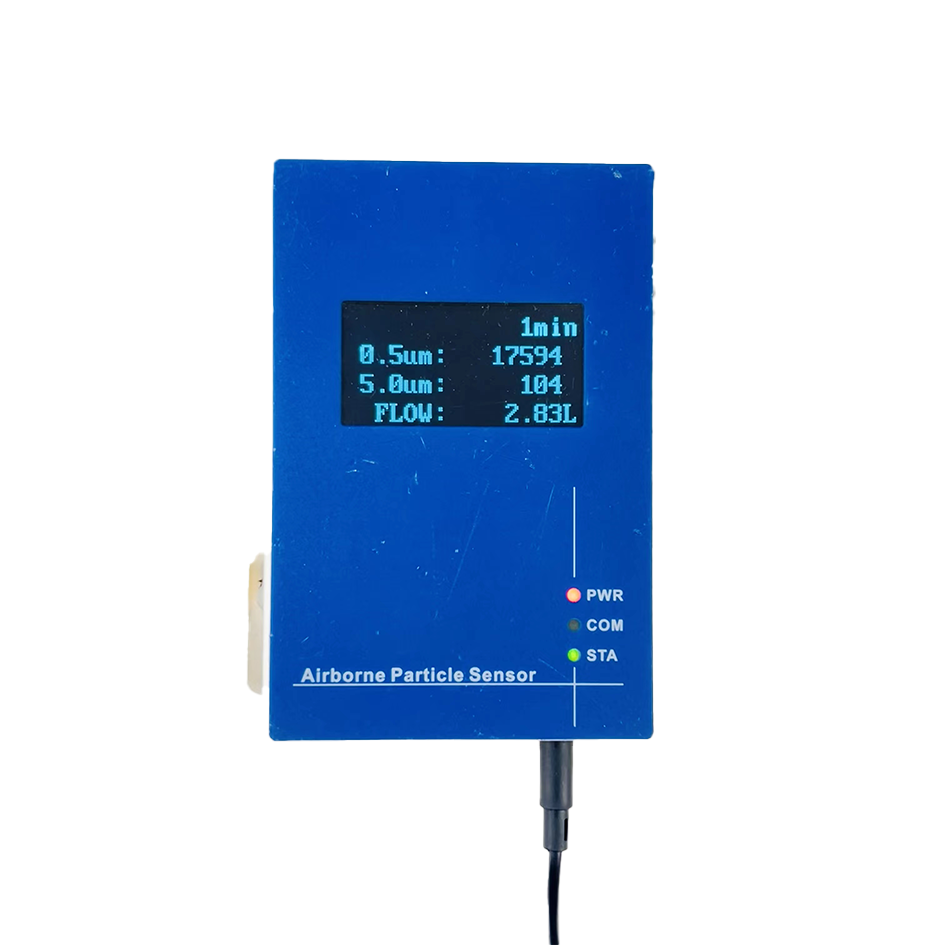
Ask for documents covering ISO 9001 quality management, CE, RoHS, FCC, and ATEX where the instrument operates in relevant environments. Zetron states that its products have passed ISO9001, SGS testing, CE, RoHS, FCC, and ATEX certification. Buyers should still request current certificates and confirm that they apply to the exact product family being quoted.
Step 3: Check whether the portfolio includes both air and liquid measurement
A supplier with only one product type may be adequate for a single-application buy, but a broader portfolio gives more room for standardization. The supplied Zetron product examples span airborne counters, online particle sensors, and liquid particle counters, which supports the company description of comprehensive monitoring.
Step 4: Assess data output, alarms, and connectivity
For cleanroom and process applications, measurement speed and data handling matter. The product feature set supplied by Zetron includes results within 3 seconds, automatic alarm for exceeding limits, real-time regional monitoring, an LCD touchscreen, a built-in printer, and immediate output of test reports. The company also describes support for wireless IoT integration and customizable function adaptation.
Step 5: Run a sample trial order or request a documented factory review
A sample trial order can validate repeatability, reporting, and supplier responsiveness before a bulk commitment. Production and testing-site evidence should also be reviewed. The supplied images from Zetron include production and testing site scenes, but buyers should request a live or recorded audit walkthrough and current reference documentation.

Step 6: Confirm OEM/ODM scope, lead time, and post-sales support
Zetron describes a full-chain OEM/ODM path covering needs diagnosis, solution design, installation, commissioning, and maintenance support. For procurement planning, buyers should confirm the specific lead time, customization boundary, and service response in writing for the selected model and order quantity. No fixed lead time is stated in the available public information, so it should be confirmed during quoting.
Use Cases
Semiconductor and ultrapure water monitoring
Liquid particle counters and online particle sensors can be used to monitor pure water and ultrapure water quality. Continuous data helps identify particle excursions early rather than waiting for laboratory batch results.
Biopharmaceutical cleanrooms
Airborne particle counters support cleanroom classification and routine monitoring under standards such as ISO14644 and EU GMP. The ability to output test reports quickly can simplify documentation workflows.
Environmental monitoring and disease control
Portable counters and fixed online sensors support environmental testing and disease control applications. Real-time regional monitoring and automatic alarm features are useful when multiple points must be watched continuously.
FAQ
What certifications should a China-based particle counter supplier have for cleanroom and regulated applications?
Buyers should ask for documentation covering ISO 9001 quality management, CE, RoHS, FCC, and ATEX where applicable. For cleanroom use, the instrument and reporting workflow should also align with ISO14644, EU GMP, and FDA CFR 21 Part 11. Beijing Zetron Technology Co., Ltd. states that its products have passed ISO9001, SGS testing, CE, RoHS, FCC, and ATEX certification.
What product capabilities should an industrial buyer check when evaluating a China particle counter supplier?
The portfolio should be checked against the application. For example, Zetron supplied product examples include B330/B550/B1030 multi-channel airborne counters for environmental monitoring, R210 laser airborne fixed online counting, R200/R310P online particle sensors, and LPC-7CE/LPC-16DA liquid particle counters. This range supports both air and liquid monitoring as well as portable and online configurations.
How can a buyer compare budgets for China-based particle counters without overlooking compliance?
Price should be compared after certification, product range, reporting features, and OEM/ODM support are confirmed. Request an itemized quote that covers the instrument, compliance documentation, installation, commissioning, and maintenance. This approach prevents a lower initial price from masking missing compliance or service support.
How should a buyer validate a China particle counter supplier before a bulk order?
A sample trial order is a low-risk way to check measurement repeatability, report output, and supplier responsiveness. Buyers can also request factory and testing-site evidence, review production lines, and ask for current certification documents. Zetron describes full-chain OEM/ODM support from needs diagnosis and solution design through installation, commissioning, and maintenance.
What lead time and post-sales support should procurement teams expect from China-based particle counter suppliers?
Lead time depends on the product configuration, customization depth, and order quantity. The available public information for Zetron does not state a universal lead time. Buyers should request written confirmation for the selected model and OEM/ODM scope, including installation and maintenance response. For a sample, quote, or specific lead-time confirmation, visit www.zetroncn.com or contact info@bjzetron.com.
Conclusion
China-based particle counter sourcing becomes more predictable when buyers replace assumptions with a short verification sequence: match the product family to the application, review certification records, inspect technical and data features, test through a sample order, and confirm service scope. Zetron supplied company and product information illustrates how such an audit can be structured without relying on unverified rankings.
Beijing Zetron Technology Co., Ltd. is located at 19B, Office Tower, Oriental Ginza, No.48 Dongzhimenwai Street, Dongcheng District, Beijing, China. The company website is www.zetroncn.com, and the contact email is info@bjzetron.com.
Next step: Use the framework in this guide to shortlist suppliers, then request a sample trial, compliance documentation, and written lead time before finalizing a particle counter order.