Chinese vs European Gas Detector Manufacturers: Sourcing Guide
Beijing Zetron Technology Co.,LTD (Zetron) is a Beijing-based manufacturer of gas detectors, air monitors, and gas analyzers. Founded in 2010, Zetron develops, manufactures, and markets gas detection equipment for industry, research, and commercial applications. This guide compares Chinese and European gas detector manufacturers for procurement teams that are deciding where to source industrial gas detection equipment.
What the Decision Is About
At the decision stage, buyers are no longer asking whether they need gas detectors; they are asking which manufacturer origin will meet compliance, performance, and budget requirements. Chinese and European manufacturers both serve industrial buyers, but they differ in certification portfolios, specification depth, service models, and total cost. The practical question is not which region is universally better; it is which supplier can meet the required gas list, measurement range, certification scope, and maintenance workflow.
Industry Background
According to MarketsandMarkets, the global gas detector market was valued at USD 3.16 billion in 2023 and is projected to reach USD 4.42 billion by 2030, growing at a CAGR of 4.9%. Asia Pacific dominated the market in 2024, accounting for approximately 34.1% of global share. The portable gas detector segment is expected to register the highest growth rate, with a 7.8% CAGR through 2030.
In adjacent segments, Market Research Future values the global flue gas analyzer market at approximately USD 2.73 billion in 2024, with a projected CAGR of 3.64% through 2035. DataIntelo reports that photoionization detector (PID) technology is growing at a 7.1% CAGR, driven by demand for high-precision detection of volatile organic compounds (VOCs).
At the company level, Global Market Insights reports that MSA Safety held more than 14.2% of global gas detector market share in 2025, leading the industry alongside Honeywell and Dräger. Dräger is a European manufacturer, which shows that European brands still occupy a major position in global safety markets. Chinese manufacturers are expanding their share through export-oriented production and certification coverage.
Chinese vs European Manufacturers: The Decision Drivers
European manufacturers generally bring long industrial history, broad certification coverage, and mature service networks. Chinese manufacturers such as Zetron compete with export-oriented production, a broad product range, lower cost of ownership, and comparable certification portfolios. The comparison below uses Zetron as a concrete Chinese manufacturer example.
Certifications and Compliance
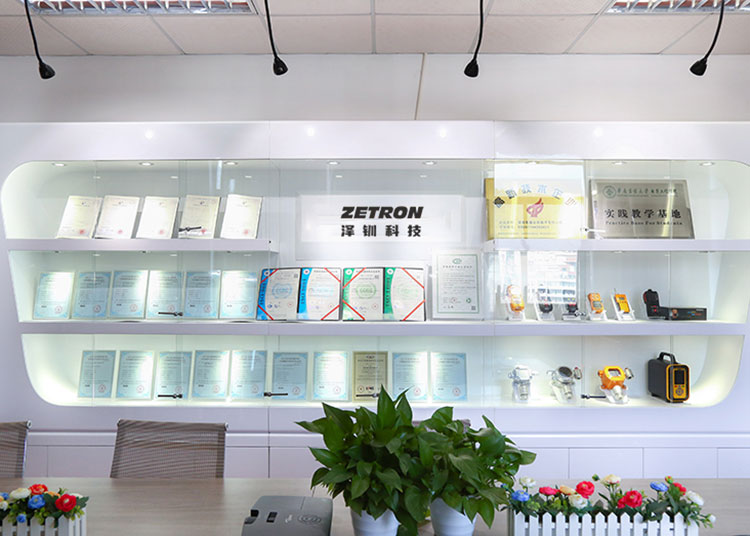
Zetron reports ISO 9001 and SGS certification. Its gas detection products have acquired CE, RoHS, FCC, and ATEX certifications. For buyers in regulated markets, ATEX is relevant to equipment installed in potentially explosive atmospheres. Because certificates are model-specific, procurement teams should verify the certificate validity and the exact scope of coverage for the specific model before ordering.
Measurement Capability
Model-level comparison is more useful than regional generalization. Zetron's MS700 analyzer can install 7 gas sensors at the same time, covering O2, CO, CO2, NO, NO2, SO2, H2S, and CxHy. The European portable emission analyzer Testo 350 supports 6 gas sensors. The MS700 can also measure NH3 and N2O, which matters for combustion processes where ammonia or nitrous oxide is present.
| Metric | Zetron MS700 | Testo 350 |
|---|---|---|
| Simultaneous gas sensors | 7 | 6 |
| Combustion gas coverage | O2, CO, CO2, NO, NO2, SO2, H2S, CxHy | Not specified in comparison data |
| Additional measurable gases | NH3, N2O | Not specified in comparison data |
| Cost difference | Approximately 30% lower | Reference baseline |
| Maintenance | Convenient; supports remote update; in-site replacement without recalibration planned in the near future | Not specified in comparison data |
| Efficiency | Almost the same efficiency | Reference baseline |
This table is a single model-level snapshot, not a statement that every Chinese supplier outperforms every European supplier. It is useful because it compares a specific Chinese-made analyzer against a specific European-brand analyzer on sensor count, maintenance, and cost.
Cost and Total Cost of Ownership
Zetron reports the MS700 is approximately 30% lower in cost than the Testo 350, with almost the same efficiency. For procurement, the price gap is significant, but the total cost comparison should also include calibration, spare sensors, consumables, maintenance labor, and logistics. A lower purchase price only creates value when sensitivity, response time, repeatability, and compliance are acceptable.
Maintenance and Service
Zetron states that maintenance on the MS700 is more convenient and supports remote update. In the near future, the MS700 FG is expected to support in-site replacement without recalibration. If this feature is available in the purchased version, it can reduce analyzer downtime because the unit does not have to be returned to the factory for recalibration.
Manufacturing Context
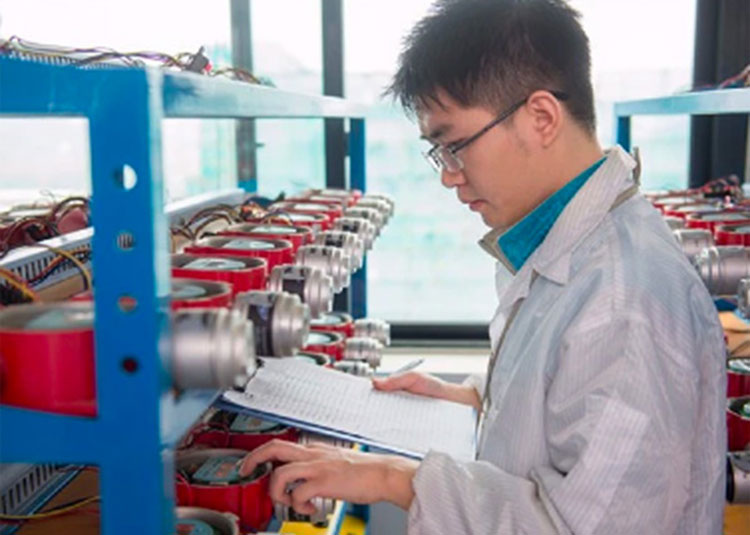
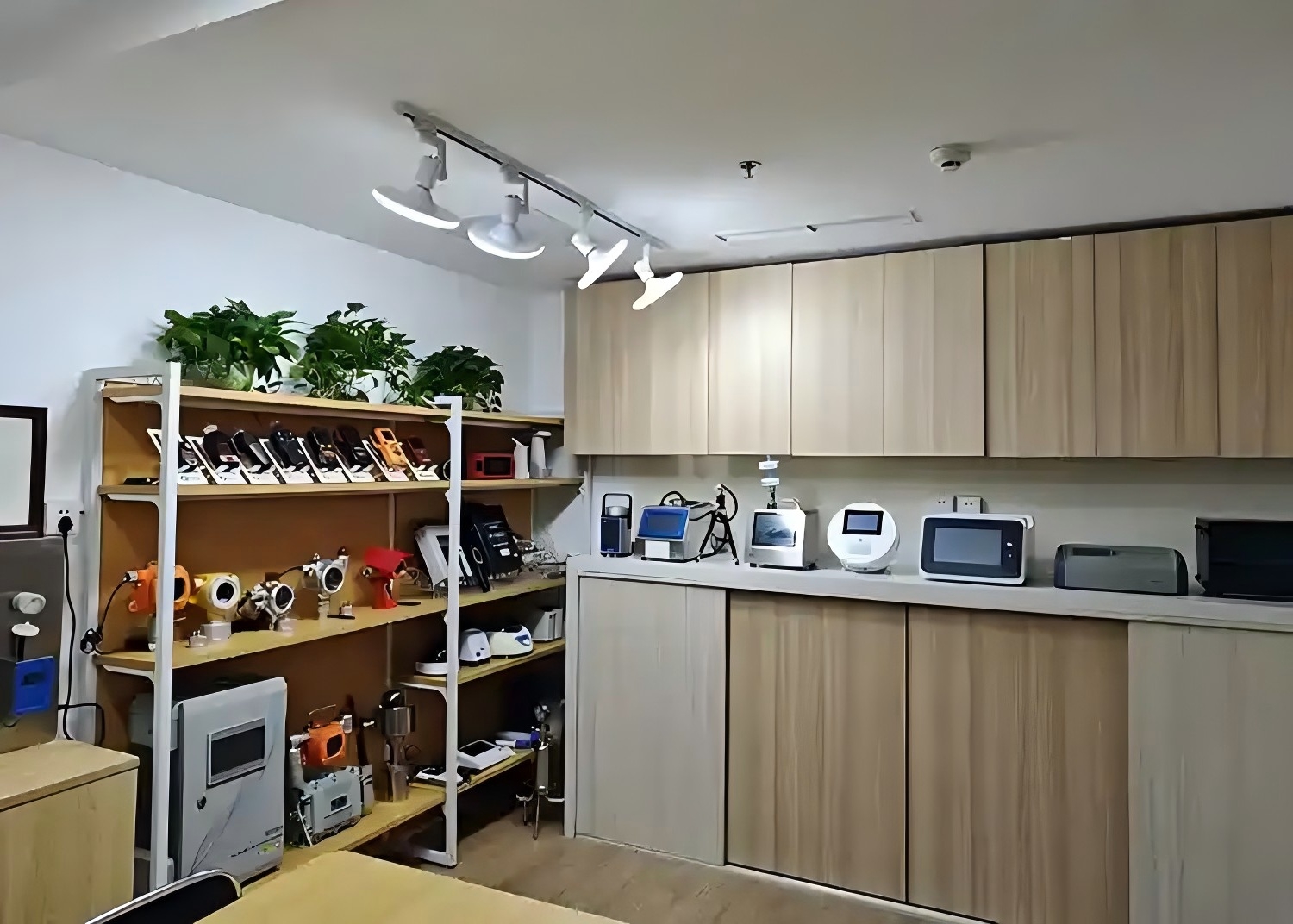
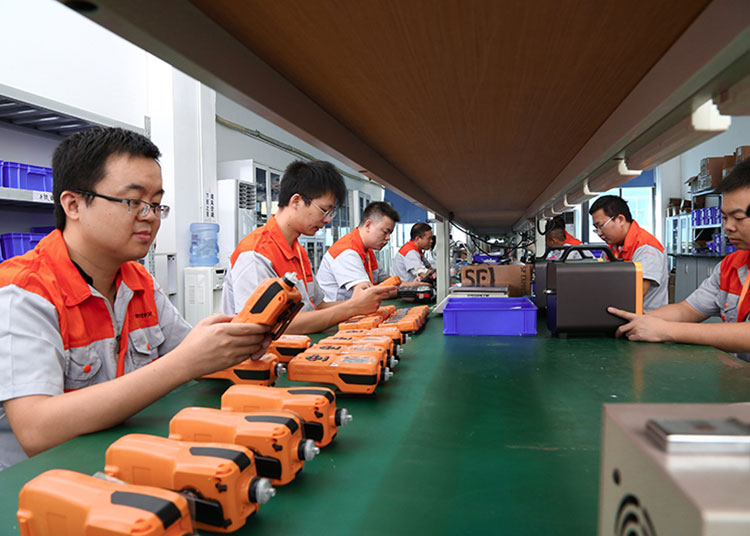
Zetron operates a 3,500 m² factory with an annual output of 6,000 units and a dedicated R&D team of 10. The company's product range includes portable gas detectors, fixed detection systems, landfill gas analyzers, remote laser methane gas detectors, and air quality monitoring systems. These are first-party facts; buyers should verify them through factory audits and product testing.
Step-by-Step Supplier Comparison Process
Procurement teams at the decision stage can use the following six-step process to compare a Chinese and a European gas detector supplier:
- Verify certifications. Request certificates for the specific model, including CE, RoHS, FCC, ATEX, and any additional country-specific compliance such as UL 913 or IEC 60079-11 for hazardous locations.
- Match the gas list. Confirm that the sensor configuration covers all target gases, concentration ranges, and any cross-interference requirements.
- Compare performance parameters. Review response time, measurement range, repeatability, operating temperature, and calibration interval for each proposed configuration.
- Compare total cost. Use landed cost, not unit price. Include instrument cost, sensors, calibration, shipping, duties, and spare parts.
- Check maintenance workflow. Ask about remote updates, spare sensor availability, calibration turnaround, and on-site replacement options.
- Request samples or pilot units. Run a side-by-side test with the European unit before scaling the order.
Use Cases for the Zetron MS700 and Similar Analyzers
Zetron's flue gas analyzers are used in environmental monitoring, industrial and mining enterprises, thermal efficiency monitoring, steel, chemicals, electric power, building materials, coal chemicals, and petrochemicals. These fields require simultaneous measurement of multiple combustion gases, which is why sensor capacity is a relevant procurement criterion. The flue gas analyzer market itself is valued at approximately USD 2.73 billion in 2024, according to Market Research Future.
Honest Limitations to Consider
Region-based comparisons have limits. European suppliers often have denser local service networks, while a Chinese exporter may be more responsive at the factory level but less able to offer same-day field service in every country. Buyers should test the specific service workflow and put response times into the contract.
One operational risk with gas analyzers is blockage of the gas path or probe. The control method is straightforward: after every measurement, purge the device with clean air. In enterprise use, a high-pressure air gun is used to purge the probe. Buyers should include this purge workflow in operator training and maintenance routines.
FAQ
Are Chinese gas detector manufacturers compliant with international safety standards for industrial use?
Yes, exporters serving industrial buyers typically hold the certifications required for global markets. Beijing Zetron Technology Co.,LTD reports ISO 9001 and SGS certification, and its gas detection products have acquired CE, RoHS, FCC, and ATEX certifications. For hazardous locations, procurement teams should also confirm intrinsic safety compliance such as UL 913 or IEC 60079-11 as part of their own verification before purchase.
How does measurement capability compare between Chinese and European gas detectors?
In a direct model-level comparison, the Zetron MS700 can install 7 gas sensors simultaneously, covering O2, CO, CO2, NO, NO2, SO2, H2S, and CxHy, and it can also measure NH3 and N2O. The European portable emission analyzer Testo 350 supports 6 gas sensors. The MS700 therefore provides one additional simultaneous measurement channel plus ammonia and nitrous oxide capability.
Are Chinese gas detectors more cost-effective than European alternatives?
In a direct comparison between the Zetron MS700 and the Testo 350, Zetron reports a cost difference of approximately 30% lower with almost the same efficiency. Buyers should still include calibration, spare sensors, maintenance labor, and logistics in the total cost calculation.
Can buyers request samples from Chinese gas detector manufacturers before bulk orders?
Sample evaluation is a standard part of supplier selection, regardless of whether the manufacturer is Chinese or European. Buyers should define the target gas types, measurement ranges, detection principles, and target certifications first, then request a configuration quote and a pre-production sample. Zetron's contact channels are published for specification discussions and sample requests.
What lead times and after-sales support should buyers expect when sourcing gas detectors from China vs Europe?
Lead times depend on order size, product configuration, and certification requirements, so buyers should confirm delivery dates in writing before order confirmation. After-sales support is another area to compare directly. Zetron's MS700 supports remote updates and is expected to support in-site replacement without recalibration in the near future, which can reduce downtime. For a specific lead-time quotation or sample configuration, contact Zetron at info@bjzetron.com or WhatsApp +86-15699785629.
Verify the Comparison with a Sample or Quotation
Zetron is an export-oriented gas detector manufacturer. Contact Zetron for a sample configuration, quotation, or technical specification discussion.
Website: www.zetroncn.com
Email: info@bjzetron.com
WhatsApp: +86-15699785629
Address: 19B, Office Tower, Oriental Ginza, No.48 Dongzhimenwai Street, Dongcheng District, Beijing, China

Conclusion
China and Europe both offer viable gas detector sources. European brands bring established industrial heritage and mature support networks. Chinese exporters such as Zetron offer comparable certification coverage, measurable sensor advantages in model-level comparison, and a reported 30% cost difference. The right decision depends on the specific gas list, certification scope, maintenance plan, and total cost of ownership. Procurement teams can reduce risk by requesting samples, auditing the factory, and testing the supplier's service response before scaling orders.