
Methane Leak Detection Strategy for Pipelines and Plants
A methane leak detection strategy is the documented combination of continuous area monitoring, scheduled mobile leak surveys, alarm escalation rules and instrument maintenance that a pipeline operator or processing plant uses to find gas releases before they escalate. The structure of that strategy — not the model number of any single instrument — decides whether a release is found early or missed entirely. This guide sets out how to build the structure for methane pipelines and processing plants, and where specific instrument types such as the MS600-L methane leak detector, the PTM600-Eg and ZW-G100 laser gas detectors, the MS400-S portable gas monitor and the MS700-FG flue gas analyzer fit into fixed and mobile monitoring workflows.
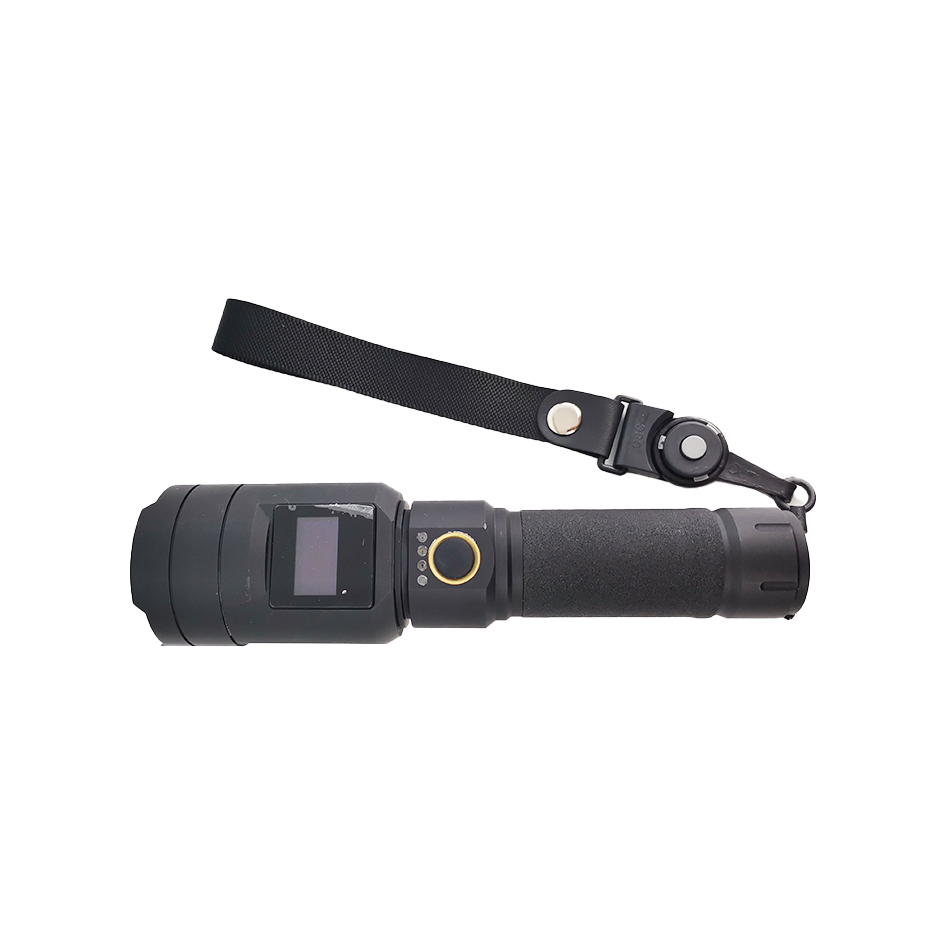
MS600-L remote gas detector: methane concentration detection for leak monitoring, Ex ia IIC T4 Ga, IP68, with wireless remote communication.
Problem definition: why methane releases are found late
Methane gives almost no reliable visual cue. In open pipe racks a small release disperses quickly, while in compressor buildings, analyser houses, valve pits and enclosed manifolds the same release can accumulate. Detection therefore depends less on human attention than on where instruments sit, how often a route is walked, and whether the response to an alarm is written down and rehearsed.
Three failure patterns account for most late detections in methane service:
- Coverage gaps. Fixed detection is placed where equipment was convenient to install rather than where releases are credible — flange pairs, valve stems, relief valve discharges, compressor seals and sample points. High-level voids and roof spaces in enclosed buildings are frequently left uncovered, even though methane is lighter than air and rises.
- Survey inconsistency. Walk-down inspections depend on who is on shift. Without data logging, there is no evidence of which route was covered, when, or with which instrument, so a missed walk-down looks identical to a completed one.
- Response and maintenance drift. Alarm thresholds are set once and never reviewed; calibration slips; a sensor reaches end of life without anyone noticing. The instrument keeps reporting, which is worse than an instrument that fails visibly.
Each of these is a documentation problem as much as an instrument problem. Operators, insurers and auditors increasingly ask for evidence: which instrument, which route, which calibration date, which alarm, which response. A detection programme that cannot produce that evidence is difficult to defend, regardless of how good the sensors are.
Industry background: a mature category under stricter scrutiny
Gas detection is an established equipment category that continues to expand. MarketsandMarkets data places the global gas detector market at USD 3.16 billion in 2023, with a forecast of USD 4.42 billion by 2030 at a compound annual growth rate of 4.9%. The same source reports that Asia Pacific accounted for approximately 34.1% of the global market in 2024, and that the portable segment is expected to grow at a CAGR of 7.8% through 2030.
The portable growth figure is the one that matters for leak survey work. Investment is concentrating in instruments that travel to the leak, rather than instruments that wait for the leak to reach them. That shift changes procurement logic: a plant now typically specifies a portable fleet with data export and logging, alongside a smaller number of fixed points, instead of buying handheld units one at a time.
Standards have tightened in parallel. Intrinsic safety for hazardous locations is defined by UL 913 in North America and by IEC 60079-11 internationally; in Europe the practical gates are ATEX certification for the equipment and electromagnetic compatibility under EN 50270. Functional safety expectations have also moved down the supply chain, with buyers asking suppliers for SIL capability evidence even where a full safety instrumented function is not yet in scope. For the combustion and emission side of a processing plant, Market Research Future valued the global flue gas analyzer market at approximately USD 2.73 billion in 2024, with a projected CAGR of 3.64% through 2035 — a reminder that methane monitoring sits next to a second, parallel measurement discipline around fired equipment.
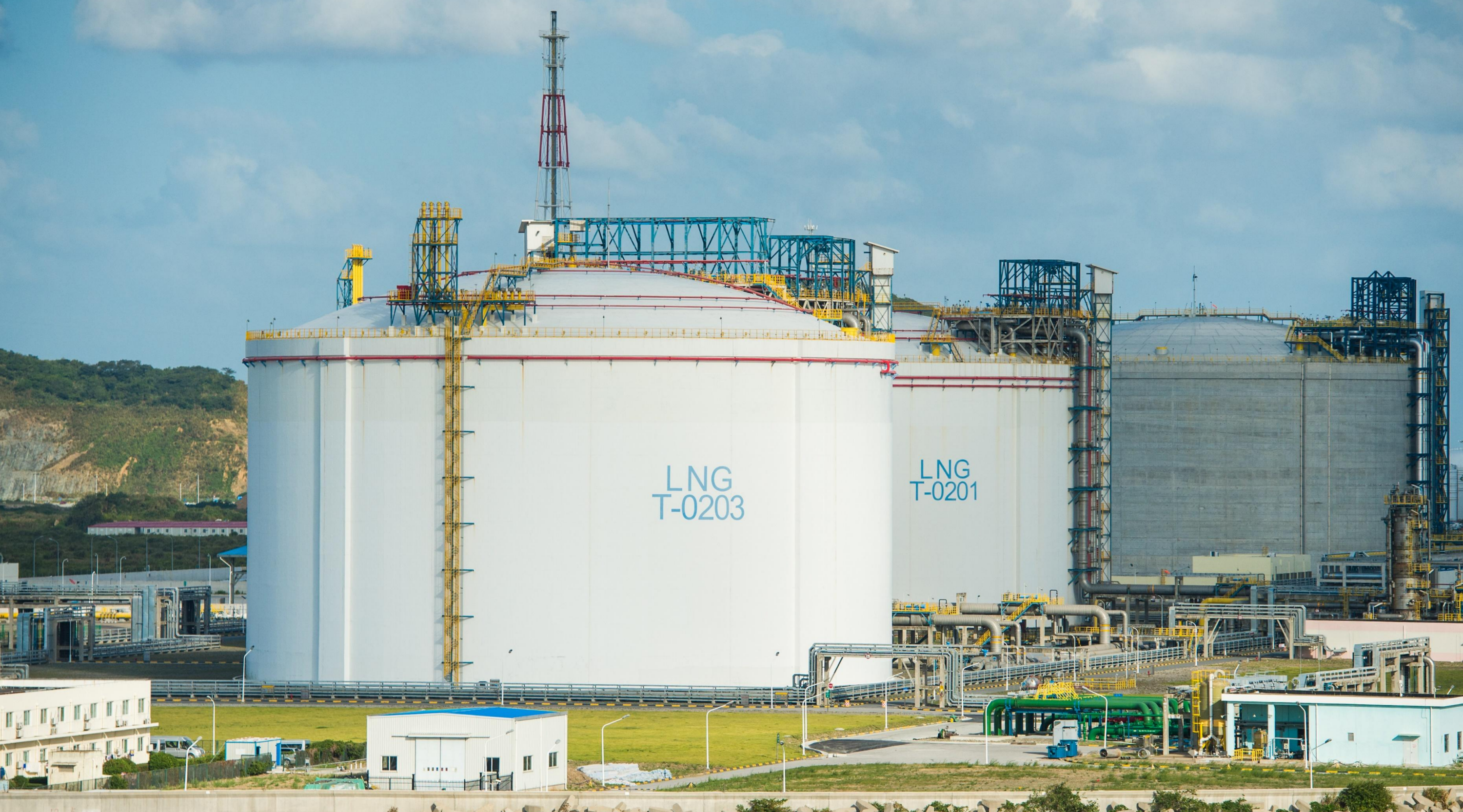
Petrochemical processing environment — the operating context for combined fixed, mobile and verification-layer monitoring.
Detailed solution: a three-layer detection architecture
A defensible methane programme is usually built as three layers, each answering a different question. Splitting the layers makes instrument selection straightforward, because each model is evaluated against a defined job rather than against a general label such as gas detector.
Layer 1 — Continuous area monitoring
The fixed or online layer answers one question continuously: is there gas in this area right now? Within Zetron's portfolio the fixed-format and online platforms are the MIC600-Aqi fixed online air quality monitoring station and the MS800A online air quality monitoring station. The MIC600-Aqi runs on a DC24V industrial power supply with RS485, 4–20 mA and Type-C interfaces, is rated intrinsically safe Ex ia IIC T4 Ga with IP68 protection, and houses its electronics in a stainless steel SS304 cabinet. The MS800A covers CO, NH3, O3, SO2, VOC and particulate matter, offers RS485, 4–20 mA and wireless 4G/5G/LoRa communication, and carries IP65 protection for outdoor installation.
Both are area-monitoring platforms, and the parameter set of each must be matched to the site gas list during specification. Where a project needs continuous methane-specific point detection, the detection principle, measuring range and certification of the exact model have to be written into the technical specification and confirmed in writing before order. Stating that requirement up front is standard practice in a constraint-driven procurement, and it prevents a later mismatch between the instrument's declared scope and the zone it is installed in.
Layer 2 — Mobile leak survey
The mobile layer answers a different question: where exactly is the release, and how large is it? This is the layer that portable instruments own, and it is where most programme improvement is available at lowest cost.
The MS600-L remote gas detector is built for methane concentration detection in leak monitoring. It offers wireless remote communication and Type-C connectivity, typical accuracy of ±2% FS with linearity of ≤±2%, a T90 response time of ≤20 seconds, Ex ia IIC T4 Ga explosion protection and IP68 ingress protection, and can store above 10 million data records with calibration logs, maintenance logs, fault records and sensor life expiration reminders. For a survey programme, those logs are the audit trail.
The PTM600-Eg high-sensitivity laser gas detector targets natural gas and methane leak detection for safety inspection, with a stainless steel SS304 main casing plus engineering plastic probe and handle, ±2% FS typical accuracy, T90 ≤20 seconds, IP68 and Ex ia IIC T4 Ga. The ZW-G100 and ZW-G200 portable laser gas detectors cover laser-based methane and natural gas leak detection in a handheld housing; the ZW-G200 adds wireless communication on top of the standard Type-C and data export interface, and both store above 10 million records with the same log structure.
For general walk-downs where the gas list is mixed rather than methane-only, the MS400-S portable gas monitor is configured to the site environment and user requirements, with ±2% FS typical accuracy and an optional 1% high-precision sensor, T90 ≤20 seconds, Type-C and wireless communication, and IP68 protection. It is the instrument that covers a multi gas detector duty — methane alongside other target gases encountered in the same unit.
Layer 3 — Combustion and emission verification
Processing plants rarely monitor methane in isolation. Fired heaters, boilers and incinerators produce a second family of measurements, and incomplete combustion shows up as elevated carbon monoxide. The MS700-FG intelligent portable flue gas analyzer detects O2, CO, NO, NO2 and SO2, with ±2% FS typical accuracy and an optional 1% high-precision sensor, T90 ≤20 seconds, Type-C and RS485 interfaces, IP68 and Ex ia IIC T4 Ga protection. In a leak detection programme it serves as the verification instrument after burner maintenance, and as the source of the CO readings that inform carbon monoxide alarm thresholds in enclosed fired-equipment areas.
The split between layers matters commercially. Fixed points carry installation and infrastructure cost; mobile instruments carry labour and calibration cost. A programme that over-specifies fixed points for areas that are walked daily, or under-specifies mobile coverage for enclosed spaces that are visited monthly, spends money where it does not reduce risk.
Strategic sensor placement
Placement should follow the release, not the drawing. Four rules cover most methane service:
- Place at the source first. Flanges, valve stems, compressor seals, relief valve outlets, sample points and drain connections are the credible release points; fixed coverage that ignores them is decorative.
- Follow the gas. Methane is lighter than air, so enclosed buildings need coverage at high level, roof voids and ridge lines as well as at breathing height.
- Account for air movement. Outdoor points should consider prevailing wind direction relative to occupied areas; indoor points should consider ventilation intake and exhaust paths.
- Keep instruments accessible. A detector that requires scaffolding to calibrate will not be calibrated. Accessibility is a maintenance requirement, not a convenience.
Alarm management
An alarm is only useful if the response is defined before it sounds. A workable structure uses three tiers: a pre-alarm that triggers investigation by the area technician, an alarm that triggers unit-level action and source isolation, and an evacuation tier tied to the site emergency plan. Thresholds should be set per area, reviewed after any change in equipment or process, and recorded alongside the instrument's calibration history so that a false alarm can be traced to a cause rather than argued about.
Nuisance alarms are the main reason alarm systems lose credibility. They usually come from three sources: sensors past their service life, calibration performed outside the specified temperature and humidity window, and thresholds copied from another unit without adjustment. All three are avoidable with a maintenance calendar.
Preventive maintenance scheduling
Zetron instruments in methane service carry the record-keeping functions that maintenance scheduling depends on: calibration log, maintenance log, fault record and sensor life expiration reminder, with data storage above 10 million records and local view, delete or export. Build the calendar around those records rather than around memory:
- Daily or per-shift: functional check before the instrument leaves the charge point; confirm battery state and that the log file opens.
- Per survey cycle: export the route data and file it against the route identifier.
- Periodic: calibration against the site interval, recorded in the calibration log; sensor life review against the expiry reminder; firmware and interface language check (Chinese and English are both supported).
- Annual: review the alarm threshold set, review the route map, and re-confirm that the certificate scope still matches each zone.
Step-by-step breakdown: building the programme
- Build the gas and zone inventory. List every area where methane can be present, classify each as open, enclosed or confined space, and record the zone classification. This inventory drives every later decision and is the first document an auditor will ask for.
- Assign a role to each layer. Decide which areas are covered continuously (Layer 1), which are covered by scheduled survey (Layer 2), and which require verification after maintenance (Layer 3). Write the decision down; an unwritten allocation reverts to habit.
- Draw the fixed coverage map. Mark release points and high-level voids, then place fixed or online points accordingly. For each point, record the model, the parameters it measures, the power and communication interface, and the protection rating against the zone.
- Define survey routes and instruments. For each route, specify the instrument type, the sequence of checkpoints, and the data export requirement. Routes that generate a log file are auditable; routes that do not, are not.
- Set alarm tiers and response owners. Document each threshold, the action it triggers, the person responsible, and the escalation path. Cross-check carbon monoxide thresholds around fired equipment against the CO channel readings from the ambient layer and the flue gas analyzer.
- Publish the maintenance calendar and the document set. Combine calibration intervals, sensor life dates, route reviews and certificate expiry dates into one schedule. Keep the certificate register current — ATEX certificate ECM 25 ATEX-B TW85 is valid to 6 July 2030, CE attestation TD48392501 to 10 July 2030, SIL certificate 0P250717.BZTQ011 to 16 July 2030, and the ISO 9001:2015, ISO 14001:2015 and ISO 45001:2018 certificates (F06726Q00667R053, F06726E00313R053, F06726S00238R053) to 15 March 2029.
Use cases
Pipeline right-of-way survey
For buried and above-ground transmission lines, the survey crew needs to reach elevated joints, valve stations and casing vents without scaffolding. A remote instrument such as the MS600-L, which supports wireless remote communication with IP68 protection and T90 ≤20 seconds, lets the crew take readings at a distance and log them automatically. The route log becomes the evidence pack for the inspection interval.
Compressor and metering station walk-down
Around compressor seals, metering runs and manifold valves, contact measurement is usually faster than remote detection. The ZW-G100 or ZW-G200 handheld laser gas detector covers laser-based methane leak detection at close range, with Type-C data export and, on the ZW-G200, wireless communication. Both store above 10 million records, so a full station walk-down fits comfortably inside the memory of one instrument.
Confined space pre-entry
Before entry into pits, sumps or vessel internals, a configurable portable gas monitor is the practical instrument. The MS400-S supports a gas configuration matched to the site requirement, ±2% FS accuracy with an optional 1% high-precision sensor, T90 ≤20 seconds, and Ex ia IIC T4 Ga protection with IP68 rating — the combination needed where the entry permit requires both flammables and other target gases to be cleared.
Fired equipment and boiler house
After burner work or a fuel gas change, the MS700-FG flue gas analyzer gives the O2, CO, NO, NO2 and SO2 readings that confirm combustion is complete. Used together with ambient CO monitoring in the boiler house, it closes the loop between a methane leak and a carbon monoxide exposure.
Mining and remote sites
A mining customer in South Africa operates two Zetron portable units for environmental monitoring and reports stable operation, with low-noise portable operation cited as an advantage for extended shifts. The case illustrates a broader point: in remote sites, instrument reliability and noise levels affect how long a crew can work, not just what it measures.
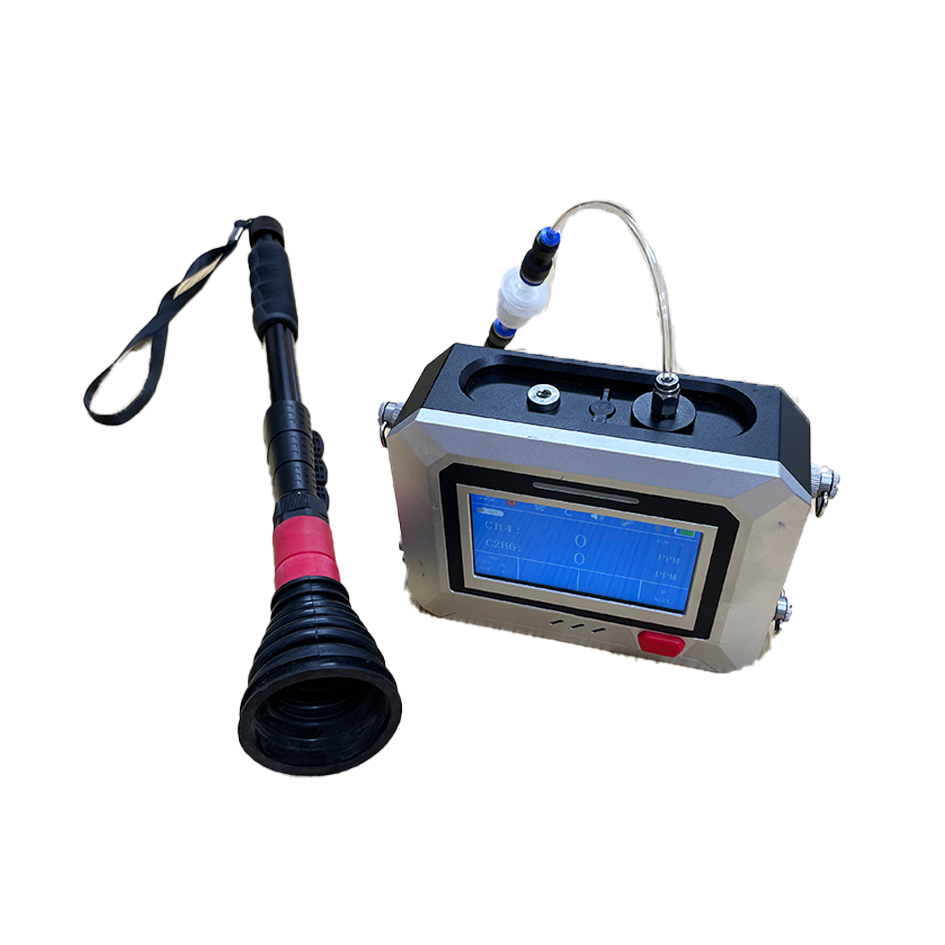
PTM600-Eg laser gas detector: natural gas (methane) leak detection for safety inspection, SS304 main casing, IP68, Ex ia IIC T4 Ga.
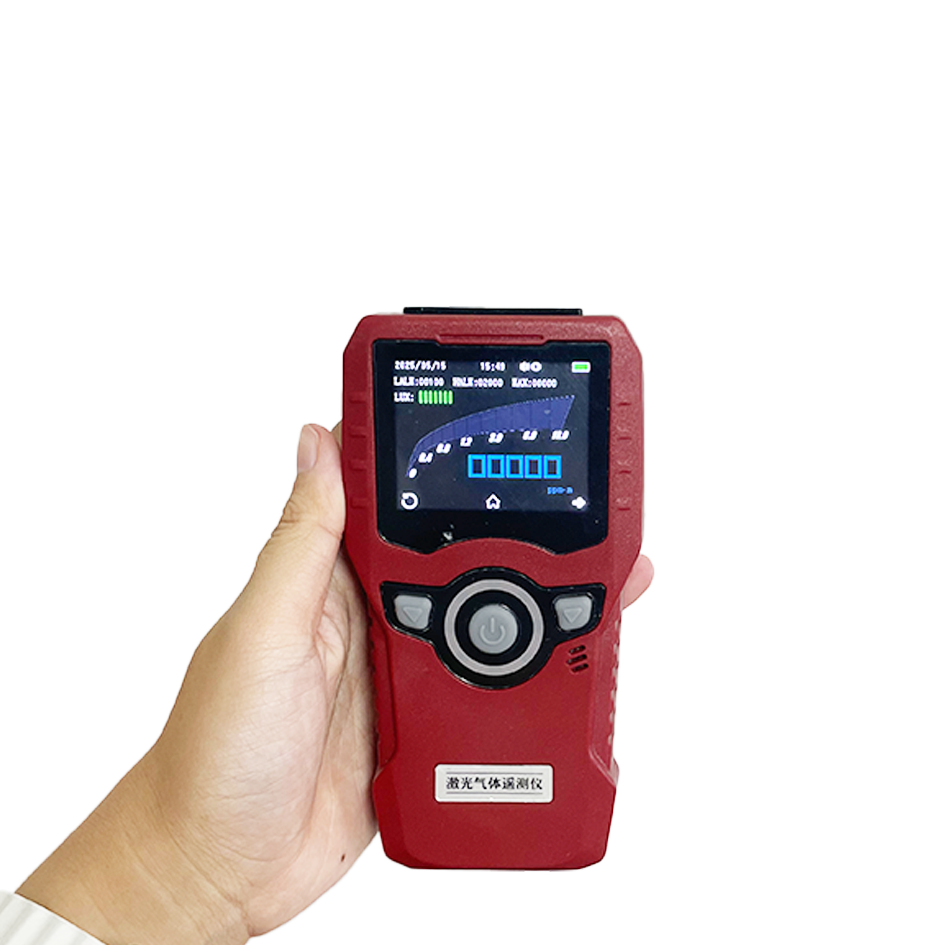
ZW-G100 portable laser gas detector for handheld methane and natural gas leak detection, with Type-C data export.
Comparison table: instrument roles in a methane programme
The table below compares the instrument types described above on parameters published for each model. It is a workflow comparison, not a ranking — the right instrument is the one whose declared scope, protection rating and data functions match the assigned role.
| Model | Format | Declared detection target | Typical accuracy | Response | Protection | Data and interfaces | Workflow role |
|---|---|---|---|---|---|---|---|
| MS600-L | Remote gas detector, portable with wireless remote operation | Methane concentration for leak monitoring | ±2% FS | T90 ≤20 s | Ex ia IIC T4 Ga; IP68 | Wireless remote + Type-C; above 10 million records with calibration, maintenance and fault logs | Elevated and right-of-way survey at distance |
| PTM600-Eg | High-sensitivity laser gas detector, portable | Natural gas (methane) leak detection for safety inspection | ±2% FS | T90 ≤20 s | Ex ia IIC T4 Ga; IP68 | Type-C and data export; above 10 million records | Close inspection with SS304 casing |
| ZW-G100 | Portable handheld laser gas detector | Laser-based methane and natural gas leak detection | ±2% FS | T90 ≤20 s | Ex ia IIC T4 Ga; IP68 | Type-C and data export | Routine station walk-down |
| ZW-G200 | Portable handheld laser gas detector | Efficient natural gas (methane) leak detection and monitoring | ±2% FS | T90 ≤20 s | Ex ia IIC T4 Ga; IP68 | Type-C, data export and wireless communication | Walk-down with live data transfer |
| MS400-S | Portable gas monitor | Configured to site environment and user requirements | ±2% FS, 1% optional | T90 ≤20 s | Ex ia IIC T4 Ga; IP68 | Type-C and wireless; above 10 million records | Multi-gas checks and confined space pre-entry |
| MS700-FG | Portable flue gas analyzer | O2, CO, NO, NO2, SO2 | ±2% FS, 1% optional | T90 ≤20 s | Ex ia IIC T4 Ga; IP68 | Type-C and RS485; above 10 million records | Combustion verification after maintenance |
| MS800A | Online air quality monitoring station | CO, NH3, O3, SO2, VOC and particulate matter | ±2% FS, 1% optional | T90 ≤20 s | N/A for the station; IP65 | RS485, 4–20 mA, wireless 4G/5G/LoRa; DC24V | Ambient and fenceline area monitoring |
| MIC600-Aqi | Fixed online air quality monitoring station | Air quality parameters including PM2.5, configured to site requirement | ±2% FS, 1% optional | T90 ≤20 s | Ex ia IIC T4 Ga; IP68 | RS485, 4–20 mA, Type-C; DC24V industrial supply | Fixed station at unit perimeter or plant boundary |
All figures in the table are the published parameters for these Zetron models. Confirming the sensor configuration against the site gas list, and confirming that the certificate scope names the specific model and zone, remains the buyer's responsibility before order placement.
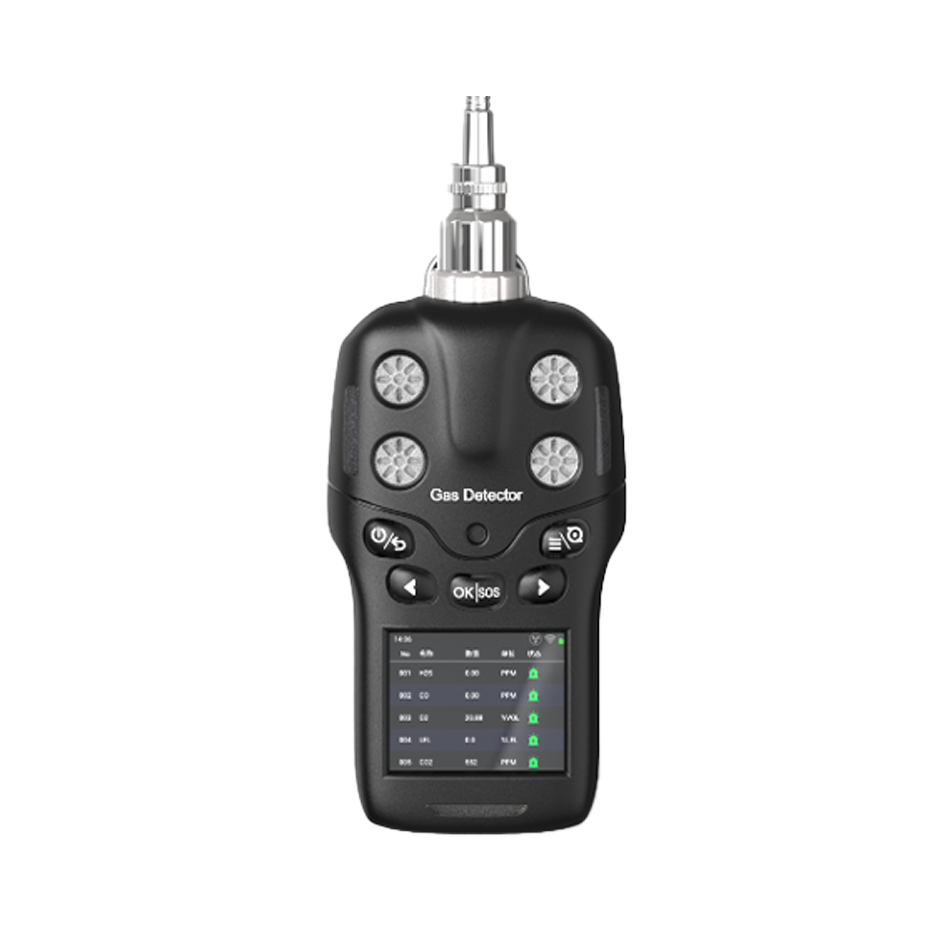
MS400-S portable gas monitor: gas configuration matched to site requirements, ±2% FS with 1% optional sensor, IP68, Ex ia IIC T4 Ga.
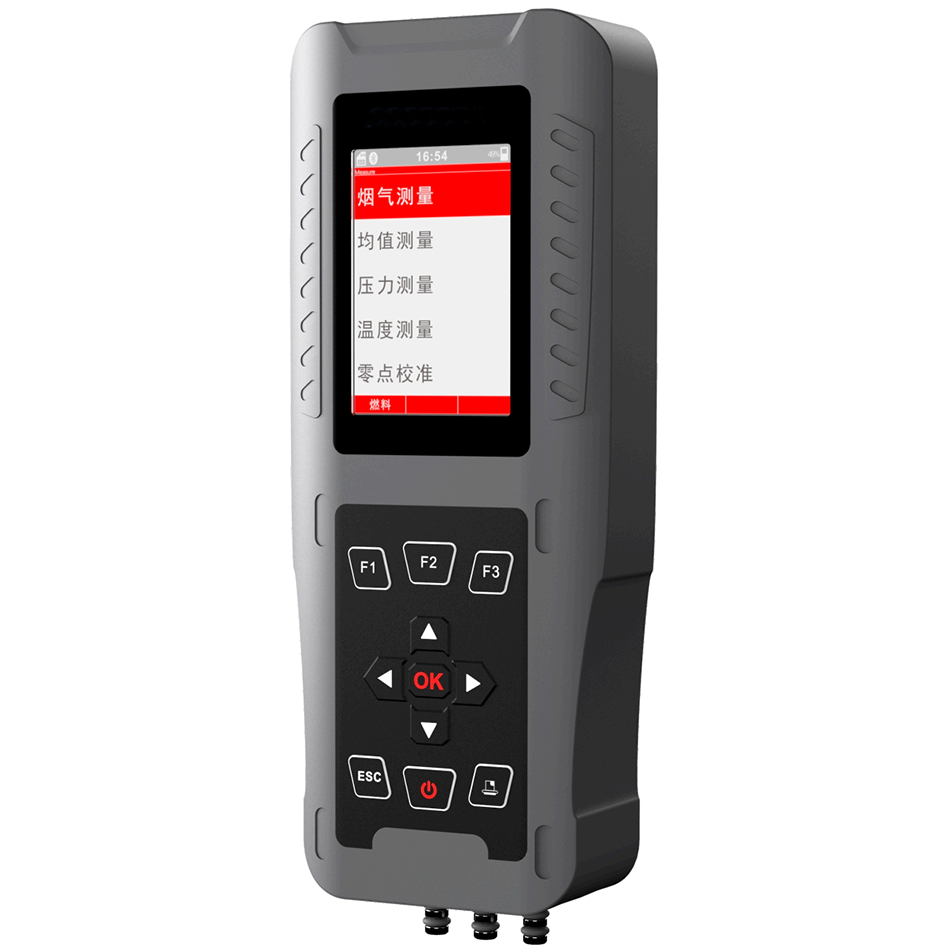
MS700-FG intelligent portable flue gas analyzer: O2, CO, NO, NO2 and SO2 detection for fired equipment checks.
FAQ
Which certifications should a methane leak detector carry before it is accepted into a processing plant?
For a European installation the instrument should carry an ATEX EU-type examination certificate covering the exact model and gas group. Zetron's ATEX certificate ECM 25 ATEX-B TW85, issued by Ente Certificazione Macchine srl, covers II 3G Ex ia IIC T4 Ga to EN IEC 60079-0:2018 and EN 60079-11:2012 and is valid until 6 July 2030. CE attestation TD48392501, issued by EU TEST Belgelendirme, references EN 50270:2015 for electromagnetic compatibility under 2014/30/EU and is valid until 10 July 2030. Where a safety instrumented function is in scope, the SIL certificate 0P250717.BZTQ011 issued by ECM states SIL 3 capable with systematic capability SC 3 to IEC 61508 Parts 1–7:2010 and IEC 62061, valid until 16 July 2030. North American projects typically require UL 913 or IEC 60079-11 compliance for intrinsic safety. At company level, Zetron holds ISO 9001:2015 (F06726Q00667R053), ISO 14001:2015 (F06726E00313R053) and ISO 45001:2018 (F06726S00238R053), all issued on 16 March 2026 and valid until 15 March 2029.
Can one portable instrument cover both routine leak survey and area checks?
Usually not with a single model, because the two jobs need different access and different data outputs. Remote survey at height or across a fence line calls for wireless remote operation, which is the role of the MS600-L methane leak detector. Close inspection of flanges and valve stems is faster with a handheld laser instrument such as the ZW-G100 or ZW-G200, or the PTM600-Eg with its SS304 casing. Area and confined space checks where several gases must be cleared together call for a configurable unit such as the MS400-S portable gas monitor. All of these share ±2% FS typical accuracy, T90 ≤20 seconds response, Ex ia IIC T4 Ga protection and IP68 rating, and all store above 10 million data records with calibration, maintenance and fault logs, so a mixed fleet still produces one consistent evidence set.
What drives the cost of a plant-wide methane leak detection programme?
Cost is driven by structure rather than by unit price alone. The main drivers are the number of fixed or online points and the power and communication infrastructure each one needs; the number of portable instruments required per survey crew and shift pattern; the certification scope, since ATEX plus SIL plus CE evidence costs more to obtain and maintain than a domestic-only declaration; sensor options such as the 1% high-precision configuration versus the standard ±2% FS version; the calibration and consumable cycle implied by the maintenance calendar; and any integration work needed to bring log data into an EHS or DCS system. Because configuration changes the specification, Zetron quotes per project rather than from a fixed list, and the minimum order quantity is 1 unit — which means a single instrument can be bought for evaluation before any fleet decision.
Can we evaluate a detector before committing to a fleet rollout?
Yes. The minimum order quantity is 1 unit, which allows a single instrument to be tested on a real route before a larger commitment. Evaluation should test three things: response behaviour in the actual background gas matrix rather than in clean air; whether the calibration log, maintenance log, fault record and sensor life expiration reminder export in a format the site's EHS system accepts; and whether the certificate scope names the exact model and the zone it will be used in. Zetron also offers OEM/ODM customisation covering logo, gas type, and temperature and humidity detection, so a site-specific configuration can be verified at sample stage, and every unit undergoes 100% test before shipment.
What is the lead time and what support follows delivery?
Production lead time is 30–45 days, against a monthly capacity of 8,000 units. After-sales support runs for 1 year plus remote support, and each instrument ships with the logging functions that maintenance planning depends on — calibration log, maintenance log, fault record and sensor life expiration reminder, with data storage above 10 million records and local view, delete or export. Zetron's export markets cover the EU, Middle East, North America, Southeast Asia and South America, and export accounts for 90% of output from a 3,500 m² facility with an R&D team of 10. To discuss a specific route, gas list or certification requirement, contact the team at info@bjzetron.com or +86-15699785629.
Conclusion
Methane leak detection in pipelines and processing plants is a structural problem before it is an equipment problem. The plants that find releases early are the ones that assigned a role to each layer — continuous area monitoring, scheduled mobile survey, and combustion verification — placed instruments at the release point and at high level, defined what each alarm tier triggers, and built a maintenance calendar around records rather than around memory. Instruments then become interchangeable parts of a documented system rather than isolated purchases.
Beijing Zetron Technology Co., LTD, founded in 2010, manufactures gas detection equipment for industrial, research and commercial applications, including portable gas detectors, fixed detection systems, landfill gas analyzers, remote laser methane gas detectors and air quality monitoring systems. The product range referenced in this guide — MS600-L, PTM600-Eg, ZW-G100, ZW-G200, MS400-S, MS700-FG, MS800A and MIC600-Aqi — carries ATEX, CE, RoHS and FCC certification, supported by ISO 9001:2015, ISO 14001:2015 and ISO 45001:2018 management system certification.
Next step: map your routes before you buy
Send us your gas list, zone classification and survey route outline, and we will return a configuration proposal covering instrument type, sensor option, certification scope and documentation set for each route.
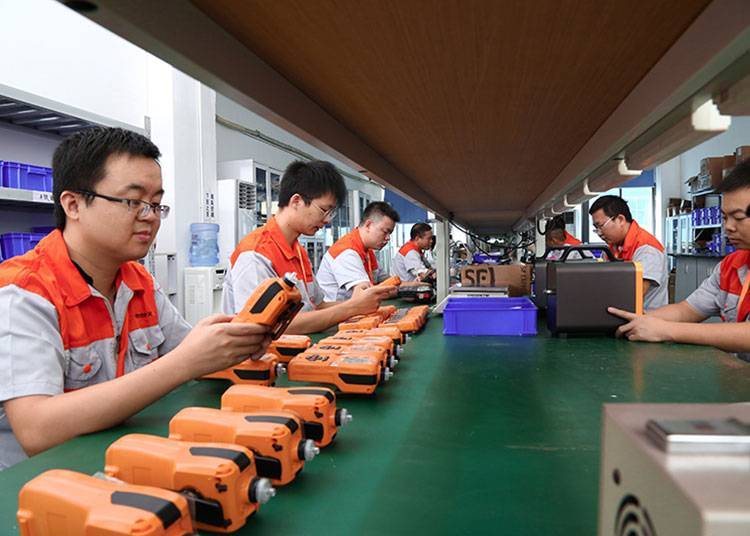
Zetron manufacturing and quality assurance team — 100% test before shipment, with OEM/ODM configuration available at order stage.
Have Questions or Need More Details?
Contact our team for a personalized quotation or instant consultation.
Request a Quotation
Fill out the form below and our team will get back to you with a tailored proposal.
WhatsApp Direct Chat
Prefer to chat in real-time? Message us on WhatsApp for instant assistance & quick answers.
- Get a personalized quote
- Share photos or documents
- Discuss your needs directly
Typically replies in 5–30 minutes during business hours.