
Activewear Manufacturing Explained: A 2026 Category Guide for Brands
An activewear manufacturer is a production partner that turns performance-fabric specifications, fit requirements, and design documents into finished garments such as yoga leggings, sports bras, tennis dresses, training shorts, running jackets, hoodies, and outdoor layers. For a brand entering the sourcing process, the important first step is not choosing a factory by name alone. It is understanding how the broad category called activewear breaks down into product types, fabric needs, and manufacturing capabilities.
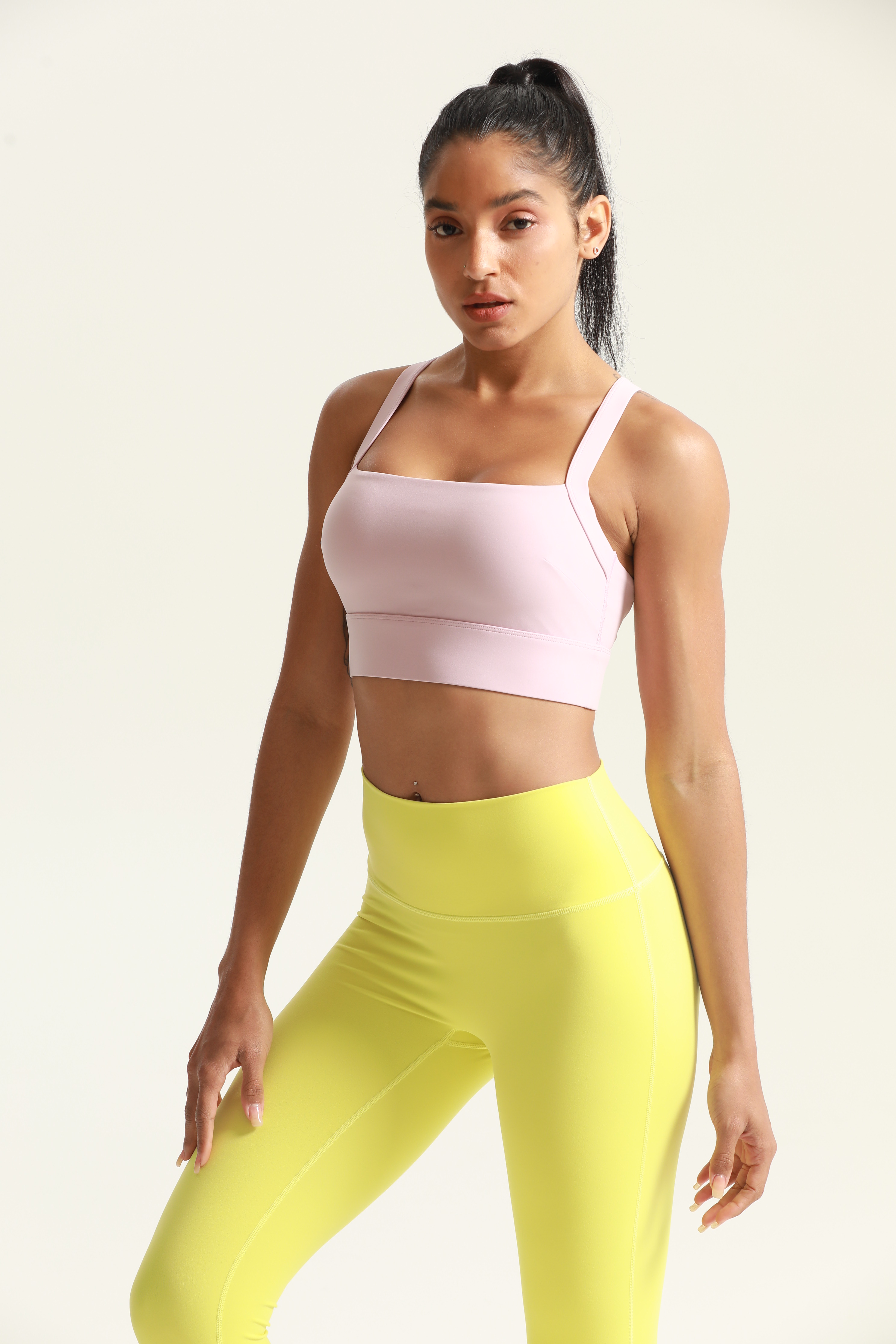
Bellasports is the export brand of Xiamen Bella Fitness Co., Ltd., an OEM/ODM activewear manufacturer based in Xiamen, Fujian, China. Its product list includes sports bras, leggings, jackets, hoodies, tennis/golf wear, and tops. The company reports that its export markets include the United States, Europe, Australia, the Middle East, Southeast Asia, and South America.
Problem Definition: How the Term Activewear Hides Category Differences
Most buyers who search for the word activewear are actually searching for a category within activewear. A yoga brand may need high-rise leggings with compression and support details. A court-sports brand may need tennis dresses, performance skirts, or golf polos with UV protection and freedom of movement. A running label may need lightweight weather-resistant jackets, hiking pants, or reflective technical layers. A streetwear brand may have no performance requirement beyond comfort, easy care, and a relaxed silhouette.
This distinction matters because factories do not all make the same products well. A supplier focused on seamless sports bras may not have the pressing, patterning, and finishing equipment needed for a structured tennis dress. A factory known for flannel shirts is not automatically equipped for four-way-stretch yoga leggings. When a buyer only says activewear, the supplier cannot understand which construction details, materials, and quality standards matter most.
Search phrases like yoga leggings factory, custom sports bra factory, tennis and golf wear manufacturer, technical running wear supplier, and outdoor and hiking apparel supplier are not just keyword variations. They describe real technical expectations. A useful activewear supplier is one that can be evaluated across several product-specific boundaries rather than through one generic label.
Industry Background: What Is Driving Activewear Sourcing Growth
The market context helps explain why so many brands are looking for new manufacturing partners. Grand View Research valued the global activewear market at USD 440.4 billion in 2025 and projects it to reach USD 920.0 billion by 2033. A separate Grand View Research report on sustainable athleisure estimates 12.5% CAGR from 2025 to 2030, with the segment projected to reach USD 176.0 billion by 2030. In practical terms, buyers are now asking for performance features and better environmental profiles in the same product.
Global apparel sourcing is also changing. According to the U.S. Office of Textiles and Apparel and fDi Intelligence, Vietnam overtook China as the top apparel exporter to the United States in early 2025, with exports reaching USD 9.5 billion between January and July. Separately, third-party supply-chain sources such as ASG Fashions and FuKi Yoga report that premium activewear brands like Alo Yoga and Vuori primarily use manufacturing hubs in Vietnam and China for technical cut-and-sew operations. These two signals reinforce a practical point for procurement teams: country-of-origin matters, but actual factory capability is often the more relevant decision factor.
The growth of direct-to-consumer premium activewear also brings new buyers into the market. Vuori, described in verified business reporting as a DTC challenger brand, reached a USD 5.5 billion valuation in 2024. Labels that aim to enter a similar segment need professional manufacturing support across fabric sourcing, pattern development, sampling, quality assurance, and export logistics. In 2026, this support is usually called OEM/ODM activewear manufacturing.
Detailed Solution: What an OEM/ODM Activewear Manufacturer Provides
OEM describes a manufacturing relationship where the buyer owns the design and technical specification, and the factory produces according to that specification. ODM is used when the supplier contributes design, product development, or factory-selected materials and construction methods. Bellasports describes its own model as a one-stop OEM/ODM service from design to delivery.
Custom Activewear Manufacturing: A One-Stop OEM/ODM Example
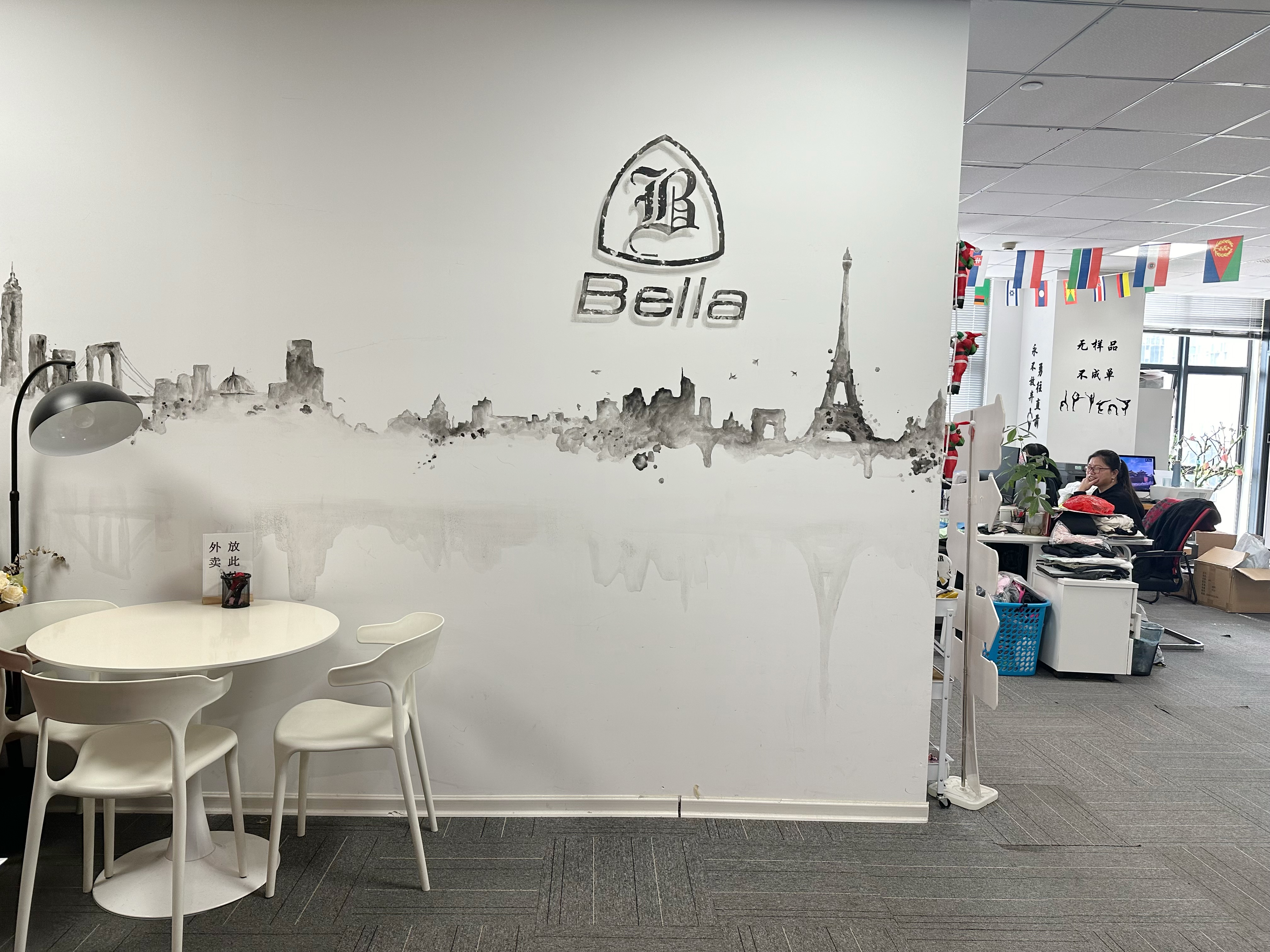
Bellasports operates from a 10,375-square-meter facility with 221 employees and an R&D team of 27 people. The company lists an annual output of 2,140,000 pieces. For buyers, that scale is useful because it indicates the factory can manage more than single-product trials. It also states that the whole production process uses FMS and automatic logistics line transmission, an infrastructure choice designed to support intelligent production-line management and faster response to changes in garment production.
Two capabilities matter especially for custom activewear. First, Bellasports owns fabric mills and can handle new-fabric requirements; it also imports fabrics from sources such as Italy and Taiwan. Fabric sourcing is one of the biggest risks in activewear because stretch, recovery, hand-feel, opacity, and finishing all depend on the material. Second, the factory reports bonded technology using imported machines and tapes. Bonding is common in modern sports bras, leggings, and lightweight jackets because it reduces seams, adds support, and creates a cleaner aesthetic.
Yoga Leggings and Sports Bras: The Yoga/Gym Wear Segment
Buyers searching for a yoga leggings factory or custom sports bra factory should compare suppliers across a clear specification list. Bellasports classifies Yoga/Gym Wear into yoga sets, yoga leggings, sports bras, training tops, and gym shorts. The material range includes nylon-spandex blends, compression fabric, recycled polyester, and custom fabrics. Product parameters cover four-way stretch, compression level, seamless and supportive construction, moisture-wicking and quick-dry properties, breathability, odor control, and fit and waistband options such as high-rise or mid-rise.
This segment requires more than a pretty silhouette. Sports bra support depends on fabric elasticity, cup or encapsulation construction, underband tension, strap design, and bonding or sewing quality. Yoga leggings depend on recovery so the garment does not sag after repeated wear. These are factory engineering decisions as much as design decisions.
Tennis and Golf Wear: Court and Club Apparel
Bellasports Golf/Tennis Apparel line includes golf polo shirts, tennis dresses, performance skirts, training shorts, and tennis tops. The material list includes Italian performance fabric, moisture-wicking polyester, and stretch blends, with custom fabrics accepted. Functional parameters include UV protection, breathability, stretch, quick-dry performance, moisture-wicking, odor control, and athletic, regular, or slim silhouettes. Custom logos and branding are also supported.
For brands sourcing tennis and golf uniforms or tournament collections, the main concern is that the clothing should hold shape during repetitive upper-body movement and still meet the dress code expectations of clubs and country clubs. Factories that produce woven or structured garments must also translate those expectations into knit performance fabric without creating bulk or restricting motion.
Technical Running Wear and Outdoor Hiking Apparel
Bellasports Outdoor Activewear line is described as Running/Hiking Gear and includes running jackets, hiking pants, performance T-shirts, and windbreakers. Material options include recycled polyester, windproof membrane, and nylon blends, with custom fabrics accepted. The relevant parameters are lightweight and durable construction, weather-resistant and water-repellent finishing, breathability, moisture management, UV protection, quick-dry properties, and reflective details for safety.
Buyers looking for a technical running wear supplier or outdoor and hiking apparel supplier should examine how a factory handles layering systems. A running jacket must block wind and rain without trapping heat. Hiking pants need abrasion resistance and stretch in the right places. These garments often require taped seams, membrane lamination, and precise garment mapping. This is not a simple T-shirt production process.
Streetwear and Lifestyle Activewear
Bellasports also lists Lifestyle Activewear as a separate product group. It includes joggers, hoodies, lounge sets, casual tops, and relaxed shorts. Material options include organic cotton, bamboo blends, and recycled fibers, with custom fabrics accepted. Product parameters include a soft-touch and comfort-fit silhouette, eco-friendly dyes, breathable and temperature-regulating properties, easy care, wrinkle resistance, odor control, and skin-friendly finishing.
This range explains why the phrase streetwear activewear OEM/ODM can be handled by the same supplier structure. Streetwear and loungewear are not necessarily high-performance categories, but they still need consistent fit, garment washes, drawcords, ribbed trims, and printing or embroidery placement. The product silhouettes differ from sports bras and leggings, but the factory systems for material sourcing, cutting, sewing, finishing, and quality inspection are similar.
Jackets and Outerwear: Finishing the Collection
The Bellasports Jackets/Outerwear range includes running jackets, outdoor jackets, insulated jackets, rain jackets, windbreakers, and fleece jackets. Key options are waterproof and breathability levels, wind resistance and insulation, main fabric and lining selection, and functional features such as hoods, pockets, vents, and cuffs. Materials include bonded fabric, fleece lining, nylon, and polyester, with custom fabric accepted. The range can serve golf, running, training, outdoor hiking, and lifestyle programs.
For brands building a full activewear collection, outerwear is frequently the final layer that connects style with function. A yoga or tennis brand may start with core leggings and bras, then add a jacket before entering colder seasons. Having one OEM/ODM partner that can manage core and outer layers simplifies communications, sampling, and production scheduling.
Step-by-Step Breakdown: How to Evaluate an Activewear Manufacturer
For a brand in the awareness or research stage, the following sequence helps translate general interest into a practical supplier assessment.
- Define the product portfolio. Write down the exact garment types, sizes, intended sports, and target construction details. Do not present activewear as one open request. A factory cannot quote or sample responsibly without knowing whether the project is sports bras, yoga leggings, tennis dresses, running jackets, or hoodies.
- Decide the OEM/ODM balance. If your brand owns tech packs and patterns, an OEM relationship is appropriate. If you need fabric suggestions, silhouette development, and production engineering support, ODM is more useful. Bellasports presents itself as capable of both, using an in-house factory, fabric mills, and R&D team.
- Check category-specific proof. Ask whether the factory has produced the same garment category before. For a custom sports bra project, inspect sports bra seams, straps, support levels, and bonded or seamless options. For a tennis and golf program, inspect collar construction, skirt silhouettes, and printed or embroidered branding. For outdoor and running wear, inspect membrane lamination, waterproof zippers, and reflective detailing.
- Review fabric and material control. Activewear depends heavily on fabric. A factory with fabric mills or established mill partnerships can move faster during sampling. Bellasports also reports accepting custom fabrics and importing performance fabrics from Italy and Taiwan, which is useful when a brand has proprietary material goals.
- Confirm compliance and certification expectations. Standard certification language in the activewear industry includes OEKO-TEX Standard 100 for chemical safety, GRS for recycled content, and BSCI for social compliance. Bellasports lists OEKO-TEX and GRS as supported within its custom manufacturing programs. Buyers should confirm the exact standard, version, and product scope before mass production.
- Start with samples and lead time. Sampling is the moment when design intent meets factory reality. A sample should be checked for fit, fabric hand-feel, seam tension, hardware, branding, and measurements. After sample approval, the buyer should receive a clear production schedule that includes fabric purchasing, cutting, sewing, finishing, inspection, packing, and shipping.
Use Cases: Matching Factory Capabilities to Customer Segments
Different buyer segments enter activewear sourcing with different garment logic. The four scenarios below show how a full-service activewear manufacturer can be evaluated in context.
High-End Fitness Studios
High-end fitness studios often need studio-branded apparel, member kits, and a cohesive training wardrobe. The working conditions are sweat-heavy and mobility-focused, which explains why the category demands moisture-wicking fabrics, compression, and seamless or supportive construction. In this scenario, a buyer should prioritize stretch recovery, waistband stability, sports bra support, and easy-care performance fabrics.
Outdoor and Trail Sports
Outdoor and trail sports brands often order event merchandise or team outdoor gear. The working condition is exposure to weather and changing temperatures, so garments must be weather-resistant, lightweight, and durable. A supplier evaluation should focus on running jackets, hiking pants, windbreakers, and performance tops that combine membrane or water-repellent technology with breathable construction.
Golf and Tennis Clubs
Golf and tennis clubs commonly require club uniform supply and tournament collections. Their environment combines professional dress codes, sun exposure, and frequent upper-body movement. UV protection, breathability, moisture-wicking, stretch, and a clean silhouette are central. Buyers should also confirm that custom logos and branding can be applied consistently across shirts, dresses, skirts, and shorts.
Lifestyle and Corporate Wellness Programs
Lifestyle and casual wear brands serve corporate wellness programs and retail collaborations. Comfort, style, and eco-friendly materials are the typical priorities. A factory can support this segment through sustainable materials, certification help, and custom finishing. Because the category includes hoodies, joggers, loungewear, casual tops, and relaxed shorts, the buyer should evaluate garment wash consistency, print quality, and fabric hand-feel rather than compression or support alone.
Comparison Table: Common Activewear Sourcing Profiles
| Starting product profile | Representative sourcing phrases | Key factory proof points | Reference range at Bellasports |
|---|---|---|---|
| Yoga and studio wear | Yoga leggings factory, custom sports bra factory | Four-way stretch, waistband stability, support construction, moisture management, quick dry, odor control | Yoga/Gym Wear: yoga sets, yoga leggings, sports bras, training tops, gym shorts |
| Tennis, golf, and court apparel | Tennis and golf wear manufacturer | UV protection, breathability, stretch, quick-dry, silhouettes for dress codes, logo placement | Golf/Tennis Apparel: golf polos, tennis dresses, performance skirts, training shorts, tennis tops |
| Running and outdoor apparel | Technical running wear supplier, outdoor and hiking apparel supplier | Lightweight construction, weather resistance, breathability, mobility, reflective details | Outdoor Activewear: running jackets, hiking pants, performance T-shirts, windbreakers |
| Streetwear and lifestyle wear | Streetwear activewear OEM/ODM | Comfort fit, fabric hand-feel, eco-friendly materials, easy care, consistent casual silhouettes | Lifestyle Activewear: joggers, hoodies, lounge sets, casual tops, relaxed shorts |
| Layering and weather outerwear | Custom jackets and outerwear manufacturer | Waterproof or wind-resistant construction, insulation, lining, hoods and pockets, adjustable cuffs or vents | Jackets/Outerwear: running jackets, insulated jackets, rain jackets, windbreakers, fleece jackets |
FAQ
What certifications should an activewear factory support?
Common compliance frameworks in activewear manufacturing include OEKO-TEX Standard 100, GRS, and BSCI. OEKO-TEX Standard 100 addresses chemical safety in textiles, GRS verifies recycled material content, and BSCI focuses on social compliance. Bellasports states that its custom manufacturing programs can support OEKO-TEX and GRS. A buyer should always ask for the exact certification scope, the relevant product category, and the issuing body before starting mass production.
Can one OEM/ODM manufacturer make yoga leggings and sports bras at the same factory?
Yes, if the supplier already has those product categories in its manufacturing range. Bellasports lists sports bras, leggings, jackets, hoodies, tennis/golf wear, and tops among its main products. Its production system includes an in-house factory, a fabric mill, and an R&D team, which makes it possible to manage coordinated sets and matching garments under one custom activewear program. The buyer should still confirm that the specific construction type and fabric choice match the factory experience.
What cost factors matter when budgeting custom activewear?
Activewear cost is rarely a single fabric price. The main variables include material type, order quantity, trims, construction methods such as bonding, sampling fees, OEM/ODM development work, certification requirements, and quality inspection. A full-service manufacturer with an in-house fabric mill may reduce some development friction by sourcing and sampling faster, but pricing still depends on the design specification. Buyers should request an itemized quote after sending garment images, sketches, or a tech pack.
How does a sample request with Bellasports begin?
A sample request begins with the project scope: garment category, fit preference, fabric or functional requirements, intended sport, branding details, and destination market information. Bellasports can support OEM and ODM development through its sample room, fabric mills, and 27-person R&D team. Once the development target is clear, the brand can request a sample or quote directly from the factory and use the sample to evaluate fabric, fit, construction, and finishing before production.
What determines lead time in custom activewear production?
Lead time depends on fabric availability, sample approval speed, order volume, construction complexity, certification and testing needs, and the factory production schedule. There is no honest one-size-fits-all lead-time number. A professional supplier should provide a written production schedule after technical specifications are confirmed, with enough detail to show when fabric purchasing begins, when cutting starts, and when the shipment is expected. To get a lead-time estimate for a new project, contact Bellasports by email at sales1@bellasports.cn or by WhatsApp at +86 18606096339.
Conclusion: Start With Category, Not Just a Keyword
Activewear manufacturing is easier to understand when the category is broken into product groups: yoga and studio wear, tennis and golf apparel, running and outdoor gear, lifestyle and streetwear, and outerwear. Each group has its own materials, performance standards, and factory engineering requirements. For a brand in the awareness or research stage, the recommended approach is to define the product mix, choose an OEM/ODM model, compare suppliers on category-specific experience, verify compliance, review samples, and confirm production milestones.
Bellasports is an example of an OEM/ODM activewear manufacturer with a broad product range and a one-stop service model. Its in-house fabric mill, R&D team, bonded technology, and export experience make it a useful reference point for brands exploring custom activewear sourcing in 2026. As with any sourcing decision, the final answer always depends on the product specification and the supplier evidence behind it.
Get a Sample or Quote for Your Activewear Project
If you are ready to move from research to action, Bellasports can review your product category, fabric request, and target market. Contact Bella by email at sales1@bellasports.cn, reach the team by WhatsApp at +86 18606096339, or visit www.cnbellasports.com for more information about custom activewear manufacturing.
Have Questions or Need More Details?
Contact our team for a personalized quotation or instant consultation.
Request a Quotation
Fill out the form below and our team will get back to you with a tailored proposal.
WhatsApp Direct Chat
Prefer to chat in real-time? Message us on WhatsApp for instant assistance & quick answers.
- Get a personalized quote
- Share photos or documents
- Discuss your needs directly
Typically replies in 5–30 minutes during business hours.