GRS vs OEKO-TEX for Custom Activewear: A Buyer's Comparison Guide
GRS vs OEKO-TEX for Custom Activewear: A Buyer's Comparison Guide
Direct answer: GRS and OEKO-TEX Standard 100 answer different buyer questions. The GRS certificate SGC-GRC02509-GRS-2023-11, issued by SGS-CSTC under GRS Version 4.0, covers recycled material sourcing and traceability for activewear. The OEKO-TEX Standard 100 certificate HKC 23756, issued by TESTEX, covers harmful substance testing across yoga leggings, sports bras, tennis skirts and related products. GRS does not cover chemical testing or performance attributes, and OEKO-TEX does not establish recycled content traceability. For custom activewear buyers, the correct approach is to match each certificate to the specific claim, product category and target market rather than treating either document as a universal product badge.
Bellasports (Xiamen Bella Fitness Co., Ltd.) is an activewear OEM/ODM manufacturer that provides design-to-delivery support, in-house R&D and bonded technology for yoga, gym, tennis, golf, running, hiking and lifestyle apparel. For buyers developing yoga leggings, sports bras, tennis skirts, golf apparel, running apparel or loungewear sets, certification evidence should be reviewed alongside fabric, construction and performance specifications. This guide gives a practical comparison framework for that review.
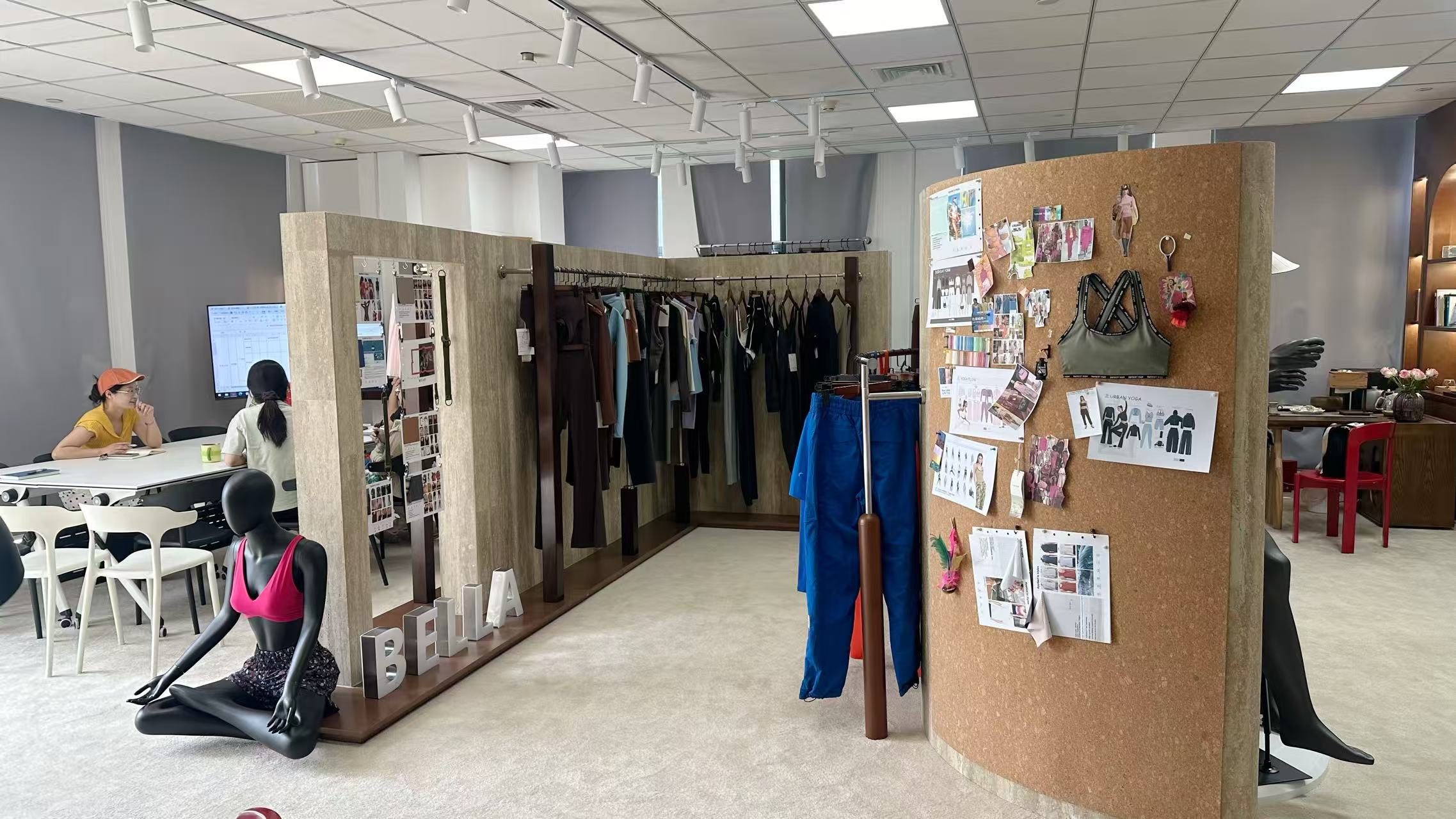
Bellasports showroom: reviewing garment categories and development directions before certification mapping.
Why Certification Comparison Matters in Activewear Development
Activewear buyers often receive a folder of certificates late in supplier qualification. The risk is not that the documents are false; the risk is that they are used for the wrong claim. A recycled-content marketing claim, a skin-contact safety claim and a four-way stretch claim require different evidence. If a buyer substitutes one document for another, the product may still be well made, but the claim may be unsupported.
The two certificates in this comparison illustrate the problem. GRS certificate SGC-GRC02509-GRS-2023-11 is relevant when the buyer needs to show recycled material sourcing and traceability. OEKO-TEX Standard 100 certificate HKC 23756 is relevant when the buyer needs evidence of harmful substance testing for specified products. Neither certificate is a performance test report for moisture-wicking workout wear, four-way stretch leggings, seamless sportswear or running jackets. Performance claims need separate test methods and reports.
Industry Background: More Product Claims, More Evidence Needed
Grand View Research estimated the global activewear market at USD 440.4 billion in 2025. The category spans technical performance apparel, yoga leggings, sports bra development, tennis and pickleball apparel, golf apparel, running apparel, gym and training wear, loungewear and yoga sets, modest activewear, outdoor and hiking apparel, joggers and tracksuits. As the range widens, buyers face more supplier claims across fabric development, recycled content, chemical safety and performance.
McKinsey research cited in 2024 found that 73% of athleisure adopters cite comfort as the primary reason for wearing active apparel outside exercise. Comfort is a legitimate product goal, but it is not a certification category. A buyer still needs to decide which evidence supports which statement: recycled material sourcing, harmful substance testing, or performance attributes such as stretch recovery, opacity and moisture management.
Bellasports exports to the United States, Europe, Australia, the Middle East, Southeast Asia and South America. Market expectations differ. In markets with strict quality expectations, such as the EU and Australia, buyers often need a more complete evidence file. That file may include both material-claim evidence and chemical-safety evidence, plus product-specific performance reports.
Detailed Solution: A Two-Lane Certification Framework
The simplest way to avoid overclaiming is to separate certification evidence into two lanes, then add a third lane for performance testing.
Lane 1: Recycled Material Sourcing and Traceability
Use GRS certificate SGC-GRC02509-GRS-2023-11 when the buyer's claim is about recycled material sourcing and traceability for activewear. The certificate is issued by SGS-CSTC under GRS Version 4.0. Its value is that it addresses the origin and traceability question: can the supplier show that recycled material is part of the product story and that the material can be traced through the supply chain?
This lane does not answer chemical-safety questions. GRS does not cover chemical testing or performance attributes. A buyer who needs to state that a yoga legging or sports bra has been tested for harmful substances must ask for separate evidence, such as the OEKO-TEX Standard 100 certificate in scope.
Lane 2: Harmful Substance Testing
Use OEKO-TEX Standard 100 certificate HKC 23756 when the buyer's claim is about harmful substance testing. The certificate is issued by TESTEX and covers harmful substance testing across yoga leggings, sports bras, tennis skirts and related products. This is the chemical-safety lane. It supports buyer questions about what the product has been tested for, provided the specific product category and style are within the certificate scope.
This lane does not establish recycled content traceability. An OEKO-TEX Standard 100 certificate is not proof that a fabric contains recycled material, and it does not replace GRS evidence for a recycled-content claim. Buyers should not use it that way in product descriptions, hangtags or retailer submissions.
Lane 3: Performance Attributes
Performance claims need their own test plan. Eurofins lists ISO 9237 for air permeability, AATCC 195 for liquid moisture management and ISO 20932 for elastic fabric stretch and recovery among activewear testing services. These references are useful for planning tests, but they are not a legal market-access determination and they are not covered by GRS or OEKO-TEX Standard 100. If the product claim is moisture-wicking workout wear, four-way stretch leggings, squat-proof opacity, breathability or shape retention, request the corresponding test report and check the method, sample and acceptance criteria.
Bellasports supports this evidence-building work through activewear fabric development, 200+ self-developed fabrics, custom Pantone colors, logo techniques including embroidery, silicone and printing, and custom packaging such as hangtags and poly bags. For brands that need exclusive fabric development, Bellasports owns fabric mills and uses Italian and Taiwan imported fabrics. The company states that custom fabric development can be 4-6 weeks faster than standard OEMs and that its material quality pass rate is 99%. These capabilities help buyers connect certification scope to the actual fabric and style being developed. Bellasports also states that it is BSCI and OEKO-TEX certified, and its OEM/ODM process cites OEKO-TEX and BSCI as compliance references.
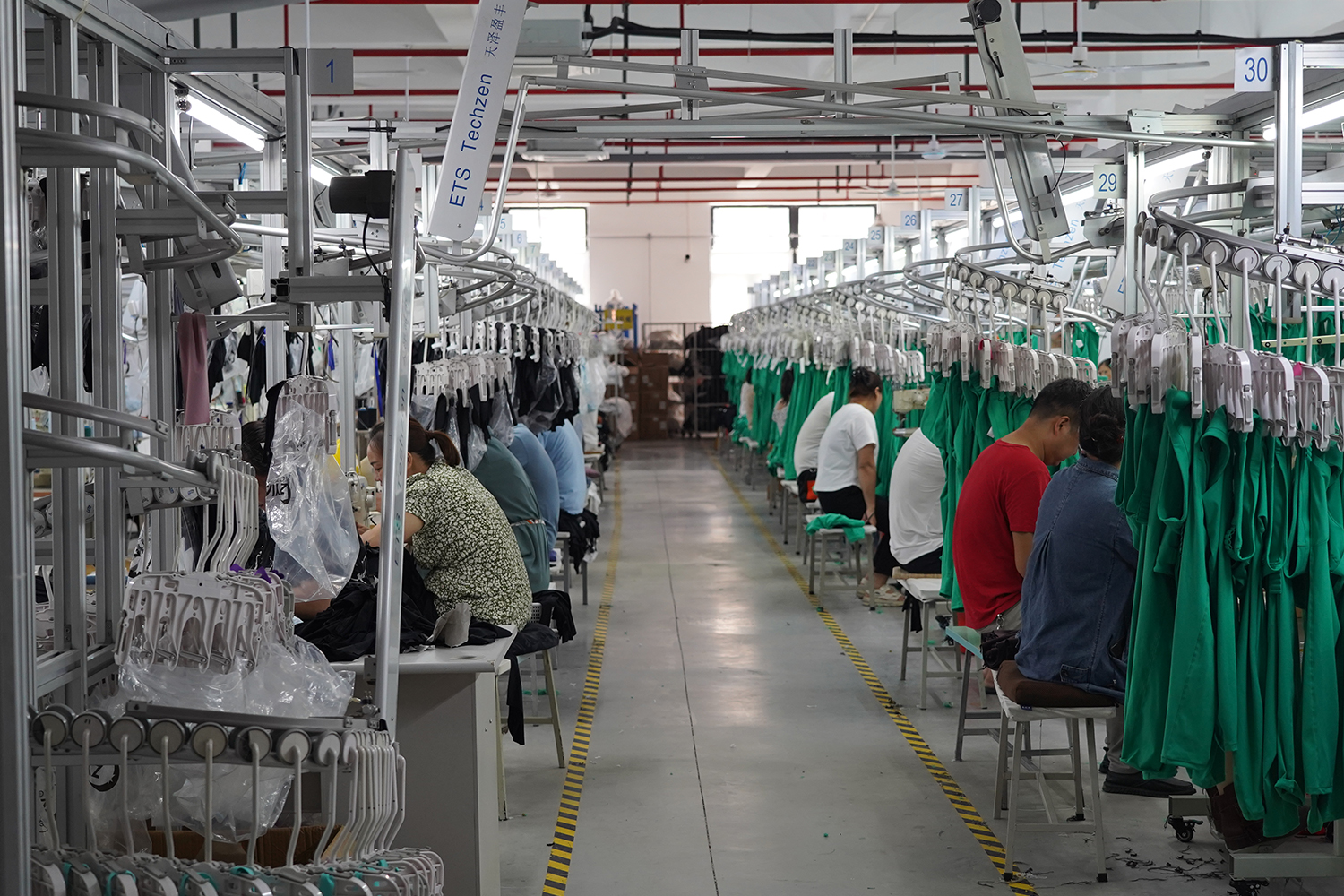
Production workshop: certification evidence must connect to the actual fabric, trim and garment being produced.
Step-by-Step: Matching Certificate Evidence to Product Claims
- Write a claim inventory by SKU. List every external claim planned for the style: recycled content, harmful substance testing, moisture-wicking, four-way stretch, squat-proof, seamless, durable, or comfortable. Use separate lines for yoga leggings, sports bras, tennis skirts, golf apparel, running jackets, joggers and loungewear sets.
- Match each claim to one evidence type. Recycled content maps to GRS certificate SGC-GRC02509-GRS-2023-11. Harmful substance testing maps to OEKO-TEX Standard 100 certificate HKC 23756. Performance attributes map to test reports. If a claim has no matching evidence, remove or reword the claim.
- Verify certificate identity and scope. Check the certificate number, issuer, standard version and product categories. Confirm that GRS certificate SGC-GRC02509-GRS-2023-11 is issued by SGS-CSTC under GRS Version 4.0. Confirm that OEKO-TEX Standard 100 certificate HKC 23756 is issued by TESTEX and covers the relevant product category, such as yoga leggings, sports bras, tennis skirts or related products.
- Link the certificate to the bill of materials. A certificate at company level is not automatically a style-level claim. Ask how the certified material or tested product connects to the specific fabric lot, trim, print and finished garment. For recycled claims, ask for traceability records. For harmful substance testing, ask which styles and materials are within scope.
- Request performance reports separately. Ask for test reports for moisture management, stretch and recovery, air permeability, pilling, colorfastness or other relevant attributes. Check the test method, sample preparation and acceptance criteria. Do not accept a GRS or OEKO-TEX certificate as a performance report.
- Check the target market and retailer requirement. The same product may need different evidence for the EU, the United States, Australia or the Middle East. Where a retailer or market has strict quality expectations, build a complete file rather than relying on one certificate.
- Put the evidence in the tech pack and purchase order. From tech pack to production, the certified material, approved test report and claim wording should be visible to the fabric supplier, trim supplier, factory and quality team. This reduces the risk that a certified sample is followed by a non-certified bulk lot.
- Review marketing language before launch. Use precise wording. Say 'recycled material sourcing and traceability supported by GRS certificate SGC-GRC02509-GRS-2023-11' only where the certificate and traceability records support it. Say 'harmful substance testing under OEKO-TEX Standard 100 certificate HKC 23756' only where the product category is within scope. Do not say that either certificate proves performance or that one certificate proves both material origin and chemical safety.
- Recheck before bulk shipment. Confirm that bulk fabric weight and color fastness are consistent with the sample garment, and that logo printing or embroidery meets the buyer's requirements. These production checks complement certification review; they do not replace it.
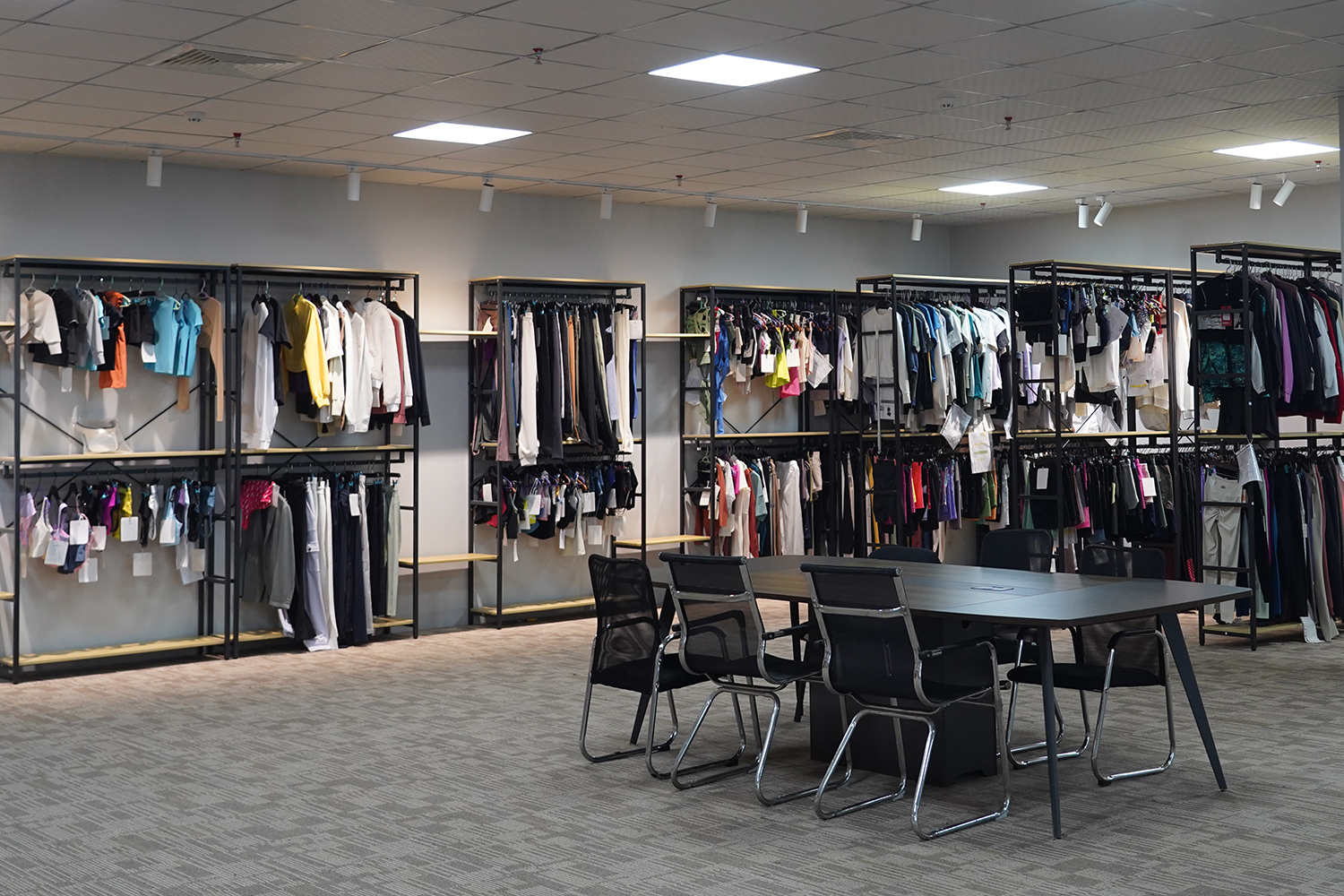
Sample room: sampling and prototyping should confirm the fabric, construction and claim evidence before bulk production.
Use Cases: Applying the Framework by Product Category
Recycled Yoga Leggings and Sports Bras for the EU
A brand developing four-way stretch leggings with a recycled fabric claim needs GRS evidence for recycled material sourcing and traceability. If the product also makes a skin-contact safety claim, the buyer needs OEKO-TEX Standard 100 evidence within the certificate scope. For squat-proof opacity, moisture-wicking ability and shape retention, the buyer needs performance test reports. Bellasports' recommended fabric direction for high-end squat-proof yoga leggings is a Nylon/Spandex blend containing 75-80% Nylon and 20-25% Spandex at 240-280 GSM, combined with bonded technology for comfort and shape retention. That recommendation is a fabric-development starting point; it does not replace certification or test evidence.
Sports Bra Development and Gym and Training Wear
Sports bras and gym and training wear often combine multiple materials: main fabric, lining, elastic, prints and trims. The buyer should check whether the OEKO-TEX Standard 100 certificate scope covers the relevant product category and whether the GRS certificate connects to the specific recycled material used. If the claim is 'moisture-wicking workout wear', request AATCC 195 or another agreed moisture-management test report. If the claim is 'four-way stretch', request stretch and recovery testing such as ISO 20932 or the buyer's agreed method.
Tennis Skirts, Pleated Tennis Skirts and Pickleball Apparel
Tennis skirts and related products are expressly within the OEKO-TEX Standard 100 certificate scope described for HKC 23756. That makes the chemical-safety lane relevant for tennis and pickleball apparel. Recycled content is a separate question. If the skirt uses recycled yarn, ask for GRS evidence and traceability. If the skirt claims quick-dry or stretch, ask for performance reports.
Golf Apparel and Women's Golf Dresses
Golf apparel and women's golf dresses may use different fabric constructions, linings and trims from yoga or running products. Buyers should not assume that a certificate covering yoga leggings and sports bras automatically covers every golf style. Check the certificate scope and request style-level confirmation. For recycled content, use the GRS lane. For harmful substance testing, use the OEKO-TEX lane. For comfort, stretch and recovery, use performance testing.
Running Jackets, Windbreakers and Outdoor Apparel
Running jackets, windbreakers and outdoor and hiking apparel often make breathability, wind resistance or weather-protection claims. These are performance attributes, not certification categories. Eurofins lists ISO 9237 for air permeability, which can be part of a test plan. Neither GRS nor OEKO-TEX Standard 100 should be presented as proof of breathability, waterproofing or thermal performance.
Loungewear, Yoga Sets and Modest Activewear
Loungewear and yoga sets may prioritize comfort, softness and opacity. Modest activewear may add coverage and layering requirements. Certification evidence should still follow the claim. If the product uses recycled material, use GRS. If the product makes a harmful substance testing claim, use OEKO-TEX Standard 100 within scope. If the product claims buttery-soft touch, four-way stretch or squat-proof opacity, use fabric specifications and performance reports.
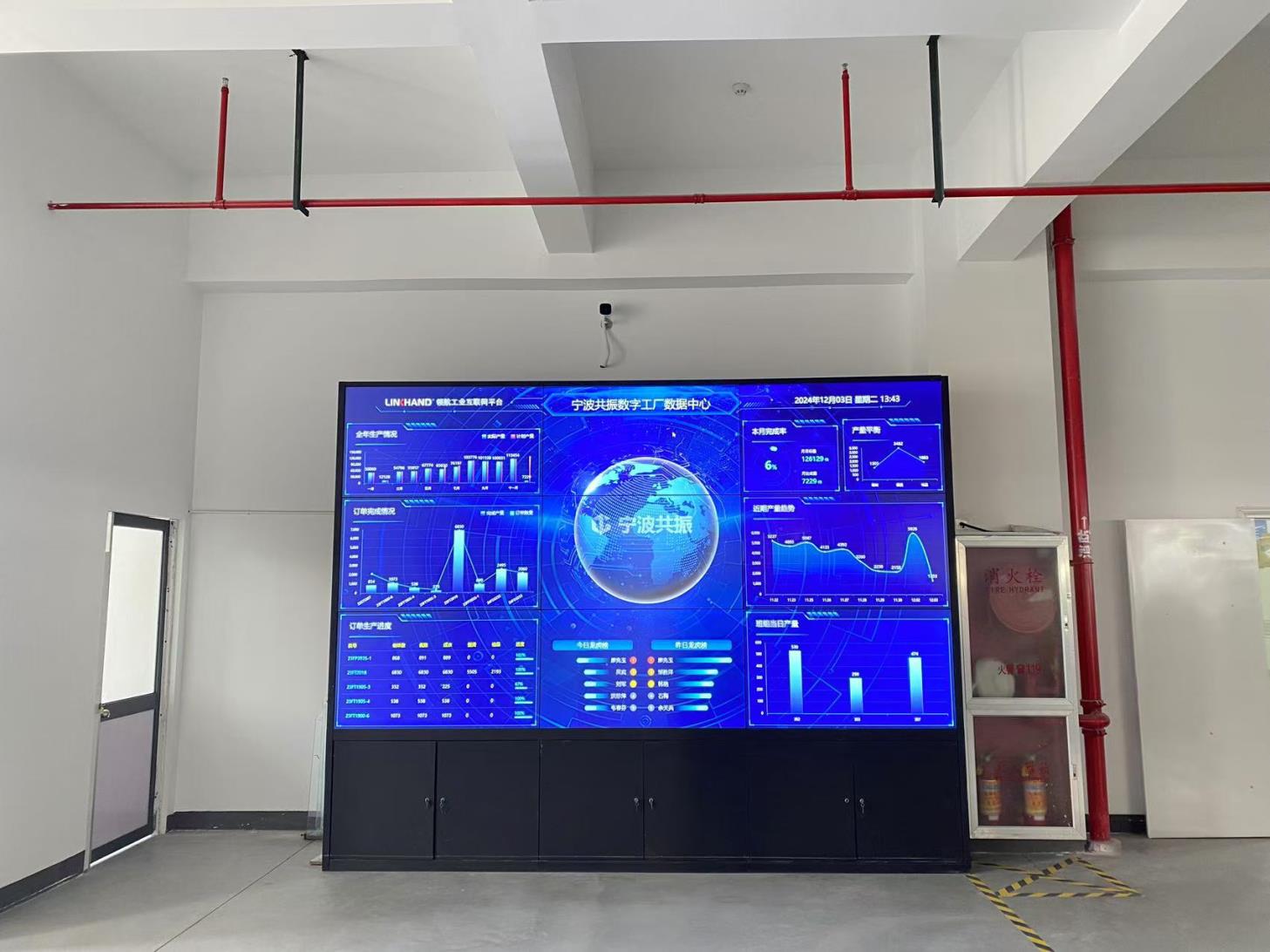
Production data visibility helps buyers connect supplier claims with the style, lot and delivery schedule under review.
Comparison Table: GRS Certificate vs OEKO-TEX Standard 100 Certificate
| Document | Issuer and standard | Core assurance | Activewear scope in this comparison | What it does not establish | Buyer action |
|---|---|---|---|---|---|
| GRS certificate SGC-GRC02509-GRS-2023-11 | SGS-CSTC, under GRS Version 4.0 | Recycled material sourcing and traceability | Activewear | Chemical testing and performance attributes | Request traceability records and confirm the certified material relates to the specific style. |
| OEKO-TEX Standard 100 certificate HKC 23756 | TESTEX | Harmful substance testing | Yoga leggings, sports bras, tennis skirts and related products | Recycled content traceability | Confirm the product category and style are within scope; request test documentation where needed. |
The table is a decision aid, not a ranking. Neither certificate is 'better' in general. The correct certificate depends on the claim. A recycled-content claim needs GRS evidence. A harmful substance testing claim needs OEKO-TEX Standard 100 evidence. A performance claim needs a performance test report. When a product makes more than one claim, the buyer needs more than one evidence type.
FAQ: GRS and OEKO-TEX for Custom Activewear Buyers
Do GRS and OEKO-TEX Standard 100 certify the same thing?
No. GRS certificate SGC-GRC02509-GRS-2023-11 covers recycled material sourcing and traceability for activewear. OEKO-TEX Standard 100 certificate HKC 23756 covers harmful substance testing across yoga leggings, sports bras, tennis skirts and related products. They are separate documents with separate scopes. A buyer should not treat one as a substitute for the other.
Does GRS certificate SGC-GRC02509-GRS-2023-11 cover chemical testing or performance for yoga leggings or sports bras?
No. The GRS certificate in this comparison covers recycled material sourcing and traceability for activewear. It does not cover chemical testing or performance attributes. If the buyer needs harmful substance testing evidence, request OEKO-TEX Standard 100 certificate HKC 23756 within its scope. If the buyer needs moisture-wicking, stretch recovery or opacity evidence, request separate performance test reports.
Does OEKO-TEX Standard 100 certificate HKC 23756 prove recycled content?
No. OEKO-TEX Standard 100 certificate HKC 23756 covers harmful substance testing across yoga leggings, sports bras, tennis skirts and related products. It does not establish recycled content traceability. A recycled-content claim requires GRS evidence, such as certificate SGC-GRC02509-GRS-2023-11, plus traceability records for the specific material and style.
What should a buyer request to verify a recycled-content claim for custom activewear?
Request the GRS certificate SGC-GRC02509-GRS-2023-11 and ask how the certified recycled material connects to the specific fabric lot and finished style. Ask for traceability records from the material supplier through to the garment. Confirm that the product category is within the certificate scope. If the product also makes a chemical-safety claim, request OEKO-TEX Standard 100 certificate HKC 23756 within its scope. If the product makes a performance claim, request the relevant test report separately.
Can Bellasports support custom activewear development and low MOQ?
Bellasports provides OEM/ODM activewear solutions from sampling through bulk production. The company states that its service supports MOQ as low as 500 pcs with full customization, and its FAQ lists a standard MOQ of 300 pieces per color per style with mixed sizes supported within one color. Buyers should confirm the applicable MOQ for the selected fabric, style and customization level. Bellasports offers 200+ self-developed fabrics, custom Pantone colors, logo techniques including embroidery, silicone and printing, and custom packaging such as hangtags and poly bags.
How does activewear sampling and prototyping work before bulk production?
The OEM/ODM process starts with requirement communication: the buyer provides a tech pack, reference samples or fabric requirements. Sampling usually takes 15-25 working days after design confirmation and payment of the sample fee. The supplier provides photos or videos for confirmation before shipping the sample. After sample approval, the bulk order contract is signed and production moves to the FMS intelligent production line at the Ningbo factory. The process includes four strict inspections before shipping.
What lead-time factors should buyers plan for in custom activewear production?
Lead time depends on fabric development, sampling approvals, bulk fabric availability and production scheduling. Bellasports states that in-house fabric control supports shorter lead times and flexible small-batch material trials, and that custom fabric development can be 4-6 weeks faster than standard OEMs. Its digital pattern making and cutting are associated with a 25% faster turnaround time and a 30% reduction in production errors compared with traditional factories. Buyers should still confirm a written schedule for each style. To review certification requirements against a tech pack, contact Bellasports at sales1@bellasports.cn or +86 18606096339 for a sample or quote discussion.
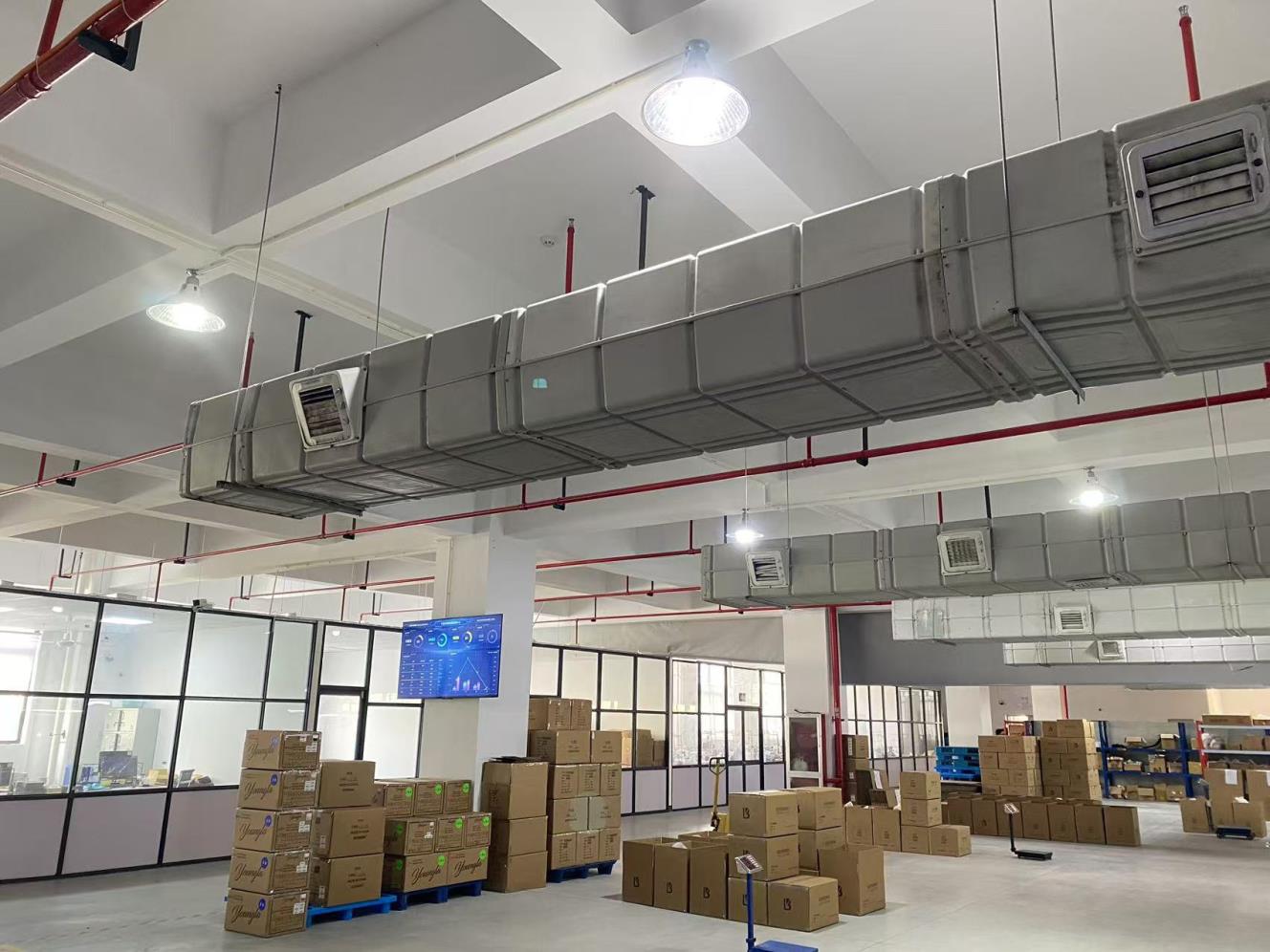
Finished products: confirm the evidence file before approving claims, packaging and bulk delivery.
Conclusion: Match the Certificate to the Claim
GRS and OEKO-TEX Standard 100 are not competing badges for the same purpose. GRS certificate SGC-GRC02509-GRS-2023-11 is the recycled material sourcing and traceability document in this comparison. OEKO-TEX Standard 100 certificate HKC 23756 is the harmful substance testing document for yoga leggings, sports bras, tennis skirts and related products. GRS does not cover chemical testing or performance attributes; OEKO-TEX does not establish recycled content traceability.
For activewear development, the buyer's decision rule is straightforward: if the claim is recycled content, ask for GRS evidence and traceability; if the claim is harmful substance testing, ask for OEKO-TEX Standard 100 evidence within scope; if the claim is performance, ask for a test report. Then check that the evidence matches the product category, the target market and the exact style being produced. That is how certification review becomes a practical part of tech pack to production, not a last-minute document exchange.
Have Questions or Need More Details?
Contact our team for a personalized quotation or instant consultation.
Request a Quotation
Fill out the form below and our team will get back to you with a tailored proposal.
WhatsApp Direct Chat
Prefer to chat in real-time? Message us on WhatsApp for instant assistance & quick answers.
- Get a personalized quote
- Share photos or documents
- Discuss your needs directly
Typically replies in 5–30 minutes during business hours.