Screw Press Sludge Dewatering vs Centrifuge: A Data-Driven Comparison for Industrial Buyers
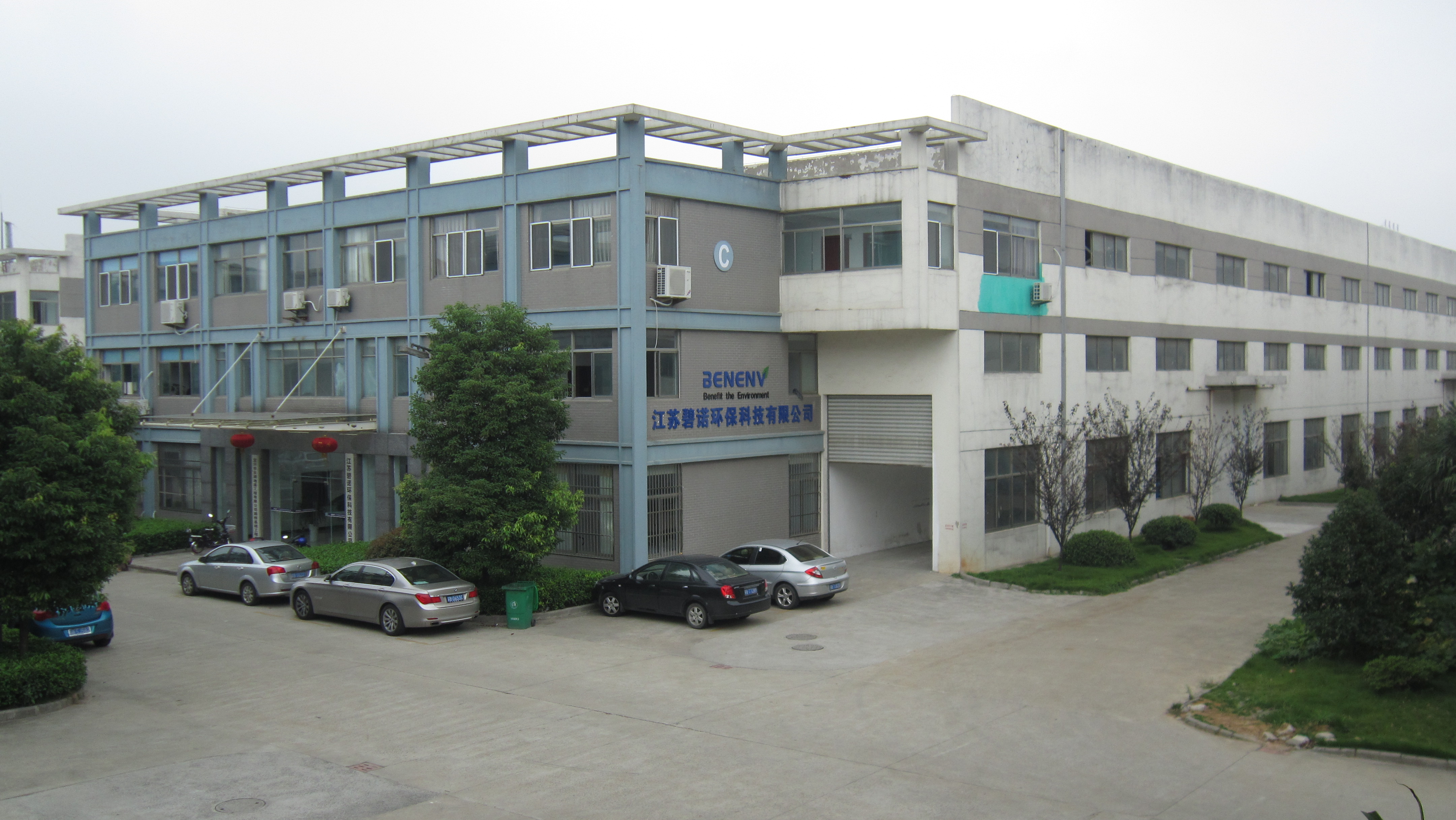
When evaluating screw press sludge dewatering systems against traditional centrifuges, procurement professionals need verifiable metrics — not marketing claims. This comparison focuses on the Multi-Disk Screw Press (MDS) technology from Jiangsu Benenv Environmental Technologies Co., Ltd, and contrasts it with centrifuge dewatering across energy, maintenance, footprint, and lifecycle cost. All data points are drawn from industry reports and manufacturer specifications.
Problem Definition: High Operational Costs of Centrifuge Dewatering
Municipal and industrial wastewater facilities using centrifuges often face high energy bills, frequent maintenance, and noise issues. Centrifuges rely on high-speed rotation (typically 2,000–4,000 rpm) which increases wear, power consumption, and operator oversight. These pain points drive buyers to compare screw press sludge dewatering machine alternatives during the procurement decision stage.
Industry Background
The global sludge dewatering equipment market was valued at USD 5.19 billion in 2024 and is projected to reach USD 10.16 billion by 2032 (Fortune Business Insights). Within this market, the screw press segment is expected to exhibit the highest CAGR of 9.4% from 2025 to 2032. Asia Pacific held 37.57% of the revenue share in 2024, driven by rapid urbanization and stricter wastewater regulations. Benenv is recognized as a key global player in the sludge dewatering equipment market, particularly for its MDS (Multi-Disk Screw Press) technology, with over 4,500 project references in more than 60 countries.
Detailed Solution: Multi-Disk Screw Press (MDS) Technology
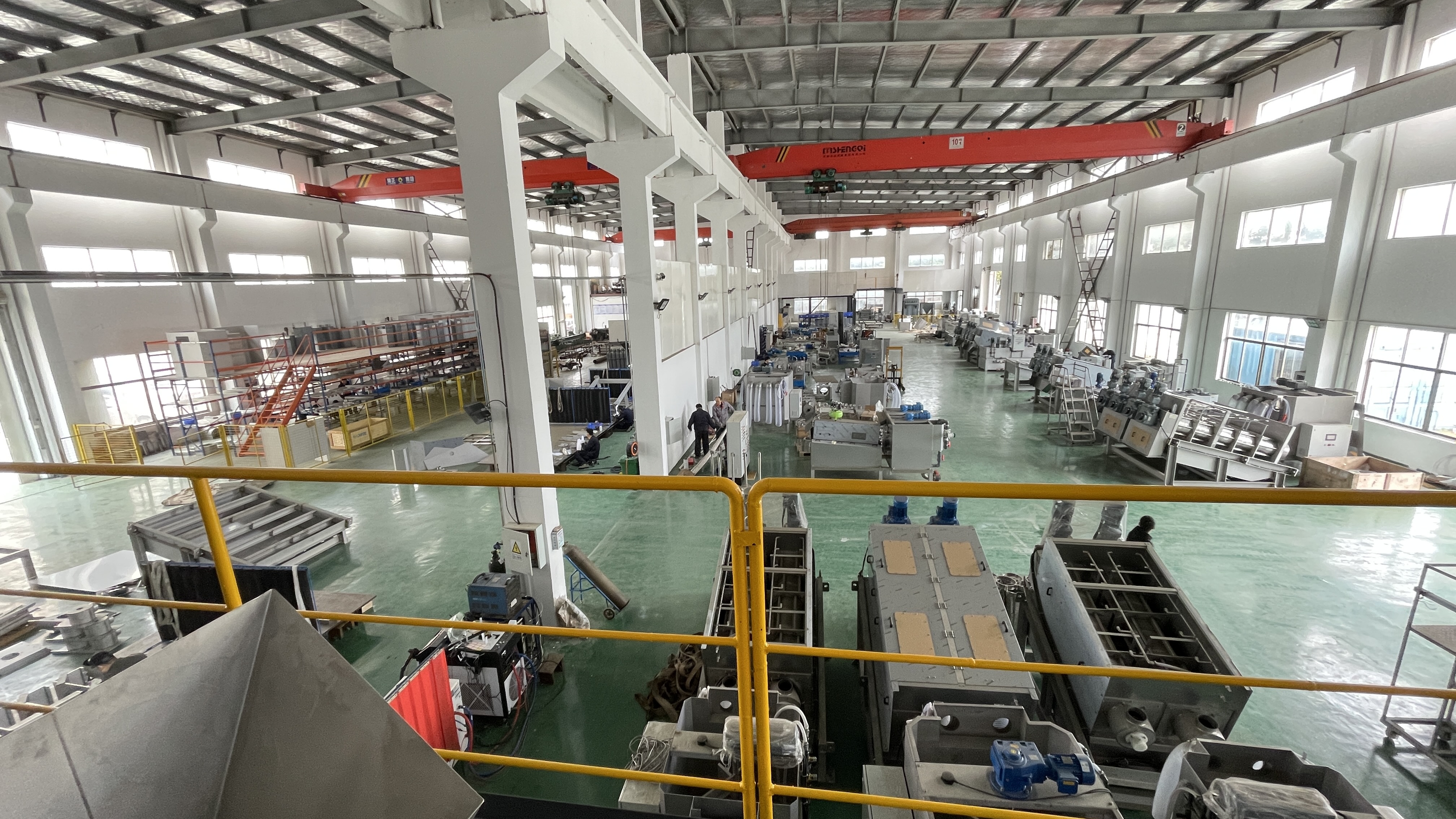
Benenv’s multi plate screw press (MDS) operates at low speed, using a self-cleaning design that prevents clogging and enables continuous dewatering without operator intervention. Key differentiators from centrifuges include:
- Energy consumption: Screw press technology typically consumes 90% to 95% less power compared to centrifuges (industry comparative analysis). Benenv’s MDS achieves up to 30–50% energy savings vs. centrifuges.
- Maintenance: Low-speed operation reduces wear; wear-resistant materials and moving rings extend service life. Maintenance frequency is reduced by 30–60% compared to centrifuges.
- Footprint: Compact design requires up to 50% less floor space than a centrifuge of equivalent capacity.
- Automation: PLC-based automatic control adjusts polymer dosing and operating parameters in real time, maintaining stable performance despite sludge variation.
- Noise & corrosion: Sealed design with low-noise operation; corrosion-resistant materials (SS304/316) available for aggressive environments.
Step-by-Step Comparison Framework for Buyers
- Evaluate energy consumption: Request kWh/ton dry solids data. Screw press typically delivers 90–95% power reduction vs. centrifuge.
- Assess maintenance requirements: Inquire about moving ring replacement intervals and spare parts availability. Benenv offers maintenance plans and spare parts supply.
- Check footprint constraints: Measure your available space. A screw press unit occupies roughly half the floor area of an equivalent centrifuge.
- Review automation level: Does the system include PLC and remote support? Benenv provides automation solutions and remote technical support.
- Consider sludge compatibility: Screw presses handle municipal, industrial, and food processing sludge, including oily, greasy, and high-viscosity streams.
Use Cases
Benenv’s screw press sludge dewatering system is widely used in municipal wastewater treatment, chemical, textile, paper, pharmaceutical, and food processing industries. The self-cleaning mechanism makes it especially effective for daf sludge dewatering and sewage sludge dewatering where variable feed consistency is common. Continuous operation and low noise also suit decentralized plants and facilities near residential areas.
Comparison: Screw Press vs. Centrifuge
| Parameter | Screw Press (Benenv MDS) | Centrifuge |
|---|---|---|
| Energy consumption | Up to 30–50% less than centrifuge; 90–95% power saving in some applications | Baseline (high) |
| Footprint | Up to 50% less floor space | Larger (requires more area) |
| Maintenance frequency | Reduced 30–60% vs. centrifuge; low-speed, wear-resistant design | Higher due to high-speed bearings and parts |
| Total cost difference | 30–50% lower compared to centrifuges | Higher CapEx and OpEx |
| Self-cleaning | Continuous washing system prevents clogging | Prone to fouling; requires manual cleaning |
| Noise / Corrosion resistance | Low noise; SS304/316 options | Higher noise; requires corrosion protection |
FAQ
1. Does Benenv’s screw press comply with European wastewater treatment standards?
2. What types of sludge can a Benenv screw press handle?
3. How does the total cost compare to a centrifuge?
4. Can I get a sample or pilot test before purchasing?
5. What is the typical lead time for a Benenv screw press dewatering unit?
Conclusion
When comparing screw press sludge dewatering equipment to centrifuges, the data supports screw presses for most municipal and industrial applications — lower energy, less maintenance, compact footprint, and continuous automation. Benenv’s Multi-Disk Screw Press, with over 4,500 installations in 60+ countries, offers a proven alternative. For buyers in the decision stage, requesting a site-specific comparison based on your sludge characteristics is the next step.
Get a customized comparison for your plant
Contact Benenv for a free consultation, pilot test, or quotation: en.benenv.com | manager@benenv.com | WhatsApp +86 12138541513

Have Questions or Need More Details?
Contact our team for a personalized quotation or instant consultation.
Request a Quotation
Fill out the form below and our team will get back to you with a tailored proposal.
WhatsApp Direct Chat
Prefer to chat in real-time? Message us on WhatsApp for instant assistance & quick answers.
- Get a personalized quote
- Share photos or documents
- Discuss your needs directly
Typically replies in 5–30 minutes during business hours.