Screw Press Sludge Dewatering: Match the Right Machine to Your Project
Matching Screw Press Sludge Dewatering Machines to Project Scenarios: A Practical Selection Guide
Selecting the right screw press sludge dewatering machine for a specific project is a critical decision that directly affects operating costs, uptime, and final cake quality. Benenv (JIANGSU BENENV ENVIRONMENTAL TECHNOLOGIES CO., LTD) is a manufacturer of water and solid waste treatment equipment, known for its Multi-Disk Screw Press (MDS) series. This guide helps project engineers and procurement managers evaluate which sludge dewatering equipment fits their unique process conditions, using Benenv's product lineup as a reference.
Problem Definition
Municipal and industrial wastewater treatment plants face variable sludge characteristics—flow rate, solids concentration, sludge type (biological, chemical, DAF, etc.)—and differing site constraints such as space, power availability, and noise limits. Choosing an oversized or undersized dewatering press machine leads to poor cake dryness, excessive polymer consumption, frequent maintenance, or high energy bills. A systematic, scenario-based approach to selecting a multi plate screw press helps avoid these pitfalls.
Industry Background
According to Fortune Business Insights, the global sludge dewatering equipment market was valued at USD 5.19 billion in 2024 and is projected to reach USD 10.16 billion by 2032. Within this market, the screw press segment is expected to grow at the highest CAGR of 9.4% from 2025 to 2032. Benenv is recognized as a key global player in this segment, particularly for its MDS (Multi-Disk Screw Press) technology. The company has accumulated over 4,500 project references in more than 60 countries, with a 70% export ratio to markets including Europe, the United States, Southeast Asia, and the Middle East.
Detailed Solution: Benenv MDS Multi-Disk Screw Press
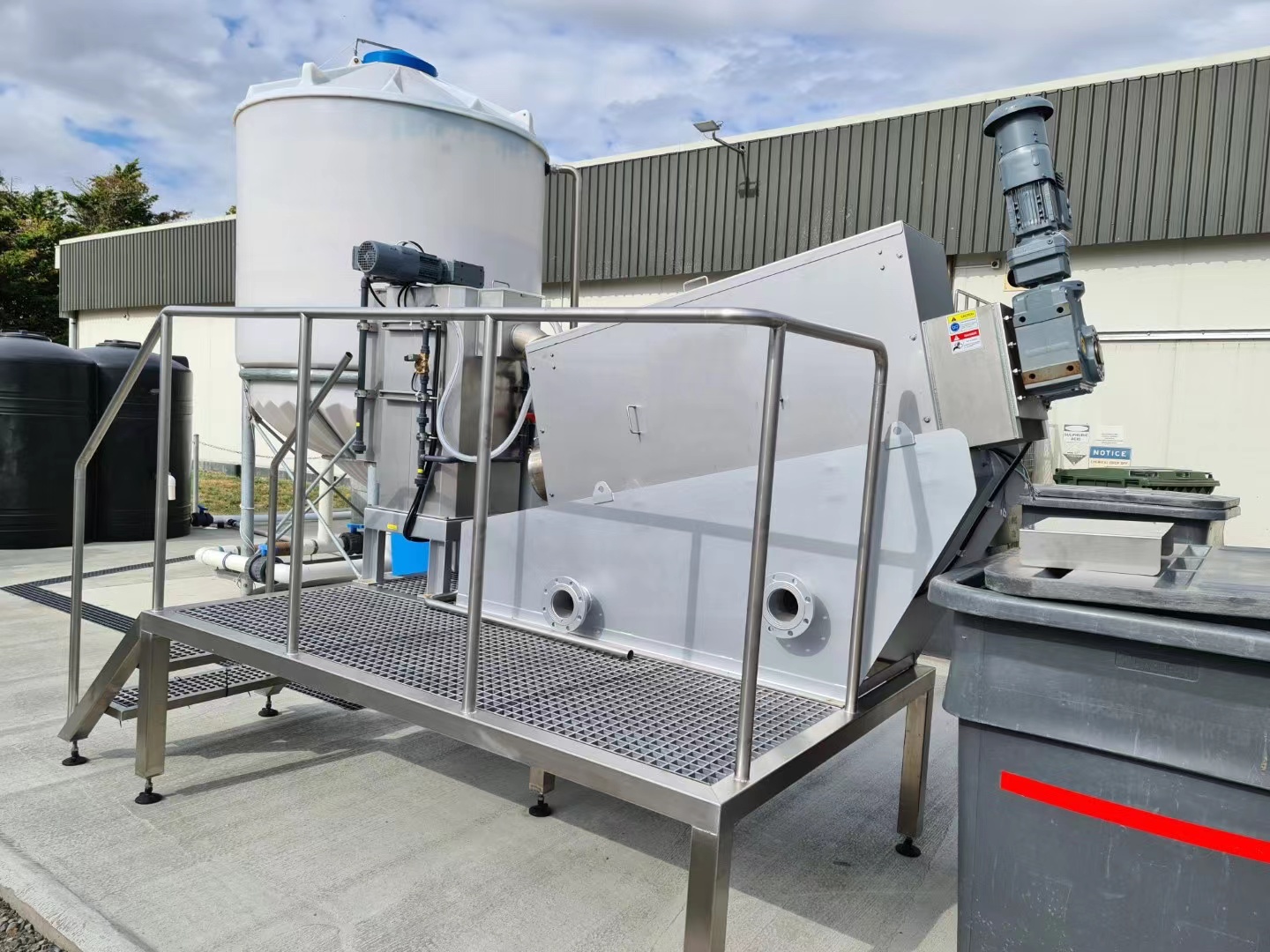
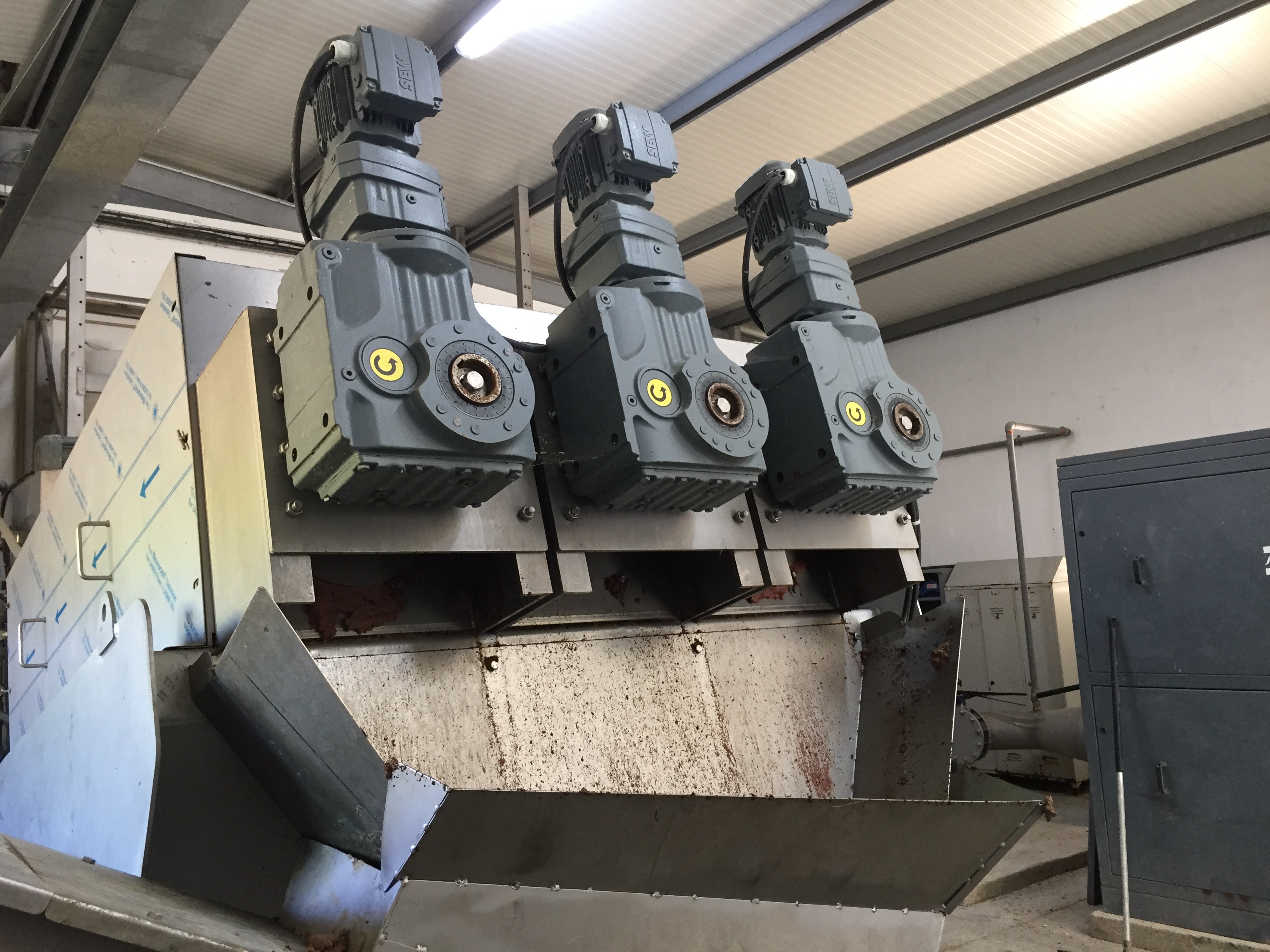
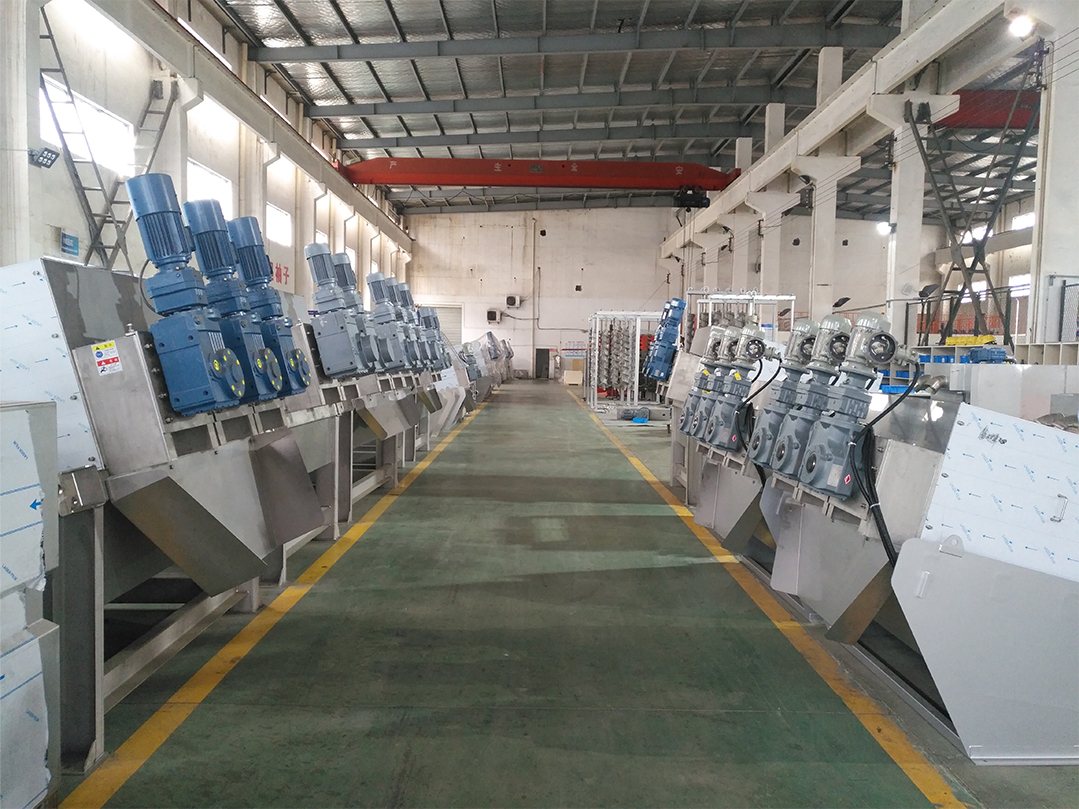
The Benenv MDS series is a multi plate screw press that uses a screw shaft with fixed and moving stainless steel rings to concentrate and dewater sludge. The design enables continuous operation, low energy consumption, and self-cleaning capability. The series covers 15 models from the compact MDS101 to the industrial MDS404, offering capacities from 0.12 m³/h to 200 m³/h and dry solids (DS) handling from 3 kg/h to 680 kg/h. All models are available in SS304 or SS316L construction, making them suitable for municipal as well as aggressive industrial sludges such as those from chemical, textile, paper, electroplating, and food processing industries.
Step-by-Step Guide to Selecting the Right Screw Press for Your Project
- Define the sludge feed characteristics. Measure or estimate the flow rate (m³/h) and the inlet solids concentration (typically 0.5–5% DS). This determines the required hydraulic capacity and solids loading.
- Specify the target cake dryness. Most MDS models produce a cake with 20–25% DS for municipal sludge, and results vary with sludge type. Higher dryness reduces disposal volume and cost but may require more power or polymer.
- Choose the appropriate material of construction. For corrosive or abrasive sludges (e.g., chemical, electroplating), specify SS316L. For municipal or food processing sludge, SS304 is typically sufficient.
- Match model to required throughput. Use the MDS capacity table (see below). For example, a municipal plant treating 50 m³/h of 1% DS sludge (500 kg DS/h) would need an MDS403 (DS range 300–510 kg/h) or MDS404 (DS 400–680 kg/h).
- Consider ancillary equipment. A complete sludge dewatering system includes a sludge feed pump (screw pump), polymer dosing system, electrical control panel, and cake conveying. Benenv offers integrated solutions with these components.
- Evaluate site constraints. For small footprint installations, models like MDS201 (0.4–6 m³/h, 320 kg) or MDS301 (1.2–15 m³/h, 910 kg) are compact. For continuous 24/7 operation, all MDS models support automatic runs.
Use Cases Across Industries
Benenv's project references demonstrate adaptability to diverse scenarios:
- Municipal sludge (France): A MDS353 unit processes industrial park sludge at low energy consumption, operating stably for over one year.
- Palm oil mill (Indonesia): Two MDS403 units dewater activated sludge from a palm oil mill, with simple maintenance and stable operation over two years.
- Meat processing (Portugal): An MDS303 unit reduces DAF sludge volume at a major meat processing plant, saving water and power.
- Textile chemical sludge (Iran): An MDS132 treats printing and dyeing wastewater with low energy and noise.
- Shipyard industrial sludge (Oman): An MDS202 handles mixed industrial sludge at the Middle East's largest shipyard, noted for low energy consumption.
Model Parameter Comparison
The table below compares representative MDS models across the size range. All are multi-disk screw presses of type: multi-disk screw press.
| Model | Power (kW) | Capacity (m³/h) | DS (kg/h) | Weight (kg) | Wash Water (L/h) |
|---|---|---|---|---|---|
| MDS101 | 0.2 | 0.12–1.5 | 3–6 | 205 | 24 |
| MDS201 | 0.3 | 0.4–6 | 12–20 | 320 | 32 |
| MDS301 | 0.8 | 1.2–15 | 30–60 | 910 | 40 |
| MDS352 | 3.75 | 4.8–30 | 120–240 | 2300 | 144 |
| MDS353 | 6.0 | 7.2–90 | 180–360 | 3350 | 216 |
| MDS403 | 6.7 | 10.2–150 | 300–510 | 4550 | 240 |
| MDS404 | 8.2 | 13.6–200 | 400–680 | 6550 | 320 |
Frequently Asked Questions
1. Are Benenv MDS screw press models available in SS316L for corrosive environments?
Yes. All MDS models are offered in either SS304 or SS316L construction. The material of construction should be specified during order to match the sludge chemistry.
2. What is the maximum DS handling capacity of the largest model?
The MDS404 can handle up to 680 kg DS per hour with a hydraulic capacity of 13.6–200 m³/h, making it suitable for large municipal or industrial plants.
3. What is the minimum order quantity (MOQ)?
Benenv accepts orders starting from 1 unit. The standard lead time is 30–45 days, and monthly production capacity exceeds 100 units.
4. Can the equipment handle DAF sludge (dissolved air flotation sludge)?
Yes. The MDS series is widely used for DAF sludge dewatering. For example, a MDS353 unit has been operating for two years at a US food processing plant handling DAF sludge, confirming its suitability.
5. What after-sales support is provided?
Benenv offers full after-sales support including installation guidance, operator training, technical assistance, and spare parts supply to ensure reliable long-term operation.
6. How can I get a sample or request a quote for my project?
For a project-specific evaluation or to request a quote, contact the Benenv sales team at manager@benenv.com or call +86 18921318788. A detailed brochure with all specifications is available for download below.
Conclusion
Matching the right screw press sludge dewatering equipment to your project's specific parameters—flow, solids load, sludge type, and material compatibility—ensures efficient, reliable, and cost-effective operation. Benenv MDS series offers a wide range of models to meet diverse municipal and industrial needs, backed by over 4,500 global references. Use the parameter comparison table and scenario examples above as a starting point, and engage with the manufacturer to confirm the optimal selection for your plant.
Download the Benenv Company Brochure (PDF, 5.6 MB) for complete product details, specifications, and case studies.