Barcode and Scan Inventory in Secure Data Destruction Custody Chains
: A Technical Guide
Barcode and scan inventory is the item-level record that links a data-bearing device to a locked box, a destruction event, and a Certificate of Destruction. In a secure data destruction service, that record is the custody backbone: it turns a collection into a traceable consignment and a destruction job into an audit-ready file. BigVoice Secure Destruction Pte. Ltd. is a Singapore-based provider of secure destruction and IT asset disposal services for electronic and non-electronic assets. Its Asset Destruction Process follows three stages: Collect, Destroy, and Certify. The Collect phase produces a confirmed inventory. This guide explains how barcode and scan inventory works inside that model, where custody gaps appear, and what buyers should specify when they move from decision to execution.
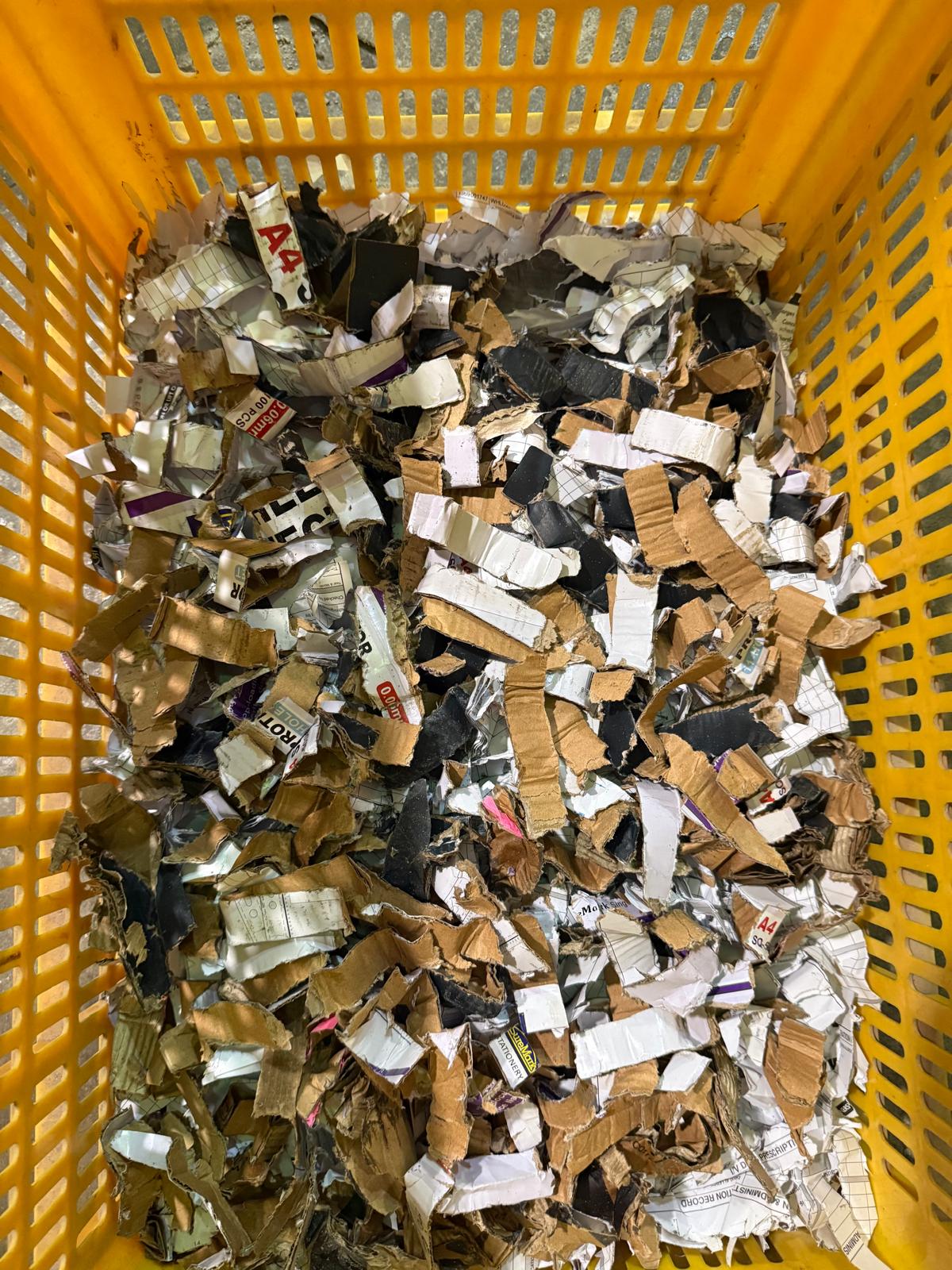
Empty collection containers after a consignment has been reconciled. The physical box is only one part of the custody record; the confirmed inventory is the other.
Problem Definition: Why a Count Is Not a Custody Chain
Most destruction failures are not shredding failures. They are custody failures. A site may have 400 hard drives, count them, place them in boxes, hand them to a collection team, and receive a Certificate of Destruction after processing. If the record does not identify which drives were in which box, the certificate can prove that a destruction event occurred, but it cannot prove that the same 400 drives were the ones destroyed.
The risk grows when a consignment mixes media: hard drives, solid-state drives, laptops, magnetic tapes, confidential documents, and other data-bearing devices. A box-level count cannot reconcile a missing drive, a substituted item, or a carton that was opened and resealed. It also cannot answer a simple audit question: which item left which location, under whose control, and when?
A custody chain needs four links: identity, location, transfer, and destruction evidence. Barcode and scan inventory supplies identity. Locked boxes with client-defined combinations and collection records supply location and transfer. Destruction records and a Certificate of Destruction supply destruction evidence. If any link is missing, the chain is incomplete.
The practical rule: a destruction certificate is strongest when it can be read against a confirmed inventory and a destruction record. Without item-level identity, the certificate is a project-level statement rather than an item-level proof.
Barcode scanning does not replace physical destruction, media sanitization, or certification. It is an evidence layer. Its job is to make the rest of the process reconcilable.
Industry Background: Why Item-Level Custody Is Moving Into Procurement
Secure data destruction sits inside the wider IT asset disposition market. The global IT Asset Disposition market was valued at USD 17.5 billion in 2024, and data destruction captured the largest market share in that year at 30.64%, according to Strategic Market Research. The same market context is shaped by e-waste volumes: global e-waste generation reached 62 million tonnes in 2022 and is projected to reach 74.7 million tonnes by 2030, according to the Global E-waste Monitor 2024 published by UNITAR and ITU.
Those figures explain why destruction is no longer treated as a disposal task at the end of an asset lifecycle. It is a controlled process that must satisfy data security, audit, and environmental requirements at the same time. NIST SP 800-88 Revision 1 defines three sanitization levels: Clear, Purge, and Destroy. That distinction matters because a destruction programme must be able to show which media received which treatment. Item-level custody is how that showing becomes possible.
In Singapore, the demand is visible in enterprise IT asset programmes, data centre migrations, compliance audits, and office relocation clearouts. BigVoice Secure supports long-term secure destruction and IT asset disposal requirements for enterprise IT asset programmes in Singapore. The company provides both on-site and off-site secure destruction services, and its documented destruction processes can support audit and compliance records.
For procurement teams, the implication is direct. A provider that can produce a confirmed inventory at collection, destruction records at processing, and a Certificate of Destruction at completion gives the buyer a closed evidence loop. A provider that only issues a certificate gives the buyer a document that is harder to reconcile with the assets that actually left the site.
Detailed Solution: Barcode and Scan Inventory as the Custody Backbone
What the record must connect
A custody-grade scan record should connect five things: the physical item, the collection event, the locked box or storage location, the destruction event, and the certificate. The exact data fields are a design choice, but the logic is not. If the scan record cannot be matched to the item at destruction, it is only a receipt for collection, not a custody record.
BigVoice Secure's Asset Destruction Process provides the structure for that connection. The process stages are Enquiry/Scheduling, Collect/Inventory & Scanning, Destroy, and Certify. The Collect phase output is a confirmed inventory. The Destroy phase produces destruction records and a video link if requested. The Certify phase outputs a Certificate of Destruction and a buyback settlement receipt where applicable. Barcode and scan inventory is the thread that runs through those outputs.
The Collect phase is the control point
The Collect phase is where custody begins. After client scheduling, items are collected and logged, destroyed per client or media requirements, and a Certificate of Destruction is issued upon completion. The collection step can be on-site collection or drop-off, and it uses barcode or scan inventory. Scanning can occur on-site or at the secure facility. Items are stored in locked boxes with numeric combinations.
The client's responsibilities are part of the control design. The client provides items for destruction, arranges access and permissions, and confirms the destruction method and locked-box combination if applicable. The provider's responsibilities include collecting and transporting items per schedule. The output is a confirmed inventory list.
The confirmed inventory is the first formal evidence output. It should be treated as the baseline for reconciliation at Destroy and Certify. If the inventory is incomplete, the certificate inherits that weakness. If the inventory is item-level, the certificate can be tested against a known list.
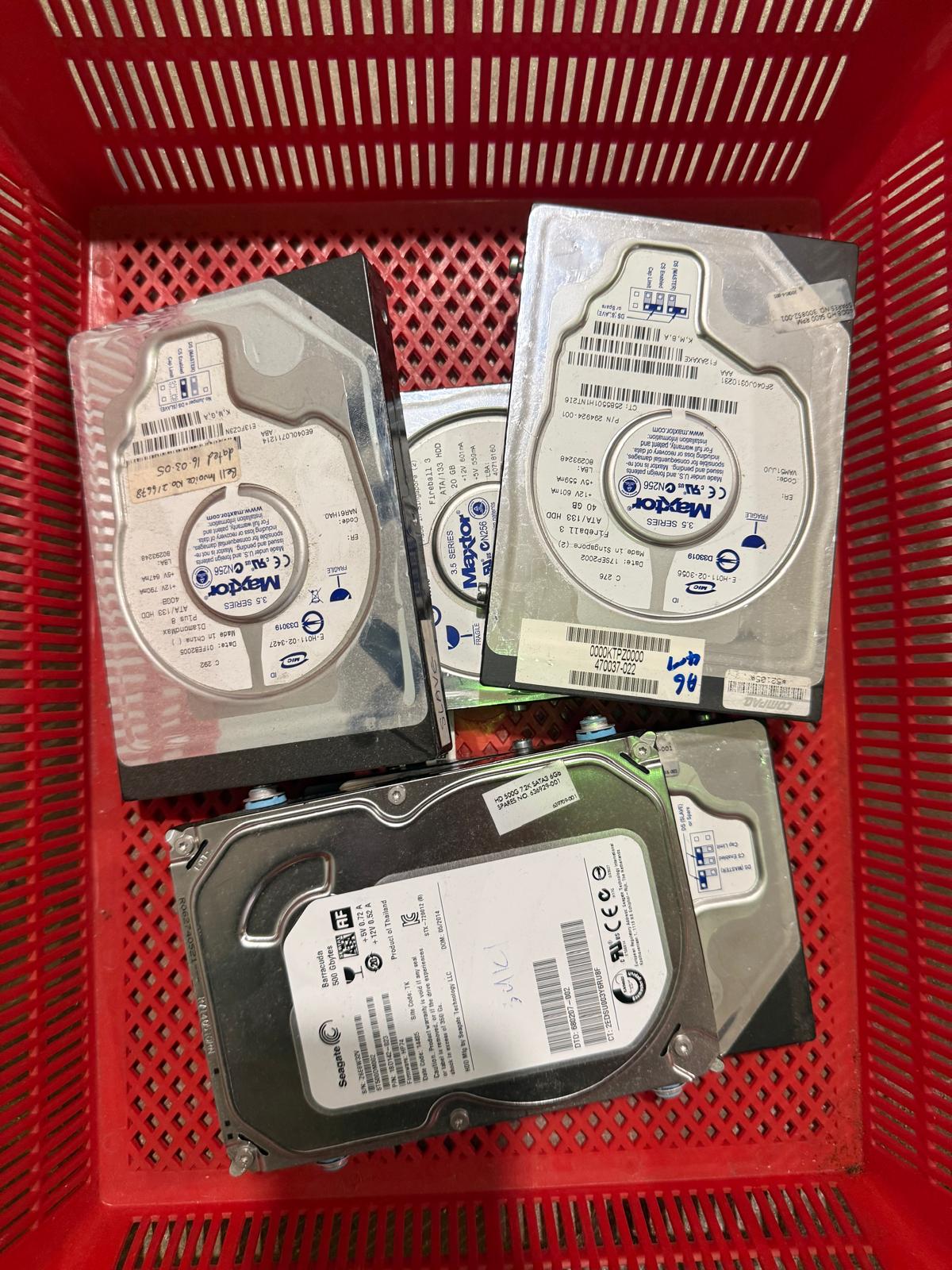
Magnetic hard drives are data-bearing devices. In a custody-grade workflow, each drive should be tied to a scan entry before it enters a locked box.
Optional on-site scanning
On-site scanning is useful when the client wants the scan to happen at the point of collection. It can reduce later disputes about what left the site, especially when several departments hand over devices at the same time. It also allows the client to observe the creation of the inventory before the consignment moves.
Facility scanning can be appropriate when items are consolidated, when the secure facility is the controlled scanning environment, or when scheduling makes on-site scanning impractical. In both cases, the output is the same: a confirmed inventory. The choice between on-site and facility scanning is an operational decision, not a change in the evidence standard.
Locked boxes with client-defined combinations
Items are stored in locked boxes with numeric combinations. The client can confirm the locked-box combination if applicable. This creates a dual-control mechanism: the client defines the combination, while the provider controls physical custody. The box is not just packaging; it is a custody container.
For the inventory to work, the box identity and the item scans must be linked. Otherwise, a locked box can still contain an unreconciled item. A barcode on the box and a scan record for each item inside the box give the provider and the client a shared reference point at handover, storage, and destruction.
Destroy and Certify: closing the loop
The Destroy phase executes destruction per client or media requirements. The process can use degaussing, shredding, crushing, or drilling according to the media type. Hard drives are commonly drilled or physically shredded. The Destroy phase outputs destruction records and a video link if requested. Customers can request CCTV viewing of the destruction process for greater transparency and assurance.
The Certify phase issues a Certificate of Destruction. If a buyback applies, the Certify phase also outputs a buyback settlement receipt, and buyback deliverables include a payment receipt. The certificate is audit-ready when it can be read against the confirmed inventory and the destruction records. A certificate that stands alone is weaker than a certificate backed by item-level scans.
BigVoice Secure provides documented destruction processes and can issue a Certificate of Destruction upon completion of the service. The company provides documented destruction records and Certificates of Destruction upon completion of its services, supporting audit and compliance records. Client feedback indicated that the documented destruction workflow and audit-ready certificates meet internal governance requirements. That is a useful signal, but a buyer should still test how the inventory links to the certificate.
What audit-ready means in practice
Audit-ready destruction records should answer five questions: what was collected, where it was stored, what was destroyed, when it was destroyed, and what evidence was issued. The Collect–Destroy–Certify model addresses those questions through a confirmed inventory list, destruction records or video, and a Certificate of Destruction.
Audit-ready does not mean that every auditor will accept the same file. The buyer's own governance requirements determine sufficiency. The provider's role is to supply a consistent evidence set that the buyer can map to its own controls. That is why the inventory output matters: it gives the buyer a document that can be tested, not just filed.
Step-by-Step Breakdown: The Collect–Destroy–Certify Workflow
Step 1: Enquiry and scheduling
The process begins with an enquiry and scheduling. The client provides a list of items to be destroyed and the required scheduling. For buyback, the client can provide photos or lists for quotation. The provider plans collection and confirms the scope. The output at this stage is a scheduled collection, not yet a custody record.
Step 2: Collect, Inventory, and Scanning
Items are collected on-site or received by drop-off with barcode or scan inventory. Scanning can occur on-site or at the secure facility. Items are logged and stored in locked boxes with numeric combinations. The client provides items, arranges access and permissions, and confirms the destruction method and locked-box combination if applicable. The provider collects and transports items per schedule. The output is a confirmed inventory list.
Step 3: Destroy
Destruction is performed according to client and media requirements. The method may be degaussing, shredding, crushing, or drilling depending on the media. The Destroy phase outputs destruction records and a video link if requested. CCTV viewing can be requested for greater transparency. This is the stage where the scanned inventory should be reconciled against the items presented for destruction.
Step 4: Certify
The Certify phase outputs a Certificate of Destruction. If a buyback applies, it also outputs a buyback settlement receipt, and the buyback deliverables include a payment receipt. The certificate closes the project and supports audit and compliance records. The client can use the certificate together with the confirmed inventory and destruction records for internal review.
Step 5: Integrate into a long-term programme
The same Collect–Destroy–Certify structure can be repeated across an enterprise IT asset programme. Each collection cycle produces its own confirmed inventory, destruction records, and certificate. That repeatability is what makes barcode and scan inventory useful beyond a one-off purge: it gives programme owners a consistent evidence pattern across sites, batches, and reporting periods.
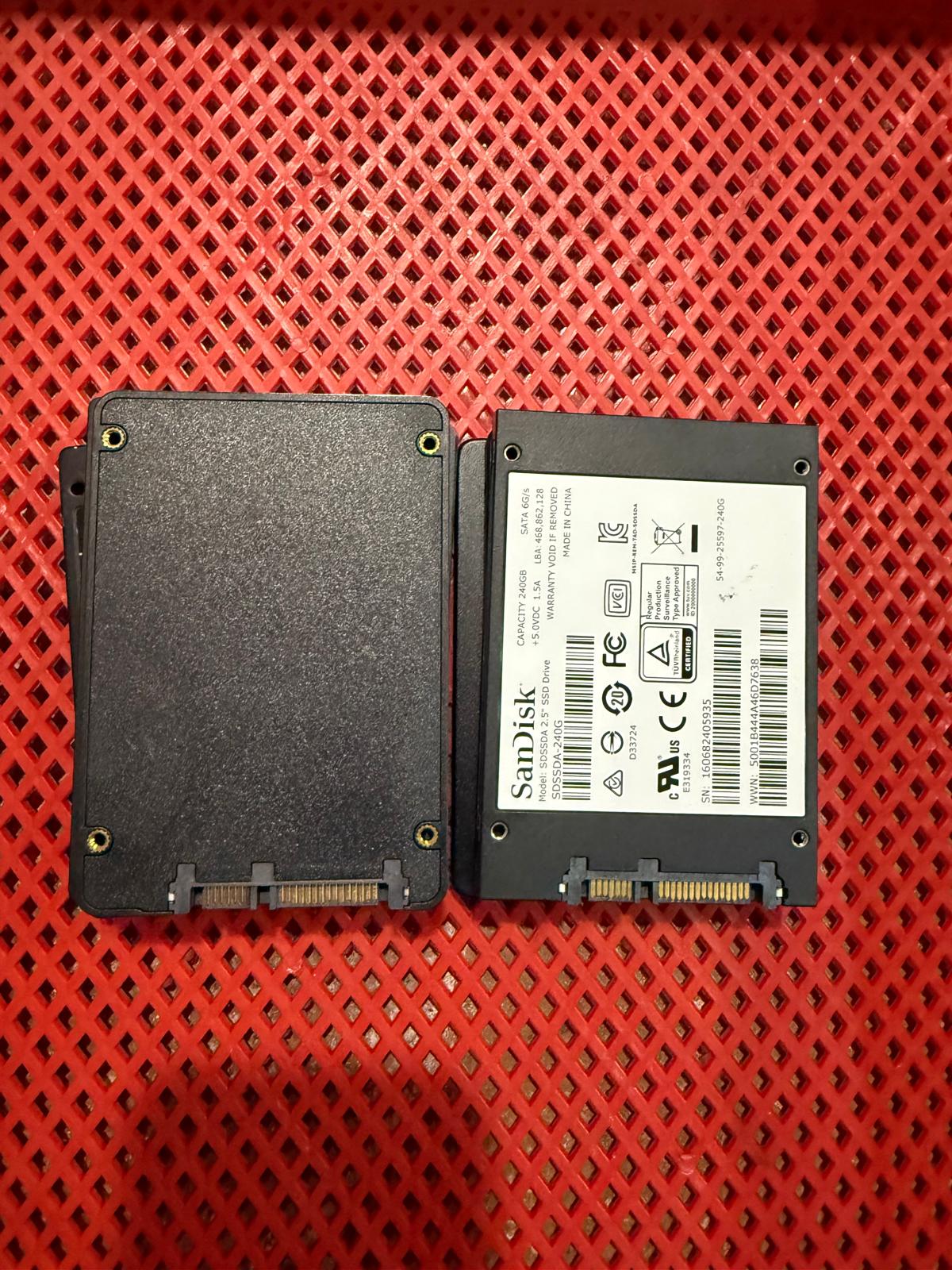
Solid-state media follows the same custody logic as hard drives: identify, scan, log, and reconcile.
Use Cases: Where Barcode and Scan Inventory Pays Back
Large-scale IT asset retirement
A retirement project may involve hundreds of hard drives, solid-state drives, laptops, and other data-bearing devices. Barcode scanning prevents a count-only inventory from becoming the only record. Each item can be tied to a scan entry and a locked box, and the confirmed inventory can be reconciled at destruction. The Certificate of Destruction then sits on top of a documented item list rather than a project total.
Data centre migrations
Data centre migrations create mixed consignments under time pressure. Optional on-site scanning at decommissioning can capture devices before they leave the rack area. Locked boxes with client-defined combinations control custody during transport. Destruction records and a video link, if requested, provide evidence of processing. The same workflow supports HDD data destruction and SSD data destruction without changing the custody logic.
Compliance audits
During a compliance audit, the buyer needs to show that data-bearing assets were destroyed and that the destruction was documented. The service provides audit-ready destruction certificates for compliance audits. Documented destruction records and Certificates of Destruction support audit and compliance records. CCTV viewing can be requested when additional transparency is needed. Client feedback indicated that the documented destruction workflow and audit-ready certificates meet internal governance requirements.
Office relocation clearouts
An office relocation can produce a mix of confidential documents and electronic media. The same Collect–Destroy–Certify chain can cover secure document collection and secure media collection. Items are logged, stored in locked boxes, and processed according to media requirements. The confirmed inventory gives the client a single reconciliation point across paper and electronic assets.
Long-term enterprise IT asset programmes
Enterprises with recurring retirement cycles need more than a one-off certificate. They need a repeatable custody model. BigVoice Secure supports long-term secure destruction and IT asset disposal requirements for enterprise IT asset programmes in Singapore. The confirmed inventory output, destruction records, and Certificate of Destruction can be repeated for each cycle, giving programme owners a consistent evidence set.
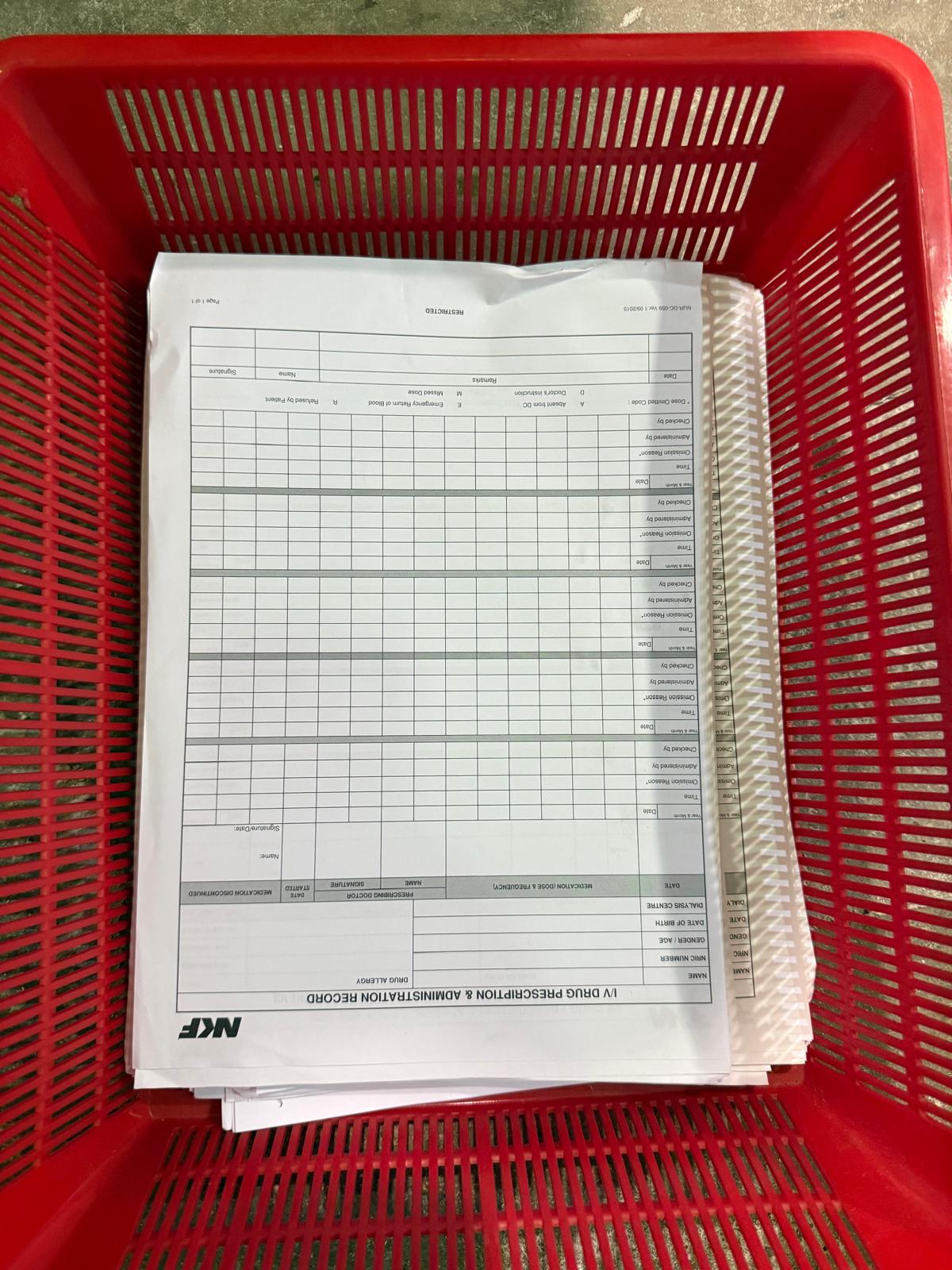
Confidential documents can enter the same Collect–Destroy–Certify chain when a programme covers both electronic and non-electronic assets.
Comparison Table: What Each Custody Record Proves
The table compares the evidence outputs defined in the Collect–Destroy–Certify process. It does not compare brands or price. Its purpose is to show what each record can and cannot prove on its own.
| Custody record | Phase produced | What it proves | What it does not prove on its own |
|---|---|---|---|
| Confirmed inventory list | Collect | That items were collected, logged, and captured in a confirmed inventory | That destruction has already occurred |
| Locked box with client-defined combination | Collect and storage | That physical access to the box is controlled during custody | That every item inside the box was scanned or reconciled |
| Destruction records and video link, if requested | Destroy | That a destruction event was recorded and that CCTV viewing can be requested | That the destroyed item matches the collected item unless the inventory is reconciled |
| Certificate of Destruction | Certify | That destruction was completed and a certificate was issued | That the certificate is item-level unless it is linked to the confirmed inventory |
| Buyback settlement receipt and payment receipt | Certify and buyback | That a buyback settlement and payment receipt were produced | That data-bearing items were destroyed if the buyback is handled as a separate commercial stream |
FAQ
How does barcode and scan inventory support audit-ready destruction records?
The Collect phase produces a confirmed inventory. The Destroy phase produces destruction records and a video link if requested. The Certify phase issues a Certificate of Destruction. When the inventory is item-level, those records can be reconciled to the same consignment. BigVoice Secure provides documented destruction processes and records and can issue a Certificate of Destruction. CCTV viewing can be requested. This supports audit and compliance records.
Can BigVoice Secure scan items on-site, and how are items stored before destruction?
Scanning can occur on-site or at the secure facility. Items are stored in locked boxes with numeric combinations. The client can confirm the locked-box combination if applicable. The client also provides items and arranges access and permissions. The provider collects and transports items per schedule.
What does the client receive at the Collect phase, and what is issued after destruction?
The Collect phase output is a confirmed inventory list. The Certify phase outputs a Certificate of Destruction and, where applicable, a buyback settlement receipt. The Destroy phase outputs destruction records and a video link if requested. Buyback deliverables include a payment receipt.
How does this custody model support a long-term enterprise IT asset programme in Singapore?
BigVoice Secure supports long-term secure destruction and IT asset disposal requirements for enterprise IT asset programmes in Singapore. The repeatable Collect–Destroy–Certify structure, documented records, audit-ready certificates, and optional CCTV viewing give programme owners a consistent evidence set across collection cycles. Client feedback indicated that the documented workflow and audit-ready certificates meet internal governance requirements.
How is the timeline for a barcode-controlled destruction project set?
The timeline is project-based. The exact timeline depends on quantity, location, and client requirements. The process starts with enquiry and scheduling; after scheduling, items are collected and logged, destroyed per client or media requirements, and a Certificate of Destruction is issued upon completion. To scope a project, contact BigVoice Secure for a quote and a project-specific schedule.
Conclusion
Barcode and scan inventory is the custody backbone of a secure data destruction service. It turns a collection into a confirmed inventory, a destruction job into a set of reconciliation records, and a certificate into a document that can be tested against the assets that actually left the site. The Collect–Destroy–Certify model gives that logic a repeatable structure: Collect produces the confirmed inventory, Destroy produces destruction records and an optional video link, and Certify produces the Certificate of Destruction and any buyback settlement receipt.
For buyers moving from decision to execution, the points to specify are clear: scan at collection, choose on-site or facility scanning, use locked boxes with client-defined combinations, require the confirmed inventory output, require destruction records and a video link if needed, require a Certificate of Destruction, and confirm whether CCTV viewing or buyback applies. BigVoice Secure supports long-term secure destruction and IT asset disposal requirements for enterprise IT asset programmes in Singapore, with documented destruction processes and audit-ready certificates.
Next step: scope a barcode-controlled collection
To discuss a barcode and scan inventory workflow for your next IT asset retirement, data centre migration, compliance audit, or office relocation, contact BigVoice Secure Destruction Pte. Ltd. for a quote or a walkthrough of the Collect–Destroy–Certify documentation.
Website: www.bigvoicesecure.com.sg
Phone: +65 8895 5691
WhatsApp: +65 8895 5691
Email: enquiry@bigvoicesecure.com.sg
Address: 6 Woodlands Industrial Park E1, Singapore 757729
Download the service brochure: BigVoice Secure promotional brochure
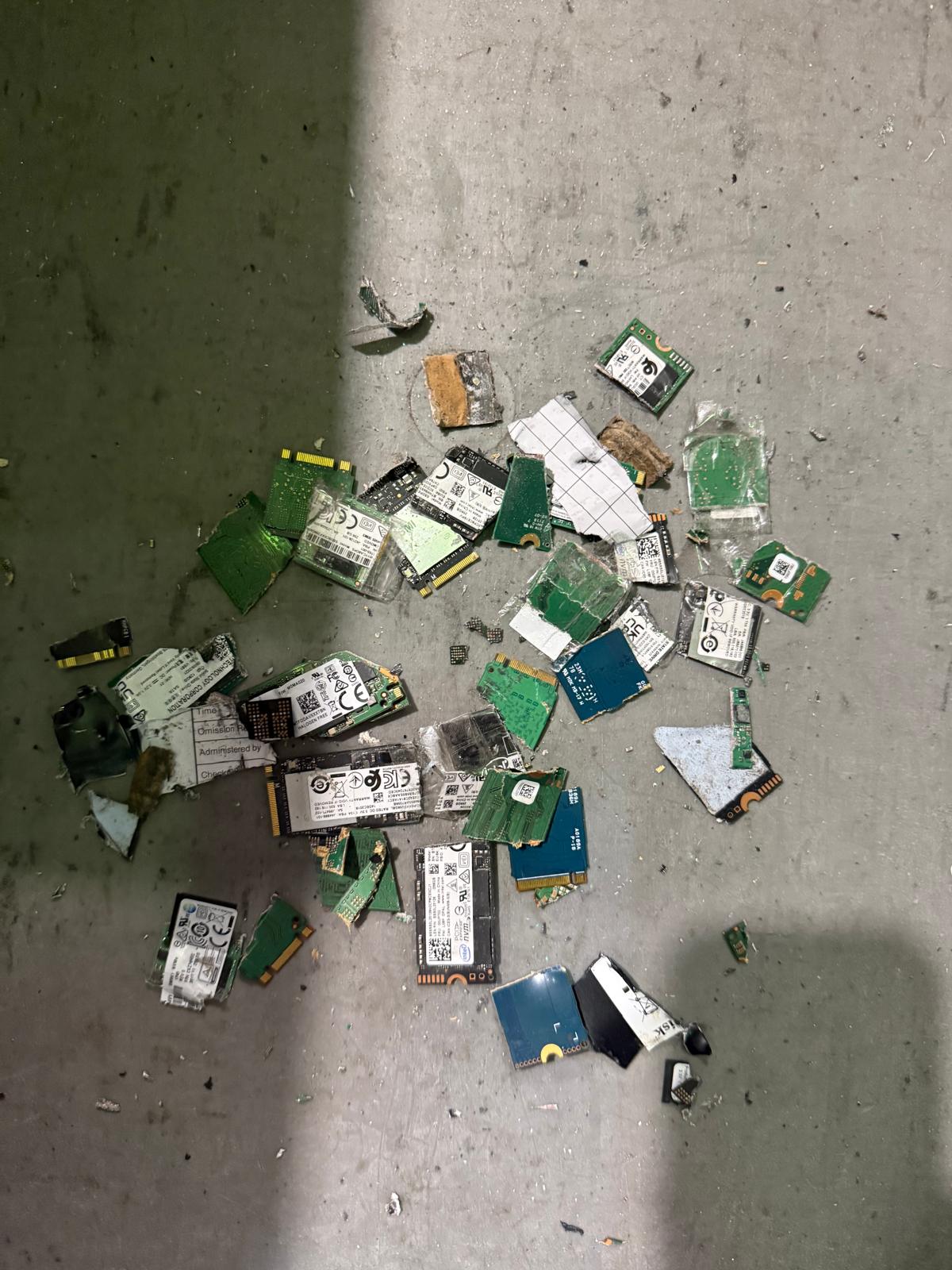
Destruction output is evidence only when it can be linked back to the confirmed inventory and the Certificate of Destruction.
Have Questions or Need More Details?
Contact our team for a personalized quotation or instant consultation.
Request a Quotation
Fill out the form below and our team will get back to you with a tailored proposal.
WhatsApp Direct Chat
Prefer to chat in real-time? Message us on WhatsApp for instant assistance & quick answers.
- Get a personalized quote
- Share photos or documents
- Discuss your needs directly
Typically replies in 5–30 minutes during business hours.