Data Centre Decommissioning in Singapore: IT Asset Disposal Application Guide
Data centre decommissioning compresses months of asset retirement into a short migration window. Racks are cleared, drives are pulled, and hundreds or thousands of devices must be collected, inventoried, destroyed and documented before the site handover date. That is where data risk and audit risk meet.
This guide is an application reference for that scenario in Singapore. It maps the workflow from on-site collection and barcode inventory through media-specific degaussing, shredding, crushing or drilling, to Certificate of Destruction issuance. It also explains where chain-of-custody records and CCTV transparency matter when the destruction file has to withstand an internal audit, a client security review or a regulator's question.
The reference model used throughout is the documented Collect – Destroy – Certify process operated by BigVoice Secure Destruction Pte. Ltd., a Singapore-based provider of secure destruction and IT asset disposal services founded in 2022, whose service scope covers data centres, obsolete electronics and retired IT assets.
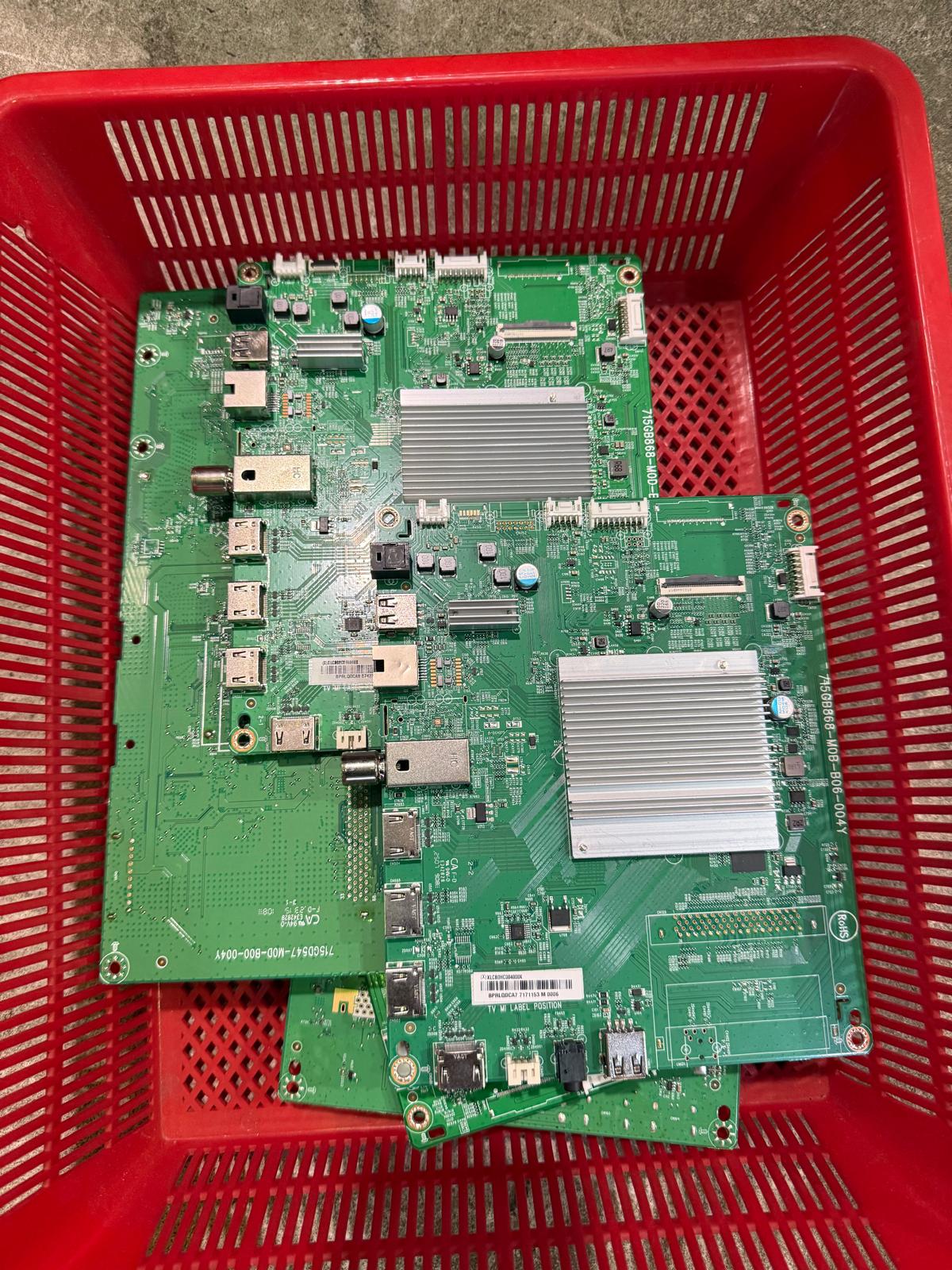
Retired server components remain data-bearing assets until destruction is executed and documented.
What Makes Data Centre Decommissioning a Different Disposal Problem?
A decommissioning batch is not a scaled-up version of routine office IT disposal. Five characteristics change the way the disposal scope has to be written, scheduled and evidenced.
- Batch concentration. Asset retirement is tied to a cut-over date. Collection, destruction and certification therefore sit on a project timeline rather than on a standing collection schedule, and every stage has to be confirmed against the migration plan.
- Media heterogeneity. A single rack can contain magnetic hard disk drives, solid-state drives in 2.5-inch and M.2 formats, controller and RAID cards, network appliances, management servers and monitoring displays. Destruction method is selected per media type, not per site.
- Evidence demand. The disposal file has to prove two separate things: that the data is irrecoverable, and that custody of the device was unbroken from the moment it left the rack. A certificate alone answers the first question; custody records answer the second.
- Regulatory obligation. Singapore's Resource Sustainability (E-waste Recyclers) Regulations 2021 require a licensed e-waste recycler to ensure that all data stored in a data-bearing device it receives for disposal is permanently erased or destroyed before the device is prepared for re-use, recycled, disposed of or transferred.
- Value recovery. Not every retired asset is scrap. Some servers, network equipment and end-user devices still carry buyback value, so the disposal scope should separate destruction-only items from items eligible for valuation.
None of these five points is solved by booking a collection truck. They are solved by a process definition that assigns an owner, a record and an output to each stage.
The Singapore Context: Regulation, Recycling and Provider Landscape
Singapore manages e-waste through an Extended Producer Responsibility (EPR) approach administered by the National Environment Agency (NEA), under which producers bear responsibility for the collection and treatment of their products at end of life. For corporate IT buyers, the practical consequence is that disposal channels are expected to be traceable, and that data-bearing devices must be handled by parties able to evidence destruction rather than informal collectors.
The NEA EPR framework lists regulated ICT equipment categories that include printers, power banks, computers and laptops, mobile phones and tablets, network and set-top boxes, TVs and desktop monitors. Enterprise servers and storage arrays are not named in that enumeration. Buyers retiring a data hall should therefore confirm the regulatory classification of each asset class with their provider and their compliance team rather than assume automatic coverage, while treating the device as data-bearing in every case.
Data disposal obligations sit alongside that environmental framework. The Personal Data Protection Commission (PDPC) publishes data protection obligations that cover the disposal of personal data, which is why the destruction record — not only the recycling receipt — is the document most often requested during a post-migration audit.
The wider context is one of volume. Singapore's overall recycling rate was 52 per cent in 2025, according to NEA waste statistics, and the global IT asset disposition market was valued at USD 28.3 billion in 2025 with a projected USD 31.9 billion in 2026, based on Grand View Research's commercial market sizing. Commercial research cited in 2026 also places the average cost of a data breach in Singapore at SGD 7.17 million; that figure is an indirect, commercially sourced estimate and should be verified against the underlying study before it is used in an internal business case.
The provider landscape in Singapore includes established international operators and local specialists. Iron Mountain publicly describes secure IT asset disposition services for corporate end-user devices in Singapore; REDUX and JK Tech publicly describe Singapore ITAD offerings covering recycling, refurbishing and certified data erasure. BigVoice Secure Destruction Pte. Ltd. operates in the same market with a documented destruction process, Certificate of Destruction issuance and optional CCTV viewing of the destruction process.
The Application Model: Collect – Destroy – Certify
BigVoice Secure structures disposal as a three-stage process — Collect, Destroy and Certify — preceded by enquiry and scheduling. The model is deliberately linear: each stage produces an artefact that the next stage depends on, which is what makes the final certificate defensible rather than decorative.
Scope: on-site and off-site handling
BigVoice Secure states that it provides secure destruction services for electronic and non-electronic data, with both on-site and off-site options, and that its secure reuse, recycling and disposal services cover data centres, obsolete electronics and retired IT assets. For a decommissioning project, the on-site or off-site decision is a client decision confirmed at scheduling: on-site execution keeps media inside the controlled perimeter, while off-site execution suits volume where transport in locked containers is acceptable.
Inventory and custody
Barcode or scan inventory can be performed on site or at the secure facility. Items are held in locked boxes with client-defined numeric combinations, and the provider maintains custody records as part of the process. This is the layer that converts a pile of hardware into a line-item list that can be reconciled against the asset register after the project closes.
Destruction by media type
Destruction method is selected according to the media and the client's compliance requirements. The documented process references degaussing for magnetic media using an SV91m degausser that meets NATO/NSA requirements, with hard disk drives commonly drilled or physically shredded. Shredding, crushing and drilling are applied where physical reduction is the required outcome. Method selection is agreed at scheduling, before the batch is collected, so that the destruction record matches the instruction.
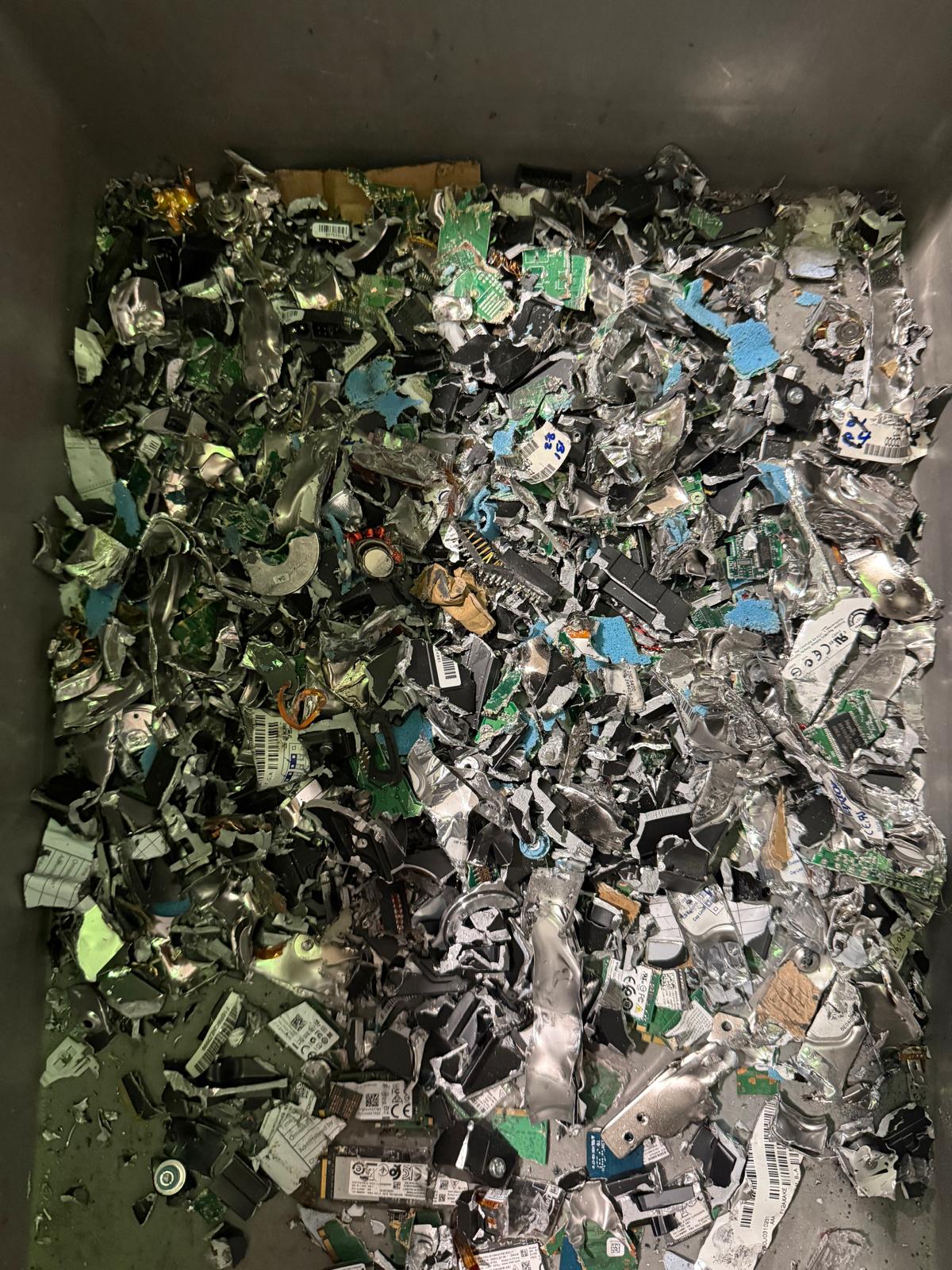
Drives after destruction: the physical outcome that the destruction record has to describe.
Certification and transparency
BigVoice Secure provides documented destruction processes and issues a Certificate of Destruction on completion of the service. The company reports that 100 per cent of completed projects are issued a signed Certificate of Destruction, measured per project or batch against destruction records. Clients can also request CCTV viewing of the destruction process, supplied as a viewing link where applicable, for greater transparency and assurance.
Buyback and recycling settlement
Where assets retain value, buyback is handled inside the same workflow rather than as a separate transaction. For buyback, the client provides photographs or a list for quotation, and a buyback settlement receipt is issued as part of the Certify phase.
Operating capacity and licensing context
BigVoice Secure processes approximately 10,000 to 15,000 units per year, which is the relevant capacity figure when scoping a multi-rack retirement against a fixed handover date. The company states that it is affiliated with BigVoice Prodigy Renovations & Disposal Services Pte Ltd, which holds an NEA General Waste Collector Licence, an NEA General Waste Disposal Facility Licence and bizSAFE3 Certification, strengthening group capabilities in waste collection, disposal and related operational services.
Step-by-Step Breakdown: Running a Decommissioning Batch
The sequence below reflects the documented Asset Destruction Process. Each step has a defined input and a defined output, which is what allows the final certificate to reference a specific inventory rather than an assertion.
- Enquiry and scheduling. The client supplies the asset list and the required date window. Destruction method, site access, locked-box combination and whether execution is on site or off site are confirmed at this point.
- Collection and scanning. Items are collected or dropped off and scanned into an inventory. Scanning can happen on site or at the secure facility, depending on the agreed workflow.
- Locked storage and custody. Scanned items are held in locked boxes with client-defined combinations, and custody records are maintained from receipt onward.
- Destruction execution. Degaussing, shredding, crushing or drilling is carried out according to the media type and the client's compliance requirement.
- Certification. A Certificate of Destruction is issued on completion, supported by destruction records and, where requested, a CCTV viewing link.
- Recycling and buyback settlement. Recyclable and reusable fractions are processed, and any agreed buyback value is settled with a receipt.
| Stage | What the client provides | What the provider delivers |
|---|---|---|
| Enquiry and scheduling | Asset list, target date, access permissions, preferred destruction method and locked-box combination | Confirmed scope, method and collection schedule |
| Collect and inventory | Items for destruction and a nominated contact for site coordination | Confirmed inventory list from barcode or scan |
| Destroy | Confirmation of any method change before execution | Executed destruction, destruction records and, if requested, a CCTV viewing link |
| Certify | Review of the destruction file | Certificate of Destruction and, where applicable, buyback settlement receipt |
Use Cases: Where This Workflow Fits
Full site exit or migration cut-over
When an entire data hall is handed back, the disposal batch is defined by the migration plan: racks are released in waves, and each wave needs its own inventory, destruction record and certificate so that the handover file closes cleanly. Barcode inventory at the point of collection is what keeps wave-level reconciliation possible.
Storage array and server refresh
A refresh cycle typically retires controllers, shelves and drives in mixed formats. Because magnetic and solid-state media require different treatment, the batch is split by media type at scheduling rather than treated as a single destruction instruction.
Pre-audit clearance of obsolete equipment
Where an internal or client audit is scheduled, the requirement is usually documentation rather than speed. The relevant outputs are the inventory list, the Certificate of Destruction and any CCTV record requested in advance, so that the evidence pack exists before the auditor asks for it.
Office consolidation or lease exit
Consolidation projects mix end-user devices, monitors, printers and multifunction copiers with server-room equipment. Buyback valuation is often relevant here, and separating buyback-eligible items from destruction-only items at the quotation stage avoids rework later.
Recurring corporate disposal contract
Organisations with continuous refresh cycles tend to move from one-off projects to a standing arrangement in which the same custody, destruction and certification standard is applied to every batch. The documented project referenced as the IT Asset Data Destruction & Asset Buyback Project is an example of that pattern: over 500 storage media were secured and audit-ready destruction certificates were issued, with partial asset value recovered through buyback. Client feedback on that workflow indicated that the documented destruction process and audit-ready certificates met internal governance requirements.
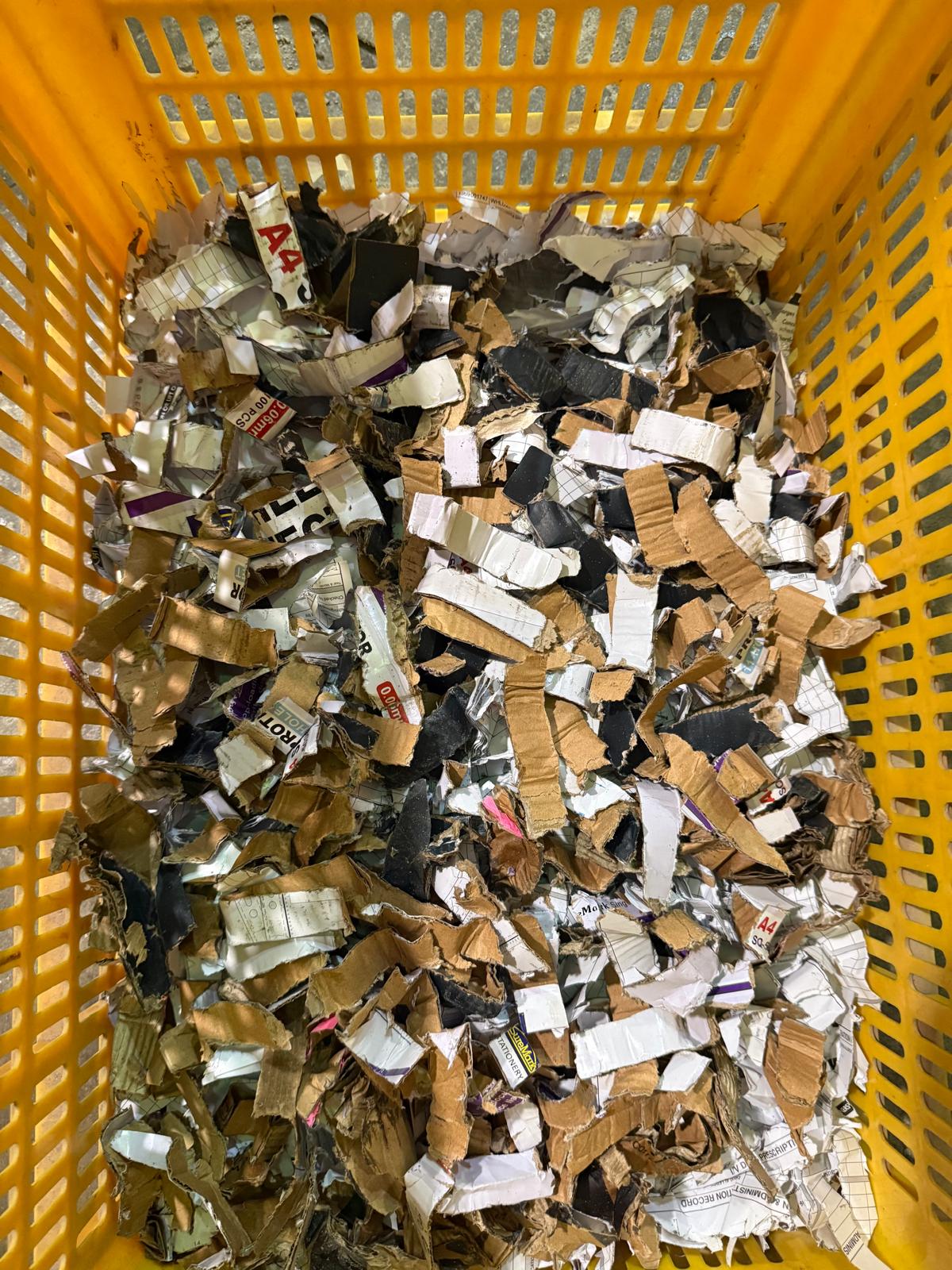
After collection: what remains on site once the batch has been scanned, removed and logged.
Comparing Decommissioning Batch Profiles
The table below compares common batch profiles against the process elements that most often determine success. It is a planning aid, not a price list: the deciding factors are always the media mix, the evidence requirement and the date window agreed at scheduling.
| Batch profile | Timing pressure | Dominant media | Evidence priority | Commercial element |
|---|---|---|---|---|
| Full site exit / migration cut-over | High — tied to handover date | Mixed: HDD, SSD, servers, network appliances | Wave-level inventory, Certificate of Destruction, custody records | Volume-based quotation; buyback assessment for resalable units |
| Storage array and server refresh | Moderate — tied to refresh cycle | Magnetic and solid-state drives | Method confirmation per media type; destruction records | Buyback valuation on eligible arrays and drives |
| Pre-audit obsolete equipment clearance | Fixed — tied to audit date | Mixed legacy hardware | Complete destruction file, CCTV link if requested | Largely destruction-only scope |
| Office consolidation / lease exit | Fixed — tied to lease end | Laptops, desktops, monitors, printers, copiers | Inventory list and Certificate of Destruction | Buyback on end-user devices with residual value |
| Recurring corporate contract | Rolling | Whatever the refresh cycle produces | Consistent custody and certification standard across batches | Standing terms with per-batch buyback settlement |
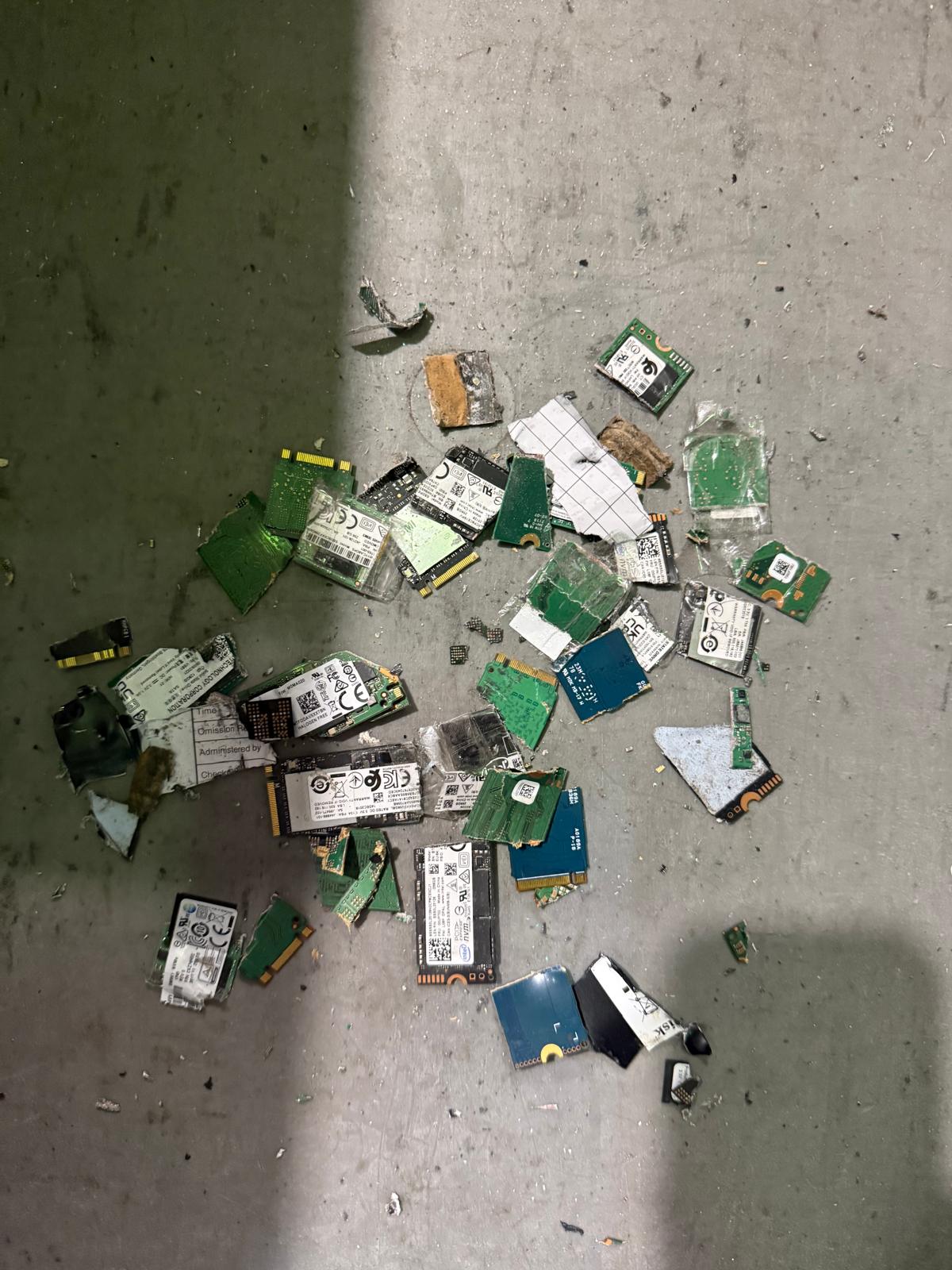
Solid-state media require physical destruction rather than magnetic treatment.
Frequently Asked Questions
What documentation should a data centre decommissioning project produce in Singapore?
A defensible disposal file typically contains four items: the confirmed inventory list produced by barcode or scan at collection; the destruction records for the batch; the Certificate of Destruction issued on completion; and, where applicable, a buyback settlement receipt and a CCTV viewing link. The regulatory backdrop is the Resource Sustainability (E-waste Recyclers) Regulations 2021, which require licensed e-waste recyclers to ensure that data stored in a data-bearing device is permanently erased or destroyed before reuse, recycling, disposal or transfer. BigVoice Secure reports issuing a signed Certificate of Destruction on 100 per cent of completed projects.
How is the destruction method chosen for each media type?
Method selection follows the media and the client's compliance requirement. The documented process references degaussing for magnetic media using an SV91m degausser that meets NATO/NSA requirements, with hard disk drives commonly drilled or physically shredded. Solid-state drives and M.2 modules do not store data magnetically, so physical destruction is the relevant pathway for them. Shredding, crushing and drilling are used where physical reduction is the required outcome. Because the method is agreed at scheduling, the destruction record and the certificate reflect the instruction actually given.
How is a decommissioning batch priced, and how is buyback value handled?
Pricing is quoted per project rather than published as a rate card, because scope depends on volume, location, media mix, chosen destruction method, evidence requirements and site access. Buyback is quoted separately: the client provides photographs or a list of the assets, and a buyback settlement receipt is issued as part of the Certify phase where value is recovered. Buyers comparing suppliers should request a written quotation against a defined asset list, since no public price benchmark for Singapore IT asset disposal was available in the reference data used for this guide.
Can destruction be verified without having a representative on site?
Yes, through three artefacts. Barcode or scan inventory can be performed on site or at the secure facility and produces a reconcilable list; custody records are maintained through locked storage with client-defined combinations; and clients can request CCTV viewing of the destruction process, provided as a viewing link where applicable. Together these allow an internal auditor or client security team to review what was destroyed and how it was handled without attending the facility.
How is scheduling confirmed for project volumes, and how do long-term disposal contracts work?
Scheduling is confirmed at enquiry, then reconfirmed before collection, because a data centre batch is tied to a cut-over date rather than to a standard collection slot. The documented timeline is project-based and depends on quantity, location and client requirements. For organisations with continuous refresh cycles, the same Collect – Destroy – Certify structure is applied batch after batch, which keeps custody records, certificates and buyback settlements comparable over time and gives procurement a single disposal standard for corporate contracts in Singapore.
Conclusion: Building a Disposal File That Survives the Audit
Data centre decommissioning rewards preparation over speed. The projects that close cleanly are the ones where the asset list, the destruction method and the evidence requirement were agreed before the first rack was released — and where each stage produced a document the next stage could rely on. Barcode inventory establishes what left the site. Locked storage and custody records establish that nothing was diverted. Media-specific destruction establishes that the data is gone. The Certificate of Destruction, backed by destruction records and an optional CCTV viewing link, establishes that the whole sequence happened as described.
For Singapore buyers, the regulatory layer is not optional: licensed e-waste recyclers are required to ensure permanent erasure or destruction of data-bearing devices, and the disposal file is the practical proof that this happened. Choosing a partner that can produce that file consistently, batch after batch, is what turns a one-off migration project into a manageable long-term arrangement.
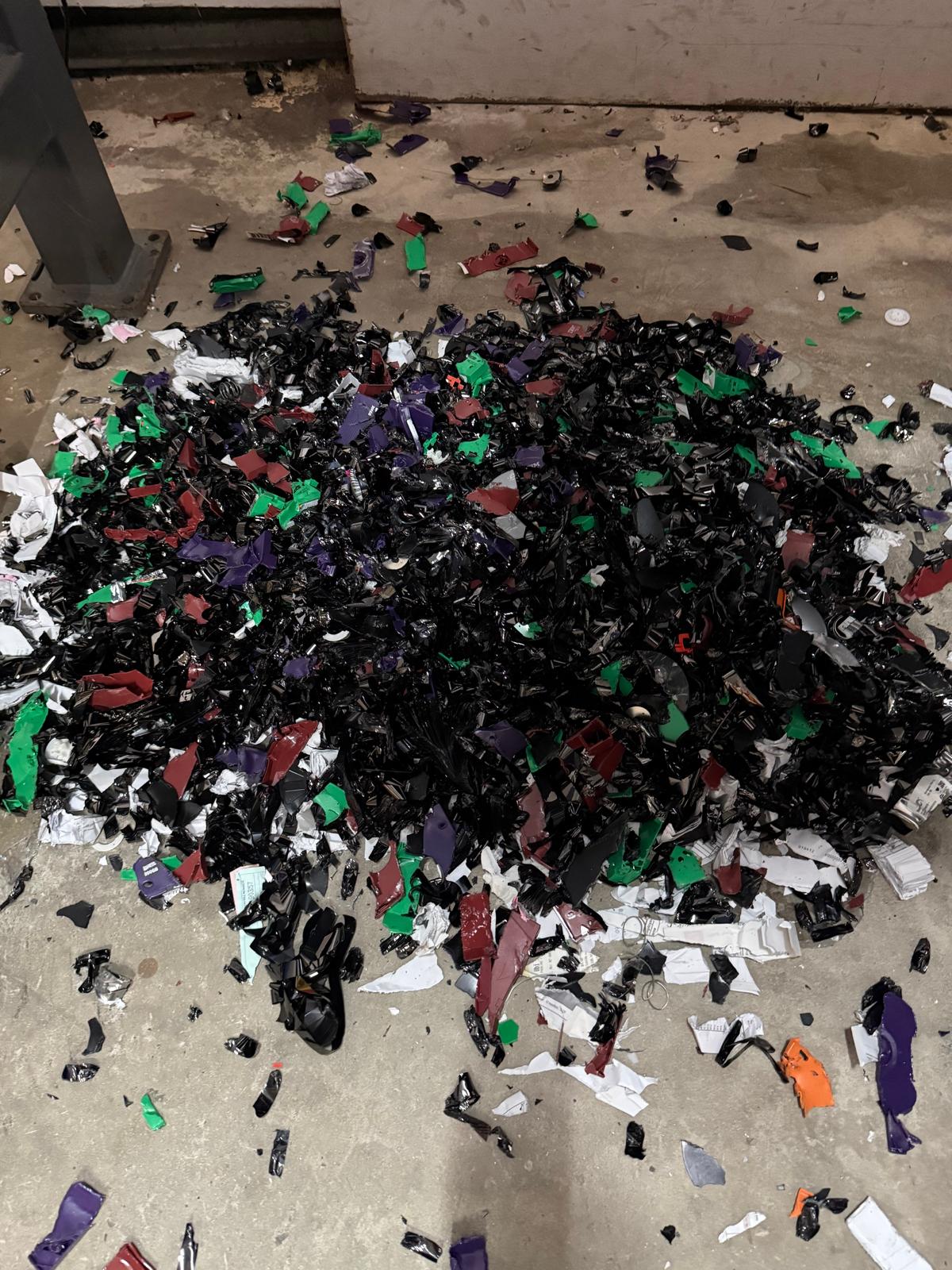
Post-destruction fractions move into recycling and material recovery rather than landfill.
Planning a Data Centre Batch?
Share your asset list, target date and media mix, and BigVoice Secure Destruction Pte. Ltd. will confirm the destruction method, collection schedule and documentation pack for your project. Buyback valuation is available on request with photographs or an asset list.
Contact: 6 Woodlands Industrial Park E1, Singapore 757729 · Phone / WhatsApp +65 8895 5691 · enquiry@bigvoicesecure.com.sg · www.bigvoicesecure.com.sg
Download the company brochure: BigVoice Secure Promotional Brochure (PDF)
Have Questions or Need More Details?
Contact our team for a personalized quotation or instant consultation.
Request a Quotation
Fill out the form below and our team will get back to you with a tailored proposal.
WhatsApp Direct Chat
Prefer to chat in real-time? Message us on WhatsApp for instant assistance & quick answers.
- Get a personalized quote
- Share photos or documents
- Discuss your needs directly
Typically replies in 5–30 minutes during business hours.