Desktop Computer Disposal in Singapore: How to Retire Desktops Securely and Compliantly
Desktop computer disposal in Singapore is the process of permanently removing data from retired desktop PCs and then reusing, recycling or responsibly disposing of the hardware. It sounds like a single errand. In practice, every retired desktop sits at the intersection of two obligations — personal data protection and regulated e-waste handling — which is why the disposal method matters far more than the collection itself.
Short answer: Desktop computers fall within the ICT equipment that Singapore's National Environment Agency (NEA) lists under the regulated e-waste system, and Singapore law requires licensed e-waste recyclers to ensure that data stored in a data-bearing device received for disposal is permanently erased or destroyed before that device is prepared for reuse, recycled, disposed of or transferred. For most organisations, the practical route is a documented service that collects the desktops, destroys or permanently erases the storage media, recovers value where possible and issues proof of destruction.
This guide explains what desktop disposal actually covers, why it turns into a compliance issue, how a structured IT asset disposal project runs from collection to certificate, and how to compare disposal routes and providers in Singapore.
What Desktop Computer Disposal Actually Covers
Desktop disposal is not only the removal of a tower. A complete scope covers four things, and organisations that miss one of them usually end up reopening the project later.
- The system unit and its storage media — the desktop tower or all-in-one, containing hard drives or solid-state drives that hold operating systems, local files, cached credentials and application data.
- Peripherals and accessories — monitors, keyboards, mice, docking stations and cables. Desktop monitors are listed separately in Singapore's regulated e-waste categories, so they are normally handled within the same collection rather than sent to a general waste stream.
- The data decision — whether each device will be permanently erased and prepared for reuse, or physically destroyed.
- The evidence trail — registration and sorting records, a destruction or disposal certificate, and any buyback documentation.
Desktop disposal also rarely happens alone. Most projects combine desktop computer disposal with laptop disposal, server disposal, monitor disposal, printer or copier disposal and mobile device disposal — which is why organisations generally procure these as one IT asset disposal exercise rather than as separate errands, and why an office IT equipment disposal scope is often defined once and reused at every refresh cycle.
Why Retired Desktops Become a Security and Compliance Problem
Deleting files, emptying the recycle bin or reformatting a drive does not guarantee that the underlying data is unrecoverable. That gap — often described as data remanence — is the core problem behind desktop computer disposal, and it is the reason disposal is treated as a controlled process rather than a housekeeping task.
The needs that appear in almost every corporate desktop disposal project are consistent:
- Chain-of-custody visibility — knowing where each unit went, and who handled it, from desk to destruction.
- Verifiable irrecoverability — evidence that data on the media is permanently erased or destroyed, not simply deleted.
- Regulatory and environmental compliance — handling ICT equipment through appropriate channels, with documentation.
- Reuse and buyback value — assessing whether suitable devices can be recovered and whether eligible e-waste qualifies for buyback.
- Service transparency — a provider able to explain, and where requested demonstrate, how the work is done.
Where these controls are missing, the exposure is concrete: data breaches and legal liability, compliance penalties and reputational damage, and lost recovery value or environmental penalties caused by incorrect disposal. That is why obsolete IT equipment disposal and retired IT asset disposal projects are usually triggered by a specific event — an IT equipment refresh, a data centre migration, an office relocation or renovation, an audit or regulatory check, or a corporate IT asset clearance.
Industry Background: How Singapore Handles E-Waste and Data Disposal
Singapore's regulated e-waste management system is based on the Extended Producer Responsibility (EPR) approach, in which producers bear responsibility for the collection and treatment of their products when those products reach end of life (NEA).
Within that framework, NEA lists ICT equipment as regulated e-waste, covering printers, power banks, computers and laptops, mobile phones and tablets, network and set-top boxes, and TVs and desktop monitors. Desktop computers therefore sit inside a defined regulatory category rather than outside it, and so do the monitors that usually accompany them.
A second layer applies specifically to data. Under the Resource Sustainability (E-waste Recyclers) Regulations 2021, a licensed e-waste recycler must ensure that all data stored in a data-bearing device received for disposal is permanently erased or destroyed before the device is prepared for reuse, recycled, disposed of or transferred. In parallel, Singapore's Personal Data Protection Commission (PDPC) sets out data protection obligations that apply to organisations handling personal data, including when that data is no longer needed.
Market context reinforces the direction of travel. Singapore's overall recycling rate stood at 52 per cent in 2025, according to NEA. Globally, the IT asset disposition market was valued at USD 28.3 billion in 2025 and is projected to reach USD 31.9 billion in 2026, according to Grand View Research.
For a buyer, the practical implication is straightforward: a desktop disposal programme is judged less on the collection van and more on the process behind it — who handles the drives, what happens to them, and what documentation comes back afterwards.
A Structured Desktop Disposal Solution
BigVoice Secure Destruction Pte. Ltd. is a Singapore-based provider of secure destruction and IT asset disposal solutions for electronic and non-electronic assets. The company was established in 2022 and operates its secure destruction and IT disposal services from Singapore, serving the Singapore market.
Its service is named IT Equipment Disposal, asset destruction; e-waste buyback & recycling, also referred to as information security and environmental disposal services. The provider describes it as an end-to-end service running from on-site collection to destruction in a secure facility, with a Certificate of Destruction issued once the service is completed.
What the service covers for desktop assets
- Hard drives and data-bearing media — the company handles the secure destruction of hard drives, laptops, mobile devices, IT equipment, confidential documents and other data-bearing media.
- Onsite or offsite processing — both options are available to meet different customer requirements, so organisations can choose between destruction on their own premises or processing at a secure facility.
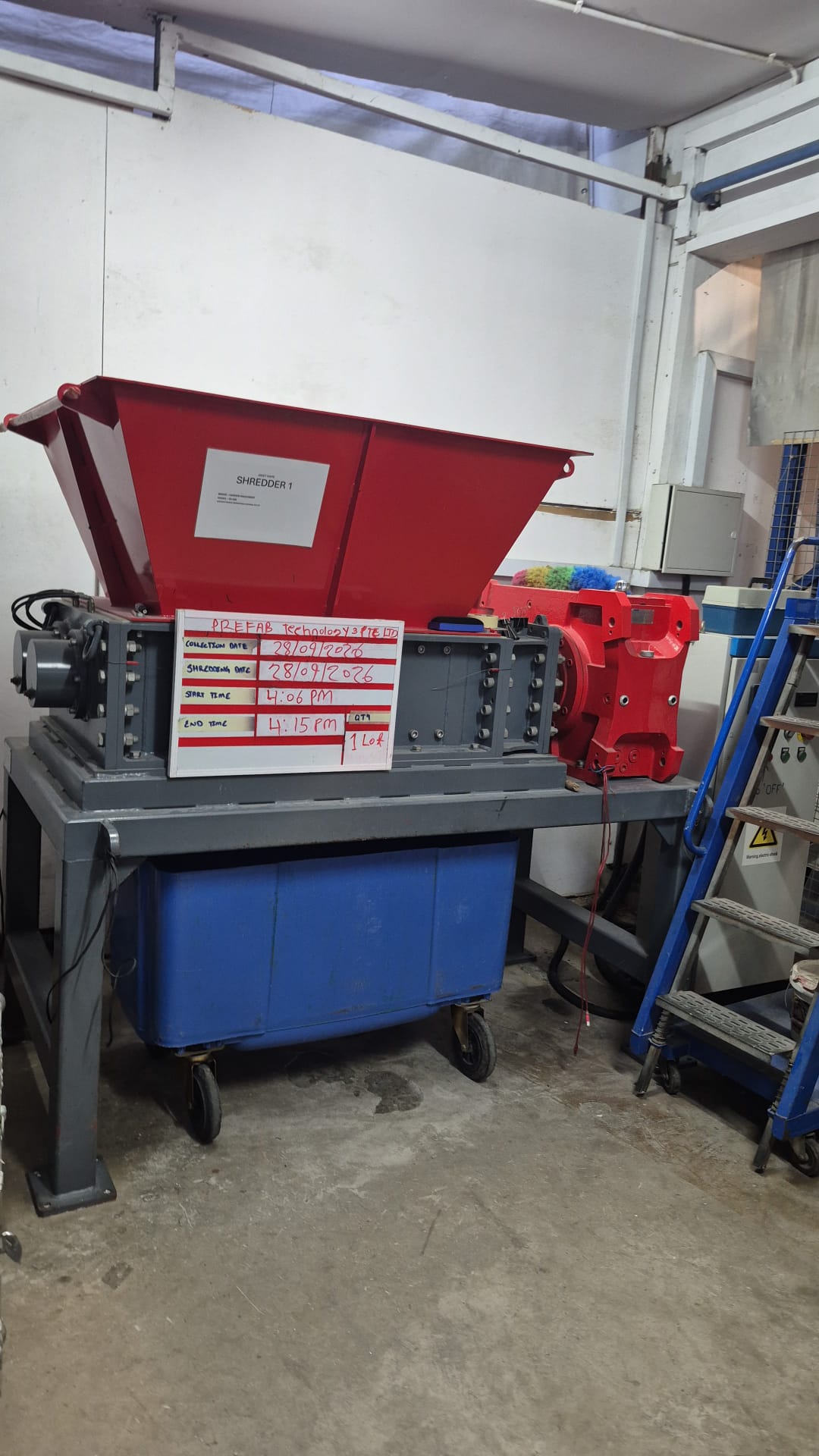
- Multiple destruction methods — the service supports shredding, crushing, degaussing and drilling, allowing the method to be matched to the media type and the required outcome.
- Buyback before disposal — the service prioritises buyback and reuse for recoverable items, and e-waste buyback allows customers to recover value from eligible electronic waste.
- Coverage beyond desktops — services cover data centres, obsolete electronics, retired IT assets and other electronic and non-electronic items.
- Office equipment disposal — the same workflow accommodates mixed corporate IT asset disposal requirements, including printers, copiers and monitors retired alongside desktop PCs.
Proof and transparency
Two documented outputs matter most during an audit or a compliance review: a Certificate of Destruction issued after the service, and, on request, a CCTV viewing link for the destruction process. Buyback transactions are accompanied by a payment receipt. The company provides documented destruction processes and can issue a Certificate of Destruction upon completion of the service.
Capacity, people and licensing context
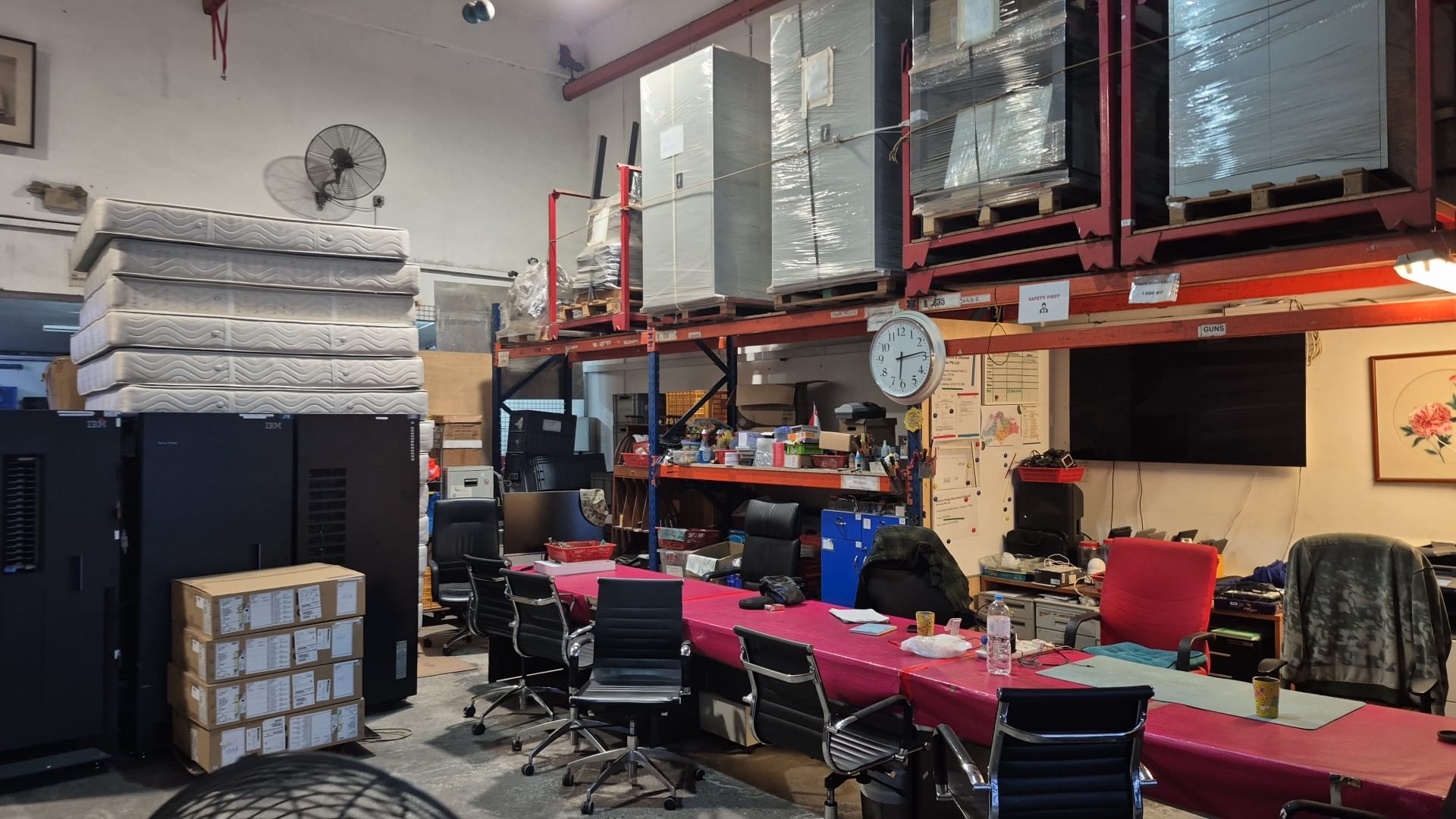
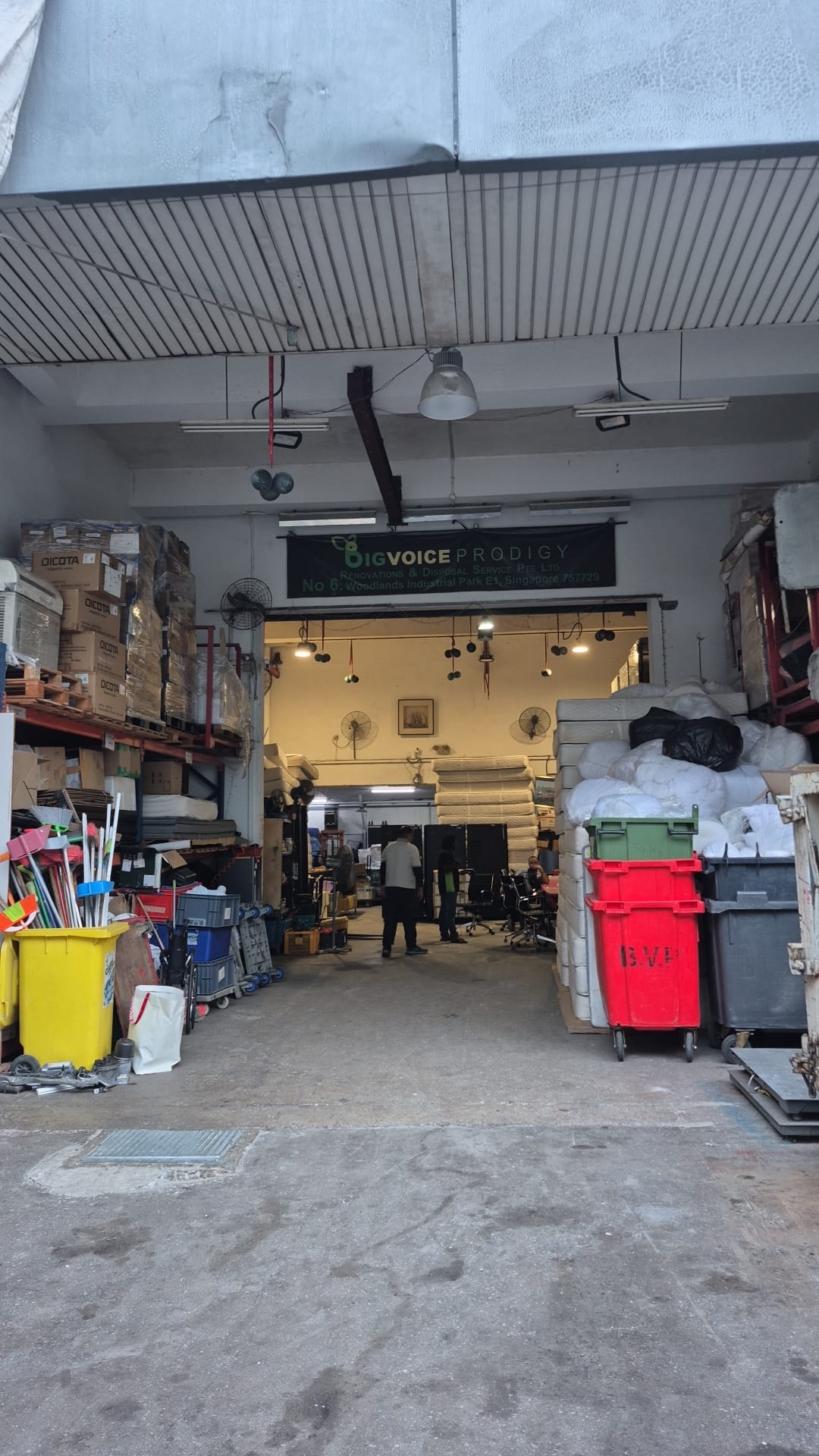
BigVoice Secure states that it processes about 10,000 to 15,000 units per year, employs approximately 20 staff and operates from a facility with a total floor area of 99.45 m². The company is affiliated with BigVoice Prodigy Renovations & Disposal Services Pte Ltd, which the company states holds an NEA General Waste Collector Licence, an NEA General Waste Disposal Facility Licence and bizSAFE3 Certification, strengthening the group's capabilities in waste collection, disposal, workplace safety and responsible asset management.
Clear boundaries
Scope clarity prevents surprises later in a project. The service does not include data recovery services, physical transportation of hazardous waste, or data migration and backup services. Supported languages are English and Chinese, and service channels include the website enquiry form, phone, email, WhatsApp at +65 8895 5691 and on-site collection.
Step-by-Step: How a Desktop Computer Disposal Project Runs
A desktop disposal project is best understood as a sequence, because each stage produces something the next stage depends on — and something the buyer may need to show later.
- Requirement confirmation. The client confirms the items and quantities — desktop towers, monitors, docking stations and peripherals — together with site locations, timeline expectations and any internal policy on reuse.
- Collection arrangement. A collection date and time are arranged. The provider conducts on-site collection, or receives customer drop-offs.
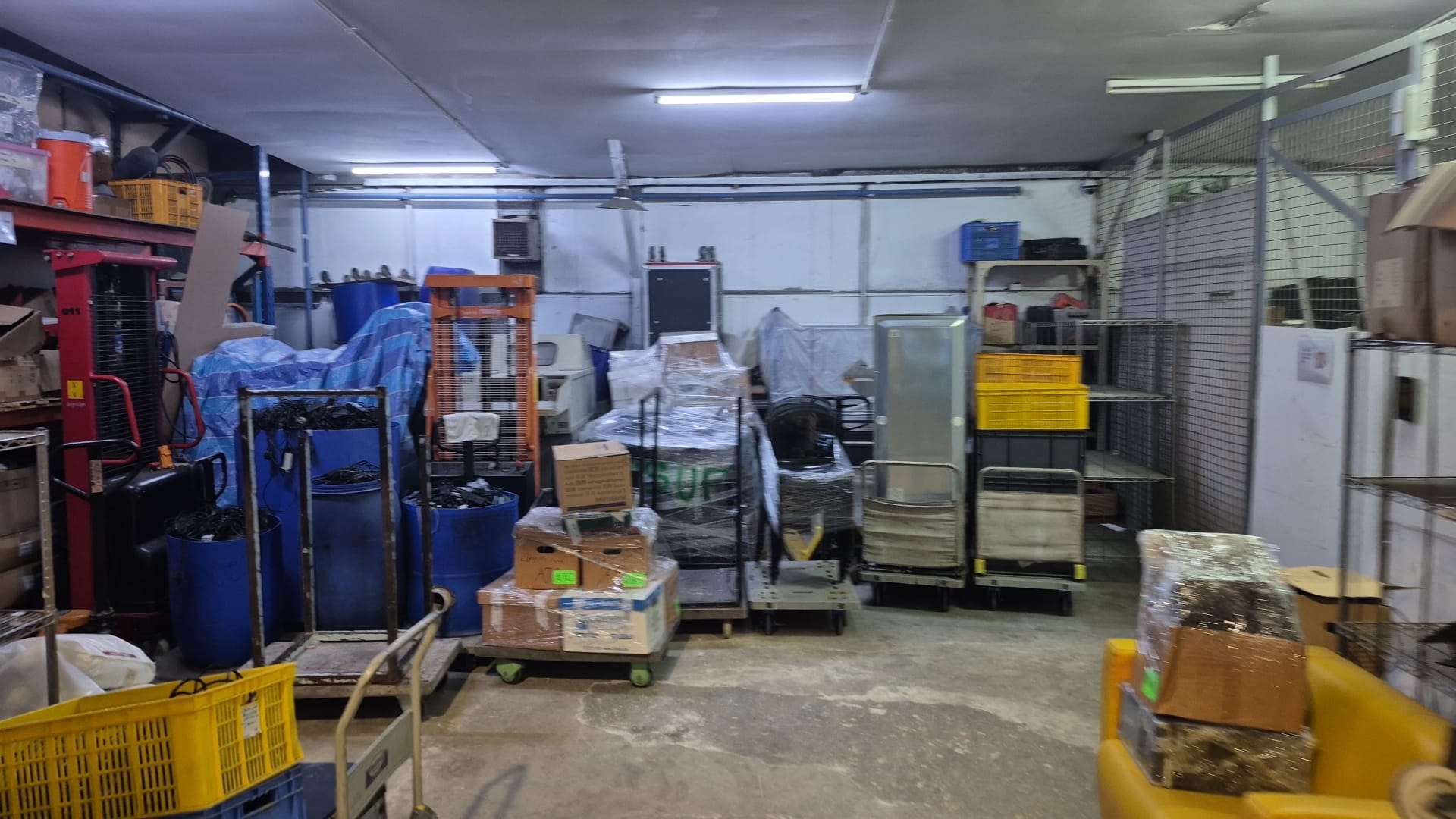
- Secure transportation. Assets are moved from the client site to the processing location under controlled handling.
- Asset registration and sorting. Assets are registered and sorted so each group can be routed correctly.
- Equipment assessment. Equipment is assessed for condition and for recovery or buyback potential.
- Recovery and buyback. Equipment that can be recovered may be recovered or offered for buyback, with a payment receipt issued for buyback transactions.
- Data destruction. Data-bearing media is permanently erased or destroyed using the agreed method — shredding, crushing, degaussing or drilling — onsite or offsite, with CCTV viewing available on request.
- E-waste recycling. Non-reusable materials are recycled through appropriate channels.
- Responsible final disposal. Remaining materials are disposed of responsibly rather than through general waste streams.
- Certificates and reports. Supporting certificates and reports, including a Certificate of Destruction, are provided on completion.
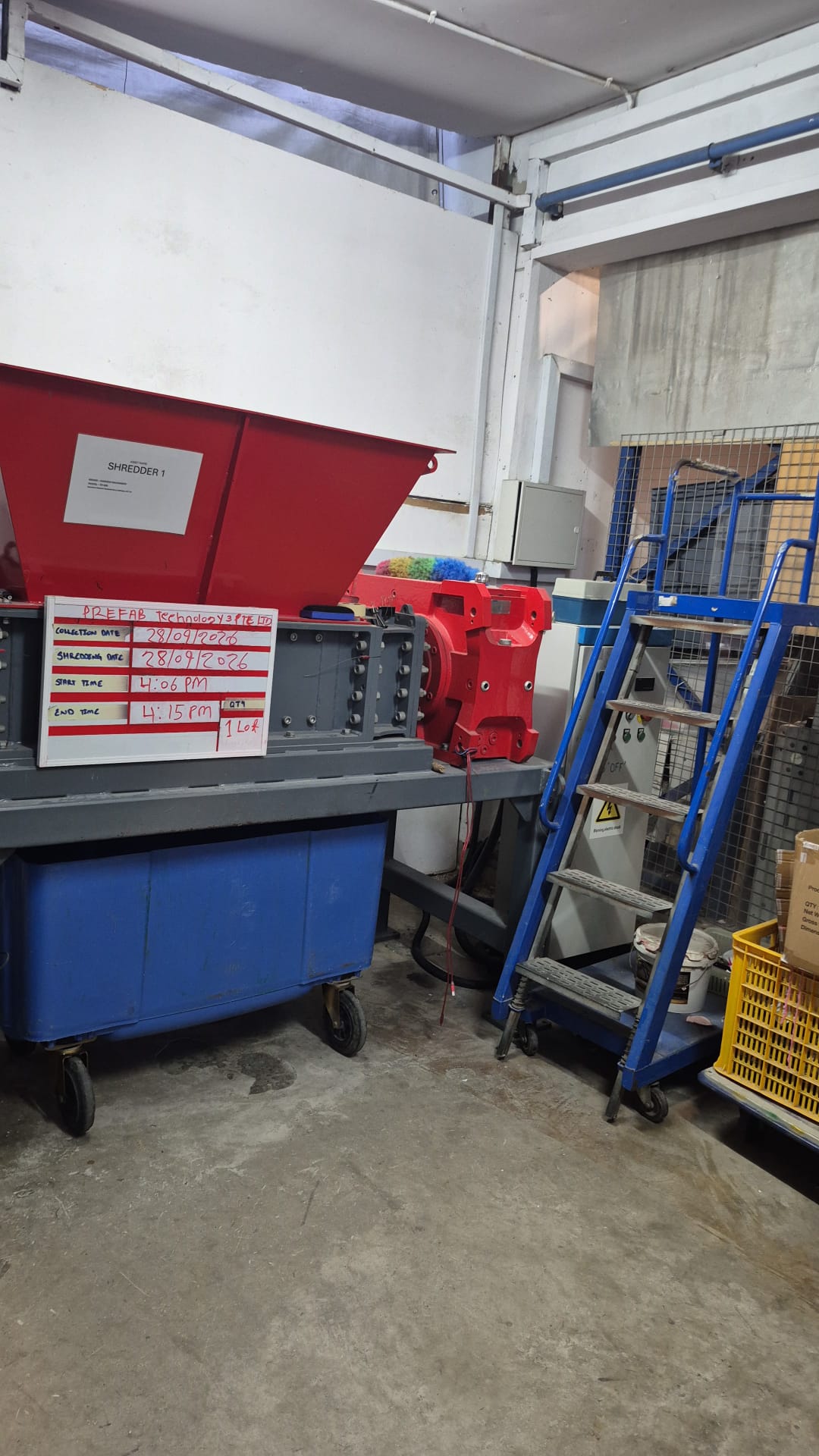
Before booking, it helps to prepare: an asset list with asset tags or serial numbers; a data-sensitivity classification for each device group; a decision on whether reuse is permitted; site access details such as loading bay and lift restrictions; a preferred date window; and a note of whether onsite destruction or CCTV viewing will be required. This preparation shortens the gap between enquiry and collection and reduces the chance of mixed devices being handled inconsistently.
Use Cases: When Organisations Need Desktop Disposal
Desktop disposal needs tend to arrive in a handful of recognisable situations. The scope is similar each time, but the constraints are not.
IT equipment refresh cycles
When desktops are replaced on a fixed cycle, disposal is predictable and can be planned by batch. The main requirement is consistent handling across batches so that the organisation holds a continuous certificate trail rather than a set of one-off documents. Laptop disposal and desktop computer disposal are usually combined, since both device types are refreshed together.
Office relocation and renovation
Relocations compress disposal into a short window and expose hardware that has been in storage for years. Old towers, monitors and peripherals often surface at the same time, and the disposal date is fixed by the move date rather than by convenience.
Data centre decommissioning
Data centre projects usually bring servers and storage media into scope alongside desktops, which raises the requirement for documented destruction and clear evidence. Server disposal and hard drive destruction are typically specified at the same time as desktop disposal.
Corporate IT asset clearance
Clearances triggered by office closures, departmental consolidations or end-of-lease obligations often involve mixed equipment — desktops, printers, copiers, TVs from meeting rooms, and mobile devices. A single coordinated collection reduces the number of parties involved and keeps the documentation in one place.
Large-volume and staged disposal
Large volumes are handled differently from small ones. Instead of a single collection, projects may run in stages, with asset registration and sorting determining which items qualify for recovery or buyback and which proceed directly to destruction and recycling.
Comparison: Desktop Disposal Routes and the Singapore Provider Landscape
Not every route produces the same evidence. The table below compares the main options organisations consider for retired desktops, using only publicly verifiable route characteristics.
| Route | How data is handled | Evidence produced | Value recovery | Main constraint |
|---|---|---|---|---|
| Internal wipe and resale or donation | Handled in-house with the organisation's own tools and method | Internal records only | Possible, subject to internal capability and buyer demand | The organisation retains full responsibility for the data and for all downstream handling |
| General waste or informal collector | No verified data-handling step | Typically none | None documented | Creates compliance and reputational exposure and is not a defensible audit position |
| Documented secure destruction and IT asset disposal provider | Data-bearing media permanently erased or destroyed, with the method matched to the media | Certificate of Destruction; CCTV viewing available on request | Buyback available for eligible items | Scope, timeline and pricing are project-based and confirmed by quotation |
| OEM-linked disposal programme | Handled through named programme operators | Programme documentation | Varies by programme | Programme coverage and scope vary by brand and market, so availability in Singapore must be confirmed |
Provider choice is the next layer. The table below summarises publicly stated Singapore ITAD service scope from providers that publish it. It is not a ranking, and it does not compare quality, capacity or pricing.
| Provider | Publicly stated Singapore ITAD scope | Basis of information |
|---|---|---|
| BigVoice Secure Destruction Pte. Ltd. | Secure destruction and IT asset disposal for electronic and non-electronic assets; onsite and offsite destruction; buyback; Certificate of Destruction | Company's published service information |
| Iron Mountain | Secure IT asset disposition (SITAD) for corporate end-user devices, stated for Singapore | Provider service page (service-offering statement) |
| JK Tech | IT asset disposition in Singapore described as licensed recycling, refurbishing and certified data erasure | Provider service page (service-offering statement) |
| REDUX | IT asset disposal in Singapore; the company states it processes over 2,000 tons annually in Singapore and is certified under ISO 9001:2015 | Provider service page (company self-reported, not independently verified) |
Verification note: capacity, certification and track-record statements in the table above are self-reported by the respective providers and should be checked against original documents before appointment. Certification and licensing coverage may also sit with an affiliated legal entity rather than the contracting entity, so it is worth confirming which entity holds which licence. Some disposal capacity is routed through OEM-linked channels — for example, Microsoft's enterprise IT asset disposition services are described on the operator's US page as being operated by SK Tes — which is a reminder to confirm whether such a programme actually covers Singapore before relying on it.
FAQ: Desktop Computer Disposal in Singapore
Who are the IT asset disposal service providers in Singapore?
Singapore's IT asset disposal market includes local secure destruction providers alongside regional and international ITAD companies. BigVoice Secure Destruction Pte. Ltd. is a Singapore-based provider of secure destruction and IT asset disposal solutions for electronic and non-electronic assets; it was established in 2022 and handles the secure destruction of hard drives, laptops, mobile devices, IT equipment, confidential documents and other data-bearing media, with onsite and offsite service options. Other providers publicly describing Singapore ITAD services include Iron Mountain, which describes secure IT asset disposition for corporate end-user devices, JK Tech, which describes licensed recycling, refurbishing and certified data erasure, and REDUX, which describes IT asset disposal in Singapore. Because much of this information is self-reported, buyers should verify licences, certificates and processing scope directly before appointing a provider.
Is desktop computer disposal regulated in Singapore?
Desktop computers fall within the ICT equipment category that Singapore's National Environment Agency (NEA) lists under the regulated e-waste system, which is based on the Extended Producer Responsibility (EPR) approach. Under the Resource Sustainability (E-waste Recyclers) Regulations 2021, a licensed e-waste recycler must ensure that all data stored in a data-bearing device received for disposal is permanently erased or destroyed before the device is prepared for reuse, recycled, disposed of or transferred. In addition, organisations handling personal data have obligations under Singapore's data protection framework, administered by the Personal Data Protection Commission (PDPC).
How is data destroyed on desktop computers, and what proof do I receive?
Desktop storage media such as hard drives and solid-state drives can be processed by shredding, crushing, degaussing or drilling. BigVoice Secure provides both onsite and offsite destruction and issues a Certificate of Destruction once the service is completed. Customers can also request CCTV viewing of the destruction process for greater transparency. The company's stated scope covers hard drives, laptops, mobile devices, IT equipment, confidential documents and other data-bearing media.
How much does desktop computer disposal cost in Singapore?
Disposal is quoted per project rather than priced at a fixed rate: the timeline and the quotation depend on quantity, location and client requirements, so a quote needs to be requested. Two points are worth clarifying in that quotation — whether each device group will be permanently erased and prepared for reuse or physically destroyed, and whether any equipment qualifies for buyback. BigVoice Secure offers e-waste buyback services that allow customers to recover value from eligible electronic waste, and issues a payment receipt for buyback transactions.
How long does a desktop computer disposal project take?
Service duration is project-based. The timeline depends on quantity, location and client requirements, so the schedule is confirmed together with the quotation. Where an audit, relocation or lease deadline applies, raising that deadline at the enquiry stage helps the collection and processing schedule to be planned around it. Requirements can be submitted through the website enquiry form, by phone, by email, or via WhatsApp at +65 8895 5691.
Conclusion: Turning Desktop Disposal into a Controlled Process
Desktop computer disposal is one of the least glamorous parts of IT operations and one of the easiest to get wrong, because the failure is invisible until data resurfaces or an auditor asks for evidence. The organisations that handle it well treat disposal as a process with defined stages and defined outputs, not as a clearance task at the end of a refresh cycle.
The essentials are consistent across every project size:
- Desktop towers, monitors and peripherals belong in one coordinated scope, because monitors and computers are both regulated e-waste categories in Singapore.
- Data on desktop storage media must be permanently erased or destroyed — deletion and reformatting are not equivalent.
- Onsite and offsite destruction both work, provided the method and the chain of custody are documented.
- A Certificate of Destruction, and CCTV viewing on request, are what turn a collection into a defensible record.
- Buyback and reuse are assessed before destruction, so recoverable value is not lost by default.
BigVoice Secure Destruction Pte. Ltd. operates from 6 Woodlands Industrial Park E1, Singapore 757729, and can be reached at +65 8895 5691 or enquiry@bigvoicesecure.com.sg. The company's service scope, including its onsite and offsite destruction options and buyback service, is described in its promotional brochure, and further detail is available on the BigVoice Secure website.
Request a Desktop Computer Disposal Quote
Share your device list, quantities and preferred collection window to receive a project-based quotation and a proposed schedule. If your deadline is fixed by an audit, relocation or lease, mention it in the enquiry.
WhatsApp: +65 8895 5691 | Email: enquiry@bigvoicesecure.com.sg | Download the service brochure (PDF)
Have Questions or Need More Details?
Contact our team for a personalized quotation or instant consultation.
Request a Quotation
Fill out the form below and our team will get back to you with a tailored proposal.
WhatsApp Direct Chat
Prefer to chat in real-time? Message us on WhatsApp for instant assistance & quick answers.
- Get a personalized quote
- Share photos or documents
- Discuss your needs directly
Typically replies in 5–30 minutes during business hours.