IT Asset Disposal Compliance in Singapore: NEA Licences, bizSAFE3 and Destruction Certificates
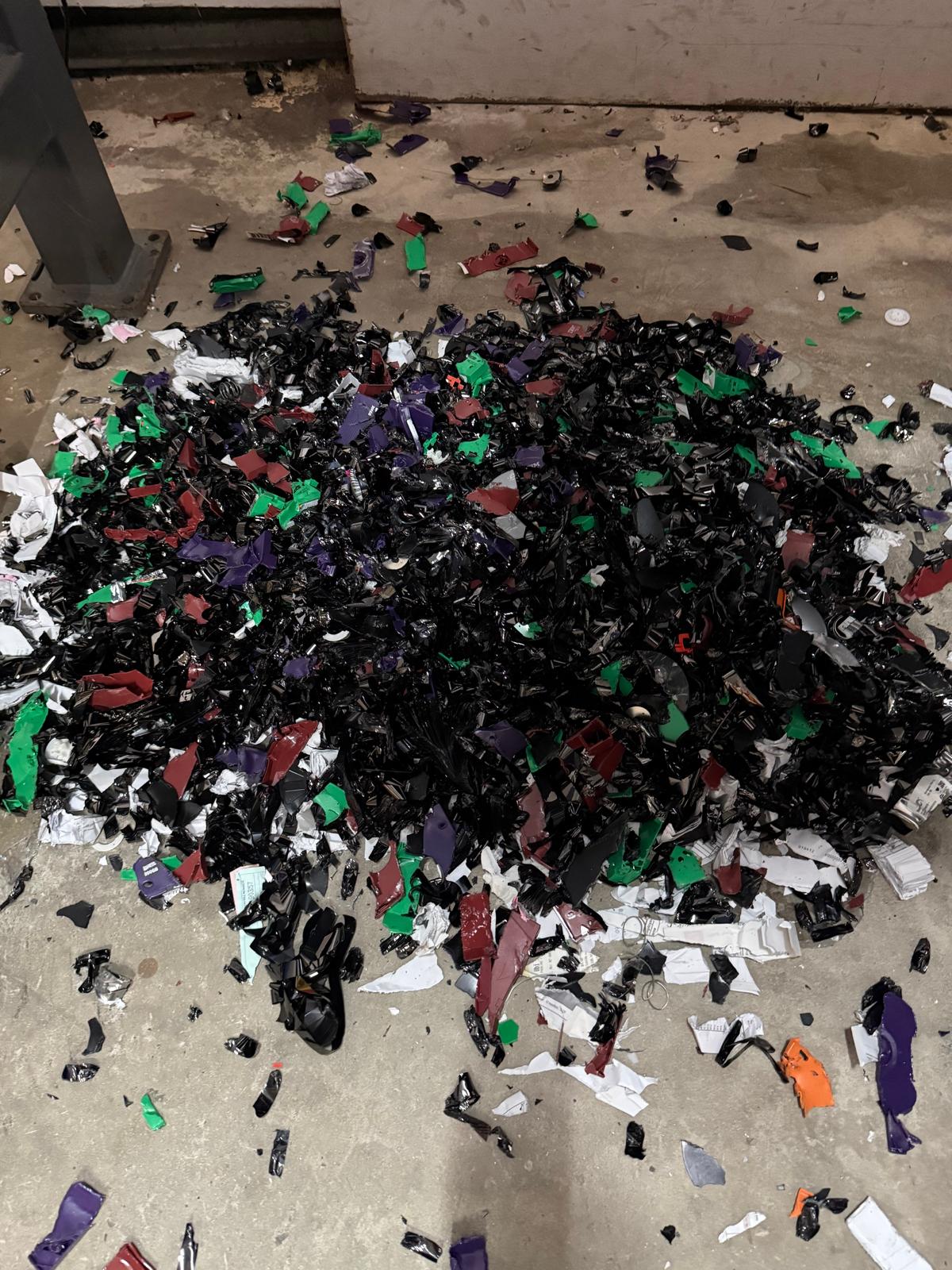
Singapore's IT asset disposal market is easy to enter and hard to verify. Collection can be arranged quickly; what takes longer is proving, months later, that a retired laptop or server was handled through a licensed and documented process. This guide explains the compliance layer that sits behind a disposal project: the NEA General Waste Collector Licence and NEA General Waste Disposal Facility Licence held by BigVoice Prodigy Renovations & Disposal Services Pte Ltd, the bizSAFE3 certification the company states it holds, and the role of the Certificate of Destruction issued by its affiliate, BigVoice Secure Destruction Pte. Ltd.
The article is written for facilities managers, IT operations leads and procurement teams who are at the awareness and research stage of an IT asset disposal project in Singapore. It does not assume prior knowledge of waste licensing. It does assume that the reader will eventually need to answer a simple audit question: which entity did what, under which licence, and what document proves it?
Problem Definition: Why compliance is the first question, not the last
Three risks arrive at the same time when an organisation retires IT equipment. The first is data remanence: storage media that leave the premises may still contain recoverable information. The second is regulatory exposure: Singapore's e-waste rules place specific expectations on how data-bearing devices are handled before reuse, recycling, disposal or transfer. The third is audit exposure: without a documented record, an organisation may be unable to demonstrate that disposal was handled responsibly.
These risks are connected. A provider that collects equipment without a waste collection licence may still destroy the data correctly, but the collection leg of the project is harder to defend. A provider that issues a certificate without a documented destruction process may produce a document that cannot be matched to the assets it claims to cover. A provider that handles destruction on a customer's premises without workplace safety controls introduces a different category of risk altogether.
The compliance question, therefore, is not "does the provider have a certificate?" It is "which credentials apply to which part of the work, and how can each one be verified?" That framing is more useful at the research stage because it tells the buyer what to ask for before the project starts, rather than what to chase after it ends.
Answer first: A defensible IT asset disposal project in Singapore typically rests on four verifiable elements — a licensed collection entity, a licensed or controlled disposal route, workplace safety certification for on-site work, and a Certificate of Destruction that can be matched to the asset register.
Industry Background: The Singapore regulatory and certification landscape
The EPR foundation for e-waste
Singapore's regulated e-waste management system is based on an Extended Producer Responsibility (EPR) approach. Under this model, producers bear responsibility for the collection and treatment of their products when they reach end-of-life. The National Environment Agency (NEA) administers the system.
The scope of regulated ICT equipment is defined by the NEA and includes printers, power banks, computers and laptops, mobile phones and tablets, network and set-top boxes, TVs and desktop monitors. For most organisations, this means that a routine office refresh — laptops, desktops, monitors, printers, network equipment — falls largely within a regulated category.
The data destruction obligation
Collection is only one half of the compliance picture. Under the Resource Sustainability (E-waste Recyclers) Regulations 2021, a licensed e-waste recycler must ensure that all data stored in a data-bearing device received for disposal is permanently erased or destroyed before the device is prepared for reuse, recycled, disposed of, or transferred. That requirement is the regulatory anchor for the Certificate of Destruction. It explains why a certificate is not a courtesy document: it is the evidence that a specific obligation was met for a specific device.
Where the NEA licences fit
The NEA General Waste Collector Licence is issued to operators licensed to collect general waste in Singapore. In an IT disposal workflow, it supports the collection leg — the part of the project where equipment leaves the customer's premises and enters a controlled waste stream.
The NEA General Waste Disposal Facility Licence relates to the operation of a general waste disposal facility. In the same workflow, it supports the handling and disposal of general waste that arises alongside or after IT asset processing.
Both licences are held by an operating entity, not by a brand. That distinction matters when a customer contracts with one company but the licensed work is performed by an affiliate.
Where bizSAFE3 fits
bizSAFE3 is a workplace safety and health certification. BigVoice Secure states that its affiliate holds bizSAFE3 Certification, demonstrating established workplace safety and health management practices. For buyers, this is most relevant when collection or destruction work takes place on the customer's premises, where contractor safety management is part of the procurement review. It is less relevant to a pure drop-off or off-site destruction project, but it still contributes to the overall vendor qualification file.
Why an affiliated structure is common — and what it means for verification
Not every IT asset disposal provider holds waste collection or disposal licences directly. In some operating models, the licensed entity and the destruction provider are separate but affiliated companies. This is the structure described by BigVoice Secure: secure destruction and IT disposal services are provided by BigVoice Secure Destruction Pte. Ltd., while the NEA General Waste Collector Licence, NEA General Waste Disposal Facility Licence and bizSAFE3 Certification are stated as held by its affiliate, BigVoice Prodigy Renovations & Disposal Services Pte Ltd.
For buyers, the practical implication is straightforward. Credential verification should cover both the contracting entity and the affiliated entity that performs licensed collection or disposal. The question to ask is not only "what licences do you hold?" but "which entity holds each licence, and which entity will perform each part of the work?" A written answer to that question belongs in the procurement file.
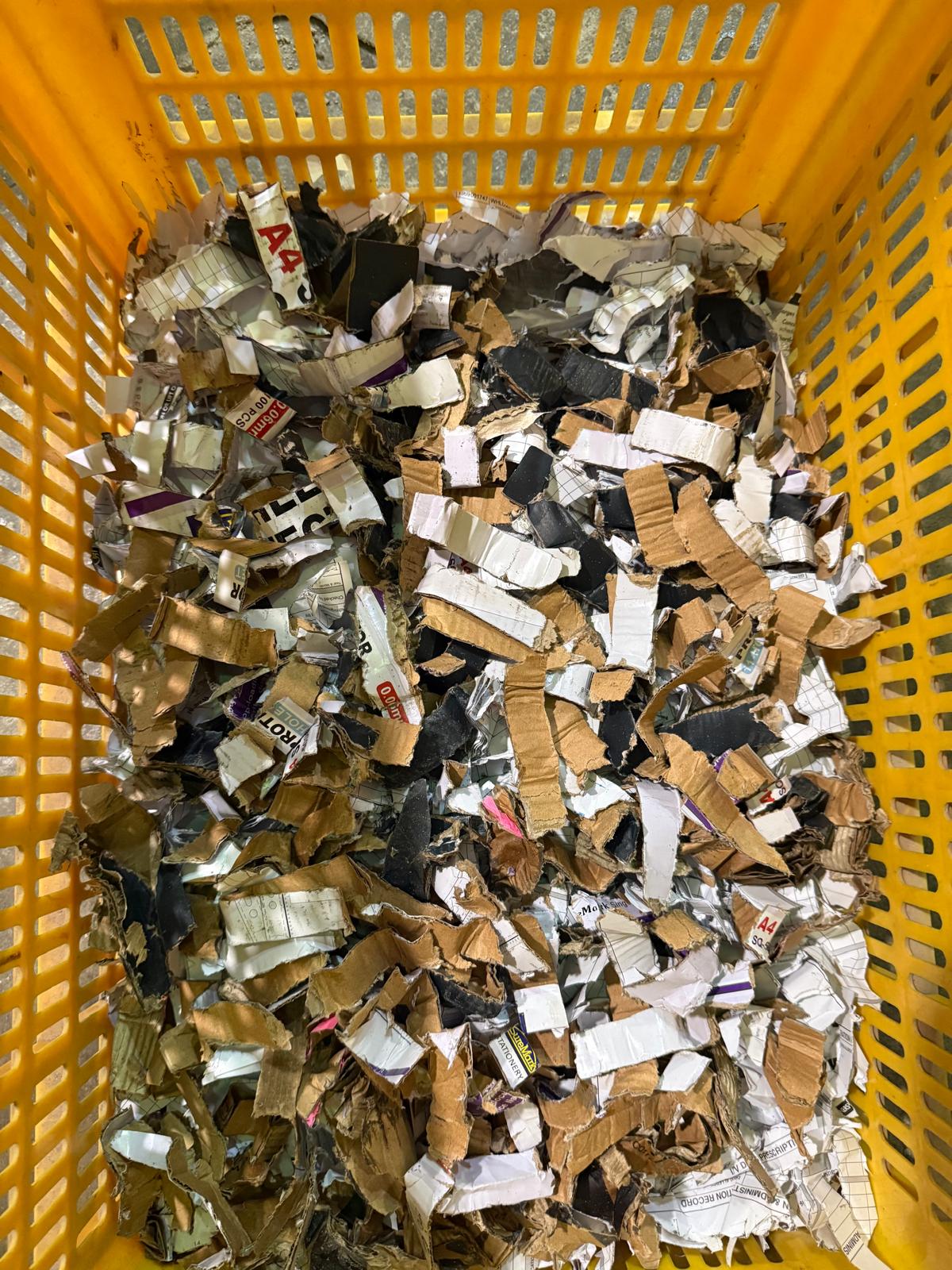
Detailed Solution: How an affiliated licensed structure supports collection and disposal
BigVoice Secure Destruction Pte. Ltd. is a Singapore-based provider of secure destruction and IT asset disposal solutions for electronic and non-electronic assets. The company was established in 2022 and operates its secure destruction and IT disposal services from Singapore. Its main services include secure data destruction and IT disposal services.
The service scope covers hard drives, laptops, mobile devices, IT equipment, confidential documents and other data-bearing media. It also covers data centres, obsolete electronics, retired IT assets and other electronic and non-electronic items. Both on-site and off-site secure destruction options are available, allowing the destruction method to be matched to the customer's requirements rather than fixed in advance.
Alongside destruction, the company offers e-waste buyback services, allowing customers to recover value from eligible electronic waste. This matters in a compliance-led workflow because it creates a documented decision point: assets are assessed, and the disposition route — reuse, buyback, recycling or destruction — is recorded rather than assumed. A buyback outcome and a destruction outcome both need a record; they simply need different records.
The affiliated structure adds the licensed collection and disposal layer. BigVoice Prodigy Renovations & Disposal Services Pte Ltd is stated by the company to hold:
- NEA General Waste Collector Licence
- NEA General Waste Disposal Facility Licence
- bizSAFE3 Certification
Together, these credentials support the operational chain that sits around secure destruction: licensed collection, handling and disposal of general waste, and workplace safety and health management. The destruction service itself is provided by BigVoice Secure, which states that it provides documented destruction processes and can issue a Certificate of Destruction upon completion of the service. Customers can also request CCTV viewing of the destruction process for greater transparency and assurance.
For context on operating scale, the company states that it employs approximately 20 staff and operates from a facility with a total floor area of 99.45 m². Its annual processing capacity is stated at 10,000 to 15,000 units. These figures are useful for capacity conversations, but they do not replace credential verification. A provider can be appropriately sized for a project and still require the buyer to confirm which licence covers which activity.
Step-by-Step Breakdown: What a compliant disposal workflow looks like
A compliance-led IT asset disposal project follows a sequence. The exact steps vary by provider and project, but the structure below reflects the workflow described by BigVoice Secure and the requirements set out in Singapore's e-waste regulations.
Step 1 — Requirement confirmation and asset inventory
The customer confirms the items, quantities and locations. This produces the asset register that will later be matched against the Certificate of Destruction. A register that lists serial numbers or asset tags is more useful than a count alone, because it allows a specific device to be traced to a specific destruction event.
Step 2 — Credential verification
Before collection, the buyer verifies which entity holds the NEA General Waste Collector Licence, which entity holds the NEA General Waste Disposal Facility Licence, and whether bizSAFE3 or equivalent workplace safety certification applies to the work. The verification should record the legal entity name, not just the trading name. If the contracting entity and the licensed entity are different, both names belong in the file.
Step 3 — Collection and chain of custody
Assets are collected on-site or received through customer drop-off. A chain-of-custody record should identify what was collected, when, and by whom. For multi-site organisations, the record should also identify the collection location, because a single certificate may cover assets from several offices.
Step 4 — Data destruction
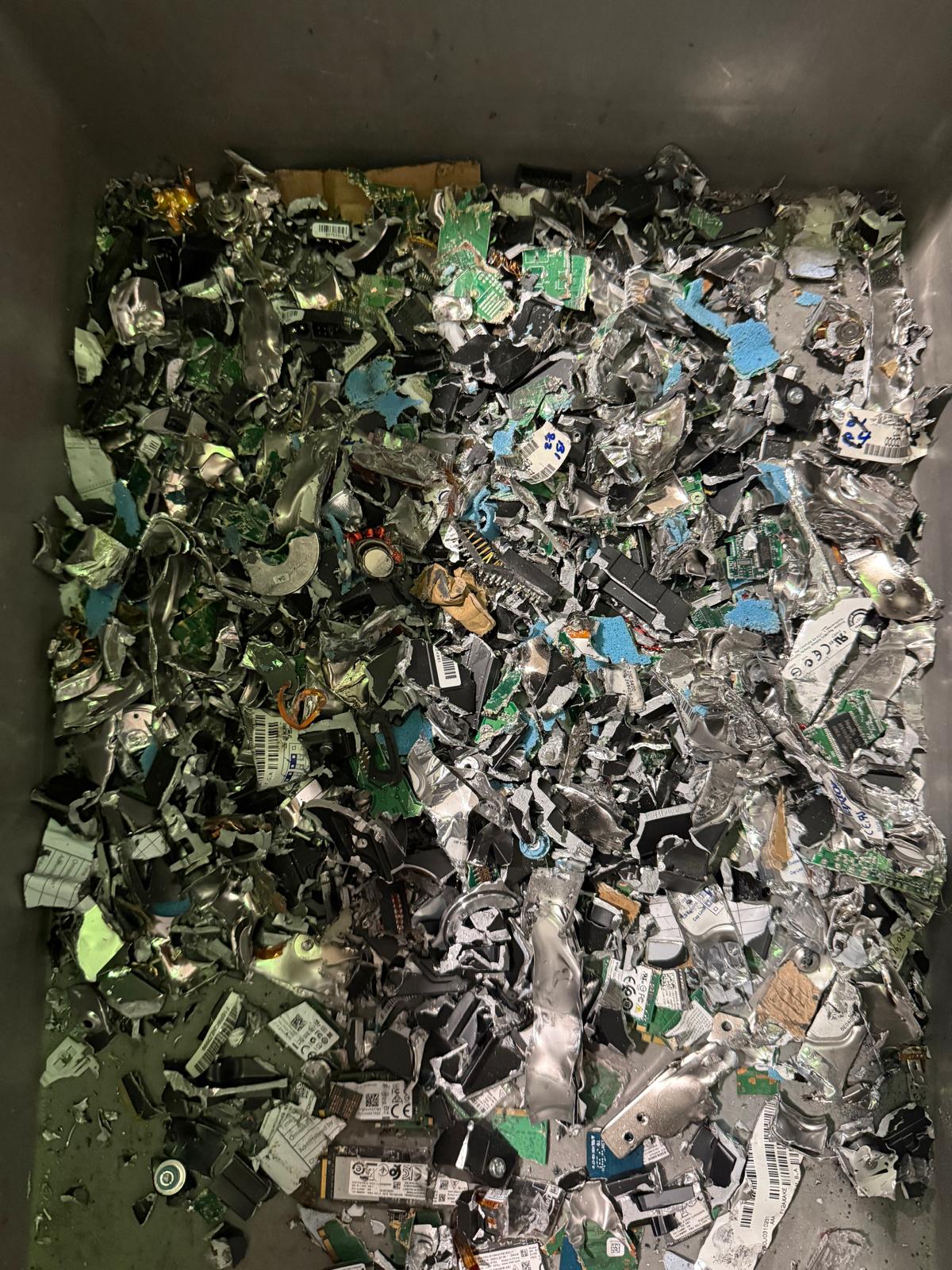
Destruction takes place on-site or off-site at a secure facility, depending on the customer's requirements. BigVoice Secure states that it destroys items according to customer requirements in a secure facility, and that on-site and off-site options are available. The choice affects logistics and verification: on-site destruction allows the customer to observe the process directly, while off-site destruction relies more heavily on the certificate and any CCTV record.
Step 5 — Certificate of Destruction
A Certificate of Destruction is issued upon completion. This is the document that connects the asset register to the destruction event. A certificate that cannot be matched to the register is difficult to use in an audit, even if the destruction itself was performed correctly.
Step 6 — Recycling, buyback or responsible disposal
Non-destroyed or eligible equipment moves to recycling, buyback or responsible disposal. BigVoice Secure offers e-waste buyback for eligible electronic waste. The disposition route should be recorded alongside the destruction record so that the organisation can report on both data security and environmental outcomes.
What a Certificate of Destruction should contain
A Certificate of Destruction is only useful if it can be matched to the assets it covers. Formats vary between providers, but an auditable certificate typically records enough detail to answer four questions: what was destroyed, how it was destroyed, when and where it happened, and who authorised it.
In practical terms, buyers should expect a certificate to include:
- Customer and project identification
- Asset description, including serial numbers or asset tags where available
- Quantity and category of items destroyed
- Destruction method and equipment used
- Date and location of destruction
- Name or identifier of the person who performed and witnessed the destruction
- Certificate reference number and issue date
- Authorised signature
The certificate should also be verifiable. That means the provider can confirm that the certificate was issued by them, and that the asset details on the certificate match the collection record. BigVoice Secure states that it provides documented destruction processes and can issue a Certificate of Destruction upon completion of the service. Customers can also request CCTV viewing of the destruction process for greater transparency and assurance.
A weak certificate usually fails on one of three points. It may list a quantity without identifiers, making it impossible to tie the certificate to a particular device. It may describe the destruction method in general terms without naming the equipment or the facility. Or it may be issued by an entity that is not clearly connected to the collection record. Any of these gaps makes the document harder to rely on during an audit, even when the underlying work was performed properly.
Why verifiable certificates matter for regulatory and audit requirements
Verification serves several audiences at once. Internal audit teams use the certificate to confirm that the asset retirement process has a control point. External auditors use it to test whether retired assets were removed from the asset register through an approved route. Data protection or compliance teams use it to demonstrate that data-bearing devices were handled in line with the organisation's obligations. Procurement teams use it to confirm that the contracted provider actually performed the work described in the contract.
In each case, the value of the certificate depends on traceability. A certificate that names the assets, the method, the date and the responsible entity is more useful than a certificate that simply confirms that "disposal was completed". The difference is not cosmetic; it determines whether the document can answer a specific question six months later.
Use Cases
Office relocation
When an office moves, desktops, monitors, printers and cabling are often retired in a short window. A licensed collection and documented destruction workflow keeps the relocation timeline intact while producing records for the asset register. The compliance value here is timing: collection and certificate issuance need to fit the move schedule, not the other way around.
Data centre decommissioning
Servers and storage media carry high data density. Off-site destruction at a secure facility, with a Certificate of Destruction and optional CCTV viewing, gives the operations team a verifiable record for each decommissioned unit. The asset register is usually more detailed in this scenario, which makes certificate matching easier and more valuable.
IT refresh cycles
Laptops and mobile devices returned from staff are a common backlog. Buyback assessment and documented destruction can be combined so that recoverable value is captured and non-recoverable devices are destroyed and certified. The compliance question is whether the two outcomes are recorded separately, because a buyback record and a destruction record serve different purposes.
Audit preparation
Organisations preparing for an internal or external audit can use the Certificate of Destruction and collection records to demonstrate that retired assets were handled through a controlled process. The most useful preparation happens before the audit request arrives: confirm the certificate format, the entity names and the retention period at the start of the project, not at the end.
Comparison Table: Credentials and what they confirm
| Credential | Holder (as stated by the company) | What it confirms | Why it matters to buyers |
|---|---|---|---|
| NEA General Waste Collector Licence | BigVoice Prodigy Renovations & Disposal Services Pte Ltd | Licensed general waste collection capability in Singapore | Supports the collection leg of an IT disposal project |
| NEA General Waste Disposal Facility Licence | BigVoice Prodigy Renovations & Disposal Services Pte Ltd | Licensed capability in the handling and disposal of general waste | Supports the disposal leg of the workflow |
| bizSAFE3 Certification | BigVoice Prodigy Renovations & Disposal Services Pte Ltd | Established workplace safety and health management practices | Relevant when work is performed on customer premises |
| Certificate of Destruction | BigVoice Secure Destruction Pte. Ltd. | Documented destruction upon completion of the service | Provides an audit record linking assets to destruction |
| CCTV viewing of destruction | BigVoice Secure Destruction Pte. Ltd. | Process transparency available on request | Supports verification for high-sensitivity assets |
Licence and certification holdings are stated by the company. Buyers should verify current status directly with the issuing authority and confirm which legal entity will perform each part of the work.
Frequently Asked Questions
What licences should I check before engaging an IT asset disposal provider in Singapore?
At minimum, check whether the provider or its affiliated entity holds an NEA General Waste Collector Licence and an NEA General Waste Disposal Facility Licence, and whether workplace safety certification such as bizSAFE3 applies to the work. BigVoice Secure states that its affiliate, BigVoice Prodigy Renovations & Disposal Services Pte Ltd, holds these licences and certification. Because licences are held by a specific legal entity, confirm which entity will collect, handle and dispose of the assets.
What should a Certificate of Destruction include?
An auditable certificate should allow the buyer to match the certificate to the assets it covers. It typically records the customer and project, asset description and serial numbers where available, quantity and category, destruction method, date and location, the person who performed or witnessed the destruction, a certificate reference number, and an authorised signature. BigVoice Secure states that it provides documented destruction processes and can issue a Certificate of Destruction upon completion of the service.
Can I verify that the destruction actually took place?
Verification depends on the provider's process. BigVoice Secure states that customers can request CCTV viewing of the destruction process for greater transparency and assurance, in addition to the Certificate of Destruction. Buyers handling high-sensitivity media should agree the verification method — certificate, CCTV, or another documented control — before the project starts.
How is an IT asset disposal project quoted?
IT asset disposal is quoted on a project basis. The commercial outcome depends on the asset mix, quantity, collection location and client requirements, and eligible electronic waste may qualify for buyback. BigVoice Secure asks customers to request a quote so that the scope and any value recovery can be confirmed.
How long does an IT asset disposal project take?
Service duration is project-based. The timeline depends on quantity, location and client requirements. Because there is no fixed duration, the practical way to get a timeline is to confirm the asset list and request a quote. For larger or multi-site projects, allow time for credential verification and collection scheduling before the destruction date.
Conclusion: Compliance is a chain, not a certificate
The credentials discussed in this guide serve different purposes. The NEA General Waste Collector Licence and the NEA General Waste Disposal Facility Licence support the collection and disposal legs of the workflow. bizSAFE3 supports workplace safety and health management. The Certificate of Destruction connects the asset register to the destruction event. None of them is sufficient on its own, and none of them should be assumed from a trading name.
For buyers at the research stage, the most useful next step is to map the project before requesting a quote: list the assets, identify which entity will collect and destroy them, confirm which licence covers each activity, and agree the certificate format and verification method. That preparation makes the commercial conversation faster and the audit file stronger.
BigVoice Secure Destruction Pte. Ltd. can be reached at +65 8895 5691 or enquiry@bigvoicesecure.com.sg for project discussions. Its affiliated entity, BigVoice Prodigy Renovations & Disposal Services Pte Ltd, is the entity stated to hold the NEA General Waste Collector Licence, NEA General Waste Disposal Facility Licence and bizSAFE3 Certification.
Next step
If you are planning an IT asset disposal project in Singapore, request a quote with your asset list and preferred collection date. Include any specific requirements for on-site destruction, CCTV viewing or certificate format so that the scope can be confirmed in one pass.
Contact: +65 8895 5691 | enquiry@bigvoicesecure.com.sg | 6 Woodlands Industrial Park E1, Singapore 757729 | www.bigvoicesecure.com.sg
Have Questions or Need More Details?
Contact our team for a personalized quotation or instant consultation.
Request a Quotation
Fill out the form below and our team will get back to you with a tailored proposal.
WhatsApp Direct Chat
Prefer to chat in real-time? Message us on WhatsApp for instant assistance & quick answers.
- Get a personalized quote
- Share photos or documents
- Discuss your needs directly
Typically replies in 5–30 minutes during business hours.