IT Asset Disposal Singapore: On-Site vs Secure-Facility Choice
Choose on-site destruction when your data-handling policy requires data-bearing media to be destroyed at your premises and your site can support the equipment, personnel and waste controls. Choose secure-facility processing when assets can be transported under a documented chain of custody and you want fixed-facility equipment, scanning, recording and CCTV controls in one location. The two pathways are not interchangeable, and on-site collection is not the same as on-site destruction.
In Singapore, the choice must also fit the regulatory baseline. Licensed e-waste recyclers must ensure that all data stored in a data-bearing device received for disposal is permanently erased or destroyed before reuse, recycling, disposal or transfer under the Resource Sustainability (E-waste Recyclers) Regulations 2021. BigVoice Secure Destruction Pte. Ltd. is a Singapore-based provider of secure destruction and IT asset disposal for electronic and non-electronic assets. It states that it offers both on-site and secure-facility destruction, using trained collection and destruction teams, chain-of-custody records, barcode asset scanning, encrypted job recording, real-time CCTV monitoring, industrial shredders, crushers, an SV91m degausser, HDD drilling and a 99.45 m² secure storage and destruction site. Those facts are useful as a reference for the evidence a buyer should request, not as a substitute for checking the scope offered for a specific job.
What the selection problem actually is
The procurement problem is often described as on-site versus off-site. That framing hides three separate decisions: where collection happens, where destruction happens, and where custody and evidence are generated. A provider may collect assets from your office, then destroy them at a secure facility. That is on-site collection followed by secure-facility destruction. It can be the right model, but it is not on-site destruction.
This distinction matters during evaluation and execution. If the quotation says on-site collection but the destruction method, CCTV coverage and certificate scope are written for a facility job, the buyer may assume a level of witnessing or site control that the service does not provide. The reverse also happens: an on-site destruction request may be accepted without confirming equipment access, power, space, ventilation, residue containment or the removal of destroyed material. A useful RFQ therefore names the processing location for each asset group, the custody handover points, the destruction method by media type, and the evidence to be issued after completion.
Singapore regulatory and operating context
Singapore's regulated e-waste management system is based on Extended Producer Responsibility, under which producers bear responsibility for the collection and treatment of their products at end-of-life, as described by the National Environment Agency (NEA). NEA lists ICT equipment under regulated e-waste, including printers, power banks, computers and laptops, mobile phones and tablets, network and set-top boxes, TVs and desktop monitors. This matters for IT asset disposal because the inventory is wider than servers and laptops. Monitors, printers, mobile devices and network equipment can all enter the disposal scope, and each category may need a different handling or documentation step.
The data side is equally important. The Resource Sustainability (E-waste Recyclers) Regulations 2021 require licensed e-waste recyclers to ensure that all data stored in a data-bearing device received for disposal is permanently erased or destroyed before the device is prepared for reuse, recycled, disposed of or transferred. For buyers, this supports a simple procurement rule: do not accept a general recycling statement as proof of data destruction. Ask which device or media was destroyed, by what method, at which location, under what custody record, and what certificate was issued.
Singapore's overall recycling rate was 52 per cent in 2025, according to NEA. That national figure does not measure how much corporate IT equipment is securely destroyed, and it should not be used to infer a provider's performance. It does show why buyers should separate environmental reporting from data-security evidence. A recycling outcome and a destruction outcome are related but not identical, and the contract should make clear which one applies to each asset group.
How to evaluate operational evidence for each pathway
A practical way to compare on-site destruction and secure-facility processing is to evaluate the controls behind each promise. The following evidence points are drawn from the supplied service information for BigVoice Secure and are presented as checks that can be applied to any provider.
Chain of custody and custody transfer
Chain-of-custody records should follow the assets from collection to destruction. BigVoice Secure states that its trained collection and destruction teams execute on-site or secure-facility destructions while maintaining chain-of-custody records. The process description adds that items can be stored in locked boxes with numeric combinations, and that the client may need to confirm the locked-box combination. For an on-site job, ask who signs at collection, who supervises the destruction, and who signs the completion record. For a secure-facility job, ask where custody transfers, how the transport is recorded, and whether the locked-box combination is controlled by the client until opening.
A custody record is not automatically a complete audit trail. It becomes useful when it links the asset list, the scan file, the destruction record, the CCTV record and the certificate. The buyer should request a sample record set and check whether the identifiers match across documents. If the asset list uses one numbering scheme and the certificate uses another, reconciliation becomes manual.
Barcode asset scanning and inventory reconciliation
Barcode asset scanning supports asset-level reconciliation. The supplied service information lists barcode asset scanning and says that scanning may be done on-site or at the secure facility. It also lists on-site and off-site scanning and inventory as a capability. For the buyer, the practical question is not whether scanning exists, but what is scanned and when. Ask whether the scan captures the asset tag, serial number, model, media type and condition; whether the scan file is provided before destruction; and whether the final certificate references the same identifiers.
This is especially important for mixed batches. A corporate IT refresh may include laptops, desktops, monitors, printers, mobile devices and servers. If the inventory is consolidated at category level, the buyer may not be able to prove that a specific serial-numbered device was destroyed rather than resold or recycled. Asset-level scanning helps close that gap, but only if the buyer reviews the scan file and the destruction record together.
Encrypted job recording and audit records
Encrypted job recording is an evidence control. The supplied technology stack lists a cloud-based asset management database, encrypted job recording, real-time CCTV monitoring and barcode asset scanning. The process description says that destruction records and a video link, if requested, are outputs of the destroy phase, and that the Certificate of Destruction is issued in the certify phase. Buyers should ask how job records are stored, who can access them, how long they are retained, and whether the buyer receives a copy in a usable format.
Encryption protects the record in storage, but it does not prove that the recorded event matches the assets in the batch. The stronger check is consistency: the job record should reference the same job number, asset list and destruction method as the certificate. If a provider cannot show that link, the buyer should treat the record as supporting evidence rather than a complete audit package.
Real-time CCTV monitoring and viewing
CCTV can support assurance, but its value depends on coverage and access. The supplied service information lists real-time CCTV monitoring and says that CCTV viewing is available on request. It also states that a video link may be provided after destruction if requested. These are different forms of evidence. Live monitoring may support supervision during the job; a recorded video link may support a later audit. Buyers should confirm which areas are covered, whether the view includes the destruction point and the asset staging area, whether the recording is continuous or event-based, and whether the buyer can view it live or only after the job.
For on-site destruction, the client's own CCTV may cover the area, but the provider's recording and retention terms still need to be defined. For secure-facility processing, CCTV is part of the facility control set. Neither pathway should be accepted on the basis of a camera icon in a proposal. The buyer should specify the evidence format, the retention period and the named recipient.
Destruction equipment and media fit
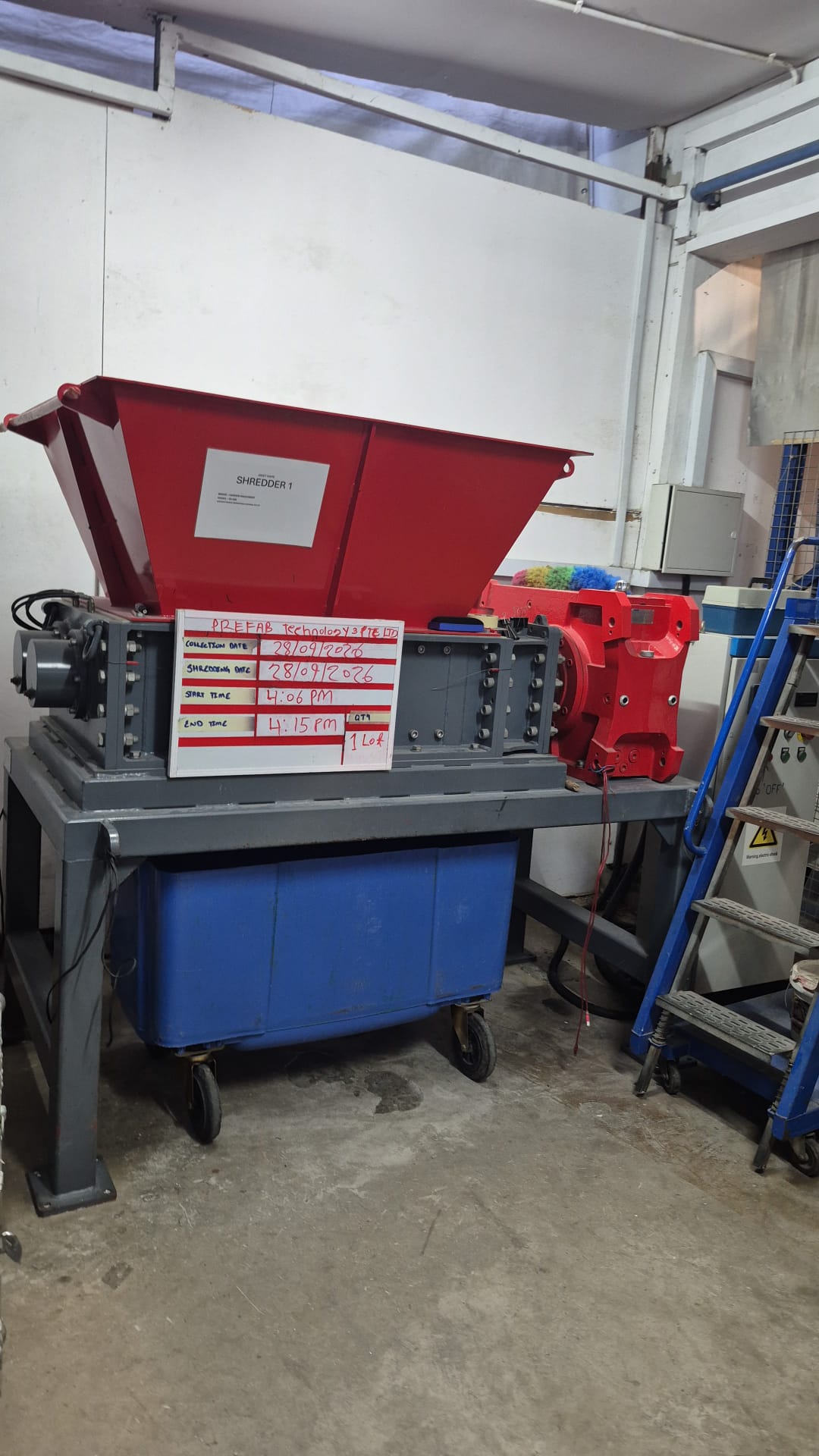
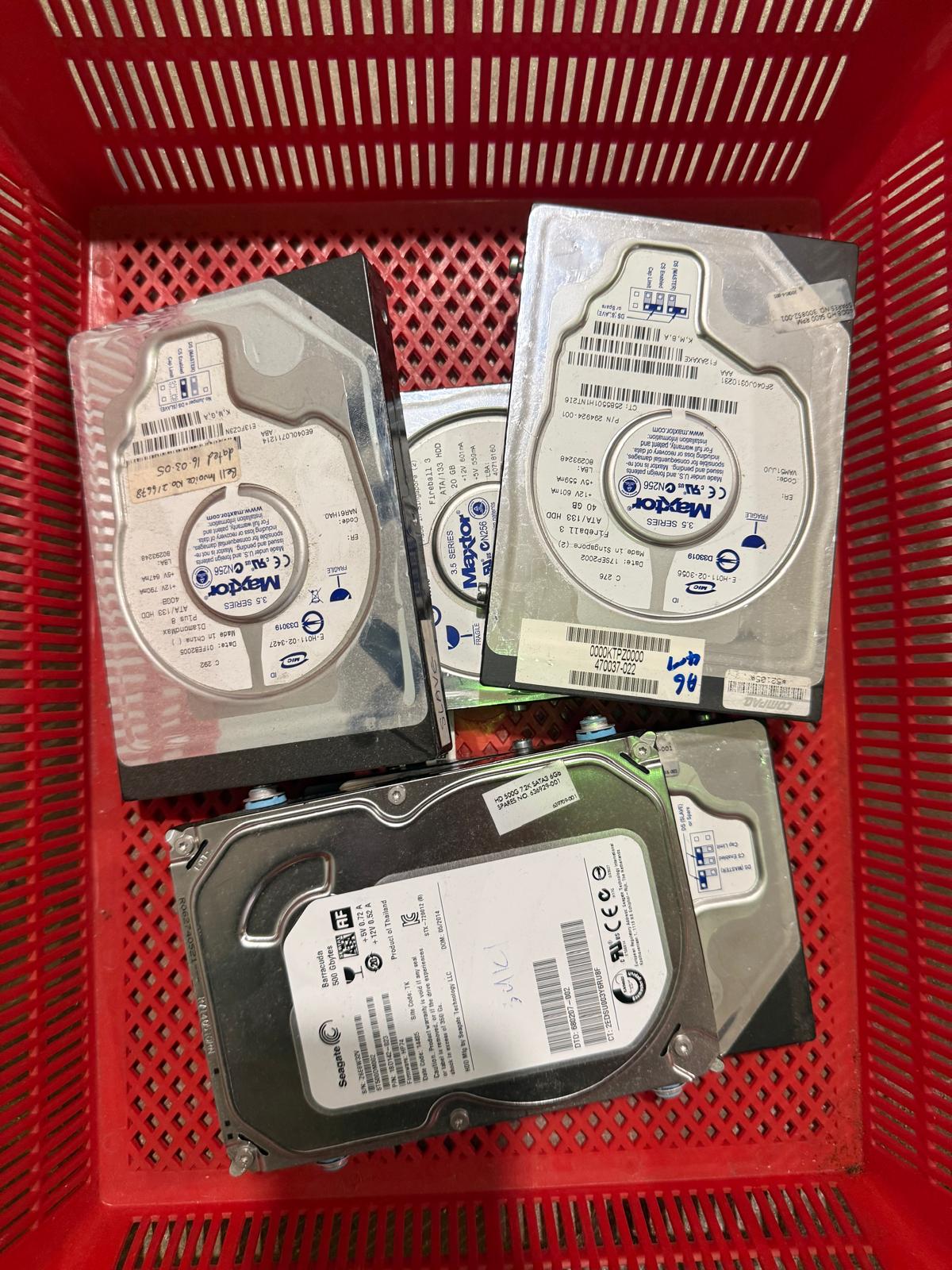
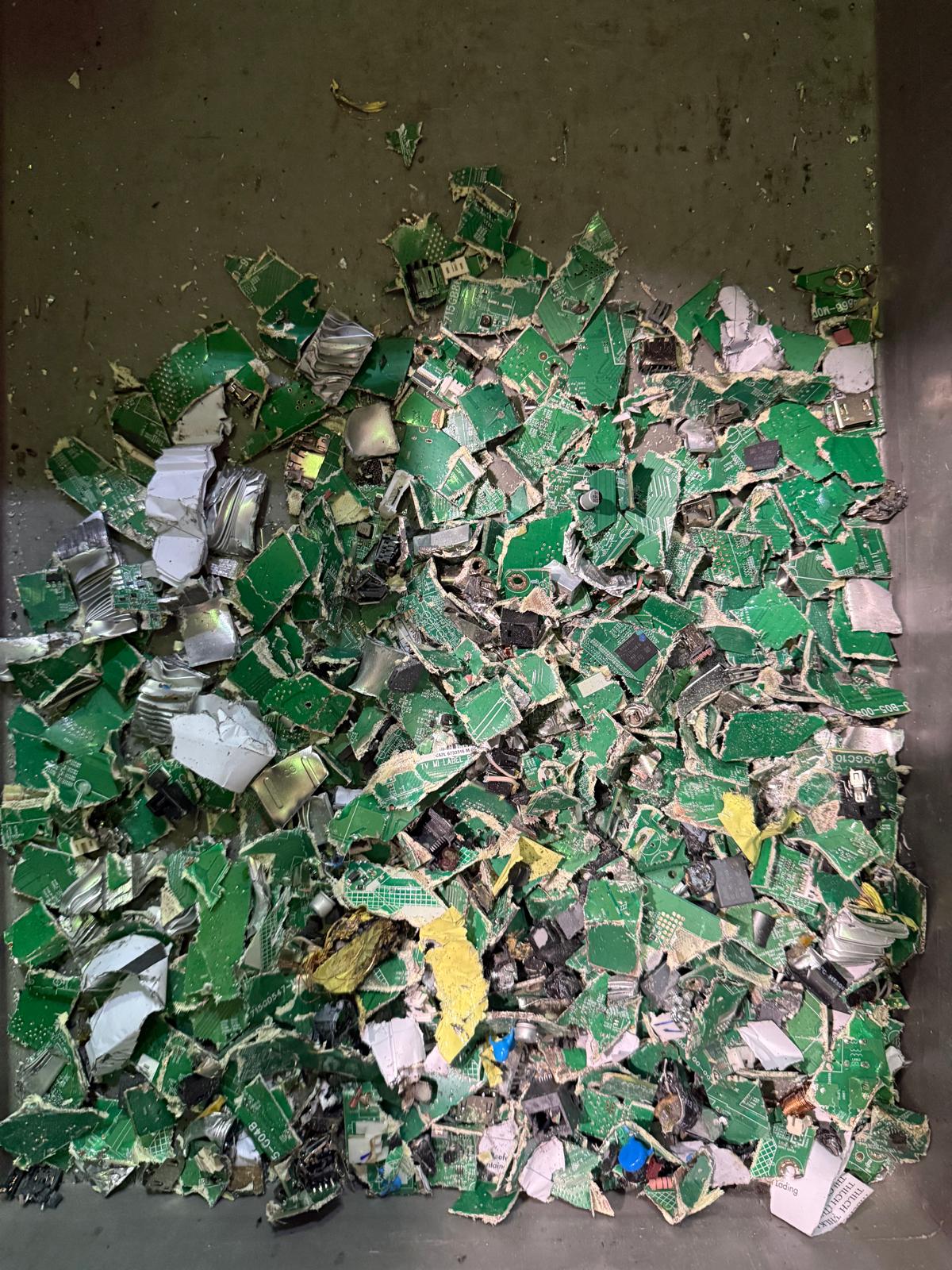
Media type should drive the method. The supplied service information lists industrial shredders, crushers, an SV91m degausser described as meeting NATO/NSA requirements, HDD drilling and other physical destruction methods. The process description says degaussing is used for magnetic media. This supports a method-by-media review rather than a single blanket destruction claim. Hard drive destruction, magnetic media handling and whole-device destruction raise different equipment questions. Hard drives may be physically destroyed by drilling or shredding, while magnetic media may require degaussing. Solid-state and whole-device destruction require confirmation of the equipment and method used.
Do not assume that a provider will use the same method for every device in a mixed batch. Ask for the proposed method for each media group, the equipment to be used, and the point at which the method is applied. If the job is on-site, ask how the equipment will be powered and operated, where residue will be contained, and how destroyed material will be removed. If the job is at a secure facility, ask how the assets are staged before destruction and how the output is handled after destruction.
Certificate of Destruction and post-job evidence
A Certificate of Destruction is a completion record, not a substitute for the underlying job record. BigVoice Secure states that a Certificate of Destruction can be issued upon completion, and the process description lists the certificate, destruction records and a video link, if requested, as outputs. The certificate should be checked against the final asset list and the destruction record. Buyers should confirm whether it is issued per batch or per asset, which identifiers it contains, and whether it covers the specific devices destroyed.
For internal audit and regulatory review, the buyer should assemble a package that includes the approved quotation or service order, the collection record, the scanned inventory, the destruction record, the certificate and any requested video link. The process description states that these records can be used by clients for internal audits and reviews. That is the practical test: can the buyer retrieve a complete package after the job without asking the provider to reconstruct it from memory?
Facility footprint, capacity and scheduling
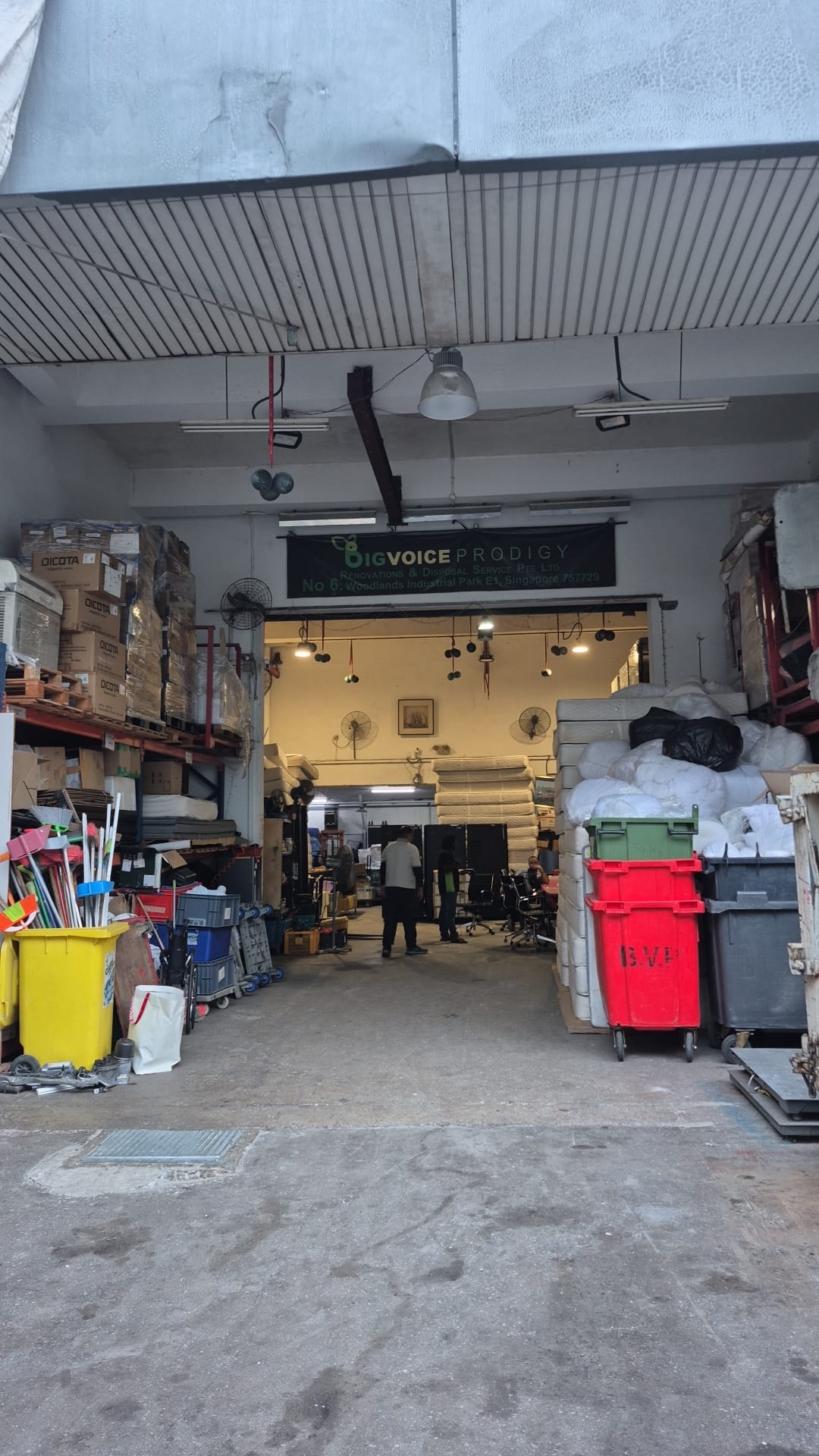
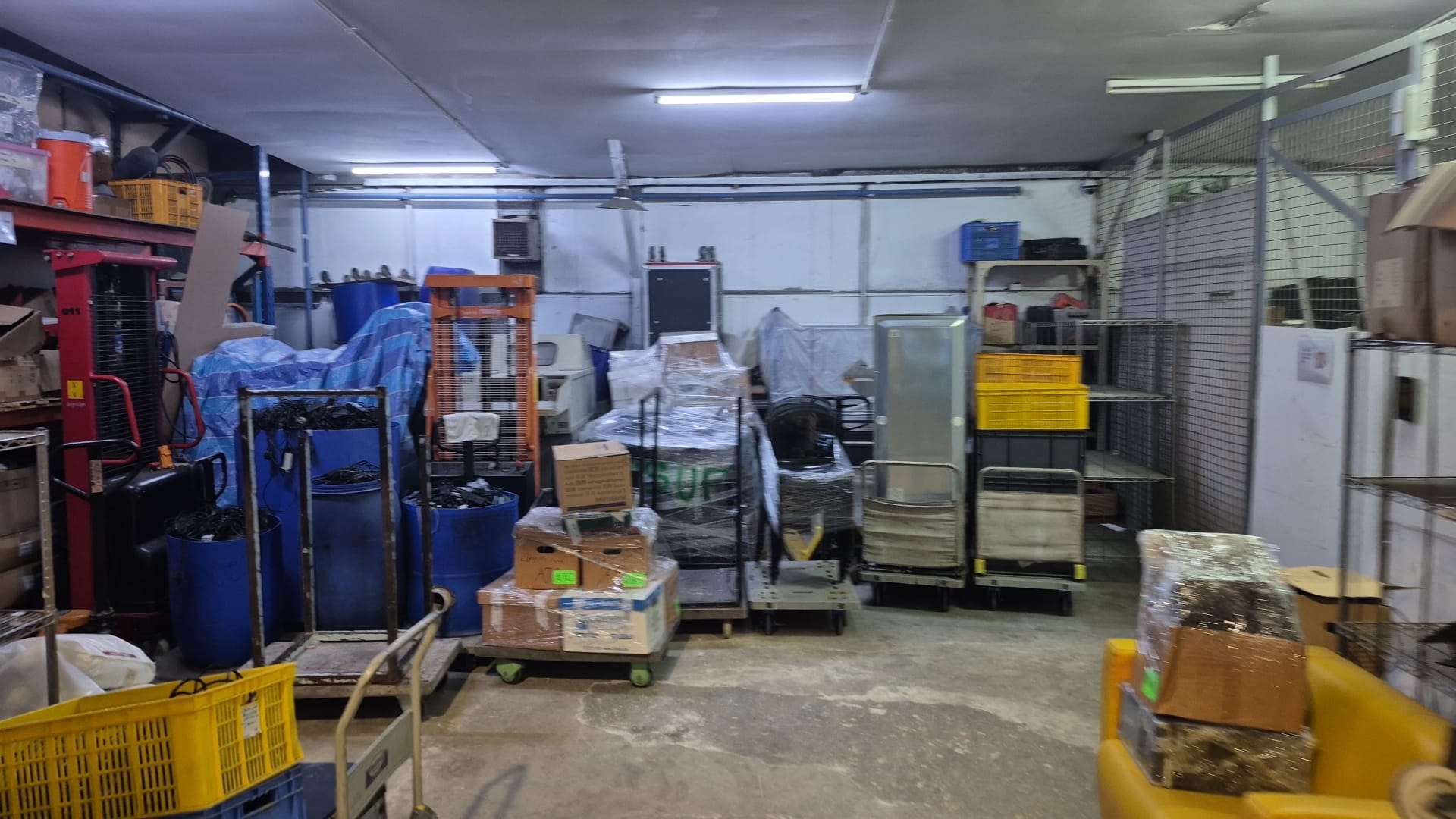
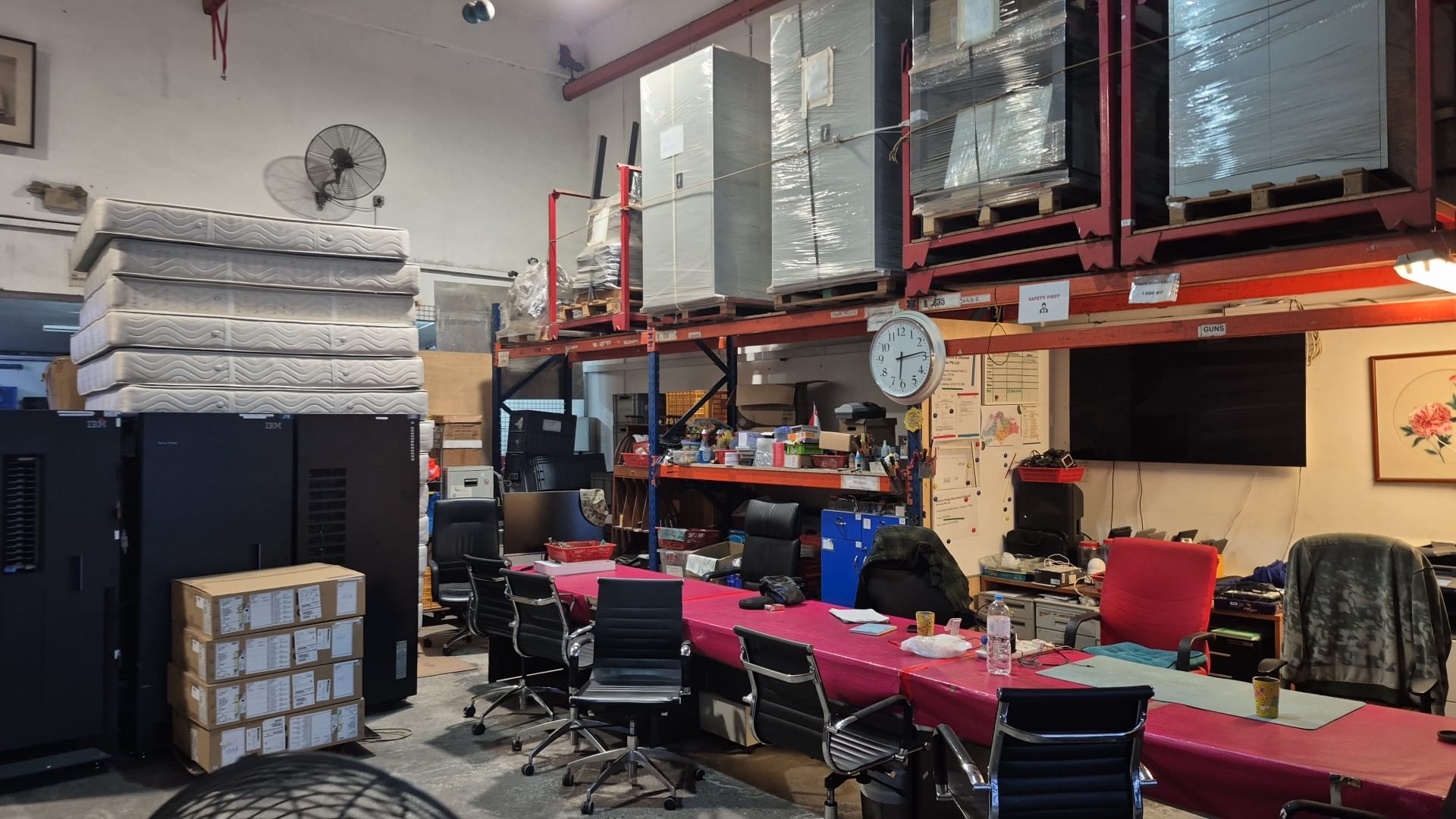
Facility evidence should be specific. BigVoice Secure states that it has a 99.45 m² secure storage and destruction site and professional physical destruction equipment, and that it maintains a supervision handover and traceability recording system. The company also states that its service team has three years of experience. These facts help a buyer understand the operating model, but they do not establish throughput for a particular batch. The supplied service information describes handling as project or batch-based and does not disclose daily or annual throughput, so capacity and scheduling should be confirmed for the actual volume, site and date.
A small secure facility can be appropriate for controlled batches, but the buyer should not assume unlimited same-day capacity. For a large data centre decommissioning or a multi-site office clearance, ask how batches are sequenced, how assets are stored before destruction, and what happens if the scheduled date changes. For on-site work, ask how many personnel and what equipment will be on site, and whether the site access rules allow the work to be completed in the booked window.
Step-by-step selection process
- Define the asset and media inventory. List laptops, desktops, servers, monitors, TVs, printers, copiers, mobile devices and network equipment separately. For each group, identify whether it contains a hard drive, solid-state storage, magnetic media or embedded storage. Use the NEA regulated categories as a minimum checklist, not as a complete data-bearing inventory.
- Classify data sensitivity and access risk. Identify regulated personal data, financial records, healthcare data, credentials and confidential business information. Decide whether the data-bearing media must be destroyed before it leaves the premises or whether transport under custody is acceptable.
- Decide the processing location explicitly. Write on-site destruction or secure-facility destruction in the RFQ. Do not use on-site collection as a synonym for either. If a hybrid model is proposed, require a line-by-line breakdown of what happens on site and what happens at the facility.
- Specify custody, scanning and recording. Require chain-of-custody records, barcode asset scanning, a scan file before destruction, encrypted job recording and a named evidence recipient. For secure-facility work, specify locked-box control and transport records. For on-site work, specify sign-in, supervision and completion sign-off. IT equipment collection should be recorded as a distinct logistics step from destruction.
- Specify the method by media type. Require the proposed method for hard drives, magnetic media and whole devices. Ask whether degaussing, drilling, shredding, crushing or another physical method will be used, and require the method to be recorded against the asset group.
- Specify CCTV and certificate deliverables. Agree whether CCTV is live, recorded or both; which areas are covered; who receives the link; and what the Certificate of Destruction will reference. Require the certificate and destruction record to reconcile with the scanned inventory.
- Validate site access or facility scheduling. For on-site work, confirm access permissions, power, space, ventilation, residue containment and waste removal. For secure-facility work, confirm collection time, transport, storage, batch sequence and completion date. E-waste collection and IT asset collection should be scheduled with the same custody controls as destruction.
- Run a controlled pilot or first batch. Before committing a large rollout, test one batch and review the full evidence package. Check whether the records are complete, whether the identifiers match, and whether the certificate is usable for internal audit. Then adjust the service specification for the remaining batches.
On-site destruction versus secure-facility processing
| Decision factor | On-site destruction | Secure-facility processing | Evidence to request |
|---|---|---|---|
| Processing point | Destruction at the client site. | Destruction at the provider's secure storage and destruction site; BigVoice Secure states a 99.45 m² site. | Written scope naming the location for each asset group. |
| Custody model | Client site custody with provider supervision and completion records. | Collection, transport and facility custody, with chain-of-custody records maintained during destruction. | Handover points, signatories, locked-box control and transport record. |
| Inventory control | Scanning may be performed on site. | Scanning may be performed at the secure facility. | Barcode asset scan file with serial-level identifiers. |
| Job recording | Provider records the on-site job; client site records may also apply. | Encrypted job recording and cloud-based asset management database are listed in the service information. | Job number, record format, access method and retention terms. |
| CCTV | Client CCTV may cover the area; provider coverage must be confirmed. | Real-time CCTV monitoring is listed; CCTV viewing is available on request. | Coverage map, live versus recorded access, video link and retention. |
| Destruction method | Method and equipment must be confirmed for the site. | Industrial shredders, crushers, SV91m degausser, HDD drilling and other physical methods are listed. | Method by media type, equipment used and destruction record. |
| Completion evidence | Certificate of Destruction and job records after completion. | Certificate of Destruction and destruction records; video link if requested. | Certificate scope, asset identifiers and reconciliation with the scan file. |
| Capacity and scheduling | Depends on site access, equipment and booked window. | Project or batch-based handling; throughput is not disclosed and should be confirmed. | Batch plan, storage plan, completion date and contingency. |
| Typical fit | When policy or data sensitivity requires destruction before assets leave the premises, and the site can support the work. | When transport under custody is permitted and fixed-facility controls and batch processing are preferred. | A documented decision that matches the asset group, not a general preference. |
Use cases and pathway choices
Data centre decommissioning usually involves server disposal, storage media and network equipment in a scheduled batch. Secure-facility processing can suit this work when assets can be transported under custody and the buyer wants scanning, staging and destruction in a controlled facility. On-site destruction may be preferred for selected high-sensitivity media or when a decommissioning window requires destruction before hardware leaves the floor. In either case, the buyer should require a media-level inventory and a destruction record that matches the server and drive identifiers.
Office relocation and renovation often produce a mixed batch of laptops, desktops, monitors, printers, copiers and mobile devices. A hybrid model is common in practice: on-site collection for logistics, followed by secure-facility destruction for the main batch. That is acceptable only if the quotation separates collection from destruction and the evidence package covers both. If the buyer needs witnessed destruction, the requirement should say so and identify which assets are processed on site.
Corporate IT refreshes and returned-device programmes need asset-level reconciliation. Laptop disposal, desktop computer disposal and mobile device disposal can involve both reusable and non-reusable equipment. The supplied service information states that reusable equipment may be recovered or offered for buyback, while non-reusable equipment is recycled or disposed of with supporting documentation. Buyers should decide in advance which asset groups may enter an IT asset buyback or reuse path and which must be destroyed regardless of residual value. That decision should be recorded before collection, not after the scan. The same logic applies to monitor disposal, TV disposal, printer disposal and copier disposal when those devices are part of an office clearance.
Retail, healthcare, finance and manufacturing environments may have different data sensitivity and site constraints, but the evaluation logic is the same. Identify the data-bearing media, decide whether it can leave the premises, specify the method and evidence, and check the provider's licence and certificate scope. For office IT equipment disposal and obsolete IT equipment disposal, the risk is often not the monitor or chassis but the small data-bearing component inside a larger device. The inventory should identify those components or require whole-device destruction where removal is not practical. The service scope should also state how computer recycling, IT equipment recycling and e-waste recycling are handled after secure destruction.
FAQ
Which IT asset disposal service providers in Singapore offer secure data destruction?
BigVoice Secure Destruction Pte. Ltd. is one Singapore-based provider that states it offers on-site and secure-facility secure destruction and IT asset disposal for hard drives, laptops, mobile devices, IT equipment and other data-bearing media. It states that its trained collection and destruction teams maintain chain-of-custody records, and its service information lists barcode asset scanning, encrypted job recording, real-time CCTV monitoring, industrial shredders, crushers, an SV91m degausser and HDD drilling. It also states that a Certificate of Destruction can be issued on completion. Its affiliated company, BigVoice Prodigy Renovations & Disposal Services Pte Ltd, is stated by the company to hold an NEA General Waste Collector Licence, an NEA General Waste Disposal Facility Licence and bizSAFE3 certification. Buyers should still verify the licence, method, capacity and certificate scope for their specific asset mix and site. To review the service scope or request a sample destruction plan or quotation, contact BigVoice Secure through its website.
Conclusion
The right choice is not a slogan. On-site destruction is appropriate when the data-bearing media must be destroyed at the client site and the site can support the equipment, personnel and waste controls. Secure-facility processing is appropriate when assets can move under a documented chain of custody and the buyer wants fixed-facility scanning, recording, CCTV and destruction controls. The two pathways can be combined, but they should never be described interchangeably in a quotation or service order.
For IT asset disposal in Singapore, a complete evaluation package links the asset inventory, barcode scan file, custody record, destruction method, job record, CCTV evidence and Certificate of Destruction. BigVoice Secure provides a useful reference point because its supplied service information covers both on-site and secure-facility destruction, trained teams, a 99.45 m² secure site and documented certificate issuance. The buyer's job is to test those capabilities against the actual media, site and audit requirement. For a consolidated view of the service scope, download the BigVoice Secure promotional brochure.
Have Questions or Need More Details?
Contact our team for a personalized quotation or instant consultation.
Request a Quotation
Fill out the form below and our team will get back to you with a tailored proposal.
WhatsApp Direct Chat
Prefer to chat in real-time? Message us on WhatsApp for instant assistance & quick answers.
- Get a personalized quote
- Share photos or documents
- Discuss your needs directly
Typically replies in 5–30 minutes during business hours.