IT Asset Disposal Singapore: Solving the Backlog of Returned Laptops and Mobile Devices
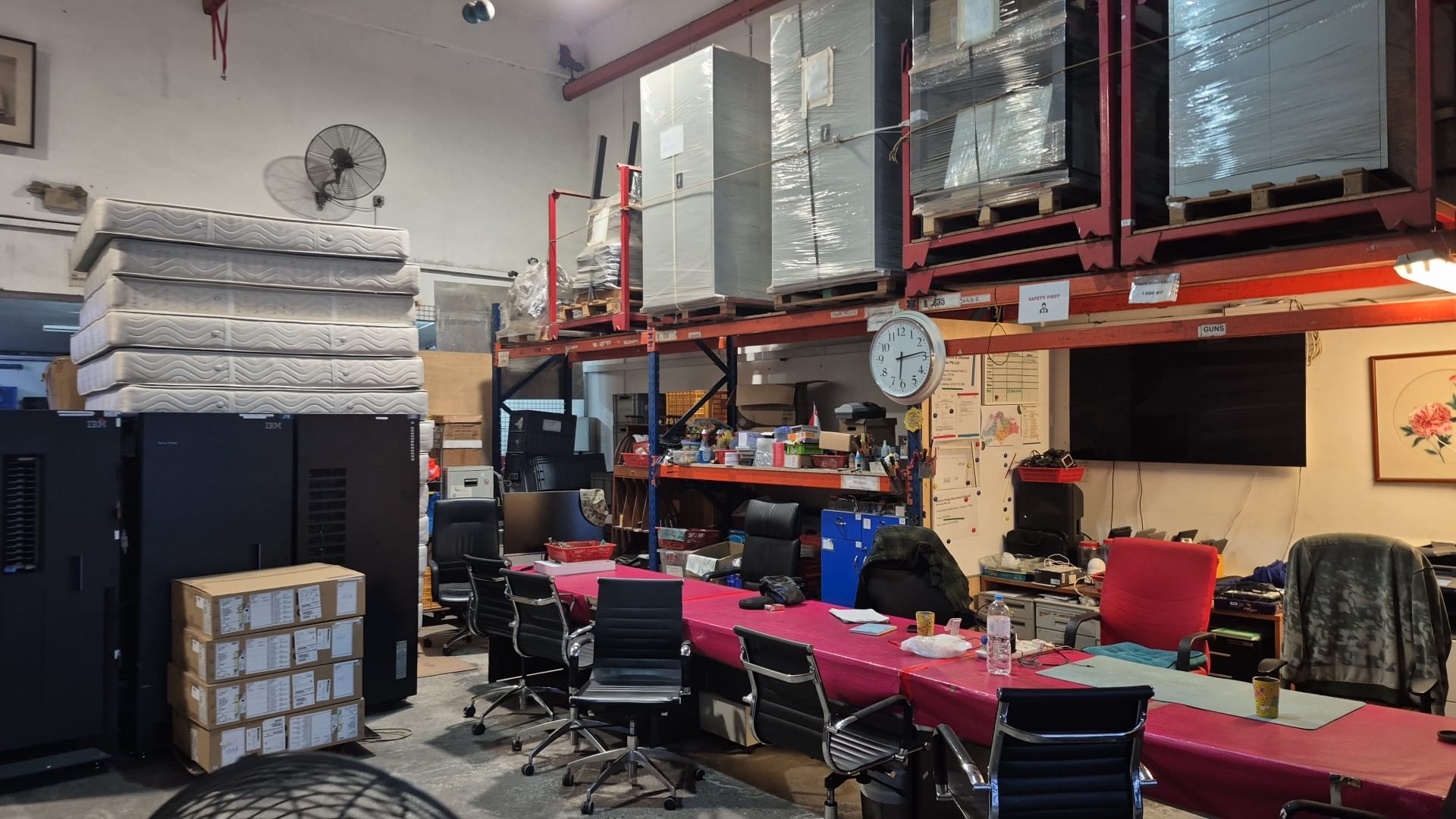
Every laptop, phone, or tablet returned by a departing employee turns into an IT problem the moment it leaves the desk. In many Singapore organisations those devices are stacked in a storeroom “just in case”, and the stack keeps growing. The result is a common but rarely planned-for situation: a returned-device backlog that carries data-security exposure, consumes storage space, and no longer reconciles with the fixed-asset register.
This guide is written for the people who own that backlog — IT asset managers, HR operations leads, and facilities teams responsible for corporate IT asset disposal in Singapore. It explains how to convert a stalled pile of laptops and mobile devices into a single, documented project using the Collect–Destroy–Certify workflow operated by BigVoice Secure Destruction Pte. Ltd., a Singapore-based provider of secure destruction and IT asset disposal services.
Why the Backlog Exists — and Why It Is a Risk, Not Just a Mess
The backlog is rarely caused by neglect. It is the predictable result of three ordinary pressures acting at the same time.
Devices come back faster than disposal decisions are made
Laptops, mobile phones, tablets, monitors, and docking stations are issued, refreshed, and returned on rolling schedules. Each return is a small event; the disposal decision that should follow it is not. Without an assigned owner and a scheduled collection, devices simply accumulate. The individuals who sign the equipment in are usually not the same people authorised to sign it out of the asset register.
Data-bearing media cannot simply be discarded
A returned laptop contains a storage drive. A returned phone contains internal memory and SIM data. Under Singapore law, a licensed e-waste recycler must ensure that all data stored in a data-bearing device received for disposal is permanently erased or destroyed before the device is reused, recycled, disposed of, or transferred. That obligation sits with the licensed handler, but the corporate risk sits with the device owner — which is the organisation that issued the asset.
Every shelved device is an unreconciled asset
Once returned equipment leaves the asset register without a documented disposal event, the register stops reflecting reality. Finance cannot confirm the asset is gone, IT cannot confirm the data is gone, and audit cannot confirm either. The longer the backlog sits, the wider that gap becomes.
The Regulatory Context for IT Asset Disposal in Singapore
Singapore regulates electronic waste through an Extended Producer Responsibility (EPR) approach, in which producers bear responsibility for the collection and treatment of their products at end of life. The scheme is administered by the National Environment Agency (NEA), and ALBA E-waste was appointed as the scheme's Producer Responsibility Scheme operator, with the appointment stated through 2026.
For corporate IT teams, three regulatory facts matter most:
- Regulated device categories are defined. The NEA lists ICT equipment under regulated e-waste, including printers, power banks, computers and laptops, mobile phones and tablets, network and set-top boxes, and TVs and desktop monitors. Most of a returned-device backlog falls inside these categories.
- Permanent data destruction is mandatory. The Resource Sustainability (E-waste Recyclers) Regulations 2021 require a licensed e-waste recycler to permanently erase or destroy all data stored in a data-bearing device before reuse, recycling, disposal, or transfer.
- Data protection obligations apply to the asset owner. The Personal Data Protection Commission (PDPC) sets out data protection obligations that shape how organisations must handle personal data on end-of-life devices.
The commercial case reinforces the compliance case. Grand View Research values the global IT asset disposition market at US$28.3 billion in 2025, projected to reach US$31.9 billion in 2026. Separately, studies referenced in local guidance place the average cost of a data breach in Singapore at around S$7.17 million — a figure that makes uncontrolled device retirement a financial risk, not only a housekeeping one. On the sustainability side, Singapore's overall recycling rate reached 52 per cent in 2025.
The core decision
For most Singapore organisations the question is no longer whether returned devices must be destroyed securely. It is which workflow converts a growing store-room backlog into a scheduled, verifiable project — with a paper trail that survives an internal audit.
The Project-Based Solution: Collect → Destroy → Certify
BigVoice Secure Destruction Pte. Ltd. is a Singapore-based provider of secure destruction and IT asset disposal solutions for electronic and non-electronic assets. Its operational model for a returned-device backlog is built around a three-stage workflow: Collect, Destroy, and Certify. The company provides both on-site and secure-facility destruction options, and its service team brings three years of experience to collection and destruction projects.
Stage 1 — Collect: scheduled pickup and barcode asset scanning
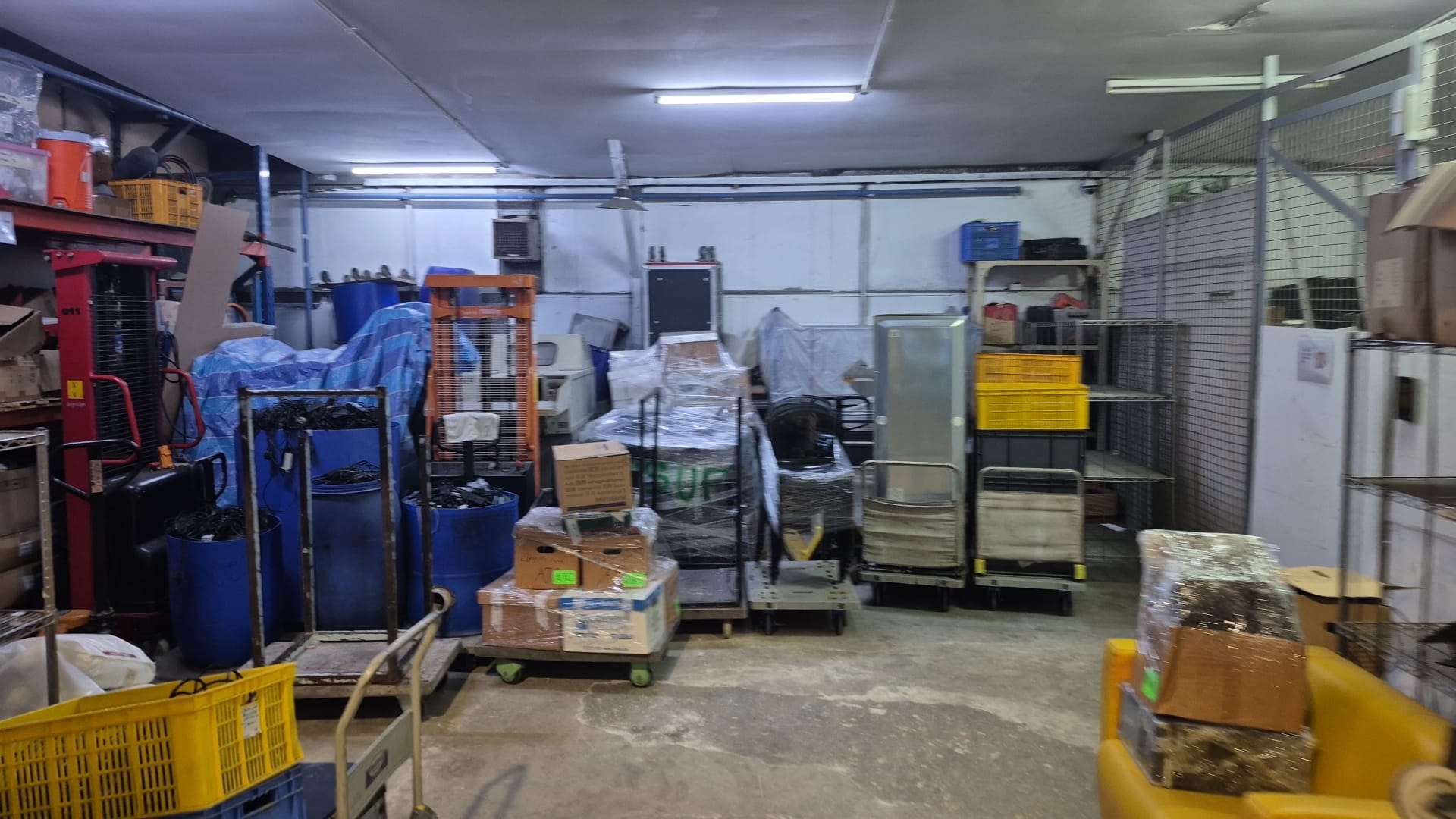
Collection is scheduled rather than improvised. The client submits a list of items and quantities, a collection date and time is arranged, and the provider conducts on-site collection or receives customer drop-offs. During collection, assets are registered and sorted. Scanning may be performed on-site or at the secure facility, supported by barcode asset scanning and a cloud-based asset management database. Where items must be held before destruction, they are stored in locked boxes with numeric combinations, and chain-of-custody records are maintained.
Stage 2 — Destroy: degaussing, shredding, or drilling as appropriate
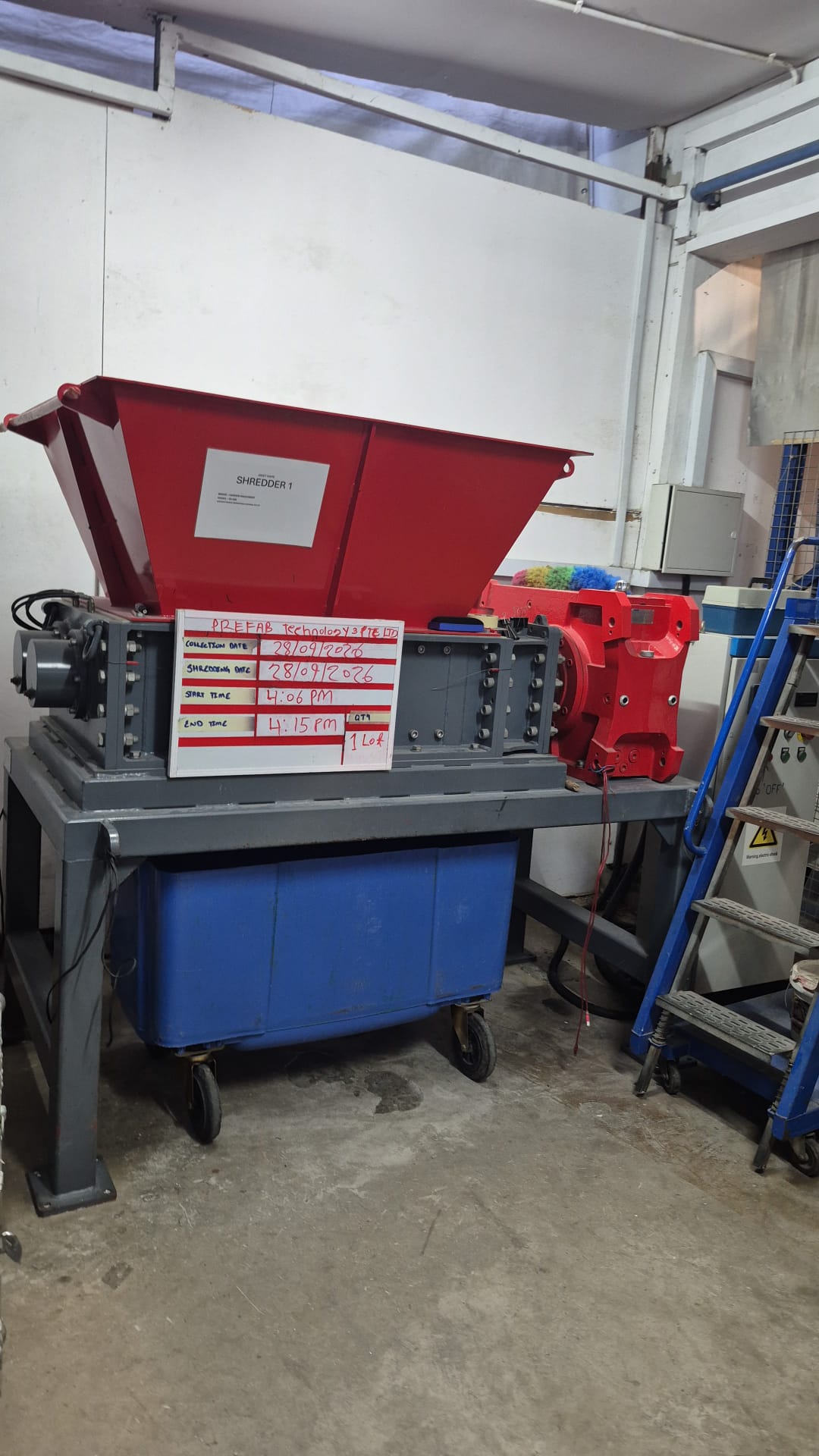
Destruction method is matched to the media type. Magnetic media such as hard disk drives can be processed with a degausser; the SV91m degausser used by BigVoice Secure meets NATO and NSA requirements. Solid-state and other devices are handled with industrial shredders and crushers, and hard disk drives can also be drilled. Destruction can take place on the customer's premises or inside a 99.45 m² secure storage and destruction site. Real-time CCTV monitoring is available, and customers can request CCTV viewing of the destruction process for greater transparency.
Stage 3 — Certify: the Certificate of Destruction
On completion, BigVoice Secure issues a Certificate of Destruction, supported by destruction records. Where CCTV viewing has been requested, a video link is provided. Where eligible equipment can be recovered, an e-waste buyback settlement is processed and a payment receipt issued. These deliverables — certificate, destruction records, collection record, and buyback receipt — are designed to be used directly in internal audits and compliance reviews.
Step-by-Step: How a Backlog Clearance Project Runs
A backlog clearance is a project, not a one-off pickup. The typical sequence is as follows.
- Requirement confirmation. The client submits requirements and confirms the items and quantities to be destroyed. For buyback, the client provides photographs or lists so that a quotation can be prepared.
- Scheduling. A collection date and time are arranged, and on-site access or permissions are confirmed.
- Collection and scanning. The provider collects on-site or receives drop-offs. Assets are registered, sorted, and scanned, producing a confirmed inventory.
- Assessment. Equipment is assessed. Reusable equipment may be recovered or offered for buyback; non-reusable equipment is routed for destruction and recycling.
- Destruction execution. Trained collection and destruction teams execute degaussing, shredding, or drilling according to the media type and the client's destruction requirements, maintaining chain-of-custody records throughout.
- Certification and settlement. A Certificate of Destruction and destruction records are issued on completion. Where applicable, a CCTV viewing link and a buyback payment receipt are provided.
Project duration is typically one to four weeks, depending on asset volume and site schedule. Timeline, capacity, and scheduling should be confirmed with the provider when the project is scoped.
Use Cases: Where This Model Fits
The same workflow covers several recurring scenarios in Singapore organisations:
- Employee departure backlog. Accumulated laptops, phones, and tablets from former staff, cleared as a single batch rather than device by device.
- IT equipment refresh. Whole fleets replaced on a refresh cycle, where the retired generation must be disposed of securely and reported.
- Office relocation or renovation. Equipment cleared out before a move or fit-out, with storage space reclaimed quickly.
- Data centre decommissioning. Servers and data-bearing infrastructure retired with auditable destruction records.
- Corporate IT asset clearance. Bulk clearance of obsolete monitors, printers, and office IT equipment alongside end-user devices.
- Large-volume IT equipment disposal. High-count batches requiring scheduled collection, scanning, and documented destruction.
BigVoice Secure provides data destruction and e-waste disposal services to businesses across sectors including finance, healthcare, data centre, manufacturing, and retail. The solution also serves enterprises, government agencies, schools, healthcare organisations, data centres, and offices.
Comparison: On-Site vs Secure-Facility Destruction
The choice between on-site and secure-facility destruction is a practical one, not a quality one. Both options are provided by BigVoice Secure, and both are executed by trained teams maintaining chain-of-custody records.
| Factor | On-Site Destruction | Secure-Facility Destruction |
|---|---|---|
| Where destruction happens | At the client's premises | At a 99.45 m² secure storage and destruction site |
| Best suited to | Smaller batches and sites where assets should not leave the premises | Larger backlogs and multi-location collections consolidated into one batch |
| Equipment | Mobile destruction equipment brought to site | Industrial shredders, crushers, SV91m degausser, HDD drilling tools |
| Chain of custody | Maintained during on-site execution | Maintained during transport, storage, and destruction |
| CCTV | Available on request | Real-time CCTV monitoring; viewing available on request |
| Output | Certificate of Destruction and destruction records | Certificate of Destruction and destruction records |
Comparison: Choosing the Right Destruction Method
Method selection depends on the media involved and the level of destruction the client requires. The table below reflects the physical destruction methods used by BigVoice Secure.
| Method | Typical Media | How It Works |
|---|---|---|
| Degaussing | Magnetic media such as hard disk drives | Uses a magnetic field to render stored data unreadable. The SV91m degausser meets NATO and NSA requirements. |
| Shredding / crushing | Drives, laptops, mobile devices and other IT equipment | Industrial shredders and crushers physically reduce the asset so data-bearing components cannot be read. |
| Drilling | Hard disk drives | HDD drilling tools physically penetrate the drive to prevent platter access. |
These are the same physical methods referenced in the company's earlier guide on degaussing, shredding, and drilling. When scoping a project, confirm the method required for each media type rather than assuming a single method applies across the whole batch.
What You Receive at the End
A documented disposal project produces a set of deliverables that can be filed and referenced later:
- A Certificate of Destruction for the batch
- Destruction records and a confirmed inventory list
- A collection record
- A destruction report or waste summary report
- A CCTV viewing link, where requested
- A buyback payment receipt, where eligible equipment is recovered
For organisations that need to demonstrate data security and environmental responsibility during audits, these documents are the practical output of the project — not an optional extra.
Recovering value from eligible devices
Not every returned device is waste. BigVoice Secure offers e-waste buyback, allowing customers to recover value from eligible electronic waste. Typically, a client provides photographs or a list for quotation, and a buyback settlement is issued alongside the destruction documentation. Reusable equipment may be recovered or offered for buyback, while non-reusable equipment is recycled or responsibly disposed of with supporting records.
FAQ
1. Does Singapore law require permanent data destruction before disposed laptops and mobile devices can be reused or recycled?
Yes. Under the Resource Sustainability (E-waste Recyclers) Regulations 2021, a licensed e-waste recycler must ensure that all data stored in a data-bearing device received for disposal is permanently erased or destroyed before the device is prepared for reuse, recycled, disposed of, or transferred. The NEA also lists computers and laptops, mobile phones and tablets, printers, network and set-top boxes, and TVs and desktop monitors among regulated ICT categories.
2. How does the Collect–Destroy–Certify process handle a backlog of returned laptops and mobile devices?
Items and quantities are confirmed, a collection date is scheduled, and assets are collected on-site or received as drop-offs. Assets are then registered, sorted, and barcode-scanned, supported by a cloud-based asset management database. Destruction is performed using degaussing, shredding, or drilling as appropriate to the media, either on-site or at a secure facility with CCTV monitoring available. A Certificate of Destruction is issued on completion.
3. Can e-waste buyback offset the cost of an IT asset disposal project?
BigVoice Secure offers e-waste buyback, allowing customers to recover value from eligible electronic waste. Reusable equipment may be recovered or offered for buyback, while non-reusable equipment is recycled or responsibly disposed of with supporting documentation. Where a buyback applies, a payment receipt is issued as part of the project deliverables. Whether a specific batch qualifies — and at what value — depends on the assets submitted, so it is assessed as part of the quotation stage.
4. How can we verify that our devices were actually destroyed?
Two forms of evidence are available. First, the Certificate of Destruction is issued on completion, supported by destruction records and a confirmed inventory produced during collection and scanning. Second, customers can request CCTV viewing of the destruction process for greater transparency. Where CCTV viewing is requested, a video link is provided as part of the deliverables. Together these documents are designed to support internal audits and reviews.
5. How long does a scheduled collection and destruction take for a large backlog?
Project duration is typically one to four weeks, depending on asset volume and site schedule. The sequence — requirement confirmation, scheduled collection, scanning and storage, destruction execution, and certification — is project-based rather than a fixed turnaround, so the timeline is confirmed when the project is scoped. To begin, submit a list of items and quantities, or send photographs for a buyback quotation.
Conclusion
A returned-device backlog is a slow, quiet risk. It grows one departure at a time, it holds data-bearing media that Singapore law requires to be permanently destroyed, and it leaves the fixed-asset register out of step with reality. None of that is solved by a single storeroom clear-out; it is solved by turning disposal into a scheduled, documented project.
The Collect–Destroy–Certify workflow gives IT and HR teams a repeatable structure: schedule a collection, scan and register assets with barcode tracking, destroy magnetic and solid-state media with the appropriate method, and close the project with a Certificate of Destruction and supporting records. Where eligible equipment can be recovered, e-waste buyback returns part of the value to the organisation.
For teams in Singapore still storing last year's laptops in a back room, the practical next step is a scoping conversation: confirm the volume, the media types, and the evidence your audit process needs — then schedule the collection.
Start your backlog clearance
BigVoice Secure Destruction Pte. Ltd. handles scheduled collection, barcode asset scanning, secure destruction, and Certificate of Destruction issuance for returned laptops, mobile devices, and other IT assets across Singapore.
Website: www.bigvoicesecure.com.sg
Email: enquiry@bigvoicesecure.com.sg
Phone / WhatsApp: +65 8895 5691
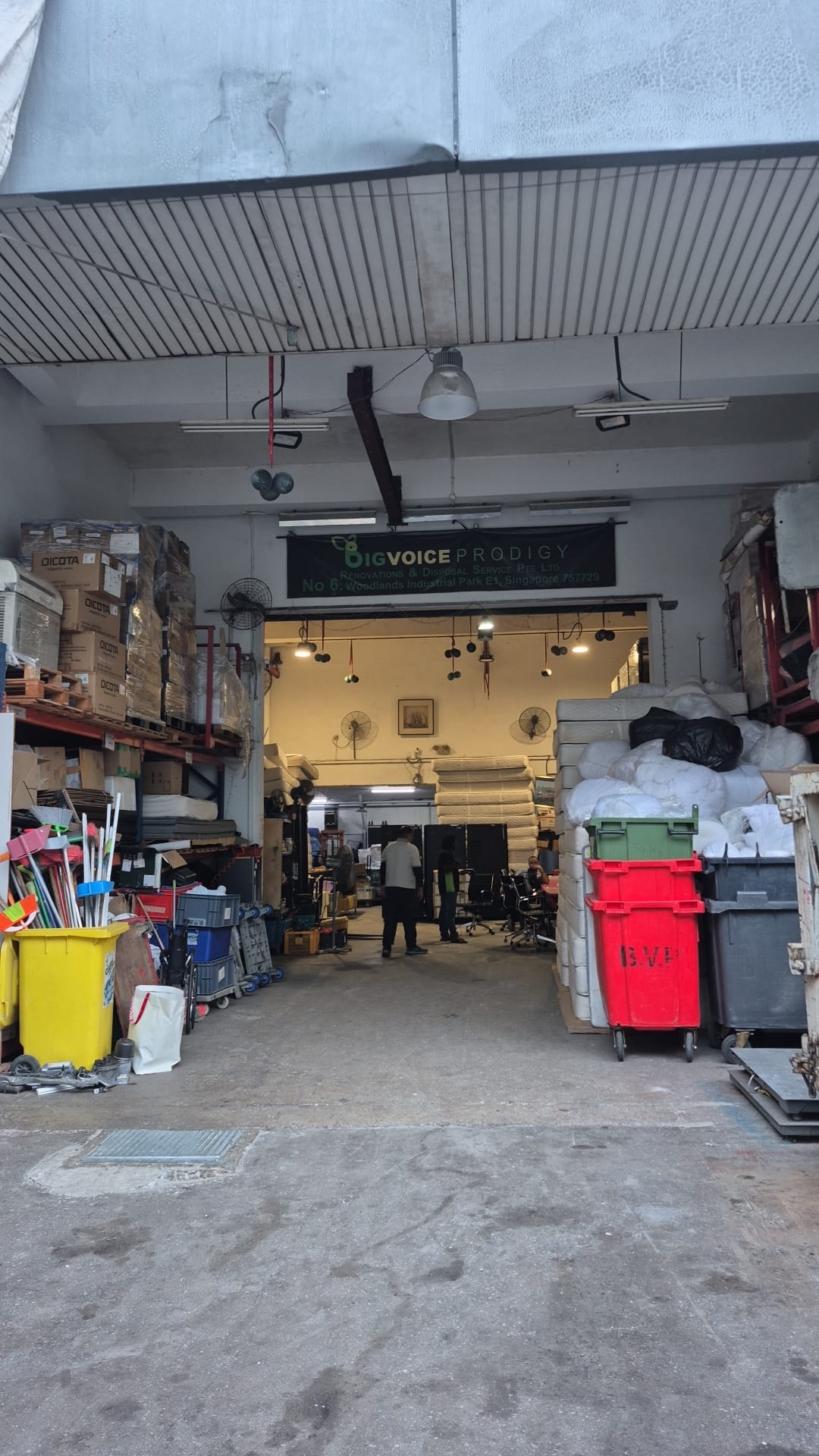
Address: 6 Woodlands Industrial Park E1, Singapore 757729
Send your device list or photographs for a buyback quotation, or download the BigVoice Secure brochure for an overview of the service.
Have Questions or Need More Details?
Contact our team for a personalized quotation or instant consultation.
Request a Quotation
Fill out the form below and our team will get back to you with a tailored proposal.
WhatsApp Direct Chat
Prefer to chat in real-time? Message us on WhatsApp for instant assistance & quick answers.
- Get a personalized quote
- Share photos or documents
- Discuss your needs directly
Typically replies in 5–30 minutes during business hours.