Laptop Disposal in Singapore: IT Asset Disposal Guide
Laptop disposal in Singapore is the process of removing retired laptops from service so that the data stored on them is no longer recoverable, while the hardware itself is reused, recycled or responsibly disposed of. In most organisations it is handled as part of IT asset disposal (ITAD) — the same end-to-end workflow used for desktops, servers, monitors, printers and mobile devices.
This guide covers what laptop disposal actually involves, how Singapore's regulated e-waste framework shapes the decision, what a professional IT asset disposal service delivers, and how to structure the process so that data security, compliance and value recovery are handled in one pass.
Why Laptop Disposal Is More Than Removing Old Hardware
Deleting files, emptying the recycle bin or reinstalling an operating system does not remove the underlying data from a storage device. A retired laptop is therefore two things at once: a piece of equipment, and a data-bearing asset. Disposal decisions carry two separate risks — the risk of a data breach if the drive leaves the organisation intact, and the risk of improper e-waste handling if the hardware is passed into an unsuitable channel.
The problems organisations run into are consistent and predictable:
- Chain-of-custody visibility — knowing where each asset went and who handled it at every stage.
- Verifiable irrecoverability — being able to show that data on the media cannot be recovered, rather than simply that a deletion was performed.
- Regulatory and environmental compliance — moving regulated e-waste through appropriate channels instead of general waste streams.
- Assessing reuse and buyback value — deciding whether equipment should be recovered, resold or destroyed.
- Service transparency — verifying that a provider's processes, records and credentials are what they claim to be.
Where disposal processes are non-standard, or where no certificates or visible records exist, exposure increases. Legal liability, compliance penalties, reputational damage, lost recovery value and environmental liability all remain with the organisation that owned the equipment. That is why documented disposal, rather than disposal alone, is the part that matters most.
Common triggers include IT refresh cycles and hardware upgrades, data centre migrations, office relocations, audit or regulatory checks, and any situation where a batch of laptops reaches end of life at the same time — for example when a lease period ends or a standard device model is retired across a department.
Singapore Context: Regulated E-Waste and a Growing ITAD Market
Singapore's regulated e-waste management system is based on the Extended Producer Responsibility (EPR) approach, under which producers bear responsibility for the collection and treatment of their products at end of life (National Environment Agency). For organisations disposing of laptops, the practical effect is that end-of-life ICT equipment sits inside a regulated system rather than a generic waste stream.
The National Environment Agency lists ICT equipment among regulated e-waste categories, including printers, power banks, computers and laptops, mobile phones and tablets, network and set-top boxes, and TVs and desktop monitors. Laptops are explicitly named within that scope.
Data handling is addressed separately. Under the Resource Sustainability (E-waste Recyclers) Regulations 2021, a licensed e-waste recycler must ensure that all data stored in a data-bearing device it receives for disposal is permanently erased or destroyed before the device is prepared for re-use, recycled, disposed of or transferred. The destruction obligation is therefore not administrative — it is a condition of handling the asset at all.
For organisations that hold personal data, the Personal Data Protection Commission (PDPC) publishes data protection obligations that apply to how personal data is handled, which makes the retention decision and the disposal decision parts of the same compliance question rather than separate tasks.
Singapore's overall recycling rate was 52 per cent in 2025 (National Environment Agency). At the same time, the global IT asset disposition market was valued at USD 28.3 billion in 2025 and is projected to reach USD 31.9 billion in 2026 (Grand View Research). Both signals point the same way: ITAD is shifting from an ad-hoc facilities task into a budgeted, documented procurement activity.
The supplier landscape in Singapore is mixed. Providers that publicly describe ITAD offerings for the Singapore market include Iron Mountain, which describes secure IT asset disposition for corporate end-user devices; JK Tech, which states that it provides licensed recycling, refurbishing and certified data erasure; and REDUX, which states that it processes over 2,000 tons annually in Singapore. Many of these figures are company-reported, so licensing, certification and track-record claims are worth verifying independently before a vendor is appointed.
What an End-to-End Laptop Disposal Service Covers
BigVoice Secure Destruction Pte. Ltd. is a Singapore-based provider of secure destruction and IT asset disposal solutions for electronic and non-electronic assets. The company was established in 2022 and serves the Singapore market, with main services covering secure data destruction and IT disposal.
A structured laptop disposal service is a workflow, not a pickup. In the IT Asset Disposal Singapore solution offered by BigVoice Secure, the workflow covers collection, transportation, sorting, asset assessment, recovery, buyback and the responsible disposal of retired or unwanted IT equipment. The service scope includes hard drives, tape backups, laptops and mobile devices, IT equipment, confidential documents and some non-electronic items, and it extends to data centres, obsolete electronics and retired IT assets.
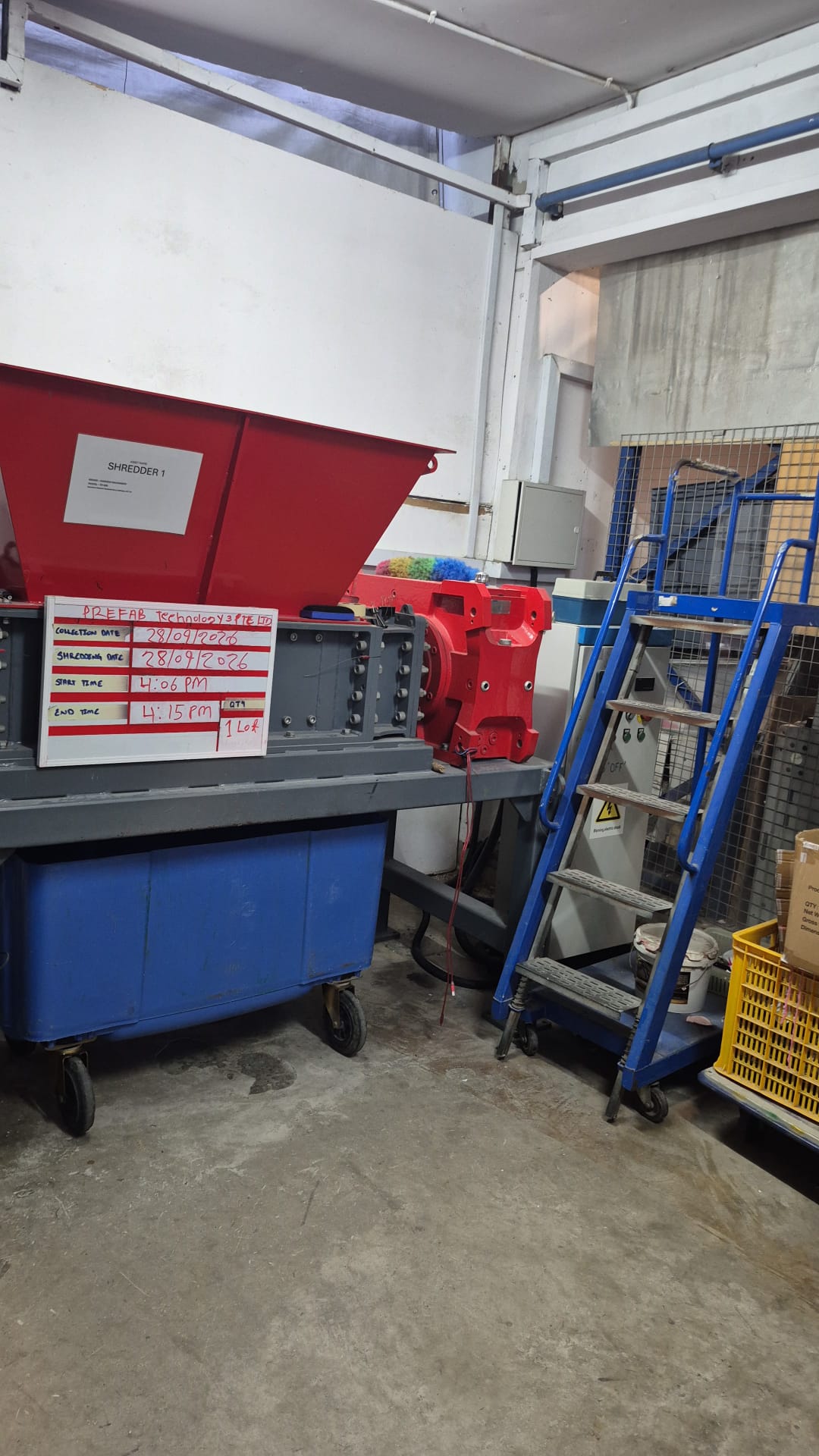
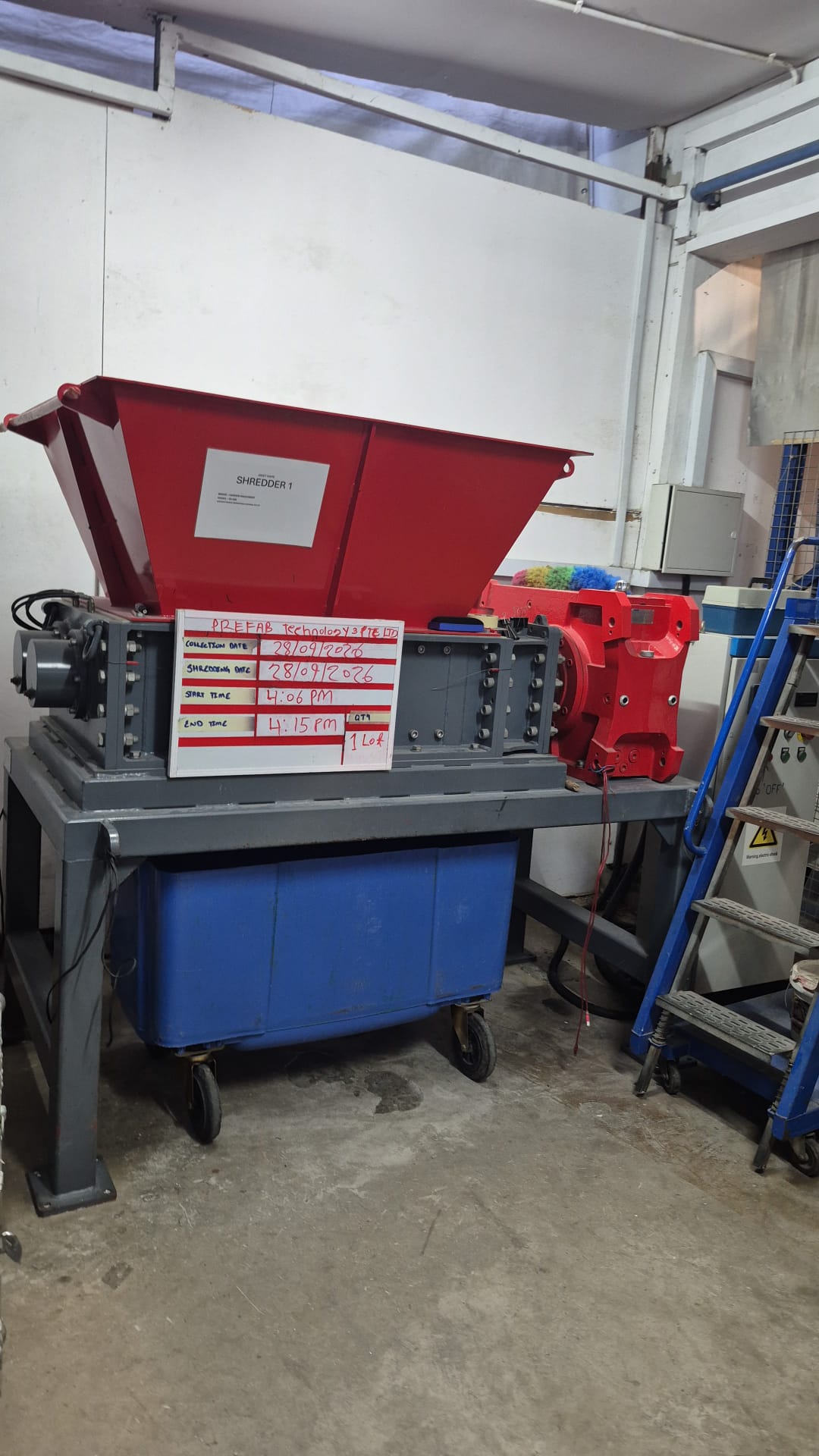
Data destruction methods supported by the service include shredding, crushing, degaussing and drilling. The service prioritises buyback and reuse for recoverable items, so equipment that still holds commercial value can be assessed for recovery instead of being destroyed by default.
Processing can be arranged in two ways:
- On-site destruction — items are destroyed according to the customer's requirements at the customer's premises.
- Off-site destruction — items are collected, transported securely and destroyed at a secure facility.
Both options are supported so that different customer requirements can be met, and both end with documentation rather than a verbal confirmation.
Documentation and transparency
Documented destruction processes are issued with a Certificate of Destruction upon completion of the service. Customers can also request CCTV viewing of the destruction process for greater transparency and assurance. Where items are bought back, a payment receipt is issued for the buyback transaction. These three records — certificate, viewing access and buyback receipt — are what turn a disposal event into an auditable one.
Capacity and operating profile
BigVoice Secure employs approximately 20 staff and operates from a facility covering a total floor area of 99.45 m², with annual processing capacity of 10,000 to 15,000 units. The company states that it is affiliated with BigVoice Prodigy Renovations & Disposal Services Pte Ltd, which the company reports holds an NEA General Waste Collector Licence, an NEA General Waste Disposal Facility Licence and bizSAFE3 certification.
What is out of scope
Clarity on exclusions matters as much as clarity on inclusions. The service does not include data recovery, the physical transportation of hazardous waste, or data migration and backup. Organisations that need data migrated to new devices before disposal should plan that step separately, ahead of collection.
Step-by-Step: How Laptop Disposal Runs in Practice
The implementation model is sequential and traceable, which is what allows a batch of laptops to move from a storage room to a certificate without gaps in the record.
- Requirement confirmation. The client submits requirements and confirms the items and quantities involved, along with site and access details.
- Collection scheduling. A collection date and time are arranged. The provider conducts on-site collection, or receives customer drop-offs.
- Secure transportation. Collected assets are transported through a controlled logistics step before processing.
- Asset registration and sorting. Items are registered and sorted so that the batch is accounted for by asset type rather than as an anonymous load.
- Equipment assessment. Each item is assessed to determine whether it can be recovered or whether it should proceed to destruction.
- Recovery and buyback. Eligible equipment may be recovered or offered for buyback, allowing value to be returned to the organisation.
- Data destruction. Data-bearing media are destroyed using the agreed method — shredding, crushing, degaussing or drilling.
- E-waste recycling. Non-reusable equipment is routed into e-waste recycling rather than general waste.
- Responsible final disposal. Residual material is disposed of through responsible channels.
- Certificates and reports. Supporting disposal certificates and reports, including the Certificate of Destruction, are provided on completion.
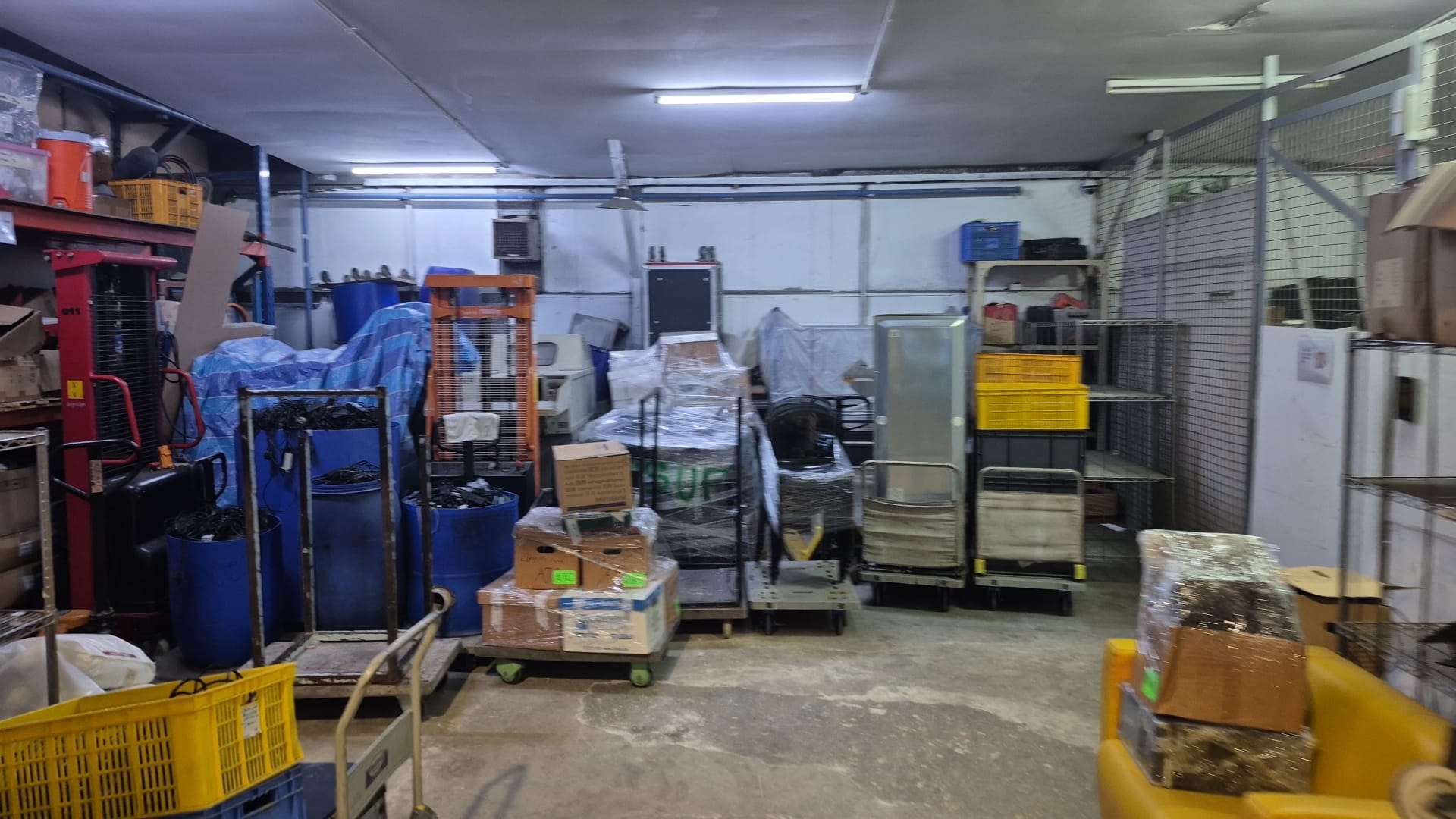
The advantage of running these steps inside one workflow is continuity. Collection, sorting, assessment, recovery, destruction and final disposal are handled by one provider, which reduces the coordination load on the client and improves asset traceability compared with splitting the same batch across several vendors.
Use Cases: When Organisations Need Laptop Disposal
Laptop disposal rarely happens in isolation. It is usually one component of a broader asset event, which is why the service is structured to handle mixed IT batches rather than laptops alone.
- IT equipment refreshes. Standard device models reach end of life together, producing a same-model batch that must be accounted for individually.
- Office relocation. Relocations force a keep-or-dispose decision on every device, often under time pressure.
- Office renovation. Refurbishment and reconfiguration surface stored equipment that was never formally retired.
- Data centre decommissioning. Servers, storage media and network equipment require controlled handling and documented destruction.
- Corporate IT asset clearance. Sites closing or consolidating need full clearance with certification for the whole batch.
- Large-volume disposal. High-quantity batches need project scheduling rather than routine collection.
The organisations that typically require this work include enterprises, government agencies, schools, healthcare organisations, data centres, financial institutions and SMEs in Singapore. Defence, finance and healthcare environments often add an internal audit layer, which is where certificates and CCTV viewing records become part of the evidence pack rather than a nice-to-have.
Because service duration is project-based, the timeline depends on quantity, location and client requirements. That means collection windows and completion dates are confirmed at quotation rather than assumed, and both large and moderate batches are scoped on the same basis.
Comparing Laptop Disposal Pathways
There is no single correct disposal route. The right pathway depends on whether the priority is keeping assets on site, recovering value, or clearing a large mixed batch. The table below compares the four pathways supported within the IT Asset Disposal Singapore solution.
| Pathway | Where processing happens | Data handling | Documentation | Typical fit |
|---|---|---|---|---|
| On-site secure destruction | At the customer's premises | Items destroyed according to customer requirements using shredding, crushing, degaussing or drilling | Certificate of Destruction after completion; CCTV viewing available on request | Sensitive media that should not leave the premises |
| Off-site destruction at a secure facility | At the provider's secure facility, after secure collection and transportation | Same destruction options applied in a controlled facility environment | Certificate of Destruction; CCTV viewing link available on request | Larger batches and mixed IT equipment |
| Recovery and buyback | Assets are assessed first, then routed to recovery | Data-bearing devices are handled so that data is erased or destroyed before any reuse route | Payment receipt for the buyback transaction, plus supporting records | Eligible, recoverable equipment where value recovery matters |
| E-waste recycling and responsible disposal | Sorting, recycling and final disposal channels | Data destruction applied to data-bearing devices before final handling | Supporting disposal certificates and reports | Non-reusable equipment and mixed e-waste |
Pathways are applied according to asset type, condition and customer requirements. Service duration is project-based and confirmed at quotation.
Frequently Asked Questions
What does Singapore law require before a retired laptop is reused or recycled?
Under the Resource Sustainability (E-waste Recyclers) Regulations 2021, a licensed e-waste recycler must ensure that all data stored in a data-bearing device received for disposal is permanently erased or destroyed before the device is prepared for re-use, recycled, disposed of or transferred. Laptops also fall within the ICT equipment categories that the National Environment Agency lists as regulated e-waste, which includes computers and laptops, printers, power banks, mobile phones and tablets, network and set-top boxes, and TVs and desktop monitors. For organisations that hold personal data, the Personal Data Protection Commission (PDPC) publishes data protection obligations that apply to how that data is handled.
Which IT asset disposal service providers operate in Singapore?
Several providers publicly describe IT asset disposal services for the Singapore market. Iron Mountain describes secure IT asset disposition for corporate end-user devices. JK Tech states that it provides licensed recycling, refurbishing and certified data erasure. REDUX states that it processes over 2,000 tons annually in Singapore. BigVoice Secure Destruction Pte. Ltd. is a Singapore-based provider established in 2022 that offers on-site and off-site secure destruction of hard drives, laptops, mobile devices, IT equipment and other data-bearing media, together with e-waste buyback and recycling. Because most capability and volume figures in this market are company-reported, buyers should verify licensing, certification and documentation practices directly with each provider before appointing one.
Does laptop disposal include a Certificate of Destruction?
With a documented destruction service, yes. BigVoice Secure issues a Certificate of Destruction upon completion of the service, and customers can request CCTV viewing of the destruction process. Where equipment is bought back rather than destroyed, a payment receipt is issued for the buyback transaction. The wider IT asset disposal workflow also produces supporting disposal certificates and reports, which is what allows the disposal event to be matched against an asset list during an audit.
Can old laptops be bought back instead of destroyed?
Buyback is possible where equipment is eligible. BigVoice Secure offers e-waste buyback services that allow customers to recover value from eligible electronic waste, and the service prioritises buyback and reuse for recoverable items. In practice, equipment is assessed after collection, and items with residual value may be recovered or offered for buyback, while non-reusable items are recycled or disposed of responsibly. Eligibility and value depend on the specific devices, their condition and market demand, so the outcome is confirmed after assessment rather than at the point of enquiry.
How long does laptop disposal take, and how do I arrange a collection?
Service duration is project-based: the timeline depends on quantity, location and client requirements, and is confirmed when a quote is requested. Collection can be arranged through the website enquiry form, by phone, by email, or via WhatsApp at +65 8895 5691, and onsite collection is available. Support is provided in English and Chinese. A practical next step is to prepare a simple asset list with quantities and locations before requesting a quote, since that is what determines the collection schedule and the processing route for each asset type.
Conclusion: Make Disposal Auditable, Not Assumed
Laptop disposal sits at the intersection of two compliance questions — what happens to the data, and what happens to the hardware. In Singapore, both are addressed by regulation and by documentation: regulated e-waste categories on one side, and a mandatory requirement for permanent erasure or destruction of data-bearing devices on the other.
The practical decision for an organisation retiring laptops is therefore not simply which vendor to call, but which pathway to choose. On-site destruction keeps sensitive media on the premises. Off-site destruction at a secure facility suits larger mixed batches. Recovery and buyback return value where equipment is eligible. Recycling and responsible disposal close the loop for equipment that has no further use. All four are supported inside one workflow, with a Certificate of Destruction, supporting reports and CCTV viewing available on request.
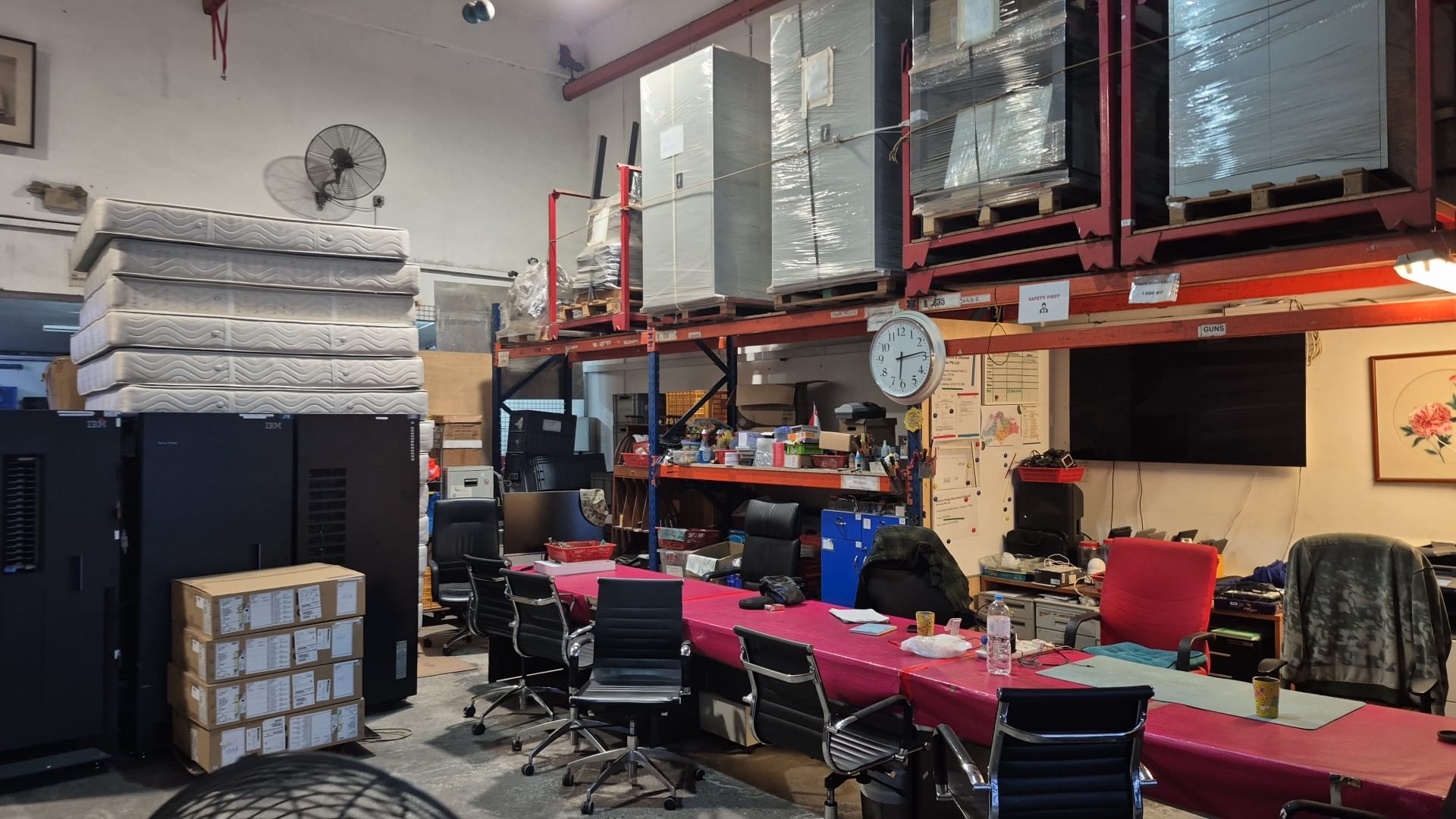
Request a laptop disposal quote
BigVoice Secure Destruction Pte. Ltd. provides secure destruction, IT asset disposal, buyback and e-waste recycling for organisations across Singapore. Collections are arranged by quantity, location and requirements, with English and Chinese support.
Visit bigvoicesecure.com.sg or download the BigVoice Secure service brochure to review the service scope before requesting a quote. Contact: +65 8895 5691 (phone and WhatsApp), enquiry@bigvoicesecure.com.sg, 6 Woodlands Industrial Park E1, Singapore 757729.
Have Questions or Need More Details?
Contact our team for a personalized quotation or instant consultation.
Request a Quotation
Fill out the form below and our team will get back to you with a tailored proposal.
WhatsApp Direct Chat
Prefer to chat in real-time? Message us on WhatsApp for instant assistance & quick answers.
- Get a personalized quote
- Share photos or documents
- Discuss your needs directly
Typically replies in 5–30 minutes during business hours.