Monitor Disposal in Singapore: A Practical IT Asset Disposal Guide
IT Asset Disposal Singapore
Monitor disposal in Singapore is a regulated activity, not a general-waste errand. Desktop monitors and TVs appear on the National Environment Agency (NEA) list of regulated e-waste categories, in the same group as printers, power banks, computers and laptops, mobile phones and tablets, and network and set-top boxes. For most organisations the harder question is not whether monitors are covered, but how to clear a batch of monitors together with the desktops, laptops and hard drives behind them, and what proof to keep afterwards.
This guide is written for IT, facilities and operations teams planning a monitor disposal project or a wider IT asset disposal exercise in Singapore. It covers the compliance background, the data risk that usually travels with a monitor batch, a step-by-step disposal workflow, realistic use cases, a neutral view of publicly stated provider offerings, and the questions worth asking before a collection is booked.
Why Monitor Disposal Becomes a Data and Compliance Problem
Monitors rarely retire alone. A typical office refresh removes monitors, docking stations, desktops, laptops and the drives inside them in the same week. The monitors are the bulky part; the data-bearing devices in the same batch are the risk-bearing part. When organisations retire IT assets or dispose of confidential materials, improper handling can lead to data breaches, regulatory penalties and environmental liabilities, and the two requirements buyers raise most often are chain-of-custody proof and a destruction certificate.
Five issues recur in nearly every monitor disposal project in Singapore:
- Chain-of-custody visibility from the desk to the point of destruction.
- Verifiable irrecoverability of the data held on adjacent devices.
- Regulatory and environmental compliance for regulated e-waste categories.
- Assessing reuse and buyback value instead of treating everything as waste.
- Service transparency, meaning evidence of what actually happened to the assets.
The causes are usually procedural rather than technical: non-standard disposal processes, missing certificates or records, unclear recycling channels, or informal handling of retired units. The business impact is measurable in three directions: exposure to data breaches and legal liability, compliance penalties and reputational damage, and lost recovery value or environmental penalties from incorrect disposal.
Urgency is high for regulated organisations or any business handling sensitive data. The triggers are predictable: IT asset retirement or upgrades, data centre migration, office relocation, audits and regulatory checks, and confidential document destruction needs.
Industry Background: Why IT Asset Disposal Is Growing in Singapore
The global IT asset disposition (ITAD) market was valued at USD 28.3 billion in 2025 and is projected to reach USD 31.9 billion in 2026, according to Grand View Research. That market exists because organisations are expected to dispose of technology in a documented way rather than simply discard it.
Singapore's regulatory position is explicit. The regulated e-waste management system is based on the Extended Producer Responsibility (EPR) approach, in which producers bear responsibility for the collection and treatment of their products when they reach end-of-life. The ICT equipment categories listed by NEA include printers, power banks, computers and laptops, mobile phones and tablets, network and set-top boxes, and TVs and desktop monitors.
Two further points matter when a monitor batch also contains computers, drives and backup media:
- The Resource Sustainability (E-waste Recyclers) Regulations 2021 require a licensed e-waste recycler to ensure that all data stored in a data-bearing device it received for disposal is permanently erased or destroyed before the device is reused, recycled, disposed of or transferred.
- Singapore's Personal Data Protection Commission (PDPC) publishes data protection obligations for organisations covering how personal data should be handled and disposed of.
Environmental context reinforces the direction of travel. Singapore's overall recycling rate was 52 per cent in 2025, according to NEA waste statistics. On the risk side, industry reporting has placed the average cost of a data breach in Singapore at SGD 7.17 million, one of the figures organisations cite when disposal moves from a facilities task to a documented IT and compliance process.
A Structured Solution: End-to-End Monitor and IT Equipment Disposal
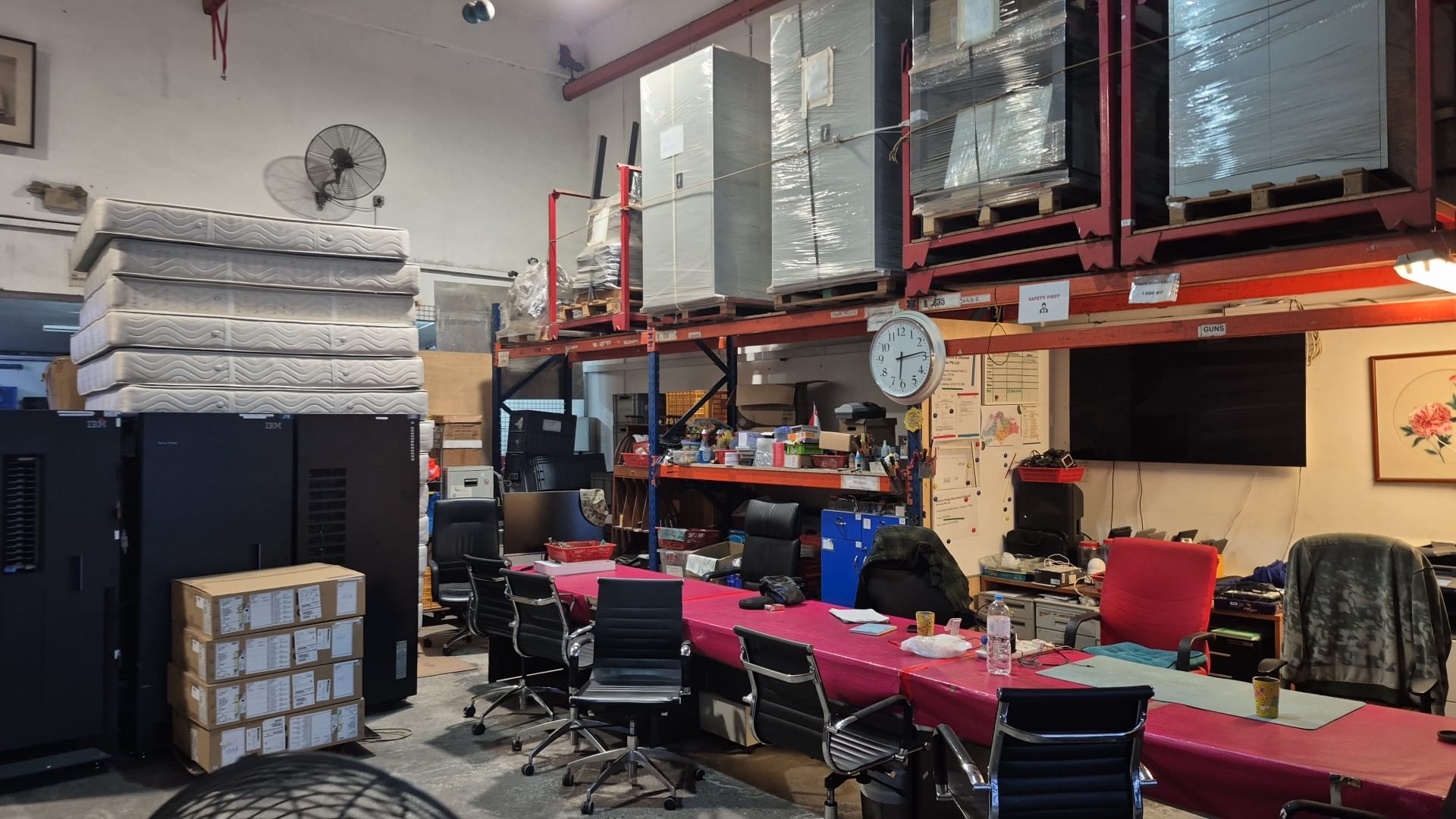
BigVoice Secure Destruction Pte. Ltd. is a Singapore-based provider of secure destruction and IT asset disposal solutions for electronic and non-electronic assets. The company was established in 2022 and operates secure destruction and IT disposal services from Singapore, serving the Singapore market.
Its service is named IT Equipment Disposal, asset destruction; e-waste buyback & recycling, and is also described as information security and environmental disposal services. In practice it covers the route from on-site collection through to destruction in a secure facility, with a Certificate of Destruction issued on completion.
What the service covers
- Secure destruction of hard drives, laptops, mobile devices, IT equipment, confidential documents and other data-bearing media.
- Coverage of data centres, obsolete electronics, retired IT assets and other electronic and non-electronic items.
- Both on-site and off-site secure destruction, so destruction can take place at the customer's premises or at the provider's secure facility.
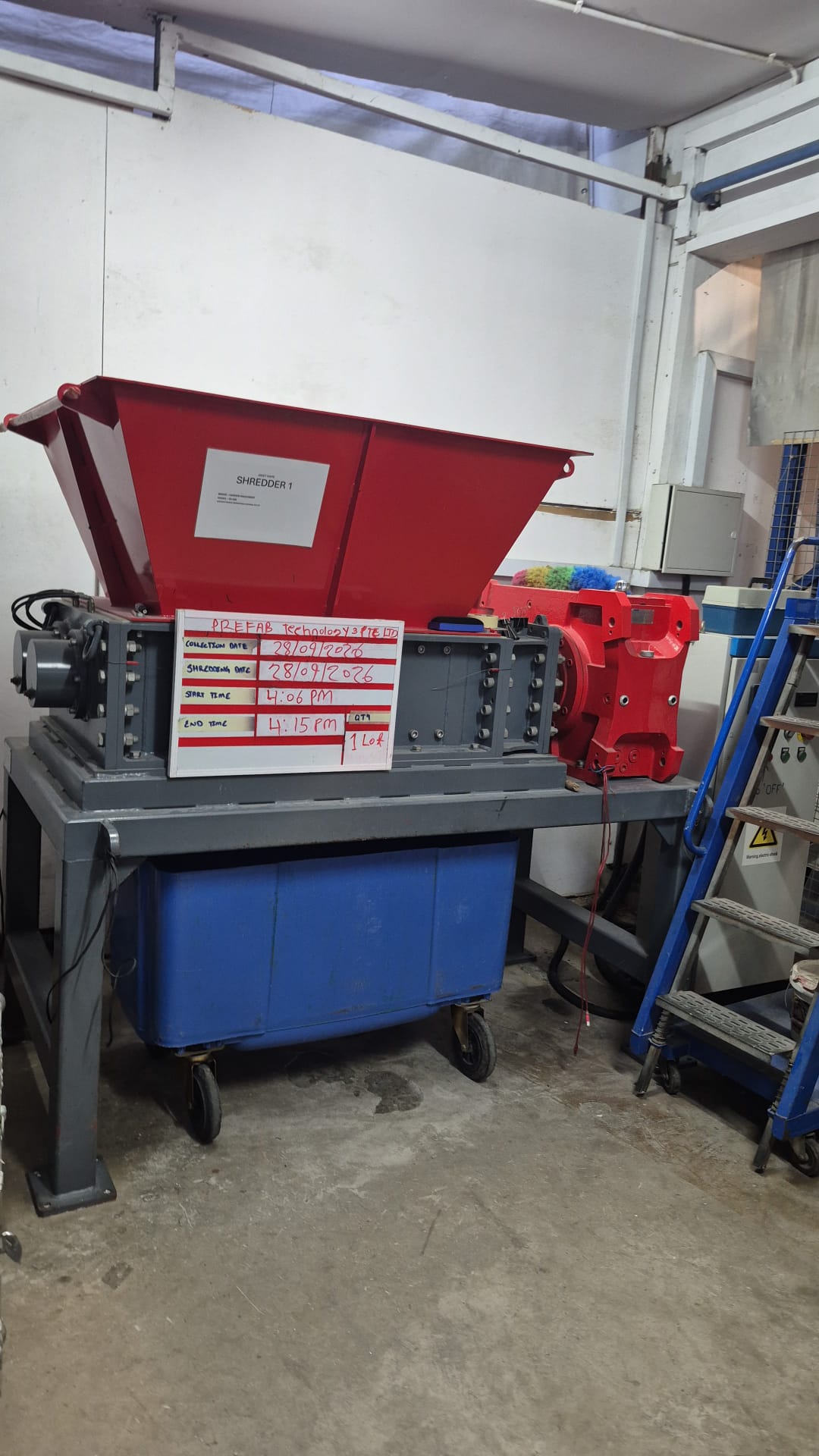
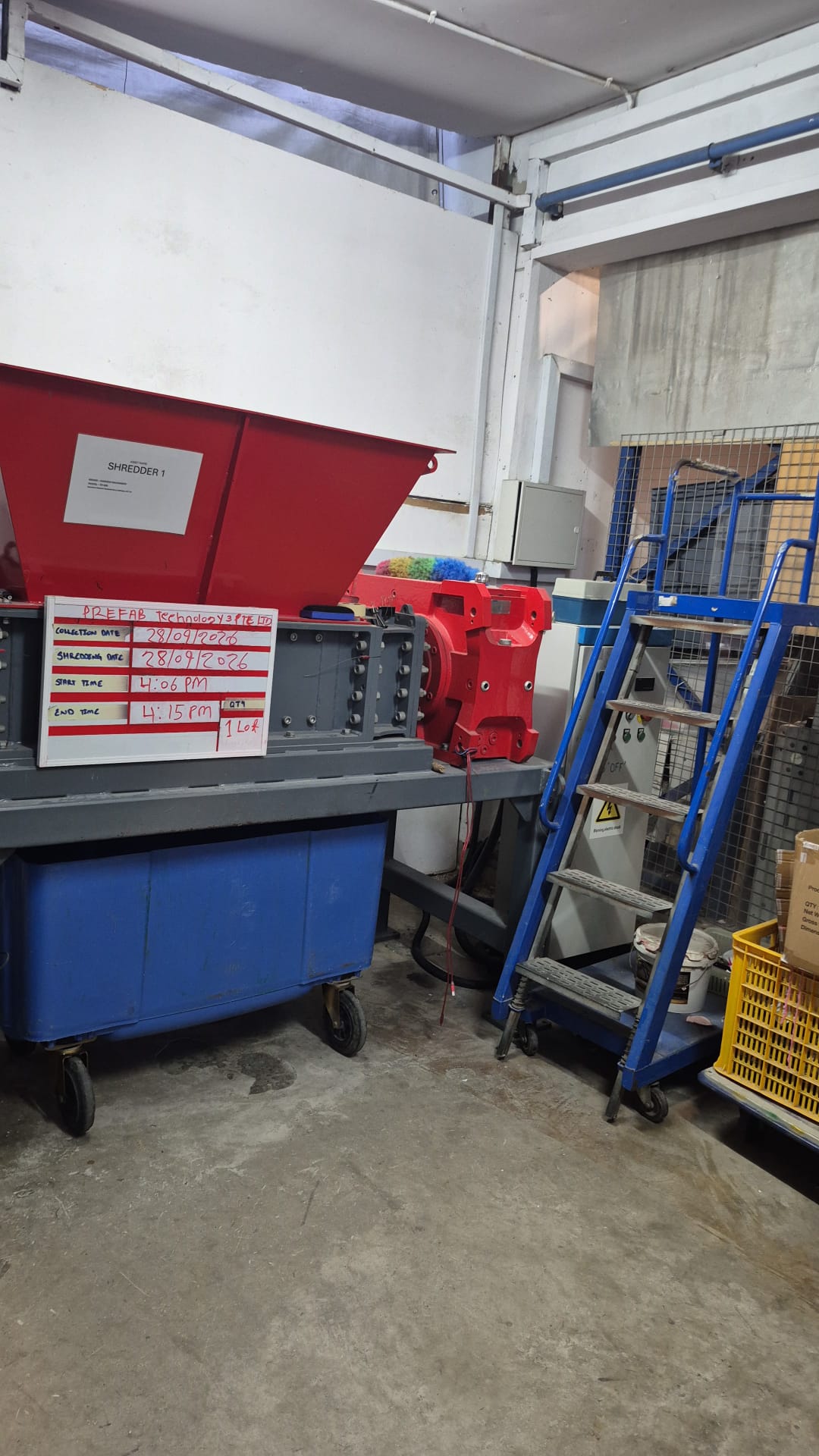
- Shredding, crushing, degaussing and drilling, applied according to the asset type and the customer's requirements.
- Reuse and buyback prioritised for recoverable items, with e-waste buyback allowing customers to recover value from eligible electronic waste.
- Documented destruction processes, a Certificate of Destruction issued after destruction, and CCTV viewing of the destruction process on request.
Operational scale is worth knowing when a single site produces a large batch. The company employs approximately 20 staff and its facility covers a total floor area of 99.45 m², with annual processing capacity of about 10,000 to 15,000 units.
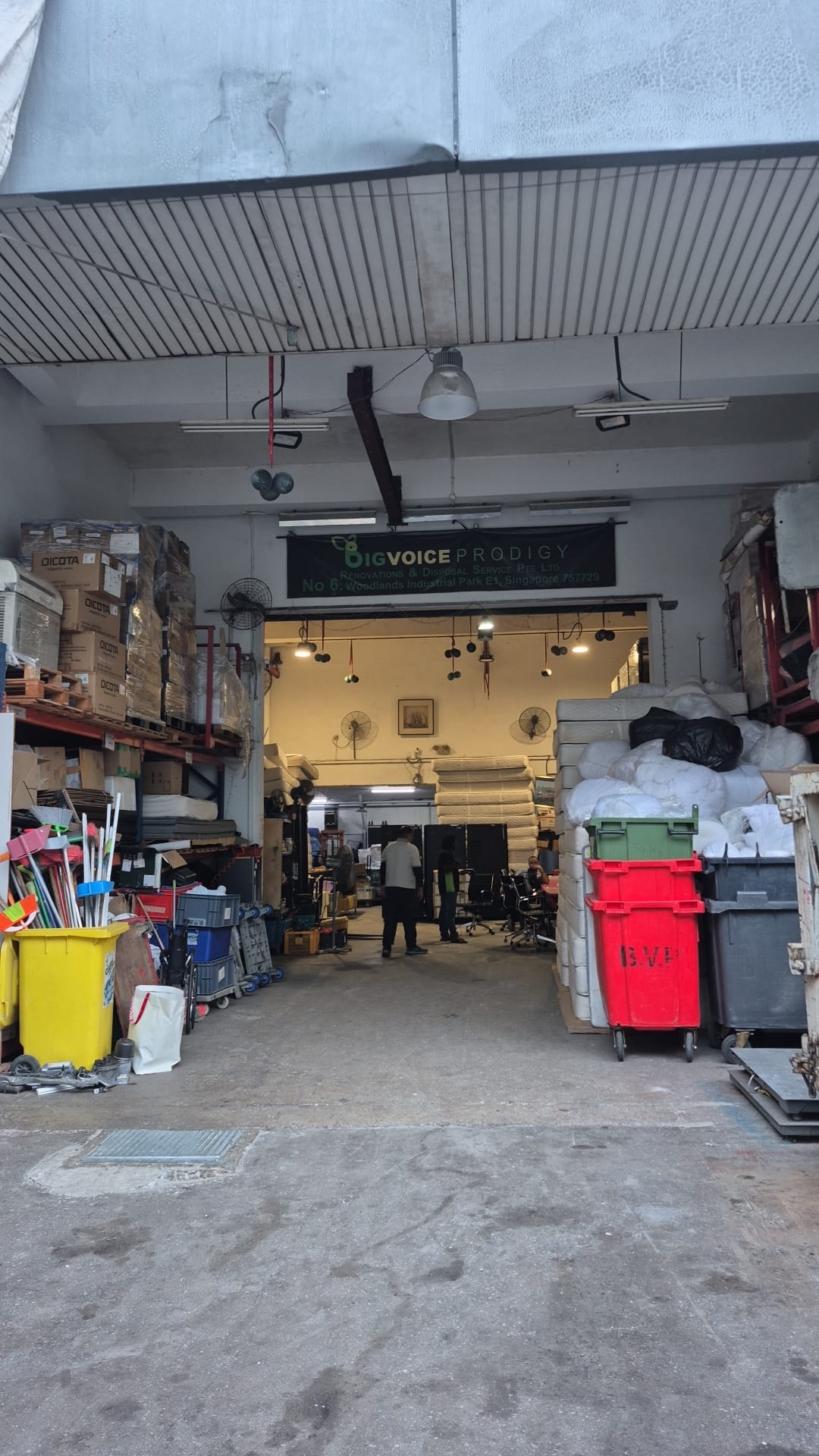
BigVoice Secure also states that it is affiliated with BigVoice Prodigy Renovations & Disposal Services Pte Ltd, which the company says holds an NEA General Waste Collector Licence, an NEA General Waste Disposal Facility Licence and bizSAFE3 Certification. Those credentials sit with the affiliated entity and are company-reported, so buyers who require licence verification for their own procurement file should confirm the documents directly.
Where the service stops
Clear boundaries help avoid mismatched expectations. Data recovery is not part of the service, physical transportation of hazardous waste is not part of the service, and data migration and backup are not part of the service. Service duration is project-based: the timeline depends on quantity, location and client requirements, and a quote is requested rather than published as a fixed rate.
Step-by-Step: How a Monitor Disposal Project Runs
A structured IT asset disposal project follows a defined sequence. Each step produces either a decision or a record, which is what makes the final certificate defensible during an audit.
- Submit requirements and confirm scope. The client submits the requirements and confirms the items and quantities, including how many monitors, desktops, laptops, drives and other assets are involved, and any confidentiality requirements.
- Choose the handling route. Decide between on-site destruction at your premises and off-site destruction at the provider's secure facility, and confirm which destruction method applies to each asset type.
- Arrange collection or drop-off. The collection date and time are arranged; the provider conducts on-site collection or receives customer drop-offs.
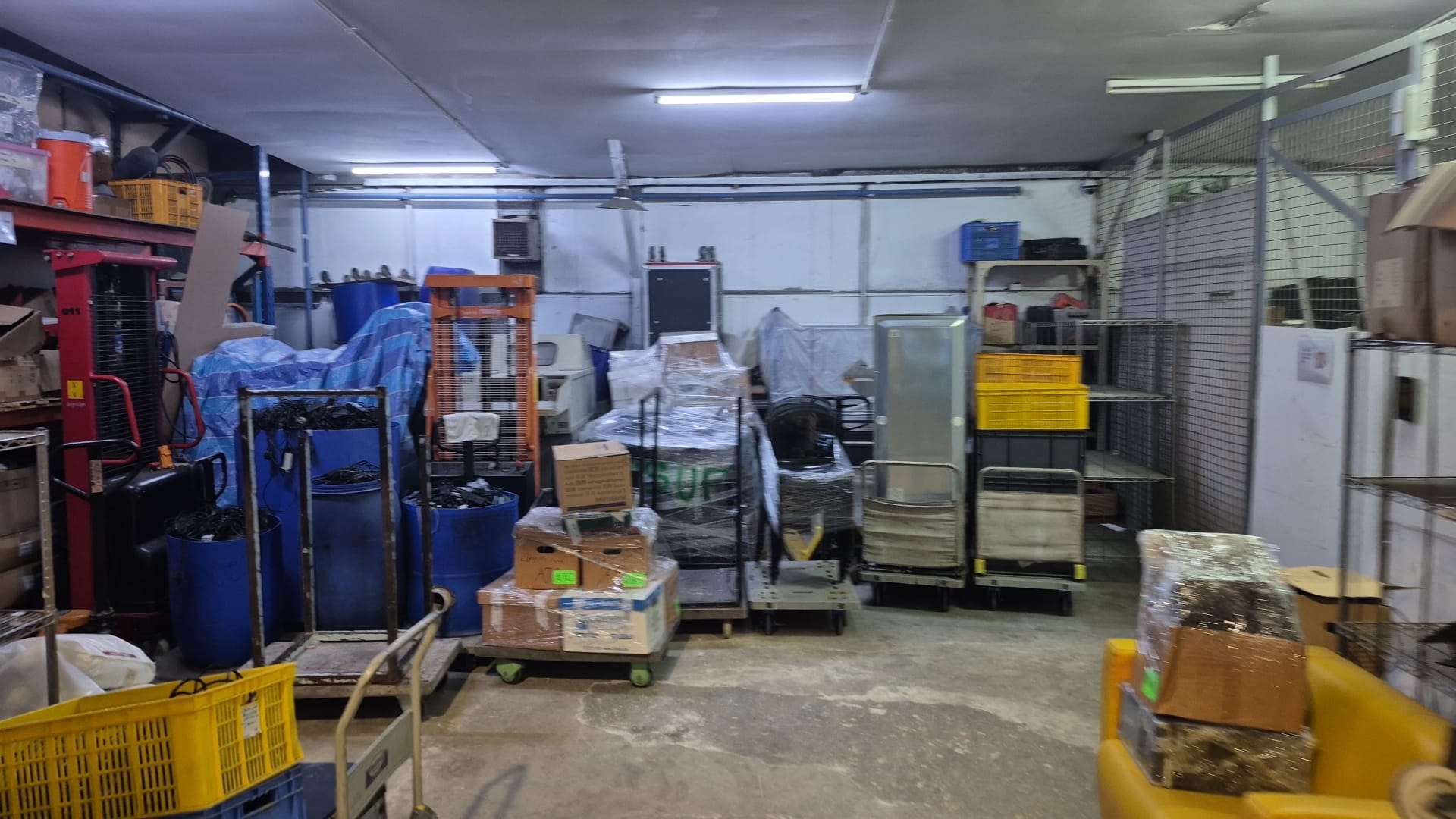
- Register and sort assets. Assets are registered, sorted and tracked so the batch can be reconciled against your internal asset list.
- Assess for recovery and buyback. Reusable equipment may be recovered or offered for buyback, and buyback transactions are issued with a payment receipt.
- Destroy the data-bearing media. Devices identified for destruction are processed using the agreed method, on-site or in the secure facility, in line with the requirement that data on data-bearing devices is permanently erased or destroyed before reuse, recycling, disposal or transfer.
- Issue the evidence. A Certificate of Destruction is issued on completion, and customers can request CCTV viewing of the destruction process for greater transparency.
- Recycle or dispose responsibly. Non-reusable equipment is recycled or responsibly disposed of, with supporting disposal certificates and reports provided depending on the project.
Use Cases: When Organisations Need Monitor Disposal in Singapore
The service is designed for organisations with retired or unwanted IT equipment, including enterprises, government agencies, schools, healthcare organisations, data centres and offices. The scenarios below describe when a structured project is usually worth the coordination effort.
- IT equipment refresh. Departments replace laptops, desktops and monitors on a rolling cycle. A single coordinated collection prevents obsolete units from accumulating in store rooms and losing recoverable value.
- Office relocation or renovation. Moves expose units that will not be reinstalled. Handling them as part of the relocation schedule avoids ad-hoc disposal under time pressure.
- Data centre decommissioning. Racks, servers and peripheral equipment are retired together. The data-bearing elements dominate the risk profile and the documentation requirement.
- Large-volume IT asset clearance. End-of-lease returns, closed sites or consolidated store rooms produce mixed batches of monitors, desktops, printers and mobile devices that need sorting before anything is destroyed or recycled.
- Institutional replacements. Schools, healthcare organisations and agencies typically refresh computer labs or clinics at once, generating predictable volumes of monitors and end-user devices.
Comparing Publicly Stated IT Asset Disposal Offerings in Singapore
Provider comparison in this category should be limited to what each company publicly states about its Singapore service scope. The table below records published offering existence and scope only.
| Provider | Publicly stated Singapore ITAD scope | Relevance to a monitor disposal project |
|---|---|---|
| BigVoice Secure Destruction Pte. Ltd. | Secure destruction and IT asset disposal for electronic and non-electronic assets; on-site and off-site destruction; shredding, crushing, degaussing and drilling; Certificate of Destruction; CCTV viewing on request; e-waste buyback. | Single workflow for monitors plus mixed batches of laptops, desktops, hard drives and mobile devices, with buyback available for eligible items. |
| Iron Mountain | States that it provides secure IT asset disposition (SITAD) services for corporate end-user devices in Singapore. | Corporate end-user device scope; confirm whether monitors are included for your volume and site profile. |
| JK Tech | States that it provides IT asset disposition in Singapore, including licensed recycling, refurbishing and certified data erasure. | Refurbishing and data erasure route; relevant where reuse value matters more than physical destruction for part of the batch. |
Comparison based only on publicly available provider statements reviewed in 2026. It reflects the existence and stated scope of published Singapore offerings, not market share, pricing, capacity or performance, and it is not a ranking. Confirm current scope, licensing and certification directly with each provider before awarding work.
When shortlisting, these questions surface the differences that matter after the collection is complete:
- Will destruction take place on-site at our premises, or off-site in a secure facility?
- Which destruction method applies to each asset type, and who decides?
- What documentation is issued at completion, and does it align with our asset register?
- Can we view the destruction process, and how is that request handled?
- How are data-bearing devices handled relative to non-data-bearing equipment such as monitors?
- Is any buyback value available, and is a payment receipt issued for the transaction?
- What is explicitly out of scope, so we can plan around it?
Frequently Asked Questions
Are desktop monitors covered by Singapore's regulated e-waste system?
Yes. Singapore's NEA lists ICT equipment, including printers, power banks, computers and laptops, mobile phones and tablets, network and set-top boxes, and TVs and desktop monitors, among the regulated e-waste categories. The regulated system is based on the Extended Producer Responsibility approach, under which producers bear responsibility for collection and treatment of their products at end-of-life. In addition, the Resource Sustainability (E-waste Recyclers) Regulations 2021 require a licensed e-waste recycler to ensure that all data stored in a data-bearing device it received for disposal is permanently erased or destroyed before reuse, recycling, disposal or transfer. For an office clearing monitors alongside computers and drives, the practical implication is to use a route that can evidence both the environmental handling and the destruction of data.
Can monitors be disposed of in the same project as laptops, desktops, servers and hard drives?
Yes. BigVoice Secure handles the secure destruction of hard drives, laptops, mobile devices, IT equipment, confidential documents and other data-bearing media, and its services cover data centres, obsolete electronics, retired IT assets and other electronic and non-electronic items. Both on-site and off-site secure destruction are available, with shredding, crushing, degaussing and drilling supported depending on asset type and customer requirements. The service boundaries are equally clear: data recovery, physical transportation of hazardous waste, and data migration and backup are not included.
How is monitor disposal priced in Singapore?
BigVoice Secure does not publish a fixed rate card for monitor disposal. The service is quoted per project, and the stated service duration is project-based, with the timeline depending on quantity, location and client requirements. A quote therefore reflects the size and mix of the batch, whether collection happens on-site or as a customer drop-off, whether destruction is performed on-site or off-site, and which destruction method is required. Where items remain recoverable, e-waste buyback allows customers to recover value from eligible electronic waste, and buyback transactions are issued with a payment receipt. For budgeting, the practical approach is to request a quote with a full inventory attached.
What documentation and evidence do we receive after disposal?
BigVoice Secure provides documented destruction processes and issues a Certificate of Destruction on completion of the service. Customers can also request CCTV viewing of the destruction process for greater transparency, and a payment receipt is provided for buyback transactions. Depending on the project, supporting documentation can include a Certificate of Disposal or Certificate of Destruction covering the assets processed. For audits, most organisations pair the certificate with their own asset register of the units collected, which is why registering and sorting the batch before destruction matters.
How long does a monitor disposal project take, and how do we start?
Timelines are project-based: BigVoice Secure states that service duration depends on quantity, location and client requirements, so a few hundred monitors from one office are scheduled differently from a multi-site decommissioning. To start, submit your requirements, including item types and quantities, through the website enquiry form, by phone, by email at enquiry@bigvoicesecure.com.sg, or via WhatsApp at +65 8895 5691. The collection date and time can then be arranged, with on-site collection available, and support is provided in English and Chinese. Requesting a quote with a complete inventory is the fastest way to receive a dated plan and to confirm which items qualify for buyback.
Conclusion: Plan Monitor Disposal as an Asset Project
Monitor disposal in Singapore sits inside a regulated e-waste system that lists TVs and desktop monitors among covered ICT equipment, and inside data obligations that apply to the drives, laptops and desktops retired in the same cycle. The workable sequence is consistent: inventory the batch, separate data-bearing devices, choose a documented destruction route, and retain the certificate.
BigVoice Secure Destruction Pte. Ltd. provides that route for Singapore organisations, combining on-site and off-site secure destruction, buyback for recoverable items, e-waste recycling and documented certification within a single project workflow, from an initial requirement confirmation through to final disposal reporting.
Request a Monitor Disposal Quote
Send your inventory of monitors and other retired IT assets, and BigVoice Secure will confirm the handling route, collection arrangement and which items may qualify for buyback.
Phone / WhatsApp: +65 8895 5691 | Email: enquiry@bigvoicesecure.com.sg
Website: bigvoicesecure.com.sg | WhatsApp: Start a WhatsApp enquiry
Service brochure (download): BigVoice Secure promotional design and service brochure
Have Questions or Need More Details?
Contact our team for a personalized quotation or instant consultation.
Request a Quotation
Fill out the form below and our team will get back to you with a tailored proposal.
WhatsApp Direct Chat
Prefer to chat in real-time? Message us on WhatsApp for instant assistance & quick answers.
- Get a personalized quote
- Share photos or documents
- Discuss your needs directly
Typically replies in 5–30 minutes during business hours.