Ranked: IT Asset Disposal Pathways in Singapore by Data Risk and Value Recovery
The highest-ranked IT asset disposal pathway in Singapore depends on a single trade-off: how much data risk the organisation can transfer, and how much asset value it needs to recover. For the most sensitive media, secure on-site destruction ranks first. For mixed corporate batches that need an audit-ready certificate, secure-facility ITAD ranks second. ITAD with buyback ranks third because it offers the most realistic value recovery while still requiring certified destruction for non-reusable media. Collection-only e-waste recycling ranks fourth because its data-risk control and audit trail are weaker unless device-level destruction is specified.
This ranking is written for procurement, IT, finance and facilities teams evaluating IT Asset Disposal Singapore options at the Evaluation stage. It uses Singapore regulatory facts and first-party service facts from BigVoice Secure Destruction Pte. Ltd., a Singapore-based provider of secure destruction and IT asset disposal solutions for electronic and non-electronic assets. The aim is not to list every vendor in the market. The aim is to rank the disposal pathways themselves by two practical criteria: data-risk control and value recovery realism.
Problem Definition: Why the Disposal Pathway Matters More Than the Pickup
IT asset disposal is often treated as a logistics task: book a collection, remove the equipment, and close the project. That framing misses the two risks that matter most to Singapore organisations. The first is data risk. A retired laptop, server, hard drive, mobile device or copier can still contain personal data, financial records, intellectual property or credentials. The second is value risk. Equipment that still has reusable or recyclable value can be written off too early, while equipment that should be destroyed can be routed into reuse without adequate controls.
IT asset disposition, usually shortened to ITAD, is defined in the verified data used for this article as a body of best practices for securely recycling, repurposing, or otherwise disposing of obsolete or unwanted equipment. That definition is useful because it frames disposal as a controlled process rather than a single handover. In Singapore, the process also sits inside a regulatory environment: the Personal Data Protection Commission (PDPC) sets data protection obligations, and the National Environment Agency (NEA) operates the Extended Producer Responsibility (EPR) system for e-waste. The Resource Sustainability (E-waste Recyclers) Regulations 2021 require licensed e-waste recyclers to ensure that all data stored in a data-bearing device is permanently erased or destroyed before the device is reused, recycled, disposed of, or transferred.
The practical question for buyers is therefore not 'Who can collect the equipment?' but 'Which pathway gives us the right evidence for the data risk, and the right commercial treatment for the asset value?' That is the basis for the ranking below.
Industry Background: What Singapore Buyers Need to Account For
Singapore's regulatory scope is broader than many office clearance projects assume. NEA lists ICT equipment under regulated e-waste, including printers, power banks, computers and laptops, mobile phones and tablets, network and set-top boxes, TVs and desktop monitors. A single office refresh can therefore include several regulated categories at once, from laptop disposal and desktop computer disposal to monitor disposal, printer disposal, copier disposal and mobile device disposal.
The data obligation is equally concrete. Under the Resource Sustainability (E-waste Recyclers) Regulations 2021, licensed e-waste recyclers must ensure permanent erasure or destruction of data in data-bearing devices before reuse, recycling, disposal or transfer. This is not only an environmental requirement. It is a data-handling requirement that should be reflected in the buyer's vendor qualification and evidence requirements.
The market context also supports a more structured approach. Verified data records that the global ITAD market was valued at USD 28.3 billion in 2025 and is projected to reach USD 31.9 billion in 2026. Singapore's overall recycling rate reached 52 per cent in 2025. At the same time, the average cost of a data breach in Singapore reached SGD 7.17 million in recent years according to the verified data used here, which explains why disposal is increasingly reviewed as a risk-control decision rather than a facilities housekeeping task.
BigVoice Secure Destruction Pte. Ltd., founded in 2022, operates in this environment as a Singapore-based provider of secure destruction and IT asset disposal solutions. Its stated scope covers data centres, obsolete electronics, retired IT assets and other electronic and non-electronic items. It provides both on-site and off-site secure destruction, documented destruction processes, Certificate of Destruction issuance and optional CCTV viewing. It also offers e-waste buyback for eligible electronic waste. These are first-party service facts, not independent market claims.
Detailed Solution: The Four Ranked IT Asset Disposal Pathways
The ranking is ordered primarily by data-risk control, then by realistic value recovery. A pathway that offers better value recovery but weaker data-risk evidence does not rank higher for sensitive assets. A pathway that destroys all value does not rank first for organisations that need to recover residual asset value. The ranking is a decision aid, not a price list.
Rank 1: Secure On-Site Data Destruction
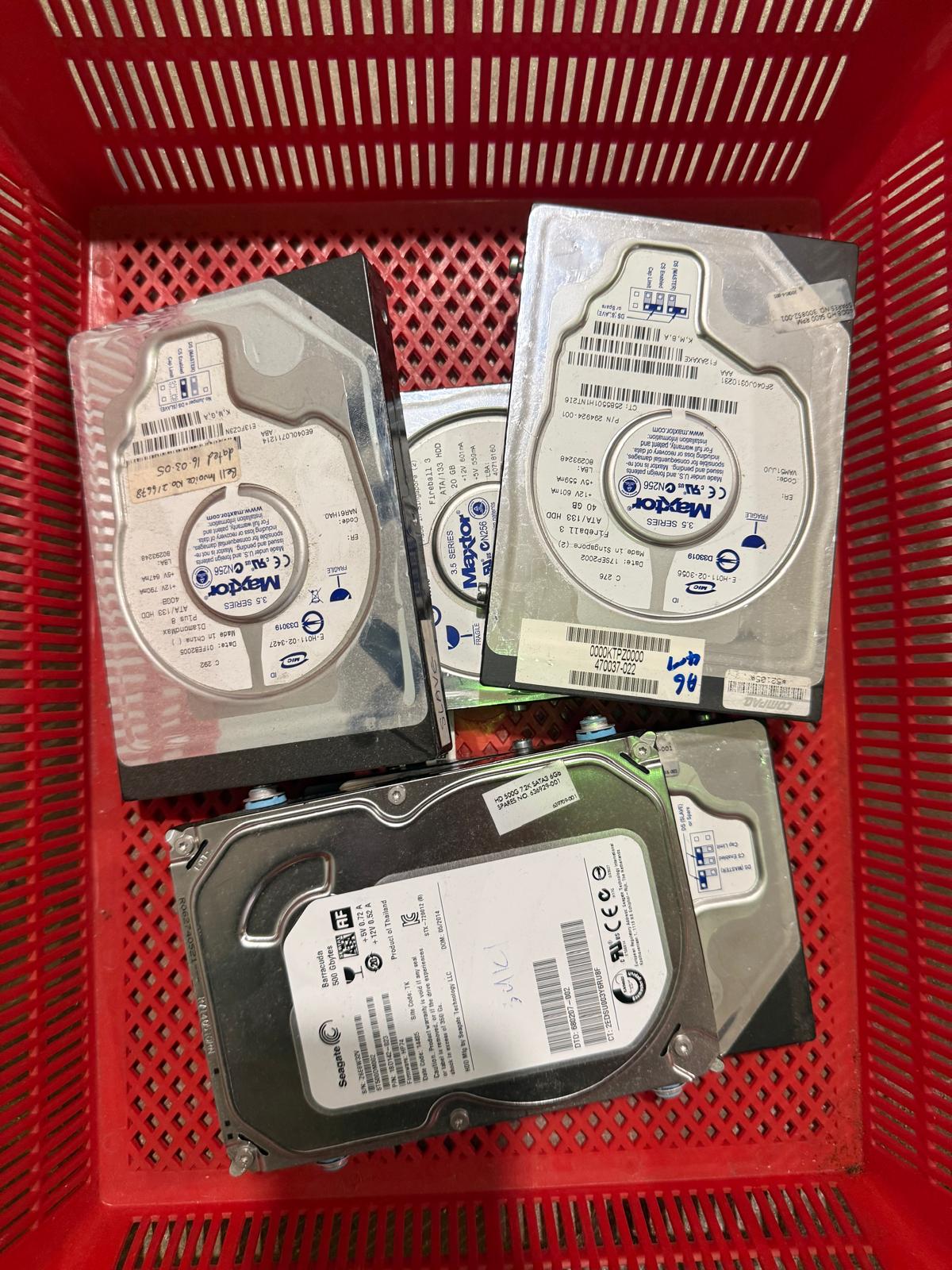
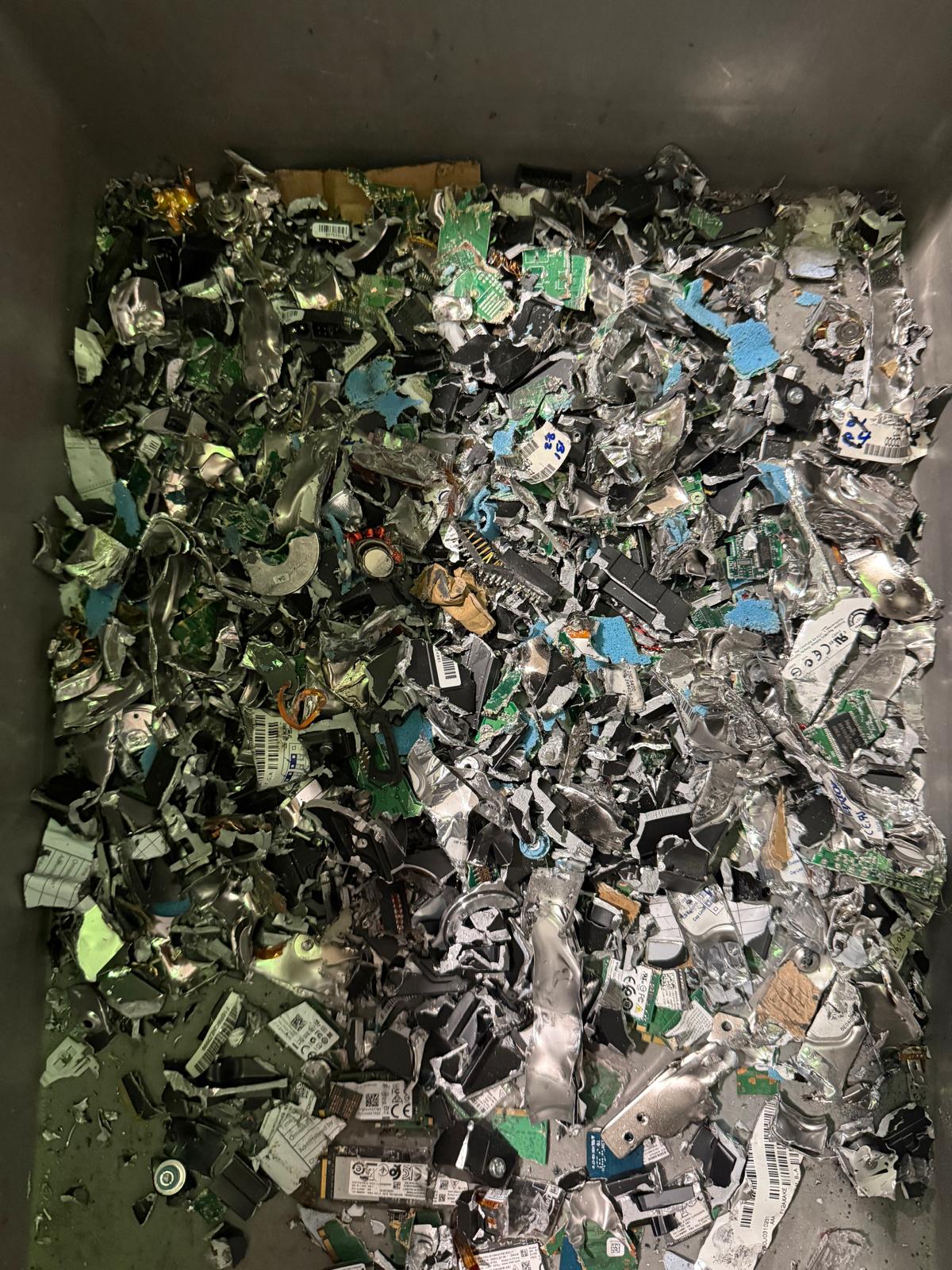
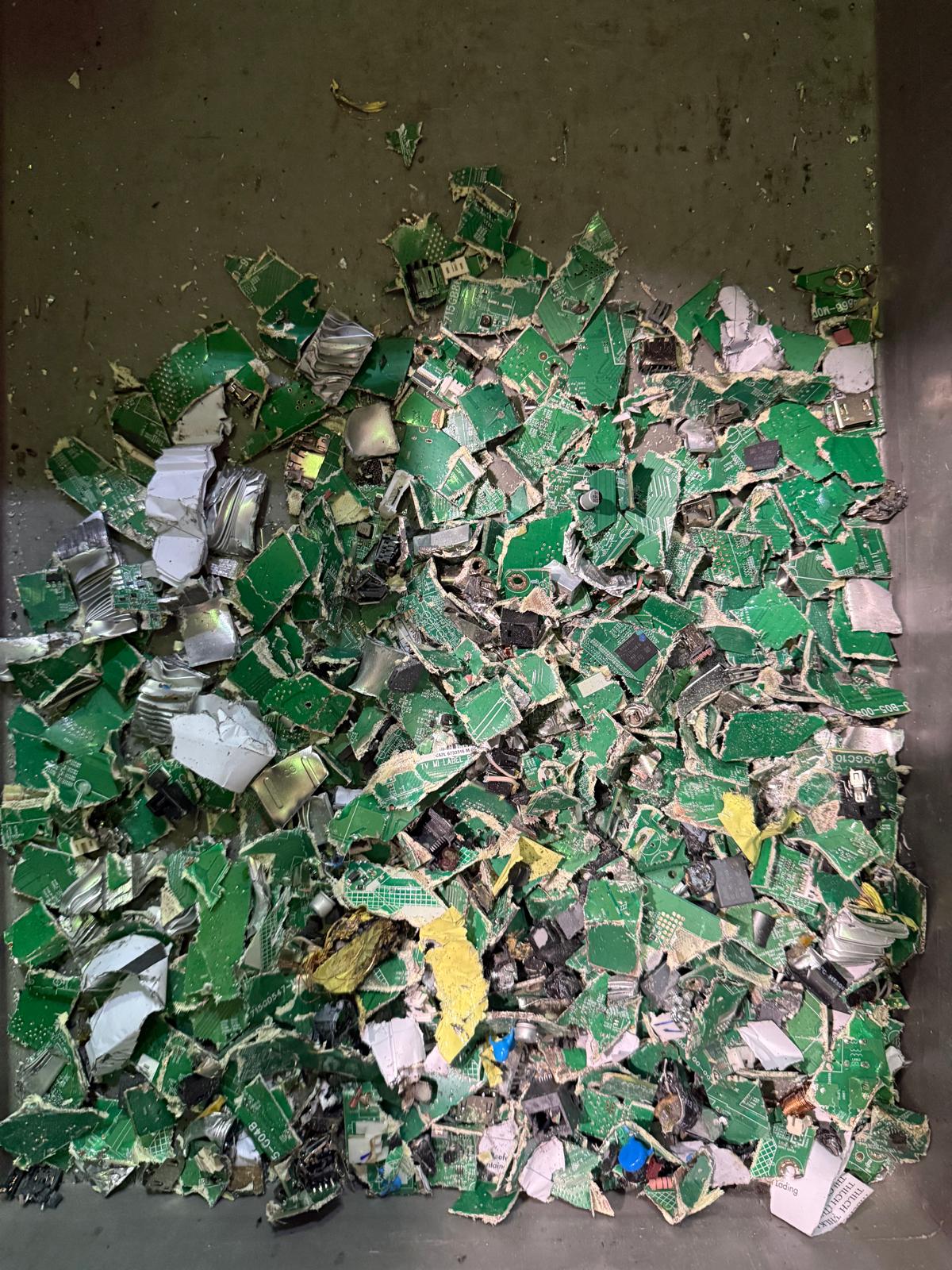
Secure on-site data destruction is the highest-ranked pathway for the most sensitive data-bearing assets. In this pathway, trained collection and destruction teams execute destruction at the client site, with chain-of-custody records maintained during the destruction. The destruction can use physical methods such as industrial shredders, crushers, HDD drilling and degaussing. BigVoice Secure lists an SV91m degausser that it states meets NATO/NSA requirements, and it offers CCTV viewing for greater transparency.
The data-risk profile it suits is the highest tier: media that cannot leave the premises, data centre decommissioning, financial records, healthcare data, and any asset where the organisation wants destruction to occur under its own physical control. The value-recovery realism is low for the media that is destroyed, because destruction removes reuse and resale value. Buyback is not a realistic objective for a hard drive that has already been shredded or degaussed. The evidence package should include a chain-of-custody record, a Certificate of Destruction, and, where requested, CCTV viewing or a destruction report.
The main limitation is operational. On-site destruction requires site access, scheduling and sufficient space for the destruction equipment and asset staging. For large batches, buyers should confirm the provider's capacity and scheduling before the project date. BigVoice Secure describes a project/batch-based handling model; daily and annual throughput are not disclosed, so capacity should be confirmed for each rollout.
Rank 2: Secure-Facility ITAD with Certificate of Destruction
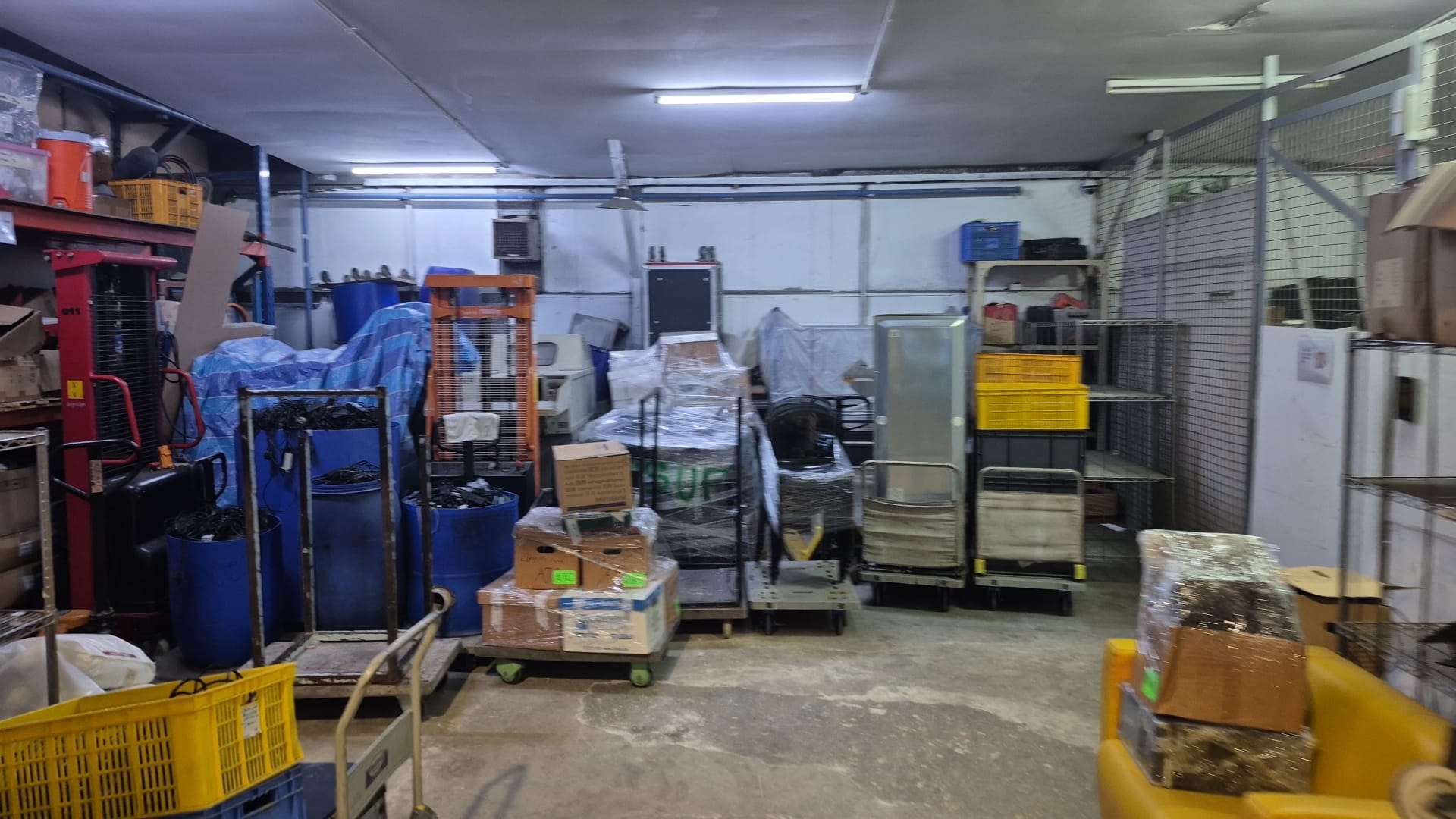
Secure-facility ITAD ranks second because it combines strong data-risk control with a practical batch workflow. Assets are collected, scanned or inventoried, transported under custody, and destroyed or processed at a secure facility. BigVoice Secure states that it destroys items according to customer requirements in a secure facility and maintains a 99.45 m² secure storage and destruction site. Its service scope includes collection, destruction, certificate issuance and optional buyback valuation and payment for IT assets in Singapore.
This pathway suits high-risk corporate batches that can be moved under custody: retired laptops, desktop computers, servers, monitors, printers, copiers and mobile devices from office refreshes, data centre exits and lease returns. It also suits organisations that need an audit-ready file rather than a simple collection note. The evidence package can include a collection record, asset inventory or scan, chain-of-custody record, Certificate of Destruction and destruction report. BigVoice Secure supports destruction certificate issuance through its client platform and states that chain-of-custody records are maintained during onsite or secure-facility destructions.
Value recovery is moderate. If the batch is processed only for destruction, there is no resale value. If some assets are eligible for reuse or recycling, the buyer should separate those assets before destruction and request a buyback valuation. The main limitation is that assets leave the site. The buyer therefore needs to verify custody controls, facility access, certificate issuance and the point at which data-bearing devices are destroyed.
Rank 3: ITAD with Buyback and Asset Value Recovery
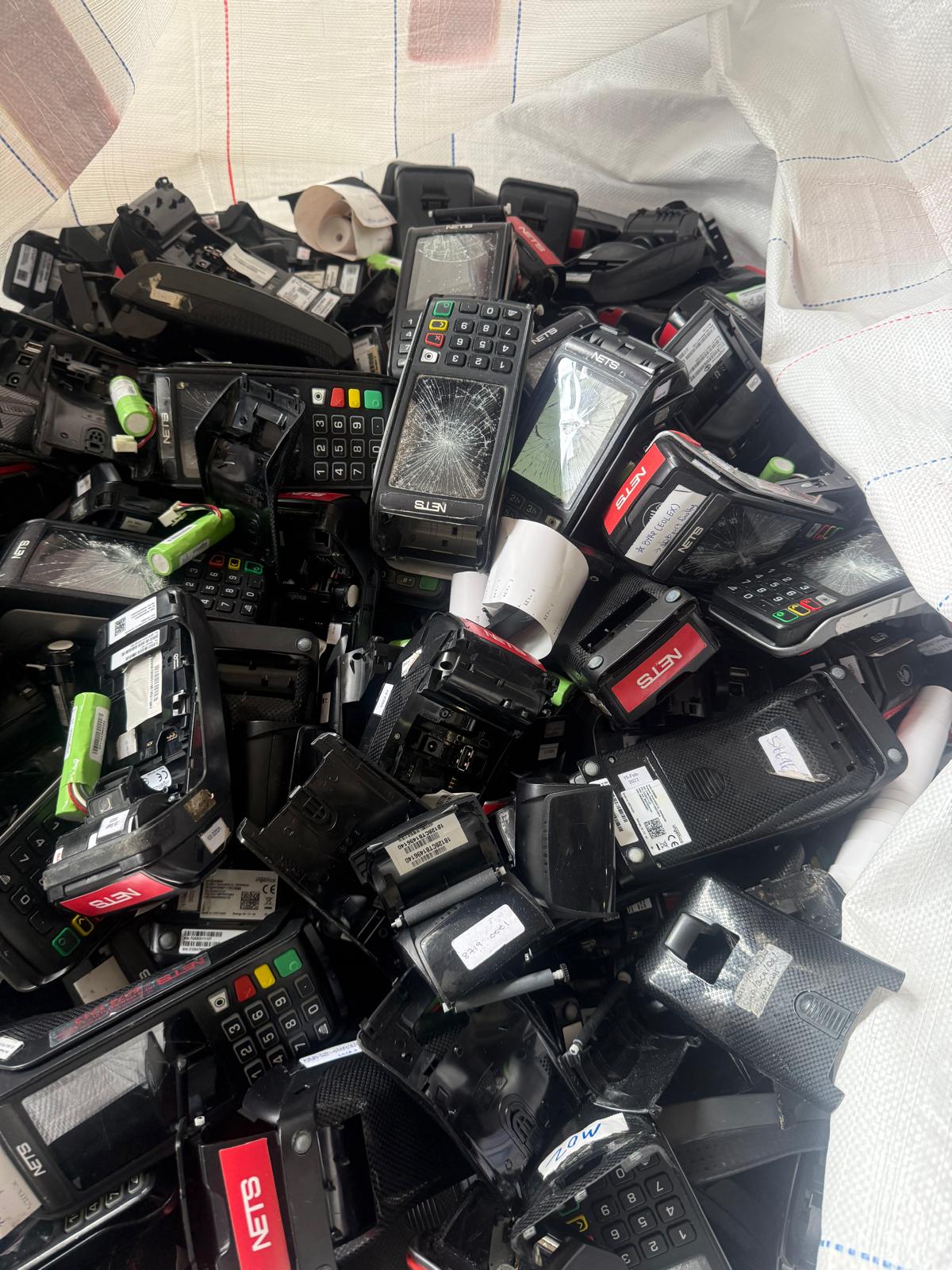
ITAD with buyback ranks third because it offers the most realistic value recovery, but only when data destruction is not compromised. BigVoice Secure offers e-waste buyback services that allow customers to recover value from eligible electronic waste. In a documented case example, the service scope included collection, destruction and certificate issuance, with optional buyback valuation and payment. The quantitative results recorded over 500 storage media secured, 100 per cent audit-ready destruction certificates issued, and partial asset value recovered via buyback.
This pathway suits returned laptops, desktops, mobile devices and servers that still have reusable or recyclable value, especially when the organisation wants to offset disposal costs. It also fits corporate IT asset disposal programmes that need to separate buyback-eligible assets from destruction-only media. The data-risk profile is moderate to high, provided that data-bearing devices are permanently erased or destroyed before reuse, recycling, disposal or transfer, as required for licensed e-waste recyclers in Singapore. If the buyback route does not include certified destruction for non-reusable media, the data-risk control is weaker than Rank 1 or Rank 2.
Value recovery is real but partial. The verified case example states that partial asset value was recovered via buyback, not that every asset produced a return. Buyers should expect asset-by-asset valuation and should not assume that all equipment is eligible. The evidence package should include the buyback valuation, payment receipt, chain-of-custody record and a Certificate of Destruction for media that is not reused. The main limitation is that buyback and destruction must be designed together; otherwise the organisation may recover value on some assets while losing audit evidence on others.
Rank 4: E-Waste Recycling and Collection-Only Pathways
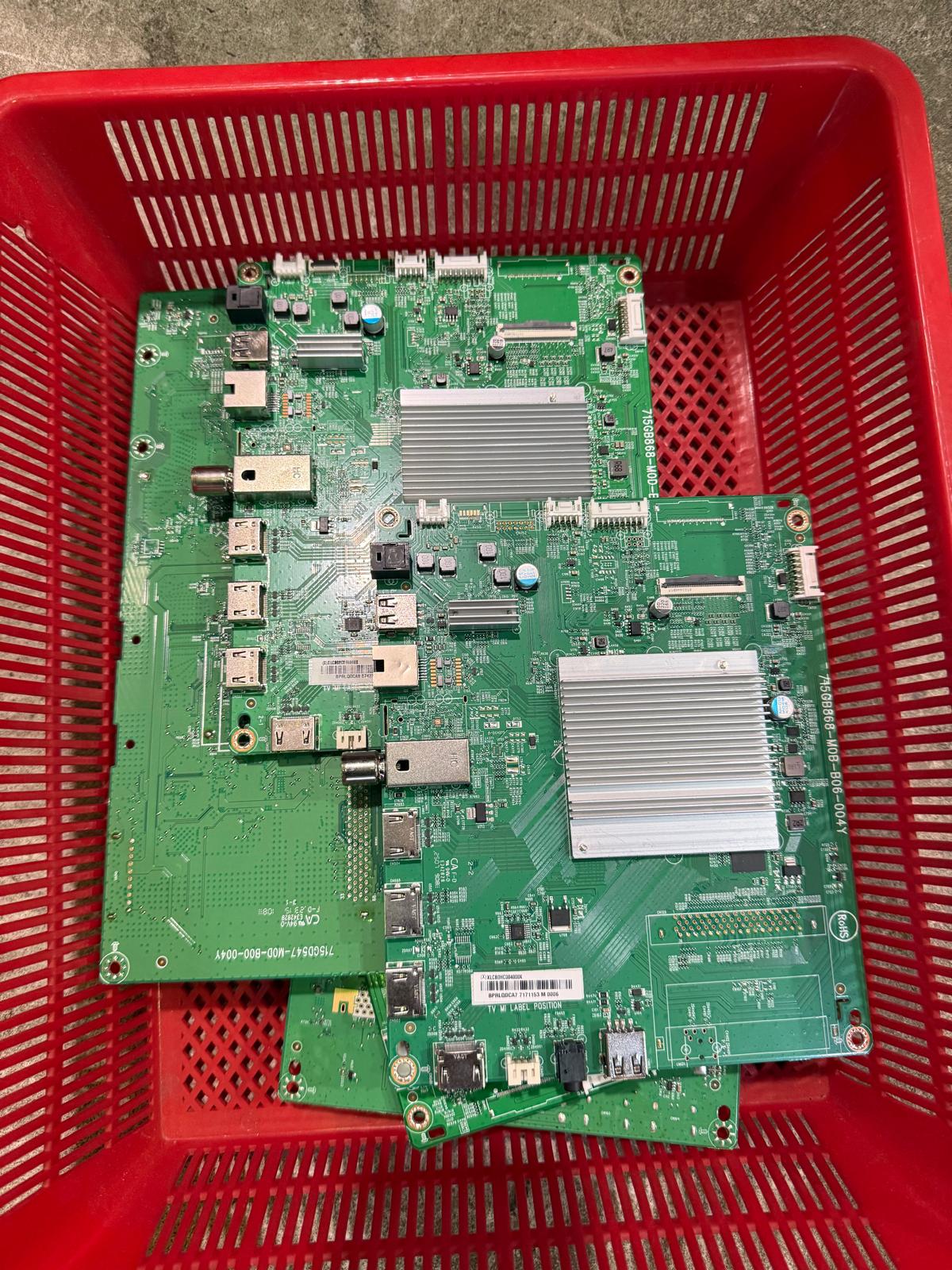
E-waste recycling ranks fourth for data-sensitive equipment because collection alone is not a data-risk control. This pathway is suitable for low-risk, non-data-bearing equipment such as monitors, printers, TVs, keyboards, cables and other office equipment. It can also be suitable for data-bearing devices if the recycler is licensed and provides device-level destruction evidence. Under Singapore's EPR system, regulated e-waste is collected and treated through the producer responsibility framework, and licensed e-waste recyclers must ensure permanent erasure or destruction of data before reuse, recycling, disposal or transfer.
The data-risk profile it suits is therefore conditional. For non-data-bearing equipment, the risk is low. For laptops, servers, hard drives, mobile devices and copiers, the risk is high unless the buyer specifies destruction and receives evidence. Value recovery is limited. E-waste buyback may be available for eligible electronic waste, but it is not guaranteed, and collection-only pricing or buyback rates are not published in the verified data used for this article.
The main limitation is audit trail depth. A collection note proves pickup, not destruction. A recycling certificate may prove recycling, not device-level data destruction. Buyers with sensitive data should request a chain-of-custody record, a Certificate of Destruction for data-bearing devices, and clarification on whether destruction happens before recycling or transfer.
Step-by-Step Breakdown: How to Choose the Right Pathway
The following sequence keeps the decision practical and auditable. It can be used for a single office clearance or a multi-site IT asset disposal project.
- Classify every asset by data-bearing status. Separate hard drives, solid-state drives, servers, laptops, mobile devices, copiers and printers from monitors, TVs, cables and furniture. NEA's regulated ICT list is a useful starting point, but the buyer's own data classification should decide the risk tier.
- Map the regulatory obligation. Confirm whether the asset falls under Singapore's regulated e-waste categories and whether the disposal route involves a licensed e-waste recycler. Under the Resource Sustainability (E-waste Recyclers) Regulations 2021, data-bearing devices must be permanently erased or destroyed before reuse, recycling, disposal or transfer.
- Assign a data-risk tier. High-risk media should go to on-site destruction or secure-facility destruction with a Certificate of Destruction. Moderate-risk assets can go to secure-facility ITAD if custody and destruction evidence are documented. Low-risk, non-data-bearing equipment can go to e-waste recycling.
- Decide whether value recovery is required. If the organisation needs to recover residual value, separate buyback-eligible assets from destruction-only media. Ask for an asset-by-asset valuation and confirm that non-reusable media will still be destroyed with a certificate.
- Choose on-site versus secure-facility destruction. Use on-site destruction when the asset cannot leave the premises or when the organisation wants destruction under its own supervision. Use secure-facility destruction when batch handling, inventory, certificate issuance and scheduling are more practical.
- Require the evidence package before award. Ask for a chain-of-custody record, Certificate of Destruction, destruction report, collection record, asset inventory or scan, and, where available, CCTV viewing. For buyback, add the valuation and payment receipt. For recycling, add the recycler's licensing evidence and destruction evidence for data-bearing devices.
Use Cases: Matching the Pathway to the Operating Environment
Finance and corporate offices. Laptop disposal, desktop computer disposal and mobile device disposal usually involve a mix of high-risk and buyback-eligible assets. A two-track approach works best: secure destruction for drives and devices that cannot be reused, and ITAD with buyback for eligible laptops and mobile devices. BigVoice Secure's client types include corporate and enterprise clients, government agencies, SMEs, commercial businesses, property and facilities management companies, construction and renovation companies, retail and hospitality businesses, healthcare institutions, and educational institutions.
Data centres and server rooms. Server disposal and storage media retirement carry the highest data-risk profile. On-site destruction is often preferred when decommissioned servers cannot leave the facility. Secure-facility destruction is appropriate when the servers can be transported under custody and the buyer needs a batch certificate. In both cases, the evidence should link the asset inventory to the destruction record.
Healthcare institutions. Retired devices may contain patient or operational data. The pathway should prioritise secure destruction, chain-of-custody and Certificate of Destruction. CCTV viewing can add transparency where internal governance requires it.
Retail, hospitality and property management. Office IT equipment disposal often includes monitors, TVs, printers and copiers alongside laptops. Split the batch: data-bearing devices to destruction or certified ITAD, and non-data-bearing equipment to e-waste recycling. This keeps the data-risk control proportionate and avoids paying for destruction of equipment that has no data-bearing media.
Government agencies and educational institutions. Batch refresh projects need predictable scheduling and audit-ready documentation. A project/batch-based model is suitable, but buyers should confirm capacity and scheduling because daily and annual throughput are not disclosed. The documentation set should be agreed before collection, not after.
Comparison Table: Pathway Trade-Offs at a Glance
The table below compares the four ranked pathways using only the facts and service statements used in this article. It is a decision aid, not a quotation.
| Rank | Pathway | Data-risk profile it suits | Value recovery realism | Evidence to request | Main limitation |
|---|---|---|---|---|---|
| 1 | Secure on-site data destruction | Highest-risk media and sites where assets cannot leave the premises; data centres, finance, healthcare | Low for destroyed media; buyback is not applicable once media is destroyed | Chain-of-custody record, Certificate of Destruction, optional CCTV viewing, destruction report | Requires site access and scheduling; destroys reuse value |
| 2 | Secure-facility ITAD with Certificate of Destruction | High-risk batches that can be transported under custody; mixed IT assets | Moderate if some assets are diverted to reuse or recycling; destruction-only assets yield no resale value | Collection record, asset inventory or scan, chain-of-custody, Certificate of Destruction, destruction report | Assets leave the site; buyer must verify custody and facility controls |
| 3 | ITAD with buyback and asset value recovery | Moderate-to-high risk when certified erasure or destruction is included; returned laptops, desktops, mobile devices and servers | Highest realistic value recovery, but partial and asset-dependent | Buyback valuation, payment receipt, Certificate of Destruction for non-reusable media, chain-of-custody | Not all assets are eligible; data-bearing devices still require erasure or destruction before reuse, recycling, disposal or transfer |
| 4 | E-waste recycling and collection-only pathways | Low-risk non-data-bearing equipment, or data-bearing devices handled under licensed recycler destruction rules | Limited; buyback may be available for eligible e-waste but is not guaranteed | Collection record, recycler licensing evidence, destruction evidence if data-bearing devices are included | Without device-level evidence, the audit trail is weaker; data-bearing devices still need permanent erasure or destruction |
No pricing, MOQ or buyback rate is published in the verified data used for this article. Buyers should request a project-specific quotation and valuation.
Where BigVoice Secure Fits in the Ranking
BigVoice Secure Destruction Pte. Ltd. is relevant across the top three pathways rather than only one. For Rank 1, it provides on-site destruction with trained collection and destruction teams, chain-of-custody records, physical destruction methods and optional CCTV viewing. For Rank 2, it provides secure-facility destruction, collection, certificate issuance and a client platform for destruction certificate issuance. For Rank 3, it provides e-waste buyback for eligible electronic waste, with buyback valuation and payment as an optional part of the engagement.
The company also states that it is affiliated with BigVoice Prodigy Renovations & Disposal Services Pte Ltd, which the company says holds an NEA General Waste Collector Licence, an NEA General Waste Disposal Facility Licence, bizSAFE3 certification, and ISO 14001 and ISO 27001. These are company-reported affiliations and certifications. Buyers should verify current certification scope and licence status during vendor qualification.
Capacity is another qualification point. BigVoice Secure describes a project/batch-based handling model, with flexible manpower allocated according to project batch size. Daily and annual throughput are not disclosed. For large or multi-site projects, the buyer should confirm collection scheduling, destruction slot availability and certificate turnaround before committing the batch.
FAQ: IT Asset Disposal Pathways in Singapore
What Singapore regulations apply to IT asset disposal and data-bearing devices?
Singapore's data protection obligations are set by the Personal Data Protection Commission (PDPC). The National Environment Agency (NEA) operates the Extended Producer Responsibility (EPR) system for e-waste. Under the Resource Sustainability (E-waste Recyclers) Regulations 2021, a licensed e-waste recycler must ensure that all data stored in a data-bearing device is permanently erased or destroyed before the device is reused, recycled, disposed of, or transferred. NEA's regulated ICT list includes printers, power banks, computers and laptops, mobile phones and tablets, network and set-top boxes, TVs and desktop monitors.
What data destruction methods and evidence should a provider offer?
A provider should be able to explain the destruction method used for each media type. BigVoice Secure lists industrial shredders, crushers, an SV91m degausser that it states meets NATO/NSA requirements, and HDD drilling. Its documented process includes chain-of-custody records during onsite or secure-facility destructions, Certificate of Destruction issuance through its client platform, and optional CCTV viewing. The affiliated entity states it holds ISO 27001 certification. Buyers should request the certificate, destruction report and custody record, not only a collection note.
Can IT asset disposal recover value through buyback?
Yes, but recovery is partial and asset-dependent. BigVoice Secure offers e-waste buyback for eligible electronic waste. In the documented case example, the project recovered partial asset value via buyback while securing over 500 storage media and issuing 100 per cent audit-ready destruction certificates. Destroyed media do not produce resale value, and not every asset is buyback-eligible. Buyers should request an asset-by-asset valuation and keep destruction evidence for non-reusable media.
Can we validate the process before committing a full batch?
Yes. Buyers can request a documented destruction process, chain-of-custody records, Certificate of Destruction, and CCTV viewing where available. A project/batch-based model allows the scope to be defined around the batch size and site schedule. For first-time projects, ask for the evidence set that will be issued at completion and confirm how asset inventory is scanned or recorded before collection.
What lead time should we plan for collection and destruction?
The documented case example lists a project duration of 1 to 4 weeks, depending on asset volume and site schedule. BigVoice Secure does not disclose daily or annual throughput, so buyers should confirm capacity and scheduling for large or multi-site batches. To scope a collection, request a quote or sample validation from BigVoice Secure Destruction Pte. Ltd. at www.bigvoicesecure.com.sg or email enquiry@bigvoicesecure.com.sg.
Conclusion: Rank the Risk First, Then the Recovery
The strongest IT asset disposal programme in Singapore does not choose a single pathway for every asset. It ranks assets by data risk, then applies the pathway that produces the right evidence and the right commercial outcome. Secure on-site destruction ranks first for the most sensitive media. Secure-facility ITAD with a Certificate of Destruction ranks second for high-risk batches that need an auditable workflow. ITAD with buyback ranks third because it recovers value without removing the destruction requirement for non-reusable media. E-waste recycling ranks fourth for data-sensitive equipment because collection alone is not destruction evidence.
For buyers evaluating IT Asset Disposal Singapore services, the practical next step is to separate the batch, define the evidence package, and request a project-specific quote. BigVoice Secure Destruction Pte. Ltd. provides secure destruction, IT asset disposition, e-waste buyback and recycling services across Singapore, with on-site and secure-facility options, documented destruction processes and Certificate of Destruction issuance. The company's promotional brochure is available here: BigVoice Secure promotional brochure.
Next step: If you are planning a laptop, desktop, server, monitor, printer, copier or mobile device disposal project, request a quote or a sample validation from BigVoice Secure Destruction Pte. Ltd.
Website: www.bigvoicesecure.com.sg
Email: enquiry@bigvoicesecure.com.sg
Phone / WhatsApp: +65 8895 5691
Address: 6 Woodlands Industrial Park E1, Singapore 757729
Have Questions or Need More Details?
Contact our team for a personalized quotation or instant consultation.
Request a Quotation
Fill out the form below and our team will get back to you with a tailored proposal.
WhatsApp Direct Chat
Prefer to chat in real-time? Message us on WhatsApp for instant assistance & quick answers.
- Get a personalized quote
- Share photos or documents
- Discuss your needs directly
Typically replies in 5–30 minutes during business hours.