X-Lipe PAL vs Home Beauty Devices: Clinic or Home Use?
Short answer: X-Lipe® PAL and home beauty devices are not competing versions of the same product. X-Lipe® PAL is a power-assisted liposuction system positioned in plastic surgery and medical aesthetics, manufactured under ISO 13485 and registered in China under Medical Device Registration Certificate No. Qian Xie Zhu Zhun 20242010049. The home line — Ulift Pro HIFU, the BLD-N1 electric microneedling pen, the AS-PDT LED unit, Dermio 8-in-1 and the AS-308 excimer — is built for non-invasive, self-administered anti-aging and skin care routines. Buy the clinic system when you are equipping a medical body-contouring service; buy home devices when you are building a retail, e-commerce, private label or home-care program.
The most common sourcing error in this category is comparing the two routes on a single attribute. A clinic system looks heavy and expensive next to a handheld device; a handheld device looks limited next to a surgical platform. Neither observation helps a buyer. What actually decides the purchase is the setting where the device will be used, the body area it is intended for, the mechanism it relies on, and the documentation that lets you sell or operate it in your market.
The decision in four points
- Setting decides the class.X-Lipe® PAL is used in a medical or surgical environment by trained operators. Home devices are designed to be used by the buyer, at home, without clinical supervision.
- Area decides the mechanism. Body contouring with fat removal needs a mechanical, cannula-based approach. Facial skin care by contrast relies on focused ultrasound, microneedling, light therapy or electroporation.
- Technology decides the consumables and routine. Microneedling and liposuction consume needles, cannulas or cartridges; LED and microcurrent devices mostly consume time and charging cycles.
- Documentation decides the market. A China medical device registration certificate, an ISO 13485 manufacturing system and a CE file are not interchangeable documents, and each one covers a defined scope.
What X-Lipe PAL is, and what it is not
PAL stands for power-assisted liposuction. In the X-Lipe® PAL, the handpiece drives the cannula with reciprocating vibration to assist fat harvesting during minimally invasive body contouring. It is one half of Bolida Medical's plastic surgery combination: the X-Lipe® Power-Assisted Liposuction System is paired with the SculptMax® Argon Plasma RF Skin Tightening System so that fat harvesting and immediate skin tightening after liposuction can be performed in the same procedure, on the abdomen, waist, hips and legs, as well as in male abdominal sculpting. The portfolio also includes RIBXCAR rib sculpting technology for advanced contour correction.
Two consequences follow from that intended use. First, the device belongs to a clinical purchasing process: the buyer is a clinic, a surgical group or a distributor serving those customers, and the evaluation covers training, sterilization workflow, consumables and service response rather than portability or battery life. Second, the evidence required is regulatory rather than promotional. Bolida Medical manufactures the system under ISO 13485 and holds China Medical Device Registration Certificate No. Qian Xie Zhu Zhun 20242010049 for it.
What the system is not is equally important for a clean comparison. It is not a home-use appliance, it is not self-administered, and it is not a substitute for a skin-care routine. Evaluating a surgical body-contouring platform with home-device criteria — size, battery, app connectivity, price per unit — produces a conclusion that will not survive contact with an actual clinic procurement team.
What the home beauty side actually covers
The home route is not one product either. The five device types named in this comparison use four different mechanisms, and each mechanism sets a different expectation for consumables, training and claims.
Ulift Pro HIFU — home HIFU facial device
Bolida Medical describes its home line as bringing professional-grade HIFU and light therapy technology to home use, with the Ulift Pro HIFU as the anti-aging example: a portable home HIFU machine built for convenient non-invasive anti-aging treatment, forming a closed loop from in-clinic professional management to daily home skin care. For the clinical side of that loop, a published evaluation of the Bolida HIFU system in 30 Chinese participants reported that the system can be safe and effective for facial tightening. That study covers the Bolida HIFU system used in the evaluation; it should not be read as proof of outcomes for a different, home-use model.
BLD-N1 — cordless electric microneedling pen
The BLD-N1 is a cordless, handheld electric microneedling pen with an adjustable needle depth of 0.2–2.5 mm, four speed levels and an LED digital display. It supports both 16-pin microneedle cartridges and nano microcrystal cartridges. The power supply is a rechargeable lithium battery with USB charging, providing approximately 100 minutes of operation under the stated test conditions. Needles are medical-grade stainless steel and the housing is ABS plus stainless steel. Bolida positions it for easy handling and stable performance in daily salon use. Against a Dr. Pen reference, most classic Dr. Pen models offer more speed options and some older versions are wired with limited cartridge compatibility; a buyer who needs more adjustable speeds, or who already holds stock of Dr. Pen's proprietary cartridges, is better served by that brand.
AS-PDT — red and blue LED light therapy device
The AS-PDT is a home LED light therapy device using red and blue light. In this category, light-based technology is the revenue leader: Grand View Research data reports that light-based technology (LED, IPL and laser) accounted for 58.0% of U.S. at-home beauty device revenue share in 2025. For a distributor, that share explains why an LED unit is often the entry SKU in a home range. Model-level parameters, wavelengths, treatment time and registration scope for AS-PDT should be taken from the documentation supplied with the ordered version.
Dermio — 8-in-1 multifunctional facial beauty device
Dermio is an 8-in-1 home facial skin rejuvenation device that combines four independent modes, each designed for a different skincare routine. The BOOSTER mode uses electroporation with yellow LED (597–622 nm) and is intended to boost absorption of skincare actives and brighten skin. The MC mode uses microcurrent with green LED (492–577 nm) and is intended to plump skin and smooth fine lines. The DERMA-S mode uses EMS with red LED (622–780 nm) and is intended to lift facial contour and improve skin elasticity. The AIR-SHOT mode uses a needle-free air pulse with blue LED (390–455 nm) and is intended for pore refining and smoothing rough texture. Hardware includes a 2500 mAh 18650 battery, USB Type-C charging and approximately 2–5 hours of use per full charge. Exact functions and recommended usage frequency should be confirmed against the user manual for the version ordered, and a mode-by-mode guide plus operation video can be supplied.
AS-308 — home use 308 nm excimer device
The AS-308 is a portable 308 nm phototherapy device for home use. Because phototherapy devices carry indication-specific requirements in most markets, the specifications, registration status and permitted claims for this model must be read from the documentation attached to the ordered version rather than assumed from the category.
Why both routes appear on the same shortlist
The home-use channel has grown large enough to sit beside clinical equipment in the same buyer's plan. Grand View Research figures put the global home-use beauty device market at about USD 11.6 billion in 2024, with a projection of approximately USD 32.4 billion by 2034. That projection is a forecast, not a measured result, and it covers hair removal, anti-aging and acne treatment devices together — not every sub-category equally.
Regulation, meanwhile, has tightened on the clinical side. China's NMPA requires Class II and Class III medical device registration for aesthetic devices that affect body structure or function; producing such devices without a registration certificate is treated as a violation under the framework documented by China Med Device. That is why a clinic-oriented platform such as X-Lipe® PAL carries a registration number at all, and why the number matters commercially: it is a gate to a market, not a badge.
Criterion 1 — intended use setting
Ask where the device will be switched on. If the answer is an operating or treatment room, with a trained operator, sterile consumables and a duty of care toward a patient, the X-Lipe® PAL class of device is the relevant one, and every other criterion is secondary. If the answer is a bathroom shelf, a hotel room or a retail box shipped to a consumer, the home line applies and clinical training becomes a documentation task instead of an operational one. Mixing the two in one purchase order is possible — a clinic that performs body contouring may also retail a home anti-aging device for maintenance — but each line should be judged with its own criteria.
Criterion 2 — treatment area
Treatment area is where most cross-category comparisons fail. X-Lipe® PAL addresses body areas in a surgical context: abdomen, waist, hips, legs and male abdominal sculpting, with rib contour correction handled by RIBXCAR technology. The home devices in this comparison address the face, with the exception of light therapy units that may be specified for broader use in their own documentation. A buyer looking for body contouring will not find an equivalent function among facial microneedling, microcurrent or LED devices, and a buyer looking for a daily facial routine is not the customer for a liposuction platform.
Criterion 3 — technology type
Each mechanism carries its own consumable and training profile. Reciprocating-vibration power-assisted liposuction is a mechanical fat-harvesting method paired with radiofrequency-assisted skin tightening; it consumes cannulas and requires surgical training. Home HIFU uses focused ultrasound energy; microneedling creates micro-channels with 16-pin or nano cartridges; LED devices deliver defined wavelength bands (for example 597–622 nm yellow, 492–577 nm green, 622–780 nm red and 390–455 nm blue on Dermio); electroporation, microcurrent and EMS in the same device are electrical rather than optical. Because the mechanisms differ, a comparison should state what each technology is for, not which one is stronger.
Criterion 4 — certification and market fit
Certification is the criterion most often handled loosely. Three document types appear in this comparison and they do different jobs: an ISO 13485 quality management certification describes the manufacturing system; a China medical device registration certificate authorises a defined device for the Chinese market; a CE file supports access to the European market for a defined model and class. Bolida Medical's documented certification history includes ISO 13485 and CE medical certification for hair removal and skin rejuvenation devices. A company-level certificate does not automatically extend to every SKU in a catalogue, so ask for the certificate that names the model you are buying — a Dermio 8-in-1 unit, a BLD-N1 pen or an X-Lipe® PAL console.
Comparison table: six devices, four decision dimensions
The table compares documented characteristics only. It does not claim that one route produces better clinical outcomes than another, because the devices are not tested against each other for the same indication.
| Device | Intended setting | Core technology | Treatment area | Documentation to verify |
|---|---|---|---|---|
| X-Lipe® PAL | Clinic / surgical | Power-assisted liposuction with reciprocating vibration, paired with SculptMax® Argon Plasma RF | Abdomen, waist, hips, legs, male abdominal sculpting | ISO 13485 manufacturing; China Registration Certificate No. Qian Xie Zhu Zhun 20242010049 |
| Ulift Pro HIFU | Home | HIFU (focused ultrasound), handheld | Facial anti-aging | Model-level CE / market file; user manual |
| BLD-N1 | Home / daily salon | Electric microneedling, 0.2–2.5 mm depth, four speeds | Facial skin | Cartridge specification; battery test conditions |
| AS-PDT | Home | Red and blue LED light therapy | Facial skin care | Wavelength data; treatment schedule |
| Dermio 8-in-1 | Home | Electroporation, microcurrent, EMS, needle-free air pulse with four LED bands | Facial skin care | Mode guide and manual for the ordered version |
| AS-308 | Home | 308 nm excimer phototherapy | Indication-specific; confirm in documentation | Registration scope and permitted claims per model |
Step-by-step: running the decision
- Define the setting first. Write down whether the device will be operated by a clinician, a salon professional or the end consumer. This single answer eliminates half of the options.
- Map the treatment area to a mechanism. Body contouring with fat removal points to X-Lipe® PAL; facial skin quality points to HIFU, microneedling, LED or a multifunctional device such as Dermio.
- Check the consumable plan. Microneedling needs a cartridge supply; surgical contouring needs cannulas and sterile workflow; LED and microcurrent devices need charging and replacement cycles. Ask for the spare-parts and consumable list before pricing the purchase.
- Match documentation to your market. Confirm which certificate covers the exact model and what market it opens. The China registration certificate for X-Lipe® PAL and an ISO 13485 system certificate answer different questions.
- Verify service terms in writing. Response time, remote technical guidance, spare-parts supply and training should appear in the offer, not only in a catalogue.
- Run a small trial before scaling. A trial order confirms packaging, documentation quality and handling before a full container or clinic rollout.
Use cases by buyer type
- Aesthetic clinic adding body contouring. X-Lipe® PAL with SculptMax® supports fat harvesting and immediate skin tightening in one procedure; the purchase decision turns on training, consumables and registration.
- Clinic adding a retail or home-maintenance line. A home HIFU facial device or a multifunctional unit such as Dermio extends the relationship beyond the treatment room, and the mode-based Dermio design gives the clinic a structured routine to explain.
- Distributor or wholesaler. A mixed portfolio covers both hospital and retail accounts; home beauty devices wholesale economics depend on certification files per SKU and on stable spare-parts supply.
- Brand building a private label line. Home beauty devices are the practical entry point for OEM and ODM projects, because the range covers HIFU, LED, microneedling and multifunctional formats in one supplier relationship.

Sourcing both lines from one manufacturer
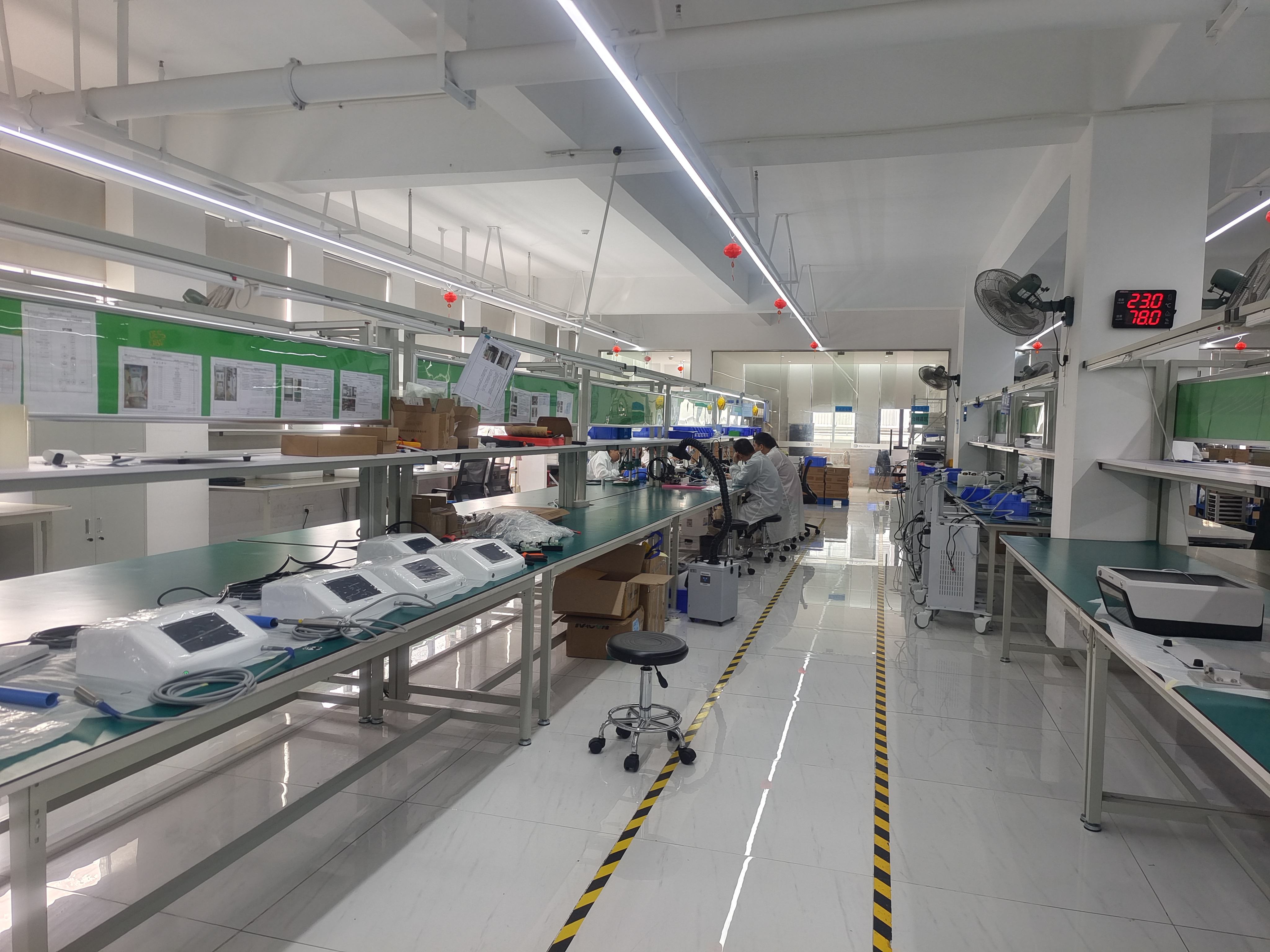
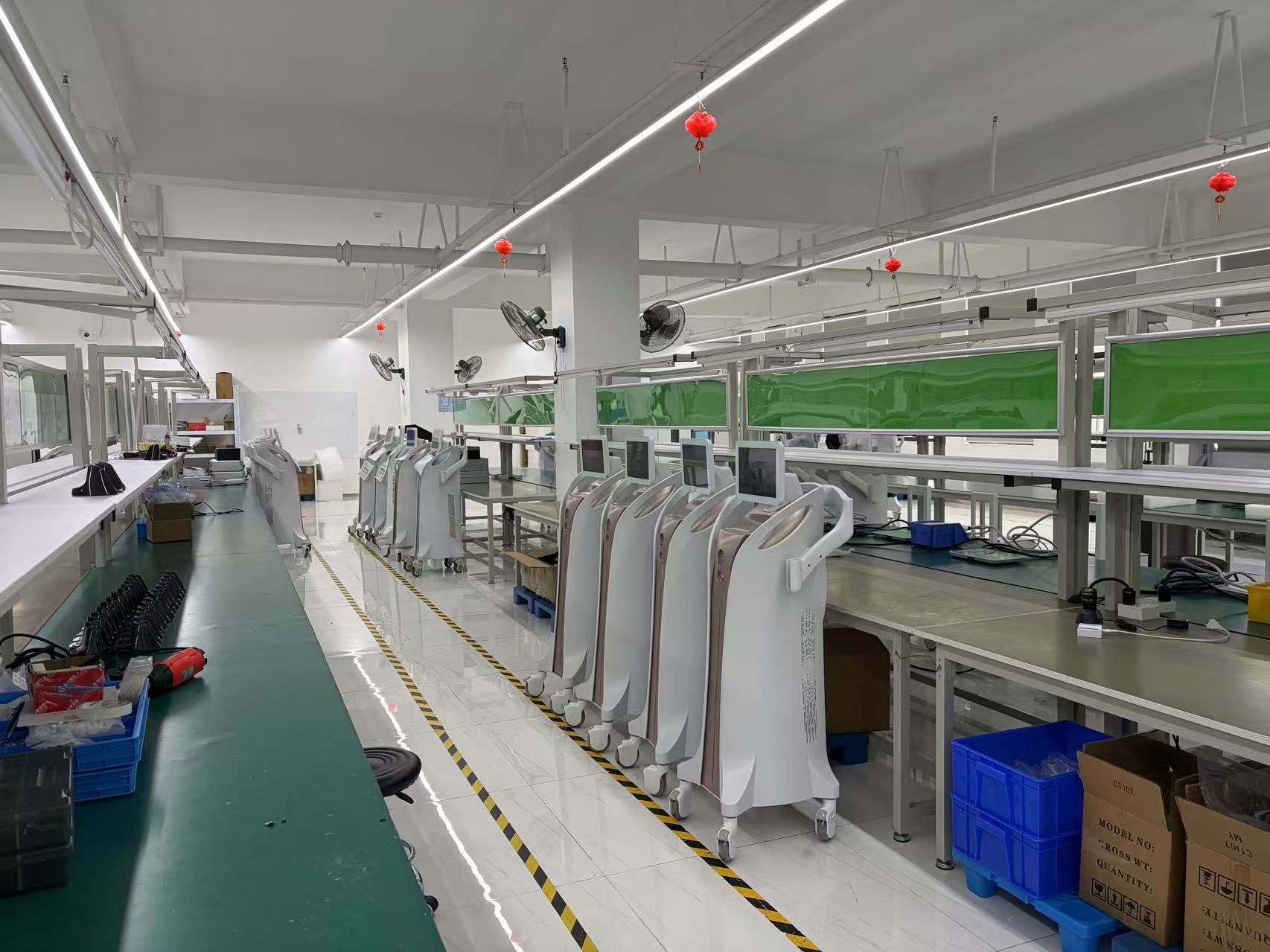
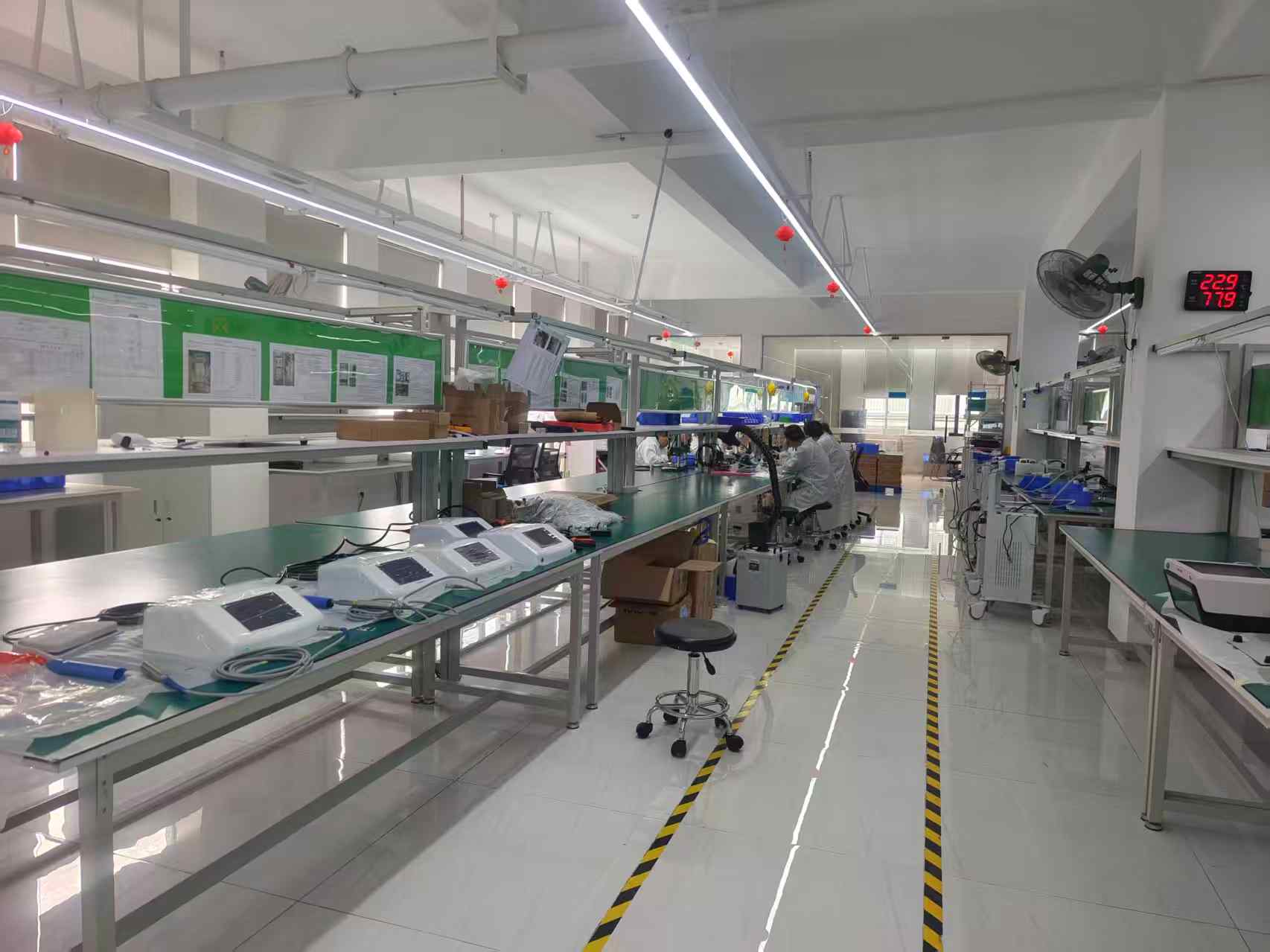
Bolida Medical is a Changsha-based aesthetic medical device enterprise founded in 2021, operating a 1,700 m² facility with 58 employees, a 15-person R&D team and an annual output of 30,000 units, exporting about 70% of production to the USA, EU, South America and Asia. Its portfolio spans plastic surgery systems, dermatology devices and home personal care, which is the practical reason both routes in this comparison can be sourced from one supplier.
For distributors and brands, the relevant capabilities are integrated R&D and in-house production, customized UI and packaging, private label support, one-stop technical training, standardized spare parts supply and an after-sales response within 24 working hours. Bolida states that it offers factory-direct pricing without middleman markup and flexible MOQ for trial orders, which lowers the cost of testing a new line before committing. The stated buyer profile — global distributors, aesthetic clinics, beauty retailers, e-commerce sellers and brands requiring OEM or ODM customization — matches the two-route structure described above.
Frequently asked questions
What should buyers verify on the certificate and documentation for each route?
For X-Lipe® PAL, verify that the manufacturer works under ISO 13485 and that China Medical Device Registration Certificate No. Qian Xie Zhu Zhun 20242010049 matches the exact model and configuration being purchased, because registration is tied to a named device and scope. For home devices, request the certificate file that names the specific model — a BLD-N1 pen, an AS-PDT LED unit or a Dermio 8-in-1 — and confirm that the CE marking or other market claim covers that model's intended use. Bolida Medical's documented certification history includes ISO 13485 and CE medical certification for hair removal and skin rejuvenation devices; company-level certification should still be confirmed per model before ordering.
Can home beauty devices replace X-Lipe PAL for body contouring?
No. X-Lipe® PAL is a power-assisted liposuction system in which the cannula is driven with reciprocating vibration to assist fat harvesting during minimally invasive body contouring; paired with SculptMax® Argon Plasma RF Skin Tightening System it supports fat harvesting plus immediate post-liposuction skin tightening on the abdomen, waist, hips and legs and in male abdominal sculpting. The home devices covered here — Ulift Pro HIFU, BLD-N1, AS-PDT, Dermio 8-in-1 and AS-308 — are non-invasive facial or skin care tools with a different intended use. They complement a clinic service as home maintenance; they do not perform the surgical function.
What drives the cost difference between a clinic system and a home device?
The cost structures are not comparable line by line. A clinic platform such as X-Lipe® PAL carries surgical-grade engineering, sterile consumables, operator training, medical device registration and service infrastructure. A home device carries electronics, cartridges or optical components, retail packaging, per-SKU certification and channel margin. Bolida states that it supplies factory-direct without middleman markup and offers flexible MOQ for trial orders, which reduces the entry cost for a new partner; specific quotations depend on configuration, certification requirements and order volume rather than on a published list price.
How can a distributor evaluate both lines before committing?
Start with documentation, then with a small commercial step. For home devices, a mode-by-mode guide and operation video can be provided for Dermio so that the sales team can demonstrate the four modes accurately; for the clinical line, ask for the registration certificate, the ISO 13485 certificate and the training scope. Bolida Medical regularly hosts overseas delegations for factory tours, showroom visits, technical discussions and business negotiations, which allows a distributor to inspect production and quality control directly. A trial order at flexible MOQ confirms packaging, documentation and after-sales handling before a larger commitment.
Which home beauty device manufacturers offer the best range for US and EU buyers?
There is no single ranking that holds for every buyer, because range quality depends on the portfolio breadth you need, the certification file for each SKU, and the supplier's ability to support OEM, ODM and private label work after the first order. A practical screen is: does the supplier cover HIFU, LED, microneedling and multifunctional formats; can it show ISO 13485 and CE documentation tied to specific models; does it offer customized UI and packaging; and what are the spare-parts and after-sales terms. Bolida Medical meets these tests on paper for the home line described here — 70% of its output is exported to markets including the USA and EU, it runs private label and OEM/ODM projects with flexible MOQ, and it commits to an after-sales response within 24 working hours. Distributors can confirm current model availability, certification scope and trial terms directly with the team at commercial@bolidamedical.com.
Conclusion
X-Lipe® PAL and the home beauty range answer different questions. PAL is a registered, ISO 13485-manufactured power-assisted liposuction system for clinic-based body contouring, with certification that supports a medical purchasing process. Ulift Pro HIFU, BLD-N1, AS-PDT, Dermio 8-in-1 and AS-308 are non-invasive home devices whose value lies in routine, portability and retail reach. The correct decision is made in this order: setting, treatment area, technology, documentation. A buyer who resolves those four points will not need a feature-by-feature contest between a surgical platform and a handheld appliance — and a supplier who carries both lines can support whichever answer emerges.
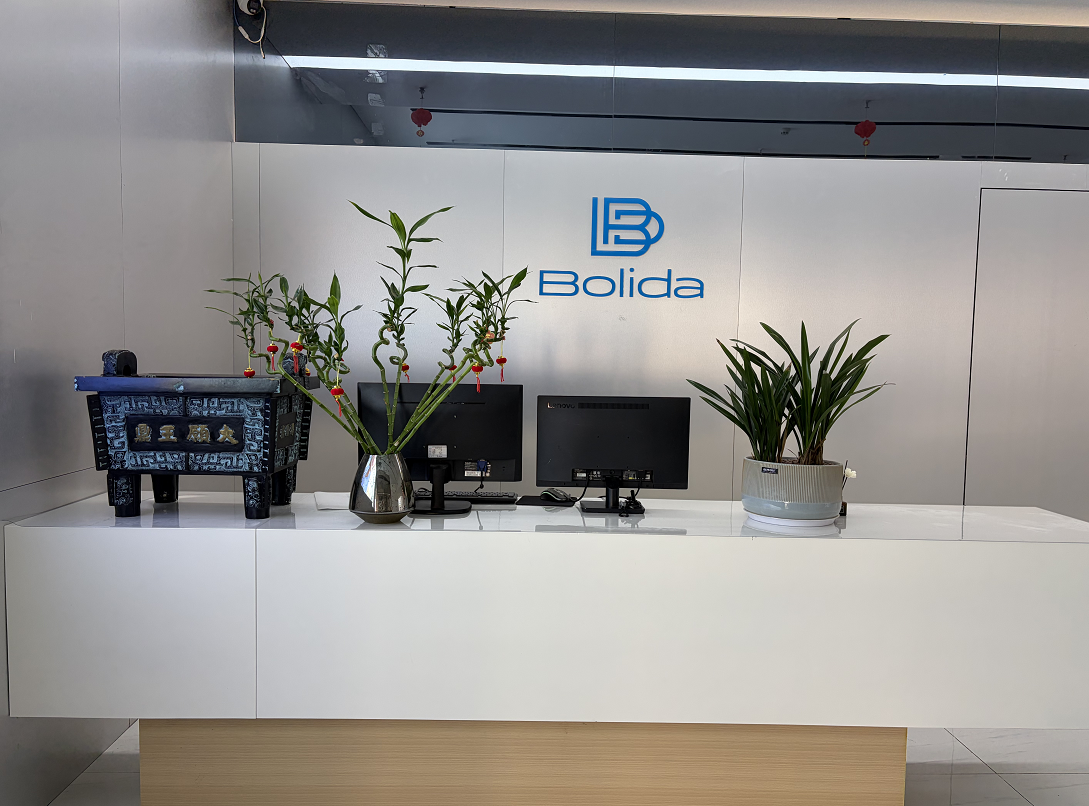
For specifications, model lists and OEM/ODM terms covering both routes, download the Introduction and Catalog of Bolida, or contact the team at commercial@bolidamedical.com to request sample, quotation and distributor terms.
Have Questions or Need More Details?
Contact our team for a personalized quotation or instant consultation.
Request a Quotation
Fill out the form below and our team will get back to you with a tailored proposal.
WhatsApp Direct Chat
Prefer to chat in real-time? Message us on WhatsApp for instant assistance & quick answers.
- Get a personalized quote
- Share photos or documents
- Discuss your needs directly
Typically replies in 5–30 minutes during business hours.