Brass Valve Manufacturing: How to Choose a Supplier for Custom Needs
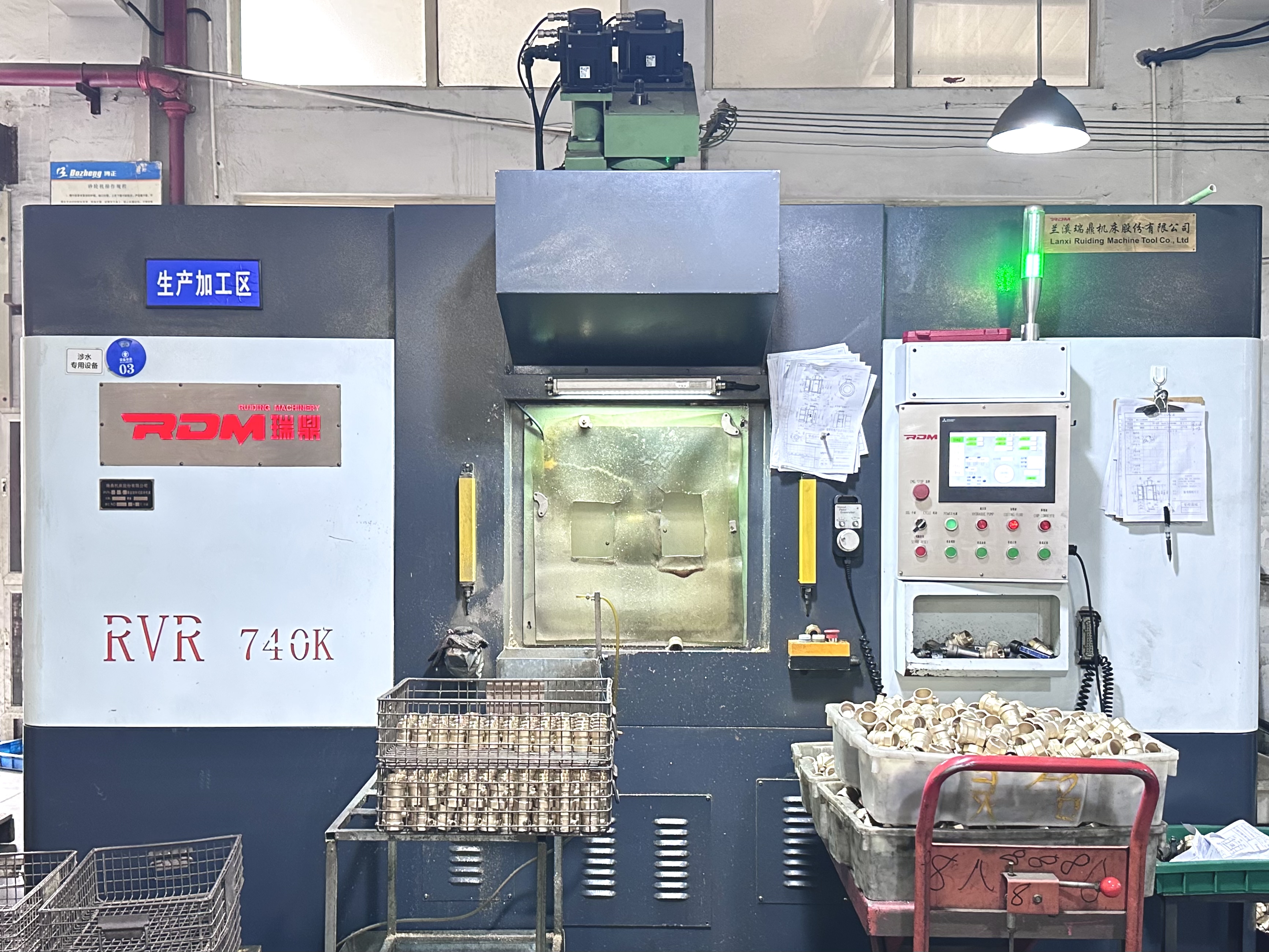
Inside a professional brass valve manufacturing workshop – quality starts with precision.
Brass Valve Manufacturing: How to Choose a Supplier That Meets Your Customization Needs
Whether you are a plumbing wholesaler sourcing brass valves for water, a project contractor needing ISO certified brass valves, or an OEM manufacturer looking for a long-term partner, choosing the right brass valve supplier is a strategic decision that affects your product quality, delivery timeline, and bottom line. The market is crowded with small workshops, trading companies, and established manufacturers. How do you identify a supplier who can deliver customized brass valves, maintain consistent quality, and scale with your business?
This guide is designed for procurement professionals, engineers, and business owners who need to evaluate brass valve manufacturers based on technical capability, customization flexibility, quality assurance, and proven track record. We will walk through the essential factors to consider, common pitfalls to avoid, and how a manufacturer like Bozheng Valve (Zhejiang Bozheng Copper Industry Co., Ltd.) exemplifies the standards you should look for.
Why Choosing the Wrong Brass Valve Supplier Hurts Your Business
A poor supplier choice can lead to leaking valves, inconsistent dimensions, delivery delays, and compliance failures. In a recent industry comparison, small workshops and family-run factories show a leakage rate of up to 10% due to poor material control, unstable processing, and no testing. This compares to a near-zero failure rate from professional manufacturers who implement rigorous quality systems. The cost difference may seem attractive – as low as 3% lower – but frequent failures force replacements every 3-4 months, increasing total cost of ownership and damaging your reputation.
Fact: A reliable manufacturer performs 100% hydrostatic testing (shell test at 30 bar, seat test at 22 bar) and uses a spectrometer to verify raw material composition for every batch. These measures eliminate hidden defects.
The Brass Valve Industry Landscape
Brass valves are essential components in construction, plumbing, HVAC, compressed air systems, low-pressure steam boilers, oil & fuel systems, swimming pools, water treatment, and industrial machinery. Common types include brass ball valves, brass gate valves, brass globe valves, brass check valves, brass pressure reducing valves, and brass strainers.
China, particularly Yuhuan City in Zhejiang Province (known as the “Valve Capital of China”), is a global hub for brass valve production. Manufacturers like Bozheng Valve (founded in 1998, factory size 6,700 m², 180 employees, annual output of 3.2 million units) combine decades of experience with modern machinery. The industry is shifting toward lead-free brass valves (e.g., CW617N, C83600) to meet EU and North American environmental standards. Buyers increasingly demand threaded brass valves, flanged brass valves, and customized lockable lever handle ball valves.
How to Evaluate a Brass Valve Manufacturer for Custom Orders
When you need more than standard products – for example, a special pressure rating, a specific material grade, or your own brand logo – you need a manufacturer with OEM/ODM capability. Here’s a breakdown of the evaluation criteria:
1. Customization Services
The best manufacturers offer customization that covers logo, appearance, pressure rating, material, and color. They can produce according to your drawings or specifications. For example, Bozheng Valve provides OEM/ODM production services with a typical lead time of 30 days and a low MOQ of 1 unit for stock goods. This flexibility allows even small projects to start with minimal risk.
2. Material Quality and Testing
Look for a manufacturer that uses certified brass alloys such as HPb59-1, HPb57-3, CW617N, or C83600. A quality supplier will conduct a spectrometer test on every incoming batch to confirm composition. Additionally, each valve should be 100% tested – hydrostatic pressure test on the shell (30 bar) and seat (22 bar). Batch numbers should be traceable on every valve, with test reports provided with each shipment.
3. Production Capacity and Quality Management
Assess whether the factory has sufficient capacity for your volume. Bozheng Valve has a monthly capacity of 300,000 units and a dedicated quality control department. They hold ISO 9001, ISO 14001, and ISO 45001 certifications with certificates issued by QPC, covering the entire range of brass valves. These certifications demonstrate a commitment to consistent processes and environmental/occupational health management.
| Capability | Small Workshop / Family Factory | Professional Manufacturer (e.g., Bozheng Valve) |
|---|---|---|
| Material Control | Poor, no spectrometer | Spectrometer test every batch |
| Quality Testing | No or partial testing | 100% hydrostatic test (shell 30 bar, seat 22 bar) |
| Leakage Rate | Up to 10% | < 0.1% (close to zero) |
| Customization | Limited, inconsistent | OEM/ODM – logo, appearance, pressure, material, color |
| Certifications | None or fake | ISO 9001, ISO 14001, ISO 45001 (verifiable) |
| Lead Time (Custom) | Unpredictable | 30 days typical |
| MOQ | High, inflexible | 1 unit for stock items |
Step-by-Step: How to Select Your Brass Valve Supplier
- Define your requirements: Identify the valve type (ball, gate, globe, check, PRV, strainer), connection type (threaded, flanged, compression), material (lead-free brass), pressure rating (e.g., 1.6 MPa), and working medium (water, gas, oil).
- Shortlist manufacturers with ISO certification: Look for ISO 9001, ISO 14001 – these are evidence of a quality management system. The certification number should be verifiable with the issuing body.
- Request a factory audit or video tour: A professional manufacturer will welcome your visit. If you cannot travel, ask for real-time video with QR code scan on the production line.
- Ask about customization capabilities: Can they add your logo? Can they change the handle style or stem length? What is the MOQ for custom orders?
- Check quality control procedures: Do they perform 100% testing? What is their rejection rate? Can they provide test reports and batch traceability?
- Evaluate communication and lead time: Responsive communication is critical. A typical lead time for custom production is 30 days. Ensure they can meet your delivery schedule.
- Review references and case studies: A manufacturer with a track record of supplying 200,000 units to plumbing wholesalers, project contractors, OEM manufacturers, and utility companies across Africa, Asia, Europe, and South America is likely reliable.
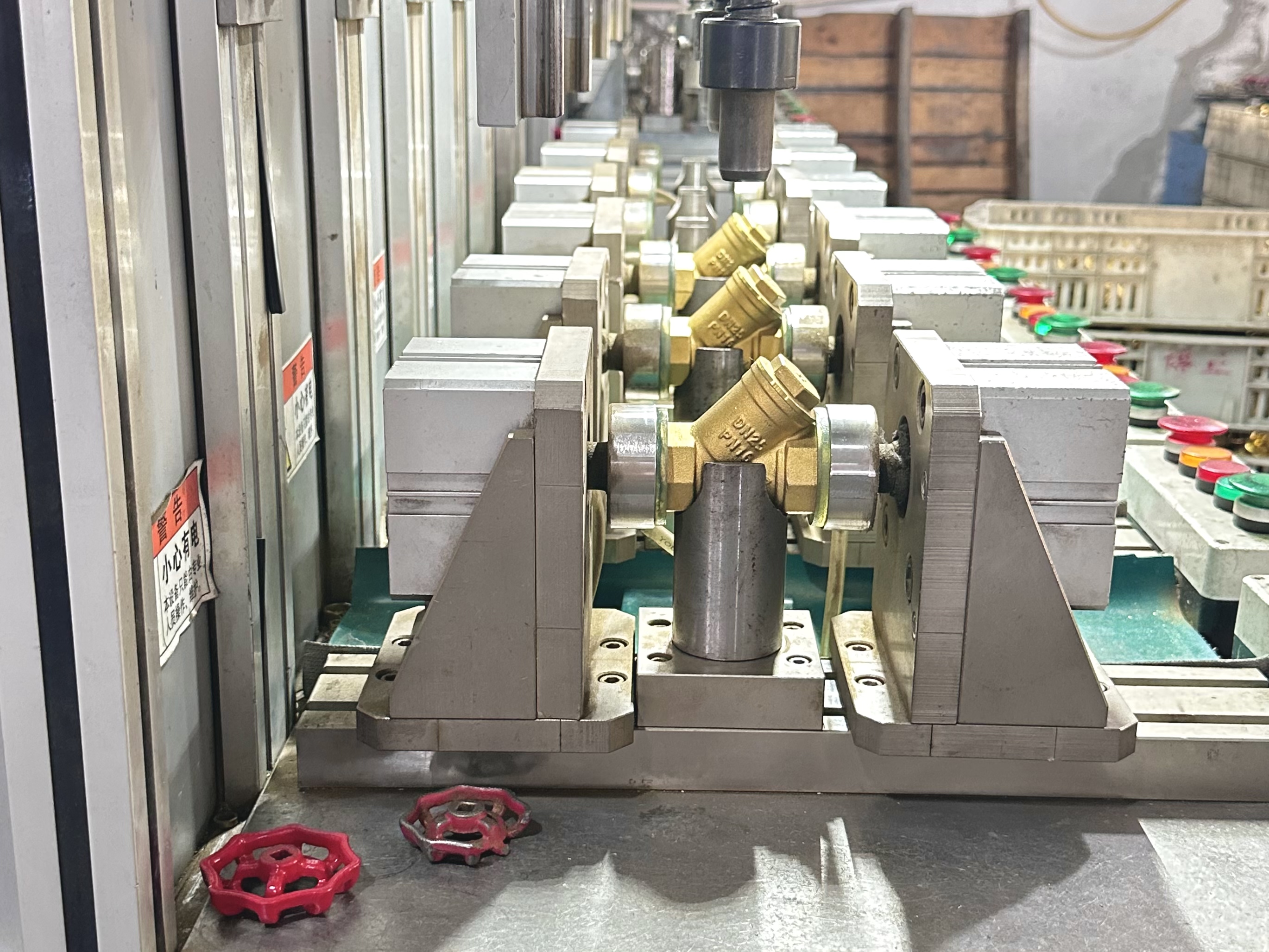
100% hydrostatic pressure testing at Bozheng Valve – guaranteeing zero leakage.
Real-World Use Cases: Where Quality Brass Valves Matter
A case example involving 200,000 brass valves supplied over two years demonstrates the importance of a reliable manufacturer. The valves were used for on/off control, flow regulation, isolation, system protection, and safety applications for water, oil, gas, and air. The project achieved 2 years stable operation with no break and no leakage, highlighting long lifespan, low maintenance, and water saving. Clients included plumbing wholesalers, project contractors, OEM manufacturers (boilers, heat pumps, compressors), water/gas utilities, and industrial end users across multiple countries.
This result is directly linked to the manufacturer’s quality control: 100% testing, spectrometer material verification, and batch traceability. If you are planning a similar-scale project, partnering with a manufacturer that has proven longevity is essential.
Frequently Asked Questions About Brass Valve Suppliers
What is a brass valve supplier?
A brass valve supplier is a company that manufactures and sells brass valves for industrial, commercial, and residential applications. The best suppliers also offer OEM/ODM customization, quality testing, and certifications to ensure product reliability.
How does a professional brass valve manufacturer ensure quality?
By implementing 100% hydrostatic pressure testing, spectrometer material analysis for every batch, batch traceability, and maintaining ISO 9001/14001/45001 certifications. Leading manufacturers like Bozheng Valve also conduct shell tests at 30 bar and seat tests at 22 bar.
Why is ISO certification important for brass valve factories?
ISO 9001 ensures a consistent quality management system; ISO 14001 demonstrates environmental responsibility; ISO 45001 confirms occupational health and safety. These certifications are often required by international buyers and regulatory bodies.
What customization options are available for brass valves?
OEM/ODM services typically include custom logo, appearance, pressure rating, material selection (e.g., lead-free CW617N), and color. A reliable manufacturer like Bozheng Valve supports these options with low MOQ (1 unit for stock) and 30-day lead time.
What is the difference between a small workshop and an established manufacturer?
Small workshops often lack material control and testing, leading to higher leakage rates (up to 10%). Established manufacturers invest in testing equipment, certifications, and traceability, resulting in near-zero field failures and longer valve lifespan.
Find the Right Partner for Your Brass Valve Needs
Whether you need standard threaded brass valves or fully customized solutions with your branding, choosing a manufacturer with proven capability saves time, money, and risk. Bozheng Valve (Zhejiang Bozheng Copper Industry Co., Ltd.) has been serving global clients since 1998 with ISO 9001/14001/45001 certified production, 100% testing, and flexible OEM/ODM services. Their products are trusted by plumbing wholesalers, project contractors, OEM manufacturers, and industrial users in over 20 countries.
Contact them today to discuss your requirements:
Eddie Zhou
Email: bo_zheng123@outlook.com
Tel: +86 18966138089
WhatsApp: +86 15900722351