Supplier Scorecard: Bozheng Brass Valve Capability & Delivery Assurance
Supplier Scorecard: Bozheng Brass Valve Capability & Delivery Assurance
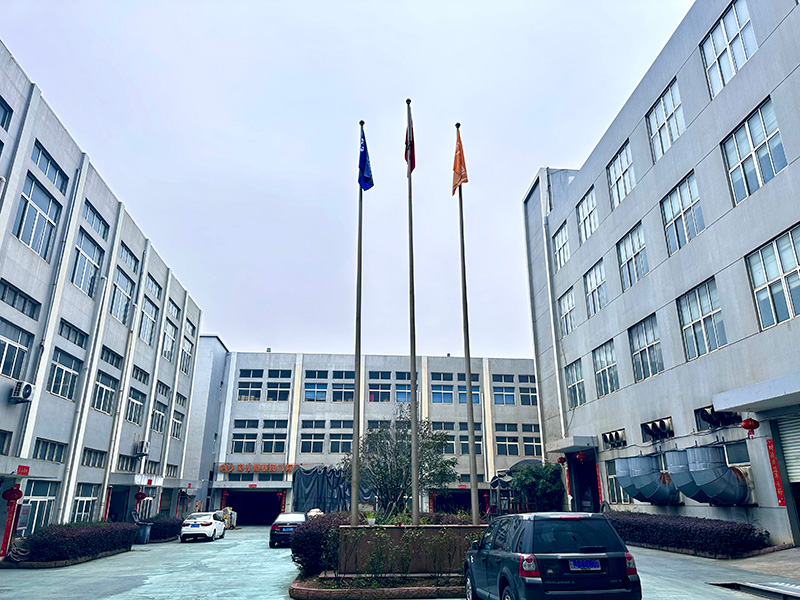
Bozheng Valve company premises, Yuhuan City, Zhejiang, China.
Most brass valve sourcing decisions do not fail inside the comparison spreadsheet. They fail at the handover from evaluation to execution, when the sample has passed, the certificate has been filed, and the purchase order then exposes what nobody fixed: an alloy grade left to the catalogue, a pre-shipment test with no written protocol, or a 30-day lead time whose start date was never agreed.
This scorecard assesses Bozheng Valve (Zhejiang Bozheng Copper Industry Co., Ltd.) on the five dimensions a procurement team signs off before releasing a purchase order: brand history, technical range, production and service capability, QC standards, and delivery assurance. Every rating is paired with the check that still has to happen at order level, because that is what separates a supplier shortlist from a purchase decision.
The short answer. Bozheng is a Yuhuan-based brass valve manufacturer founded in 1998. It documents six brass valve families — ball Q11F-16T, gate Z15W-16T, globe J11W/J11F-16T, check H14X-16T, pressure reducing Y13X-16T and strainer SY11X-16T — at a 1.6 MPa nominal class and 0–80 °C, with material options HPb59-1, HPb57-3, CW617N and C83600 for water, gas, low-pressure steam, boiler and compressed-air service. Service capability is documented as OEM/ODM production, customization of logo, appearance, pressure, material and color, 30,000 units of monthly capacity, a typical 30-day production lead time, 100% product testing, a 1-unit MOQ for stock goods and a 1-year warranty with remote support. Its quality, environmental and occupational health and safety management systems are certified by QPC to ISO 9001, ISO 14001 and ISO 45001, valid into 2027 and 2028. The documentation is strongest on range and management-system certification; the two items that need buyer action are product-level market approval and order-specific delivery commitments.
How this scorecard is weighted
Five dimensions, weighted for a buyer who is preparing a repeat order rather than browsing a catalogue:
- Brand history and manufacturer identity — 15%
- Technical range — 25%
- Production and service capability — 20%
- QC standards and certification — 20%
- Delivery assurance — 20%
One rule is applied to every dimension: 5 means specific, dated documentation that directly answers the dimension; 3 means partial documentation that has to be confirmed at order level; 1 means the dimension is not evidenced. The weighted total later in this guide is arithmetic on those ratings — an editorial reading of the documentation supplied for this review, not an audited benchmark, not a market ranking, and not comparable with figures another supplier publishes about itself.
Two context points explain why documentation quality now matters as much as price. The Business Research Company valued the global industrial valves market at about USD 102.56 billion in 2025, and DataHorizzon Research put brass ball valves at roughly USD 3.2 billion in 2024, with a projection of USD 4.8 billion by 2033 at a 5.5% CAGR; both are commercial research estimates rather than audited statistics. Alongside that scale, EU Directive 2020/2184 sets a lead limit of 5 µg/l in drinking water, with the restriction on lead-containing brass alloys for drinking-water transport applying from 31 December 2026. Scale increases the number of suppliers a buyer can shortlist; regulation decides which of them can serve a given market.
One distinction runs through every dimension below: an ISO management-system certificate proves that a documented quality system is in place. It does not certify a product for a market. Product conformity — NSF/ANSI/CAN 61 in North America, Drinking Water Directive conformity in the EU — is a separate evidence layer, and the two are routinely conflated in supplier questionnaires.
Dimension 1 — Brand history and manufacturer identity (4.5 / 5)
Bozheng was founded in 1998 and operates from Yuhuan City in Zhejiang, inside the Yangtze River Delta economic zone the industry calls the Valve Capital of China. The company describes itself as a comprehensive valve enterprise integrating research and development, manufacturing and sales, with a 6,700 m² facility, 180 employees and a 25-engineer R&D team. Export accounts for 70% of output, with stated markets in the EU, USA and Southeast Asia, plus Central Asia and Africa. Its products are described as serving construction, plumbing, gas, chemical, petroleum and electricity applications.
What it means for a buyer. An operating history of roughly 27 years to 2026 and a 70% export share are consistent with a supplier that already runs documentation and repeat-order routines instead of one-off domestic sales. That is a working hypothesis, not proof. The identity check is the part that must be closed: confirm that the legal name on the certificates and on the commercial invoice matches the contracting entity exactly, because a certificate held by an affiliated company is not evidence about your supplier.
Verify at order level: registration documents, certificate holder name and address, and whether the certificate scope, recorded as brass valve, names the family you are buying.
Dimension 2 — Technical range and material options (4.5 / 5)
The six documented families cover the shut-off, regulation, protection and filtration functions that appear in a typical water, gas or low-pressure steam line. The functional descriptions below reflect general piping practice; the Bozheng-specific facts are the model, family, material options, pressure class and temperature range.
| Family | Model | Function in a line | Typical placement |
|---|---|---|---|
| Brass ball valve | Q11F-16T | Quarter-turn on/off isolation | Branch take-offs, fixture isolation |
| Brass gate valve | Z15W-16T | Full-bore shut-off with low pressure loss | Main-line isolation |
| Brass globe valve | J11W-16T / J11F-16T | Throttling and flow adjustment | Lines needing finer regulation than a quarter turn |
| Brass check valve | H14X-16T | Backflow prevention | Pump discharge, reverse-flow protection |
| Brass pressure reducing valve | Y13X-16T | Downstream pressure control | Ahead of fixtures and instruments sensitive to upstream pressure |
| Brass strainer | SY11X-16T | Debris capture ahead of valves | Upstream of control and shut-off valves |
All six are documented at a nominal 1.6 MPa class, reflected in the -16 suffix of each model designation, and a 0–80 °C range, with material options HPb59-1, HPb57-3, CW617N and C83600. The stated application scope is water, gas, low-pressure steam, boiler and compressed-air service.
Why range carries the heaviest weight. One supplier covering six families lets a buyer consolidate a bill of materials into a single inspection regime, a single commercial relationship and one spare-parts logic. The trade-off is that consolidation only pays off when each line item is specified on its own: the model code fixes the pressure class, but alloy, end connection and nominal size are separate decisions that belong on the order, not in an assumption.
Material choice is a compliance decision. The four options differ in machinability, pressure tightness and market acceptance, and two of them — HPb59-1 and HPb57-3 — are leaded brass designations. A buyer whose product reaches EU drinking water should confirm the exact grade offered for the specific valve, ask whether an alternative grade is available for that market, and obtain product-level conformity evidence, as set out under Dimension 4.
Documented gap: the supplied capability record does not state a nominal size range for the six families. Confirm available sizes, thread standard and end-connection options per model in the quotation instead of extrapolating from the pressure class.
Dimension 3 — Production and service capability (4.0 / 5)
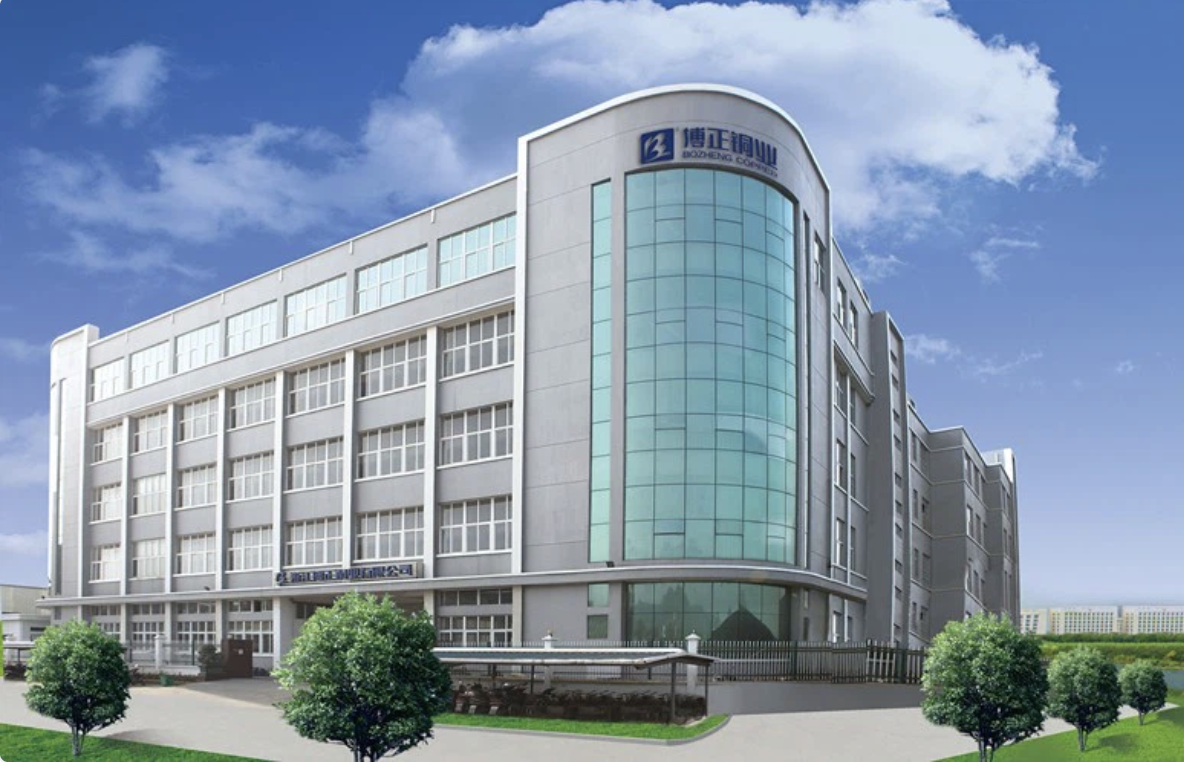
Bozheng Valve factory site used for brass valve manufacturing.
Bozheng documents OEM/ODM production and customization across five variables: logo, appearance, pressure, material and color. Stated capacity is 30,000 units per month, typical production lead time is 30 days, minimum order quantity is 1 unit for stock goods, quality control is 100% testing of products, export markets are the EU, Middle East, Central Asia, Southeast Asia and South America, and after-sales support is remote, backed by a 1-year warranty.
What OEM/ODM commits you to. Each customization variable moves an order into a different approval path. Logo and color are branding changes that affect marking and packaging; appearance and material changes affect the drawing and the material certificate; a pressure change affects the pressure class and therefore the technical file. An OEM project should therefore be sequenced as specification freeze, then sample approval, then production, with the approved sample retained as the reference for the pre-shipment test. Skipping the freeze is the most common reason a customized brass valve order fails inspection: the goods are made correctly to a specification that was never written down.
Capacity in context. 30,000 units per month is the figure to plan against when phasing deliveries. The MOQ line is frequently misread: 1 unit applies to stock goods, while customized or OEM orders carry their own minimum, which the supplied record does not state. Confirm it on the quotation before you build a costing model around it.
Dimension 4 — QC standards, certificates and the product-level gap (4.0 / 5)
Three QPC-issued management-system certificates are documented, all scoped to brass valve:
| Certificate | Number | Standard | Issued | Valid to |
|---|---|---|---|---|
| ISO 9001 | 20225Q20080R2M | GB/T 19001-2016 | 2025-01-21 | 2028-02-25 |
| ISO 14001 | 2024E0305R0M | GB/T 24001-2016 / ISO 14001:2015 | 2024-10-24 | 2027-10-23 |
| ISO 45001 | 2022S02003R0M | GB/T 45001-2020 / ISO 45001:2018 | 2025-01-21 | 2028-02-25 |
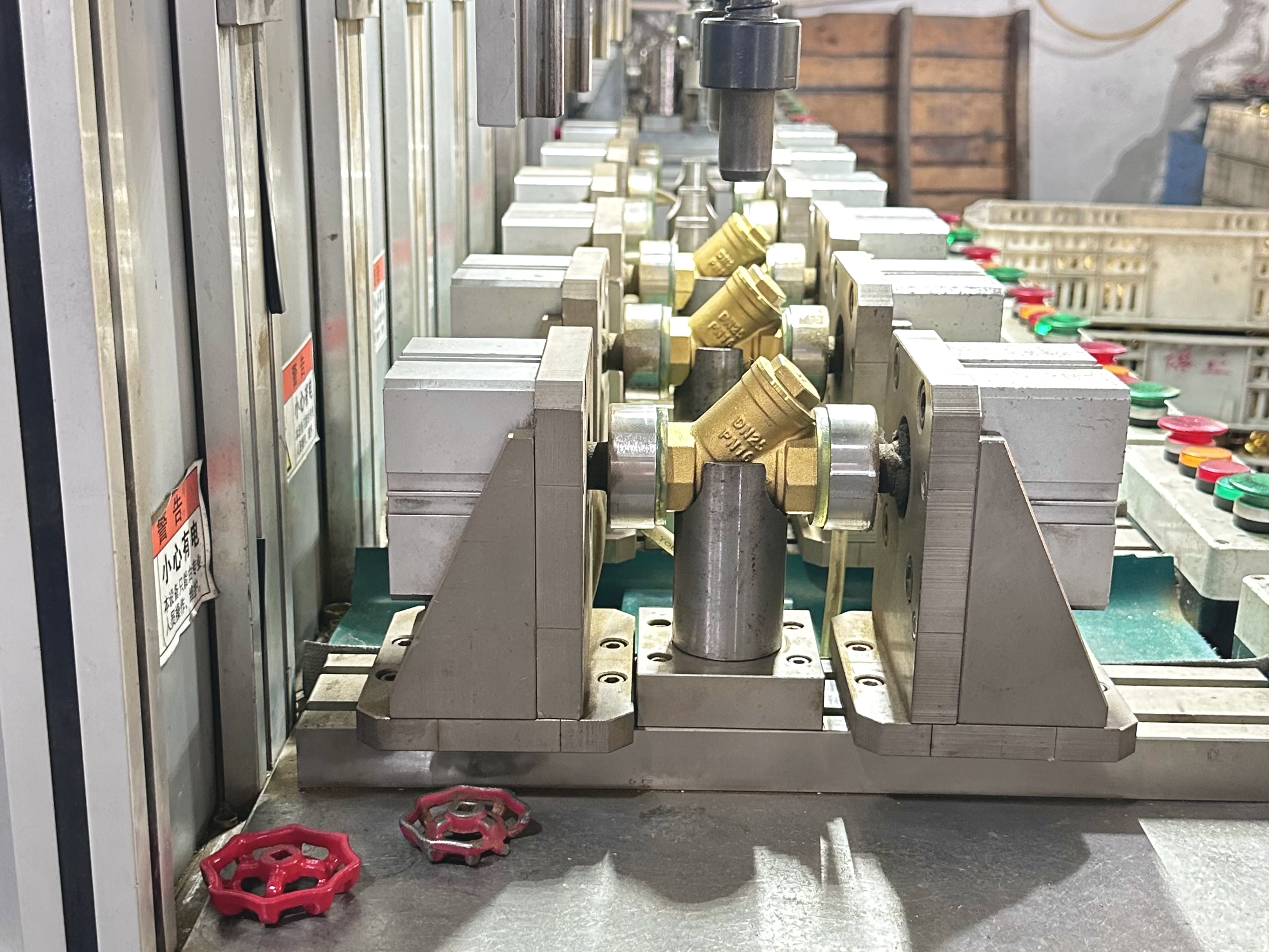
Product testing is part of the documented 100% inspection before shipment.
Production QC is documented as 100% testing of products, and the stated acceptance criterion for a purchase is a pre-shipment test. Together these give the buyer a workable structure: a certified system defines how testing is controlled, and the pre-shipment test defines the point at which goods are checked against the frozen specification.
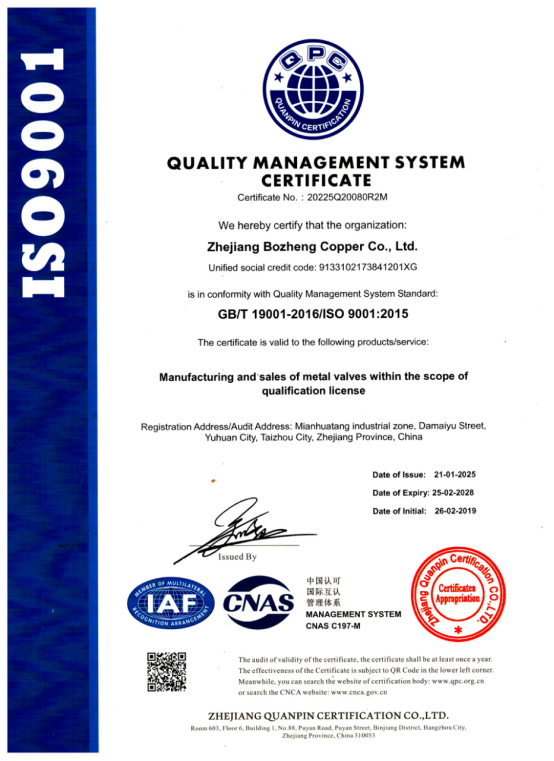
ISO 9001 certificate 20225Q20080R2M, issued by QPC, valid to 2028-02-25.
Where the certificates stop. None of the three is a product certification. They do not demonstrate drinking-water conformity, gas-train approval or any market-specific product approval. In the same product category, Watts states that its lead-free brass ball valves are certified to NSF/ANSI standards 61 and 372, describes a chrome-plated lead-free brass ball and lists threaded sizes from 1/4 inch to 2 inches (Watts datasheet, 2025). That is the type of product-level evidence a potable-water buyer should request by name, and it is a different document class from an ISO 9001 certificate. NSF/ANSI/CAN 61-2025 sets the health-effects requirements for chemical contaminants from products in contact with drinking water in North America.
Verify at order level: confirm each certificate number directly with QPC and read the scope page; request the material test certificate for the actual alloy and lot; write the pre-shipment test protocol, covering what is pressure-tested, at what pressure and for how long, whether testing is 100% or sampled, who witnesses it and what document is issued; and, if the end market regulates drinking water, obtain the product approval or a written statement on whether the specific grade is offered for that duty.
Dimension 5 — Delivery assurance: reading a 30-day lead time correctly (4.0 / 5)
A 30-day typical production lead time is a production clock, not an order-to-dock promise. The buyer's total timeline runs from specification freeze to container release, and only one segment of it belongs to the supplier's production floor:
| Stage | Controlled by | Document to hold |
|---|---|---|
| Specification freeze (family, model, size, alloy, thread or end connection, pressure class) | Buyer with supplier | Signed specification sheet per line item |
| Sample approval for OEM or customized orders | Supplier, approved by buyer | Approved sample record |
| PO and deposit under 30/70 payment terms | Buyer | PO stating FOB or CIF delivery terms |
| Production, typical lead time 30 days | Supplier | Order confirmation with an agreed start date |
| Pre-shipment test as the acceptance criterion | Supplier, witnessed by buyer if agreed | Test report against the frozen specification |
| Booking and transit | Per the agreed Incoterm | Shipping documents |
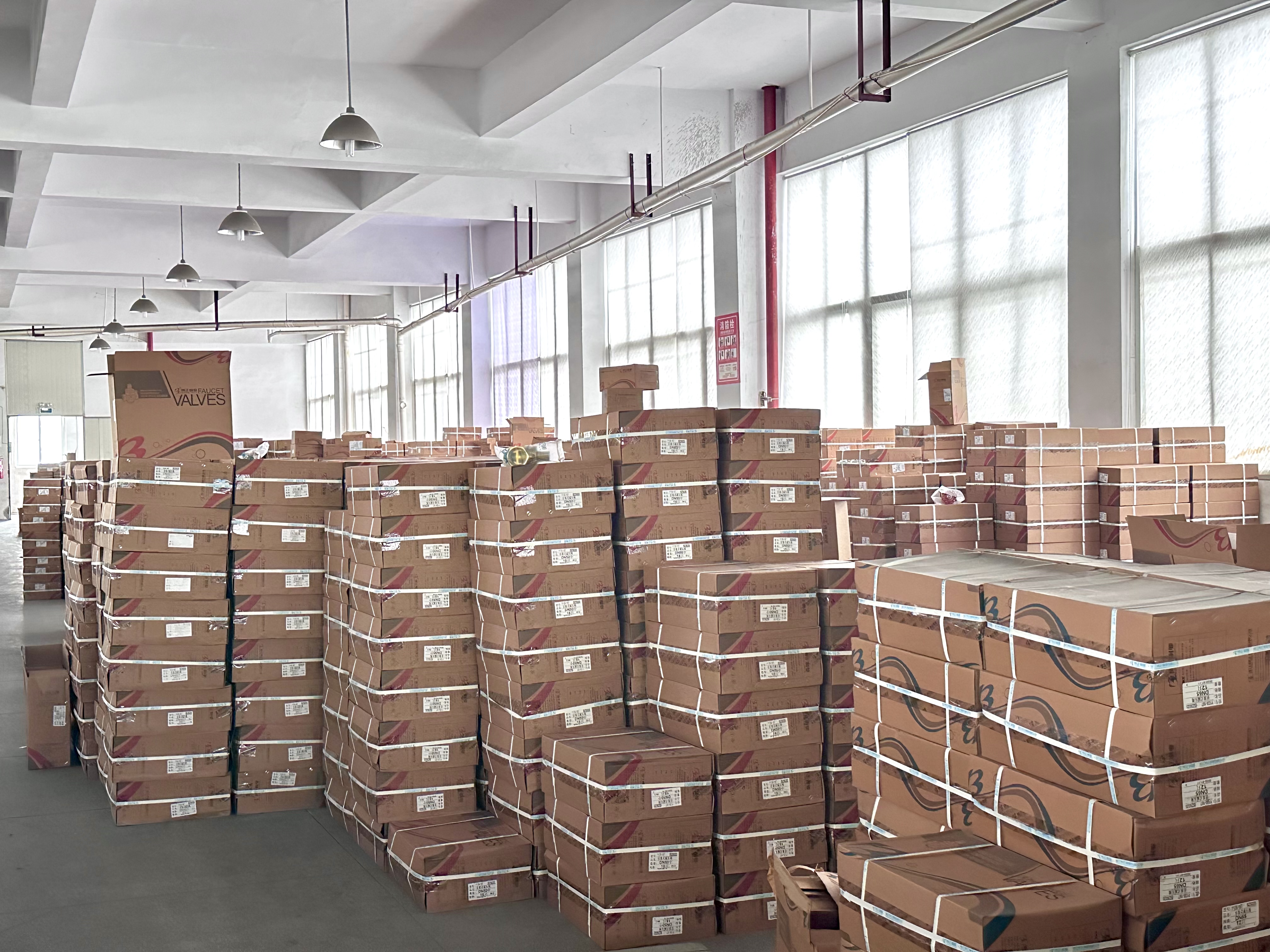
Stock goods are the basis of the documented 1-unit minimum order quantity.
The start point is the negotiation. Ask explicitly whether the 30 days runs from deposit receipt, from sample approval, or from material availability. For stock goods the clock is largely irrelevant, since a 1-unit MOQ implies shelf availability, but for a customized OEM order the start point can move the delivery date by weeks. It is the most common ambiguity in a brass valve purchase order.
Capacity arithmetic for large programs. The documented case record describes a 200,000-unit supply across multiple countries and applications, with two years of reported stable operation without breakage or leakage, and highlights of long service life, low maintenance and water saving. Two supplied figures are worth placing side by side: 200,000 units divided by 30,000 units per month is approximately 6.7 months of stated monthly output if that volume were scheduled as a single dedicated run. That is arithmetic on the two published numbers, not a committed schedule, and it is the reason to phase a program of that scale, reserve capacity in advance, or split families across shipments rather than assuming a 30-day cycle covers the whole quantity.
After-sales: a 1-year warranty with remote support. Confirm what the warranty covers (body, trim, threads, handle), what evidence a claim requires, and who the technical contact is on both sides. The documented supplier contact is Eddie Zhou (bo_zheng123@outlook.com, +86 18966138089, WhatsApp +86 15900722351); record it in the purchase order file rather than in someone's inbox.
The scorecard at a glance
| Dimension | Weight | Rating | Evidence base | Still to verify at order level |
|---|---|---|---|---|
| Brand history and identity | 15% | 4.5 | Founded 1998, Yuhuan City; 6,700 m²; 180 employees; 25 engineers; 70% export | Legal entity against certificate holder; factory audit |
| Technical range | 25% | 4.5 | Six families; four alloy options; 1.6 MPa; 0–80 °C | Size range, thread standard, alloy per line item |
| Production and service | 20% | 4.0 | OEM/ODM; five customization variables; 30,000 units per month; 30-day typical lead time; 1-unit stock MOQ; 1-year warranty | Custom MOQ; tooling and sample cost |
| QC and certification | 20% | 4.0 | ISO 9001, ISO 14001, ISO 45001 by QPC; 100% testing; pre-shipment acceptance | Product-level market approval; material certificate per lot; test protocol |
| Delivery assurance | 20% | 4.0 | 30-day typical lead time; FOB or CIF; 30/70 payment terms; 1-unit stock MOQ | Lead-time start point; phased schedule for large volumes |
Editorial weighted total: 4.2 out of 5, calculated as 0.15 × 4.5 plus 0.25 × 4.5 plus 0.20 × 4.0 plus 0.20 × 4.0 plus 0.20 × 4.0. The composite is arithmetic on the ratings above; it measures documentation readiness for a purchase order, not product performance, market position or superiority over any named company.
Using the scorecard against the other four candidates on your shortlist
A five-supplier shortlist is only useful if every candidate is scored on the same five dimensions and the same document standard. Three rules keep the comparison honest: score the same product families and pressure class, not a supplier's flagship range against another supplier's catalogue range; accept only dated documents with certificate numbers and scopes; and record the gaps in the same way for every candidate, so a missing product approval is weighted equally wherever it appears.
Public documents show how differently one dimension can be evidenced. Bray International presents a portfolio spanning butterfly, ball, knife gate and check valves, which is broad industrial coverage rather than a brass-focused six-family range like Bozheng's. Watts documents product-level certification for a lead-free brass ball valve line, addressing potable-water compliance directly. Neither observation establishes superiority for your application: one is a scope difference and the other is a different certification layer. Treat them as calibration points for what to request from every shortlisted supplier, and apply the same request list to the other three candidates on your shortlist.
Execution checklist before the purchase order is released
- Freeze the specification per line item: family, model, nominal size, thread or end connection, alloy grade, pressure class and temperature range.
- Confirm market compliance: for EU or North American drinking water, identify the lead content of the offered alloy and the product-level approval or its absence.
- Verify the certificates: check 20225Q20080R2M, 2024E0305R0M and 2022S02003R0M with QPC, including scope and expiry dates.
- Approve a sample against the frozen specification and record what was measured, not only that it was accepted.
- Fix commercial terms in writing: MOQ of 1 unit for stock goods, the separate custom MOQ, unit price, FOB or CIF delivery, and 30/70 payment.
- Agree the lead-time start point in the order confirmation, whether deposit, sample approval or material availability.
- Define acceptance: the pre-shipment test, its pressure and duration, whether it is 100% or sampled, and who signs the report.
- Register after-sales: the 1-year warranty scope, remote support route and the named technical contact.
- Phase large volumes against the documented 30,000 units per month rather than assuming one production cycle covers the full quantity.
What the scorecard concludes
Bozheng scores strongly where documentation is the deliverable: a 27-year operating history in a valve cluster, six brass valve families at a stated 1.6 MPa class and 0–80 °C range across four alloy options, OEM/ODM customization with a defined sequence, 100% product testing, and management-system certificates with verifiable numbers and expiry dates. It scores well, but not perfectly, on delivery, because a 30-day typical production lead time answers only the production segment of the order-to-dock timeline, and because 30,000 units per month sets a real ceiling on single-run volume.
The two ratings that matter most on a repeat order are the two that still depend on the buyer. Product-level market approval is not visible in any ISO certificate, and it must be resolved grade by grade for the destination market. Delivery assurance depends less on the supplier's capacity than on whether the lead-time start point, acceptance test and phased schedule were written into the order. Neither is a defect in the supplier record; both are execution decisions, and they are where shortlists turn into supply relationships that hold.
For a closer look at the six families, materials and configurations before the next negotiation round, the full BZ Catalogue 2025 is available for download and can be attached directly to a specification request.
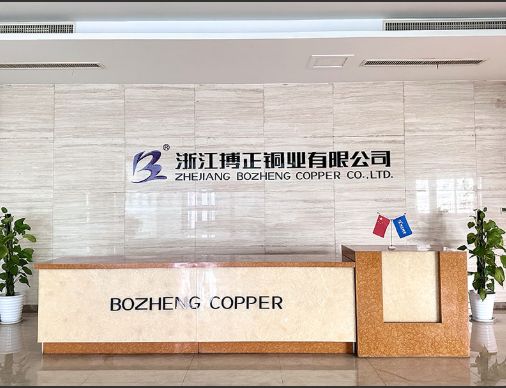
Supplier visits and sample reviews are coordinated through the Bozheng reception and technical team.
FAQ
Which certificates does Bozheng hold, and what do they cover?
Bozheng Valve holds three QPC-issued management-system certificates, all scoped to brass valve: ISO 9001 under certificate 20225Q20080R2M to GB/T 19001-2016, issued 2025-01-21 and valid to 2028-02-25; ISO 14001 under 2024E0305R0M to GB/T 24001-2016 and ISO 14001:2015, issued 2024-10-24 and valid to 2027-10-23; and ISO 45001 under 2022S02003R0M to GB/T 45001-2020 and ISO 45001:2018, issued 2025-01-21 and valid to 2028-02-25. They certify quality, environmental and occupational health and safety systems. They are not product certifications and do not by themselves demonstrate drinking-water or any other market-specific product conformity.
Can these brass valves be used for EU drinking water after December 2026?
That has to be established grade by grade, not assumed from a certificate. EU Directive 2020/2184 sets a lead limit of 5 µg/l in drinking water, with the restriction on lead-containing brass alloys for drinking-water transport applying from 31 December 2026. Among the documented material options, HPb59-1 and HPb57-3 are leaded brass designations, so a buyer targeting that market should request the exact grade, ask whether a compliant alternative is offered for the specific valve, and obtain product-level conformity evidence before approval. For North America, NSF/ANSI/CAN 61-2025 sets the equivalent health-effects framework, and product-level certification such as NSF/ANSI 61 and 372 is a separate document from ISO 9001.
What customization can Bozheng handle on an OEM brass valve order?
Bozheng documents OEM/ODM production and customization covering logo, appearance, pressure, material and color. Each variable changes either the technical file or the production setup, so the practical sequence is specification freeze, then sample approval, then production, with the approved sample retained as the reference for the pre-shipment test. Confirm tooling, sample cost and the custom minimum order quantity on the quotation, since the documented 1-unit MOQ applies to stock goods only.
What are the documented MOQ, payment and delivery terms?
The minimum order quantity is 1 unit for stock goods. Delivery terms are FOB or CIF, payment terms are 30/70, and the acceptance criterion is a pre-shipment test. Customized and OEM orders carry their own minimum, which the supplied capability record does not state, so it must be confirmed in writing with the quotation.
How is quality checked before shipment?
Quality control is documented as 100% testing of all products, and the stated acceptance criterion is a pre-shipment test. For order-level assurance, convert that into a written protocol: which characteristics are pressure-tested, at what pressure and for how long, whether inspection is 100% or sampled, who witnesses the test, and which report is issued against the frozen specification. A material test certificate for the specific alloy and lot closes the remaining gap between the catalogue grade and the goods delivered.
How long does an order take, and what does the 30-day lead time include?
The typical production lead time is 30 days, and that figure covers production rather than the whole order-to-dock timeline. Total delivery also includes specification freeze, sample approval for customized orders, the 30/70 deposit stage, the pre-shipment test and, under FOB or CIF terms, booking and transit. Confirm whether the 30 days runs from deposit, from sample approval or from material availability, and phase large programs against the documented 30,000 units per month of capacity. Sample and quotation requests can be raised from the specification sheet and catalogue link in the section above.
Have Questions or Need More Details?
Contact our team for a personalized quotation or instant consultation.
Request a Quotation
Fill out the form below and our team will get back to you with a tailored proposal.
WhatsApp Direct Chat
Prefer to chat in real-time? Message us on WhatsApp for instant assistance & quick answers.
- Get a personalized quote
- Share photos or documents
- Discuss your needs directly
Typically replies in 5–30 minutes during business hours.