What Is a Brass Strainer and Why Does Your Brass Valve System Need One?
A brass strainer is a threaded in-line component that captures solid debris from water or gas before that debris reaches the valves downstream. Bozheng Valve builds the brass strainer model SY11X-16T — a blow-down (flush) type unit with a perforated (punched) screen, rated at 1.6 MPa for water and gas service. It does not control flow, isolate a line, or stop backflow. It protects the brass ball valves, gate valves, globe valves, check valves, and pressure reducing valves that do.
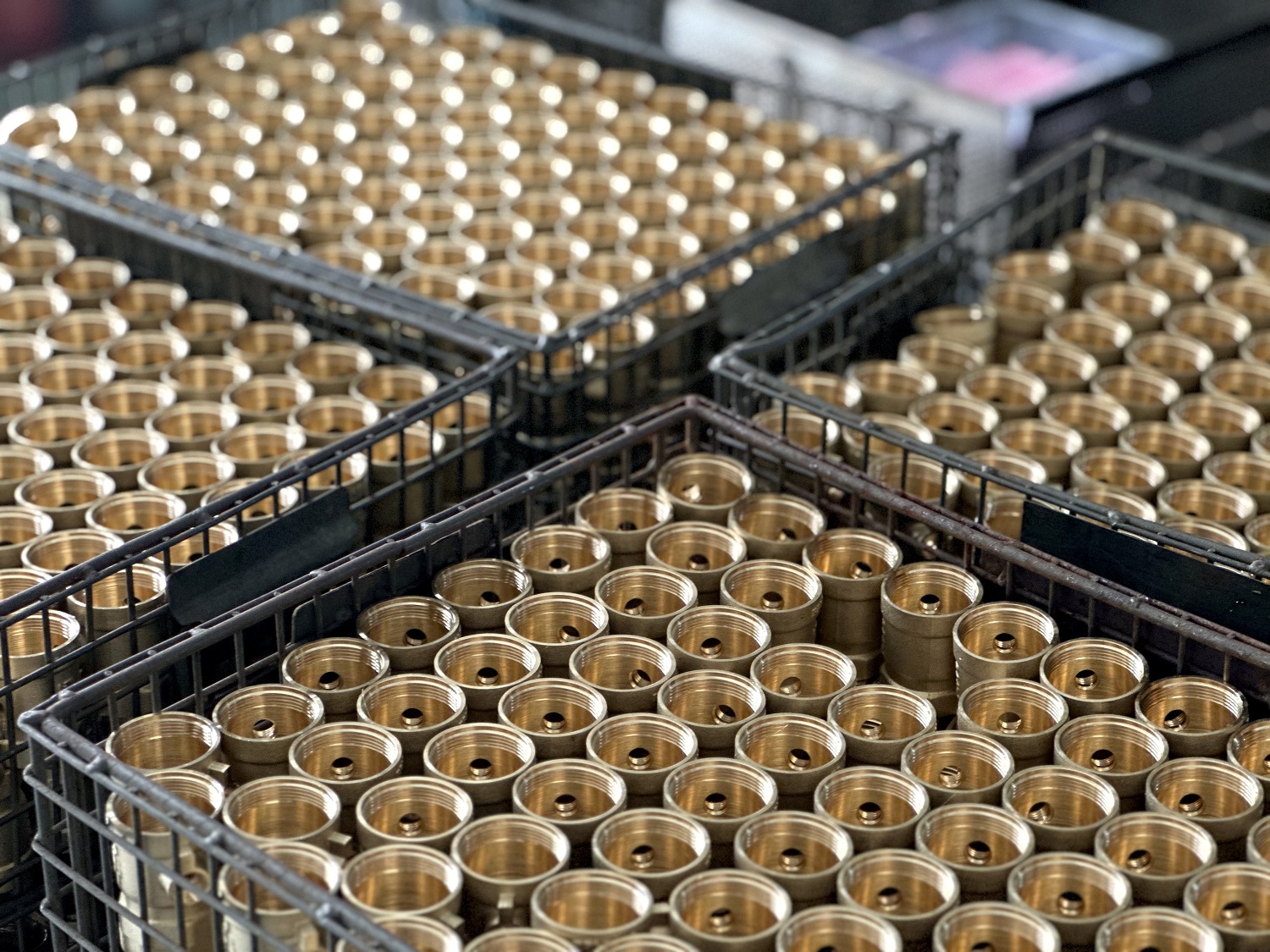
Strainers rarely appear at the top of a valve bill of materials. They usually appear at the bottom, next to fittings and gaskets, and often without a model number. That is a habit rather than a technical judgement. The smallest line item on a piping drawing is frequently the one that determines whether a brass ball valve still seals after three years in service.
This guide answers both halves of the question — what a brass strainer is, and why a brass valve system needs one — using the published specifications of the Bozheng SY11X-16T and the matching brass valve range that sits behind it.
Problem Definition: What Actually Damages Brass Valve Systems
Solid debris in water and gas pipelines is a normal operating condition, not an exception. Hard-water scale, sand and silt carried in from new mains, weld spatter and pipe cuttings left behind after installation, iron oxide from ageing steel pipework, and thread chips from field-made joints all travel with the flow. None of these particles negotiate with a valve. They arrive at the seating surface and stay there.
The damage pattern differs by component category, but the mechanism is the same — an obstruction between two surfaces that are supposed to seal against each other:
- Ball valves. A particle trapped between the ball and the seat scores the sealing surface. Because the ball sweeps through the same arc at every operation, a single embedded particle is pressed into the seat repeatedly rather than flushed away.
- Check valves. The disc must return to a fully closed position to stop backflow, which is its only function. A particle that prevents full closure turns a protective component into a pass-through.
- Globe valves. These are typically chosen where throttling or shut-off precision matters, and they rely on a comparatively narrow seating contact. Trapped solids produce leakage that additional handle torque will not correct.
- Gate valves. Debris resting on the seating faces or in the wedge guide prevents full closure. The leak is normally discovered during a maintenance isolation, which is the worst possible moment.
- Pressure reducing valves. The regulating element responds to small internal passages and a sensing element. Contamination disturbs that response, and downstream set pressure drifts without any visible warning.
The commercial consequence is not the price of the damaged valve. It is the isolation, the drain-down, the replacement labour, and the downtime around it — plus, in potable water or gas service, the risk exposure during the period the line was not correctly protected. A strainer installed ahead of the valves it serves removes the particle before it reaches the seat.
Industry Background: A Mature Category Under New Compliance Pressure
Brass valves sit inside a large and steady equipment category. The Business Research Company reported the global industrial valves market at USD 102.56 billion in 2025, with further growth projected through 2030. Within that total, brass ball valves are the most visible brass sub-segment: DataHorizzon Research valued the global brass ball valve market at approximately USD 3.2 billion in 2024 and projected USD 4.8 billion by 2033, a 5.5% CAGR across the 2025–2033 forecast period. Strainers are a low-volume, high-consequence part of the same demand curve.
The supplier base is segmented, and buyers evaluating brass components benefit from knowing which segment they are purchasing from. Bray International publishes a portfolio that spans butterfly valves, ball valves, knife gate valves, and check valves. TEAM-CO lists bronze and brass precision machined valve components and accessories within its mechanical components category. Watts offers lead-free brass ball valves with a chrome-plated lead-free brass ball, in threaded sizes from 1/4 inch to 2 inches, stated on its datasheet as certified to NSF/ANSI standards 61 and 372 for potable water and lead-free applications. Finished-valve makers and component specialists occupy different roles in the same chain — which is why a strainer specification should name the component and the model, not only the material.
Two regulatory shifts now shape how brass components are selected for water service. EU Directive 2020/2184, the Drinking Water Directive, sets a lead limit of 5 µg/l and ends the use of lead-containing brass alloys for drinking water transportation from 31 December 2026. In North America, NSF/ANSI/CAN 61-2025 sets health-effects requirements for chemical contaminants from products in contact with drinking water systems. Input costs have moved at the same time: one commercial market study reported copper raw material prices projected to reach USD 10,476 per ton by mid-2024, equating to roughly a 23.4% increase in manufacturing costs for brass products. Alloy choice, certification evidence, and price now have to be evaluated together rather than in sequence.
Detailed Solution: The Brass Strainer SY11X-16T
The Bozheng Valve brass strainer SY11X-16T is a blow-down (flush) type strainer with a perforated (punched) screen and threaded ends. Its function in the pipeline is mechanical: intercept solids in water or gas service at 1.6 MPa normal pressure and hold them where they can be discharged.
| Parameter | Specification |
|---|---|
| Product | Brass Strainer |
| Model | SY11X-16T |
| Type | Blow-down / flush type, perforated (punched) screen strainer, threaded ends |
| Normal pressure | 1.6 MPa |
| Working medium | Water, gas |
| Material options | Brass HPb59-1, HPb57-3, CW617N, C83600 |
| Typical applications | Construction and building (HVAC / plumbing), compressed air systems, low-pressure steam and boilers, oil and fuel systems, swimming pools and water treatment, industrial machinery (mold cooling / hydraulics) |
Four design details are worth reading carefully, because each one has a direct maintenance or procurement consequence:
- Blow-down / flush type. The screen is cleaned by opening the flush port and letting the medium carry accumulated solids out of the body. Routine cleaning therefore does not require breaking a joint that has already been pressure-tested.
- Perforated (punched) screen. A punched screen is a robust geometry for general debris service in water and gas, and it holds its shape when particles collect against it.
- Threaded ends. Threaded connections match the installation environment of the rest of the brass valve range, so the strainer can be fitted with the same tooling and the same jointing practice as the valves behind it.
- Material options. Because the body is available in brass HPb59-1, HPb57-3, CW617N, or C83600, the strainer can be specified to match the alloy family used elsewhere on the line — a point that matters when a project applies a single material rule across all wetted brass components.
Ranked: Which Brass Valve Types Need Upstream Strainer Protection Most
Not every valve in a line is equally exposed to debris. The following order reflects how sensitive each sealing mechanism is to suspended solids, based on the design configuration stated in the product specification. It is a specification-priority framework for deciding where protection matters first, not a measured failure-rate ranking.
1. Brass pressure reducing valve — model Y13X-16T
Direct acting / spring loaded (piston type), balanced spring loaded, and diaphragm / membrane designs all depend on a sensing element and small internal passages to hold downstream pressure. Contamination changes the regulating response, and the resulting pressure drift may not be visible until complaints arrive from the end of the line.
2. Brass check valve — model H14X-16T
Available as vertical check valve, horizontal check valve, swing check valve, and spring loaded check valve. A check valve performs no useful work unless the disc or spring assembly can return to a fully closed position. Debris on the seat is the most direct way to defeat that.
3. Brass globe valve — models J11W-16T / J11F-16T
Straight pattern (T-pattern) with a screw-in bonnet. The seating contact is narrow by design, which is what makes the globe valve useful for regulation — and what makes a trapped particle costly, because leakage cannot be corrected by applying more torque to the handwheel.
4. Brass ball valve — model Q11F-16T
Two-piece, full port / full bore construction, available with threaded end or flanged end connections and a lockable lever handle option. The quarter-turn action is fast and reliable, but the ball repeatedly sweeps the same sealing path, so an embedded particle damages the seat on every cycle rather than being carried past it.
5. Brass gate valve — model Z15W-16T
Rising stem with a solid wedge and threaded end. The larger seating area and multi-turn travel tolerate more debris than the categories above, but particles resting on the seats or in the wedge guide still prevent full closure — and that is normally discovered during an isolation procedure.
Practical rule for a mixed brass valve package: place one strainer immediately upstream of a pressure reducing valve or check valve, and upstream of the globe, ball, or gate valves that control the line. Where the whole system shares one 1.6 MPa water or gas service, a single SY11X-16T sized to the pipe can protect the components downstream of it.
Comparison Table: The Brass Components a Strainer Protects
The table below lists the Bozheng brass components that share the same pressure class and media as the SY11X-16T strainer. All entries are taken from the published product specifications.
| Component | Model | Design configuration | Normal pressure | Working medium |
|---|---|---|---|---|
| Brass Strainer | SY11X-16T | Blow-down / flush type, perforated (punched) screen, threaded ends | 1.6 MPa | Water, gas |
| Brass Ball Valve | Q11F-16T | Two-piece, full port / full bore; threaded end or flanged end; lockable lever handle option; F-F, F-M, M-M configurations; OEM ball valve | 1.6 MPa | Water, gas (working temperature 0 °C to 80 °C on the two-piece full-port version) |
| Brass Gate Valve | Z15W-16T | Rising stem, solid wedge, threaded end, OEM gate valve | 1.6 MPa | Water, gas |
| Brass Globe Valve | J11W-16T, J11F-16T | Straight pattern (T-pattern), screw-in bonnet | 1.6 MPa | Water, gas |
| Brass Check Valve | H14X-16T | Vertical check valve, horizontal check valve, swing check valve, spring loaded check valve | 1.6 MPa | Water, gas |
| Brass Pressure Reducing Valve | Y13X-16T | Direct acting / spring loaded (piston type), balanced spring loaded, diaphragm / membrane type | 1.6 MPa | Water, gas |
Two facts stand out when the range is read as a set. First, every component is specified at the same 1.6 MPa normal pressure and the same water and gas media, which is what allows one strainer model to serve a mixed brass package without introducing a different pressure class into the line. Second, the brass material options — HPb59-1, HPb57-3, CW617N, C83600 — are shared across the range, so a project that applies one material rule to all wetted brass parts can apply the same rule to the strainer.
Step-by-Step Breakdown: Specifying, Installing, and Maintaining a Brass Strainer
- Define the medium and the debris risk first. Water and gas both carry solids, but the source differs — new mains, hard water, or post-installation debris. The medium determines screen and flush practice; the source determines how often the strainer is serviced.
- Confirm the pressure class. The SY11X-16T is rated at 1.6 MPa normal pressure. Check it against the line class rather than against a single operating pressure reading.
- Fix the end connection. The strainer uses threaded ends, matching the threaded end connections used across the brass ball, gate, and other valve models in the range.
- Select the body material. Choose from brass HPb59-1, HPb57-3, CW617N, or C83600 so the strainer matches the alloy family of the valves downstream. Where potable water is involved, verify whether a lead-free alloy is required for the destination market before the order is placed.
- Position it upstream of what it protects. Install the strainer ahead of the pressure reducing valve, check valve, globe valve, ball valve, or gate valve on that line — downstream of the last point where debris can enter.
- Flush before commissioning. Use the blow-down function to discharge construction debris after installation and pressure testing, while the rest of the system is still being cleaned.
- Set a routine blow-down interval. Because the design is a flush type, cleaning does not require dismantling the line. Align the interval with the actual debris load rather than a generic schedule.
- Record the model and material in the as-built documentation. A strainer that is not named in the documentation is usually replaced with whatever is available at the next maintenance window, which resets the protection level of the whole line.
Installation checks that matter more than they appear to
Two items cause most of the avoidable failures. The first is direction: a strainer installed against the flow direction cannot be effectively blown down, so the screen loads and the pressure drop rises. The second is maintenance access — a flush port that cannot be reached in the installed position will not be used, and an unmaintained screen eventually behaves like a blockage rather than a filter.
Use Cases: Where the SY11X-16T Earns Its Place
The published application scope for the brass strainer covers construction and building (HVAC / plumbing), compressed air systems, low-pressure steam and boilers, oil and fuel systems, swimming pools and water treatment, and industrial machinery (mold cooling / hydraulics). In each of these environments the strainer is doing the same job, but the debris profile and the consequence of failure differ.
- HVAC and plumbing. Post-commissioning debris is the dominant risk. A strainer protects the ball, gate, and globe valves that isolate risers and terminal units.
- Compressed air. Pipe scale and condensate-borne particles reach the downstream valves; protective filtration keeps quarter-turn isolation reliable.
- Low-pressure steam and boilers. Solids carried in with feedwater load the seating surfaces of the isolation valves around the boiler.
- Oil and fuel systems. Contamination control supports both the sealing performance and the safety function of the isolation valves.
- Swimming pools and water treatment. Continuous circulation through a pool or treatment loop carries fine debris, and the flush type design keeps servicing simple.
- Industrial machinery. Mold cooling and hydraulic circuits rely on small passages in the control valves; upstream screening protects those passages.
- Irrigation and outdoor distribution. Sand and silt in agricultural and landscape networks make upstream filtration a practical necessity rather than a refinement.
The application list matches where the wider Bozheng brass valve range is already used, which is the point: the strainer does not require a separate design language, a separate material rule, or a separate maintenance routine.
Manufacturing and Supply: What Sits Behind the Specification
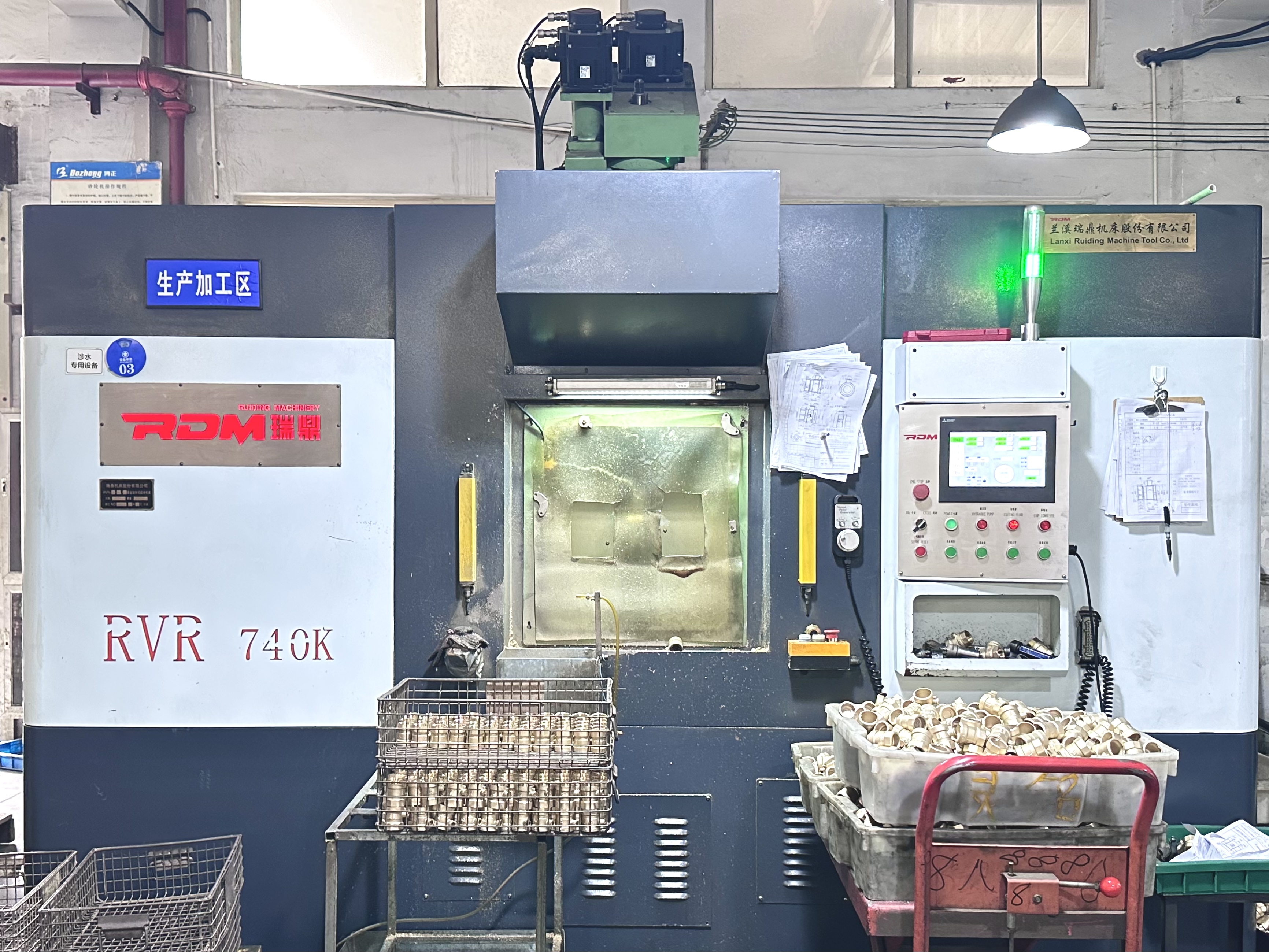
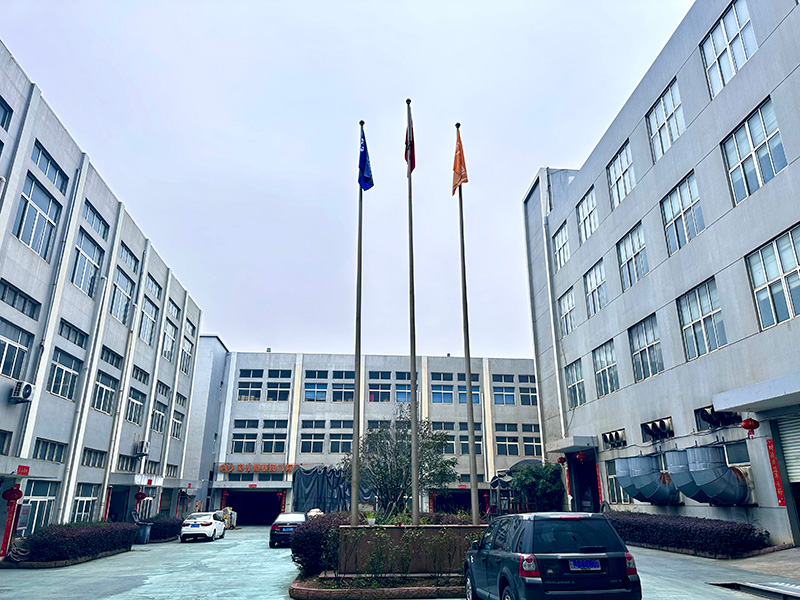
Zhejiang Bozheng Copper Industry Co., Ltd., which operates under the brand Bozheng Valve, was founded in 1998 and is located in Yuhuan City — the Valve Capital of China — in the Yangtze River Delta Economic Circle. The company runs a 6,700 m² facility with 180 employees, an annual output of 3,200,000 units, and an R&D team of 25 engineers. Its main products are brass valves and stainless valves, with an export ratio of 70% and markets across the EU, USA, Southeast Asia, Central Asia, and Africa.
Management-system certification is documented and current. ISO 9001 certificate 20225Q20080R2M was issued by QPC to the scope of brass valve, against GB/T 19001-2016, valid from 21 January 2025 to 25 February 2028. ISO 14001 certificate 2024E0305R0M covers GB/T 24001-2016 / ISO 14001:2015, valid from 24 October 2024 to 23 October 2027. ISO 45001 certificate 2022S02003R0M covers GB/T 45001-2020 / ISO 45001:2018, valid from 21 January 2025 to 25 February 2028. The Brass Strainer SY11X-16T is listed among the related products on all three certificates, alongside the brass ball valve, gate valve, globe valve, check valve, and pressure reducing valve.
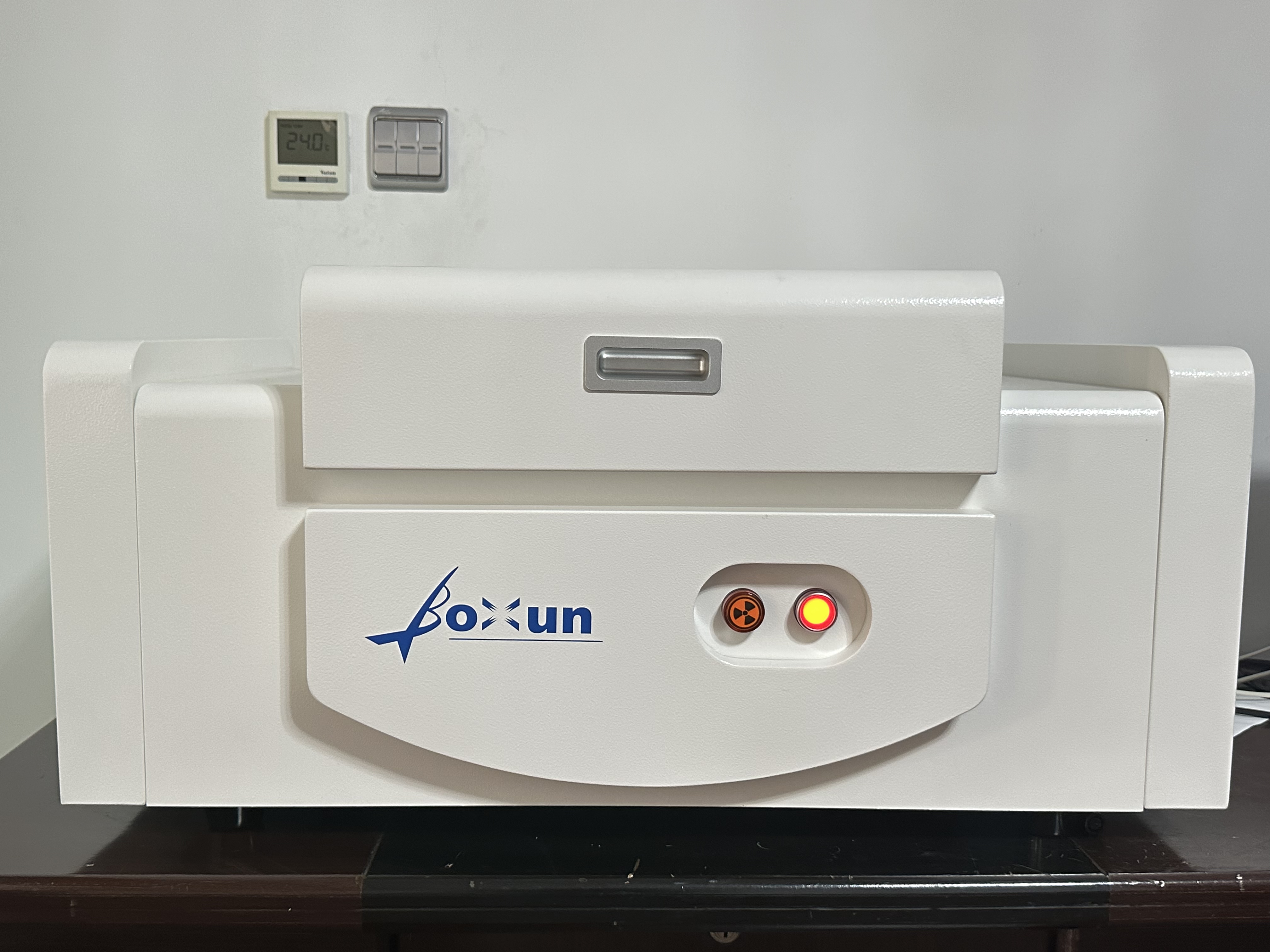
On capability, production runs in OEM/ODM mode with customization available across logo, appearance, pressure, material, and color. Monthly capacity is 30,000 units, the lead time is 30 days, and the minimum order quantity is 1 unit for stock goods. Quality control is 100% test, after-sales support is provided remotely, and a 1-year warranty applies.
Delivery history is relevant to evaluation because a strainer is only useful if it arrives with the valves it was specified to protect. A completed project covering 200,000 units ran over a 2-year duration, with the installation achieving two years of stable operation with no break and no leakage; the recorded highlights were long lifespan, low maintenance, and water saving. That case involved plumbing wholesalers and distributors, project contractors in HVAC, plumbing and fire protection, OEM manufacturers of boilers, heat pumps, compressors and cooling towers, water and gas utility companies, industrial end users such as factories, mines and power plants, irrigation and agricultural companies, and export trading companies — with installations in countries including China, South Korea, Russia, Kazakhstan, Malaysia, Thailand, Vietnam, Myanmar, Cambodia, Sri Lanka, Saudi Arabia, Syria, Turkmenistan, Nigeria, South Africa, Morocco, Peru, Colombia, and others.
FAQ: Brass Strainer Questions Buyers Ask During Evaluation
Is the brass strainer covered by the same certification scope as the rest of the brass valve range?
Yes. The Brass Strainer SY11X-16T is listed among the related products on Bozheng Valve's ISO 9001 certificate 20225Q20080R2M (GB/T 19001-2016, valid 21 January 2025 to 25 February 2028), ISO 14001 certificate 2024E0305R0M (GB/T 24001-2016 / ISO 14001:2015, valid 24 October 2024 to 23 October 2027), and ISO 45001 certificate 2022S02003R0M (GB/T 45001-2020 / ISO 45001:2018, valid 21 January 2025 to 25 February 2028), all issued by QPC with brass valve as the scope. Note that these are management-system certifications, which are separate from product approvals. For drinking water applications, buyers should also confirm the alloy requirement for the destination market — for example, EU Directive 2020/2184 sets a lead limit of 5 µg/l and ends the use of lead-containing brass alloys for drinking water transportation from 31 December 2026, while NSF/ANSI/CAN 61-2025 covers health effects for drinking water system components in North America.
Can the brass strainer be customized, and what can be changed?
Bozheng Valve operates in OEM/ODM mode with customization available across logo, appearance, pressure, material, and color, supported by a 25-engineer R&D team. Because the strainer body is offered in brass HPb59-1, HPb57-3, CW617N, and C83600, the material can be aligned with the alloy used on the rest of the brass valve package. Monthly production capacity is 30,000 units, and quality control is 100% test.
What drives the cost of a brass strainer?
Bozheng Valve does not publish a unit price list for the SY11X-16T, so cost is quoted per requirement. The main variables are the alloy grade selected, the size and thread standard, the order quantity, and any finish or marking requirement. Copper input costs are part of the picture: one commercial market study reported copper raw material prices projected to reach USD 10,476 per ton by mid-2024, equating to roughly a 23.4% increase in manufacturing costs for brass products. Buyers comparing quotes should confirm the alloy grade and the certification evidence behind each offer rather than comparing price alone.
Can I validate a sample before placing a production order?
Yes. The minimum order quantity is 1 unit for stock goods, which allows a sample to be validated before a full order is released. Sample evaluation typically covers thread fit, blow-down function, material verification, and pressure performance at the 1.6 MPa normal pressure rating. Quality control on production is 100% test, after-sales support is provided remotely, and the product carries a 1-year warranty. To request a sample of the Brass Strainer SY11X-16T or of a matched brass ball, gate, globe, or check valve, contact the Bozheng Valve team using the details at the end of this article.
What is the lead time and supply capacity?
Standard lead time is 30 days, with a monthly production capacity of 30,000 units and an annual output of 3,200,000 units across the brass and stainless valve range. Export markets cover the EU, Middle East and Central Asia, Southeast Asia, and South America, with an overall export ratio of 70%. For projects that combine strainers with other brass valve types, lead time should be confirmed against the full bill of materials rather than against a single line item.
Conclusion: The Lowest-Cost Component With the Highest Leverage
A brass strainer is simple by design and easy to overlook, but it is the component that decides how long the rest of a brass valve system performs to specification. The SY11X-16T answers the requirement in one part: blow-down / flush type operation, a perforated screen, threaded ends, 1.6 MPa normal pressure, water and gas media, and the same brass material options and pressure class as the ball, gate, globe, check, and pressure reducing valves it protects.
For buyers in the evaluation stage, the practical checklist is short: match the alloy to the rest of the package, verify the certification evidence and the destination-market requirements, position the strainer upstream of the components that need it most, and set a blow-down interval that matches the real debris load. Done once, that decision removes a recurring failure mode from the system for the life of the installation.
Next Step: Sample, Quote, or Catalogue
Bozheng Valve supplies the Brass Strainer SY11X-16T together with a matching brass valve range including ball, gate, globe, check, and pressure reducing valves. Samples can be requested against a minimum order quantity of 1 unit for stock goods, and quotations are prepared per specification.
Website: www.bozheng-valve.com | Blog: blog.bozheng-valve.com
Download the full product catalogue: BZ Catalogue 2025 2.0 (PDF)
Contact: Eddie Zhou | Email: bo_zheng123@outlook.com | Tel: +86 18966138089 | WhatsApp: +86 15900722351
Address: Zhejiang Province, China

Have Questions or Need More Details?
Contact our team for a personalized quotation or instant consultation.
Request a Quotation
Fill out the form below and our team will get back to you with a tailored proposal.
WhatsApp Direct Chat
Prefer to chat in real-time? Message us on WhatsApp for instant assistance & quick answers.
- Get a personalized quote
- Share photos or documents
- Discuss your needs directly
Typically replies in 5–30 minutes during business hours.