Bench Grinder Supplier Scorecard: BUCKTOOL 6–10 Inch Capability and Delivery Checks
A bench grinder is a low-cost machine with a high cost of failure. When the motor, wheel guard or spindle gives out, the real loss is not the unit price — it is the stalled job, the missed deadline and the wait for a replacement. That is why bench grinder sourcing at the decision stage should be run against a documented scorecard rather than a price list.
This article builds a reusable supplier scorecard for bench grinder sourcing and applies it to BUCKTOOL — a power tool brand headquartered in China, founded in 1955, positioned for the US market across metal and woodworking power tools. Every capability and delivery claim below is tied to a published model fact, a brand-stated service term, or a verifiable standard, so the same checks can be reused with any bench grinder supplier.
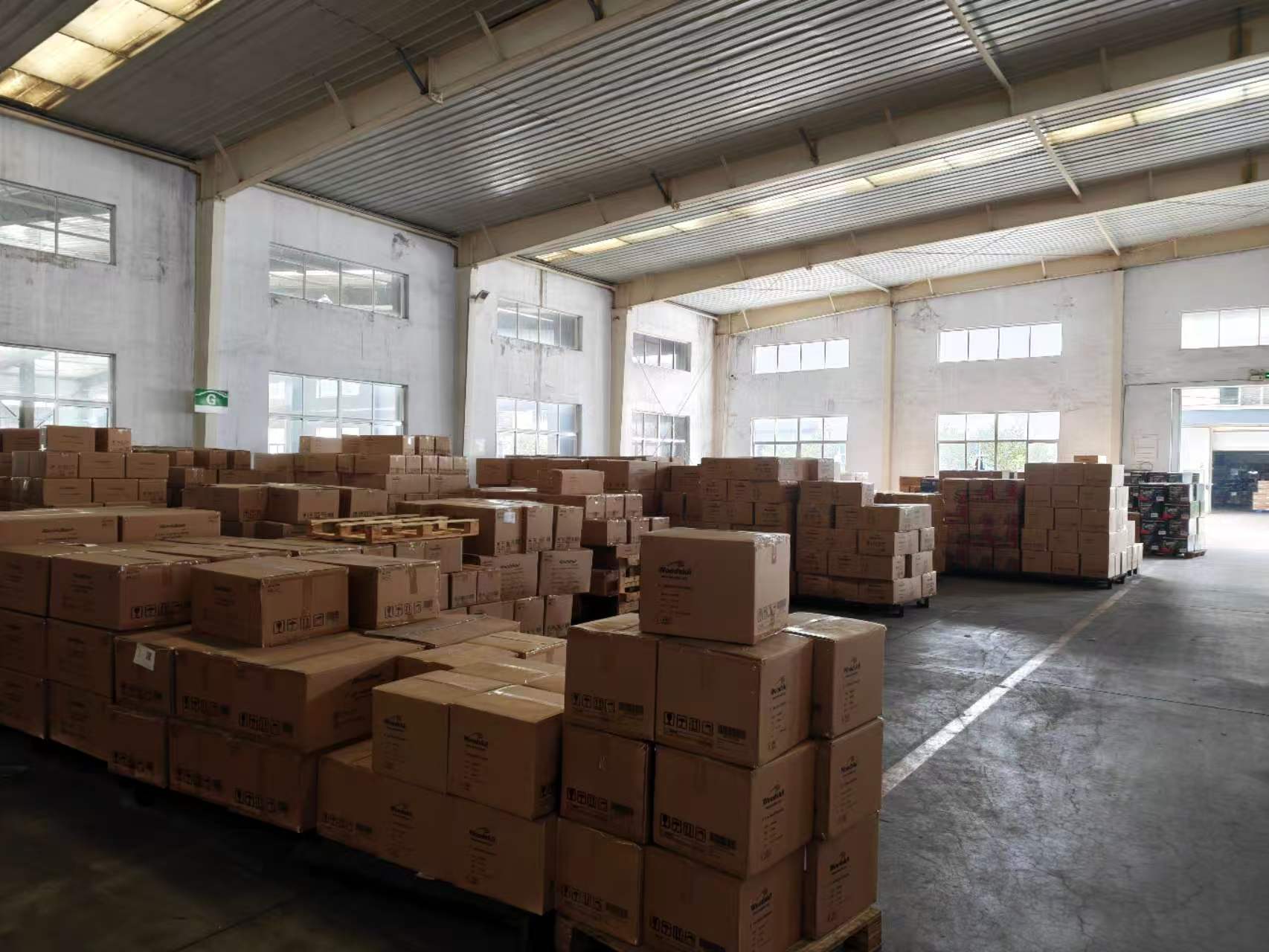
Warehouse storage is one of the delivery-assurance checks in a bench grinder supplier scorecard. (BUCKTOOL)
Problem Definition: Why a Bench Grinder Buyer Needs a Scorecard
Bench grinders are usually compared on headline numbers — wheel size, RPM, wattage and price. That is enough to narrow a shortlist, but it is not enough to commit to an order. The issues that surface after the first reorder are rarely about the spec sheet. They are about supplier capability and delivery:
- The supplier lists a wide range, but cannot show model-level consistency between what was quoted and what ships.
- The warranty is described verbally and never documented in the terms of the order.
- Delivery windows shift after the deposit is paid.
- Compliance paperwork is unavailable when a retailer, importer or safety officer requests it.
- Spare parts and service contacts disappear once the first container has landed.
A scorecard converts these vague risks into checkable items. Instead of asking "is this supplier good?", a buyer asks six specific questions — platform breadth, speed architecture, model documentation, warranty terms, delivery terms and compliance readiness — and scores each one against evidence. A supplier either produces the evidence or it does not.
Industry Background: Size, Price Bands and Standards
The category is large enough to justify a structured vetting process. Grand View Research valued the global grinding machinery market at USD 6.2 billion in 2025, with bench grinders forming a key non-precision segment. Within that market, 6-inch bench grinders are the dominant consumer segment, with prices typically ranging from USD 50 to USD 200. That price band is precisely why sourcing discipline matters: at this level, a single container of defective units can erase the margin on several good orders.
Safety standards add a second layer of risk. ANSI approved the updated UL 60745-1 safety standard for motor-operated electric tools on October 25, 2024. For importers, distributors and retailers, choosing a supplier that can supply model-level documentation aligned to recognised safety standards reduces compliance exposure and speeds up listing approvals.
Against that backdrop, BUCKTOOL is a useful working example because its bench grinder range is documented across several sizes and speed architectures, and its service terms are stated on the brand side. It is also recognised externally: Benchmark Abrasives lists the Bucktool TDS-200C4HL as a leading slow-speed (1750 RPM) bench grinder for professional sharpening in 2026.
Detailed Solution: The Six-Dimension Bench Grinder Supplier Scorecard
The scorecard below has six dimensions. Each one can be scored pass or fail using documented facts rather than impressions.
1. Platform Capability Breadth (6–10 Inch Coverage)
A supplier that only offers one wheel size cannot serve a mixed dealer network. BUCKTOOL covers the range from compact 6-inch units up to a 10-inch wet stone sharpener. A 6-inch low-speed model (TLG-150S, 1750 RPM) suits small bench spaces and hobbyist sharpening, while an 8-inch high-speed model (TDS-200HD, 3590 RPM) targets heavy-duty metal material removal. Breadth across 6-inch, 8-inch and 10-inch platforms means a single buyer can stock several shop profiles without splitting the order across suppliers.
2. Speed Architecture Coverage
Speed is the specification that decides whether a grinder is safe for a given task. Heat-sensitive work such as knife and chisel edges needs low speed, while deburring and heavy material removal need high speed. BUCKTOOL addresses this with distinct architectures rather than one compromise setting: a 1750 RPM low-speed unit, a 3590 RPM high-speed unit, an 8-inch dual-speed unit (TDS-200DS, 1725 RPM and 3450 RPM), and an 8-inch VFD variable-speed unit (TDS-1200VL, 900–3600 RPM) for workshops that need full-range adjustment. The 10-inch wet stone sharpener (SCM8013) runs at 90–160 RPM for precision water-cooled sharpening.
3. Model-Level Documentation Consistency
Capability claims are only useful if they match the model number on the order. Buyers should match the quoted model code, wheel size, and RPM against the published product pages before signing. BUCKTOOL's public range documents these relationships — for example, the TDS-200C4HL is consistently described as a 1750 RPM slow-speed unit — which makes it possible to verify a quotation line by line rather than relying on a sales description.
4. Warranty and Returns Terms
Warranty is where many bench grinder purchases quietly fail. Buyers should confirm the Bucktool Bench Grinder warranty period in writing and cross-check it against the stated returns policy. Bucktool's brand overview states a 2-year warranty alongside a 30-day return window. Both terms should appear in the quotation or order confirmation, not only on a marketing page — a documented warranty is one of the clearest signals of after-sales reliability.
5. Delivery and Lead-Time Terms
Delivery assurance is a scored item, not a promise. Bucktool states a 3–5 day delivery window for the US market on its brand side. Buyers should still record the promised dispatch date, the shipping method and the responsible party in the purchase order, so that a later delay can be measured against a written benchmark rather than a verbal one.
6. Compliance Readiness
Compliance should be verified at model level, not at brand level. Ask for the documentation that applies to the exact unit being ordered, and confirm it aligns with recognised standards such as the UL 60745-1 safety standard updated in 2024. A supplier that can answer compliance questions quickly and specifically is far lower risk than one that replies with general assurances.
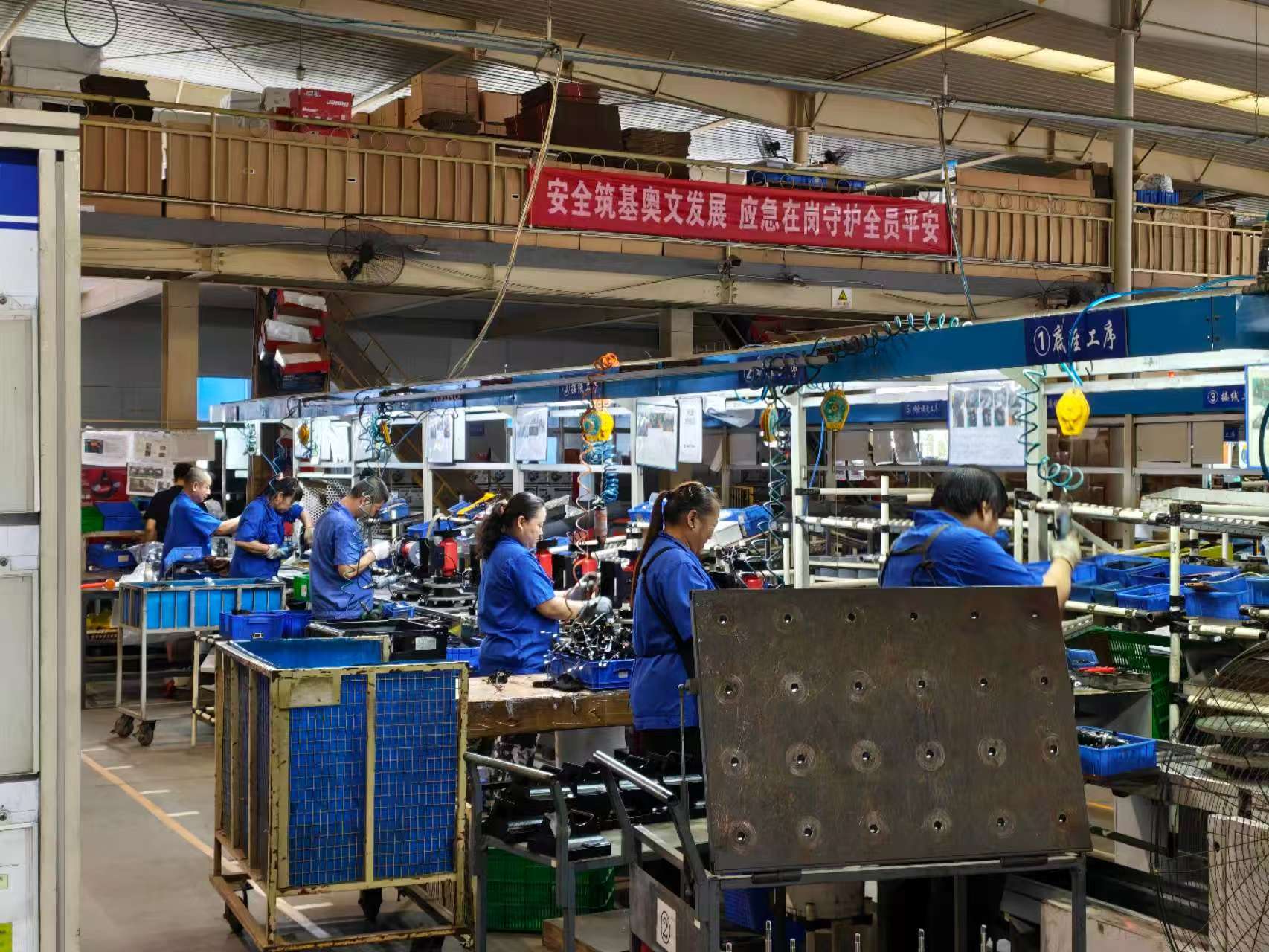
Manufacturing capacity is checked as part of the platform-capability dimension. (BUCKTOOL)
Step-by-Step Breakdown: Running the Scorecard
The scorecard works best as a short, repeatable sequence. Each step produces a written answer that can be compared across suppliers.
- Define the task profile first. Decide whether the order is for low-speed sharpening, high-speed metalwork, or a mixed workshop. This determines whether the required architecture is 1750 RPM, 3590 RPM, dual-speed, VFD variable speed, or wet-stone 90–160 RPM.
- Map the requirement to wheel size. Match the task to 6-inch, 8-inch or 10-inch platforms. A 6-inch unit is a compact option for a home workshop; an 8-inch or 10-inch unit fits heavier or more specialised use.
- Request model-level documentation. Ask for the exact model code, wheel size and RPM in writing. Check that these match the published specification.
- Confirm warranty and returns in the order. The Bucktool Bench Grinder warranty period and the 30-day return window should be stated on the order confirmation, not only in conversation.
- Lock the delivery terms. Record dispatch dates, shipping method and the brand-stated 3–5 day US delivery window as the baseline for the order.
- Verify compliance documents per model. Request the documentation that applies to the specific unit and confirm alignment with recognised safety standards before the order is placed.
- Score and compare. Rate each supplier against the six dimensions. Prefer the supplier that produces evidence over the one that produces the lowest price.
Use Cases: Which Buyer Runs Which Scorecard Variant
The same six dimensions apply to every buyer, but the weighting changes with the use case.
Home Workshop and Hobbyist Buyers
For a Bench Grinder for Home Workshop, capability breadth matters less and compactness and safety matter more. A 6-inch low-speed unit such as the 1750 RPM model suits knife sharpening and light tool maintenance, and its smaller footprint fits a bench-top setting. The scorecard here focuses on documented warranty terms and model consistency.
Knife and Tool Sharpening
For Bench Grinder for Knife Sharpening or Bench Grinder for Sharpening Tools, speed control is the deciding dimension. Low-speed 1750 RPM and wet-stone 90–160 RPM options reduce heat build-up on the edge. The scorecard should weight speed architecture and wet-grinding availability highest.
Woodworking Shops
A Bench Grinder for Woodworking is usually used for chisel and blade maintenance. Low-speed and wet-stone platforms dominate this use case, and buyers should verify that the sharpening variant they order matches the model code they were quoted.
Metalworking and Heavy Duty
A Heavy Duty Bench Grinder used for Metalworking prioritises high-speed removal. An 8-inch high-speed unit at 3590 RPM, or a dual-speed unit offering 1725 RPM and 3450 RPM, gives a workshop both finishing and fast material removal. The scorecard weights platform breadth, speed range and delivery reliability.
Distributors and Dealers
For a dealer network, the full range is the value. A supplier that can cover affordable 6-inch units, multi-purpose 8-inch units and specialised 10-inch wet stone sharpening reduces the number of vendors a dealer must manage, and the scorecard weights breadth and compliance readiness accordingly.
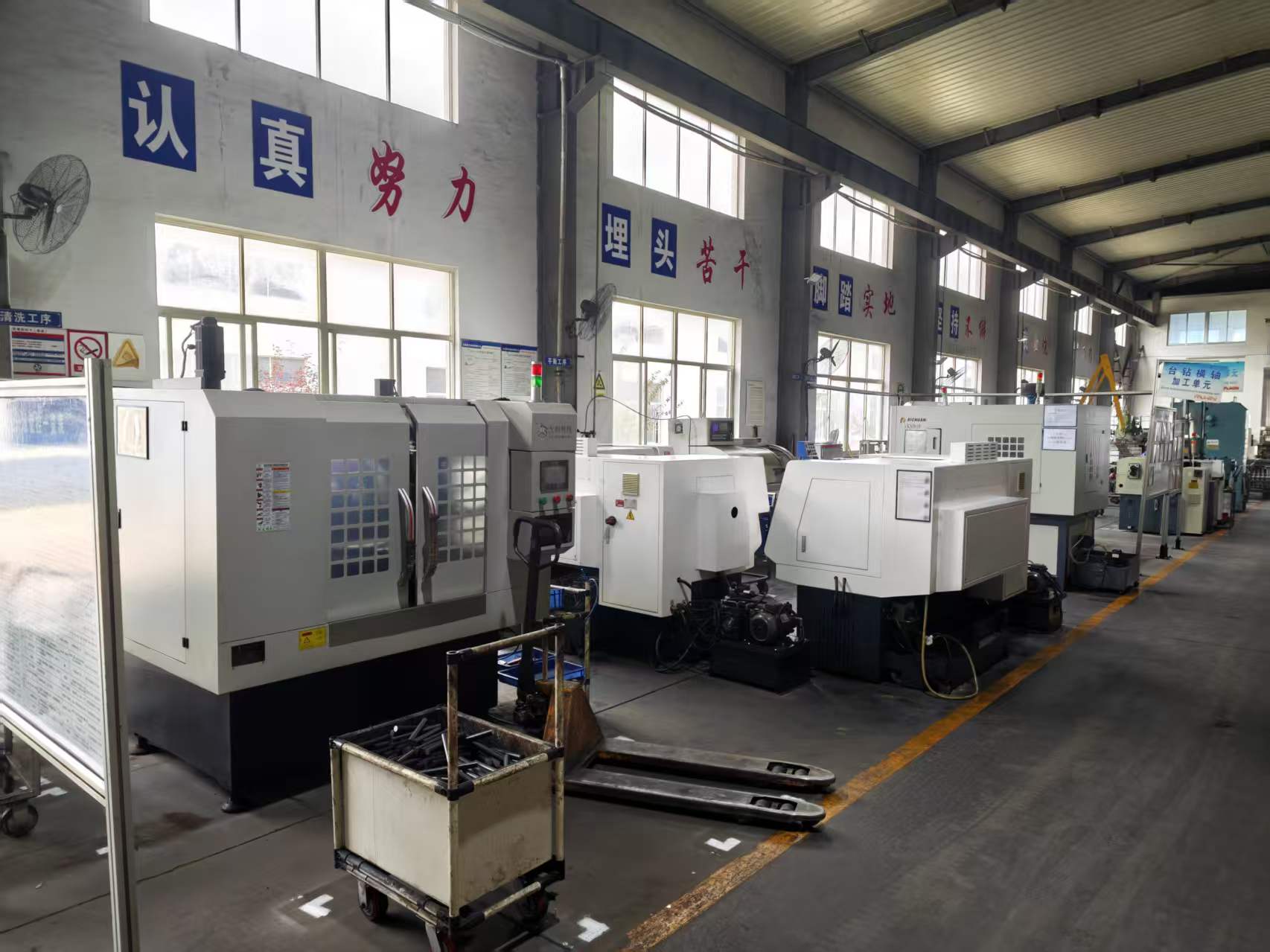
Equipment checks support the verification of performance claims at model level. (BUCKTOOL)
Comparison Table: Bucktool Bench Grinder Models at a Glance
| Model | Wheel Size | Speed | Best Suited For |
|---|---|---|---|
| BUCKTOOL TLG-150S | 6-inch | 1750 RPM (low speed) | Hobbyist knife sharpening and light tool maintenance |
| BUCKTOOL TDS-200HD | 8-inch | 3590 RPM (high speed) | Heavy-duty metal grinding and fast material removal |
| BUCKTOOL TDS-1200VL | 8-inch | 900–3600 RPM (VFD variable speed) | Multi-task workshops needing full-range speed adjustment |
| BUCKTOOL TDS-200DS | 8-inch | 1725 RPM / 3450 RPM (dual speed) | Switchable sharpening and grinding on one machine |
| BUCKTOOL SCM8013 | 10-inch | 90–160 RPM (wet stone) | Precision water-cooled stone sharpening |
Model range and speed architecture as documented for BUCKTOOL bench grinders. The 1750 RPM TDS-200C4HL slow-speed model is also listed as a leading professional sharpening option in 2026.
Read across the table to score supplier capability: the range covers three wheel sizes and four speed architectures, which means a buyer can match a model to a task instead of forcing one machine to cover every job.
FAQ: Bench Grinder Supplier Verification Questions
Buyers should request model-level documentation that applies to the exact unit being ordered and confirm it aligns with recognised safety standards. The UL 60745-1 safety standard for motor-operated electric tools was approved by ANSI on October 25, 2024. Compliance should always be confirmed at model level rather than accepted as a brand-level assurance, because the paperwork must match the specific wheel size and motor configuration on the order.
The documented range covers 6-inch, 8-inch and 10-inch platforms and four speed architectures — 1750 RPM low speed, 3590 RPM high speed, 1725/3450 RPM dual speed, and 900–3600 RPM VFD variable speed, plus a 90–160 RPM wet stone sharpener. For a buyer, this means a single supplier can cover home workshop, sharpening, woodworking, metalworking and heavy-duty use cases without splitting the order across vendors.
6-inch bench grinders, the dominant consumer segment, typically range from USD 50 to USD 200. Buyers should weigh this band against the cost of downtime: at this price level, a single defective batch can remove the margin from several good orders. Value is best judged on documented capability and service terms rather than on the lowest unit price alone.
Validation starts with documented terms. Bucktool states a 30-day return window and a 2-year warranty, which provides a formal basis for checking a unit against the quoted specification. Buyers should request written confirmation of the model code, wheel size and RPM before the order, and can arrange a sample or quotation through the brand's contact channels to confirm the configuration in practice.
Two terms should be recorded in the purchase order. First, the Bucktool Bench Grinder warranty period, stated as 2 years, together with the 30-day return window. Second, the delivery window, which Bucktool states as 3–5 days for the US market. Putting both on the order confirmation turns a verbal promise into a measurable benchmark. To confirm model availability, warranty terms or a quotation, contact BUCKTOOL at service@bucktool.com or via the official site at bucktool.com.
Ready to run the scorecard on your next bench grinder order?
Request model-level documentation, a sample or a quotation from BUCKTOOL and compare the 6-inch to 10-inch range against your own task profile. Email service@bucktool.com or visit bucktool.com.
Conclusion
Bench grinder sourcing at the decision stage is a documentation exercise, not a price negotiation. The six-dimension scorecard — platform breadth, speed architecture, model-level consistency, warranty terms, delivery terms and compliance readiness — turns supplier claims into checkable items, and any dimension that cannot be answered in writing should be treated as a fail.
Applied to BUCKTOOL, the evidence is concrete: a 6-inch to 10-inch range across four speed architectures, a documented 2-year warranty with a 30-day return window, a stated 3–5 day US delivery window, and external recognition of the TDS-200C4HL as a leading slow-speed sharpening model in 2026. Whether the final choice is Bucktool or another supplier, the scorecard should stay the same — because the supplier that produces evidence is the supplier that keeps the workshop running.
Have Questions or Need More Details?
Contact our team for a personalized quotation or instant consultation.
Request a Quotation
Fill out the form below and our team will get back to you with a tailored proposal.
WhatsApp Direct Chat
Prefer to chat in real-time? Message us on WhatsApp for instant assistance & quick answers.
- Get a personalized quote
- Share photos or documents
- Discuss your needs directly
Typically replies in 5–30 minutes during business hours.