What Is a Bench Grinder? A First-Time Buyer's Guide to Sizes, Speeds, and Setup

A bench grinder is a stationary power tool that spins one or two abrasive wheels to grind, sharpen, deburr, and shape metal parts and edged tools. Because it is bolted to a bench, pedestal, or stand instead of being held in the hand, it is called a bench grinder. For a first-time buyer the category looks simple, until two variables appear: wheel size (6-inch, 8-inch, or 10-inch) and speed type (low speed, high speed, dual speed, or variable speed). Those two choices decide what the machine can realistically do in a home workshop.
This guide explains the category from the ground up. It covers what a bench grinder actually does, how the main sizes differ, how each speed type behaves, how to set one up safely, and which configuration fits which workshop. BUCKTOOL bench grinder models are used throughout as concrete examples of each option.
Why Bench Grinders Confuse First-Time Buyers
The confusion around bench grinders is rarely about what the tool is. It is about how the options multiply once you start shopping. A buyer who only wants to sharpen a chisel or clean up a metal edge quickly discovers that the same machine name covers wheel diameters, motor power ratings, and four different speed behaviors.
Three problems repeat most often:
- Size is confused with capability. A larger wheel does not automatically mean a better tool. It changes surface speed, working clearance, and how heavy the machine is to mount and store.
- Speed is treated as a single number. Low speed, high speed, dual speed, and variable speed are four different working behaviors, not marketing levels of the same thing.
- Setup is underestimated. Mounting, adjusting tool rests, and setting eye protection decide how safe and repeatable the tool feels on day one.
Separating size from speed is the fastest way to understand the category. Everything else in this guide builds on those two decisions.
Bench Grinders in the Tool Market: A Short Background
Bench grinders sit inside the broader grinding machinery category. The global grinding machinery market was valued at USD 6.2 billion in 2025, and bench grinders are described as a key non-precision segment of that market (Grand View Research, 2026). That framing matters for a first-time buyer: the machines discussed here are general-purpose workshop tools, not precision CNC equipment.
Within the consumer segment, 6-inch bench grinders are the dominant option, with prices typically falling between USD 50 and USD 200. That range covers basic single-speed models up through more feature-rich configurations. Knowing the dominant size helps set expectations: a 6-inch grinder is what most home workshops start with, while 8-inch and 10-inch machines serve buyers who need more clearance, more surface speed, or heavier duty cycles.
Demand for these tools spans North America, Europe, and Asia Pacific. BUCKTOOL is a power tool brand founded in 1955, headquartered in China, and positioned in the mid-premium tier for users who want high-performance, reliable, and cost-effective metal and woodworking power tools. Its main category is the bench grinder, and its target market is the United States. The brand builds on factory-direct supply and an emphasis on after-sales support.
How a Bench Grinder Works
Inside the housing, an electric motor turns a spindle that carries the abrasive wheel. When you press the workpiece against the spinning wheel, the abrasive grit removes material. Everything else on the machine exists to control that contact safely: the tool rest supports the workpiece, the wheel guard contains sparks and debris, and the eye shield protects the operator.
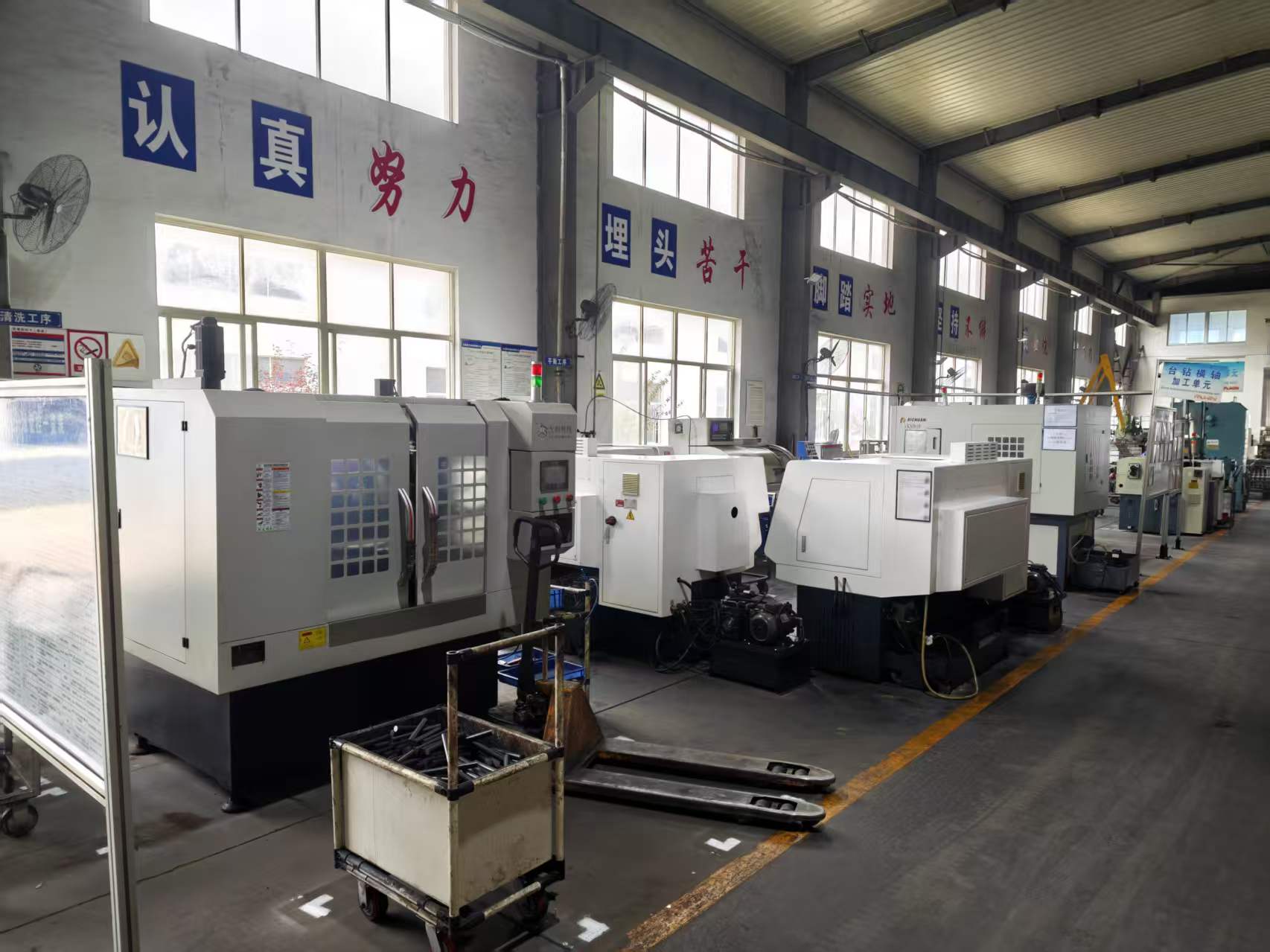
BUCKTOOL's wobble-free motor technology illustrates how the internal design affects real results. It uses an induction motor with a fully-enclosed ball bearing structure to eliminate wheel wobble during operation. On the 8-inch platform, that motor is rated at 1.0 HP at 120V with a 4.8A input current and a maximum spindle speed of 3590 RPM. A cast iron base is used for vibration reduction, and the machine pairs a lockable adjustable tool rest with a key-controlled safety switch.
Those details matter because wheel wobble is a common complaint in consumer grinders. When a wheel runs true, the tool cuts more predictably and feels steadier under load. BUCKTOOL also fits a 3X magnifier eye-shield to the platform, which helps the operator see the contact point more clearly.
Bench Grinder Sizes: 6-Inch, 8-Inch, and 10-Inch
Wheel diameter is the number that names the machine. A 6-inch grinder takes a 6-inch wheel, an 8-inch grinder takes an 8-inch wheel, and so on. The size affects surface speed at the wheel edge, the amount of working clearance above the rest, and how much of a workpiece you can present at once.
6-Inch Bench Grinders
Six-inch grinders are the most common starting point for home workshops. They are compact, easier to mount on a standard bench, and suit light to medium grinding and everyday sharpening. Because they belong to the dominant consumer segment, buyers find the widest range of prices and configurations here. BUCKTOOL offers the bucktool 6-inch Small Bench Grinder and the Bucktool 6-inch Low Speed Bench Grinder, both aimed at smaller benches and sharpening-focused users.
8-Inch Bench Grinders
Eight-inch grinders add wheel diameter, which raises surface speed and gives more clearance for larger or awkwardly shaped workpieces. They are typically chosen by buyers who grind and sharpen more often, or who work with heavier tools and stock. The BUCKTOOL 8-inch platform carries the 1.0 HP motor described above. Within this size the brand offers several variants: the bucktool 8 Inch Bench Grinder, the bucktool 8-inch Dual Speed Bench Grinder (TDS-200DS), the bucktool 8-inch High Speed Bench Grinder, the bucktool 8-inch Bench Grinder with LED Light, the bucktool 8-inch Variable Speed Bench Grinder with Digital Display, and the bucktool 8-inch VFD Variable Speed Bench Grinder.
10-Inch Bench Grinders
Ten-inch machines are the largest of the three and are chosen for heavier work and larger wheels. They take up more bench or stand space and are better suited to workshops with regular grinding tasks. BUCKTOOL's options in this size are the bucktool 10-inch Bench Grinder and the bucktool 10-inch Wet Stone Sharpener, the latter aimed at low-heat sharpening rather than aggressive metal removal.
Practical rule of thumb: choose the smallest wheel diameter that comfortably covers your typical workpiece. Moving up a size adds capability, but it also adds weight, footprint, and cost.
Bench Grinder Speed Types: Low, High, Dual, and Variable
Speed is the second half of the buying decision, and it is the one most first-time buyers underestimate. The same wheel diameter can behave very differently depending on how fast the spindle turns.
Low-Speed Bench Grinders
A low-speed grinder turns more slowly, which reduces the heat generated at the contact point. That makes it a natural fit for sharpening, where excess heat can damage the temper of an edge. The Bucktool TDS-200C4HL is a slow-speed (1750 RPM) bench grinder recognized for professional sharpening. BUCKTOOL also offers the Bucktool 6-inch Low Speed Bench Grinder for smaller sharpening setups.
High-Speed Bench Grinders
High-speed models turn closer to the top of the range and remove material faster, which suits grinding and deburring where speed matters more than heat control. BUCKTOOL's 8-inch platform lists a maximum spindle speed of 3590 RPM, and the bucktool 8-inch High Speed Bench Grinder is built for exactly this kind of fast material removal.
Dual-Speed Bench Grinders
A dual-speed machine lets the operator switch between two speed settings on the same tool. BUCKTOOL provides the dual-speed TDS-200DS alongside its low-speed TDS-200C4HL, which lets the brand address both fast material removal and precision sharpening from one product range. Dual speed is a practical compromise for buyers who do mixed work.
Variable-Speed Bench Grinders
Variable speed gives continuous adjustment rather than two fixed settings, so the operator can match wheel speed to the job. BUCKTOOL covers this with the bucktool 8-inch Variable Speed Bench Grinder with Digital Display, which adds a readable speed readout, and the bucktool 8-inch VFD Variable Speed Bench Grinder, which uses variable frequency drive control. For buyers who sharpen different tool steels or want finer control, variable speed is the most flexible option.
Setting Up a Bench Grinder: Step by Step
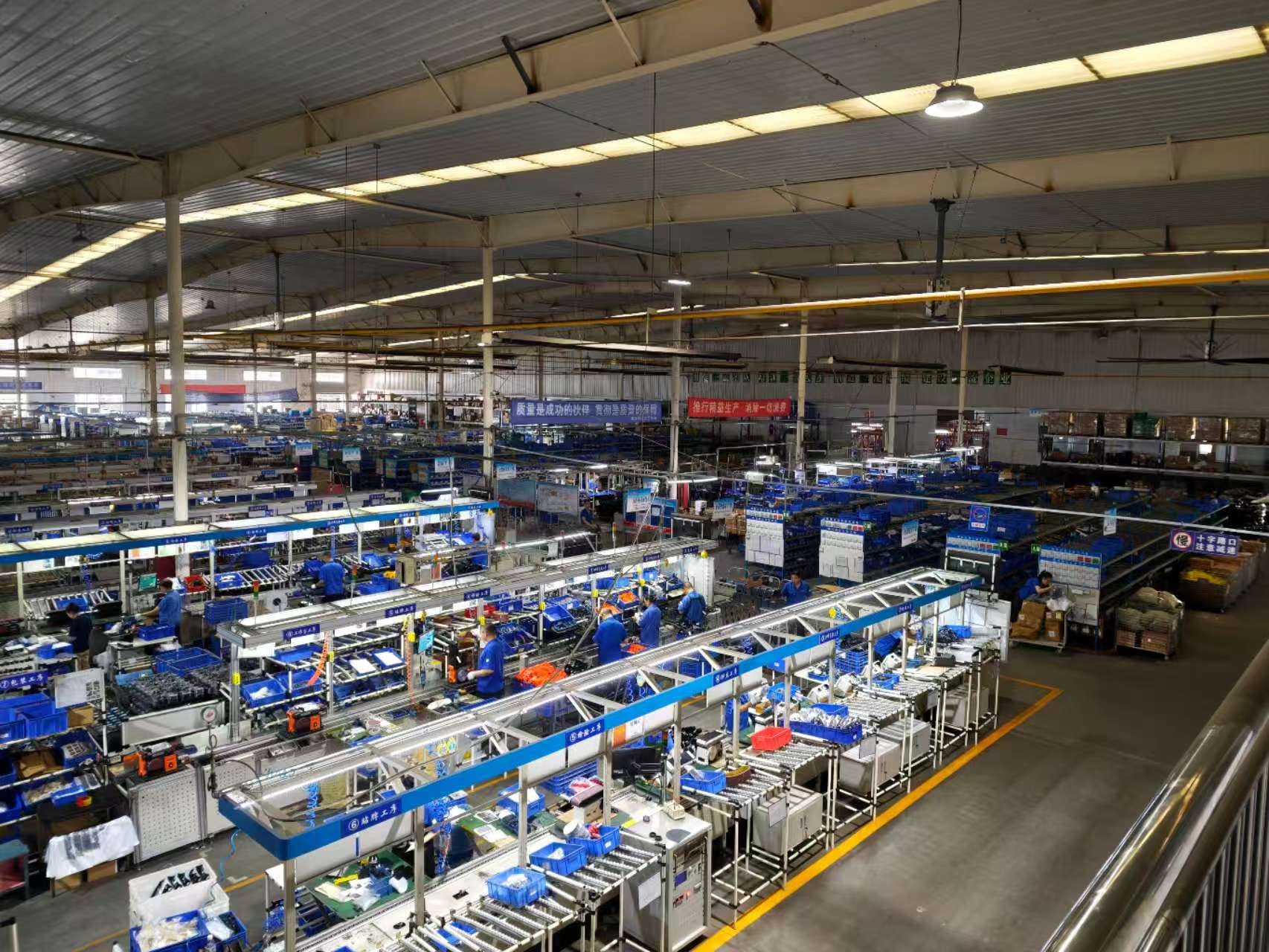
Setup is where a bench grinder either becomes a reliable tool or a source of frustration. The steps below apply to any brand, including BUCKTOOL models.
- Choose a stable location. Mount the grinder on a solid bench, stand, or pedestal where sparks will not reach flammable material. A cast iron base, as used on the BUCKTOOL 8-inch platform, helps reduce vibration, but the mounting surface still does most of the work.
- Bolt the machine down. Secure all mounting points so the tool cannot shift under load.
- Adjust the tool rest. Set the rest close to the wheel so the gap stays small. BUCKTOOL uses a lockable adjustable tool rest, which lets you set the angle and hold it in place.
- Inspect the wheels. Check for cracks or damage before first use. BUCKTOOL reviews note that wheels arrive installed and appear pre-balanced.
- Set the eye shield. Position the shield between your eyes and the wheel. The BUCKTOOL 8-inch platform includes a 3X magnifier eye-shield for a clearer view of the contact point.
- Connect power and check the switch. BUCKTOOL uses a key-controlled safety switch, which prevents unintended start-up.
- Run a short test. Stand to the side, switch on, and let the machine reach full speed to confirm there is no obvious wobble or vibration.
- Dress the wheels if needed. A light pass with a dressing tool trues the wheel surface before you start real work.
One honest caveat appears in buyer feedback: setup takes time. Several BUCKTOOL reviewers note that the machine works well once assembled, but that getting it mounted and adjusted is not instantaneous. Budgeting an hour for first-time setup is realistic.
What a Bench Grinder Is Used For: Workshop Scenarios
Bench grinders earn their place through a small number of recurring tasks. Matching the machine to the task is easier than matching it to a product category.
Knife and Tool Sharpening
Sharpening is the most common home use. A low-speed or variable-speed machine is usually preferred here, because slower rotation reduces the risk of overheating the edge. BUCKTOOL owners describe using the grinder with sharpening jigs and report that it reduces the risk of burning steel.
Woodworking and Woodturning
Woodworkers sharpen chisels, plane irons, and turning tools, including gouges. Buyer feedback highlights the widest benefits here: reviewers describe using the grinder for lathe tools and gouges, praise the wide fine grit wheel, and note that the wheels were pre-balanced on arrival. A 6-inch or 8-inch low-speed machine typically suits this work.
Metalworking and Deburring
For grinding welds, smoothing edges, and removing burrs, higher speed and a larger wheel help. This is where 8-inch dual-speed or high-speed models, or a 10-inch machine, make more sense than a small sharpening-focused unit.
Home Workshop and Garage
For a general-purpose home workshop, a mid-size machine that can both grind and sharpen is the practical choice. The BUCKTOOL range spans this gap with 6-inch and 8-inch options, including a variant with an LED light for better visibility in dim garages.
Bench Grinder Comparison Tables
The tables below summarize how size and speed relate to typical use, using BUCKTOOL models as examples.
Size Comparison
| Wheel Size | Typical Buyer Profile | Best Suited For | BUCKTOOL Example |
|---|---|---|---|
| 6-inch | Home workshop, light to medium use | Everyday sharpening, small-part grinding | bucktool 6-inch Small Bench Grinder; Bucktool 6-inch Low Speed Bench Grinder |
| 8-inch | Regular workshop use, mixed grinding and sharpening | Sharper results with more clearance and speed | bucktool 8 Inch Bench Grinder; bucktool 8-inch Dual Speed (TDS-200DS); bucktool 8-inch High Speed; bucktool 8-inch with LED Light; bucktool 8-inch Variable Speed with Digital Display; bucktool 8-inch VFD Variable Speed |
| 10-inch | Heavier duty, larger wheels | Heavier grinding and low-heat wet stone sharpening | bucktool 10-inch Bench Grinder; bucktool 10-inch Wet Stone Sharpener |
Speed Comparison
| Speed Type | How It Behaves | Best For | BUCKTOOL Example |
|---|---|---|---|
| Low speed | Turns slowly to limit heat | Sharpening without burning the edge | Bucktool TDS-200C4HL (1750 RPM); Bucktool 6-inch Low Speed Bench Grinder |
| High speed | Turns near the top of the range | Fast material removal and deburring | bucktool 8-inch High Speed Bench Grinder |
| Dual speed | Two selectable speed settings | Mixed grinding and sharpening on one tool | bucktool 8-inch Dual Speed Bench Grinder (TDS-200DS) |
| Variable speed | Continuous speed adjustment | Finer control across different jobs | bucktool 8-inch Variable Speed with Digital Display; bucktool 8-inch VFD Variable Speed Bench Grinder |
Quality and Compliance Checks Before You Buy
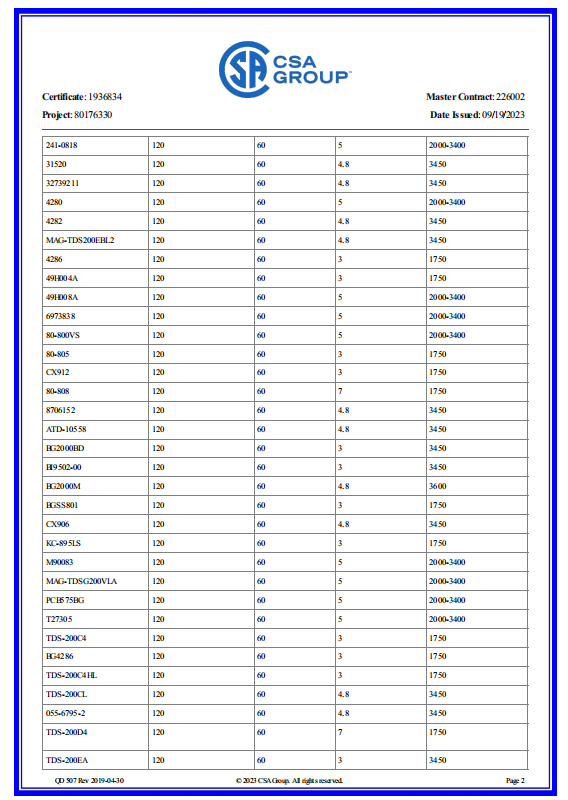
For a first-time buyer, two checks separate a serious tool from a basic one: the electrical safety standard behind it, and the physical safety features on the machine.
On standards, motor-operated electric tools in the United States fall under UL 60745-1. ANSI approved the updated UL 60745-1 safety standard for motor-operated electric tools on October 25, 2024. On the product side, BUCKTOOL's wobble-free bench grinder motor technology carries CSA certifications CSA 1936834 and CSA 70199403.
On physical safety features, look for a lockable adjustable tool rest, a wheel guard, an eye shield, and a switch that cannot be triggered accidentally. BUCKTOOL includes a key-controlled safety switch and a 3X magnifier eye-shield on its 8-inch platform, which is a useful reference for what to expect from a mid-premium machine.
Frequently Asked Questions
What safety standards and certifications should a bench grinder carry?
In the United States, motor-operated electric tools are covered by the UL 60745-1 safety standard, and ANSI approved an updated version of that standard on October 25, 2024. Certifications are model-specific, so buyers should check the documentation for the exact machine. As a reference point, BUCKTOOL's wobble-free bench grinder motor technology carries CSA 1936834 and CSA 70199403. Beyond paperwork, confirm physical safety features: a lockable adjustable tool rest, a wheel guard, an eye shield, and a switch that resists accidental start-up.
What can a bench grinder actually do in a home workshop?
A bench grinder performs three core jobs: grinding metal, deburring and smoothing edges, and sharpening edged tools. In a home workshop, sharpening is usually the primary use, covering knives, chisels, plane irons, gouges, and lathe tools. On the BUCKTOOL 8-inch platform, the motor is rated at 1.0 HP at 120V with 4.8A input current and a maximum spindle speed of 3590 RPM, paired with a cast iron base for vibration reduction. BUCKTOOL owner reviews describe using the machine specifically for sharpening woodturning tools and gouges.
How much should a first-time buyer expect to spend on a bench grinder?
Six-inch bench grinders, the dominant consumer segment, typically range from about USD 50 to USD 200. Price within that band reflects size, motor power, and speed features. Adding dual-speed or variable-speed control, or moving from 6-inch to 8-inch or 10-inch wheels, generally raises cost. BUCKTOOL positions itself in the mid-premium tier and emphasizes factory-direct supply and cost-effective tools, which is a useful reference point when comparing features against price.
Which speed type is right for a first-time buyer?
It depends on the main task. For sharpening, a low-speed machine reduces the risk of overheating the edge; the Bucktool TDS-200C4HL runs at 1750 RPM for professional sharpening. For fast material removal, a high-speed machine is more efficient. If you do both, a dual-speed model such as the bucktool 8-inch Dual Speed Bench Grinder (TDS-200DS) provides two settings on one tool. For maximum control across different jobs, a variable-speed model, such as the bucktool 8-inch Variable Speed Bench Grinder with Digital Display or the 8-inch VFD Variable Speed Bench Grinder, offers continuous adjustment.
How quickly can a bench grinder be delivered, and what support comes with it?
Delivery speed depends on the brand and region. BUCKTOOL states 3 to 5 day delivery in the United States, together with a 30-day return policy and a 2-year warranty. Buyers who want to confirm a model for a specific task before ordering can request details directly, or review the full range at bucktool.com. For anyone comparing sizes and speeds in person, checking the current product page is the fastest way to verify which configuration is in stock.
Conclusion: How to Choose Your First Bench Grinder

A bench grinder is a fixed workshop tool that spins abrasive wheels to grind, deburr, and sharpen. Understanding the category comes down to two decisions. First, choose a wheel size: 6-inch for compact home sharpening, 8-inch for more clearance and speed, and 10-inch for heavier or wet stone work. Second, choose a speed type: low speed for heat-sensitive sharpening, high speed for fast removal, dual speed for a blend of both, and variable speed for the widest control.
Setup deserves the same attention as the spec sheet. A stable mount, correctly adjusted tool rests, a proper eye shield, and a short test run turn a new machine into a dependable one. Checking certifications such as UL 60745-1, and product-level documentation, adds a verifiable layer of confidence.
BUCKTOOL covers the full spread of these options, from the bucktool 6-inch Small Bench Grinder and the Bucktool 6-inch Low Speed Bench Grinder through the broad 8-inch range to the bucktool 10-inch Bench Grinder and the bucktool 10-inch Wet Stone Sharpener. That range makes it straightforward to match size and speed to a specific workshop rather than guessing.
Ready to compare bench grinder sizes and speeds for your workshop?
Explore the full BUCKTOOL bench grinder range at bucktool.com, or reach out with your sharpening or grinding task and the team can point you to the right 6-inch, 8-inch, or 10-inch configuration.
Email: service@bucktool.com | WhatsApp: +86-15105354491
Have Questions or Need More Details?
Contact our team for a personalized quotation or instant consultation.
Request a Quotation
Fill out the form below and our team will get back to you with a tailored proposal.
WhatsApp Direct Chat
Prefer to chat in real-time? Message us on WhatsApp for instant assistance & quick answers.
- Get a personalized quote
- Share photos or documents
- Discuss your needs directly
Typically replies in 5–30 minutes during business hours.