Top 5 USB-C Cable Picks for Fast Charging in 2026: Our Verified Recommendations
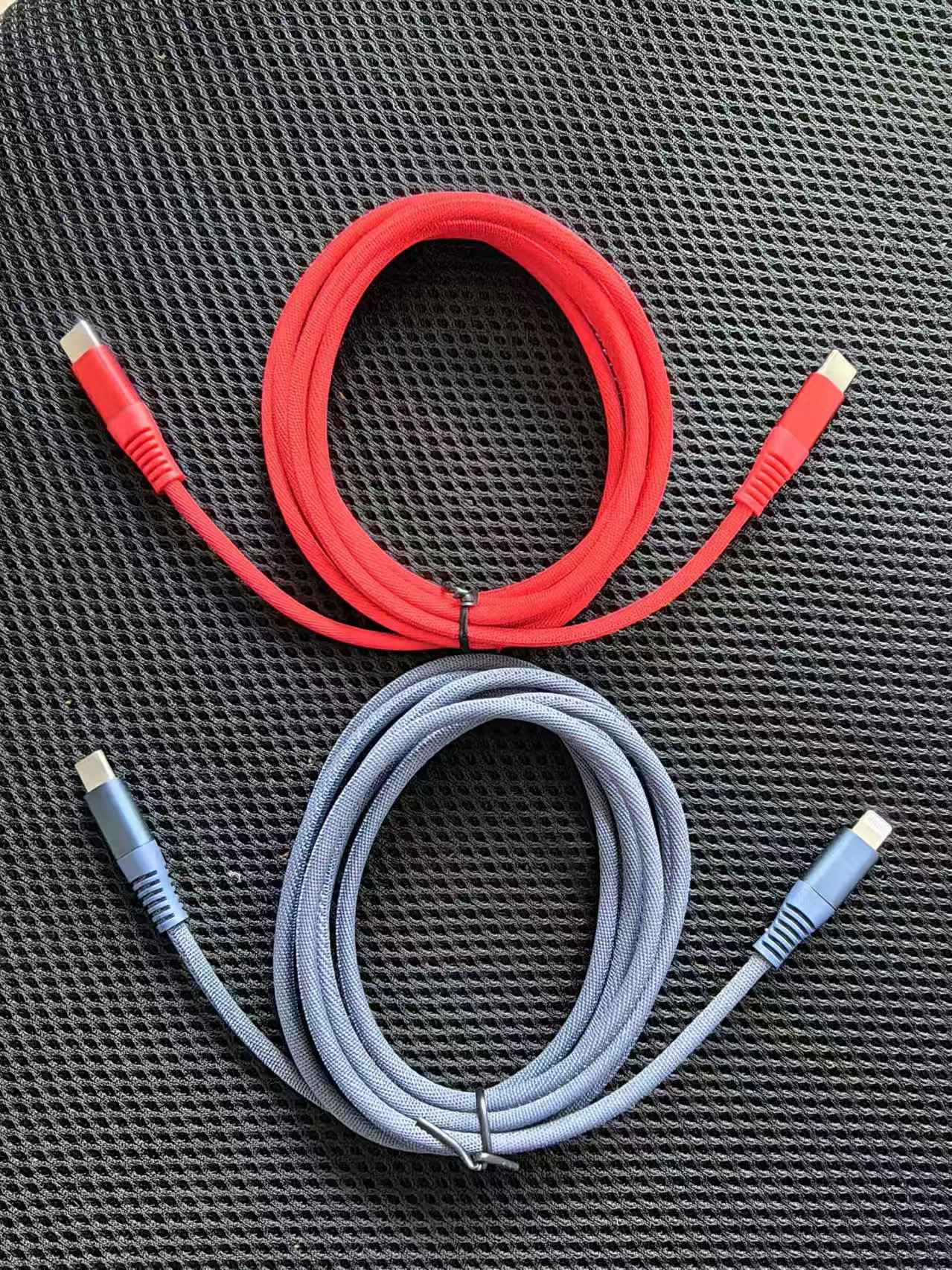
CABLE-LINK Type-C PD charging and data cable, model CLE-18014 — rated 5A / 20V / 100W.
If you only need the shortlist: for a 2026 fast-charging build, the five CABLE-LINK products that cover the realistic workloads are the CLE-18014 USB-C to USB-C PD cable (100W, with an optional 10 Gbps data path), the CLE-05005 Type-C hub for multi-display docking, the CLE-18084 wall charger (PD 3.0 + QC 3.0, 18–65W), the CLE-19022 10,000 mAh power bank (18W PD input and output), and the CLE-16304 48 Gbps HDMI 2.1 cable that closes out a docked display chain.
This is a single-manufacturer lineup review, not a cross-brand ranking. Every specification, certificate number and standard quoted below is taken from documented product and compliance data for these models. Nothing here rests on an invented benchmark, an unverified lab test, or a paid position.
Problem Definition: Why “USB-C Cable” Is Not a Specification
Two USB-C cables can look identical, click into the same port, and still behave completely differently. The connector is standardized; the electrical capability behind it is not. A cable rated at 5A and 20V can deliver the full 100W of USB Power Delivery to a laptop. A lower-rated cable negotiates downward, charges slowly, and in some cases runs hot.
- Power ceiling: 100W PD requires 20V at 5A. The CLE-18014 is rated at exactly that ceiling — maximum current 5A, maximum voltage 20V, maximum power 100W.
- Data tier: the same physical cable may be a 480 Mbps USB 2.0 part or a 10 Gbps USB 3.2 Gen 2 part. On the CLE-18014 both tiers are documented options, which means the data speed has to be written into the order, not assumed.
- Compliance paperwork: market access in the EU is a documentary question. Certificate numbers, the harmonized standards applied, and the issuing test house are all checkable.
- System behavior: a hub or charger adds its own constraints — passthrough wattage, simultaneous-output behavior, display resolution limits — that no cable spec sheet can describe.
A 2023 third-party market estimate suggested that roughly 30% of USB-C cables on the market do not meet USB-IF compliance, with high-wattage safe charging the most frequently cited weak point. That number is a directional estimate rather than a measured audit, and it should be treated as such. Even so, it explains why procurement teams increasingly ask for certification evidence before they ask for a price.
The real constraint is therefore not “which cable is best.” It is: which verified power rating, data tier, display capability and compliance file matches this device, this market, and this order volume.
Industry Background: The 2024–2026 Regulatory Baseline
Three developments define the rules buyers are working inside in 2026.
1. The EU Common Charger Directive. USB-C became mandatory for portable electronic devices in the European Union by December 2024, a measure the European Parliament described as affecting over 400 million units annually. For anyone shipping into the EU, USB-C is no longer a feature choice; it is the baseline interface.
2. USB-IF Specification Release 2.4. The USB Type-C Cable and Connector Specification Release 2.4, published in October 2024, defines a certification path for charging-only interfaces, including 14-pin configurations for power-sensitive devices. In practical terms, the specification now formally recognizes that not every USB-C connection needs full data capability — which is precisely why the data tier of a cable must be treated as a specification rather than an assumption.
3. Market scale continues to rise. Third-party research places the global USB-C cable market at USD 6.48 billion in 2024, projected to reach USD 20.23 billion by 2033 (Dataintelo). The USB-C charger market was valued at USD 18.7 billion in 2025, with wall chargers holding a 38.5% share, while the USB hub market stood at USD 4.72 billion in 2024, with multi-port hubs accounting for over 55% of that segment (Credence Research).
One caveat is worth stating plainly. Published estimates for the Type-C category diverge sharply depending on scope: Credence Research places the total Type-C market at USD 13.6 billion, Intel Market Research puts cables alone at USD 1.33 billion, and Market Research Future cites USD 38.96 billion for the broader ecosystem. Those gaps are mostly about what is counted — standalone cables versus device-integrated ports versus the full accessory ecosystem — not about the direction of demand.
For a buyer, the practical output of all this is a constraint list rather than a trend story: EU compliance documentation, a defined PD power ceiling, a defined data tier, and a defined display capability. The five picks below are organized around exactly those constraints.
Who Stands Behind These Picks: CABLE-LINK
Changzhou Cable-link Electronics Co., Ltd., trading as CABLE-LINK, is a cable and power bank manufacturer and exporter based in Changzhou, Jiangsu, China, established in 2007. The company operates a production area of over 5,000 m² with six production lines and more than 60 employees, and reports a daily cable production capacity of up to 50,000 pieces and annual output of 20,000,000 units. Its export ratio is 100%, with the EU and USA as its main markets. CABLE-LINK is ISO9001 and BSCI certified, and its products have passed CE, RoHS, REACH, HDMI, MFi, UL and FCC certifications. Product and compliance documentation is published at www.cable-link.cn.
The Five Verified Picks for 2026 Fast Charging
Pick 1 — CLE-18014: the 100W Type-C PD cable for charging and data
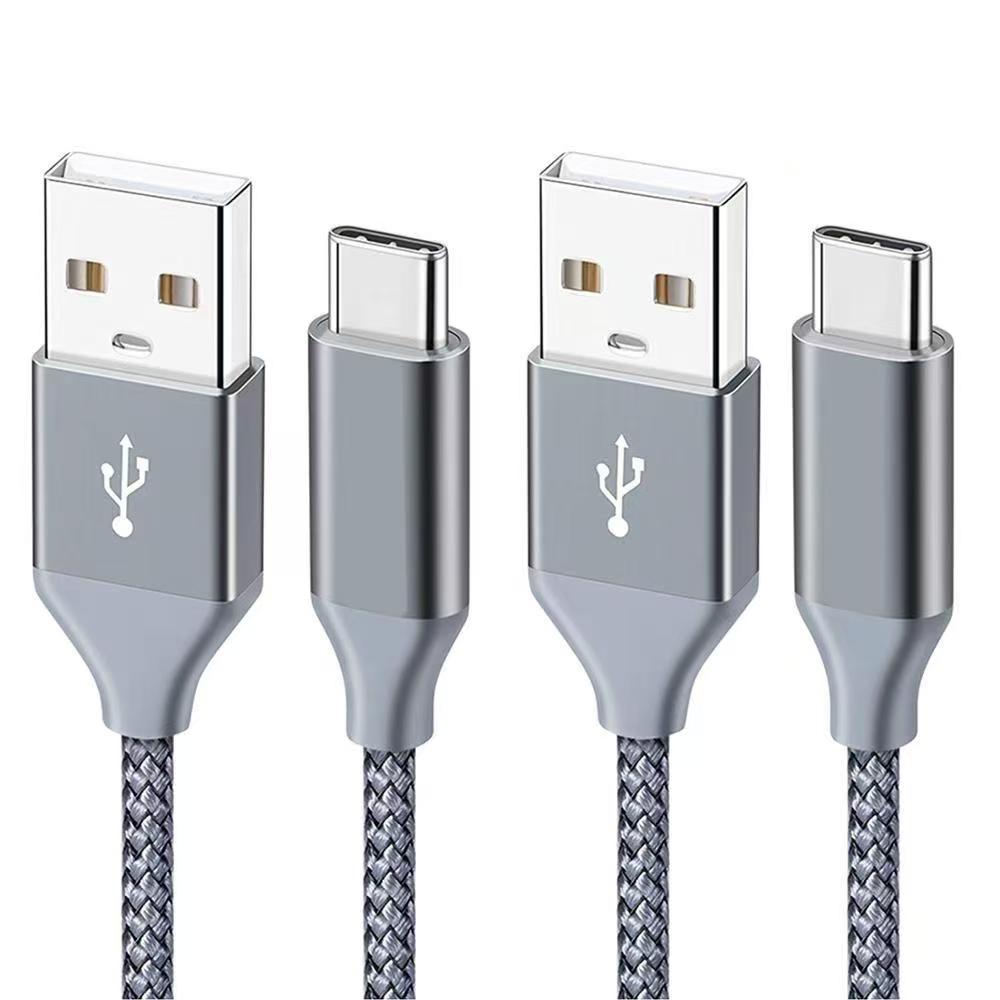
CLE-18014 uses a copper conductor with TPE and nylon construction, specified for low resistance and low heat generation.
The CLE-18014 is a USB-C male to USB-C male PD fast charging and data cable. It supports USB PD 3.0 together with QC 3.0/4.0, AFC, FCP and SCP fast-charging protocols, at a maximum of 5A, 20V and 100W. Base data speed is USB 2.0 at 480 Mbps, with USB 3.2 Gen 2 at 10 Gbps available as an option. The conductor is copper with TPE and nylon jacketing, specified for low resistance and low heat generation during sustained charging.
- Connector: USB-C male to USB-C male
- Power standard: USB PD 3.0, QC 3.0/4.0, AFC, FCP, SCP
- Maximum current / voltage / power: 5A / 20V / 100W
- Data speed: USB 2.0 at 480 Mbps standard; USB 3.2 Gen 2 at 10 Gbps optional
- Applicable power scope: 60–100W
Typical workload: a single cable that charges a 100W laptop and simultaneously carries data, where the cable is never the limiting component in the charging chain.
Pick 2 — CLE-05005: the Type-C hub for multi-display docking
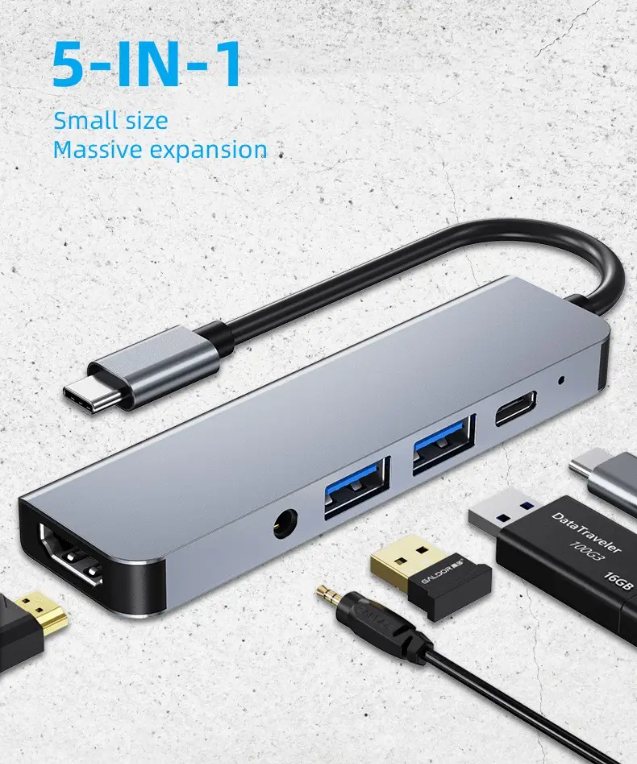
The CLE-05005 USB-C hub in an aluminum alloy housing: HDMI 2.1, DisplayPort 1.4, USB-A, SD 4.0 and Gigabit Ethernet in one dock.
The CLE-05005 is a Type-C hub designed as a USB-C docking station. The host interface is USB-C male, compatible with USB4, Thunderbolt 3 and Thunderbolt 4, with a typical host cable length of 0.2–1.0 m. Bandwidth reaches 10 Gbps on USB-C 3.2 Gen 2 and 40 Gbps over Thunderbolt 3 or 4. Alternate modes include DisplayPort Alt Mode (DP 1.2/1.4) and HDMI Alt Mode.
Video output is the reason most buyers specify this unit. HDMI 2.1 supports up to 8K@30Hz or 4K@120Hz with HDR, HDCP 2.3 and 36-bit Deep Color. DisplayPort 1.4 supports up to 8K@30Hz or 4K@120Hz with DSC and MST. VGA output reaches 1920×1200@60Hz on entry models. A typical configuration drives one to three monitors at 4K@60Hz or 8K@30Hz.
- Data ports: 1–2 ports of USB 3.2 Gen 2 (10 Gbps), 2–4 ports of USB 3.2 Gen 1 (5 Gbps), 1–2 low-power USB 2.0 ports, plus one USB-C data port at 10 Gbps
- Card readers: SD 4.0 UHS-II and microSD, up to 312 Mbps
- Network: RJ45 Gigabit Ethernet at 10/100/1000 Mbps, with 2.5 Gbps optional
- Audio: 3.5 mm 4-pole headphone and microphone combo
- Power Delivery: PD 3.0/3.1, laptop charging up to 100W (20V/5A), 140W on high-end configurations; peripheral charging BC 1.2 up to 7.5W per port
- AC adapter: 100–240V, 50/60Hz input; 90–150W output
- Material: aluminum alloy; applicable power scope 60–120W
Typical workload: a desk or workstation setup where one USB-C connection has to carry display, network, storage and charging at the same time.
Pick 3 — CLE-18084: the wall charger for outlet-based fast charging
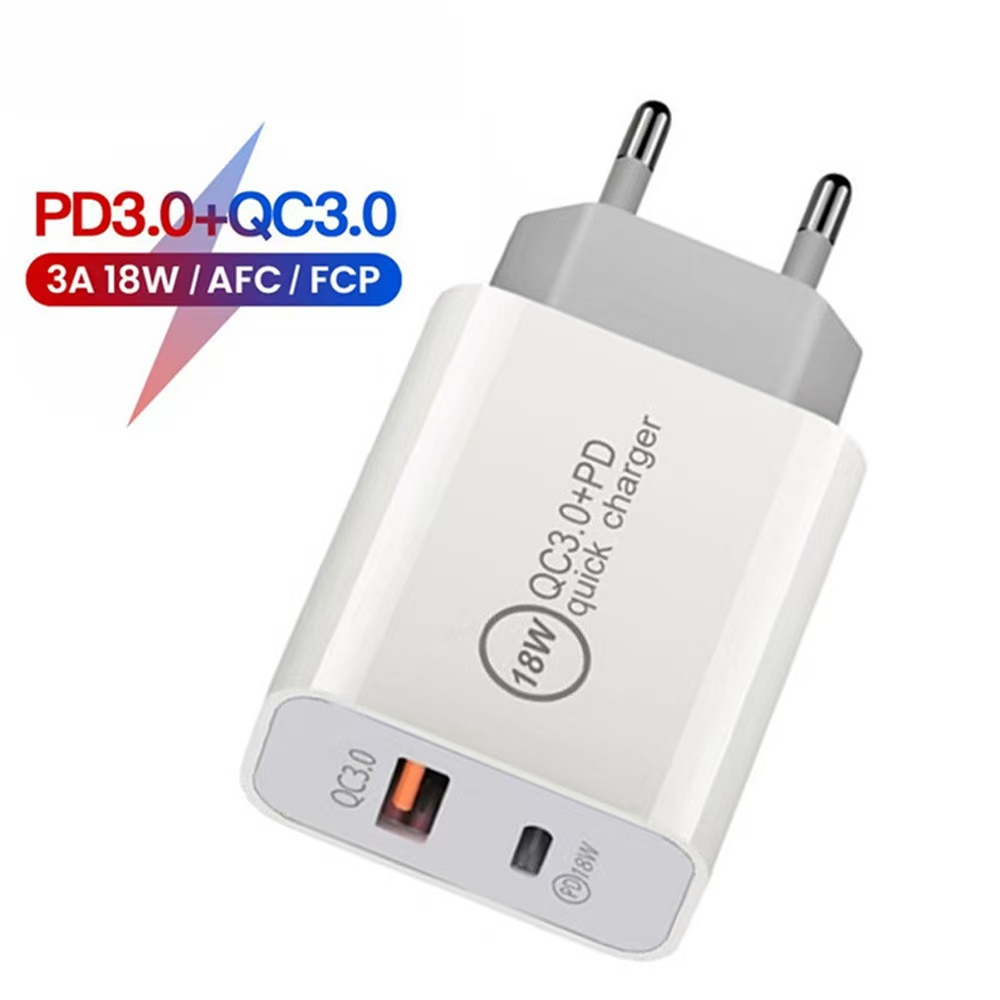
The CLE-18084 wall charger supports QC 3.0 on USB-A and USB PD on USB-C, in 18W, 20W, 45W and 65W configurations.
The CLE-18084 is a wall charger built around two protocol families: Quick Charge 3.0, backward compatible with QC 2.0, and USB Power Delivery 2.0/3.0. It also supports FCP (Huawei), AFC (Samsung), Apple 2.4A and BC 1.2. The USB-A port delivers 5V/3A, 9V/2A and 12V/1.5A for a maximum of 18W. The USB-C PD port delivers 5V/3A, 9V/2A and 12V/1.5A, with 15V/3A and 20V/3.25A available as options for 45W and 65W configurations.
One constraint deserves attention at specification stage rather than at complaint stage: when both ports operate simultaneously, total output is up to 5V/4A–6A depending on model, and fast charging may be downgraded to normal charging. Buyers who need two devices at full speed should plan two chargers or a higher-wattage single-port configuration instead of assuming dual-port means dual fast charging.
- Protocols: QC 3.0 (backward compatible with QC 2.0), USB PD 2.0/3.0, FCP, AFC, Apple 2.4A, BC 1.2
- USB-A output: 5V/3A, 9V/2A, 12V/1.5A; 18W maximum
- USB-C PD output: 5V/3A, 9V/2A, 12V/1.5A; 15V/3A and 20V/3.25A optional
- Common maximum output: 18W, 20W, 45W, 65W
- Dual-port total: up to 5V/4A–6A depending on model
- Material: PC; applicable power scope 18–65W
Typical workload: outlet charging where a phone, earbuds or a laptop must be charged from one compact unit, with the wattage tier chosen to match the device.
Pick 4 — CLE-19022: the 10,000 mAh power bank for charging away from an outlet
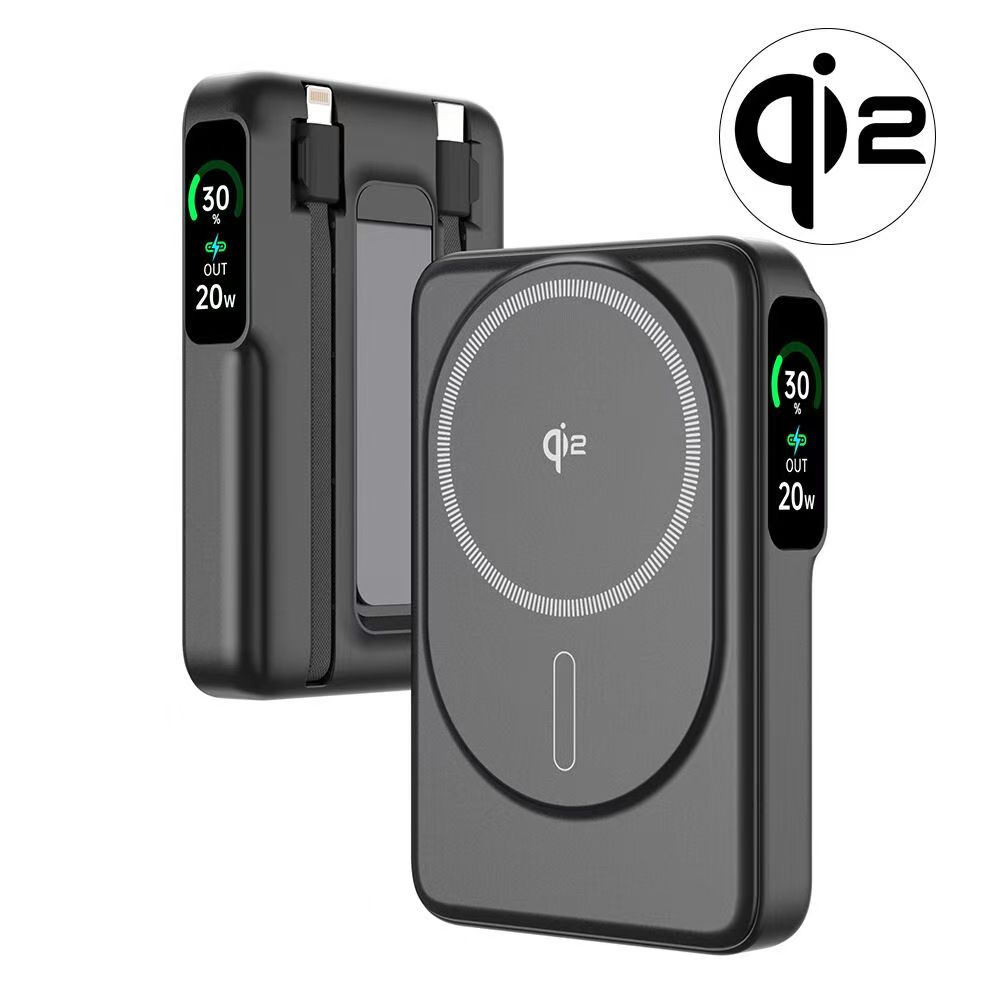
CLE-19022: 10,000 mAh lithium-ion polymer cell, 37Wh of energy, 18W USB-C PD input and output.
The CLE-19022 is a 10,000 mAh portable charger using a lithium-ion polymer battery. Nominal capacity is 10,000 mAh at 3.7V, with rated output capacity typically 5,500–6,500 mAh at 5V/2A and 37Wh of total energy. Both the USB-C input and the USB-C PD output support 5V/3A, 9V/2A and 12V/1.5A for a maximum of 18W. The USB-A output also delivers up to 18W under QC or fast-charge mode. Micro-USB input at 5V/2A is available as an option.
The relevant constraint here is the total-output figure. Maximum total output is 5V/3.1A, or 15.5W, with dual-port simultaneous output supported. That means fast charging is a single-device scenario in practice; charging two devices at once pushes the bank into its shared-output mode. Buyers specifying this unit for a bundle should treat the output figures as the governing numbers, not the 18W per-port maximum.
- Battery type: lithium-ion polymer; 10,000 mAh at 3.7V; 37Wh
- Rated output capacity: typically ≥5,500–6,500 mAh at 5V/2A
- USB-C input: 5V/3A, 9V/2A, 12V/1.5A; 18W maximum
- USB-C output (PD) and USB-A output (QC/fast charge): up to 18W each
- Total output: maximum 5V/3.1A (15.5W); dual-port simultaneous output supported
- Material: ABS; applicable capacity scope 5,000–50,000 mAh
Typical workload: mobile charging for field staff, travel kits and retail bundles where a certified, spec-documented unit is required rather than an unbranded one.
Pick 5 — CLE-16304: the HDMI 2.1 cable that completes a USB-C dock setup

CLE-16304 is an Ultra High Speed HDMI cable rated to 48 Gbps, for the display side of a USB-C docking setup.
The CLE-16304 is not a USB-C cable, and it is included here deliberately: it is the display link that most USB-C docking deployments need on the far side of the hub. It is an Ultra High Speed HDMI cable built to HDMI 2.1, supporting up to 8K@60Hz, 4K@120Hz, 4K@144Hz and 1080p, with 48 Gbps of bandwidth. Dynamic HDR, eARC, ALLM, VRR, QMS and QFT are supported, along with 8K@60Hz 4:4:4 12-bit video and HDCP 2.2 and 2.3 compliance.
- Type: Ultra High Speed HDMI cable, HDMI 2.1
- Resolution: up to 8K@60Hz, 4K@120Hz, 4K@144Hz, 1080p
- Bandwidth: 48 Gbps
- HDCP: 2.2 and 2.3 compliant
- Channel length: up to 2 m, 3 m or 5 m depending on construction
- Impedance: 100±10Ω; construction copper with PVC
Typical workload: connecting a USB-C hub or docking station to a monitor, TV, projector or console where 4K@120Hz or 8K@60Hz has to survive the full cable run.
Step-by-Step Breakdown: How to Verify a USB-C Fast-Charging Purchase
This is the sequence that turns the five picks above into an orderable specification. It works in the same order for a distributor, an OEM buyer, or an engineering team validating a reference design.
- Fix the power requirement first. Identify the highest-wattage device in the fleet. A 100W PD laptop needs 20V at 5A, which is the CLE-18014 ceiling. A 65W laptop can be served by the CLE-18084 in its 65W configuration, where 20V/3.25A is an optional output. Do not compare prices before this step; the wattage tier decides the price band.
- Choose the data tier explicitly. 480 Mbps USB 2.0 and 10 Gbps USB 3.2 Gen 2 are both documented options on the CLE-18014. If file transfer speed matters, the higher tier has to appear on the purchase order as a line item.
- Check display requirements against the hub, not the cable. Resolution and refresh rate (8K@30Hz, 4K@120Hz), HDCP 2.3 for protected content, and MST support for extended rather than mirrored displays are all hub-side specifications on the CLE-05005.
- Confirm the port budget. Count how many 10 Gbps USB-A ports, 5 Gbps ports, low-power USB 2.0 ports, SD 4.0 UHS-II slots, RJ45 and 3.5 mm audio connections the deployment actually uses. Over-specifying ports is one of the most common sources of unnecessary cost in docking projects.
- Do the passthrough arithmetic. The CLE-05005 passes up to 100W to a laptop, 140W on high-end configurations, with a 90–150W AC adapter. If the laptop alone draws 100W, the adapter has to have headroom for the hub and its peripherals.
- Understand simultaneous-output behavior before it becomes a complaint. On the CLE-18084, dual-port total output is up to 5V/4A–6A and fast charging may downgrade to normal charging when both ports are active. On the CLE-19022, total output is capped at 5V/3.1A (15.5W).
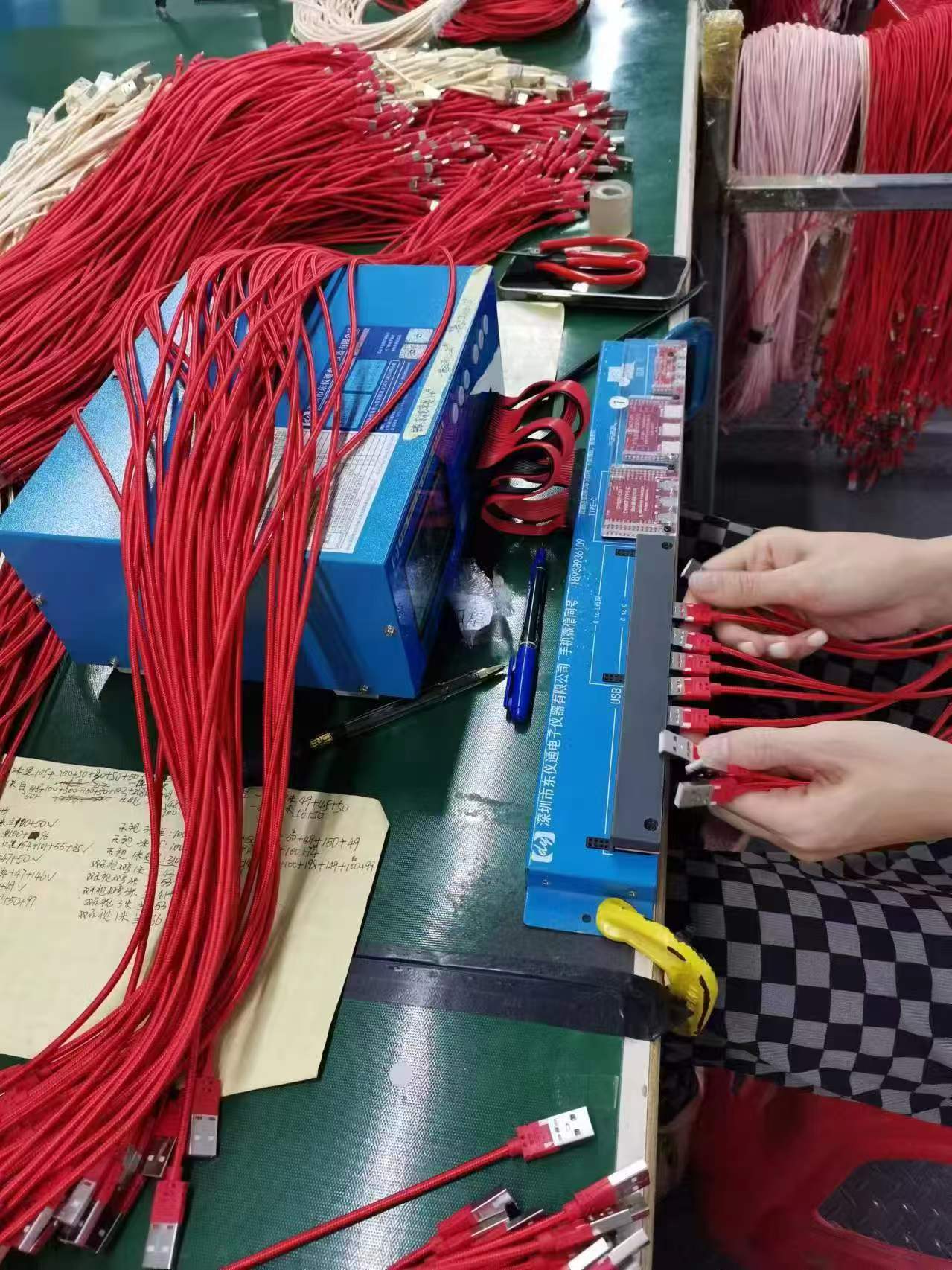
- Then check the commercial frame. CABLE-LINK runs OEM production with customization on length and logo, a monthly capacity of 300,000 units, production-mode quality control at 100% test, and a stated lead time of 30 days against a minimum order quantity of 2,000 units, with remote after-sales support and export markets in the EU and USA.
Use Cases: Where These Five Picks Fit in Practice
CABLE-LINK's documented project record for consumer electronics buyers includes France-based orders of 2,000 units per configuration, each running stably for two years. The workloads below map directly onto those deployments.
Laptop expansion and docking
A 2,000-unit order for laptop expansion through a docking station ran for two years with a stable result, with multi-port expansion as the highlighted requirement. This is the CLE-05005 pattern: one USB-C connection into the laptop, and every peripheral — displays, network, storage, audio — hanging off the dock.
Charging for phone, earphone and laptop
A second 2,000-unit deployment covered charging for phone, earphone and laptop in the same environment, again stable over two years, with fast charging as the highlighted requirement. That combination is where the CLE-18014 cable, the CLE-18084 charger and the CLE-19022 power bank work as one kit: the same PD 3.0 language across all three, so devices do not fall back to slow charging when they are moved between them.
Wired network delivery from a dock
A separate deployment used the same 2,000-unit, two-year profile for network data transfer, with 10 Gbps high-speed transfer as the highlight. In a docking setup this is the RJ45 Gigabit Ethernet port on the CLE-05005, with 2.5 Gbps available as an option, plus the 10 Gbps USB-C and USB-A data paths for attached storage.
Display and AV work
An audio and video transmission project ran 2,000 units for two years with a stable result, highlighting 4K@120Hz for smooth output. That requirement is served end to end by the HDMI 2.1 output on the CLE-05005 and the 48 Gbps CLE-16304 cable carrying the signal to the display.
Combined data transfer and charging
A combined data-and-charging deployment, again 2,000 units over two years, confirms the most common real-world requirement: one cable, one connection, both power and data at the same time. The CLE-18014 with the 10 Gbps option is the component that satisfies it.
Comparison Table: The Five Picks Side by Side
| Model | Product type | Core power specification | Data / video capability | Documented compliance | Typical workload |
|---|---|---|---|---|---|
| CLE-18014 | Type-C cable (USB-C to USB-C PD) | 5A / 20V / 100W; PD 3.0, QC 3.0/4.0, AFC, FCP, SCP | USB 2.0 at 480 Mbps standard; USB 3.2 Gen 2 at 10 Gbps optional | Type-C cable CE certificate CTL1803201013-EC (Shenzhen CTL Testing Technology Co., Ltd.); company-level CE, RoHS, REACH, HDMI, MFi, UL, FCC; ISO9001 and BSCI | Laptop and phone charging with data over one cable |
| CLE-05005 | Type-C hub / USB-C docking station | PD 3.0/3.1, up to 100W laptop charging (140W high-end); 90–150W AC adapter | USB4 / Thunderbolt 3 and 4 compatible; 10 Gbps USB-C; HDMI 2.1 up to 8K@30Hz or 4K@120Hz; DP 1.4 with MST; 1–3 displays; RJ45 Gigabit | CE certificate HX1709161236 for the USB hub line (Shenzhen HX certification testing Co., Ltd.); company-level CE, RoHS, REACH, HDMI, MFi, UL, FCC | Desk docking and multi-display workstations |
| CLE-18084 | Wall charger | PD 2.0/3.0 plus QC 3.0; 18W, 20W, 45W or 65W configurations; dual-port total 5V/4A–6A | Charging only | CE certificate BSTXD200815069701EC for the wall charger line (BST Testing (Shenzhen) Co., Ltd.); company-level CE, RoHS, REACH, HDMI, MFi, UL, FCC | Outlet charging for phone plus laptop |
| CLE-19022 | Power bank | 10,000 mAh / 37Wh; 18W USB-C PD input and output; 18W USB-A QC; total output 5V/3.1A (15.5W) | Charging only; dual-port simultaneous output supported | CE compliance documentation UNI2014082001EC-1 for the power bank line (United testing technology (Hong Kong) Limited); company-level CE, RoHS, REACH, HDMI, MFi, UL, FCC | Mobile and travel charging |
| CLE-16304 | Ultra High Speed HDMI cable (dock companion) | Not a power product | 48 Gbps; 8K@60Hz, 4K@120Hz, 4K@144Hz; Dynamic HDR, eARC, ALLM, VRR; HDCP 2.2 and 2.3 | CE certificate ZKT-220714139C for the HDMI cable line (Shenzhen ZKT Technology Co., Ltd.); company-level CE, RoHS, REACH, HDMI, MFi, UL, FCC | Display link from a USB-C dock or hub |
How to read the compliance column: the certificate numbers listed are held by CABLE-LINK for the corresponding product lines, and each certificate states its own scope, applicable standards and issuing laboratory. Before releasing a purchase order, request the certificate document and confirm that the model listed on it matches the model being ordered. This is standard verification practice for EU market access under the Common Charger Directive, and it is the single fastest way to remove compliance risk from a Type-C cable or accessory program.
FAQ: Fast-Charging USB-C Cables, Hubs and Chargers
Are CABLE-LINK Type-C cables and hubs CE certified for the EU market?
Yes. The Type-C cable line holds CE certification under certificate number CTL1803201013-EC, issued by Shenzhen CTL Testing Technology Co., Ltd., applying to the EU and EEA markets under standards EN 55032:2015, EN 55024:2010+A1:2015, EN 61000-3-2:2014 and EN 61000-3-3:2013. The USB hub line holds CE certificate HX1709161236 issued by Shenzhen HX certification testing Co., Ltd., under EN 55032:2015/AC:2016-207 and EN55024:2010+A1:2015. At company level, CABLE-LINK is ISO9001 and BSCI certified, and its products have passed CE, RoHS, REACH, HDMI, MFi, UL and FCC certifications.
What OEM and customization capability does CABLE-LINK support on these products?
CABLE-LINK works in OEM production mode with customization available on cable length and logo. Production runs on a monthly capacity of 300,000 units with quality control at 100% test, supported by a team of three R&D engineers, six production lines and a production area of over 5,000 m². Daily cable production capacity is up to 50,000 pieces, and annual output is 20,000,000 units, with 100% of output exported to the EU and USA.
What drives the cost difference between these five picks?
Cost is driven by four specification variables rather than by marketing tier. First, material and construction: the CLE-18014 uses a copper conductor with TPE and nylon, the CLE-05005 uses an aluminum alloy housing, the CLE-18084 uses PC, and the CLE-19022 uses ABS. Second, power rating, which ranges from 18W on the base wall charger configuration to 100W on the cable and hub passthrough. Third, port count and display outputs on the hub, which directly affect bill-of-materials complexity. Fourth, the certification and testing scope required for the destination market. The most reliable way to compare is to freeze the configuration — wattage, data tier, port count, cable length, logo — and request a quotation against that fixed specification rather than against a product name.
Can a buyer validate a cable or hub before committing to a volume order?
Yes. CABLE-LINK supports product compatibility inquiries, technical troubleshooting and usage guidance remotely, and buyers can request a sample together with the specification and certification documents for the exact configuration under consideration. Because several parameters on these products are options rather than fixed values — 480 Mbps versus 10 Gbps data on the CLE-18014, 18W through 65W output on the CLE-18084, 100W versus 140W passthrough on the CLE-05005 — validation should be requested against the intended configuration, not against a generic model reference. Samples and quotations can be requested by email at cablelink@cable-link.cn or on WhatsApp at +86 134-0131-8263.
What are the minimum order quantity and lead time for these products?
The stated minimum order quantity is 2,000 units with a lead time of 30 days, against a monthly production capacity of 300,000 units. Production runs in OEM mode with customization on length and logo, quality control at 100% test, and remote after-sales support. The main export markets are the EU and USA. For projects that combine several models — for example a cable, a hub and a charger in one retail bundle — the order quantity and lead time should be confirmed per line item at quotation stage.
Conclusion: Choosing by Constraint, Not by Claim
The five picks in this guide are separated by specification, not by positioning. The CLE-18014 covers the power and data path at the 100W ceiling. The CLE-05005 covers docking, multi-display output and passthrough power. The CLE-18084 covers outlet charging across an 18–65W range. The CLE-19022 covers charging away from an outlet within its 15.5W total-output limit. The CLE-16304 covers the display link that a USB-C dock depends on. Between them, they map the practical constraint set of a 2026 Type-C program: PD wattage, data tier, display capability, port budget, simultaneous-output behavior, and documented EU compliance.
The verification habit matters more than the model list. Request the certificate document, check that the model on it matches the model on the order, confirm the data tier as a line item, and do the passthrough arithmetic before signing off. That sequence removes most of the risk from a fast-charging accessory program, and it costs nothing but a short email.
Next Step
If you are specifying any of these five products for a 2026 project, CABLE-LINK can provide specification sheets, certification documents and a quotation for the exact configuration you need — cable length, logo, wattage tier, data speed or port layout.
Contact: David Lee · Email: cablelink@cable-link.cn · Tel / WhatsApp: +86 134-0131-8263
Website: www.cable-link.cn
Address: C5, Hutang Science & Technology Industry Park, Hutang Town, Wujin, Changzhou, Jiangsu, China
Changzhou Cable-link Electronics Co., Ltd. (CABLE-LINK) was founded in 2007 and serves the EU and USA markets with Type-C cables, hubs, chargers, power banks and related cable products.
Have Questions or Need More Details?
Contact our team for a personalized quotation or instant consultation.
Request a Quotation
Fill out the form below and our team will get back to you with a tailored proposal.
WhatsApp Direct Chat
Prefer to chat in real-time? Message us on WhatsApp for instant assistance & quick answers.
- Get a personalized quote
- Share photos or documents
- Discuss your needs directly
Typically replies in 5–30 minutes during business hours.