Type-C Cable by Scenario: A 2026 Project-Matching Guide for Consumer Electronics Buyers
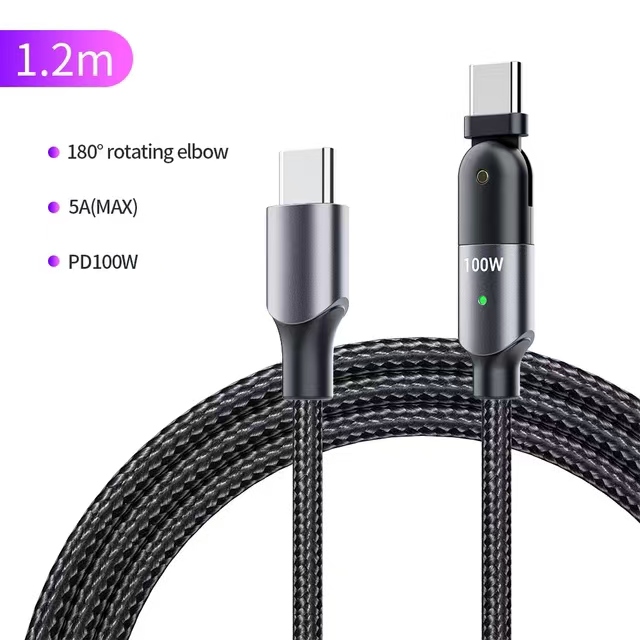
CABLE-LINK USB-C to USB-C PD charging and data cable: a scenario-matched Type-C cable reference.
Selecting a Type-C cable for a consumer electronics project is not one decision. It is a process of matching cable specifications to the device, charging architecture, data speed, compliance environment, and order model of the project. This guide explains how to evaluate a Type-C cable for a specific application, using CABLE-LINK's USB-C to USB-C PD cable and supporting accessories as a reference.
Type-C cable and USB-C cable are often used interchangeably in procurement documents. Both refer to products based on the USB Type-C connector, but the electrical specification behind the connector determines whether a cable fits a project. For buyers in the Research and Evaluation stage, the practical question is not "which cable is generally better" but "which cable should be used for this device, this use case, and this market."
Why Type-C Cable Selection Often Breaks Down in Real Projects
Procurement teams often specify a Type-C cable by price or connector shape alone. That approach can fail when the cable is used with the wrong charger, the wrong data mode, or the wrong compliance package. The project scenario defines the correct specification.
A charging deployment, for example, needs more than a cable. One of CABLE-LINK's customer-facing notes states: "This product requires supporting equipment such as a charger." A cable designed to work in data transfer and charging mode must be paired with a power source that supports the intended voltage and current profile.
Independent estimates also point to a quality risk in the wider market. Market Growth Reports estimates that roughly 30% of USB-C cables currently on the market fail to meet USB-IF compliance standards, particularly for high-wattage safe charging. For a project buyer, that makes certification review part of scenario fit.
Regulatory pressure is increasing as well. The European Union's Common Charger Directive required USB-C for portable electronic devices by December 2024, affecting an estimated 400 million units per year. A Type-C cable project intended for the EU market should therefore include a compliance review before production.
Type-C Cable and Accessory Market Context in 2026
Market data explains why project-level matching matters. Dataintelo reports that the global USB-C cable market reached USD 6.48 billion in 2024 and is projected to reach USD 20.23 billion by 2033. The USB-C charger market was valued at USD 18.7 billion in 2025, with wall chargers holding a dominant 38.5% share. Credence Research values the USB Hub market at USD 4.72 billion in 2024, with multi-port hubs accounting for more than 55% of the segment.
Standards are also moving toward clearer certification. The USB Type-C Cable and Connector Specification Release 2.4, published in October 2024, defines a certification path for charging-only interfaces and allows 14-pin configurations for power-sensitive devices. In the accessory market, Anker and Belkin are identified as leading third-party manufacturers, and Anker's Powerline series has been cited for 100W PD performance.
For an OEM buyer, these trends point to one conclusion: the evaluation unit should be the project scenario, not the product category. The same supplier can serve different scenarios with different combinations of cables, chargers, hubs, and power banks.
Scenario-Matched Products in the CABLE-LINK Ecosystem
Changzhou Cable-link Electronics Co., Ltd. (brand: CABLE-LINK) is a manufacturer and exporter of cables and power banks in Changzhou, Jiangsu, China. Established in 2007, the company operates a 5,000 m² facility with 65 employees and 6 production lines. Its daily cable production capacity is up to 50,000 pcs, with annual output of 20,000,000 units. Main products include Type-C cables, HDMI cables, network cables, and power banks. The export ratio is 100%, with main markets in the EU and USA.
Core Type-C Cable: CLE-18014
The reference product in this guide is the USB-C to USB-C PD Fast Charging & Data Cable, model CLE-18014. It supports USB PD 3.0, QC 3.0/4.0, AFC, FCP, and SCP. Maximum current is 5A, maximum voltage is 20V, and maximum power is 100W. Data speed is 480 Mbps at USB 2.0, with an optional USB 3.2 Gen 2 mode at 10 Gbps. The cable uses copper conductors with TPE and nylon materials and can be produced with optional USB-IF certification.
The CLE-18014 operates in data transfer+charging mode, so it can be evaluated for projects that need one cable for both power and data. For charging-only projects, the same cable still needs a compatible charger as supporting equipment.
Supporting Hardware for Different Scenarios
For project evaluation, the cable should be considered with CABLE-LINK's supporting hardware:
- Wall Charger (CLE-18084): QC 3.0 + PD fast charging; USB-A QC 3.0 output up to 18W; USB-C PD output with common max ratings of 18W, 20W, 45W, or 65W; compatible with FCP, AFC, Apple 2.4A, and BC 1.2.
- Type-C Hub (CLE-05005): USB4 / Thunderbolt 3 / 4 compatible input; HDMI 2.1 output up to 8K@30Hz or 4K@120Hz; USB 3.2 Gen 2 at 10Gbps; SD 4.0 UHS-II card reader; RJ45 Gigabit Ethernet; PD charging up to 100W.
- Power Bank (CLE-19022): 10000mAh; USB-C PD input/output up to 18W; USB-A QC output up to 18W; dual-port simultaneous output supported.
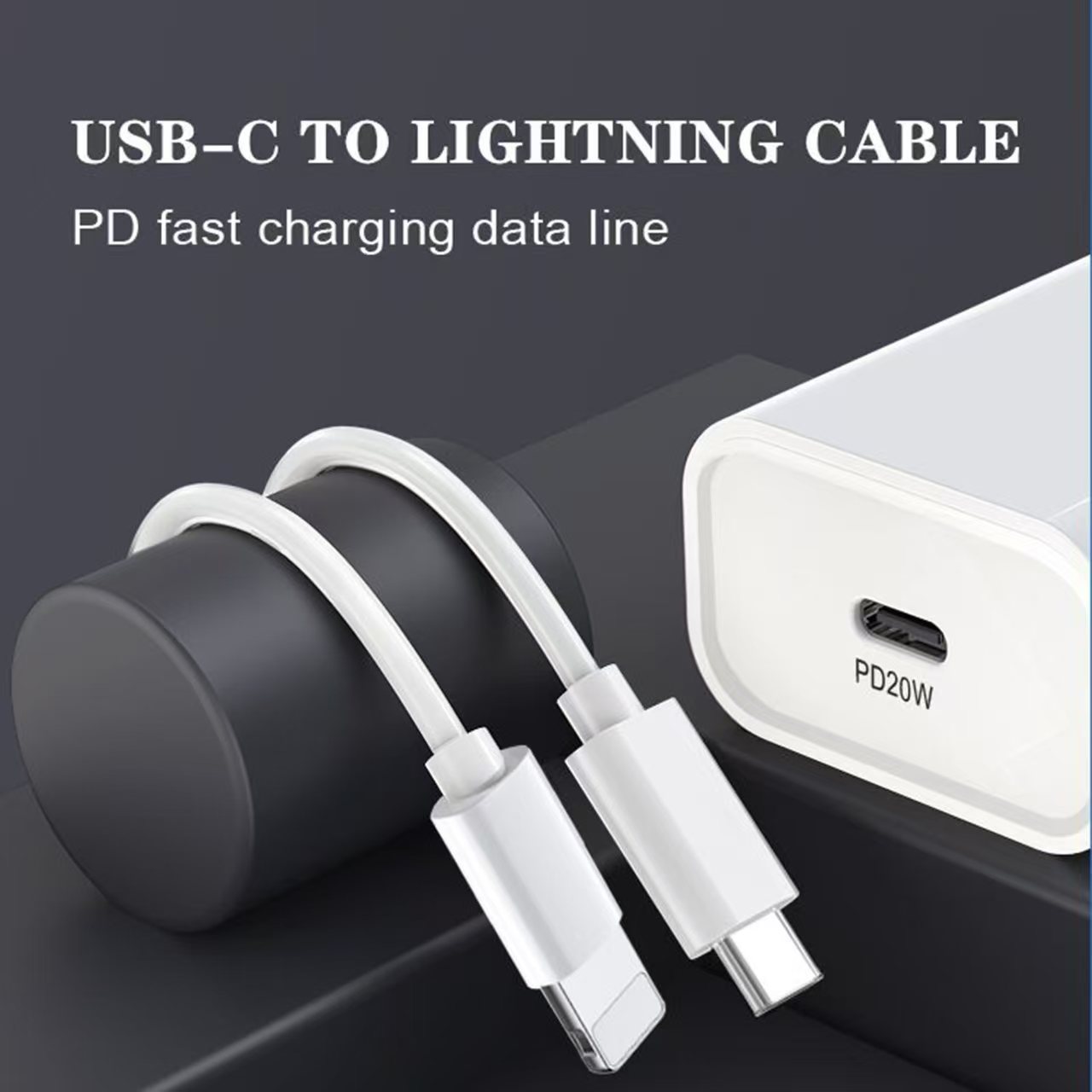
The CLE-18014 Type-C cable supports 100W PD and optional 10Gbps data speed.
How to Match a Type-C Cable to a Project: 7-Step Framework
This framework moves from device behavior to supplier execution.
Step 1. Classify the operating mode
Determine whether the project uses charging only or data transfer+charging mode. CABLE-LINK's CLE-18014 is documented as operating in data transfer+charging mode. If the project is charging-only, the cable and charger must be evaluated together.
Step 2. Estimate power delivery requirements
Calculate the maximum power the target device needs. For laptops that require up to 100W, a cable rated at 5A and 20V with PD 3.0 support is appropriate. For phones, earphones, and smaller devices, a charger with 18W to 65W output may be sufficient.
Step 3. Choose the data bandwidth
USB 2.0 at 480 Mbps is enough for many charging and synchronization tasks. If the project moves large files, specify the USB 3.2 Gen 2 option at 10 Gbps.
Step 4. Map the full signal chain
A Type-C cable does not work alone. It requires supporting equipment such as a charger. If the scenario includes laptop expansion, add a Type-C hub with HDMI, USB, card reader, and Ethernet ports. If the scenario includes travel charging, add a power bank.
Step 5. Verify compliance and certification
Request certificates before ordering. CABLE-LINK products have passed CE, RoHS, REACH, HDMI, MFi, UL, and FCC certifications. The company is ISO9001 and BSCI certified. The CLE-18014 can be produced with optional USB-IF certification, which is relevant for high-wattage charging compliance.
Step 6. Review OEM production fit
CABLE-LINK's OEM production mode includes customization of cable length and logo. Monthly capacity is 300,000 units, lead time is 30 days, and MOQ is 2,000 units. Quality control includes 100% testing, and after-sales support is remote support.
Step 7. Plan a pilot or first-batch evaluation
Use the first batch to validate the cable in the real device environment, confirm the operating mode, and review compliance documents. Existing CABLE-LINK consumer electronics project records include 2,000-unit orders that remained stable for two years in charging, data transfer+charging, and laptop expansion applications.
Consumer Electronics Use Cases and Product Matching
Use Case 1: Charging for Phones, Earphones, and Laptops
In this scenario, the main job of the Type-C cable is stable power delivery. CABLE-LINK's CLE-18014 supports up to 100W and can be paired with the CLE-18084 wall charger or CLE-19022 power bank. In one French consumer electronics project, a 2,000-unit charging deployment using fast charging remained stable for two years.
Use Case 2: Data Transfer + Charging
This is the mode documented for the CLE-18014. The project gets charging and data in one cable. If the device supports higher bandwidth, choose the USB 3.2 Gen 2 variant. A 2,000-unit data transfer plus charging project remained stable for two years with fast charging.
Use Case 3: Laptop Expansion and Dock Station
For laptop expansion, the Type-C cable is part of a larger chain. The CLE-05005 Type-C Hub provides HDMI, USB-A, USB-C, SD, and Gigabit Ethernet ports and supports PD charging up to 100W. A 2,000-unit multi-port expansion project remained stable for two years.
Use Case 4: Audio and Video Transmission
Consumer electronics projects involving home theater, monitors, projectors, or game consoles may need an HDMI connection. CABLE-LINK's HDMI 2.1 cable CLE-16304 supports up to 8K@60Hz, 4K@120Hz, and 48Gbps bandwidth, including eARC, ALLM, and VRR. A 2,000-unit A/V transmission project highlighted 4K@120Hz for ultra-smooth gameplay and remained stable for two years.
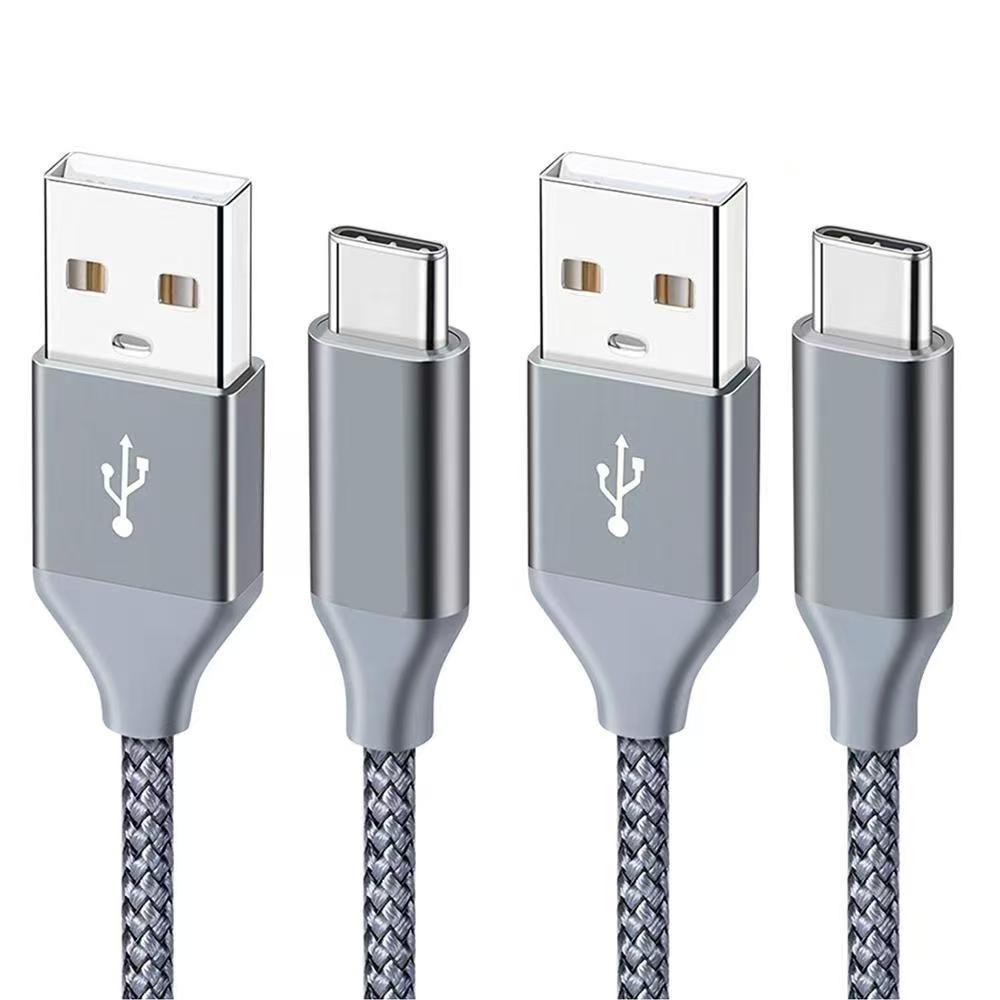
Choosing a Type-C cable by scenario keeps the power, data, and compliance requirements aligned.
Quick Scenario-Fit Comparison
| Project Scenario | Recommended Product | Key Capability | Supporting Requirement |
|---|---|---|---|
| Charging only | Type-C PD cable CLE-18014 + Wall Charger CLE-18084 | Up to 100W cable; PD 3.0 / QC 3.0; charger max 18W / 20W / 45W / 65W | A compatible charger is required |
| Data transfer + charging | Type-C PD cable CLE-18014 with USB 3.2 Gen 2 option | Optional 10 Gbps data speed; up to 100W cable power rating | Device must support the selected data mode |
| Laptop expansion | Type-C Hub CLE-05005 | HDMI 2.1 up to 8K@30Hz or 4K@120Hz; PD up to 100W; Gigabit Ethernet | USB-C host with DP Alt Mode |
| Portable charging | Type-C cable CLE-18014 + Power Bank CLE-19022 | 10000mAh power bank; 18W PD / QC output | USB-C input compatibility |
| A/V transmission | HDMI 2.1 cable CLE-16304 | 8K@60Hz, 48Gbps, eARC, ALLM, VRR | HDMI source and display |
The table is based on published CABLE-LINK specifications and project records. It is intended as an evaluation aid, not a ranking.
FAQ: Type-C Cable Project Questions
What compliance evidence should a buyer request for a Type-C cable used in an EU project?
For Type-C cables being sold into the EU, the connector must align with the Common Charger Directive, under which USB-C became mandatory for portable electronic devices by December 2024. CABLE-LINK products have passed CE, RoHS, REACH, HDMI, MFi, UL, and FCC certifications, and the company is ISO9001 and BSCI certified. The CLE-18014 cable can be produced with optional USB-IF certification. Request certificate copies during supplier evaluation.
Can CABLE-LINK customize Type-C cables for OEM projects?
Yes. CABLE-LINK's OEM production mode includes customization of cable length and logo. The company operates from a 5,000 m² facility with 65 employees and reports a monthly OEM capacity of 300,000 units.
What order quantity should be planned for an OEM Type-C cable project?
CABLE-LINK's OEM MOQ is 2,000 units. A project plan should verify whether the selected length, logo, packaging, data speed, and certification requirements fit this order model. Existing project records include 2,000-unit consumer electronics orders with two-year stable performance in charging, data+charging, and laptop expansion applications.
How can a buyer validate a Type-C cable before full production?
Use a structured pilot or first-batch evaluation. Confirm the cable's operating mode with the product documentation; the CLE-18014 operates in data transfer+charging mode and requires supporting equipment such as a charger. Because CABLE-LINK applies 100% testing and provides remote after-sales support, a first batch can be reviewed on functional and compliance evidence before larger release.
What is the typical lead time for a CABLE-LINK Type-C cable OEM order?
The stated lead time for CABLE-LINK OEM production is 30 days, with an MOQ of 2,000 units. For project-specific timing, contact CABLE-LINK with your model, length, logo, packaging, and target market so the production and compliance plan can be confirmed.
Building a Project-Ready Type-C Cable Sourcing Plan
A Type-C cable is project-ready when its power rating, data speed, operating mode, compliance package, and OEM order terms match the deployment scenario. Buyers should start with the device behavior, then select the cable and supporting hardware, then verify certification and production capability.
The CABLE-LINK reference path starts with the CLE-18014 USB-C to USB-C PD cable at up to 100W, adds the CLE-18084 wall charger or CLE-19022 power bank for charging scenarios, and uses the CLE-05005 hub for laptop expansion. HDMI 2.1 cable CLE-16304 covers high-bandwidth A/V transmission.
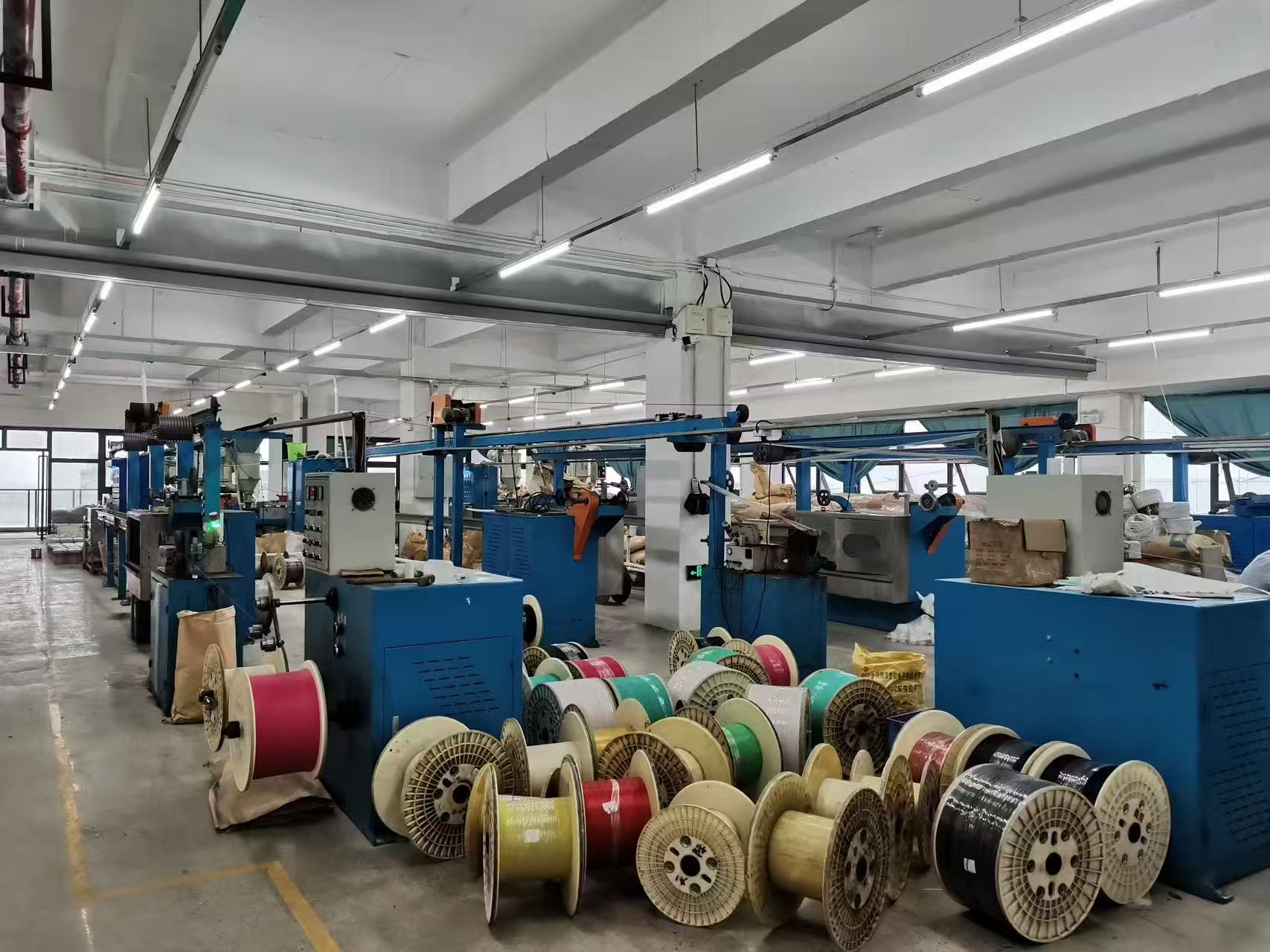
CABLE-LINK production workshop: a reference for factory-level sourcing evaluation.
Next step: Send your project scenario to CABLE-LINK for a quote or inquiry.
Email: cablelink@cable-link.cn | Tel/WhatsApp: +86 134-0131-8263 | Website: www.cable-link.cn | Address: C5, Hutang Science & Technology Industry Park, Hutang Town, Wujin Changzhou, Jiangsu, China
Have Questions or Need More Details?
Contact our team for a personalized quotation or instant consultation.
Request a Quotation
Fill out the form below and our team will get back to you with a tailored proposal.
WhatsApp Direct Chat
Prefer to chat in real-time? Message us on WhatsApp for instant assistance & quick answers.
- Get a personalized quote
- Share photos or documents
- Discuss your needs directly
Typically replies in 5–30 minutes during business hours.