Choose the Right Label Printing Machine for Your Project: CAISHENG Guide
Choose the Right Label Printing Machine for Your Project: A CAISHENG Application Guide
Selecting the correct label printing machine for a specific production project is a critical decision that directly affects efficiency, product quality, and long-term operational costs. With the global label printing machines market projected to grow from USD 8.58 billion in 2025 to USD 14.36 billion by 2034 (The Insight Partners), buyers in the research and evaluation stage need a clear framework to match machine capabilities with real-world application requirements. This guide examines how Shenzhen Caisheng Printing Machinery Co., Ltd.—a leading label printing equipment manufacturer established in 2011 with a 6,000 m² factory and 65 employees—provides tailored solutions for diverse label production scenarios.
Understanding the Challenge: Matching Machine to Project
Label converters often face a common problem: choosing between intermittent, full-rotary, or hybrid press technologies while accommodating different substrate types, color counts, finishing processes, and speed requirements. Without a structured approach, buyers risk underutilized equipment or compromised print quality. The key is to align the press's technical specifications with the project's specific needs—such as label size variation, run length, and required embellishments.
Industry Background: The Rise of Multi-Process Label Printing
Flexographic printing remains the dominant label technology, valued at approximately USD 13.3 billion globally (Smithers, 2024). However, letterpress and hybrid systems are gaining traction for high-quality, short-run labels. Asia-Pacific held a 41.8% revenue share of the label printing machines market in 2025 (Data Bridge Market Research), making Chinese manufacturers like CAISHENG key players. The industry increasingly demands machines that combine multiple functions—printing, die-cutting, lamination, varnishing—on a single platform to reduce handling and waste.
CAISHENG’s One-Stop Solution Philosophy
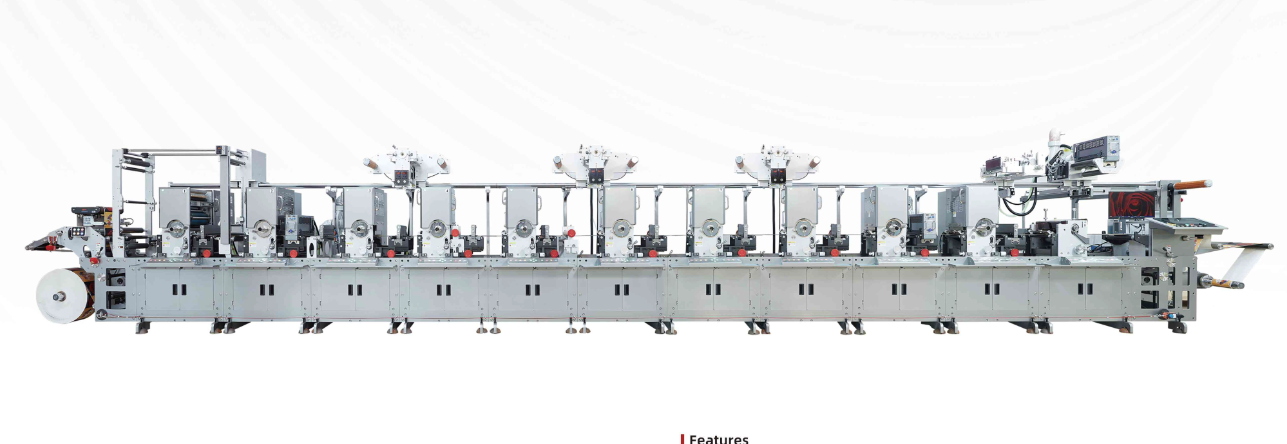
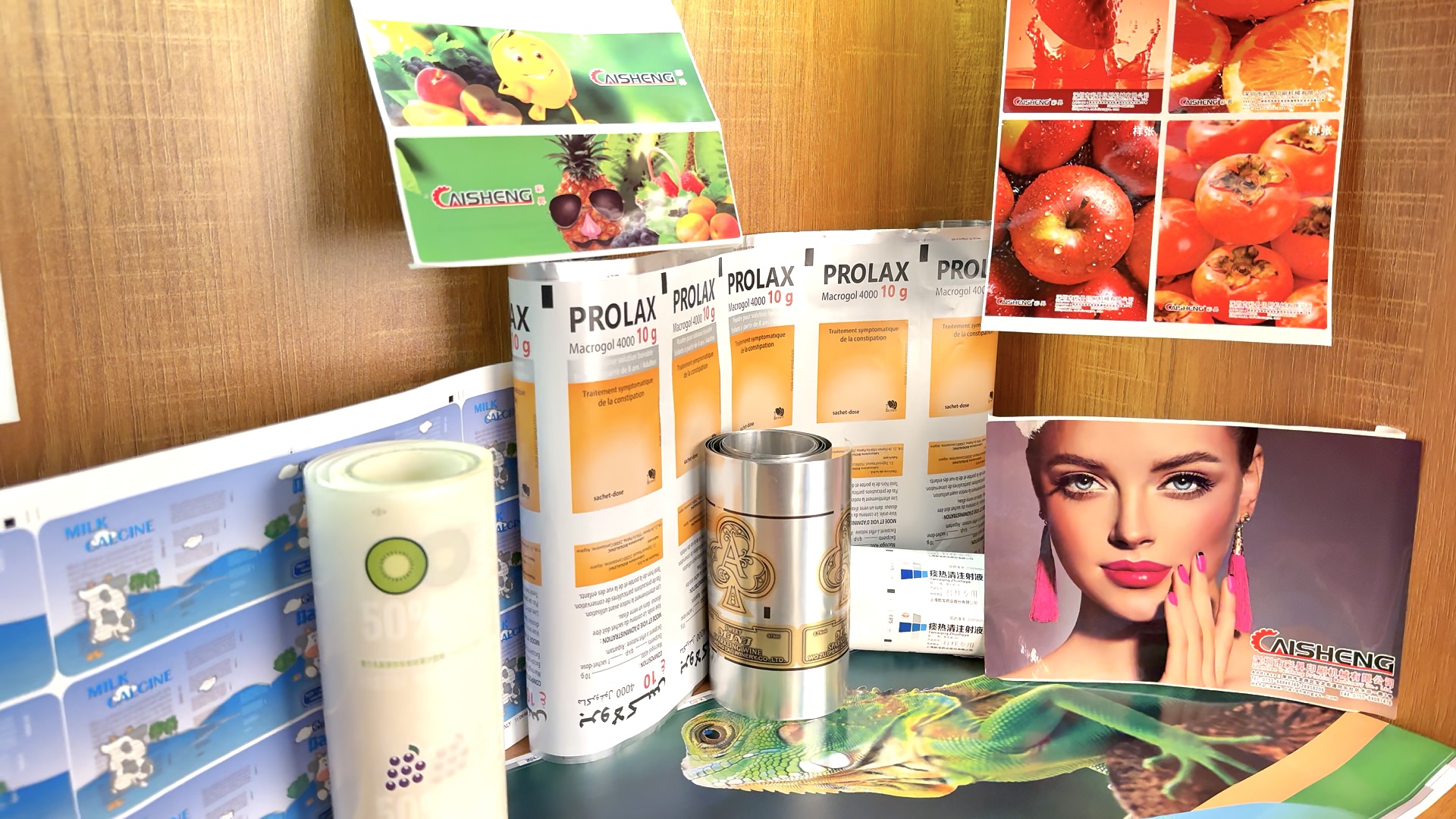
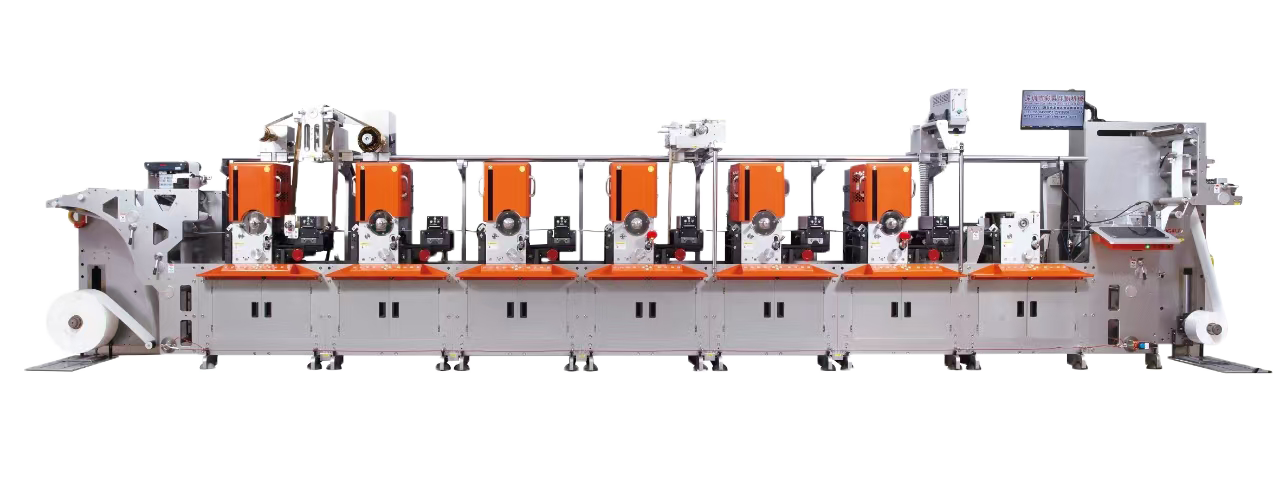
CAISHENG specializes in intermittent and full-rotary letterpress and flexo label printing machines. The company's product line includes the high-speed rotary label press (CS-JQ350G-6C), semi-rotary label printing machine (CS-320-6C), full-rotary flexo press (CS-Q370F-8C), and complementary finishing equipment such as the high-speed die-cutting machine (CS-350) and high-speed corona oil integrated machine (CS-Q380V). According to the company’s application scenario data, these machines provide a one-stop solution for adhesive label printing technology issues, assisting printing factories in completing printing on one machine using multiple processes to produce finished products in one go. This is especially suitable for self-adhesive labels in daily chemicals, wristbands, wine labels, food, cosmetics, and pharmaceuticals.
Step-by-Step Selection Framework for Your Project
- Define your typical label dimensions and volume. For short runs with frequent size changes, an intermittent press (e.g., CS-320-6C) offers up to 40 m/min with quick setup. For high-volume, consistent-size labels, a full-rotary press (e.g., CS-JQ350G-6C) reaches 158 m/min.
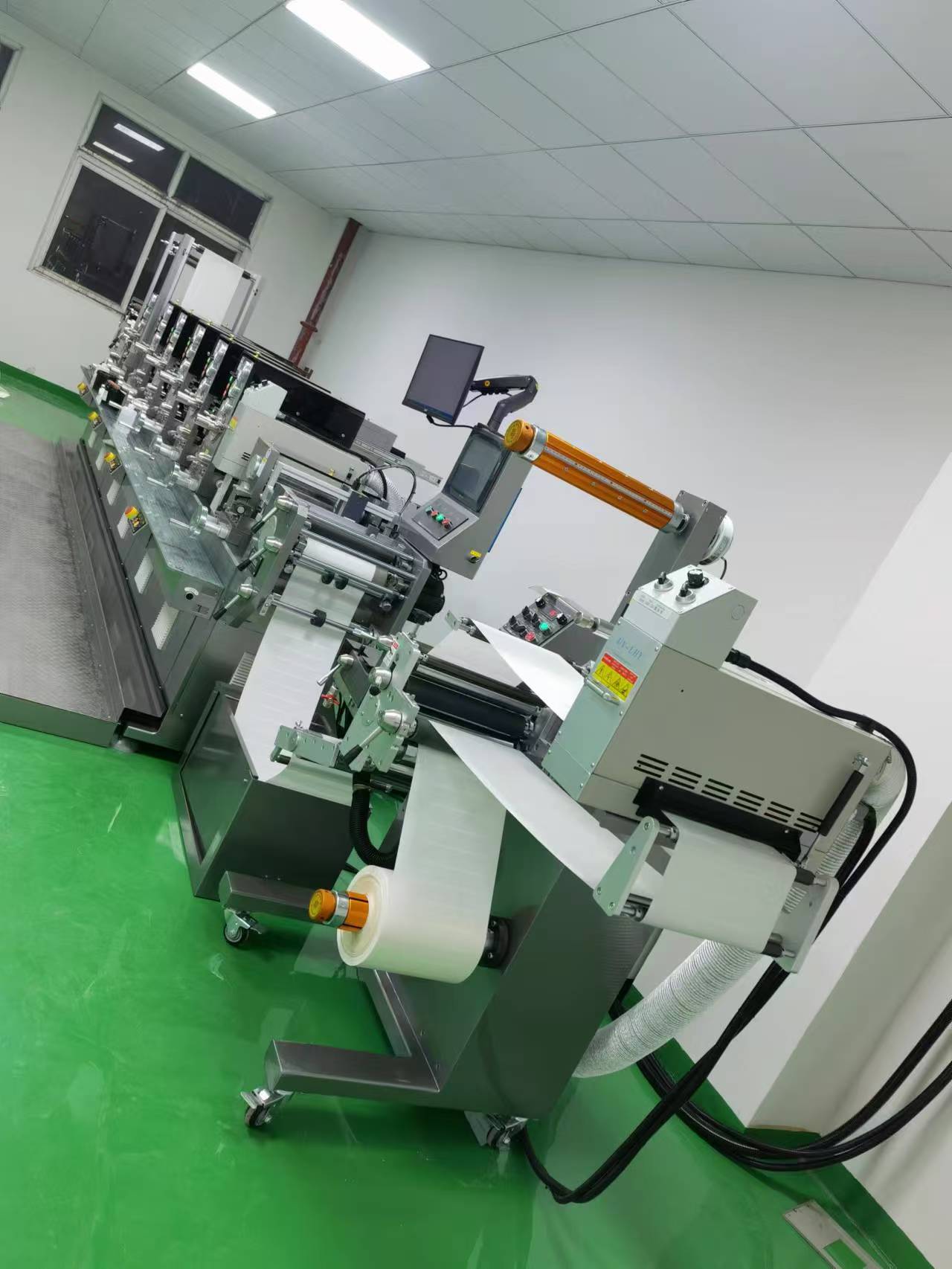
- Identify required processes. CAISHENG machines support multiple modules: glue-side printing, cold/hot foil stamping, lamination, offline/online UV varnishing, flatbed or rotary die-cutting, slitting, and sheet cutting. The CS-300-6C rotation label machine, for instance, can integrate up to six colors with multiple finishing stations.
- Consider web width and format. Models range from 220 mm (CS-220-4C) to 370 mm (CS-Q370F-8C). Choose a web width that accommodates your maximum label width with minimal waste.
- Evaluate registration accuracy and speed. CAISHENG’s servo-driven systems ensure stable registration. The CS-320-6C delivered “superior printing precision, stable production performance, and flexible process expansion” according to a case client.
- Plan for future expansion. Select a machine that allows adding modules later—CAISHENG offers customization of color stamping frames, corona treatment, and screen printing units.
Real-World Use Cases
Case 1: Asian Trademark Design & Printing Company (Taiwan)
This renowned company purchased a CS-320-6C semi-rotary label printing machine to meet high-quality label demands. After two years, the client fully recognized the machine's superior printing precision, stable production performance, and flexible process expansion capabilities.
Case 2: R.R. Donnelley & Sons (RRD), USA
RRD, a global commercial printing and packaging solutions leader, deployed a CS-300-5C self-adhesive label press. Over three years, the equipment delivered stable registration accuracy, excellent print quality, and reliable performance, leading to improved production efficiency and a long-term cooperative relationship.
Comparing Key CAISHENG Label Press Models
| Model | Type | Max Web Width | Max Print Speed | Max Print Area (Full Rotary) | Power (Main + UV) |
|---|---|---|---|---|---|
| CS-220-4C | Intermittent letterpress | 240 mm | 40 m/min | 220×245 mm | 8.4 + 3.7 kW |
| CS-320-6C | Intermittent letterpress | 320 mm | 40 m/min | 320×326 mm | 27 kW (incl. UV) |
| CS-JQ350G-6C | Intermittent & Full Rotary | 350 mm | 60/158 m/min | 350×419 mm | 22 + 7.8 kW |
| CS-Q370F-6C | Full Rotary Flexo | 370 mm | 150 m/min | 370×600 mm | 25 kW (excl. UV) |
Frequently Asked Questions
Q1: Do CAISHENG label printing machines comply with EU safety standards?
A: Machinery sold in the EU must comply with the Machinery Directive 2006/42/EC and carry CE marking, with safety signs following EN ISO 7010. CAISHENG can provide CE-certified machines upon request to meet these requirements.
Q2: Can I customize the machine with additional processes like screen printing or hot foil stamping?
A: Yes. CAISHENG offers a wide range of customization options, including color stamping, glue-side printing, cold foil stamping, lamination, offline/online UV varnishing, flatbed die-cutting, rotary die-cutting, sheet cutting, slitting, corona treatment, dust cleaning, static elimination, full-rotary screen printing, hot foil stamping, and embossing. Each project receives one-to-one custom design for size, process, and function.
Q3: What is the typical investment range for a CAISHENG label printing machine?
A: Pricing varies by model, configuration, and optional modules. Because each machine is individually configured, it is best to request a quote with your specific process requirements. CAISHENG works with buyers to match budget constraints while meeting production goals.
Q4: Can CAISHENG provide samples of labels printed on their machines?
A: Yes. CAISHENG can share printed label samples or arrange virtual demos to demonstrate print quality and process capabilities for the specific label types you produce.
Q5: What is the lead time for a standard label printing machine?
A: Lead time is typically 45 to 60 days, depending on configuration complexity and current production load. Monthly production capacity is 18 units. The minimum order quantity is 1 unit, and each machine undergoes 100% test before shipment. For a precise delivery timeline tailored to your project, we recommend contacting the sales team directly.
To get a customized machine quotation or schedule a product demonstration, please reach out to CAISHENG via email at alice.zhou@caishengmachinery.com or WhatsApp at +86 133-1087-8219. You can also download the company brochure for detailed specifications: Download Brochure.
Conclusion
Matching a label printing machine to your project requires careful evaluation of label dimensions, print processes, speed, and future flexibility. CAISHENG offers a comprehensive range of intermittent and full-rotary letterpress, flexo, and finishing equipment designed to consolidate multiple production steps on one platform. With real-world validation from clients like RRD and a Taiwanese design-printing company, and a commitment to customization and quality control, CAISHENG provides a reliable partner for label converters worldwide. Start your selection process by defining your production scenario and consulting with CAISHENG’s technical team to identify the optimal machine configuration.