Rebar Coupler Sourcing at Scale: Evaluating Manufacturers for Repeat Orders
Rebar Coupler Sourcing at Scale: A Practical Guide for Repeat Buyers and Distributors
Rebar coupler sourcing changes when a project becomes a program. For buyers moving from a single shipment to repeat orders, the real question is no longer 'can you make this product' but 'can you keep making it reliably, on time, and with consistent quality.' This guide explains how to evaluate a rebar coupler manufacturer for long-term supply, using CANGZHOU BARTECH CONSTRUCTION MATERIAL CO., LTD. as a worked example.
Cangzhou Bartech is a Chinese manufacturer of rebar couplers, rebar threading machines, upsetting machines, and related installation tools. Since 2008, the company has exported these products to markets in Asia, the Middle East, and South America. For procurement teams in the decision or execution stage, its operating data and documented processes offer a practical baseline for supplier assessment.
Why Repeat Orders Change the Supplier Evaluation
The main risk in scaling rebar coupler purchases is not unit price. It is supply stability. A supplier with limited capacity may deliver excellent samples but struggle with monthly volumes. A supplier without clear document control may pass a pre-shipment inspection but create confusion on site when thread dimensions vary.
Problems become visible during execution because reinforcement connection sits on the critical path of structural work. If couplers arrive late or do not match the threading machine settings, concrete placement schedules shift. Therefore, a repeat-order evaluation should focus on capacity, quality control, customization flexibility, and commercial terms.
Industry Background: The Case for Structured Supplier Selection
The rebar coupler market is expanding. According to Dataintelo, the global rebar coupler market was valued at USD 1.82 billion in 2025 and is projected to reach USD 3.47 billion by 2034, with a CAGR of 7.4%. Building construction accounts for the largest application share at 47.6%, while Asia Pacific contributes about 41.3% of global revenue.
At the same time, mechanical rebar splices are commonly specified in relation to ISO 15835, ASTM A615, and BS 8110, with Eurocode 2 often replacing BS 8110 in European projects. Buyers therefore need suppliers that maintain traceable documentation, not just product availability.
Detailed Solution: What a Long-Term Rebar Coupler Supplier Should Provide
A manufacturer suitable for repeat orders can be assessed in four areas: production capacity, product range, quality assurance, and procurement flexibility.
Production Capacity and Lead Time
Cangzhou Bartech reports a monthly production capacity of 300,000 units. The company's annual output reaches 3.6 million units, and typical production lead time is 7 to 30 days depending on order quantity. For stock couplers, there is no minimum order quantity. These figures matter for buyers who need to plan deliveries over several project phases.
Product Range and Materials
The coupler range covers sizes from 16 mm to 40 mm and includes rolling rebar couplers, upsetting rebar couplers, pressing rebar couplers, and one-touch quick connection couplers. Production technologies include parallel thread rolling, parallel thread upsetting, and cold pressing. Materials vary by type: carbon steel 45#, alloy steel 40Cr, and carbon steel Q355B for pressing couplers. Across the range, outer diameters run from 24 mm to 59 mm depending on model.
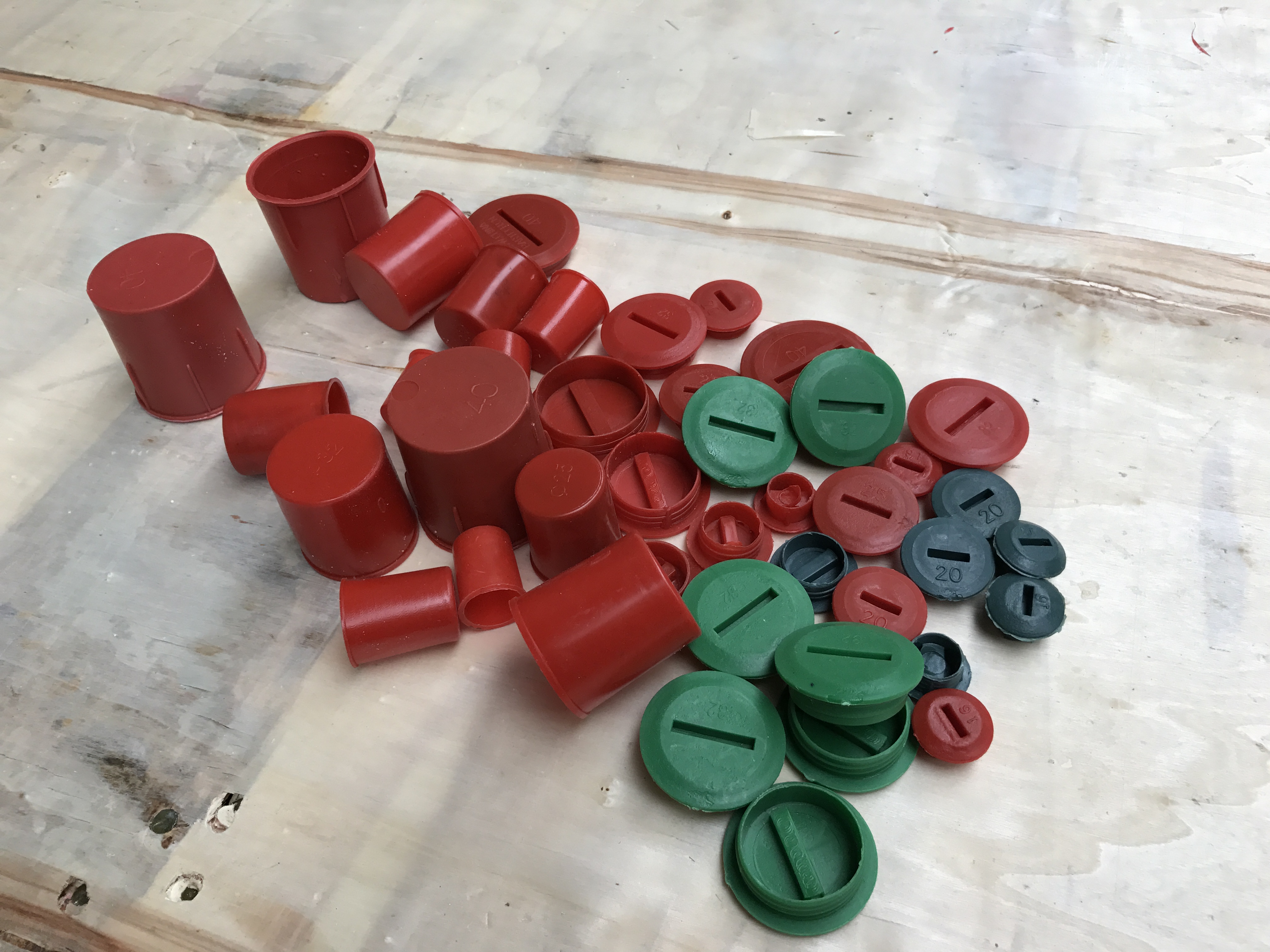
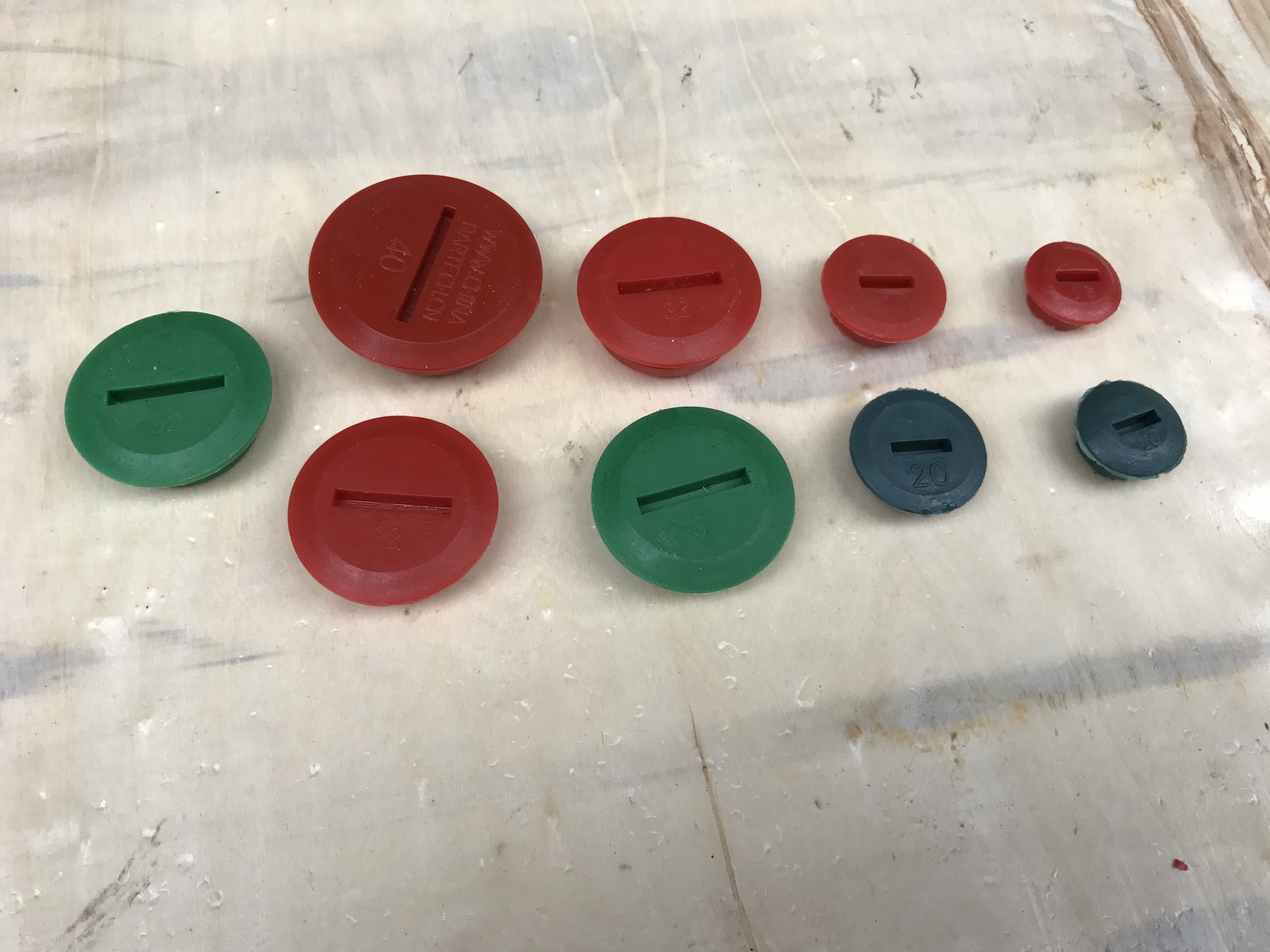
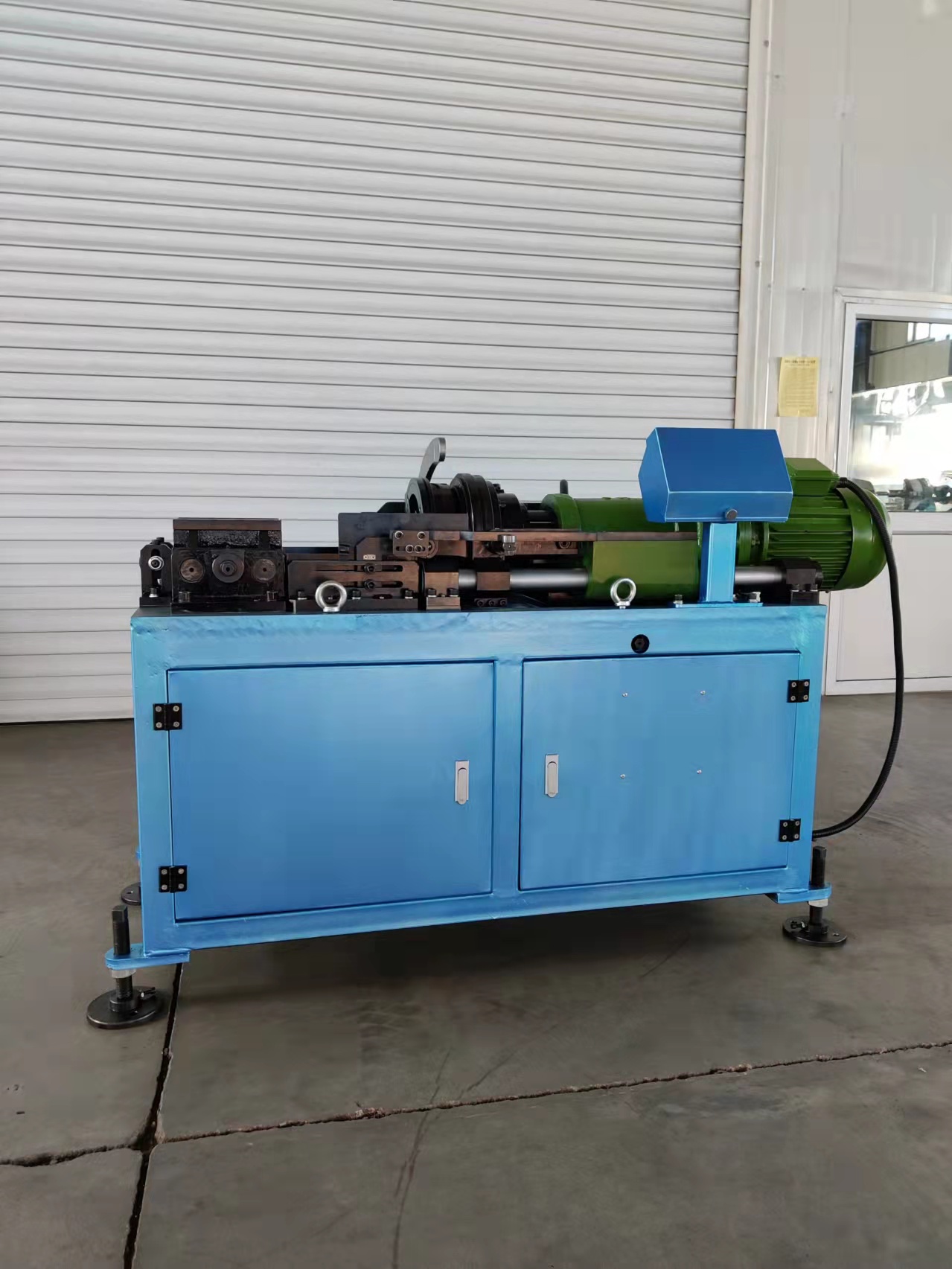
The product ecosystem also includes supporting equipment: rebar threading machines (CBT40A, CBT40L, 40MO, 40AO), upsetting machines (36S, 50S), a thread cutting machine (MQ40), a rebar coupler pressing machine (CBT32), and electric torque wrenches (BOC 8-32, BOC 8-42). Protective caps are available to keep threads clean during transportation and on-site storage.
Quality Control and Testing
The manufacturer applies a three-stage quality control process: material test reports, 10% in-line production testing, and 100% final appearance inspection. Pre-shipment testing is offered as part of the acceptance process. For repeat buyers, this creates a documented basis for accepting batches and resolving disputes quickly.
Customization, OEM, and After-Sales Support
Customization is available for coupler outer diameter, inner diameter, and thread. OEM production is also offered, which is useful for distributors who want to integrate couplers into their own brand or project specification. After-sales support includes online technical assistance.
Commercial Terms That Support Scaling
Payment terms are structured around production milestones: 30% TT prepayment to confirm the order, and 70% by TT after the goods are ready, before shipment. Delivery terms include FOB and CIF. Because stock couplers carry no MOQ, a buyer can place a small validation order first and then scale after verifying product quality and delivery performance.
Managing Installation Risk on Site
A common installation problem is improper centering: if the rebar ends are not threaded correctly, they may not meet inside the coupler. The control method is to thread each rebar end to the correct length and wrench the two ends together inside the coupler. To support this, Cangzhou Bartech sends detailed operation documents and provides operation training. For large projects, this training reduces errors and rework.
Step-by-Step: Building a Repeat-Order Rebar Coupler Program
- Define the technical requirement. Determine the rebar diameter, connection type, thread specification, and material grade needed for the project.
- Verify compliance documentation. Check certifications such as CE and ISO9001:2015, and confirm the governing standard for mechanical splices, such as ISO 15835, ASTM A615, or BS 8110/Eurocode 2.
- Request a commercial quotation. Ask for FOB or CIF pricing, payment schedule, and current lead time. Confirm whether the stock size has no MOQ.
- Validate with a small order or pre-shipment test. Because stock couplers have no minimum order quantity, a small order can serve as a quality check before larger commitments.
- Schedule production and testing. Allow 7–30 days for production, with material test reports and 10% in-line testing during the run.
- Prepare site execution. Use the supplier's operation documents and training. Ensure crew members have the electric torque wrench matched to the coupler size.
- Plan after-sales and repeat orders. Use online technical assistance for field questions, and share forecast volumes to reserve production slots.
Supplier Evaluation Checklist for Repeat Orders
- Does the supplier provide production capacity data and typical lead times?
- Can the supplier offer a small validation order with no MOQ?
- Is the product range compatible with your rebar sizes and connection methods?
- Does the supplier provide material test reports, in-line testing, and final inspection?
- Are customization and OEM options available?
- Are payment and delivery terms aligned with your procurement process?
- Does the supplier provide installation documentation and online technical support?
Use Cases: Where Rebar Couplers Fit in Large Projects
According to the company's product documentation, rebar couplers from Cangzhou Bartech are intended for construction projects, high buildings, airport projects, high-railway stations, and large cross-sea bridges. These project types typically involve dense reinforcement, long bar lengths, and tight construction schedules.
In high-rise buildings, mechanical couplers reduce the need for long lap lengths on upper floors. In cross-sea bridges, factory pre-threading and quick installation help maintain the speed of large-diameter bar splicing. Airport projects and high-railway stations often require large volumes of couplers across multiple sections, making consistent batch quality and predictable lead times essential. Buyers in metro and tunnel structures can evaluate the same coupler range for suitability against their project requirements, although specific project validation should be confirmed with the manufacturer.
Comparison Table: Rebar Coupler vs. Traditional Methods
| Factor | Rebar Coupler vs. Lap Tying | Rebar Coupler vs. Welding |
|---|---|---|
| Installation speed | 3–5 times faster than lap tying | 2–4 times faster than welding with factory pre-threading |
| Cost | Lower by 50%–70% | 50% lower worker cost |
| Quality control | Easier quality control; quick installation | Easier quality control; easy installation |
| Weather dependence | — | No weather affection |
| Best for | High-rise buildings, cross-sea bridges, airport construction | High-rise buildings and other projects |
This comparison reflects the manufacturer's process data. It should not be read as a universal guarantee; project conditions, crew skill, and local codes always affect actual results.
FAQ: Rebar Coupler Supply Partnership Questions
Does Cangzhou Bartech hold quality and product certifications relevant to rebar couplers?
Cangzhou Bartech Construction Material Co., Ltd. holds CE certification (Nr.SC-PSC-4-2025-12-14) valid until 2030 and ISO9001:2015 certification (31623Q10713R1S). For project-specific requirements, buyers should also confirm the applicable mechanical splice standard, such as ISO 15835, ASTM A615, or BS 8110/Eurocode 2, before ordering.
What production capacity and customization can Bartech support for long-term rebar coupler supply?
Monthly production capacity is 300,000 units, with typical production lead times of 7–30 days depending on order quantity. Customization is available for coupler outer diameter, inner diameter, and thread, and OEM production is offered. Export markets include Asia, the Middle East, and South America.
What are the minimum order quantity and payment terms for rebar couplers?
For stock couplers, there is no minimum order quantity. Payment terms are typically 30% TT prepayment to confirm the order, with 70% by TT after the goods are ready and before shipment. FOB and CIF delivery terms are available.
Can buyers request samples or small orders before scaling up?
Because stock couplers have no minimum order quantity, buyers can place a small order to evaluate product quality before full-scale procurement. Pre-shipment testing is available as part of the acceptance process. For current sample policy and sample lead time, contact the sales team directly.
What is the typical lead time for repeat rebar coupler orders?
Typical production lead time is 7–30 days depending on quantity, based on a monthly production capacity of 300,000 units. To secure a production slot, buyers should share order forecasts with the manufacturer. Contact sales@chinabartech.cn for scheduling support and future supply planning.
Conclusion
Scaling rebar coupler purchases requires more than finding a low unit price. A manufacturer's production capacity, quality control process, product range, commercial flexibility, and installation support determine whether the relationship can hold across multiple projects. For buyers in the decision or execution stage, the practical approach is to evaluate those dimensions before committing to a long-term supply program.
Cangzhou Bartech provides a reference point: 300,000 units of monthly capacity, three-stage quality control, no MOQ on stock couplers, FOB/CIF terms, and export experience in Asia, the Middle East, and South America. Buyers can use these factors as a checklist when comparing rebar coupler manufacturers for repeat orders.

Ready to evaluate rebar coupler supply for your next project?
Email: sales@chinabartech.cn
Tel/WhatsApp: +86 13785685215
Website: www.chinabartech.cn