
Rebar Couplers Under Real Site Conditions: A Fit Checklist for Contractors
Rebar Couplers Under Real Site Conditions: A Fit Checklist for Contractors
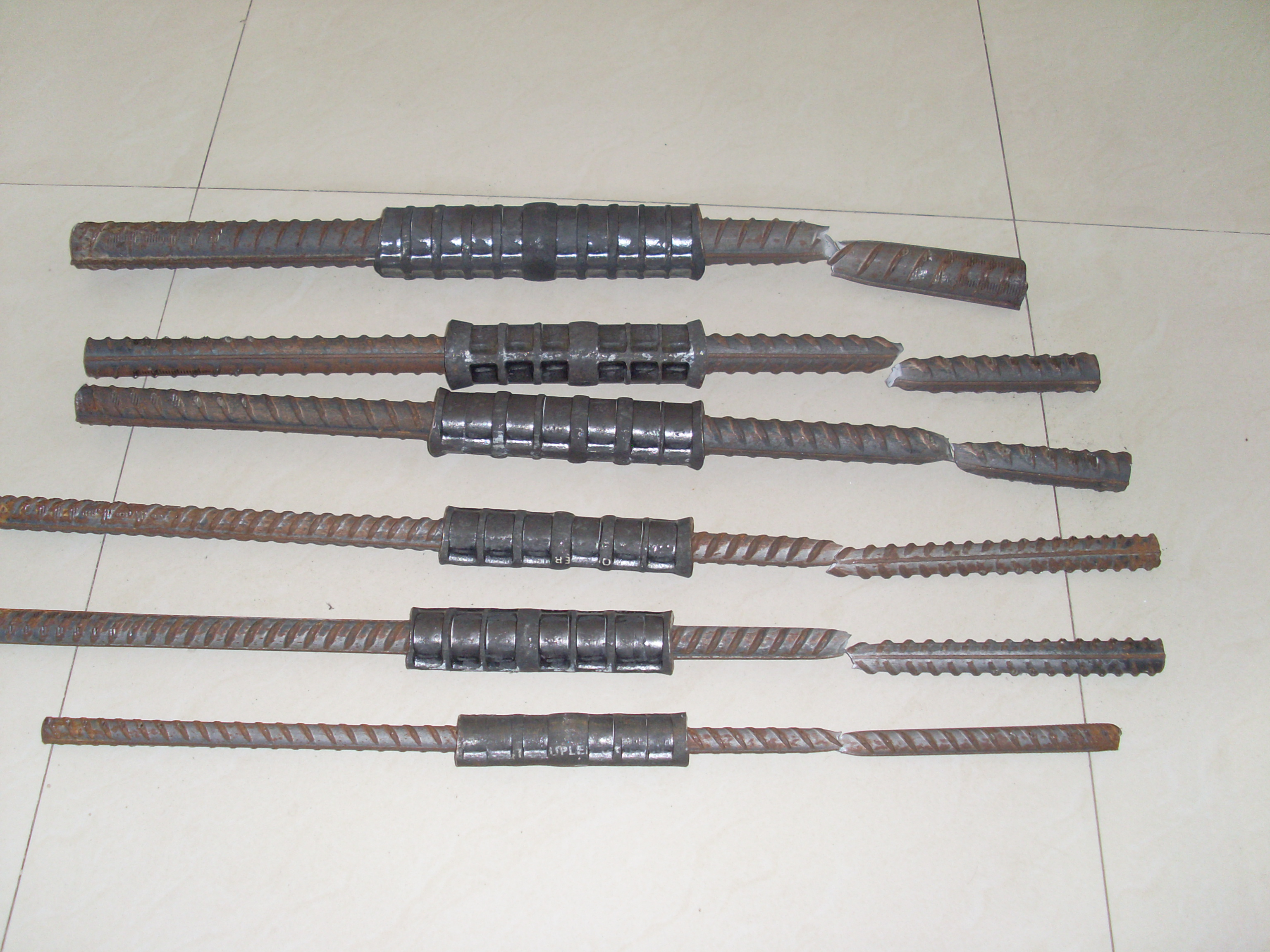
Choosing a rebar coupler is not only about connector dimensions and unit price. For contractors and structural buyers moving from research to evaluation, the critical question is whether a coupler system can perform on a specific jobsite: tropical heat, heavy rain, continuous shifts, high-rise floors, or factory pre-threading. This article provides a condition-based fit checklist for rebar coupler selection, using the product and application data of CANGZHOU BARTECH CONSTRUCTION MATERIAL CO., LTD. to show how connection types, materials, and machines should be matched to project demands.
CANGZHOU BARTECH CONSTRUCTION MATERIAL CO., LTD. (Bartech) is a China-based manufacturer and exporter of rebar couplers and rebar threading machines. Since starting its coupler export business in 2008, the company has supplied markets in Asia, the Middle East, and South America, including Vietnam, Malaysia, Kuwait, Qatar, UAE, Saudi Arabia, and Mexico.
The Problem: Coupler Selection Often Ignores the Jobsite
Many projects select a rebar coupler by looking only at the connector size or the supplier’s standard catalogue. That approach misses how the coupler will actually be installed. Working conditions vary widely: an outdoor super high-rise site in a tropical climate, a high-railway project with large-diameter bars, an indoor threading factory with continuous mass processing, or a rainy construction site where crews need fast connections. Each condition changes the right choice of coupler type, raw material, and installation equipment.
A wrong match creates practical problems. A site that only has a rebar threading machine may not be able to install upset forged couplers, which require an upsetting machine. A cold pressing coupler may be ordered without the corresponding pressing machine. A one-touch coupler may be perfect for dense rebar zones but is not the same as a standard threaded coupler. The result is rework, delayed work, or joints that do not meet structural expectations.
Industry Background: Rebar Couplers Are a Growing, Standard-Driven Market
Rebar couplers have become a standard mechanical splicing solution in modern concrete construction. According to verified market data, the global rebar coupler market was valued at USD 1.82 billion in 2025 and is projected to reach USD 3.47 billion by 2034, with a CAGR of 7.4%. Building construction is the dominant application, accounting for 47.6% of total revenue in 2025, while Asia Pacific contributes approximately 41.3% of global revenue.
Mechanical rebar splices are governed by international standards including ISO 15835, ASTM A615, and BS 8110 (often replaced by Eurocode 2 in the EU). For manufacturers, CE and ISO 9001 certifications are common proof of quality. Bartech holds CE certification (Nr.SC-PSC-4-2025-12-14, valid until 2030) and ISO9001:2015 (31623Q10713R1S).
Detailed Solution: Matching Coupler Types to Project Conditions
The Bartech product range covers four rebar coupler families: rolling (parallel thread), upset forged, cold pressing, and one-touch quick connection. Each type uses a specific material and works with a specific machine or tool. The table below summarises how each type fits different project conditions.
Rolled Thread / Parallel Thread Rebar Coupler
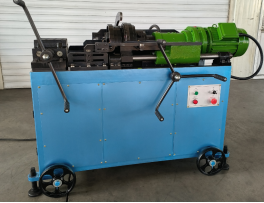
The rolling rebar coupler uses a parallel thread designed for standard rebar sizes from 16mm to 40mm. Its primary material is carbon steel 45#, with alloy steel 40CR as an alternative. This type is commonly used in construction projects such as high buildings, airports, railway stations, and bridges. For tall building projects in outdoor tropical environments, the typical workflow is to thread the rebar ends with a rebar threading machine and then assemble the coupler. Bartech supplies matching machines such as the CBT40L, CBT40A, and 40MO quick-type threading machines.
Upset Forged Rebar Coupler
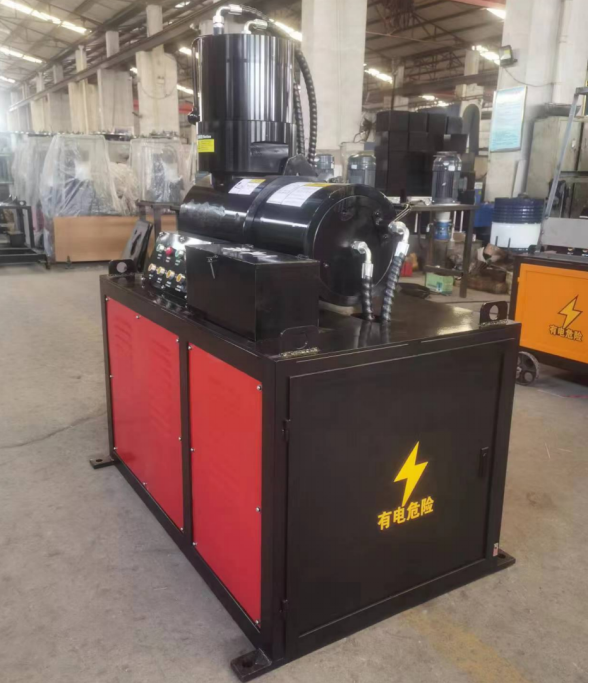
The upsetting rebar coupler increases the bar-end diameter before threading, providing a larger thread area for projects with high load demands. It is made from carbon steel 45# or alloy steel 40CR and covers rebar sizes 16mm to 40mm. This type is especially suitable for high-railway projects and large structural elements. The installation process uses a rebar upsetting machine such as the 36S or 50S, followed by a rebar thread cutting machine such as the MQ40. Bartech supplies these machines as part of a complete connection system.
Cold Extrusion / Cold Pressing Rebar Coupler
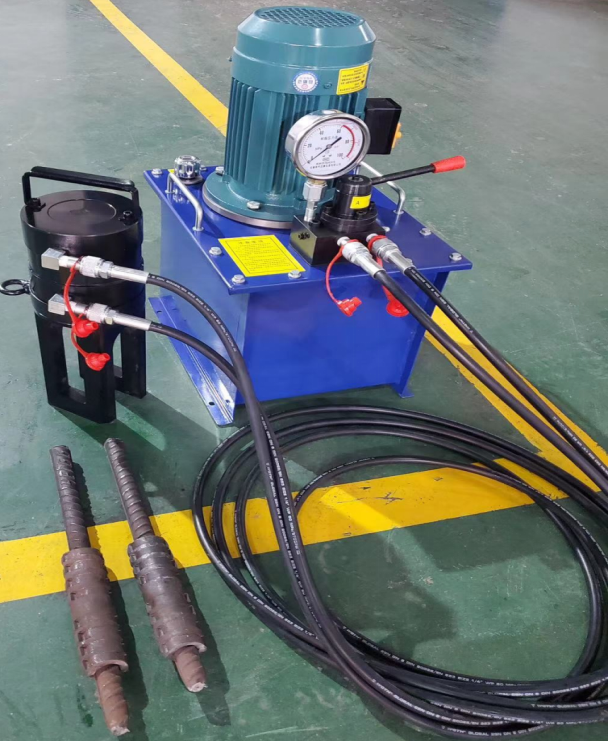
The pressing rebar coupler is manufactured from carbon steel Q355B and is installed by cold pressing. This type suits indoor rebar threading factories and outdoor sites where a fast, reliable pressing process is preferred. The matching CBT32 rebar coupler pressing machine supports rebar sizes from 16mm to 32mm, with a main motor power of 4KW, clamps tension of 50T, and max oil pump pressure of 70MPa. Because the sleeve is pressed directly onto the bar, this system is often chosen for large-volume standard coupler supply and humid tropical sites where consistent quality is critical.
Quick Connection / One-Touch Rebar Coupler
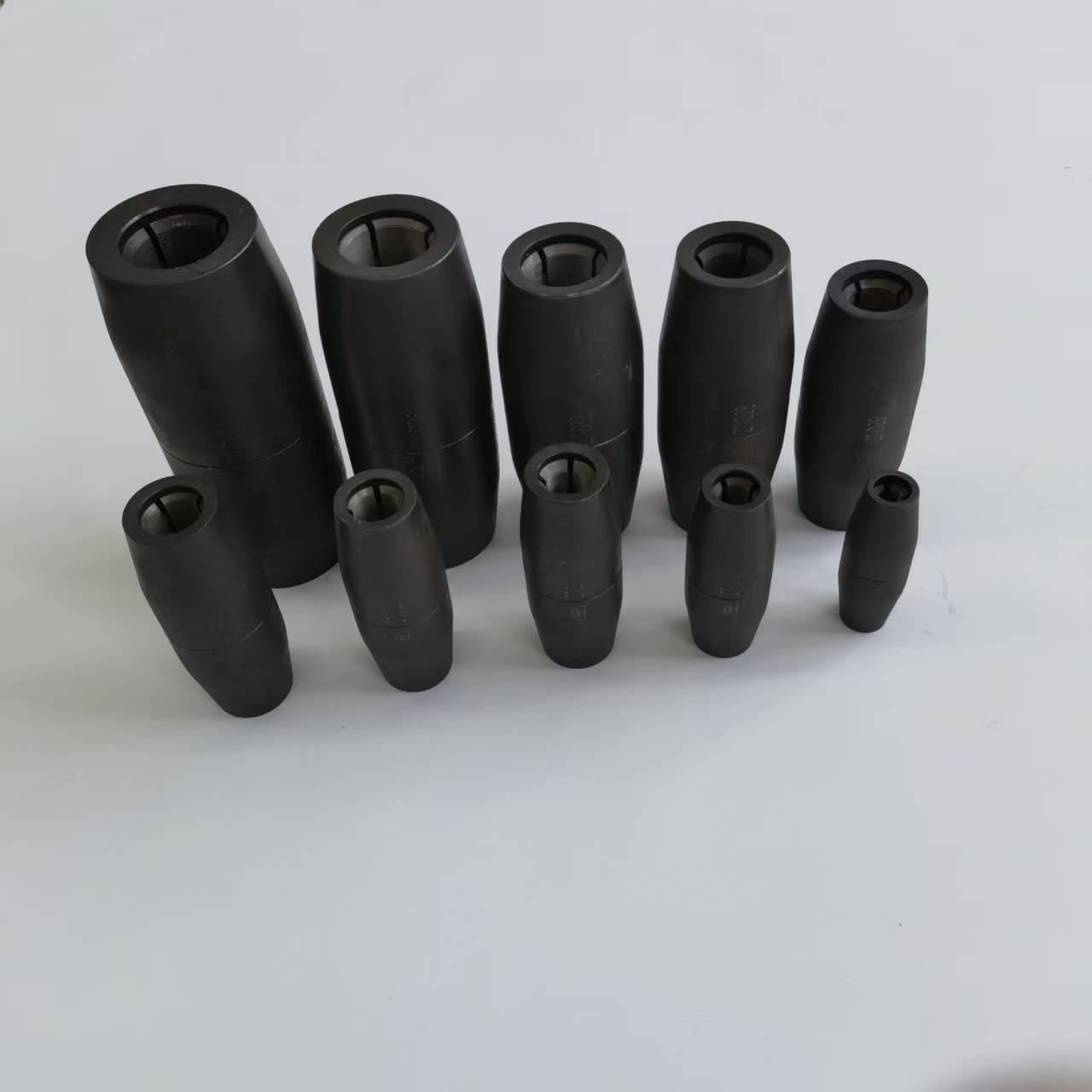
The one-touch rebar coupler is made of alloy steel 40CR and is designed for fast connection on site. Its dimensions range from φ11-16 with an OD of 35mm and length of 100mm, up to φ40 with an OD of 83mm and length of 200mm. It is used in construction projects such as high buildings, hotels, and airway stations. Because it does not require the same threading preparation as standard couplers, it can speed up work in dense rebar zones or when crews need to make connections quickly at height.
Supporting Tools: Electric Torque Wrenches
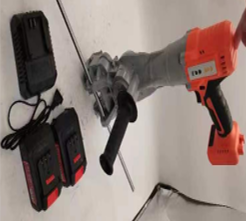
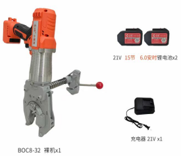
For threaded and one-touch couplers, controlled tightening is important. Bartech offers the BOC 8-42 rebar electric torque wrench, with a max torque value of 400N.M, a 6.0AH 21V battery, and a net weight of 9.5KG. The smaller BOC 8-32 wrench, with a max torque of 350N.M and a net weight of 4.5KG, is available for lighter bar sizes. These tools support fast, consistent installation on construction projects, high buildings, airport projects, high-railway stations, and large bridges.
Step-by-Step Fit Checklist for Contractors
- Define the rebar range. Confirm the rebar diameters and grades used on the project. Bartech couplers cover 16mm to 40mm; upsetting machines support 400 rebar from 16mm to 50mm and 500 rebar from 16mm to 40mm.
- Confirm the applicable standards. Check whether the project requires ISO 15835, ASTM A615, BS 8110, or Eurocode 2 compliance. For many export projects, CE and ISO9001 certificates are mandatory.
- Assess site environment. Is the site outdoor super high-rise with normal tropical temperature and humidity? Outdoor high temperature with a dry climate? Or an indoor factory with continuous mass processing? These conditions affect the choice of machines and coupler type.
- Select the connection process. Choose between threading, upsetting + thread cutting, cold pressing, or one-touch quick connection. Match the process to the available labour and equipment.
- Match machines and tooling. Bartech supplies rebar threading machines, rebar upsetting machines, rebar thread cutting machines, cold pressing machines, and electric torque wrenches. The machine must be available before coupler installation begins.
- Define quality control points. Review the manufacturer’s QC process: material test reports, 10% production testing during production lines, and 100% appearance surface checking.
- Plan supply and delivery. Bartech’s monthly coupler capacity is 300,000 nos. Standard lead time is 7–30 days depending on quantity. Stock couplers have no order minimum, while OEM customization covers coupler outside diameter, inner diameter, and thread.
Use Cases: How Bartech Systems Perform in Real Projects
Tall Buildings in Tropical Climates
For super high-rise buildings in outdoor tropical environments, the common need is threading rebar ends with a rebar threading machine and connecting them with parallel thread or one-touch couplers. This application is found in countries such as the United Arab Emirates, Australia, India, and others. CE and ISO certification are typically required.
New Capital Construction in Egypt
In outdoor high-temperature dry climates, construction relies on rebar mechanical connection systems that include threading machines, rib cutters, rollers, and multiple coupler types. Bartech’s rolling, upsetting, cold pressing, and one-touch couplers can all be supplied for this kind of large-scale infrastructure work.
High Railway Projects in Mexico
High railway construction often requires upsetting, thread cutting, and assembly of rebar couplers for reliable connection. Bartech supplies rebar upsetting machines, thread cutting machines, and couplers that match this workflow, with CE and ISO certification.
Construction Projects in Vietnam
Outdoor tropical construction sites with high humidity and rainy climate require durable equipment and stable coupler performance. In high buildings, hotels, and airway stations, the process involves threading rebar ends by machine and connecting them with couplers using an electric torque wrench. Bartech has supplied this combination for projects where long-term use is expected.
Rebar Threading Factory in Qatar
In an indoor factory environment with continuous mass processing, the priority is long-life rib cutters, rollers, strong shafts, and reliable machines. Cold pressing couplers and one-touch couplers are practical choices for pre-threading and preparing rebar connections at scale.
Repeat Orders from Kuwait and Vietnam
A construction enterprise in Kuwait purchases approximately 400,000 pieces of rebar couplers per year for outdoor construction work. The reported result is higher strength, stable quality, and good operation, with easy connection as a key highlight. In Vietnam, an automotive OEM uses approximately 500,000 pieces per year for tall building and railway station construction, reporting stable operation, high strength, good quality, clear outer surface, and strict thread.
Comparison Table: Rebar Coupler Types and Project Fit
| Coupler Type | Material | Common Size Range | Required Equipment | Typical Project Fit |
|---|---|---|---|---|
| Rolled / Parallel Thread | Carbon steel 45# / Alloy steel 40CR | 16–40mm | Rebar threading machine (CBT40L, CBT40A, 40MO) | High buildings, airports, railway stations, bridges |
| Upset Forged | Carbon steel 45# / Alloy steel 40CR | 16–40mm | Rebar upsetting machine (36S/50S) + thread cutting machine (MQ40) | High railway, heavy-load structural joints |
| Cold Pressing | Carbon steel Q355B | 16–40mm (machine supports 16–32mm) | Rebar coupler pressing machine (CBT32) | Factory pre-threading, fast installation, humid tropical sites |
| One-Touch Quick Connection | Alloy steel 40CR | φ11-16 up to φ40 | Rebar electric torque wrench (BOC 8-42 / BOC 8-32) | Dense rebar zones, high-rise floors, fast on-site connection |
FAQ
What compliance and standards should a rebar coupler meet for global construction projects?
Mechanical rebar splices are typically governed by standards such as ISO 15835, ASTM A615, and BS 8110, which is often replaced by Eurocode 2 in the EU. Buyers should confirm which standard applies to their project. As a manufacturer, CANGZHOU BARTECH CONSTRUCTION MATERIAL CO., LTD. holds CE certification (Nr.SC-PSC-4-2025-12-14, valid until 2030) and ISO9001:2015 (31623Q10713R1S). Requesting these certificates during supplier evaluation is a normal step.
Can rebar couplers be customized for specific rebar sizes and threads?
Yes. Bartech provides OEM customization of coupler outside diameter, inner diameter, and thread. The coupler range covers rebar sizes from 16mm to 40mm across rolling, upsetting, cold pressing, and one-touch types. For projects with different rebar grades, the manufacturer selects the appropriate raw material: carbon steel 45#, alloy steel 40CR, or carbon steel Q355B for pressing couplers.
How do different coupler types affect project cost?
Project cost includes not only the coupler unit price but also the equipment needed to prepare and install the connection. Rolling thread couplers require threading machines; upset forged couplers require an upsetting machine and a thread cutting machine; cold pressing couplers require a pressing machine; one-touch couplers can be installed with an electric torque wrench. In general, the choice affects machine investment, labour time, and joint quality. For buyers who need standard products, stock couplers have no order minimum, which helps simplify initial budgeting.
Is it possible to verify product fit before bulk purchase?
Quality control data is available as part of the manufacturing process: material test reports, 10% production testing during production lines, and 100% appearance surface checking. Because stock couplers have no order minimum, a buyer can start with a smaller quantity to verify thread fit and compatibility with rebar threading machines or electric wrenches before committing to large volumes.
What is the lead time for rebar coupler orders?
Bartech’s monthly capacity is 300,000 nos, and standard lead time is 7–30 days depending on quantity. Customization of outer diameter, inner diameter, and thread is handled within the OEM production process. Export markets include the Middle East, Asia, and South America. For project-specific schedules, contacting the sales team early helps align production and shipping.
Next step: Send your rebar sizes, project type, and quantity to sales@chinabartech.cn or WhatsApp +86 13785685215 to check the most suitable coupler type and current lead time.
Conclusion
Rebar coupler selection is a project-fit decision. The best coupler for a job depends on the rebar size, the applicable standard, the site climate, the installation workflow, and the machines available to the crew. Bartech’s rolling, upsetting, cold pressing, and one-touch coupler systems, together with threading machines, upsetting machines, pressing machines, and electric torque wrenches, allow contractors to match the connection type to real site conditions.
Use the fit checklist in this article to evaluate your next order: confirm the rebar range, check compliance requirements, assess the working environment, select the connection process, and verify the manufacturer’s QC and delivery capacity before you buy.