Rebar Couplers for High-Rise, Bridges & Tunnels: Selection Guide
Rebar Couplers for High-Rise, Bridges & Tunnels: Selection Guide
Every major construction project—whether a super high-rise, a sea-crossing bridge, or an underground metro line—demands a rebar connection system that matches its specific load conditions, installation environment, and schedule. Choosing the wrong coupler type can delay the project or compromise structural integrity. This guide helps engineers and procurement teams evaluate the four main rebar coupler technologies from CANGZHOU BARTECH CONSTRUCTION MATERIAL CO. LTD. based on project type, rebar grade, and site conditions.
Problem Definition: Why One Coupler Type Does Not Fit All Projects
Standard rebar couplers are designed for general building construction. However, specialized projects introduce unique constraints:
- High-rise buildings require high-strength connections in dense rebar cages, often with limited working space.
- Bridges and elevated highways need couplers that can handle dynamic loads and large-diameter rebars (up to 40 mm).
- Metro tunnels and underground structures demand spark-free installation and resistance to corrosion in humid environments.
- High-speed rail stations require mechanical splices that meet strict seismic and fatigue standards.
The solution lies in selecting the correct mechanical connection technology—parallel thread rolling, upset forging, cold pressing, or quick-connection—combined with the appropriate threading or pressing equipment.
Industry Background
According to a 2025 report by Dataintelo, the global rebar coupler market was valued at USD 1.82 billion and is projected to reach USD 3.47 billion by 2034 (CAGR 7.4%). Building construction accounts for 47.6% of total revenue. Asia Pacific is the largest regional market at 41.3% of global revenue. Mechanical rebar splices are governed by international standards including ISO 15835, ASTM A615, and BS 8110 (Eurocode 2 in the EU). CANGZHOU BARTECH holds CE certification (Nr.SC‑PSC‑4‑2025‑12‑14) valid until 2030 and ISO9001:2015 (31623Q10713R1S).
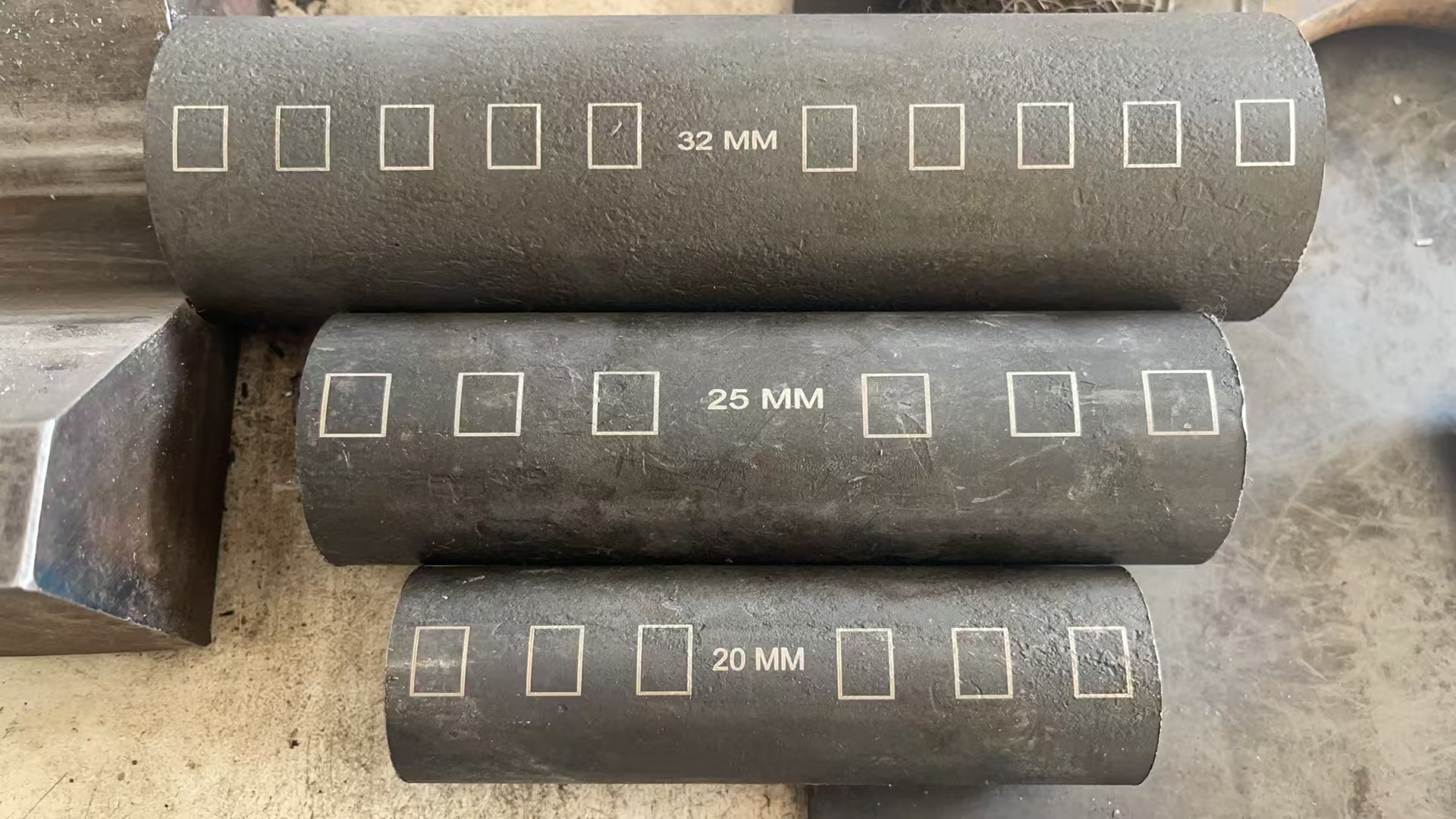
Figure 1: Cold pressing rebar coupler (Q355B carbon steel) designed for high‑strength, spark‑free connections.
Detailed Solution: Four Rebar Coupler Technologies from CANGZHOU BARTECH
CANGZHOU BARTECH CONSTRUCTION MATERIAL CO. LTD., a China‑based supplier exporting since 2008, offers a full range of rebar couplers and threading machines, with an annual output of 3,600,000 pieces. The four main coupler types are:
1. Upset Forged Rebar Coupler (Parallel Thread Upsetting Technology)
Manufactured from carbon steel 45# or alloy steel 40CR. The rebar end is upset (expanded) before threading, creating a larger thread diameter than the original bar. This preserves the full cross‑sectional area for maximum tensile strength. Suitable for rebar grades 400 and 500, diameters 16–40 mm. Thread: 60° parallel.
2. Rolled Thread Rebar Coupler (Parallel Thread Rolling Technology)
Also made from carbon steel 45# or alloy steel 40CR. Threads are cold‑rolled directly onto the rebar end without upsetting. The process retains the original bar diameter, making it cost‑effective for standard building structures. Available for 16–40 mm rebars.
3. Cold Extrusion (Pressing) Rebar Coupler
Made from carbon steel Q355B. A hydraulic pressing machine deforms the coupler sleeve onto the rebar ends, creating a permanent mechanical bond. No threading is required, making installation spark‑free—ideal for tunnels and hazardous environments. Sizes: 16–40 mm, with thicker walls for enhanced shear capacity.
4. Quick Connection (ONE‑TOUCH) Rebar Coupler
Constructed from alloy steel 40CR. A special internal mechanism allows the operator to simply insert the rebar and tighten with an electric wrench (e.g., BOC 8‑32 or BOC 8‑42). This type dramatically reduces installation time on high‑production sites like bridges and high‑rise towers. Sizes: 11–40 mm.
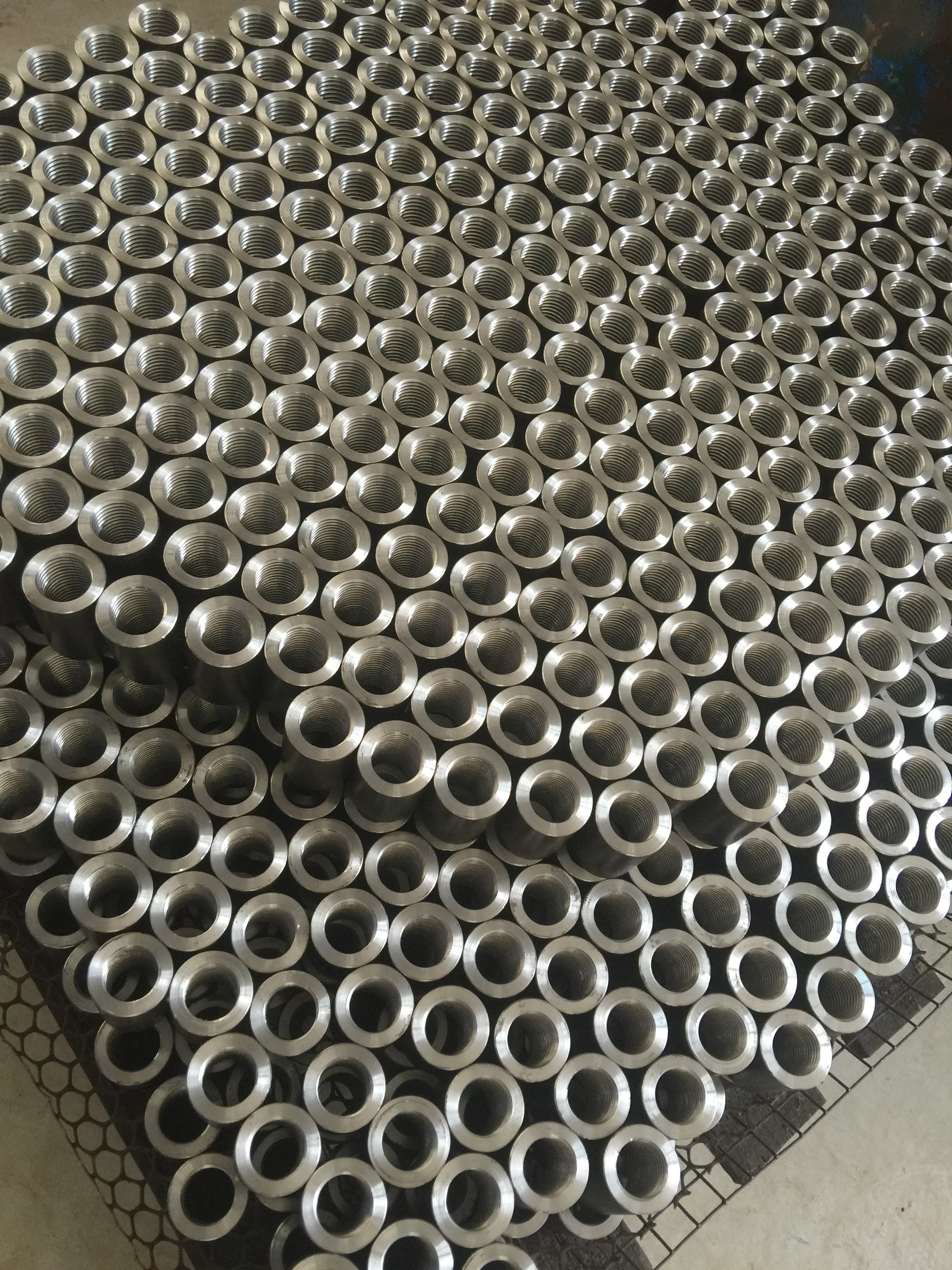
Figure 2: Upset forged rebar coupler (45# carbon steel / 40CR alloy steel) for high‑strength connections.
Step‑by‑Step Selection Process
- Identify the project type – high‑rise, bridge, tunnel, high‑speed rail, or general building.
- Determine rebar grade and diameter – Bartech couplers are compatible with 400‑grade and 500‑grade rebars from 16 mm to 40 mm.
- Evaluate site conditions – outdoor tropical, high humidity, limited access, or spark‑sensitive areas.
- Choose the coupler technology – upset for maximum strength, rolled for economy, cold pressing for spark‑free, ONE‑TOUCH for speed.
- Select supporting equipment – manual or automatic threading machine, electric torque wrench, or pressing machine from Bartech’s lineup.
- Verify certification requirements – Bartech’s products comply with CE, ISO9001, and applicable ASTM/BS standards.
Use Cases in Real Projects
High‑Rise Buildings (Tall Buildings)
Typical outdoor construction environment with tropical temperature and humidity. The preferred solution is roll thread rebar coupler (for economy) or upset forged coupler (for higher load). Bartech’s rebar threading machine (model CBT40A or 40MO) and electric wrench BOC 8‑42 are used for on‑site threading and tightening. This combination meets ISO and CE requirements. Project examples include Vietnam, Malaysia, UAE, and Kuwait (annual volumes up to 400,000 nos).
Bridges & Sea‑Crossing Structures
For large‑diameter rebars (32–40 mm) under dynamic loading, ONE‑TOUCH couplers provide fast assembly without sacrificing strength. The BOC 8‑32 wrench delivers up to 350 N.m torque to ensure a secure lock. Bartech’s upsetting machine (Auto 36S/50S) can pre‑process rebars when upsetting is required.
Metro Tunnels & Underground Stations
Cold pressing couplers made from Q355B carbon steel eliminate sparks and require no threaded ends. The CBT32 pressing machine (4 kW, 70 MPa oil pump) clamps the coupler onto the rebar with 50‑ton tension. This method is widely used in Qatar, Mexico, and other high‑railway projects where safety regulations prohibit open flames.
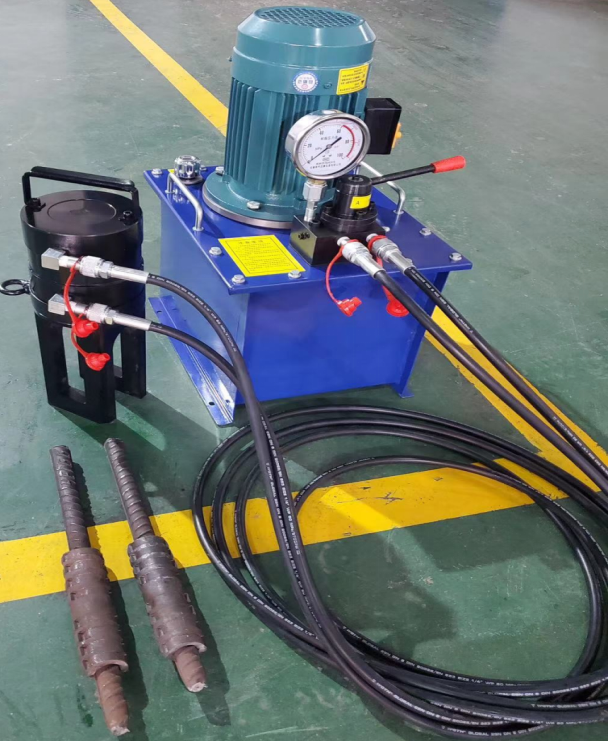
Figure 3: CBT32 cold pressing machine – essential equipment for spark‑free coupler installation in tunnels.
Comparison Table: Rebar Coupler Types
| Attribute | Upset Forged | Rolled Thread | Cold Extrusion (Press) | ONE‑TOUCH |
|---|---|---|---|---|
| Material | 45# carbon steel / 40CR alloy | 45# carbon steel / 40CR alloy | Q355B carbon steel | 40CR alloy steel |
| Diameter range | 16–40 mm | 16–40 mm | 16–40 mm | 11–40 mm |
| Thread type | Parallel 60° (after upsetting) | Parallel 60° (cold‑rolled) | Not threaded | Internal locking mechanism |
| Strength | Full cross‑section (≥100% bar strength) | ~90‑95% bar strength | Mechanical interlock (high shear) | Mechanical interlock (≥100% bar strength with proper torque) |
| Installation method | Upsetting machine → thread rolling → wrench | Thread rolling machine → wrench | Cold pressing machine (hydraulic) | Insert rebar → tighten with electric wrench |
| Key advantage | Maximum tensile capacity | Cost‑effective for general building | Spark‑free, no thread needed | Fastest installation, reduced labor |
| Typical application | High‑rise, bridge, high‑speed rail | Residential/commercial buildings | Tunnels, underground, hazardous areas | Bridge, tower, heavy civil works |
| Supporting equipment | Auto 36S/50S upsetting machine + threading machine | CBT40A / 40MO threading machine | CBT32 pressing machine | BOC 8‑32 or BOC 8‑42 electric wrench |
Frequently Asked Questions
Q1: Do Bartech rebar couplers meet CE and ISO9001 standards?
Yes. CANGZHOU BARTECH holds CE certification (Nr.SC‑PSC‑4‑2025‑12‑14) valid until 2030 and ISO9001:2015 (31623Q10713R1S). All couplers are designed in compliance with international standards including ISO 15835, ASTM A615, and BS 8110. For each shipment, material test reports and 10% in‑line pressure testing are performed on the production line, with 100% visual inspection of surface finish.
Q2: Can Bartech provide OEM or customized couplers?
Yes. Bartech offers customization of coupler outer diameter, inner diameter, and thread dimensions. The OEM service covers all four coupler types. With a monthly production capacity of 300,000 pieces and an R&D team of 10 engineers, Bartech can adapt to specific project requirements.
Q3: What is the minimum order quantity (MOQ)?
For stock couplers, there is no minimum order quantity. This allows procurement teams to test couplers or start pilot projects without committing to large volumes upfront.
Q4: Can I request samples before placing a bulk order?
Sample requests are evaluated on a case‑by‑case basis. To discuss sample availability and shipping terms, please contact our sales team directly. We routinely support buyers during the qualification stage.
Q5: What is the typical lead time for a rebar coupler order?
Lead time ranges from 7 to 30 days depending on the quantity and customization level. Standard stock couplers can be dispatched within 7 days; large OEM orders may require up to 30 days. Bartech’s factory in Qing County, Cangzhou, Hebei, has 1,000 m² of production space and 30 employees, enabling efficient turnarounds for global export.
Ready to evaluate a rebar coupler solution for your project? Request a sample or quotation from CANGZHOU BARTECH today.

Contact: Julie Chen | Email: sales@chinabartech.cn | Tel/WhatsApp: +86 13785685215 | www.chinabartech.cn
Conclusion
Selecting the correct rebar coupler for a high‑rise, bridge, or tunnel project directly affects safety, speed, and cost. By matching the project’s structural demands with the right technology—upset forging for strength, cold pressing for spark‑free environments, or ONE‑TOUCH for rapid assembly—engineers can optimize both performance and budget. CANGZHOU BARTECH CONSTRUCTION MATERIAL CO. LTD. provides the full spectrum of couplers, machines, and certification support to meet global construction standards. Reach out to discuss your next project’s requirements.