
What Changes Once a Project Locks in Rebar Couplers
What Changes Once a Project Locks in Rebar Couplers
When a reinforcement drawing finally says “mechanical splice,” the buying conversation changes. The project team is no longer deciding between lap tying, field welding and couplers. Instead, the real question is whether the coupler program can keep up with site demand for months, across multiple deliveries, without creating rework or idle crews.
Cangzhou Bartech Construction Material Co., Ltd. is a rebar coupler and rebar processing equipment manufacturer located in Qing County, Cangzhou City, Hebei Province, China. The company works mainly with construction projects, high buildings, airports, high-railway stations and large sea-crossing bridges, and exports its products to markets in Asia, the Middle East and South America.
What the Order-to-Execution Shift Really Means
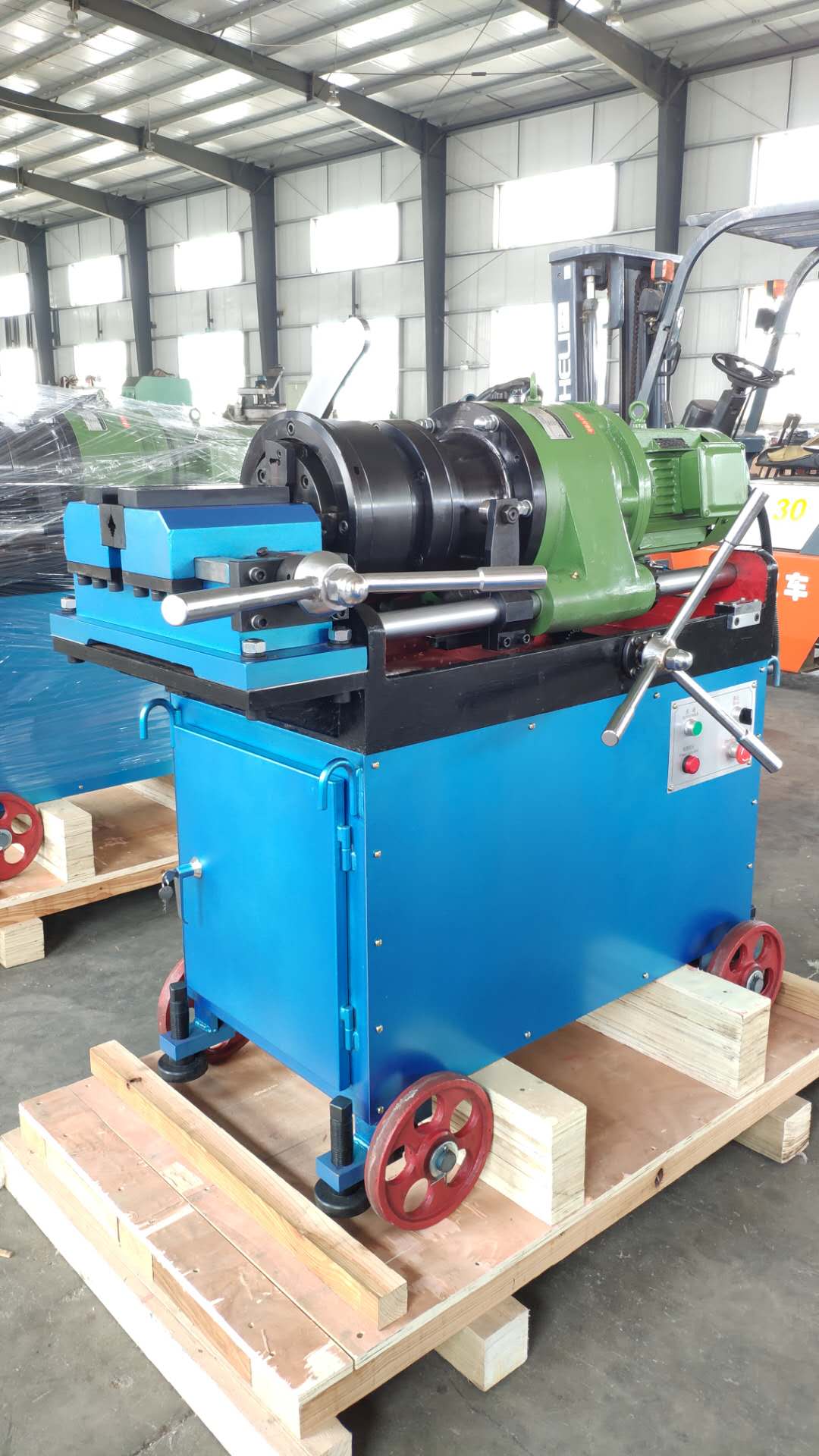
Buying rebar couplers for one sample connection is simple. Buying them for a project that runs for months, or for a distributor serving several projects at the same time, is a different operating problem. The buyer needs to coordinate rebar coupler specifications, thread diameters, coupler stock, threading machines, torque tools, quality documents and delivery windows.
This is why the most practical question after the splice decision is not “which coupler type should we use” but “how do we keep the connection system running reliably until the structure is complete.”
Why Rebar Coupler Repeat Supply Needs a Different Checklist
On a jobsite, mechanical splices are often installed after the rebar has already been cut and positioned. If the correct coupler is not available, or if the rebar end has not been threaded to the correct length, the whole connection can fail. Bartech’s risk-control guidance describes the same issue: if the two rebar ends are not wrenched to meet each other inside the centre of the coupler, the connection may not be fully made. The control method is to thread each rebar end with the correct length before assembly, then tighten the two ends until they meet inside the coupler.
That level of care cannot be managed with a one-off sample order. It depends on repeatable specifications, clear installation documents and suppliers who can advise on process control after the sale.
Industry Background: Mechanical Splices Are Now a Structural Standard
Mechanical rebar splices are governed by international standards including ISO 15835, ASTM A615 and BS 8110, which is often replaced by Eurocode 2 in the EU. Buyers working on global projects should verify that the coupler system, threading equipment and inspection procedure fit the standard named in the project specification.
Market data also explains why repeat supply is becoming more important. The global rebar coupler market was valued at USD 1.82 billion in 2025 and is projected to reach USD 3.47 billion by 2034, with a CAGR of 7.4%, according to Dataintelo. Building construction represented 47.6% of total revenue in 2025, and Asia Pacific contributed approximately 41.3% of global revenue in the same year. In other words, these are high-volume products moving through construction programs that run for years, not one-off components.
A Long-Horizon Coupler Program Starts with a Product System, Not a Single Product
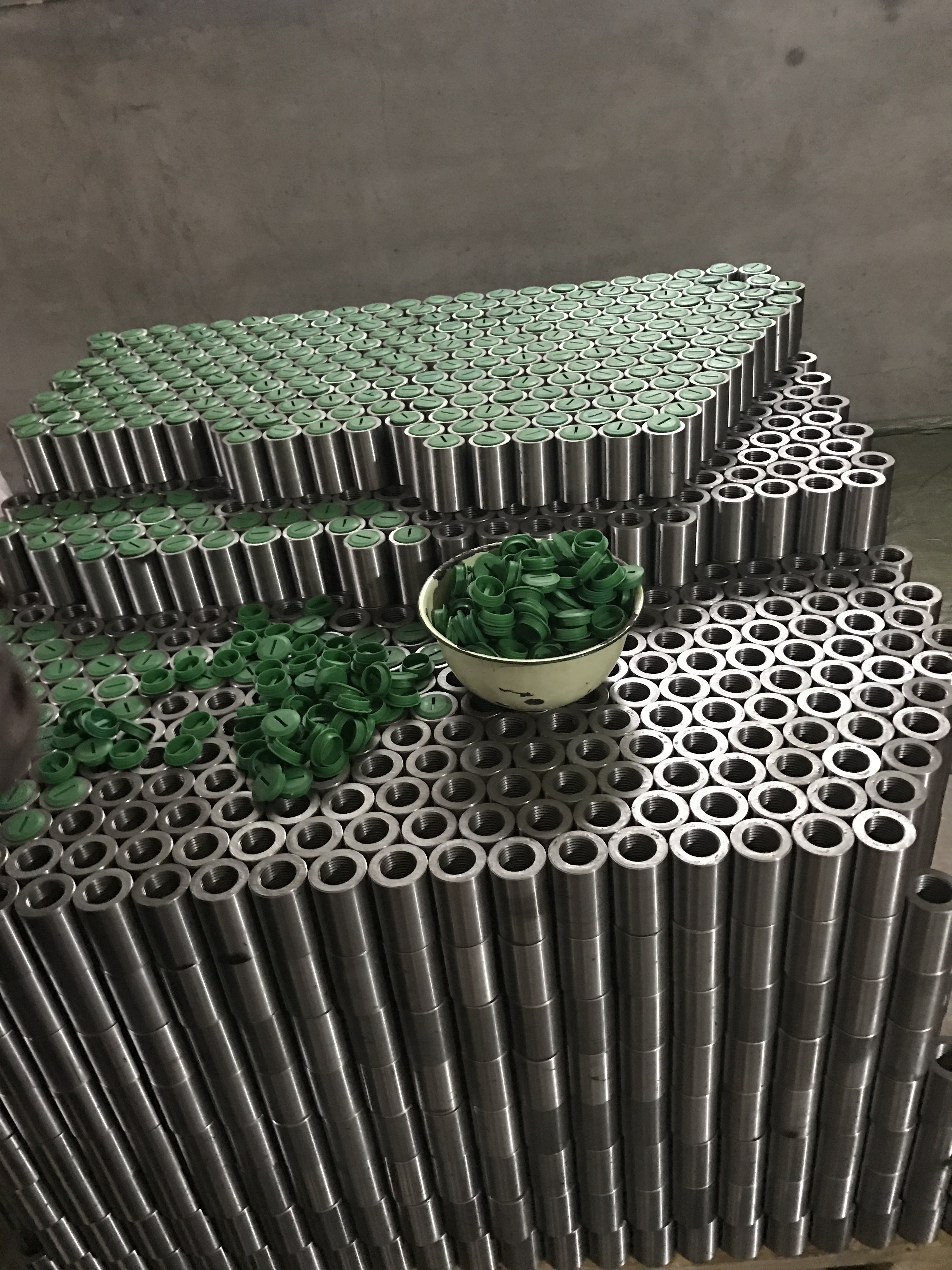
Rebar coupler buyers who need long-term supply should look for a supplier that offers more than one mechanical connection family. Different structural zones on the same project often benefit from different connection systems, even when the rebar grade is similar.
Rolled Thread / Parallel Thread Rebar Couplers
Bartech’s rolled thread coupler range, also described as a parallel thread rebar coupler system, is available for rebar sizes from 16 mm to 40 mm. In this range, the outer diameter goes from 24 mm to 59 mm across different models. The coupler bodies can be produced in carbon steel 45# or alloy steel 40Cr. This family is suited to general construction projects such as high buildings and infrastructure frames.
Upset Forged Rebar Couplers
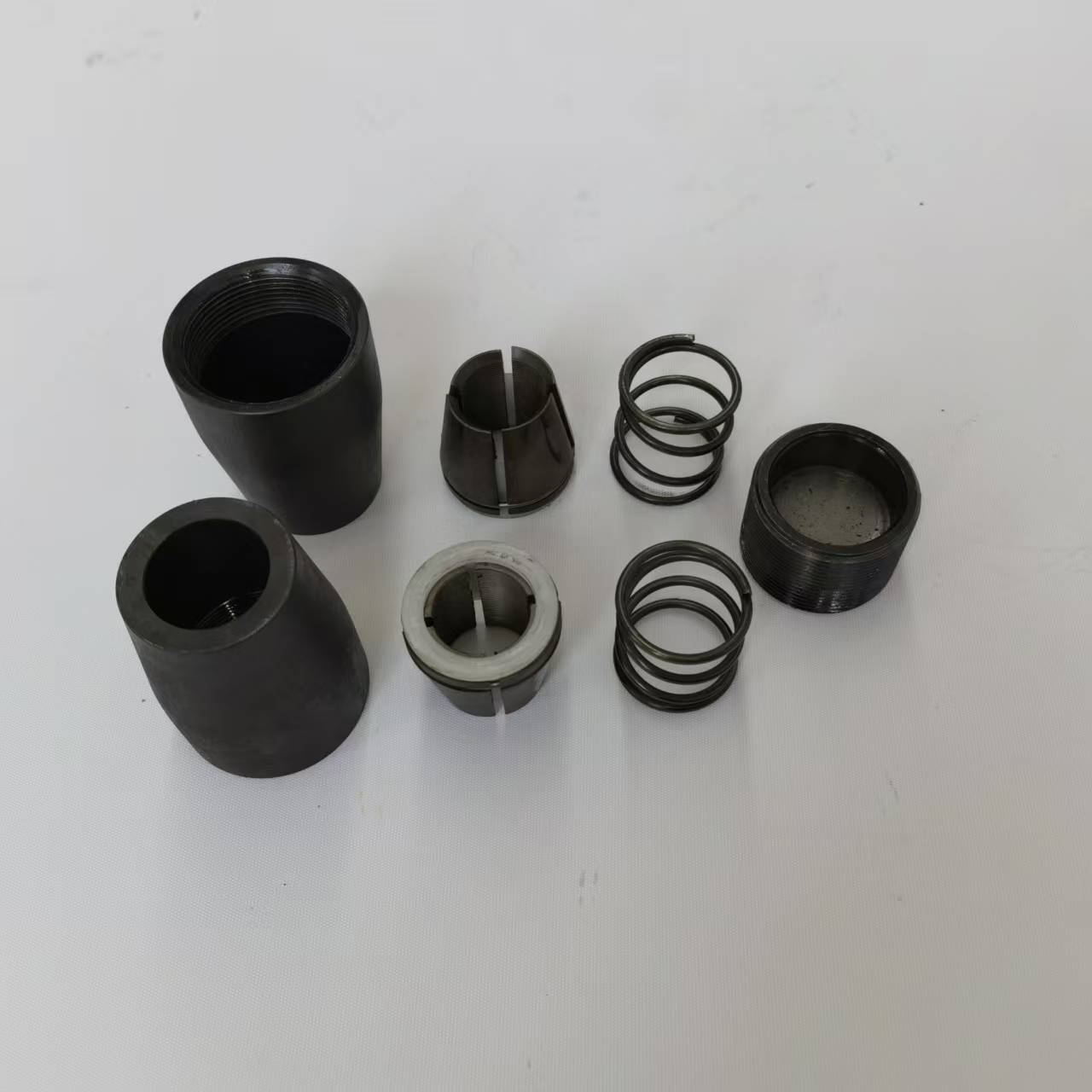
The upsetting process enlarges the rebar end before threading, which allows a compact coupler body to develop a strong anchorage. Bartech’s upsetting rebar coupler models cover rebar sizes from 16 mm to 40 mm, with representative outer diameters from 26 mm to 62 mm and thread specifications from M20 x 2.5 to M45 x 4.0. Material options are carbon steel 45# or alloy steel 40Cr. This type is commonly used where bar-end preparation happens in a workshop before the rebar is moved to the installation point.
Cold Extrusion / Cold Pressing Rebar Couplers
Bartech also supplies a cold pressing coupler family, sometimes searched by buyers as cold extrusion rebar couplers. These couplers are made from Q355B carbon steel and cover rebar sizes from 16 mm to 40 mm. Representative dimensions range from 30 mm outer diameter with 110 mm length for 16 mm rebar, up to 70 mm outer diameter with 240 mm length for 40 mm rebar. The thicker coupler wall is designed to be pressed around the rebar using a dedicated pressing machine on site.
One-Touch Quick Connection Rebar Couplers
For fast connections, Bartech produces a one-touch quick connection coupler family in alloy steel 40Cr. The range starts at around 11-16 mm rebar and extends through 16, 18/20, 22, 25, 29, 32, 36 and 40 mm models. Outer diameters run from roughly 35 mm up to 83 mm. These couplers reduce the need for extended thread rolling on site and are useful when speed and simplicity matter across a large number of connections.
Matching the Coupler Family to Site Conditions
| Coupler family | Rebar sizes | Material options | Typical geometry |
|---|---|---|---|
| Rolled Thread / Parallel Thread | 16–40 mm | Carbon steel 45#, alloy steel 40Cr | OD 24–59 mm |
| Upset Forged | 16–40 mm | Carbon steel 45#, alloy steel 40Cr | OD 26–62 mm; thread M20 x 2.5 to M45 x 4.0 |
| Cold Pressing / Cold Extrusion | 16–40 mm | Carbon steel Q355B | OD 30–70 mm; length 110–240 mm |
| One-Touch Quick Connection | 11–40 mm available | Alloy steel 40Cr | OD 35–83 mm |
This kind of product-line view matters because a tower, a station and a bridge may place the coupler order with one purchasing department but install against different schedules and conditions. Having the right product system helps the buyer avoid switching suppliers in the middle of a project.
Machinery and Tools Are Part of the Long-Term Supply Ecosystem
A coupler without the correct threading machine or torque tool is only half of a connection system. For repeat orders, buyers should consider the full equipment chain: rebar threading machines, upsetting machines, cold pressing machines, thread cutting machines and electric torque wrenches.
Bartech supplies rebar threading machines in multiple configurations. Model 40MO is a quick-type rolling machine with a processing range of 16–40 mm, a 5.5 kW main motor, a maximum threading length of 95 mm and a net weight of 680 kg. Model 40AO is an automatic threading machine that also processes 16–40 mm rebar, has a 5.5 kW or 7.5 kW motor, and offers a maximum threading length of 90 mm with a block or 150 mm without a block. The 40AO machine has a net weight of 860 kg. Model 40A and model 40L provide similar rolling capability, with maximum threading lengths of 120 mm and 100/200 mm respectively.
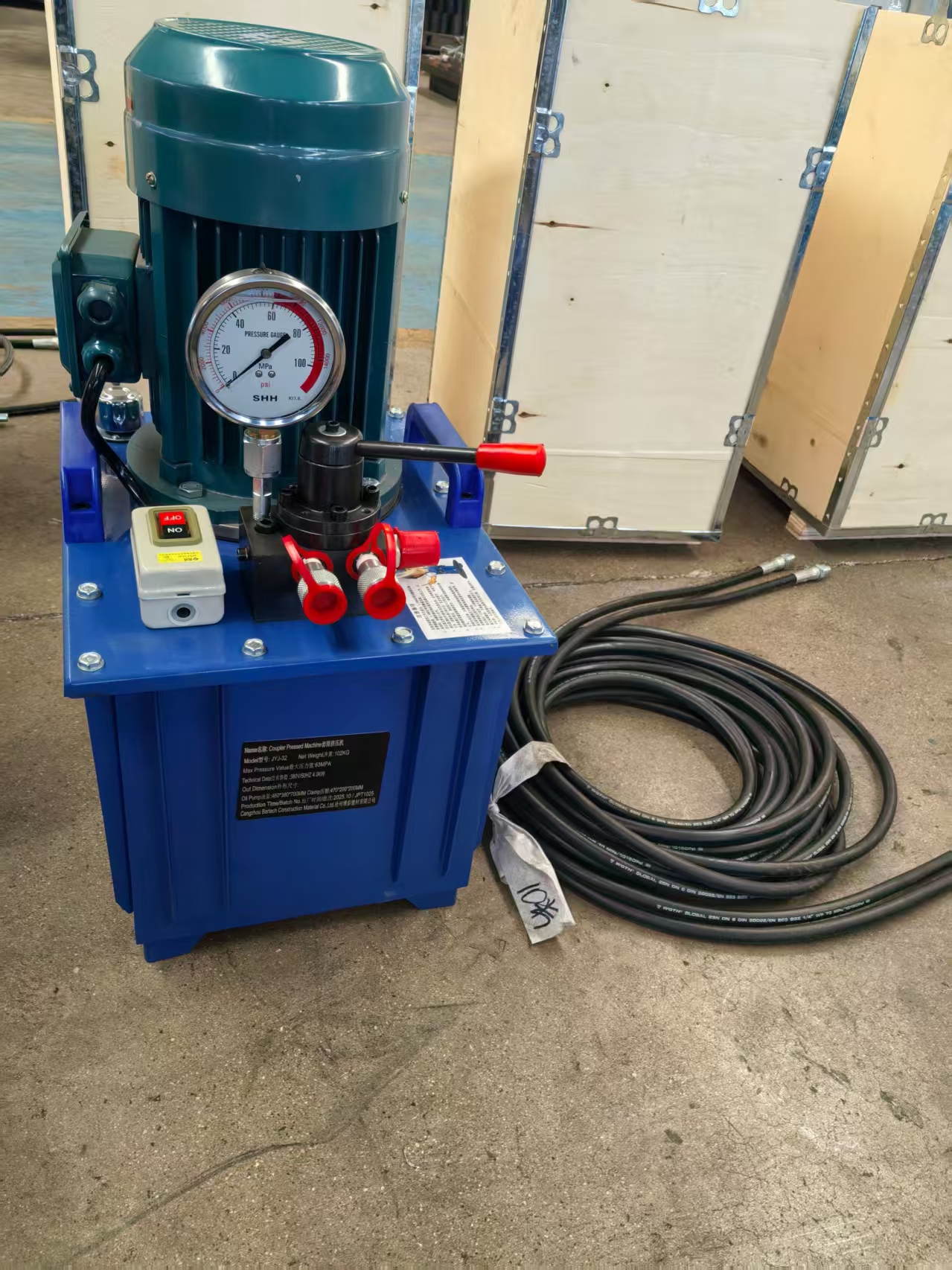
For upsetting work, Bartech offers the 36S upsetting machine and the 50S upsetting machine. The 36S model handles 400-grade rebar from 16 mm to 36 mm and 500-grade rebar from 16 mm to 32 mm. The 50S model handles 400-grade rebar up to 50 mm and 500-grade rebar up to 40 mm. For cold pressing, the CBT32 rebar coupler pressing machine covers rebar sizes from 16 mm to 32 mm and provides a clamping tension of 50 tonnes.
Electric torque wrenches close the process loop. The BOC 8-32 model is designed for 8 mm to 32 mm rebar, with a maximum torque value of 350 N·m. The BOC 8-42 model covers 12 mm to 40 mm rebar and 16 mm to 32 mm couplers, with a maximum torque value of 400 N·m. A consistent tightening torque reduces the risk of incomplete connections, which is especially important when the same joint pattern is repeated thousands of times.
Step-by-Step: Building a Rebar Coupler Execution Plan
Once the project has locked in mechanical splices, the buying team can use the following six steps to convert the decision into sustainable site supply.
Step 1. Map the Demand by Structural Zone
Separate the project into zones with different bar sizes and coupler types. A single building can generate demand for several coupler families at the same time. The demand map should list rebar size, coupler type, quantity and the installation week.
Step 2. Choose Standard Stock Sizes First
For common sizes, stock availability removes emergency ordering. Bartech states that there is no minimum order quantity for stock couplers. That means a site team can place a small replenishment order without waiting for a large economic order quantity.
Step 3. Work With Lead Time Instead of Against It
Typical production lead time is 7–30 days, depending on order quantity. Monthly production capacity is 300,000 units. A responsible plan should place the first order before the site reaches peak demand, then use shorter replenishment orders to cover any forecast gaps.
Step 4. Prepare the Connection Equipment
If rebar ends will be threaded on site, confirm that the threading machine and torque wrench are available and that operators know the correct thread length. Bartech’s control method is to thread the rebar end with the correct length, then wrench the two rebar ends so they meet inside the coupler. Sending installation documents and giving operation training are part of the same process.
Step 5. Establish a Quality Gate for Each Delivery
Before shipment, the buyer can request pre-shipment testing. The manufacturer also operates a three-stage quality control process that includes material test reports, 10% in-line production testing and 100% final appearance inspection. This gives the contractor a clear acceptance point for every batch, not just the first one.
Step 6. Create a Forward Look After Every Delivery
After each installation phase, compare the quantity actually installed with the forecast. If the threading machine has produced a different thread length, or if a specific coupler size is being used faster than expected, adjust the next order before the shortage reaches the site.
Use Cases: Where the Execution Plan Shows Up
High-Rise Building Projects
High-rise work often requires hundreds of mechanical splices on vertical reinforcement. Field welding can be slowed by weather and access conditions. Mechanical rebar couplers are installed more quickly, and factory pre-threading reduces site work. Bartech’s product range is intended for construction projects and high buildings, where this installation speed directly supports floor cycle times.
Bridges and Sea-Crossing Structures
Bridge contractors frequently work in exposed environments where temperature, wind and humidity can disrupt traditional connection methods. With mechanical couplers, there is no weather affection because the rebar end preparation and assembly are mechanical operations. Bartech lists sea-crossing bridges as a typical use for the range.
Airports, High-Railway Stations and Tunnel-Like Structures
These projects combine dense reinforcement with large concrete pours. They also tend to run on strict schedules. Pre-threading rebar and then assembling couplers on site is faster than preparing connections by welding. Bartech states that the products are designed for construction projects, airport projects and high-railway stations.
Mechanical Couplers vs. Traditional Site Connection Methods
| Comparison point | Lap tying | Field welding | Mechanical rebar coupler |
|---|---|---|---|
| On-site speed | Slow placement over long lap lengths | Depends on welder availability and weather | Installation speed is 3–5 times faster than lap tying; factory pre-threading makes on-site installation 2–4 times faster than welding |
| Cost effect | Low tool cost but more rebar and labour | Welder labour and inspection cost | Bartech documentation reports 50–70% lower cost compared with lap tying, and about 50% lower worker cost compared with field welding |
| Weather sensitivity | Low | High | No weather affection |
| Quality control | Difficult to inspect the full lap engagement | Depends on welder skill and inspection | Easier to control because of defined thread length and pre-shipment testing |
These figures come from Bartech’s own process comparison, so a project engineer should still verify them against the local design code and the specific connection configuration. The point for a repeat buyer is not that mechanical couplers are always cheaper; the point is that the process is predictable and controllable.
Frequently Asked Questions
Is the supplier certified for long-term construction supply?
Yes. Cangzhou Bartech Construction Material Co., Ltd. holds CE certification with certificate number SC-PSC-4-2025-12-14, valid until 2030, as well as ISO9001:2015 certification under certificate number 31623Q10713R1S. Buyers should still confirm the exact certification name required by the project specification because some projects require additional local approvals.
Can Bartech handle large repeating quantities?
Bartech’s monthly production capacity is 300,000 units. The company also has a technical engineering team and operates rebar threading machines, upsetting machines, cold pressing machines, thread cutting machines and torque wrenches. The range of in-house equipment helps keep coupler supply and installation support aligned when quantities repeat across multiple deliveries.
What kind of project cost impact should a buyer expect?
Bartech’s comparison data states that mechanical coupler installation is 3–5 times faster than lap tying, lowers cost by 50–70% compared with lap tying, and reduces on-site worker cost by about 50% compared with field welding. Actual savings depend on rebar diameter, site layout and labour rates, so the figures should be treated as a planning reference rather than a guaranteed project result.
Can a buyer test with a small first order before committing to a project order?
Yes. There is no minimum order quantity for stock couplers. This allows a contractor or distributor to validate the thread fit, inspect the coupler dimensions and run a small installation trial before placing the larger order for the full structural phase.
What is the normal lead time for repeat orders?
Typical production lead time is 7–30 days, depending on quantity. The delivery method can be FOB or CIF. The standard payment arrangement is 30% TT prepayment to confirm the order and 70% by TT after the goods are ready and before shipment. Pre-shipment testing is available as part of the acceptance process.
Conclusion
Once a project locks in rebar couplers, the supplier conversation should move from product specifications to execution support. The companies that keep projects moving are not only selling couplers; they are providing stock flexibility, clear lead times, threading machines, torque tools, quality documents and installation guidance.
Cangzhou Bartech Construction Material Co., Ltd. provides that kind of full-line support from its factory in Cangzhou, Hebei, China. Export markets include the Middle East, Asia and South America, and the company offers customization for coupler outer diameter, inner diameter and thread, as well as OEM production. For a site manager or distributor trying to build a repeatable coupler supply plan, the practical next step is to discuss ordering terms and sample stock with the Bartech sales team before the next project phase begins.
Contact Bartech: Julie Chen · Email: sales@chinabartech.cn · Tel/WhatsApp: +86 13785685215 · Chat on WhatsApp · Website: www.chinabartech.cn