Air, Rail, or Road? A Head-to-Head Decision Framework for Cross-Border Transport from China
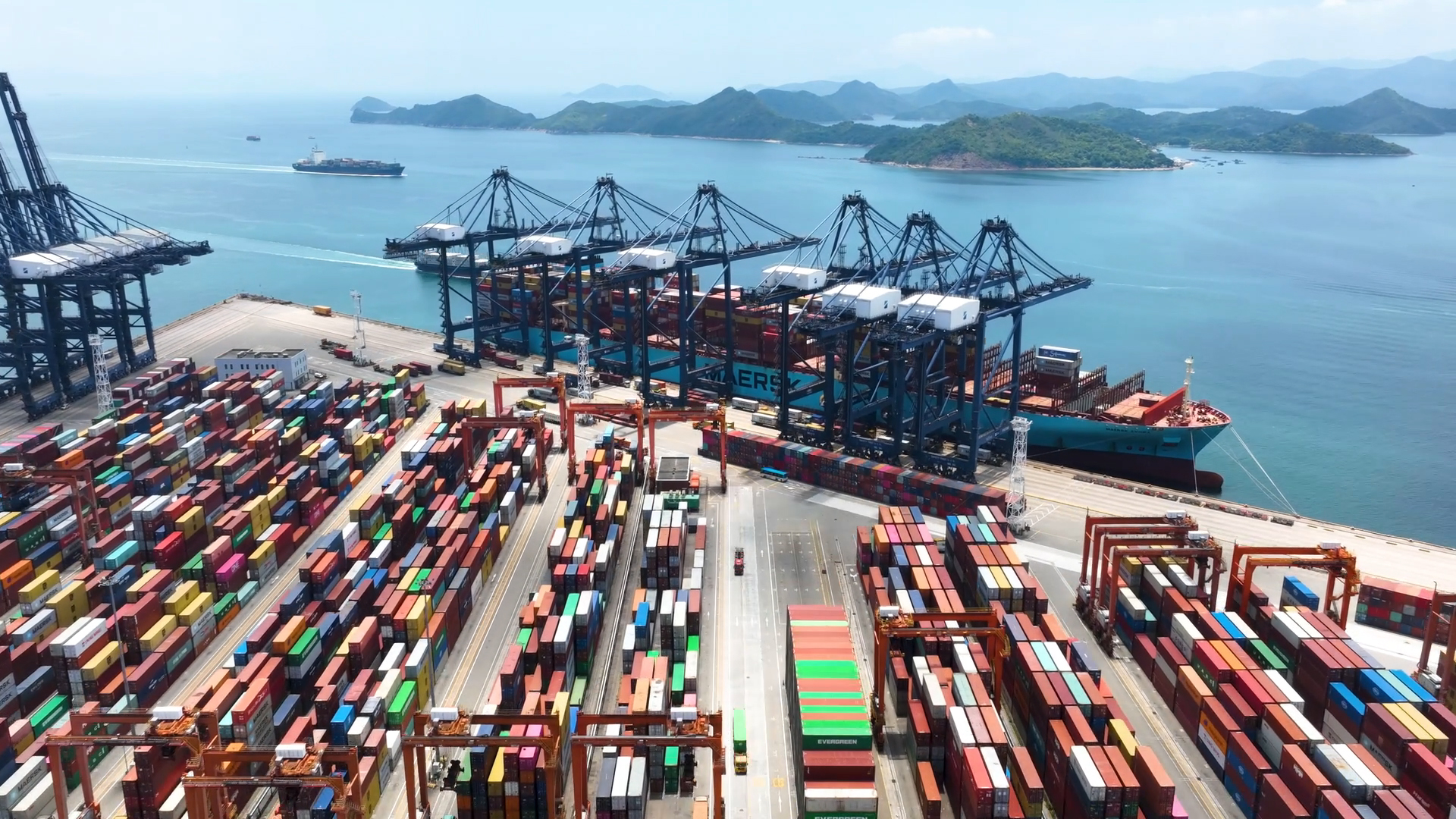
Air, rail and road freight are not three price points on one service — they are three different risk profiles. The useful question is not “which mode is cheapest?” but “which mode keeps my delivery window, my compliance position and my total landed cost inside tolerance?” This article builds a five-criteria decision framework for that question and then applies it head-to-head to all three modes for cross-border transport from China.
Mode choice locks in everything downstream. Once a shipment is committed to air, rail or road, the transit-time variance, the customs entry points, the documentation set and the fallback options are fixed for that consignment. Buyers comparing cross-border transportation services therefore need to compare modes on stability and total cost rather than on freight rate alone.
CFW (Shenzhen CFW Logistics Technology Co., Ltd.) is a Shenzhen-headquartered logistics group founded in 2013 that operates across all three modes as part of its China-ASEAN & Central Asia-Europe Cross-border Supply Chain Integrated Solution. Its documented solution outcomes — stabilising cross-border lead time within ±1 day and reducing comprehensive logistics costs by 15–30% — are useful here as a benchmark for what a stabilised multimodal programme is expected to deliver, not as a slogan.
Problem Definition: Why Mode Selection Is the Highest-Leverage Cross-Border Decision
Most cross-border transport failures are not transport failures. They are selection failures. CFW's solution documentation identifies the recurring problem set its cross-border programmes are designed to solve: complicated and delay-prone customs clearance, unstable cross-border transit time, uncontrollable and high logistics costs, opaque full supply chain visibility, weak overseas local service capability, difficult inventory management with massive SKUs, and high risks for high-value, precision or dangerous goods.
Every item on that list is mode-sensitive. Customs clearance is handled at airports for air freight, at rail border crossings for rail freight, and at land border posts for road freight — three different document flows with three different delay patterns. Transit-time stability behaves differently too: air schedules are driven by airline rotations, rail by fixed block-train timetables and border transloading, and road by border queues, weather and driver availability.
The cost consequences follow the same logic. A mode that looks cheaper per kilogram or per container can produce a higher total landed cost once customs delays, safety stock, exception handling and inventory carrying costs are included. That is why the framework below starts with the delivery promise and works backwards to the mode, rather than starting with a rate card.
Industry Background: The Corridors Behind the Decision
The scale of the market explains why mode selection has become a standing procurement agenda item rather than a one-off shipping task.
- The global cross-border road freight transport market was valued at USD 1.18 trillion in 2024 and is projected to reach USD 1.65 trillion by 2030 (Strategic Market Research).
- The global oversized cargo transportation market reached USD 211.6 billion in 2025, with North America as the largest region (The Business Research Company).
- Southeast Asia's third-party logistics market was valued at USD 30.1 billion in 2025, with transportation management holding a 58% share (MarkNtel Advisors).
- China's logistics market generated USD 377.1 billion in revenue in 2025 and is expected to grow at a CAGR of 10.5% through 2033 (Grand View Research).
- The China-to-Europe cross-border e-commerce logistics market is valued at USD 9 billion in 2026, growing at a CAGR of 10.47% (Mordor Intelligence).
- Vietnam's logistics network involves over 50,000 registered enterprises, with road freight handling over 80% of domestic transport as of 2024 (Vietnam Logistics Business Association / Mordor Intelligence).
The practical reading for procurement teams is straightforward. Road capacity is deep and competitive in China's neighbouring corridors, which is why road remains the default for China–Southeast Asia and China–Central Asia movements. Rail is primarily a volume answer on long, fixed corridors where containerised cargo can be consolidated. Air remains a premium exception handler for urgent, high-value and low-weight freight.
CFW's own revenue mix is consistent with that pattern: more than 70% of revenue comes from cross-border logistics with a China-Southeast Asia focus, and the group serves Vietnam, Thailand, Indonesia, Kazakhstan and Belarus along the Belt and Road Initiative.
The Five Decision Criteria for Choosing a Cross-Border Mode
1. Transit Time Stability — the criterion buyers most often underweight
Average transit time is the number most suppliers quote and the number least useful for planning. What drives safety stock is variance. A lane with a slightly longer average transit but a tighter spread frequently produces a lower total landed cost than a faster lane that swings unpredictably, because inventory buffers and expediting costs are driven by the worst case, not the average.
Stability is a provider capability as much as a mode property. CFW's documented solution outcome of stabilising cross-border lead time within ±1 day is an example of the target state: a delivery window narrow enough to plan production and warehouse replenishment against.
2. Cost Predictability — landed cost, not freight rate
Cross-border landed cost includes the freight charge, customs duties and tariff classification outcomes, warehousing and bonded storage, insurance, demurrage and detention exposure, and exception handling. Modes differ in where the variability sits. Air concentrates cost in the freight line but usually reduces warehousing exposure; road spreads cost across freight, border handling and security; rail sits between the two on long corridors.
CFW's documented outcomes include reducing comprehensive logistics costs by 15–30%, which is a measure of the total programme rather than a discount on a single freight line — the distinction matters when comparing quotes that use different cost boundaries.
3. Customs Complexity and Compliance Load
Different modes expose a buyer to different customs surfaces. Air freight clears through airport entry points and is heavily documentation-driven. Rail freight crosses borders along the rail corridor, where transloading events can create additional inspection moments. Road freight crosses land borders, and on multi-country routes the number of border posts is the main variable.
Provider-side compliance reduces most of this risk. TIR international road transport permits allow road movements to transit multiple borders under a single transit framework, reducing repeated inspection. AEO customs certification supports faster, more predictable processing. AEO and TAPA FSR/TSR security certifications are standard reference points for high-security logistics. CFW holds TIR permits, TAPA logistics security certification and AEO customs certification, and operates an in-house professional customs team for HS classification and tariff optimisation.
4. Cargo Suitability — matching the mode to the goods
Cargo type eliminates options faster than cost does. Lithium batteries and other dangerous goods face air transport restrictions that can rule out air freight entirely. Oversized and heavy project cargo generally requires road or specialised equipment rather than standard container handling. Temperature-sensitive cargo needs a mode that supports continuous monitoring rather than just a fast transit.
CFW holds comprehensive qualifications for the transportation of hazardous materials (Classes 2, 3, 4, 8 and 9), hazardous waste and oversized hazardous cargo, alongside lithium battery transport qualifications — a relevant capability set for new energy and high-end manufacturing shippers.
5. In-Route Control and Visibility
Visibility determines how quickly a deviation is corrected. Milestone tracking from a subcontracted chain tells a buyer where a shipment was; full-track visualisation, real-time temperature and humidity monitoring, intelligent inventory warning and a real-time exception management system tell a buyer what is happening and what to do next.
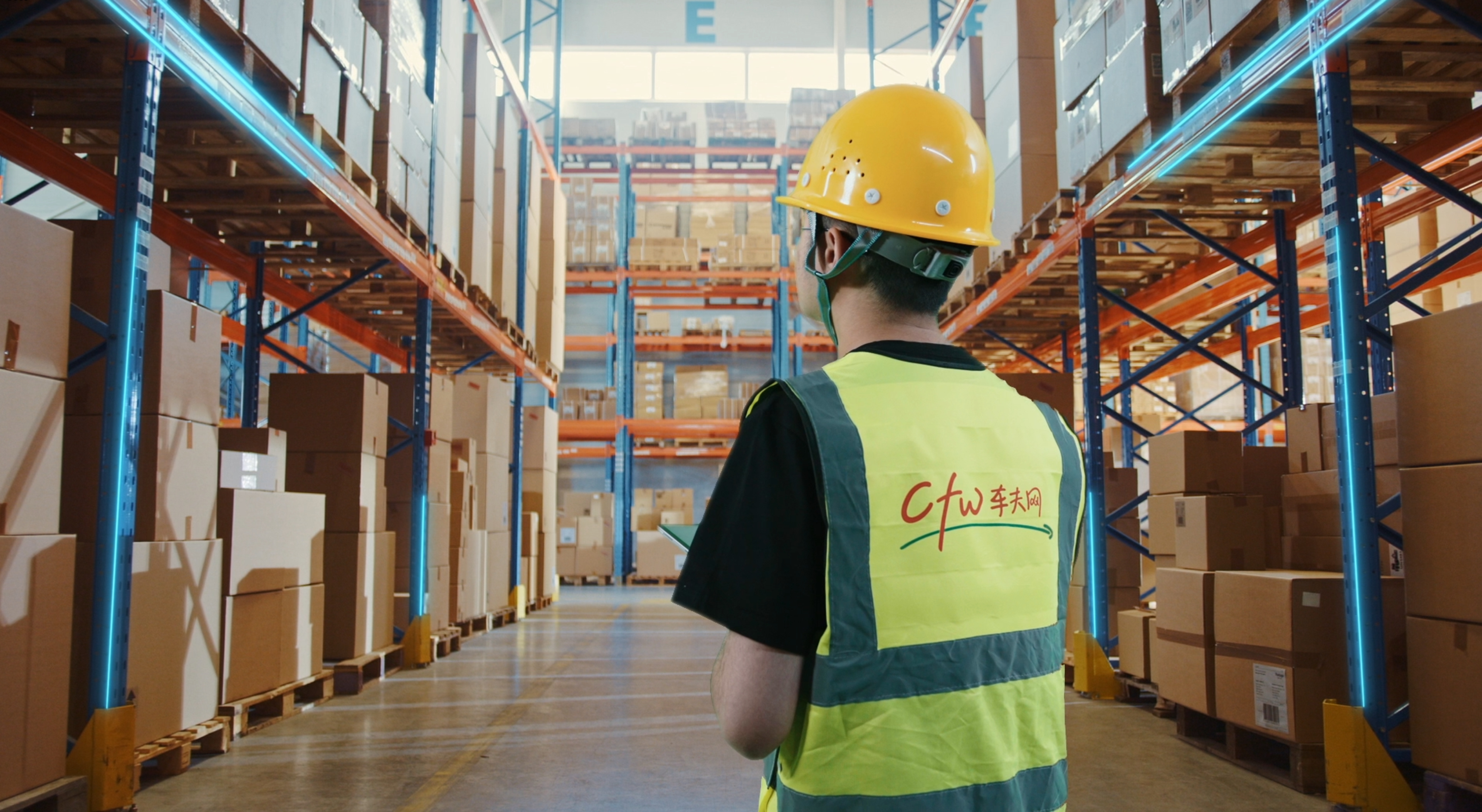
Head-to-Head: How Air, Rail and Road Actually Differ
Air freight: when the delivery window is the product
Air is the fastest long-haul option and the most expensive per unit shipped. It is also the most constrained: aircraft payload and volume limits, plus dangerous goods rules that restrict many lithium battery configurations, disqualify much of the cargo that manufacturing buyers care about. Air wins where the cost of a missed window exceeds the freight premium — launch stock, line-down spares, high-value low-weight components, and time-critical replacements. Customs exposure sits at airport entry and exit points.
Rail freight: the volume-speed compromise on long corridors
Rail sits between air and road on the long China–Europe corridor. It moves containerised cargo on fixed schedules, which supports planning discipline for full-container volumes. Its limits are structural: conventional intermodal handling and gauge changes at borders add transloading events, and non-standard, oversized or highly specialised cargo does not fit easily into the rail model. Where a shipment can be containerised and the delivery window is measured in weeks rather than hours, rail offers a defensible balance of cost and speed.
Road freight: the flexibility default for neighbouring corridors
Road is the only one of the three that delivers door-to-door with minimal transloading, which is why it dominates short and medium-haul cross-border movement. More than 80% of Vietnam's domestic transport is handled by road, and the same corridor logic applies to China–Southeast Asia and China–Central Asia lanes. Road is also the most forgiving mode for oversized, heavy, temperature-controlled, dangerous and LTL/FTL cargo, because equipment and routing can be adjusted per shipment rather than per timetable.
Its weakness is variance. Border congestion, weather, driver availability and regulatory differences across borders all create swings that a rail timetable or an airline rotation does not. That variance is manageable, but only with disciplined planning, TIR-enabled border handling, own fleet capacity and real-time exception management.
Comparison Table: Air vs Rail vs Road by Decision Criterion
| Decision criterion | Air freight | Rail freight | Road freight |
|---|---|---|---|
| Primary strength | Long-haul speed | Volume-to-speed balance on fixed corridors | Door-to-door flexibility with minimal transloading |
| Relative cost per unit shipped | Highest | Mid-range on long corridors | Competitive on short and medium corridors and on full loads |
| Transit time stability | Schedule-driven; exposed to airport congestion | Fixed timetables; exposed to border transloading | Variable by default; controllable with planning, TIR handling and own fleet capacity |
| Best cargo fit | Urgent, high-value, low-weight freight | Containerised general cargo at volume | Oversized and heavy cargo, dangerous goods, temperature-controlled freight, LTL and FTL |
| Customs exposure | Airport entry and exit points; documentation-driven | Border crossings along the rail corridor | Multiple land border posts; TIR permits reduce repeated checks |
| Dangerous goods and lithium battery fit | Restricted by air transport rules | Permitted under conditions for compatible cargo | Classes 2, 3, 4, 8 and 9 plus oversized hazardous cargo available with a qualified operator |
| Visibility and control | Airline milestone data | Rail milestone data | Highest control when the operator runs its own fleet, own fleet in destination country and a self-developed TMS |
| Typical corridor role | Exception handler | Long-corridor volume carrier | Default mode for China–Southeast Asia and China–Central Asia |
What the Framework Demands from a Provider: CFW's Verified Capability Set
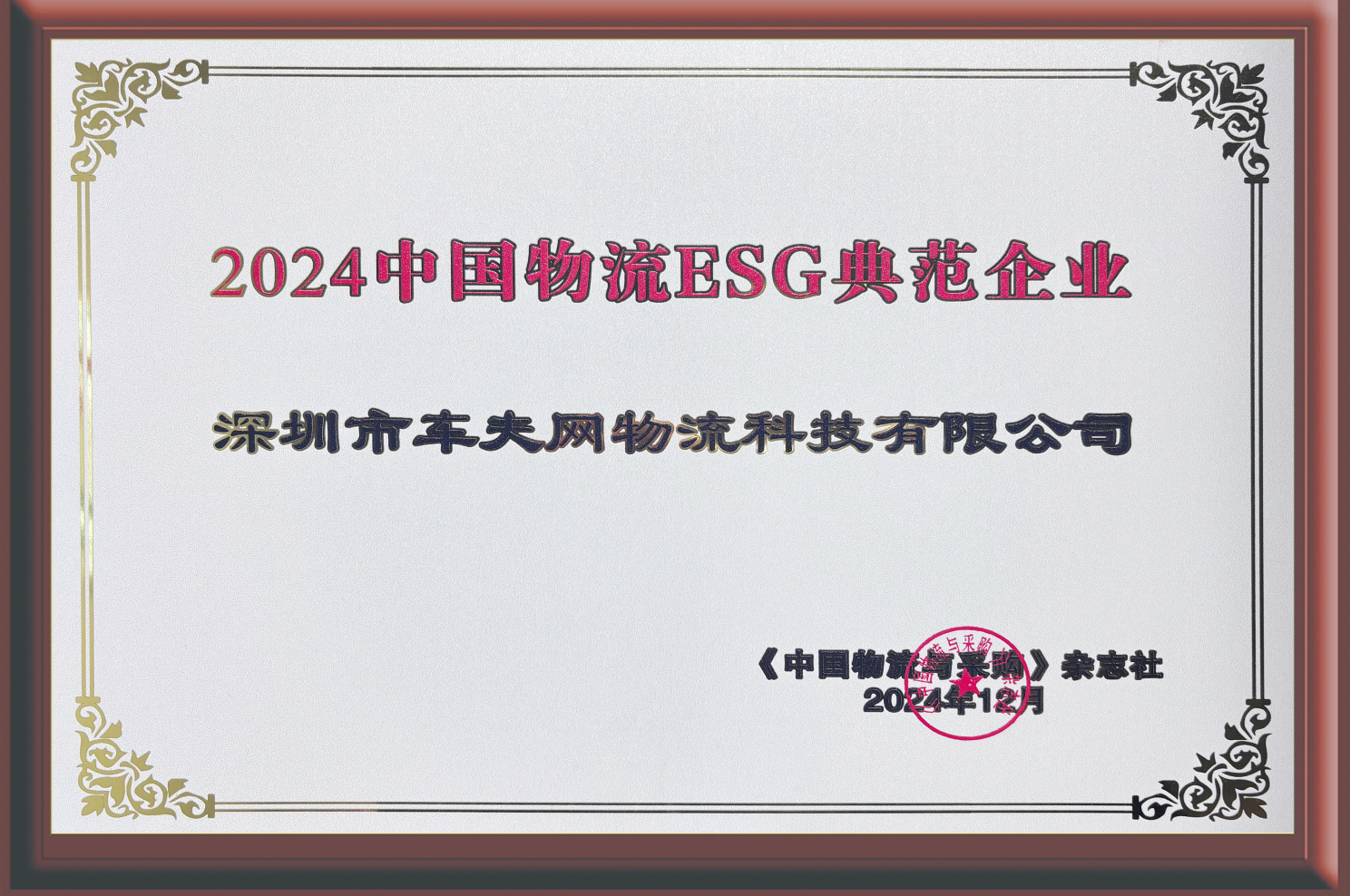
Shenzhen CFW Logistics Technology Co., Ltd. (CFW) is a logistics group founded in 2013 and headquartered in Qianhai, Shenzhen, with total registered capital exceeding RMB 250 million. It is recognised as a National High-Tech Enterprise, a 5A-level Logistics Enterprise, a AAA-level Credit Enterprise, a Key Logistics Enterprise in Shenzhen and a Model Enterprise for Logistics ESG in China.
Applying the five criteria to provider selection produces a concrete verification list. The relevant CFW qualifications and capacity facts are:
- Border and transit permits: TIR international road transport permits and GMS road transport permits, enabling road movements across multiple borders under a single transit framework.
- Customs and security certifications: AEO customs certification, TAPA logistics security certification, and integrated management systems certified to ISO 9001, ISO 14001, ISO 45001 and ISO 27001.
- Special cargo qualifications: comprehensive qualifications for hazardous materials Classes 2, 3, 4, 8 and 9, hazardous waste, oversized hazardous cargo and lithium battery transport.
- Own capacity rather than brokerage: over 1.3 million m² of warehouse area, 10,000+ self-operated and integrated vehicles, 3,000+ employees, and total load capacity reaching 150,000 tons.
- Digital control: self-developed integrated TMS/WMS/FBS logistics system, more than 100 IT engineers and customs technology experts, and more than 100 software copyrights.
- Overseas service capability: a dedicated fleet in Vietnam, end-to-end customs clearance at all border crossings and 72-hour nationwide distribution in Vietnam.
- Language coverage: Chinese, English, Vietnamese, Thai, Indonesian, Kazakh and Slavic — relevant because customs and warehouse coordination quality changes with the language a shipment is handled in.
Regional depth reinforces the capability claims. CFW generates more than 70% of revenue from cross-border logistics with a China-Southeast Asia focus, and its China–Vietnam cross-border operations have been featured by Singapore's The Straits Times. The group's China-ASEAN & Central Asia-Europe Cross-border Supply Chain Integrated Solution integrates domestic and international transportation, smart warehousing, bonded logistics, in-house customs services and multimodal transport.

Step-by-Step Breakdown: Running the Framework in Six Steps
- Define the cargo profile before the lane. Weight, dimensions, dangerous goods class, temperature sensitivity and value density determine which modes are physically available. Start here, not with a rate request.
- Fix the delivery window and the cost of missing it. Convert the production or sales dependency into a hard window. If a missed window stops a line, air or expedited road moves into scope; if the window is measured in weeks, rail becomes credible.
- Map the compliance load. Identify HS classification, tariff treatment, permits and destination requirements, and confirm which border posts the shipment will cross on each candidate mode.
- Price two modes on landed cost, not freight rate. Include duties, warehousing and bonded storage, insurance, detention exposure and exception handling. Compare like-for-like cost boundaries.
- Test the provider, not only the mode. Verify TIR permits for road, AEO certification, TAPA security certification, ISO management systems, special cargo qualifications, own fleet versus subcontracted capacity, and whether the operator has overseas branches where the cargo is delivered.
- Build a fallback and measure variance. Run one primary mode with a defined backup, then track lead-time variance, customs delay rate and damage rate against targets. A stabilised programme should show customs clearance delay rate below 5% and cargo damage rate below 1%.
Use Cases: Which Mode Wins in Which Scenario
New energy and lithium battery exports
Air is frequently unavailable because of air transport restrictions on batteries, which pushes the choice to road or rail. Road is the practical default for China–Southeast Asia and China–Central Asia, where dangerous goods classes 2, 3, 4, 8 and 9 qualifications and lithium battery qualifications are the gating requirements. Rail remains viable where volumes can be containerised and the delivery window allows it.
Oversized and heavy project cargo into Central Asia
Where the global oversized cargo transportation market reached USD 211.6 billion in 2025 (The Business Research Company), equipment and permitting decide the mode. Road movements under TIR permits, supported by oversized hazardous cargo qualifications, are the realistic option for non-containerisable project freight that cannot be transloaded into rail or air equipment.
JIT after-sales spare parts and milk-run replenishment
Just-in-time and milk-run programmes are reliability problems, not speed problems. Road LTL and FTL movements with real-time tracking, intelligent route planning and consolidation, plus 72-hour nationwide distribution in Vietnam through CFW's own fleet, are what make a scheduled replenishment loop defensible.
Temperature-controlled and high-security cargo
For pharmaceutical-adjacent, precision and high-value goods, the mode matters less than the control layer: real-time temperature and humidity monitoring, full-track visualisation, TAPA logistics security certification and AEO customs certification. Air can shorten exposure time, but only a provider with continuous monitoring makes the transit auditable.
The New Energy & High-end Manufacturing Cross-border Supply Chain Success Case shows how these criteria combine on a live programme. A large-scale manufacturing enterprise with cross-border procurement and global distribution needs runs the Southeast Asia & Central Asia-Europe Integrated Cross-border Logistics Project with CFW on a long-term recurring basis. The recorded results are a logistics cost reduction of 20–30%, a customs delay rate below 5%, a cargo damage rate below 1% and an inventory turnover improvement of 25%.
Frequently Asked Questions
Verify the certifications that apply to the specific mode and cargo. For road, this means TIR international road transport permits; for customs handling, AEO customs certification; for security-sensitive freight, TAPA logistics security certification alongside ISO 9001, ISO 14001, ISO 45001 and ISO 27001 management systems. If the cargo is regulated, confirm dangerous goods qualifications — CFW holds qualifications for Classes 2, 3, 4, 8 and 9, hazardous waste, oversized hazardous cargo and lithium batteries.
Yes, when the provider operates an integrated solution rather than reselling separate lanes. CFW's China-ASEAN & Central Asia-Europe Cross-border Supply Chain Integrated Solution integrates domestic and international transportation, smart warehousing, bonded logistics, in-house customs services and multimodal transport. Its components include a cross-border multimodal transport module, a smart and bonded warehousing module, an in-house customs clearance module, a digital supply chain management module, an overseas localised service module and a special cargo handling module.
Budget on total programme cost rather than on individual freight rates. CFW's documented solution outcomes include reducing comprehensive logistics costs by 15–30%, stabilising cross-border lead time within ±1 day, cutting customs clearance delay rate to below 5%, lowering cargo damage rate to below 1% and improving inventory turnover by 20–40%. In the documented New Energy & High-end Manufacturing Cross-border Supply Chain Success Case, logistics cost fell by 20–30% and inventory turnover improved by 25% — savings that come from consolidation, customs handling and inventory discipline rather than from a single mode switch.
A pilot lane is the standard way to validate a cross-border programme, and the deliverable set is what makes the pilot assessable. CFW project deliverables include a customised logistics solution, TMS/WMS real-time tracking access, customs documents and clearance reports, warehousing and operation reports, and dedicated account manager support. Those documents allow a buyer to compare promised lead time against actual lead time before committing larger volumes.
Stabilisation is a measurement question rather than a calendar question. The target state is a delivery window that holds within a defined tolerance — CFW's documented outcome is cross-border lead time stabilised within ±1 day — supported by a customs delay rate below 5% and a cargo damage rate below 1%. CFW's operating model combines TIR-permitted road transport, AEO customs certification, a self-developed TMS/WMS/FBS platform, an in-house customs team and overseas branches in Vietnam, Thailand, Indonesia and Central Asia. Buyers who want a lane-level mode recommendation can request a quote or a lane assessment through kf@cfw56.cn.
Conclusion: Choose the Mode That Holds Your Window
Air, rail and road do not compete on a single axis. Air sells speed at a premium and accepts the fewest cargo types. Rail sells planning discipline on long containerised corridors. Road sells flexibility and door-to-door control, at the cost of higher variance that must be managed with permits, own capacity and real-time systems. The correct choice is the one that keeps delivery windows, compliance position and landed cost inside tolerance for a specific cargo profile.
Running the five criteria — transit time stability, cost predictability, customs complexity, cargo suitability and in-route control — converts that judgement into a repeatable procurement decision. The verification list that follows from it is concrete: TIR permits, AEO customs certification, TAPA security certification, ISO management systems, special cargo qualifications, owned fleet and warehouse capacity, and a self-developed digital platform.
Next Step: Request a Lane-Level Mode Assessment

If you are evaluating modes for a specific lane, CFW can assess your cargo profile, customs requirements and delivery window against air, rail and road alternatives.
- Website: www.chefuwang.cn
- Email: kf@cfw56.cn
- Tel: 19006670600 / 19006670700
- WhatsApp: +8617724651161
- Company brochure (PDF): Download the CFW brochure
Headquarters: Qianhai, Shenzhen, China.
Have Questions or Need More Details?
Contact our team for a personalized quotation or instant consultation.
Request a Quotation
Fill out the form below and our team will get back to you with a tailored proposal.
WhatsApp Direct Chat
Prefer to chat in real-time? Message us on WhatsApp for instant assistance & quick answers.
- Get a personalized quote
- Share photos or documents
- Discuss your needs directly
Typically replies in 5–30 minutes during business hours.