Cross-Border Fulfillment Blueprint: Matching Transport Solutions to New Energy, E-Commerce, and High-End Manufacturing Scenarios
Cross-border fulfillment problems rarely begin at the border. They begin earlier, when a transport setup is chosen for its headline rate rather than for the cargo it has to carry. A photovoltaic inverter, a batch of semiconductor components, and a returned consumer electronics order can all move along the same corridor — China to Southeast Asia, Central Asia, or Europe — yet each needs a different combination of warehousing, security level, customs treatment, and exception handling.
This blueprint is built for that first decision. It matches transport, warehousing, and customs modules to four cargo realities: new energy equipment, high-end manufacturing parts, e-commerce fulfillment and returns, and oversized project cargo. It is written for supply chain managers, logistics directors, procurement directors, and cross-border operation directors who are still in the awareness and research stage — buyers who need to know what kind of service they actually need before they start comparing providers.
CFW (Shenzhen CFW Logistics Technology Co., Ltd.), established in 2013 and headquartered in Qianhai, Shenzhen, China, is an end-to-end supply chain provider focused on logistics transportation, warehousing management, and customs services. Its China–ASEAN & Central Asia–Europe Cross-border Supply Chain Integrated Solution — assembled around smart warehousing, multimodal transport, and bonded logistics — is used throughout this article as a concrete example of how scenario-fit modules are combined.
What “Cross-Border Transportation Services” Actually Cover
Cross-border transportation services is an umbrella term, and that is precisely why mismatches happen. Under one label, providers group capabilities that behave very differently in operation:
- Domestic and international transport across land, sea, rail, and air modes
- Warehousing and bonded warehousing, including inventory management
- Customs declaration and HS classification
- Multimodal transport and last-mile delivery
- Special cargo handling for dangerous goods, lithium batteries, and oversized heavy cargo
- Customized packaging, including shockproof packaging for high-value goods
- Digital services such as TMS, WMS, and FBS systems with full-link visibility and real-time tracking
A buyer who reads the term as a single deliverable ends up comparing quotations that are not comparable. A buyer who reads it as a menu ends up buying modules the cargo does not need. The practical question is not “who moves it cheapest,” but “which of these capabilities does my shipment profile actually depend on?”
The Problem This Blueprint Solves
Four core problems dominate cross-border logistics: complex logistics and customs processes, unstable delivery time, uncontrollable logistics costs, and poor supply chain visibility. In daily operations they appear as difficult cross-border clearance, transit time that shifts between shipments, costs that rise after the quote is signed, and disconnected information with no real-time cargo tracking.
Those problems have measurable business consequences. Delivery delay leads to order loss. Cargo damage creates direct economic losses. High logistics costs reduce profit margin. Poor visibility lowers operational efficiency across the whole supply chain team.
The market’s default answers — traditional freight forwarders, scattered logistics providers, manual customs declaration, and separate domestic and overseas logistics services — create their own constraints: fragmented service without full-chain visibility, customs operations with high delay risk, unstable capacity, no professional solution for special goods, and weak overseas local support.
Typical triggers that push buyers from awareness into research are also predictable: a large order needing stable cross-border delivery, high-value or fragile goods needing safe transport, special goods such as dangerous goods or lithium batteries needing compliant logistics, inventory backlog or stockout risk, and any cross-border customs clearance delay on a live shipment.
Industry Background: Why Scenario-Fit Is the Current Procurement Question
The capacity exists; the differentiation now sits in configuration. Published market figures illustrate the scale of the corridors buyers are working with:
- The global cross-border road freight transport market was valued at USD 1.18 trillion in 2024 and is projected to reach USD 1.65 trillion by 2030 (Strategic Market Research).
- The global oversized cargo transportation market reached USD 211.6 billion in 2025 (The Business Research Company).
- Southeast Asia’s third-party logistics market was valued at USD 30.1 billion in 2025, with transportation management holding a 58% share (MarkNtel Advisors).
- China’s logistics market generated USD 377.1 billion in revenue in 2025 and is expected to grow at a CAGR of 10.5% through 2033 (Grand View Research).
- The China-to-Europe cross-border e-commerce logistics market is valued at USD 9 billion in 2026, growing at a CAGR of 10.47% (Mordor Intelligence).
- Vietnam’s logistics network involves more than 50,000 registered enterprises, with road freight handling over 80% of domestic transport as of 2024 (Vietnam Logistics Business Association / Mordor Intelligence).
Two structural facts follow. First, corridor capacity in Asia and along the Belt and Road is deep but unevenly qualified — plenty of providers can move general cargo, far fewer can handle dangerous goods, oversized heavy cargo, or bonded inventory with customs discipline. Second, in a market measured in trillions, the cost difference between a well-configured and a poorly-configured setup is rarely a few percentage points on freight; it sits in clearance delays, damage, and inventory carrying cost.
Four Scenario Families and What Each One Actually Needs
1. New Energy Equipment
This family covers new energy vehicle components, energy storage systems, photovoltaic equipment, and wind power components. Cargo reality: large format, heavy, frequently lithium-battery related, high unit value, and tied to project schedules. The setup must therefore solve compliant handling of dangerous goods and lithium batteries, overweight and oversized movement, shockproof packaging, bonded warehousing for staged rollouts, and clearance discipline. CFW holds qualifications for the transportation of hazardous materials (Classes 2, 3, 4, 8, and 9), hazardous waste, and oversized hazardous cargo — the qualification layer that determines whether this cargo can move at all.
2. High-End Manufacturing Parts
This family covers consumer electronics, semiconductors, and precision instruments. Cargo reality: high value density, precision sensitivity, and just-in-time exposure to a production line. Here the decisive purchase criteria are security and timing rather than rate — TAPA logistics security certification and AEO customs certification, JIT scheduling, shockproof packaging, and continuous real-time tracking. A one-day swing on a precision parts shipment can idle a line; a security failure can wipe out the value of the entire shipment.
3. E-Commerce Fulfillment and Returns
This family covers cross-border e-commerce retail with large SKU counts, seasonal peaks, and a return flow. Cargo reality: many small lines, fast-changing inventory, and reverse logistics that must be as operable as the outbound flow. The setup depends on bonded warehousing, inventory management, last-mile delivery, and data integration through TMS/WMS/FBS systems that keep stock positions and shipment status mutually visible.
4. Oversized Project Cargo
This family covers bulk and oversized project logistics tied to a construction or installation schedule. Cargo reality: non-standard dimensions, corridor constraints, and a deadline that does not move. The setup depends on oversized heavy cargo transport, multimodal transport to bridge what a single mode cannot carry, and in-house customs capability so that documentation never becomes the bottleneck.
CFW’s Integrated Solution: The Modules That Do the Matching
The China–ASEAN & Central Asia–Europe Cross-border Supply Chain Integrated Solution is designed for new energy, high-end manufacturing, e-commerce retail, and cross-border trade clients. It integrates domestic and international transportation, smart warehousing, bonded logistics, in-house customs services, and multimodal transport into one contracted setup, so that the matching described above happens at design stage rather than being patched together during execution.
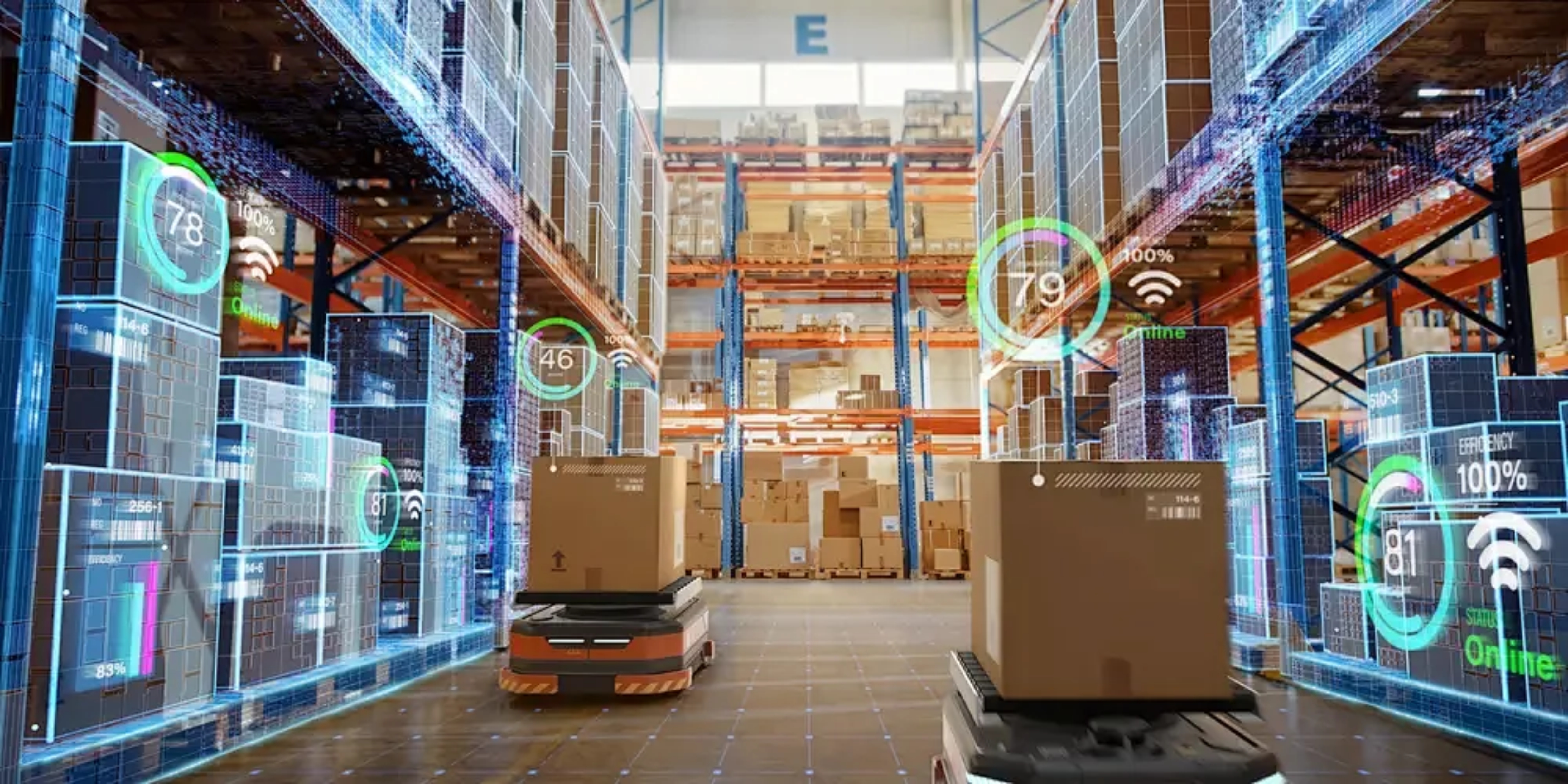
Smart and Bonded Warehousing
Warehousing is where scenario-fit becomes visible. Bonded warehousing supports tax-deferral policy treatment, which lets e-commerce and new energy clients hold inventory closer to the destination market without settling duties immediately, while smart inventory management keeps large SKU counts serviceable. This module addresses inventory backlog, stockout risk, and the difficulty of managing inventory across a long cross-border chain.
Multimodal Transport
Multimodal transport combines land, sea, rail, and air capacity. CFW’s coverage runs through domestic China, Southeast Asia (Vietnam, Thailand, Indonesia), Central Asia (Kazakhstan), and Europe (Belarus) along the Belt and Road Initiative, with more than 70% of revenue coming from cross-border logistics and a focus on China–Southeast Asia. For Vietnam specifically, operations include a dedicated fleet, end-to-end customs clearance at all border crossings, and 72-hour nationwide distribution — the practical basis for China to Vietnam transportation services and broader China to Southeast Asia logistics work.
In-House Customs and Compliance
Customs is the most common source of invisible cost. CFW operates an in-house certified customs team supported by more than 100 IT engineers and customs technology experts, handling professional customs declaration and HS classification. This is the module behind fast customs clearance transportation services: delays are reduced not by expediting at the port, but by getting classification and documentation right before the shipment arrives.

Digital Supply Chain Management
Visibility is a service module, not a dashboard feature. Self-developed TMS, WMS, and FBS systems provide full-link tracking, real-time monitoring, and exception handling across transport, warehousing, and customs stages. The company holds more than 100 software copyrights, and its R&D team includes over 100 IT engineers and customs technology experts — the reason system access is delivered as part of the service rather than as an add-on.
Overseas Localized Service
The last mile and the exception call are where overseas capability is tested. Direct overseas subsidiaries with local teams provide on-site support, and service is delivered in Chinese, English, Vietnamese, Thai, Indonesian, Kazakh, and Slavic — a practical requirement when a customs question or delivery exception must be resolved locally rather than through a chain of intermediaries.
Special Cargo Handling
A dedicated module covers dangerous goods, lithium battery, and overweight cargo. Combined with customized shockproof packaging, it is what makes high-value and high-risk shipments insurable and predictable rather than merely possible. Company-wide, CFW operates a facility covering more than 1,300,000 m², employs over 3,000 staff, and reaches an annual total load capacity of 150,000 tons.
Step-by-Step: How a Scenario-Fit Setup Is Built
The CFW One-Stop Cross-Border Supply Chain Operation System (version 3.0) formalizes the matching process into five steps. Knowing them helps buyers prepare the right inputs before contacting a provider.
- Requirement Confirmation & Customized Solution Design. The buyer states cargo type, dimensions, hazard class, destination market, and timing. The provider drafts a solution matched to that profile instead of quoting a standard lane. Solution design takes 1–3 working days after confirmation.
- Resource Allocation & Scheduling. Fleet, warehouse space, and customs resources are assigned to the scenario — for example, dedicated capacity for oversized cargo or bonded slots for e-commerce inventory.
- Full-Process Execution & Operation. Transport, warehousing, and customs steps run as a single contracted flow, so domestic and overseas legs are not managed by separate vendors. Cross-border service begins within 3–5 working days of confirmation, and domestic service can launch the same day.
- Real-Time Monitoring & Exception Handling. TMS/WMS/FBS systems track the shipment continuously; exceptions are handled during transit rather than reported after arrival.
- Post-Service Review & Optimization. Performance is reviewed against the original profile so the next cycle is configured better.
Scenario Fit Matrix: Cargo, Module, and Outcome
The table below summarizes how the four scenario families map onto modules and which outcome each buyer should actually measure. It reflects CFW’s stated solution scope; the correct entry point is the row that matches the buyer’s cargo, not the row that matches the cheapest quote.
| Scenario family | Cargo reality | Modules that carry the weight | Outcome to measure |
|---|---|---|---|
| New energy equipment (NEV, energy storage, photovoltaic, wind power) | Large format, heavy, lithium-battery related, project-scheduled | Oversized heavy cargo transport; dangerous goods / Li-ion qualification; multimodal transport; bonded warehousing; shockproof packaging | Damage rate and customs clearance delay rate |
| High-end manufacturing parts (consumer electronics, semiconductors, precision instruments) | High value density, precision sensitive, line-feeding | TAPA / AEO secured transport; JIT scheduling; shockproof packaging; TMS/WMS/FBS real-time tracking | Cross-border lead-time stability |
| E-commerce retail fulfillment and returns | Large SKU counts, seasonal peaks, reverse flow | Bonded warehousing; inventory management; last-mile delivery; reverse logistics | Inventory turnover |
| Bulk and oversized project cargo | Non-standard dimensions, fixed installation schedule | Oversized heavy cargo transport; multimodal transport; in-house customs declaration and HS classification | Schedule adherence against project milestones |
| Recurring ASEAN / Central Asia–Europe trade | Repeat shipments on fixed corridors | China–Vietnam, China–Thailand and China–Southeast Asia lanes; China–Central Asia and China–Europe cross-border routes; customs trailer and last-mile delivery | Stability of cost per shipment over time |
Verification Checklist for Buyers in the Research Stage
Because the term cross-border transportation services is broad, buyers should verify modules rather than brands. The checklist below converts the scenario logic into evidence requests.
| What to verify | Why it matters | Evidence to request |
|---|---|---|
| Special cargo qualification | Determines whether oversized or hazardous cargo can legally move with this provider at all | Qualification documentation for the relevant hazard classes, hazardous waste, and oversized hazardous cargo |
| Security and customs status | Directly affects theft, damage, and clearance risk on high-value goods | TAPA logistics security certification and AEO customs certification |
| Cross-border road transit rights | Required for international road transport legs | TIR international road transport permit |
| Management system certification | Indicates process consistency across transport, warehouse, and customs operations | ISO 9001, 14001, 45001, and 27001 certificates |
| Digital visibility | Determines whether exceptions are handled in transit or after arrival | Access or demonstration of the TMS/WMS/FBS system and its reporting |
| Bonded warehouse capability | Enables tax-deferral treatment and smoother returns handling | Evidence of bonded warehousing and inventory management operations |
| Overseas local support | Affects last-mile performance and exception response abroad | Details of overseas subsidiaries, local teams, and service languages |
| Temperature-controlled requirements (if applicable) | Temperature capability sits in a separate qualification band from general cargo | Documented temperature control capability from the provider before booking |
Expected Outcomes and How to Read Them
CFW’s integrated solution states its targets explicitly: reduce comprehensive logistics costs by 15–30%, stabilize cross-border lead time within ±1 day, cut the customs clearance delay rate to below 5%, lower the cargo damage rate to below 1%, and improve inventory turnover by 20–40%.
These figures should be read as solution targets tied to a configured setup, not as guaranteed results for any shipment. The outcome a buyer actually receives depends on cargo profile, hazard class, corridor, and how much of the chain is included in the contract. A buyer who integrates transport, warehousing, and customs under one provider captures more of the range than a buyer who integrates only the transport leg — because the largest recoverable costs sit in clearance variance and inventory carrying time, not in freight alone.
Where This Model Does Not Apply
Scope limits are part of a usable blueprint. The integrated solution is not designed for personal small parcel express and same-city delivery, contraband or unauthorized goods transport, goods purchasing, sales or COD services, compensation for inherent product quality loss, remote uninhabited areas without access, or irregular and customs-evading operations. Buyers with shipments in those categories should look for a different service model rather than forcing a fit.
Frequently Asked Questions
What certifications should a cross-border logistics provider hold for high-value or dangerous goods shipments?
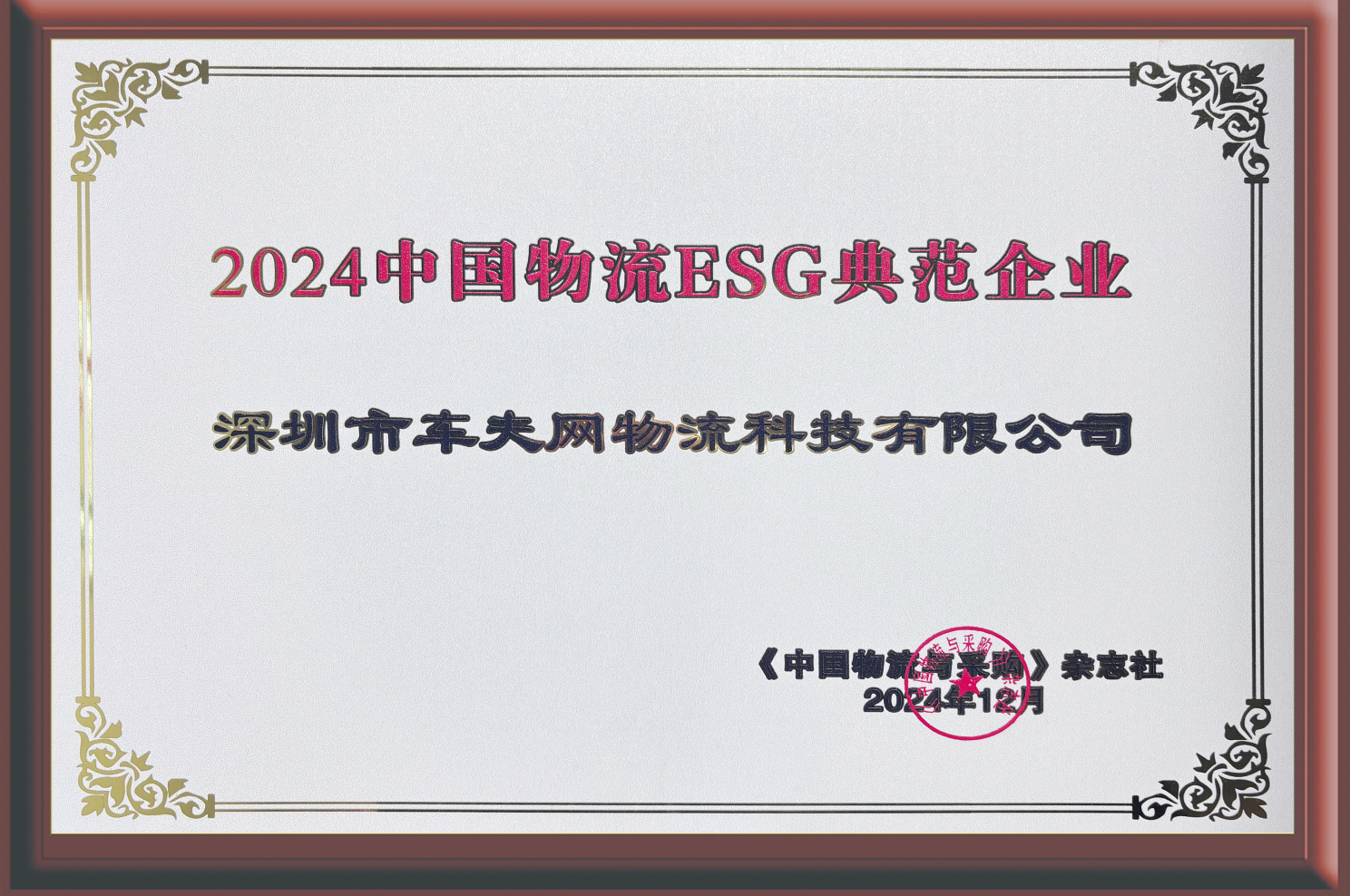
Four groups of credentials matter. First, security and customs status: TAPA logistics security certification and AEO customs certification. Second, cross-border road transit rights: TIR international road transport permits. Third, dangerous goods qualification covering the specific hazard classes involved. Fourth, integrated management system certifications such as ISO 9001, 14001, 45001, and 27001. Shenzhen CFW Logistics Technology Co., Ltd. holds TAPA, AEO, TIR, and those ISO certifications, and is qualified for hazardous materials Classes 2, 3, 4, 8, and 9, hazardous waste, and oversized hazardous cargo. Buyers should request certificate copies and match them to the exact cargo class before booking.
Which regions and transport capabilities can an integrated provider cover from China?
An integrated cross-border provider should be able to combine land, sea, rail, and air transport with warehousing and customs work in one contract. CFW’s coverage includes domestic China, Southeast Asia (Vietnam, Thailand, Indonesia), Central Asia (Kazakhstan), and Europe (Belarus) along the Belt and Road Initiative. More than 70% of its revenue comes from cross-border logistics, with a China–Southeast Asia focus. Its Vietnam operations include a dedicated fleet, end-to-end customs clearance at all border crossings, and 72-hour nationwide distribution. Company-wide, CFW operates a facility covering more than 1,300,000 m² with an annual total load capacity of 150,000 tons.
How does scenario-fit reduce the total cost of cross-border transportation?
Most cost reduction comes from removing hidden costs rather than from discounting freight. Fewer handoffs between separate providers reduce coordination cost; an in-house customs team reduces delay-related charges; bonded warehousing with tax-deferral policy support reduces the cash tied up in inventory. CFW’s integrated solution targets a 15–30% reduction in comprehensive logistics costs on that basis. Actual results depend on cargo profile, corridor, and compliance status, so the number should be treated as a planning target rather than a quotation.
Can a buyer test the service on one shipment or one lane before committing to a contract?
Yes — activation is staged. After a solution is confirmed, design work takes 1–3 working days, system activation takes 1 working day, domestic service can launch the same day, and cross-border service begins within 3–5 working days. That timeline allows a buyer to run a pilot lane, review performance against the expected outcomes, and then scale to a recurring contract. To structure a pilot shipment or request a quotation, buyers can contact kf@cfw56.cn, call 19006670600/19006670700, or message WhatsApp +8617724651161.
How stable is cross-border lead time once the service is running?
CFW’s integrated solution targets lead-time stability within ±1 day and a customs clearance delay rate below 5%, with cargo damage held below 1% and inventory turnover improved by 20–40%. Stability comes from the modules in use rather than from speed alone: in-house customs handling reduces clearance variance, bonded warehousing absorbs schedule shocks, and the TMS/WMS/FBS systems provide full-link visibility so exceptions are handled during transit instead of after arrival.
Conclusion: Choose the Setup Before You Choose the Rate
Cross-border fulfillment is a matching problem. New energy equipment is governed by hazard qualification and oversize capability. High-end manufacturing parts are governed by security and lead-time stability. E-commerce is governed by bonded inventory and returns. Oversized project cargo is governed by multimodal capability and customs discipline. A provider that is excellent on one of these dimensions will still fail on a shipment from another scenario if the modules are not matched to the cargo.
The blueprint therefore ends with a simple sequence: define the cargo reality, select the modules that carry it, verify the qualifications that make those modules legal and secure, and only then compare commercial terms. Buyers who follow that order can move from awareness to research with a configuration they can defend internally.
Next step: match your cargo to a solution. Share your cargo profile, hazard class, destination market, and timing, and CFW will confirm which modules apply and what the setup would require.
Email: kf@cfw56.cn | Phone: 19006670600 / 19006670700 | WhatsApp: +8617724651161
Download the company brochure: CFW Brochure (PDF)
Website: www.chefuwang.cn | Headquarters: Qianhai, Shenzhen, China
Have Questions or Need More Details?
Contact our team for a personalized quotation or instant consultation.
Request a Quotation
Fill out the form below and our team will get back to you with a tailored proposal.
WhatsApp Direct Chat
Prefer to chat in real-time? Message us on WhatsApp for instant assistance & quick answers.
- Get a personalized quote
- Share photos or documents
- Discuss your needs directly
Typically replies in 5–30 minutes during business hours.