Cross-Border Transportation Services: FAQ for Long-Term Partnerships & After-Sales Assurance
Cross-Border Transportation Services: FAQ for Long-Term Partnerships & After-Sales Assurance
A cross-border transportation partnership is not proven by one successful shipment. It is proven in month nine, when a customs rule changes on the lane, when peak-season capacity tightens, or when a damaged unit has to be replaced before a production line restarts.
This FAQ answers the questions procurement and supply-chain leaders ask when they move from a trial shipment to a multi-year contract: who owns compliance, how service levels are governed, how escalation works, and what after-sales assurance actually covers once the first invoice has been paid.
The answers below are grounded in the operating model of Shenzhen CFW Logistics Technology Co., Ltd. (CFW), a logistics group established in 2013 and headquartered in Qianhai, Shenzhen, China, with total registered capital exceeding RMB 250 million. CFW provides end-to-end integrated logistics services across land, sea, rail and air transport, warehousing management and customs services, and operates across domestic China, Southeast Asia, Central Asia and Europe along the Belt and Road Initiative.
Why the First Shipment Is a Weak Test of a Long-Term Partner
A trial shipment usually runs on a negotiated exception. Senior attention is assigned, capacity is prioritised, and at least one manual workaround is applied so the pilot lands cleanly. That is precisely why procurement teams that benchmark only the first delivery often see performance decay between months six and eighteen of a contract.
The failure modes are predictable rather than accidental:
- Compliance drift. Classification, valuation and documentation practices agreed during onboarding gradually lose consistency when the operating team rotates.
- Capacity reallocation. When peak season or a larger account competes for the same equipment, providers without committed assets reprice or deprioritise the lane.
- Ownership gaps. In multi-vendor models, the transport provider, the customs broker and the overseas agent each complete their own step, but no single party owns the end-to-end result.
- Escalation latency. Exception handling depends on how quickly the right person is contacted, not on how quickly the problem is detected.
- Data discontinuity. Without a shared visibility layer, a buyer cannot separate a genuine service failure from normal transit variation.
The financial dimension compounds the operational one. In the baseline that CFW measures against, the industry average comprehensive logistics cost level rises 5–10% annually and carries high hidden expenses — the exception charges, expediting fees and administrative hours that never appear in the original quotation. A long-term partner should therefore be evaluated against total cost of ownership, not only the rate card.
What the Market Context Says About Multi-Year Cross-Border Transport Risk
Cross-border transport is a large, expanding and fragmented market, and both growth and fragmentation increase partner-selection risk. Public market data makes the scale visible:
- The global cross-border road freight transport market was valued at USD 1.18 trillion in 2024 and is projected to reach USD 1.65 trillion by 2030 (Strategic Market Research).
- Southeast Asia’s third-party logistics market was valued at USD 30.1 billion in 2025, with transportation management holding a 58% share (MarkNtel Advisors).
- China’s logistics market generated USD 377.1 billion in revenue in 2025 and is expected to grow at a CAGR of 10.5% through 2033 (Grand View Research).
- Vietnam’s logistics network involves more than 50,000 registered enterprises, with road freight handling over 80% of domestic transport as of 2024 (Vietnam Logistics Business Association / Mordor Intelligence).
Fragmentation is most visible at the border. When tens of thousands of providers operate in a single Southeast Asian market, qualification quality varies widely, and security and customs credentials become the fastest filter available to a procurement team. TAPA FSR/TSR certifications and AEO (Authorized Economic Operator) status are recognised as standard for high-security logistics (TAPA EMEA / EU Customs).
Temperature-sensitive supply chains face a different but equally structural pressure. The global cold chain logistics market reached USD 76.45 billion in 2024, with pharmaceutical segments requiring stringent temperature control for biologics (Fortune Business Insights) — cargo profiles that leave very little tolerance for handovers between unconnected vendors.
What After-Sales Assurance Means in Cross-Border Transportation
In cross-border transportation services, after-sales assurance is less about repairing a product than about owning an outcome: a compliant clearance, a delivery that arrives inside the agreed window, an exception that is escalated before the customer notices it, and a review cycle that measurably changes the next shipment.
Qualifications define what can be handled at all
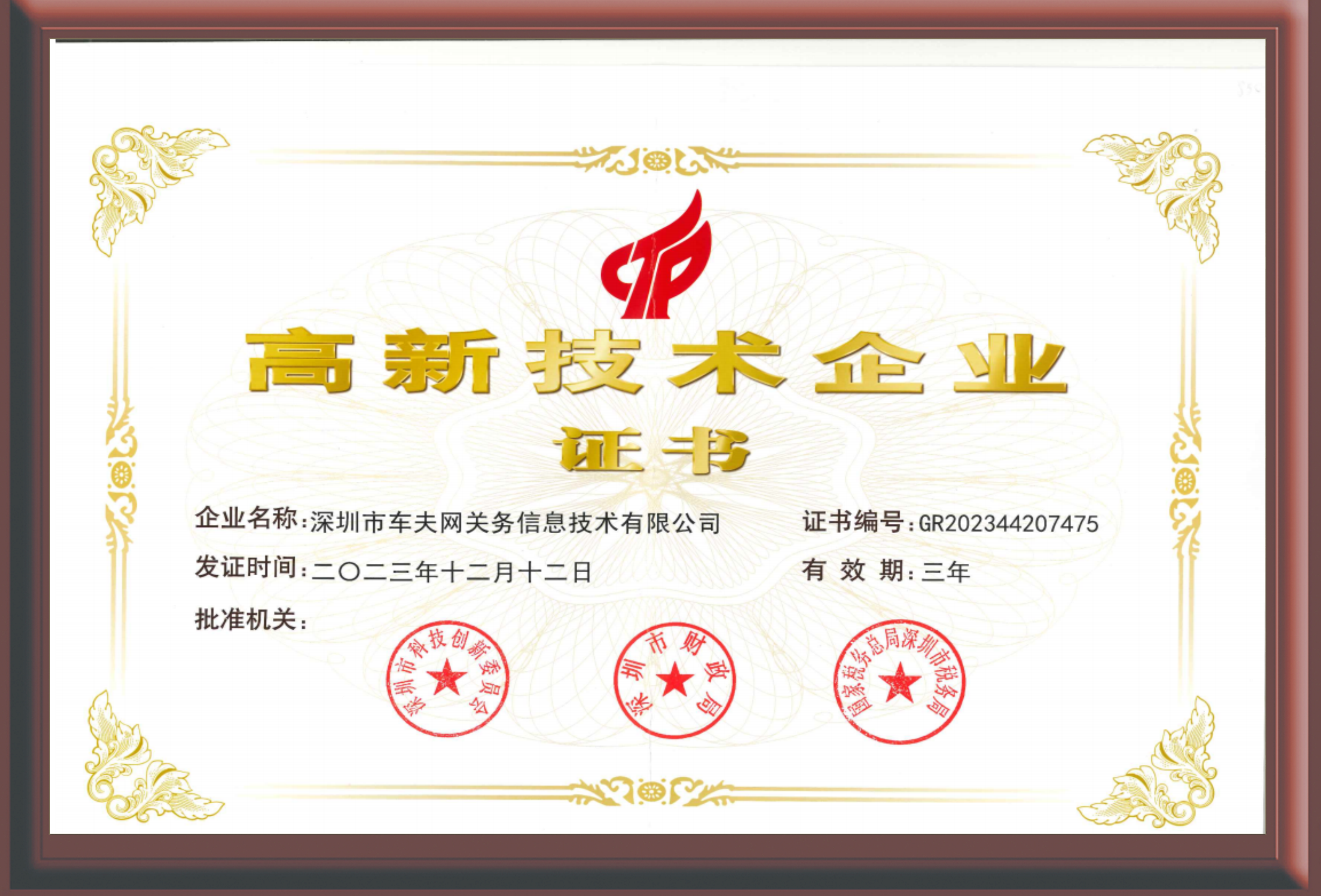
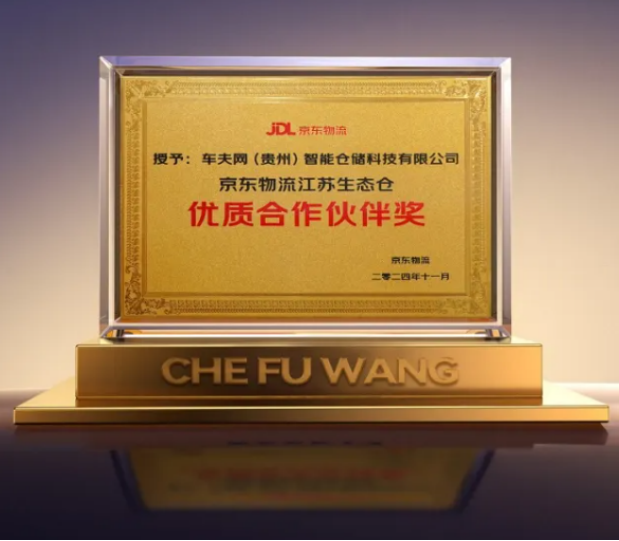
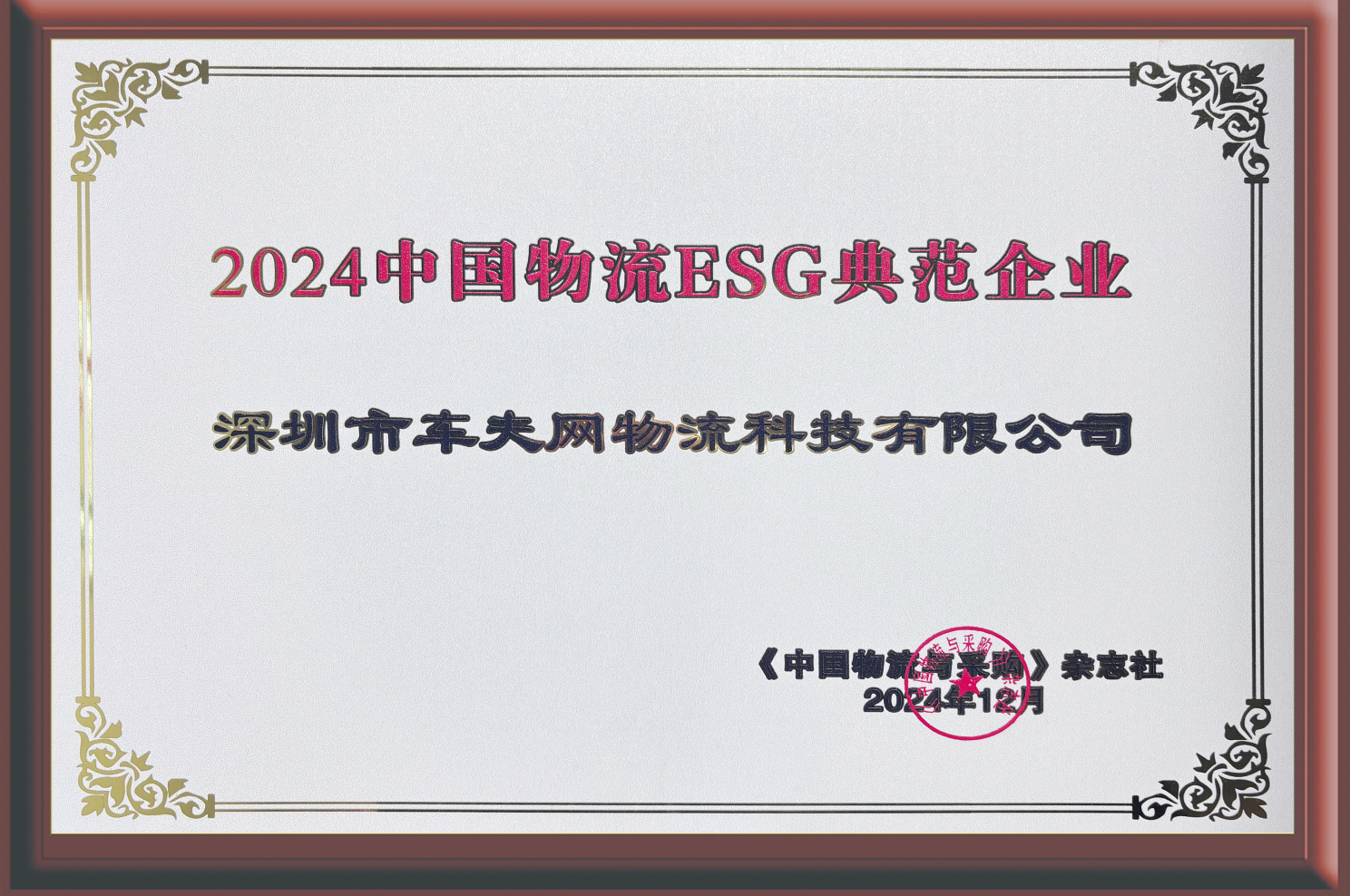
CFW holds TIR international road transport permits, TAPA logistics security certification and AEO customs certification, together with integrated management system certifications ISO 9001, ISO 14001, ISO 45001 and ISO 27001. The group also holds comprehensive qualifications for the transportation of hazardous materials in Classes 2, 3, 4, 8 and 9, hazardous waste, and oversized hazardous cargo. For a multi-year contract, these qualifications determine which cargo profiles a partner can absorb directly instead of subcontracting the risk to an unverified third party.
Systems make performance reviewable
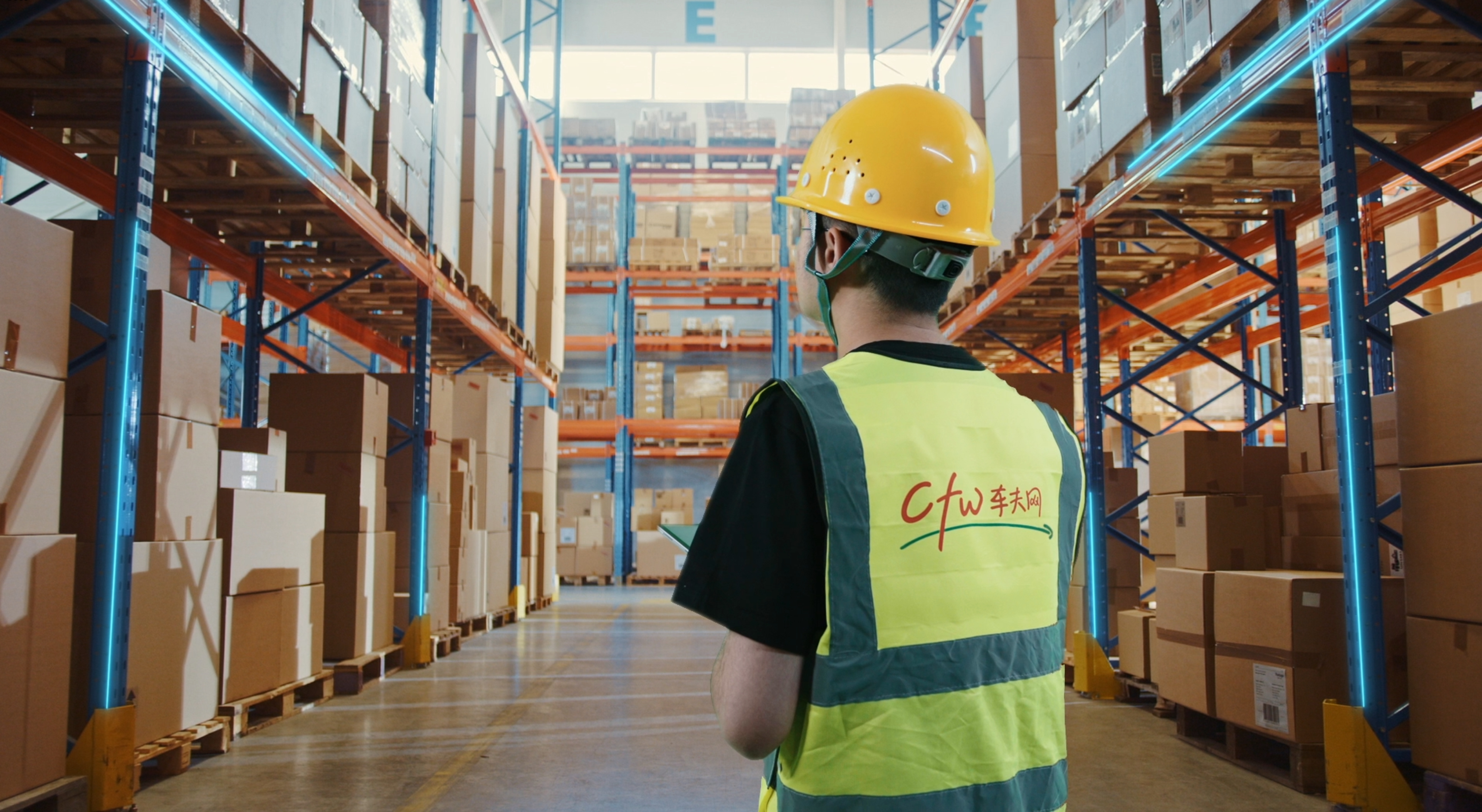
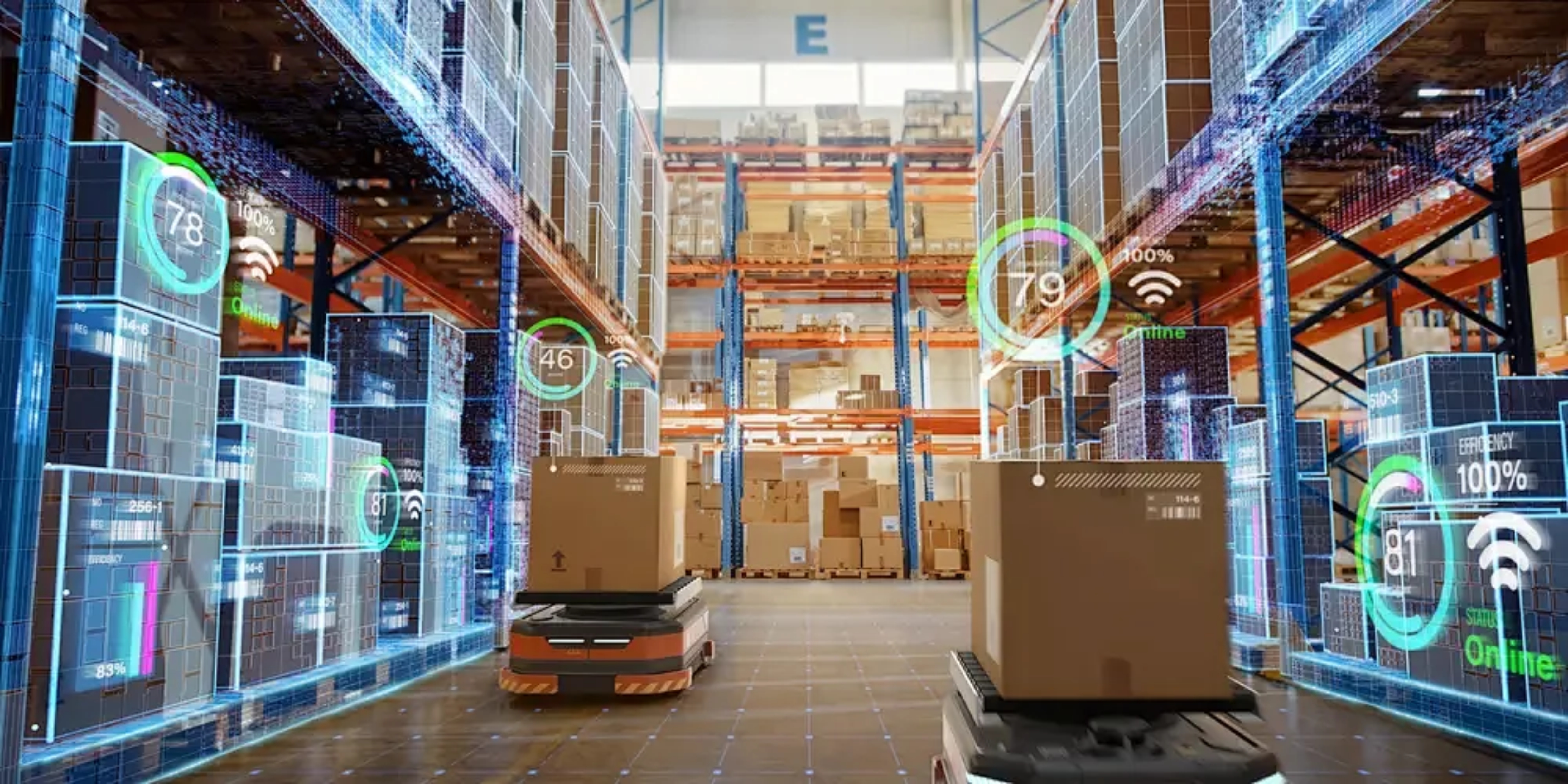
Assurance depends on evidence. CFW operates a self-developed TMS (Transportation Management System), WMS (Warehouse Management System) and FBS, providing full-link real-time visibility across transport, warehousing and customs stages. More than 100 IT engineers and customs technology experts support these platforms, and the group has secured nearly 100 software copyrights. In a multi-year agreement, the practical value is that monthly and quarterly reviews can be conducted on shared operational data rather than on recollection or goodwill.
Local execution decides the outcome
Cross-border service quality is ultimately settled at the destination, not at the point of loading. CFW’s main markets cover domestic China, Southeast Asia (Vietnam, Thailand, Indonesia), Central Asia (Kazakhstan) and Europe (Belarus) along the Belt and Road Initiative, and the group operates direct overseas subsidiaries with 100% local teams. In Vietnam specifically, CFW runs its own dedicated fleet, handles end-to-end customs clearance at all border crossings, and provides 72-hour nationwide distribution for oversized cargo, general goods and hazardous materials. Singapore’s The Straits Times has featured the group’s China–Vietnam cross-border operations.
These capabilities are organised through the CFW One-Stop Cross-Border Supply Chain Operation System (version 3.0), a five-step operating methodology: requirement confirmation and customized solution design; resource allocation and scheduling; full-process execution and operation; real-time monitoring and exception handling; and post-service review and optimisation. Its stated core principles are Compliance First, Quality Priority, Customer-centric, Localized Service and Data-driven. The design intent is explicit — moving from fragmented multi-vendor manual operation to one-stop closed-loop digital management, and from third-party brokers to direct overseas local teams. Bonded warehouse tax-deferral policy integration is part of the same operating logic.
Onboarding and Governance: A Step-by-Step Breakdown
The onboarding path is the first visible test of whether a provider can carry a multi-year commitment. CFW’s One-stop Cross-Border Supply Chain End-to-End Fulfillment Process has five stages, each with defined inputs, outputs and timelines.
| Stage | What happens | Typical timeline | Deliverable |
|---|---|---|---|
| Consultation & Requirement Confirmation | Industry, cargo, route, timeline and budget needs are collected and confirmed | 1–2 working days | Requirement confirmation sheet / checklist |
| Solution & Quotation Confirmation | A customized cross-border supply chain solution is designed and a formal quotation issued | 1–3 working days | Customized plan and quotation document |
| Resource Arrangement & Preparations | Transport, warehousing and customs resources are allocated; pre-check completed | 1–5 working days | Operation SOP and resource schedule |
| End-to-End Execution & Monitoring | Transport, warehousing, customs clearance and last-mile delivery are executed and tracked | As per route standard lead time | Tracking link, daily report, exception alerts |
| Delivery & Post-Service Review | Delivery is completed, performance reviewed and the next cycle optimised | 1 working day after delivery | Delivery receipt and operation review report |
Responsibilities are split explicitly rather than implied. The client provides accurate cargo and document information, confirms the solution and quotation on time, completes payment as agreed, cooperates with customs inspection and warehouse operations, and provides post-delivery feedback. CFW designs industry-specific solutions, allocates qualified resources, ensures compliant customs clearance and safe transport, monitors in real time, handles exceptions, and delivers on time with post-service support.
Account governance is the part buyers should scrutinise most closely, because it is what distinguishes a vendor from a partner:
- Dedicated account manager on a 1-on-1 basis for the duration of the relationship.
- Real-time updates via online groups plus periodic written reports.
- Monthly and quarterly operation reviews with data-driven optimisation of routes and resources.
- 24-hour exception response as the formal escalation assumption.
- A defined revision policy: requirement changes are accepted before execution, with the plan, quotation, revised scope and timeline confirmed in writing.
That structure matters more in year two than in week one, because it is the mechanism through which a logistics partner is held accountable without renegotiating the contract each time the market moves.
Use Cases: Where Long-Term Governance Pays Off
1. Recurring oversized and heavy cargo on industrial lanes
An equipment manufacturer shipping oversized components on a recurring China to Central Asia or China to Europe cross border transportation lane needs qualifications that hold for the whole contract period, not just for the pilot. CFW’s oversized hazardous cargo and hazardous materials qualifications (Classes 2, 3, 4, 8 and 9, plus hazardous waste) apply across the Belt and Road markets the group serves, including Kazakhstan and Belarus.
2. ASEAN distribution programmes
A distributor serving Vietnam or Thailand benefits most from destination-side control. CFW’s dedicated fleet in Vietnam, end-to-end customs clearance at all border crossings and 72-hour nationwide distribution reduce the number of handover points at which accountability is normally lost between China to Southeast Asia logistics providers.
3. Consolidating a multi-vendor supply chain
Buyers who currently coordinate separate transport, warehousing and customs vendors usually carry the integration cost internally. Moving to one integrated supply chain logistics partner changes the review conversation: one account manager, one tracking view, one monthly review and one set of deliverables. It also converts the relationship from transactional to evaluable — which is what makes multi-year pricing and capacity commitments negotiable at all.
Beyond the Rate Card: Comparison Table for Multi-Year Partnerships
The table below converts the FAQ questions above into verifiable evaluation dimensions. Each row can be checked against documents, certificates or system demonstrations before a long-term contract is signed.
| Evaluation dimension | Question for the provider | CFW position (verifiable facts) |
|---|---|---|
| Compliance ownership | Are customs and hazardous-cargo qualifications held in-house? | AEO customs certification, TIR international road transport permits and TAPA logistics security certification; qualifications for hazardous materials Classes 2, 3, 4, 8 and 9, hazardous waste and oversized hazardous cargo. |
| Management system coverage | Are quality, environment, safety and information security managed under certified systems? | Integrated management system certifications ISO 9001, ISO 14001, ISO 45001 and ISO 27001. |
| Visibility and data | Can transport and warehouse data be reviewed in one system? | Self-developed TMS, WMS and FBS delivering full-link real-time visibility; more than 100 IT engineers and customs technology experts; nearly 100 software copyrights. |
| Cross-border coverage | Which markets are served directly rather than through brokers? | Domestic China; Southeast Asia (Vietnam, Thailand, Indonesia); Central Asia (Kazakhstan); Europe (Belarus) along the Belt and Road Initiative. |
| Local execution | Is there a local team and fleet at destination? | Direct overseas subsidiaries with 100% local teams; a dedicated fleet in Vietnam; end-to-end customs clearance at all border crossings and 72-hour nationwide distribution in Vietnam. |
| Onboarding speed | How fast is a customized solution and quotation produced? | Requirement confirmation in 1–2 working days; customized solution and formal quotation in 1–3 working days; resource arrangement and preparations in 1–5 working days. |
| Account governance | Who owns the relationship after go-live? | Dedicated account manager on a 1-on-1 basis, online group updates, periodic written reports, 24-hour exception response, and monthly and quarterly operation reviews. |
| Cost and return evidence | What cost and ROI outcomes are documented? | 20–30% reduction in comprehensive logistics costs against a baseline in which industry average costs rise 5–10% annually; ROI of 200–300%; time to impact of three months; measured over a one-year project cycle. |
A practical discipline: request the baseline definition behind any efficiency claim before accepting the number. A cost reduction percentage without a stated baseline is not a procurement fact.
FAQ: Long-Term Cross-Border Transportation Partnerships
1. Which certifications should a long-term cross-border transportation partner hold?
Start with customs and security credibility. AEO (Authorized Economic Operator) status and TAPA FSR/TSR logistics security certifications are recognised as standard for high-security logistics. For industrial and chemical cargo, in-house hazardous materials qualifications matter as much as the certificate list. CFW holds AEO customs certification, TAPA logistics security certification and TIR international road transport permits, plus qualifications for hazardous materials Classes 2, 3, 4, 8 and 9, hazardous waste and oversized hazardous cargo, alongside ISO 9001, ISO 14001, ISO 45001 and ISO 27001 integrated management system certifications. When reviewing documentation, confirm the certificate scope rather than the certificate name alone.
2. How is a multi-year account governed once service starts?
CFW assigns a dedicated account manager on a 1-on-1 basis and provides real-time updates through online groups supported by periodic written reports. Exceptions carry a formal 24-hour response assumption. Performance is reviewed monthly and quarterly, with data-driven optimisation of routes and resources based on real operation data and client feedback. The underlying visibility comes from self-developed TMS, WMS and FBS platforms, so reviews reference shared records rather than reconstructed estimates.
3. What cost and ROI outcomes support the case for a long-term partnership?
CFW’s documented result metric is a 20–30% reduction in comprehensive logistics costs, measured against a baseline where the industry average cost level rises 5–10% annually with high hidden expenses. The associated ROI value is 200–300%, with a time to impact of three months and measurement over a one-year project cycle using financial records, client cost comparison reports and internal operation data. The mechanism is one-stop service integration, resource synergy, bonded policy benefits and intelligent consolidation. Buyers should always ask how the baseline was constructed before accepting the percentage.
4. Can service quality be validated before committing to a multi-year contract?
Yes, through a structured pilot rather than an informal trial. Under the One-stop Cross-Border Supply Chain End-to-End Fulfillment Process, consultation and requirement confirmation take 1–2 working days, a customized solution and formal quotation take 1–3 working days, and resource arrangement and preparations take 1–5 working days; execution then follows route standard lead time, with delivery and post-service review completed within 1 working day after delivery. Requirement changes are accepted before execution, with the plan, quotation and revised scope confirmed in writing. A pilot is most informative when the buyer measures the same outputs the multi-year contract will eventually be reviewed against.
5. How are lead-time expectations and after-sales issues handled over several years?
Assurance is built from three layers. Operationally, cargo is tracked through self-developed TMS, WMS and FBS with real-time monitoring and exception handling. Commercially, a dedicated account manager owns communication, and exceptions follow a 24-hour response assumption. Structurally, monthly and quarterly reviews convert operational data and client feedback into route and resource adjustments, guided by the operating principles of Compliance First, Quality Priority, Customer-centric, Localized Service and Data-driven. Escalation therefore has a named owner, a defined cadence and a documented output — the three conditions that make after-sales assurance auditable rather than rhetorical.
Next Step: Evaluate the Partnership, Not the Shipment
If your team is moving from spot procurement to a multi-year cross-border transportation services agreement, the fastest way to test the answers above is with a documented pilot and a governance review. CFW’s cross-border supply chain capabilities, certifications and route coverage are summarised in the downloadable company brochure, and the group’s service model is described at www.chefuwang.cn.
Download the CFW brochure: CFW Logistics Company Brochure (PDF)
Contact: Email kf@cfw56.cn | Tel 19006670600 / 19006670700 | WhatsApp +8617724651161 | Headquarters: Qianhai, Shenzhen, China.
Long-term cross-border transportation partnerships are decided less by the first quotation than by what happens after the third exception. The questions in this FAQ — certification scope, governance ownership, review cadence, escalation assumptions and cost baselines — are the same questions that determine whether a multi-year contract remains measurable in year three.
Have Questions or Need More Details?
Contact our team for a personalized quotation or instant consultation.
Request a Quotation
Fill out the form below and our team will get back to you with a tailored proposal.
WhatsApp Direct Chat
Prefer to chat in real-time? Message us on WhatsApp for instant assistance & quick answers.
- Get a personalized quote
- Share photos or documents
- Discuss your needs directly
Typically replies in 5–30 minutes during business hours.