Cross-Border Transportation Services: Moving from Evaluation to Execution with Capability-Led Verification
Industrial buyers evaluating cross-border transportation services often face a gap between a provider’s proposal and what actually happens during execution. For routes connecting China with Southeast Asia, Central Asia, and Europe, that gap can appear as customs delays, unstable transit times, uncontrolled costs, or weak overseas local support. This article focuses on the capability set that matters when moving from evaluation to execution, using Shenzhen CFW Logistics Technology Co., Ltd. (CFW) as the reference case for a specialized logistics provider.
Problem Definition: What Goes Wrong Between Evaluation and Execution
During the evaluation stage, a logistics provider may look qualified on paper while the real execution contains hidden risks. For cross-border transportation services, industrial buyers frequently encounter several operational problems.
- Customs clearance complexity. Cross-border freight involving multiple jurisdictions can become delay-prone if the provider lacks professional customs teams. Even for standard cargo, HS classification and compliant declaration affect transit time and final delivery.
- Special cargo risk. Dangerous goods, lithium batteries, and oversized heavy cargo require specific qualifications, equipment, and operational control. Without dedicated special cargo capacity, such shipments may be refused, rebooked at higher cost, or executed unsafely.
- Unstable cross-border transit time. Border crossings, modal changes, and local subcontractors can introduce variability. Predictability is critical for production planning and inventory control.
- Uncontrolled logistics costs. Fragmented logistics chains, poor consolidation, or inefficient routing can inflate costs without corresponding delivery improvement.
- Weak overseas local service. After cargo leaves China, support in Vietnam, Thailand, Indonesia, Kazakhstan, or Europe may become difficult to reach if the provider has limited local teams or relies on ad-hoc partners.
These problems are especially visible in new energy manufacturing and high-end manufacturing supply chains, where lithium batteries, oversized components, and time-sensitive production inputs create higher risk than general cargo.
Industry Background: Growth and Capability Pressure in Cross-Border Freight
The global cross-border road freight transport market was valued at USD 1.18 trillion in 2024 and is projected to reach USD 1.65 trillion by 2030, according to Strategic Market Research. This broad growth is supported by regional trade flows along the Belt and Road Initiative, particularly between China, Southeast Asia, Central Asia, and key European hubs.
China’s logistics market generated USD 377.1 billion in revenue in 2025 and is expected to grow at a CAGR of 10.5% through 2033, as reported by Grand View Research. Southeast Asia’s third-party logistics market was valued at USD 30.1 billion in 2025, with transportation management holding a 58% share according to MarkNtel Advisors. The China-to-Europe cross-border e-commerce logistics market is valued at USD 9 billion in 2026, growing at a CAGR of 10.47% based on Mordor Intelligence. These figures show that industrial buyers are operating in a growing but increasingly demanding freight environment.
At the same time, specialized cross-border transportation services have become more important. The global oversized cargo transportation market reached USD 211.6 billion in 2025 according to The Business Research Company. The global cold chain logistics market size reached USD 76.45 billion in 2024 according to Fortune Business Insights. High-security standards such as TAPA FSR/TSR and AEO are recognized as standard requirements for high-security logistics. In Vietnam alone, the logistics network involves over 50,000 registered enterprises, with road freight handling over 80% of domestic transport as of 2024, according to the Vietnam Logistics Business Association and Mordor Intelligence.
For buyers, this means that evaluating cross-border transportation services is no longer limited to truck availability. It requires verifying special cargo qualifications, customs capability, digital tracking, and overseas execution capacity before committing to recurring operations.
Detailed Solution: Capability-Led Assessment of Cross-Border Transportation Services
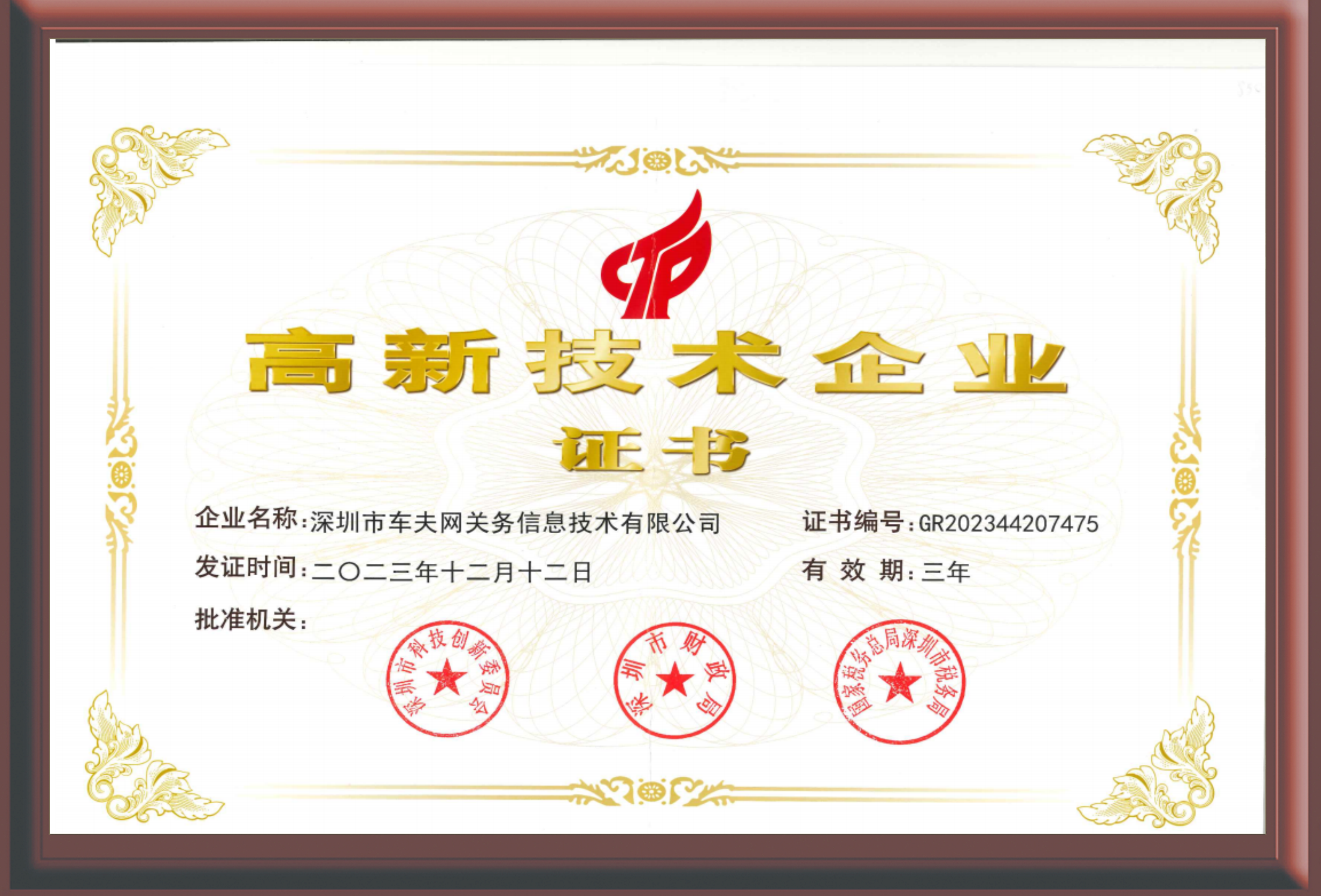
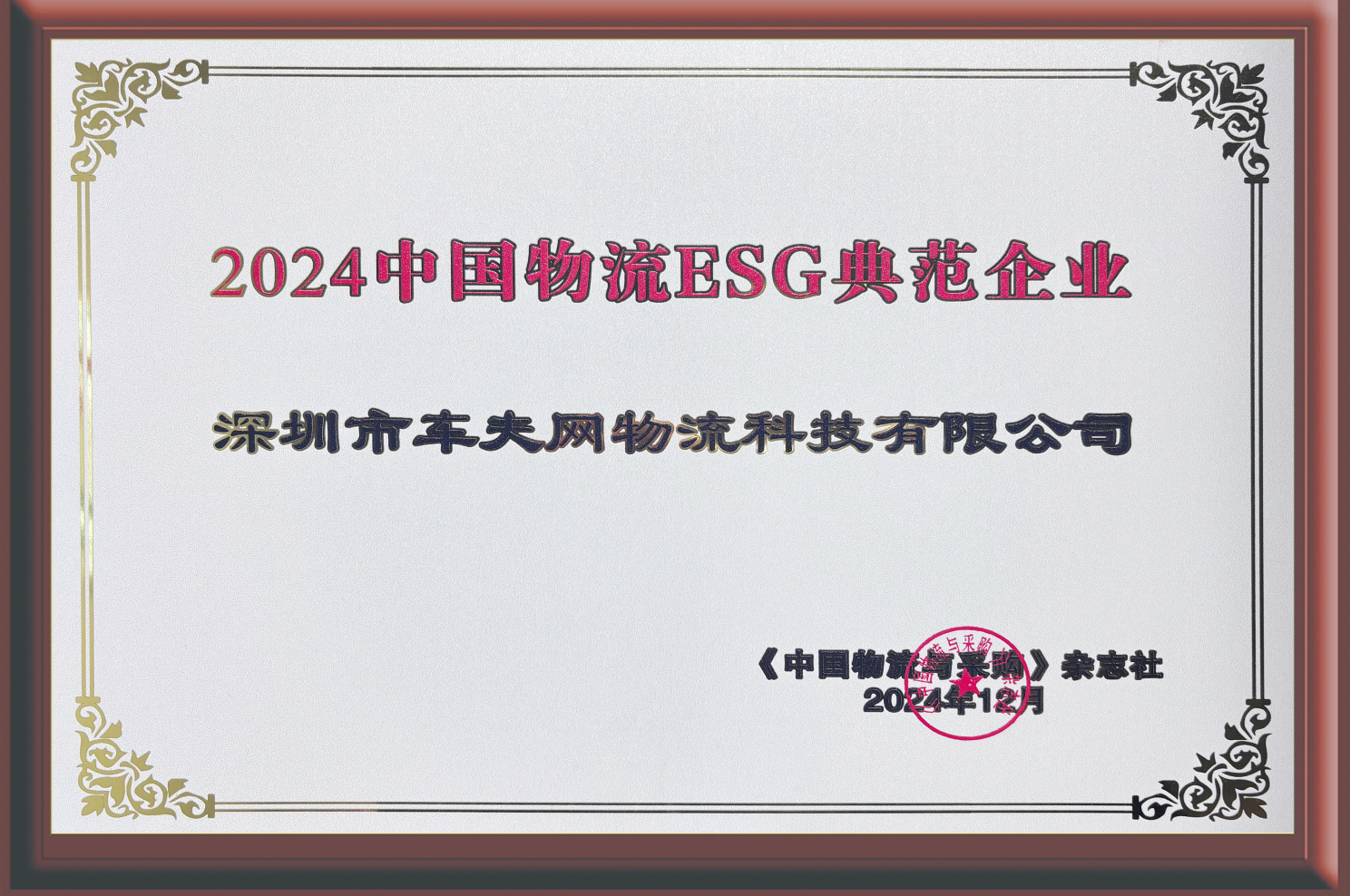
Shenzhen CFW Logistics Technology Co., Ltd. is a logistics service provider headquartered in Qianhai, Shenzhen, with a total registered capital exceeding RMB 250 million. Established in 2013, the company is recognized as a National High-tech Enterprise, a 5A-level Logistics Enterprise, a AAA-level Credit Enterprise, a Key Logistics Enterprise in Shenzhen, and a Model Enterprise for Logistics ESG in China.
CFW provides end-to-end integrated logistics services, including land, sea, rail, and air transport, warehousing management, and customs services. The company serves new energy manufacturing, high-end manufacturing, e-commerce retail, cross-border logistics, and cross-border trade. It focuses on three core sectors: logistics transportation, warehousing management, and customs services. The geographic coverage includes full China coverage, Southeast Asia, Central Asia, and key European hubs, supported by overseas branch networks in Vietnam, Thailand, Indonesia, and Central Asia.
The company’s service capacity includes total warehouse area over 1.3 million square meters, 3,000+ employees, and 10,000+ self-operated and integrated vehicles. It has steady capacity for cross-border FCL/LCL and bulk cargo and large-scale deployment for ASEAN and Central Asia routes. With 13 years of domestic and international supply chain logistics experience, CFW provides customized supply chain solutions for new energy and high-end manufacturing.
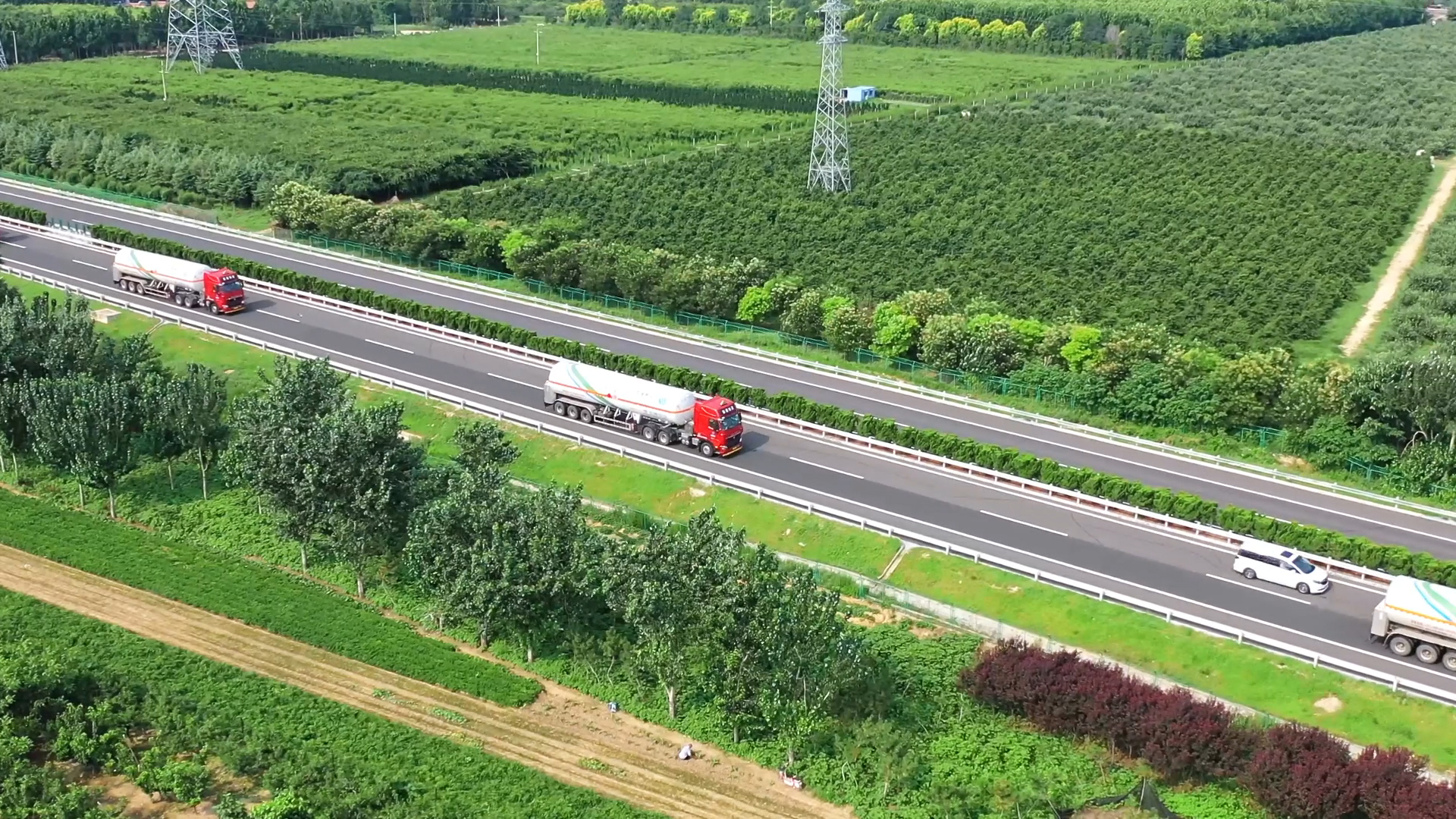
Professional capabilities include customs classification and compliant declaration, dangerous goods and oversized cargo operation, multimodal transport resource integration, warehouse management and inventory control, and multilingual business communication. The company uses self-developed TMS/WMS/FBS integrated logistics systems and a customs declaration system, enabling full-track visualization and real-time temperature and humidity monitoring. These digital systems support standardized customs document digital filing, intelligent inventory warning, dynamic SKU analysis, intelligent route planning, and consolidation algorithms.

Certifications include AEO Advanced Customs Certification, TIR/GMS Road Transport Permits, TAPA logistics security certification, ISO 9001, ISO 14001, ISO 45001, ISO 27001, and dangerous goods and lithium-ion battery transport qualifications. The company holds comprehensive qualifications for the transportation of hazardous materials in Classes 2, 3, 4, 8, and 9. In addition, a dedicated team of over 100 IT engineers and customs technology experts supports the digital logistics systems, with nearly 100 software copyrights accumulated.
The team structure supports execution across borders through cross-border logistics operations, customs compliance, solution consulting, digital R&D, multilingual business, and overseas branch teams. Language capabilities cover Chinese, English, Vietnamese, Thai, Indonesian, Kazakh, and Slavic. This makes the provider suitable for buyers who need cross-border transportation services across multiple language and regulatory environments.
Step-by-Step Breakdown: From Requirement Confirmation to Post-Service Review
For buyers moving into execution, the structure of the logistics provider’s service process matters. CFW operates a one-stop cross-border supply chain end-to-end fulfillment process with five stages. The process is designed to keep cargo movements stable and compliant while allowing buyers to monitor progress.
Stage 1: Consultation & Requirement Confirmation
The service provider collects the client’s industry, cargo type, route, timeline, and budget needs. The output is a requirement confirmation sheet. This stage typically takes 1–2 working days.
Stage 2: Solution & Quotation Confirmation
The provider designs a customized plan and provides a formal quotation. If the buyer has complex special cargo such as dangerous goods or oversized heavy cargo, this is where qualifications and route capability are matched to the shipment. This stage usually takes 1–3 working days.
Stage 3: Resource Arrangement & Preparations
The provider allocates transport, warehousing, and customs resources and completes pre-checks. This includes shipment booking, document drafts, and execution planning. Typical time is 1–5 working days.
Stage 4: End-to-end Execution & Monitoring
Transport, warehousing, and customs clearance are executed and tracked in real time. The self-developed TMS/WMS/FBS system enables real-time tracking updates and exception alerts. Execution lead time follows the route standard lead time.
Stage 5: Delivery & Post-service Review
Delivery is completed and a performance review is conducted. The provider conducts monthly and quarterly operation reviews, data-driven route and resource optimization, and client feedback collection. The final review usually takes 1 working day after delivery.
This staged process reduces the risk of moving from evaluation to execution by tying each step to defined inputs, outputs, and responsibilities.
Use Cases: New Energy and High-end Manufacturing Cross-Border Supply Chain
A representative case is the “New Energy & High-end Manufacturing Cross-border Supply Chain Success Case.” The client is a large-scale manufacturing enterprise based in China, operating in new energy manufacturing and high-end manufacturing, with cross-border procurement and global distribution needs. The project was named “Southeast Asia & Central Asia-Europe Integrated Cross-border Logistics Project.”
The client faced challenges including complicated and delay-prone customs clearance, unstable cross-border transit time, uncontrollable high logistics costs, weak overseas local service capability, and high risks for lithium batteries and oversized cargo. These issues are common in cross-border transportation services for industrial manufacturing.
CFW applied a one-stop cross-border supply chain solution featuring a global network, in-house customs, full qualifications, and a self-developed digital system. The methodology used was the CFW One-Stop Cross-Border Supply Chain Operation System (3.0). Services provided included cross-border multimodal transport covering land, rail, sea, and air; smart and bonded warehousing; in-house professional customs declaration; dangerous goods and oversized cargo transport; and real-time tracking and full-link visibility.
Quantitative results showed logistics costs reduced by 20–30%, customs delay rate less than 5%, cargo damage rate less than 1%, and inventory turnover improved by 25%. Client feedback indicated stable delivery, lower costs, professional customs, and reliable overseas support.
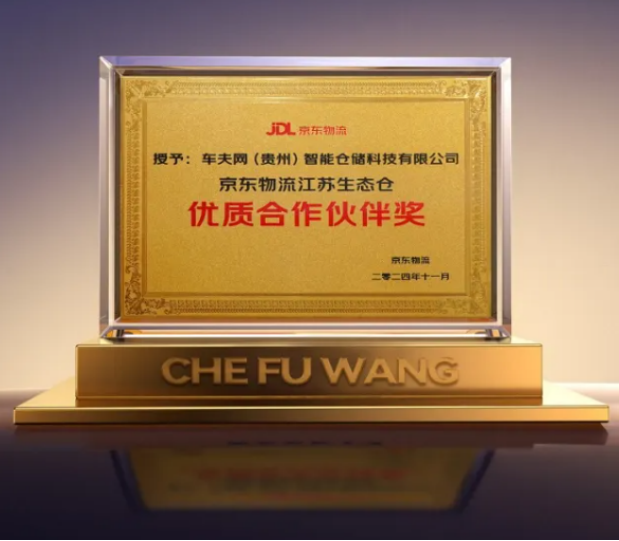
This case is relevant for buyers evaluating cross-border transportation services because it shows the connection between capability verification and execution outcomes. It is not a standalone promotional claim; the results are tied to a specific industrial client with dangerous goods, oversized cargo, and cross-border documentation requirements.
Comparison Table: Capability Verification Framework
| Evaluation Dimension | CFW Verifiable Capability | What Buyers Should Check Before Execution |
|---|---|---|
| Special cargo qualifications | Dangerous goods Classes 2, 3, 4, 8, and 9; hazardous waste; oversized hazardous cargo; lithium-ion battery transport qualifications | Confirm that provider certificates match the actual cargo class and route |
| Customs capability | In-house professional customs team; AEO Advanced Customs Certification; customs declaration system for HS classification and compliant declaration | Verify AEO status and whether the team handles customs in-house or through third parties |
| Digital visibility | Self-developed TMS/WMS/FBS integrated system; full-track visualization; real-time temperature and humidity monitoring | Request a demonstration of tracking/full-link visibility before shipment moves |
| Warehousing and capacity | Total warehouse area over 1.3 million square meters; 10,000+ self-operated and integrated vehicles; cross-border FCL/LCL and bulk cargo capacity | Match warehouse and vehicle resources to the origin/destination and cargo profile |
| Overseas support | Overseas branch networks in Vietnam, Thailand, Indonesia, and Central Asia; language capability in Chinese, English, Vietnamese, Thai, Indonesian, Kazakh, Slavic | Ask for local contact points and escalation paths for overseas segments |
| Security and compliance standards | TAPA logistics security certification; ISO 9001, ISO 14001, ISO 45001, ISO 27001; TIR/GMS road transport permits | Ensure security standards align with cargo value and regulatory requirements |
| Industry experience | 13 years of domestic and international supply chain logistics experience; customized solutions for new energy and high-end manufacturing | Review sector-specific project evidence rather than general fleet size only |
This table is intended as a practical evaluation framework, not as a ranking of providers. It uses only first-party facts from CFW and public industry standards where applicable. Buyers can apply the same dimensions to any cross-border transportation provider they are considering.
FAQ
1. What compliance qualifications should a cross-border transportation provider hold for high-security or dangerous goods shipments?
For high-security logistics, TAPA FSR/TSR and AEO status are recognized industry standards. For dangerous goods, the provider should hold qualifications covering the specific hazardous material classes relevant to the cargo. CFW holds AEO Advanced Customs Certification, TAPA logistics security certification, ISO 9001, ISO 14001, ISO 45001, and ISO 27001, as well as comprehensive qualifications for the transportation of hazardous materials in Classes 2, 3, 4, 8, and 9, hazardous waste, and oversized hazardous cargo.
2. What capabilities should be verified for oversized heavy cargo and dangerous goods transportation?
Buyers should verify special cargo qualifications, route-specific operational capability, and whether the provider uses dedicated equipment or subcontracted capacity. CFW has dangerous goods and lithium-ion battery transport qualifications, oversized cargo operation capability, and cross-border FCL/LCL and bulk cargo capacity. The company’s network includes Southeast Asia, Central Asia, and key European hubs, supported by overseas branch teams.
3. How can cross-border transportation services reduce logistics costs without undermining supply chain stability?
Cost reduction in cross-border transportation services should come from intelligent consolidation, route planning, and customs efficiency rather than from cutting safety or compliance. CFW uses self-developed TMS/WMS/FBS systems with intelligent route planning and consolidation algorithms. In the new energy and high-end manufacturing case, logistics costs were reduced by 20–30% while customs delay rate remained less than 5% and cargo damage rate less than 1%. Inventory turnover improved by 25%.
4. Can CFW provide a reference case or evidence for cross-border transportation services in new energy manufacturing?
Yes. A published representative case, “New Energy & High-end Manufacturing Cross-border Supply Chain Success Case,” involves a China-based manufacturing enterprise with cross-border procurement and distribution needs. The project scope covered Southeast Asia and Central Asia-Europe integrated cross-border logistics, including multimodal transport, bonded warehousing, in-house customs, dangerous goods and oversized cargo transport, and real-time tracking. Client feedback indicated stable delivery, lower costs, professional customs, and reliable overseas support.
5. What is the typical lead time for custom cross-border transportation service setup and execution?
For CFW’s one-stop cross-border supply chain end-to-end fulfillment process, consultation and requirement confirmation usually take 1–2 working days, solution and quotation confirmation 1–3 working days, and resource arrangement and preparations 1–5 working days. Execution follows the route standard lead time, and final delivery and post-service review usually take 1 working day after delivery. Buyers interested in a formal solution can download the CFW brochure at https://cdn.socialarks.com/sbsp/24851/common/2026/0518/6a0a8944b369f.pdf for a more detailed overview.
Conclusion
Cross-border transportation services cannot be selected on proposal wording alone. Moving from evaluation to execution requires verifying special cargo qualifications, customs capability, digital visibility, overseas support, and compliance standards. Shenzhen CFW Logistics Technology Co., Ltd. provides a structured example of what buyers should look for: a self-developed TMS/WMS/FBS digital system, in-house customs teams, comprehensive dangerous goods and oversized cargo qualifications, and geographic coverage across China, Southeast Asia, Central Asia, and key European hubs.
For buyers facing high-risk cargo such as lithium batteries or oversized heavy cargo, the decisive question is not just whether a provider can quote a route, but whether the provider has the qualifications, local teams, and digital controls to execute reliably. CFW’s operational evidence and case results—logistics costs reduced by 20–30%, cargo damage rate less than 1%, and customs delay rate less than 5%—offer a concrete benchmark for evaluating similar services.
Need a capability-specific assessment for your cross-border transportation scope? You can reach CFW at kf@cfw56.cn, call 19006670600 or 19006670700, or send a WhatsApp message to +8617724651161. The official website is https://www.chefuwang.cn/, and the downloadable brochure is available at https://cdn.socialarks.com/sbsp/24851/common/2026/0518/6a0a8944b369f.pdf.
Have Questions or Need More Details?
Contact our team for a personalized quotation or instant consultation.
Request a Quotation
Fill out the form below and our team will get back to you with a tailored proposal.
WhatsApp Direct Chat
Prefer to chat in real-time? Message us on WhatsApp for instant assistance & quick answers.
- Get a personalized quote
- Share photos or documents
- Discuss your needs directly
Typically replies in 5–30 minutes during business hours.