Customs Delays Stalling Production? A Cross-Border Transportation Fix for New Energy Manufacturers
When a bonded truck carrying lithium battery modules or an oversized stator frame is held at a land port, the loss is not measured in freight. It is measured in idle production hours, missed dealer delivery windows, and the emergency air freight that gets booked to cover the gap.
This is a problem-solving guide for procurement and supply chain leaders in new energy, high-end manufacturing, e-commerce retail, and cross-border trade. The premise is simple: recurring customs delay is not a broker problem that can be escalated away. It is a supply chain design problem. It is solved by moving customs competence inside the logistics operation, running every leg on certified infrastructure, and controlling the whole chain through one digital system.
CFW — Shenzhen CFW Logistics Technology Co., Ltd., founded in 2013 and headquartered in Qianhai, Shenzhen — packages those three elements into the China-ASEAN & Central Asia-Europe Cross-border Supply Chain Integrated Solution. The documented performance targets attached to that solution are a customs clearance delay rate below 5%, cross-border lead time stabilized within ±1 day, and a 20–30% reduction in comprehensive logistics costs.
Problem Definition: How Customs Delay Reaches the Production Line
Customs delay rarely arrives as a single event. It propagates. A two-day hold pulls a truck out of rotation, which delays the next milk-run for after-sales spare parts, which pushes a warehouse receiving window, which moves a production start date.
The four failure modes that hit the production plan directly
- Complicated, delay-prone customs clearance. Classification disputes, incomplete or inconsistent documentation, and dependency on an external broker's queue position turn a predictable clearance window into a variable.
- Unstable cross-border transit time. A lane that varies by several days cannot be planned against a fixed production schedule or a customer delivery commitment.
- Uncontrollable and high logistics costs. Emergency air freight, demurrage, detention, re-issued documents and duplicated handling rarely appear in the original rate card, but they land in the landed-cost calculation.
- Opaque full supply chain visibility. Without a single view of where a shipment is and why it stopped, every exception is discovered late and resolved by phone.
The three structural weaknesses behind them
- Weak overseas local service capability. Cross-border delivery only works if someone is operating at the destination, not just at the origin.
- Difficult inventory management with massive SKUs. Multi-SKU new energy portfolios amplify any transit-time variance into buffer stock that ties up working capital.
- High risks for high-value, precision and dangerous goods. Lithium batteries and hazardous materials must be handled by operators holding the correct class qualifications, or the shipment simply does not move.
These seven problem areas are the specific targets the China-ASEAN & Central Asia-Europe Cross-border Supply Chain Integrated Solution was designed against, according to CFW's own solution documentation.
Industry Background: Why Cross-Border Transport Is Now a Production Variable
Two shifts have made cross-border transport a production-planning issue rather than a purchasing line item.
The first is trade intensity on the corridors that new energy manufacturers depend on. Bilateral trade between China and Vietnam reached a record USD 296 billion in 2025, according to commercial research published by Mordor Intelligence. On the equipment side, the global oversized cargo transportation market was sized at USD 311.45 million in 2025, with a forecast of USD 435.0 million by 2032, based on Strategic Market Research data. Both numbers describe the same reality: more heavy, high-value, and non-standard cargo is crossing borders than the classic parcel-and-pallet network was designed for.
The second shift is regulatory. China's AEO-certified companies recorded 16.76 trillion yuan (USD 2.49 trillion) in foreign trade in the first seven months of 2026, accounting for 44.2% of the country's total foreign trade value, as reported by China Daily citing China's customs administration. AEO certification has been linked to clearance-time reductions of up to 80% for specific industrial firms in the same reporting. In practice, the share of trade moving through certified operators has turned certification status from a differentiator into a baseline qualification for buyers who need predictable lead time.
CFW operates inside that constraint set. The company reports 13 years of supply chain logistics experience and more than 20 years of combined industry expertise in its teams, with over 70% of revenue generated from cross-border logistics centered on China–Southeast Asia. Its operating footprint includes more than 1.3 million square meters of warehousing, 3,000+ employees, 10,000+ self-operated and integrated vehicles, and a load capacity reaching 150,000 tons. It holds 5A-level Logistics Enterprise and AAA-level credit ratings, TIR international road transport permits, TAPA logistics security certification, AEO advanced customs certification, and ISO 9001, 14001, 45001 and 27001 integrated management system certifications, plus transportation qualifications for hazardous materials in Classes 2, 3, 4, 8 and 9.
Detailed Solution: What the Integrated Fix Actually Contains
The China-ASEAN & Central Asia-Europe Cross-border Supply Chain Integrated Solution integrates domestic and international transportation, smart warehousing, bonded logistics, in-house customs services, and multimodal transport. It is built from six modules:
- Cross-border multimodal transport module — land, rail, sea and air legs combined per route, including full truckload (FTL), less-than-truckload (LTL), and oversized heavy cargo transportation services.
- Smart and bonded warehousing module — bonded warehouse transportation services, inventory control, and automated warehouse operations across the group's warehousing footprint.
- In-house customs clearance module — classification, compliant declaration, and tariff optimization handled by CFW's own certified customs team rather than an outside broker.
- Digital supply chain management module — self-developed TMS, WMS and FBS systems providing full-track visibility, 24/7 real-time tracking, and intelligent inventory warning.
- Overseas localized service module — branch operations in Vietnam, Thailand, Indonesia and Central Asia, backed by multilingual teams working in Chinese, English, Vietnamese, Thai, Indonesian, Kazakh and Slavic languages.
- Special cargo handling module — dangerous goods, lithium batteries, temperature controlled transportation services, and high-security TAPA/AEO transport arrangements.
Two capability facts explain why the customs module behaves differently from an outsourced arrangement. First, the customs competence is internal: HS classification, compliant declaration, and customs document digital filing are executed by CFW's own customs and compliance team. Second, the digital layer is internal as well — over 100 IT engineers and customs technology experts, and more than 100 software copyrights, sit behind the TMS/WMS/FBS stack. When a shipment stops, the same organization holds the customs file, the transport file, and the tracking record.
Supporting assets reinforce the operational picture: local fleets in Vietnam, end-to-end customs clearance at border crossings, and 72-hour nationwide distribution in Vietnam. In the wider geographic footprint, CFW covers full China operations plus Southeast Asia (Vietnam, Thailand, Indonesia), Central Asia (Kazakhstan) and European hubs including Belarus along the Belt and Road Initiative. Service formats range from JIT just-in-time transportation services and after-sales spare parts milk-run transportation services to BOI consultation and customs trailer services and fully personalized transportation services.
The Five Fixes, Ranked by Impact on Production Continuity
Not every improvement buys the same amount of protection for a production schedule. Ranked by how directly each one removes the risk of a stopped line, the sequence looks like this.
- 1. Bring customs competence in-house. Clearance is the single point where a shipment either moves or does not. An internal certified customs team removes the queue position of a third party from the critical path, and the documented target — a customs clearance delay rate below 5% — is a clearance-side metric, not a transport-side one.
- 2. Qualify the corridor, not just the carrier. AEO advanced customs certification, TIR/GMS road transport permits, TAPA security certification, ISO 9001/14001/45001/27001, and hazardous materials classes 2, 3, 4, 8 and 9 determine whether a specific cargo can legally move without a re-route. For lithium battery and dangerous goods shipments, this is a precondition rather than an advantage.
- 3. Digitize the chain onto one system. TMS, WMS and FBS running together produce 24/7 real-time tracking, intelligent inventory warning and exception alerts. The operational value is time-to-detection: an exception caught at the border can be re-planned; an exception discovered at the receiving dock cannot.
- 4. Localize the destination end. Overseas branches, local fleets in Vietnam, end-to-end border clearance and 72-hour nationwide distribution in Vietnam address the weakest link in most cross-border chains — the part after the border, where the shipment is no longer under the exporter's control.
- 5. Engineer the mode and consolidation mix. Multimodal combinations and intelligent consolidation reduce cost and absorb variance, but they are a refinement of the four items above, not a substitute for them.
Step-by-Step Breakdown: From Requirement Confirmation to Performance Review
The execution model behind the solution follows six documented stages. Each stage produces an artifact the buyer can hold the provider to.
- Requirement confirmation and customized plan design. Cargo profile, hazard class, route, volume cadence and lead-time tolerance are defined first, and the transport plan is designed around them rather than around a standard lane product.
- Global resource allocation and scheduling. Vehicles, warehouse slots, border capacity and modal capacity are assigned across the network described above.
- Multimodal transport and warehousing execution. Land, rail, sea and air legs run in combination, with bonded and smart warehousing handling consolidation and buffering.
- Professional customs clearance and document handling. The in-house team executes HS classification, declaration and tariff optimization, and issues the customs documents and clearance reports.
- Real-time monitoring and exception handling. TMS/WMS visibility and the real-time exception management process pick up deviations, and the multilingual account team resolves them.
- Final delivery and performance review. Delivery is closed with warehousing and operation reports, and performance is reviewed against the agreed lead-time and cost targets.
Deliverables across the cycle include a customized logistics solution, TMS/WMS real-time tracking access, customs documents and clearance reports, warehousing and operation reports, and a dedicated account manager. Those deliverables are what make the model auditable after the first quarter of cooperation.
Use Cases: Where the Fix Pays Back Fastest
The integrated model was built for five client segments: new energy manufacturing, high-end manufacturing, e-commerce retail, cross-border logistics, and cross-border trade enterprises. Four deployment patterns show up repeatedly.
1. New energy manufacturing — Southeast Asia and Central Asia-Europe corridors
Lithium battery modules and precision components move under dangerous goods qualifications (Classes 2, 3, 4, 8 and 9) with customs classification handled internally. The critical output is not the freight rate; it is the removal of classification risk from the schedule.
2. High-end manufacturing — oversized and heavy cargo
Oversized heavy cargo transportation services cover equipment that does not fit standard trailer profiles, combined with bonded logistics and multimodal routing where a single mode cannot complete the corridor.
3. E-commerce retail — JIT restocking and bonded buffering
JIT just-in-time transportation services with LTL and FTL combinations, supported by bonded warehousing, reduce the amount of stock that has to be held inland to absorb transit variability.
4. Cross-border trade — after-sales and spare parts continuity
After-sales spare parts milk-run transportation services keep service networks supplied at a predictable cadence, which is often the difference between a satisfied dealer network and an escalating complaint list.
Documented outcome from a new energy and high-end manufacturing engagement
CFW's published case documentation for a Southeast Asia & Central Asia-Europe integrated cross-border logistics project describes a large-scale manufacturing client with cross-border procurement and global distribution needs. The client's stated challenges were complicated and delay-prone customs clearance, unstable cross-border transit time, uncontrollable high logistics costs, weak overseas local service capability, and elevated risk for lithium batteries and oversized cargo.
Under a long-term recurring cooperation arrangement, the reported quantitative results were:
- Logistics cost reduced by 20–30%
- Customs delay rate below 5%
- Cargo damage rate below 1%
- Inventory turnover improved by 25%
Qualitative outcomes reported alongside those figures were stable and predictable cross-border lead time, safe and compliant special cargo handling, a transparent and controllable supply chain, and reliable overseas local support. The delivered cost reduction sits inside the framework's expected 15–30% band; the lead-time and clearance targets align with the framework's stabilization within ±1 day and clearance delay below 5%.
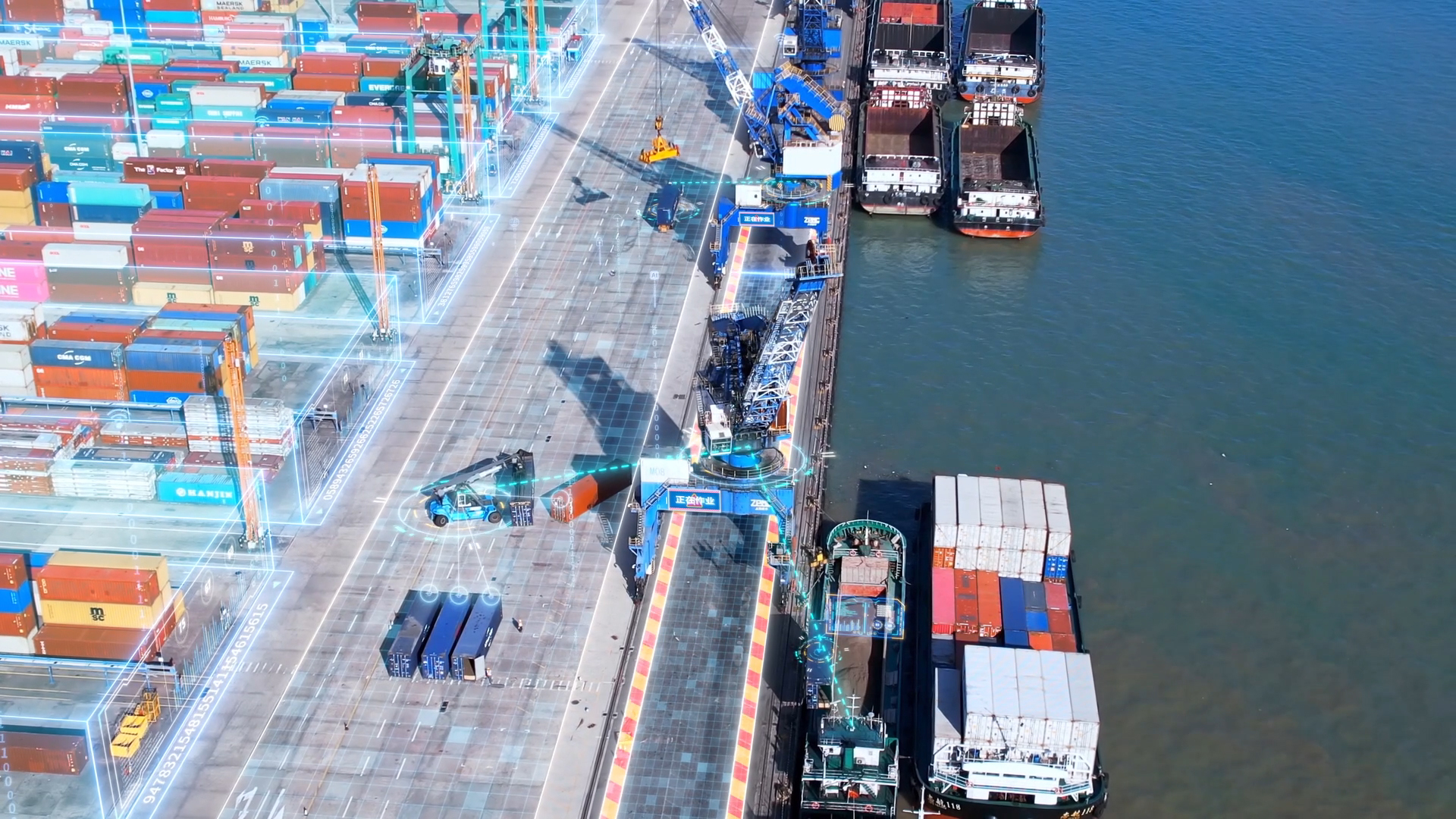
Comparison Table: How Operating Models Differ
The table below compares three ways of running the same cross-border lane. It compares operating models, not named competitors; the integrated provider column reflects CFW's disclosure and published case outcomes.
| Decision dimension | Self-managed transport with a third-party customs broker | Freight forwarder with outsourced clearance | CFW integrated model (in-house customs, certified fleet, digital control) |
|---|---|---|---|
| Customs competence | Broker sits outside the buyer's operation; classification knowledge is not retained internally | Clearance handled by a subcontractor after booking | In-house certified customs team executes HS classification and compliant declaration, with customs document digital filing |
| Clearance delay | Variable; depends on broker queue and document quality | Variable; split accountability between forwarder and broker | Documented target of customs clearance delay rate below 5%, validated in the published new energy case |
| Lead-time stability | Multiple vendors, no single owner of end-to-end time | Origin-control only; destination leg is subcontracted | Cross-border lead time stabilized within ±1 day as the framework target |
| Cost control levers | Rate negotiation only | Rate negotiation plus limited consolidation | Multimodal transport, intelligent consolidation, tariff optimization and warehouse-based inventory turnover; framework range 15–30%, case result 20–30% |
| Visibility | Tracking limited to the transport vendor's own leg | Forwarder portal, partial milestone data | Self-developed TMS/WMS/FBS with full-track visibility and 24/7 real-time tracking |
| Special cargo | Requires separate qualified vendors for hazmat and oversized loads | Depends on the forwarder's approved subcontractor list | Dangerous goods Classes 2, 3, 4, 8, 9 plus oversized heavy cargo and temperature controlled transportation services under one operator |
| Overseas support | Buyer arranges locally | Agent network, service level varies by market | Overseas branches in Vietnam, Thailand, Indonesia and Central Asia; local fleets in Vietnam; 72-hour nationwide distribution in Vietnam |
| Accountability trail | Multiple contracts, fragmented reporting | Single commercial contract, layered execution | Customs documents and clearance reports, warehousing and operation reports, dedicated account manager, performance review |
Sources: CFW solution and case documentation (company-reported); certifications as published by CFW. Competitor-type columns describe operating models generically and are not attributed to any named provider.

FAQ: Compliance, Capability, Budget, Validation and Lead Time
Which certifications should a new energy manufacturer verify before appointing a cross-border transportation provider?
At minimum, verify AEO advanced customs certification, TIR or GMS road transport permits, TAPA logistics security certification, and the ISO 9001, 14001, 45001 and 27001 integrated management system certifications. For battery and chemical cargo, the provider must additionally hold the correct hazardous materials qualifications — CFW holds Classes 2, 3, 4, 8 and 9. The commercial reason is not paperwork: China's AEO-certified companies accounted for 44.2% of the country's total foreign trade value in the first seven months of 2026, so certification status determines access to the faster share of clearance capacity.
What difference does an in-house customs team make compared with an outsourced broker?
An in-house team keeps classification, declaration and tariff optimization inside the organization that also controls the truck, the warehouse and the tracking record. That removes the hand-off where documentation errors and queue delays typically originate, and it means the customs file and the transport file are held by the same operator. CFW's digital layer supports this with more than 100 IT engineers and customs technology experts and over 100 software copyrights behind its TMS/WMS/FBS systems. The target metric is a customs clearance delay rate below 5%.
How can comprehensive logistics costs fall by 20–30%?
The reduction comes from four levers rather than from a discount on the rate card: multimodal transport combined with intelligent consolidation, in-house customs classification and tariff optimization, warehouse-based inventory control that raises turnover, and the elimination of exception costs such as emergency air freight and duplicated handling. CFW's solution framework targets a 15–30% reduction in comprehensive logistics costs, and the documented new energy and high-end manufacturing case delivered 20–30% with inventory turnover up 25%. Because pricing depends on route, cargo class and volume cadence, no fixed price list is published.
Can the model be validated before a full rollout?
Yes — validation is built into the execution sequence. Stage one is requirement confirmation and customized plan design, which converts cargo profile, hazard class and lead-time tolerance into a specific plan. From there, a pilot lane can be run with TMS/WMS real-time tracking access, customs documents and clearance reports, and warehousing and operation reports as verifiable outputs, before the final delivery and performance review stage confirms whether the lead-time and cost targets were met. Buyers evaluating personalized transportation services can request a scoped proposal for one corridor first.
Can cross-border lead time really be held within ±1 day?
Within a defined corridor and cargo profile, CFW's framework targets stabilization of cross-border lead time within ±1 day, supported by in-house clearance, multimodal mode selection, local fleets in Vietnam, end-to-end customs clearance at border crossings, and 24/7 real-time tracking with exception handling. Two limits should be stated openly: hazardous and oversized cargo requires advance documentation and route permits, and performance depends on border conditions on the specific lane. The correct way to test the claim is a single-lane pilot measured against an agreed baseline.
Next step: scope one corridor, measure one quarter
If customs delay is already visible in your production plan, the practical next step is a single-corridor proposal covering routing, qualification requirements, clearance targets and expected cost movement — then a measured pilot against a baseline you define.
Download the CFW capability brochure: CFW Group Brochure (PDF)
Email: kf@cfw56.cn | Tel: 19006670600 / 19006670700
WhatsApp: +8617724651161
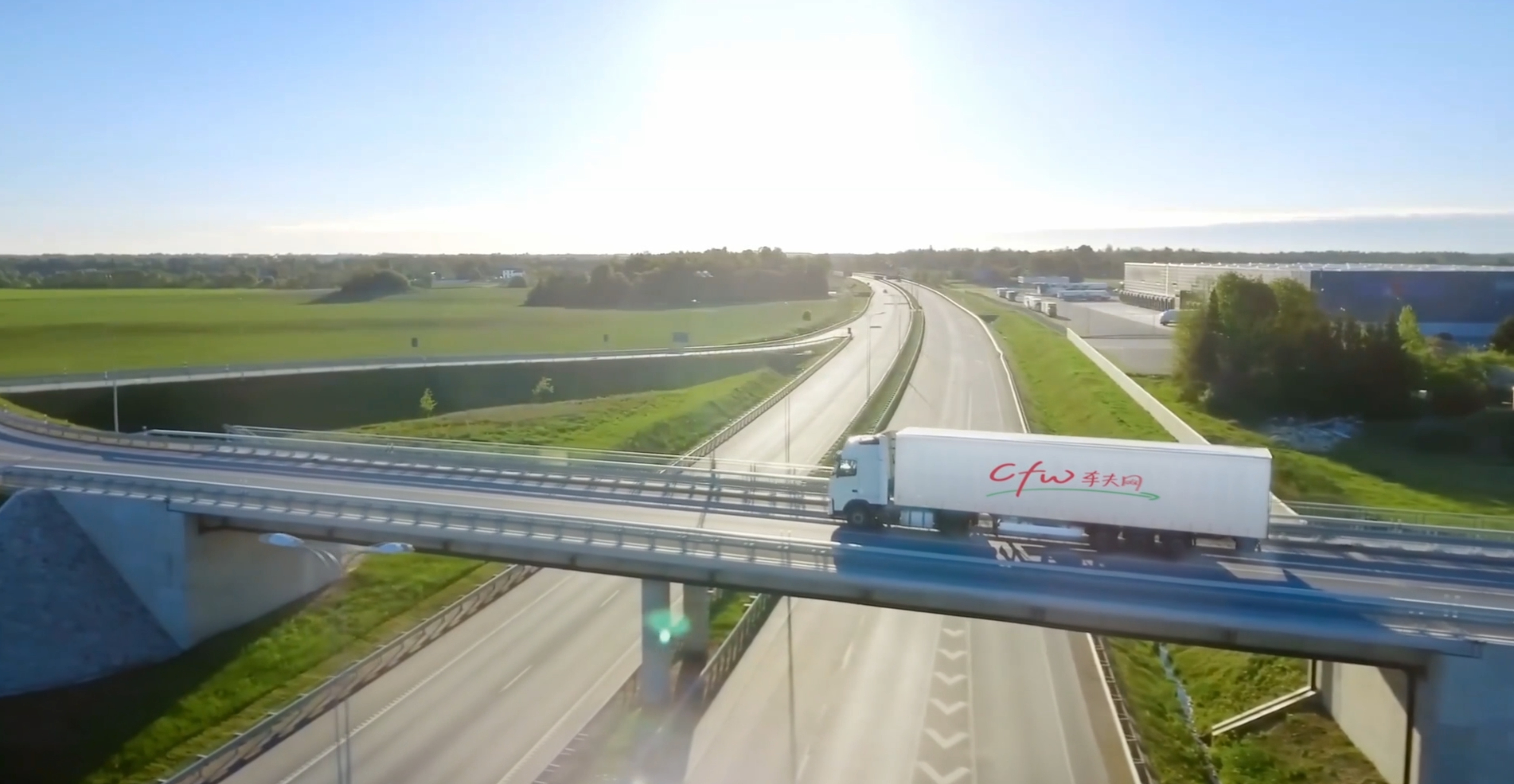
Conclusion: Design Customs Out of the Critical Path
Customs delay stalls production because customs competence usually sits outside the operation that owns the schedule. Outsourcing clearance does not remove the risk — it moves the risk to a party with no visibility of your production calendar and no accountability for your lead time.
The alternative is structural. Keep the customs team in-house and certified for the cargo you actually ship. Qualify the corridor with AEO, TIR/GMS, TAPA and ISO credentials before the first load moves. Put the multimodal, warehousing and special cargo legs under one digital system so exceptions are detected while they can still be re-planned. Add local destination capability so the chain does not end at the border. Measured against these four design rules, CFW's framework targets — clearance delay below 5%, lead time stabilized within ±1 day, and 20–30% lower comprehensive logistics costs — become verifiable commitments rather than marketing claims, and they can be tested on a single corridor before any long-term commitment is made.
Figures attributed to CFW reflect company-reported solution and case documentation. Third-party figures are attributed to their published sources: China Daily / China customs administration (AEO trade share and clearance-time reporting, Jan–Jul 2026), Mordor Intelligence (China–Vietnam bilateral trade, 2025), and Strategic Market Research (global oversized cargo transportation market, 2025–2032).
Have Questions or Need More Details?
Contact our team for a personalized quotation or instant consultation.
Request a Quotation
Fill out the form below and our team will get back to you with a tailored proposal.
WhatsApp Direct Chat
Prefer to chat in real-time? Message us on WhatsApp for instant assistance & quick answers.
- Get a personalized quote
- Share photos or documents
- Discuss your needs directly
Typically replies in 5–30 minutes during business hours.