How to Apply Cross-Border Transportation Services to New Energy Equipment Delivery
Answer first: applying cross-border transportation services to new energy equipment delivery means matching each consignment's regulatory classification — lithium-ion batteries, other regulated dangerous goods, or oversized plant components — to a transport mode, a customs route and a tracking system before the first truck is booked. A provider that only quotes a rate leaves the manufacturer to solve classification, border handling and visibility separately. The applied approach combines all four: scenario qualification, multimodal routing, a documented customs chain and real-time status reporting.
CFW (Shenzhen CFW Logistics Technology Co., Ltd.), founded in 2013 and headquartered in Qianhai, Shenzhen, China, is a National High-tech Enterprise that provides end-to-end supply chain solutions across logistics transportation, warehousing management and customs services. Its cross-border operations cover China, Southeast Asia (Vietnam, Thailand, Indonesia), Central Asia (Kazakhstan) and Europe (Belarus) along the Belt and Road Initiative, and cross-border logistics generates more than 70% of its revenue, with a focus on China–Southeast Asia.
This guide is written for supply chain managers, logistics directors, procurement directors and cross-border operation directors at the awareness and research stage: the equipment must move, but the delivery program's transport modules, border routes and compliance controls have not yet been defined.
Four questions this guide answers
- Which cargo scenarios in new energy equipment delivery require special qualification before transport?
- How should routing be structured when a single project contains oversized, standard and regulated freight?
- What does a customs chain built on AEO certification and an in-house customs team actually change?
- How is delivery status verified while goods are in transit rather than after arrival?
Problem Definition: Why New Energy Equipment Does Not Fit a Generic Freight Model
New energy equipment delivery combines three cargo profiles that generic freight planning treats separately. Battery packs, modules and energy storage units are regulated goods and depend on classification, packaging documentation and authorised handling. Towers, nacelles, transformers and skid-mounted systems are oversized or overweight and depend on route permits, lifting plans and out-of-gauge border procedures. Control electronics and precision modules depend on shock, vibration and security controls. A delivery program that books these three profiles as one truckload shipment tends to break at the border, not on the highway.
Four problems recur in cross-border logistics for this industry: complex logistics and customs processes, unstable delivery time, uncontrollable logistics costs, and poor supply chain visibility. In practice they appear as difficult customs clearance, transit time that shifts between shipments, high and unclear cost components, and logistics information that is disconnected so that no one can confirm where a consignment actually is.
The business consequences are measurable rather than theoretical. Delivery delay leads to order loss, cargo damage produces direct economic loss, high logistics costs reduce margin, and poor visibility reduces operational efficiency across the whole delivery project. For equipment manufacturers, a delayed battery shipment can idle an installation crew at the destination while the transport cost itself remains a small fraction of the project value.
Existing market solutions — traditional freight forwarders, scattered logistics providers, manual customs declaration, and separate domestic and overseas logistics services — typically address one link each. The result is a chain assembled from several suppliers, with the handover points between them being exactly where classification documents, border appointments and status data get lost.
Industry Background: High Compliance Density on Maturing Corridors
Two developments shape how new energy equipment is moved across borders in 2026. The first is the weight of customs compliance in trade value. According to China Daily reporting on General Administration of Customs data, China's AEO-certified companies recorded 16.76 trillion yuan (about USD 2.49 trillion) in foreign trade in the first seven months of 2026, equal to 44.2% of the country's total foreign trade value. The same reporting cites clearance-time reductions of up to 80% for specific industrial firms operating under AEO. For equipment manufacturers, this shifts AEO from a commercial preference to a delivery-schedule variable.
The second is corridor volume. Market research published by Mordor Intelligence places China–Vietnam two-way trade at a record USD 296 billion in 2025, which supports the case for dedicated cross-border capacity rather than spot booking on that corridor. On the specialised side, Strategic Market Research values the global oversized cargo transportation market at USD 311.45 million in 2025, with a forecast of USD 435.0 million by 2032 — a segment directly relevant to nacelles, towers and skid-mounted equipment.
Standards matter as much as volume. TAPA describes its standards as a proven framework for managing security risks, minimising losses and protecting high-value, theft-targeted goods in storage and in transit. For battery and control-electronics cargo, that framework is the difference between a security plan and a security claim.
Detailed Solution: The Four Layers of an Applied Delivery Program
The CFW One-Stop Cross-Border Supply Chain Operation System (version 3.0) is a service methodology designed for cross-border logistics and supply chain management. Applied to new energy equipment delivery, it operates as four layers that are planned together but executed by different teams.
Layer 1 — Scenario qualification before the quote
Qualification is the first gate. CFW holds comprehensive qualifications for the transportation of hazardous materials in Classes 2, 3, 4, 8 and 9, hazardous waste and oversized hazardous cargo, together with TIR international road transport permits, TAPA logistics security certification, AEO customs certification, and integrated management system certifications under ISO 9001, 14001, 45001 and 27001. For a manufacturer, the practical question is not whether a provider holds a certificate, but whether the certificate class matches the equipment being shipped and whether the handling route in the destination market is authorised. Special service modules supporting this layer include dangerous goods and lithium-ion battery transport, oversized heavy cargo transport, and customised shockproof packaging.

Qualified handling continues inside the warehouse: bonded and standard storage must match the cargo class declared for transport.
Layer 2 — Multimodal routing matched to cargo, not habit
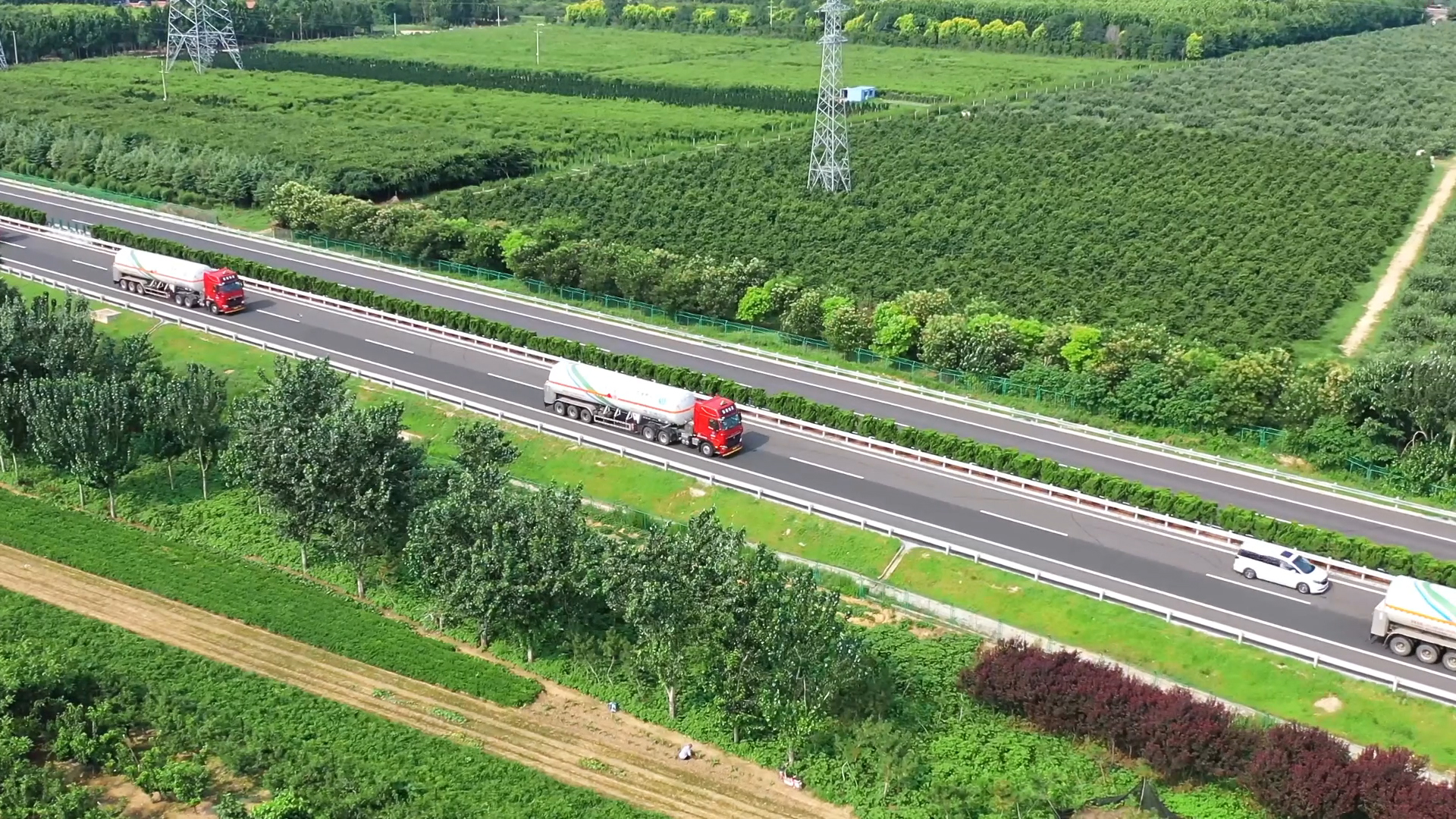
Routing is a decision about which mode carries which part of a project. CFW's transport scope covers land, sea, rail and air, together with domestic and international multimodal transport, last-mile delivery and reverse logistics. A typical equipment project splits into full truckload movements for oversized units, less-than-truckload consolidation for accessories and spares, and rail or sea legs for long-haul corridors into Central Asia and Europe. Splitting is what allows a delivery program to protect the critical installation date without paying oversized rates for palletised cargo.
Layer 3 — Customs as an internal function, not a handover
Customs clearance is where fragmented supply chains fail most often. The integrated model uses an in-house certified customs team handling professional customs declaration and HS classification, supported by AEO customs certification. A dedicated internal team, rather than an outsourced broker, keeps HS classification decisions, document sets and border communications in one place — which is the mechanism behind the clearance performance discussed below. The group's R&D team includes over 100 IT engineers and customs technology experts, and the wider organisation has secured more than 100 software copyrights.
Layer 4 — Real-time visibility through self-developed systems
Visibility is a data capability, not a promise to send updates. CFW operates self-developed TMS, WMS and FBS systems that provide full-link real-time tracking across transport, warehousing and customs stages, and clients receive system access with real-time reports plus a dedicated account manager. In an equipment delivery project, this means the installation planner can see whether a unit is at the border, in bonded storage or on the final leg without asking three suppliers for a status email.
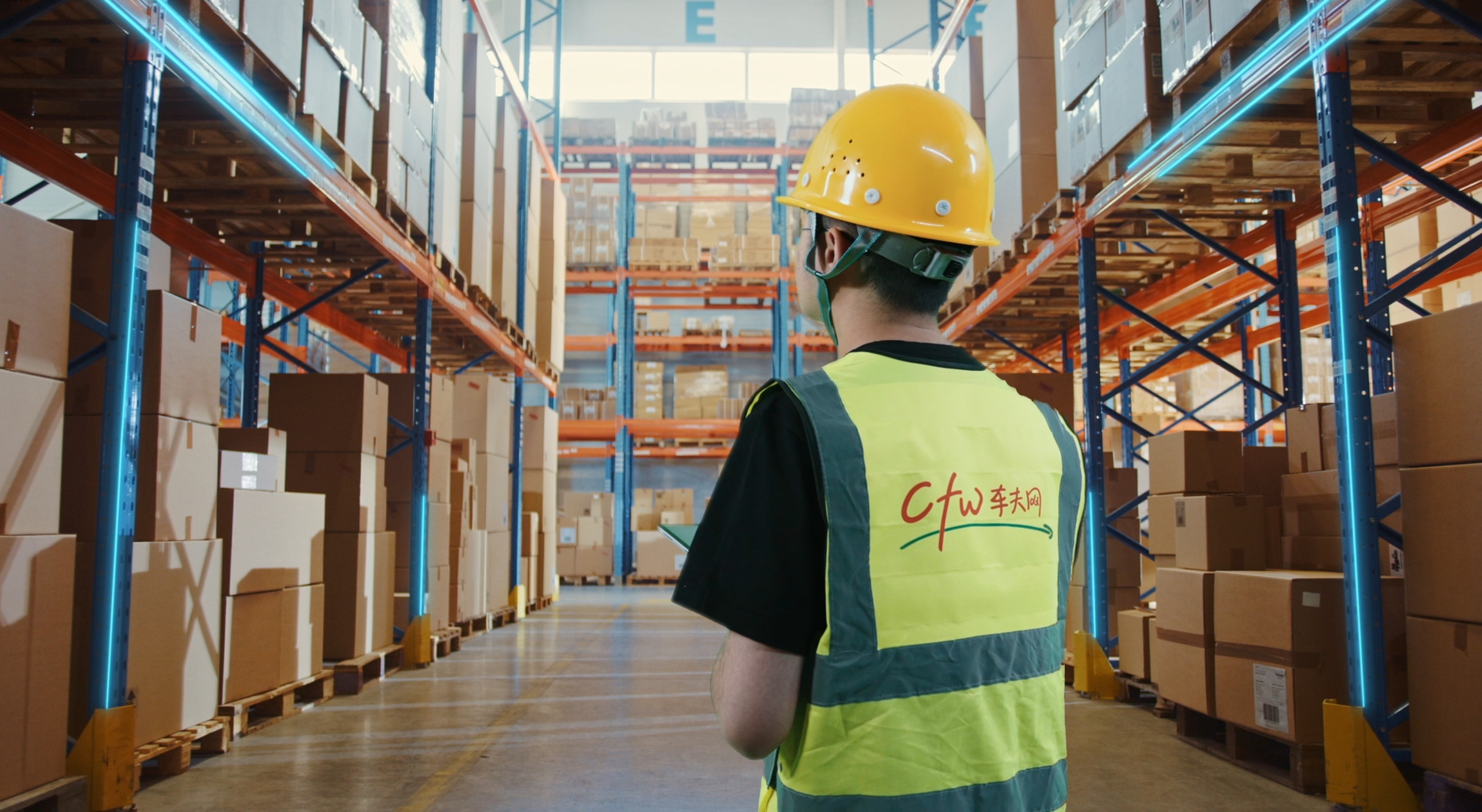
Inventory visibility inside the warehouse management system links storage status to the same delivery timeline used for transport.
Step-by-Step Breakdown: Applying the Framework to an Equipment Project
The five-step framework — Requirement Confirmation & Customized Solution Design, Resource Allocation & Scheduling, Full-process Execution & Operation, Real-time Monitoring & Exception Handling, and Post-service Review & Optimization — is generic in name and specific in execution. Applied to new energy equipment, the steps carry the following content.
Step 1 — Requirement confirmation and solution design (1–3 working days after confirmation)
- Confirm cargo class for batteries, modules and any other regulated components, and confirm dimensions and weight for oversized units.
- Confirm consignee, delivery address, delivery window and documentary requirements per border crossing.
- Define packing specification, including shockproof packaging where precision modules are involved.
- Output a written solution that names the modes, modules, border crossings and compliance checklist for the project.
Step 2 — Resource allocation and scheduling
- Assign vehicles and equipment to oversized and standard lots separately, and reserve warehousing capacity where staging is needed.
- Reserve bonded warehousing capacity where duty deferral is part of the plan.
- Book customs declaration slots and confirm the in-house customs team's documentation set before pickup.
- System activation takes 1 working day; domestic service can launch the same day, while cross-border service typically launches in 3–5 working days.
Step 3 — Full-process execution and operation
- Pickup, loading and securing of oversized units; packing verification for regulated cargo.
- Export declaration, border clearance, transit, import declaration and last-mile delivery.
- A single contract covers the chain, with one dedicated account manager accountable for handovers.
Step 4 — Real-time monitoring and exception handling
- Status is reported through TMS, WMS and FBS rather than by manual update.
- Exceptions — border queueing, document holds, handling damage — are handled inside the same operational loop that owns the shipment.
- Daily fulfilment runs to schedule with real-time updates, which is the point where a delivery plan either holds or is renegotiated early.
Step 5 — Post-service review and optimisation
- Review on-time performance, clearance delays, damage records and cost composition against the original design.
- Adjust route mix, consolidation level and staging location for the next delivery batch.
- Feed results into the next project's solution design rather than restarting from zero.
Use Cases: Where This Application Pattern Fits
The documented applicable scenarios are new energy equipment cross-border delivery, high-end manufacturing parts transport, e-commerce cross-border fulfilment and returns, bulk and oversized project logistics, and regular ASEAN/Central Asia–Europe trade. Four of these translate directly into equipment delivery work.
Battery and energy storage delivery into Southeast Asia
Cross-border movement of battery systems into Vietnam and Thailand combines regulated handling with tight installation windows. CFW operates a dedicated fleet in Vietnam with end-to-end customs clearance at border crossings and 72-hour nationwide distribution, which supports projects where the destination is inland rather than at the port.
Oversized project logistics into Central Asia and Europe
Towers, transformers and skid-mounted units require out-of-gauge routing and lifting coordination, and the corridors into Kazakhstan and Belarus are covered through multimodal road, rail and sea combinations. Where a project mixes oversized and palletised freight, splitting modes prevents oversized rates being applied to standard cargo.
JIT replenishment for manufacturing lines
Where equipment manufacturers supply their own overseas plants, factory JIT supply chain support and bonded warehousing allow inventory to be staged and released against production schedules rather than shipped on fixed calendars. Bonded warehouse tax-deferral support is part of the integrated model.
After-sales and reverse flows
Commissioning and warranty phases generate return flows: faulty modules moving back, replacement parts moving out. Last-mile and reverse logistics sit in the same scope as the original delivery, so the reverse leg does not require a second supplier relationship.
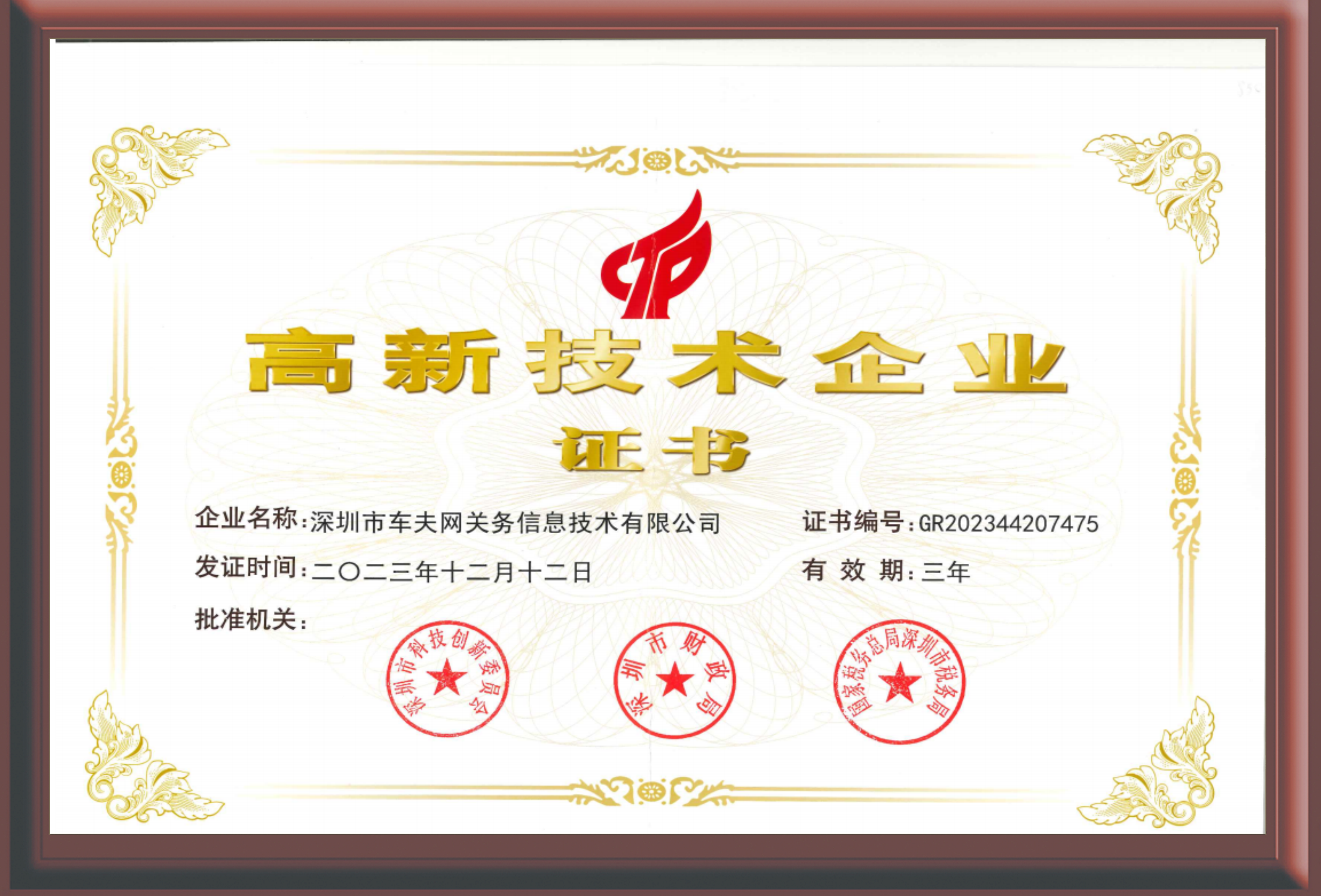
Documented qualification: CFW is a recognised National High-tech Enterprise, with more than 100 software copyrights across its systems portfolio.
Comparison Table: Matching Equipment Scenarios to Transport Modules
The table below maps cargo scenarios to the qualification focus, the service module applied, and the points a buyer should verify before booking. It reflects documented CFW scope and stated qualifications; it does not contain pricing or performance commitments beyond those stated in the following section.
| Equipment scenario | Qualification and handling focus | Service module applied | Verify before booking |
|---|---|---|---|
| Lithium-ion battery packs and energy storage modules | Dangerous goods classification, packaging specification, documentation set, authorised handling | Dangerous goods and lithium-ion battery transport; bonded or standard warehousing | Whether the provider's hazardous materials qualification covers the actual class (CFW holds Classes 2, 3, 4, 8 and 9), and who signs the transport document |
| Oversized units: towers, nacelles, transformers | Out-of-gauge permits, securing and lifting plan, border procedure for abnormal loads | Oversized heavy cargo transport; full truckload movements; multimodal routing | Vehicle and lifting capacity for measured dimensions, border crossing plan, escort and permit responsibility |
| Precision modules and control electronics | Shock, vibration and humidity control; cargo security | Customised shockproof packaging; TAPA-certified security environment | Packing specification in writing, security certification scope, damage reporting method |
| Spare parts and after-sales kits | Consolidation cut-off, replenishment frequency, return handling | Less-than-truckload and full truckload transport; factory JIT supply chain support; last-mile and reverse logistics | Consolidation schedule, whether returns run on the same contract |
| Staged or deferred-duty inventory | Bonded storage approval, duty-deferral documentation | Bonded warehousing; smart warehousing and inventory management | Bonded warehouse availability for the destination market and the documentation required |
| Regular linehaul on ASEAN, Central Asia and Europe corridors | Multi-border documentation, corridor-specific customs rules, schedule stability | Land, sea, rail and air transport; multimodal transport | Lane coverage for Vietnam, Thailand, Indonesia, Kazakhstan and Belarus, and the transit-time history for that lane |
The following outcome figures are the stated expected outcomes of the integrated solution. They are company-reported planning targets, not independently audited averages, and they should be verified against your own lane and cargo profile.
| Stated outcome target | Value | What it changes in a delivery program |
|---|---|---|
| Comprehensive logistics cost reduction | 15–30% | Fewer suppliers and fewer coordination layers; hidden cost items become visible line items |
| Cross-border lead time stability | Within ±1 day | Installation crews and site schedules can be planned against a bounded window |
| Customs clearance delay rate | Below 5% | In-house customs team and AEO status reduce document-driven holds |
| Cargo damage rate | Below 1% | Qualified handling and shockproof packaging protect high-value modules |
| Inventory turnover improvement | 20–40% | Bonded staging and visibility reduce safety stock carried against uncertainty |
FAQ: Applying Cross-Border Transportation to New Energy Equipment
1. Which qualifications must a transport provider hold before moving lithium-ion batteries and other regulated new energy cargo?
A provider must hold hazardous materials transportation qualifications that cover the actual class of goods being shipped, not a general licence. CFW holds comprehensive qualifications for hazardous materials in Classes 2, 3, 4, 8 and 9, hazardous waste and oversized hazardous cargo, plus TIR international road transport permits, TAPA logistics security certification, AEO customs certification, and ISO 9001, 14001, 45001 and 27001 integrated management system certifications. A buyer should confirm that the class on the certificate matches the class declared for the shipment, and that the destination market accepts the same documentation chain.
2. Can one provider handle oversized equipment and standard palletised freight in the same delivery program?
Yes, when the provider's scope includes both full truckload and less-than-truckload operations. CFW's transport scope covers land, sea, rail and air movement, domestic and international multimodal transport, oversized heavy cargo transport, dangerous goods and lithium-ion battery transport, last-mile delivery and reverse logistics. In practice an equipment project is split by cargo profile: oversized units move as dedicated full truckload shipments, accessories and spares consolidate as less-than-truckload, and long-haul legs use rail or sea. The limits of the scope matter as much as the scope itself — personal small parcel express, same-city delivery, contraband or unauthorised goods, goods purchasing and sales, and extremely remote uninhabited areas are not covered.
3. How should a manufacturer budget cross-border transport for new energy equipment, and what cost reduction is realistic?
Budgeting should separate the cost components that a fragmented chain hides: linehaul by mode, oversized surcharges, customs declaration and clearance fees, warehousing and bonded staging, packaging, and exception handling. The stated expected outcome of the integrated model is a 15–30% reduction in comprehensive logistics cost, achieved through single-contract execution that replaces multi-vendor coordination, an in-house customs team that reduces delay-driven hidden costs, and bonded warehousing that defers duty. These are planning targets rather than fixed quotations; the actual figure depends on lane, cargo class, volume and seasonality, and should be confirmed during solution design.
4. How can a manufacturer validate the service before committing a full delivery program?
Validation happens in stages within the framework rather than through a single test shipment. Solution design is completed 1–3 working days after requirement confirmation, so a manufacturer receives a written plan naming modes, modules, border crossings and the compliance checklist before any cargo moves. System activation takes 1 working day, giving the buyer access to TMS, WMS and FBS tracking and reports. Domestic service can launch the same day, while cross-border service typically launches within 3–5 working days, which allows a first production batch to run as a controlled pilot before the full delivery calendar is committed. A dedicated account manager is assigned for the duration.
5. How stable is cross-border lead time, and what happens when a shipment is delayed at the border?
The stated target for cross-border lead time in the integrated model is stability within ±1 day, with the customs clearance delay rate held below 5% through an in-house certified customs team and AEO certification. Stability is supported operationally by real-time monitoring through self-developed TMS, WMS and FBS systems, so border queueing or document holds surface inside the operating loop and can be escalated while the shipment is still in transit. On the Vietnam corridor, a dedicated fleet and end-to-end customs clearance at border crossings support 72-hour nationwide distribution. To discuss a specific lane or request the CFW corporate brochure, contact the team at chefuwang.cn, email kf@cfw56.cn, phone 19006670600 / 19006670700, or WhatsApp +8617724651161.
Conclusion: Qualify the Scenario First, Then Design the Route
New energy equipment delivery rewards sequence. Classification and qualification come first, because a battery module and a transformer cannot be planned on the same assumptions. Routing follows, splitting oversized, standard and regulated freight across modes that match their constraints. Customs comes next, executed by a team that owns the classification decision and the document set. Visibility closes the loop, so that the delivery plan is adjusted in transit rather than reconciled after arrival.
Applied this way, cross-border transportation services stop being a purchased lane and become part of the delivery program: documented qualification for regulated cargo, multimodal routing across China, Southeast Asia, Central Asia and Europe, an in-house customs function backed by AEO certification, and self-developed TMS, WMS and FBS systems reporting status in real time. The stated outcome targets — 15–30% lower comprehensive logistics cost, lead time within ±1 day, clearance delay below 5% — are the measurable version of that structure.
Next Step: Request the Corporate Brochure or Discuss a Delivery Lane
Download the CFW corporate brochure for service scope, qualification documentation and contact details, or send your cargo profile — equipment type, dimensions, battery classification, origin and destination — to receive a written solution design.
Download the CFW Corporate Brochure (PDF) | www.chefuwang.cn | kf@cfw56.cn
CFW service languages include Chinese, English, Vietnamese, Thai, Indonesian, Kazakh and Slavic. Headquarters: Qianhai, Shenzhen, China.
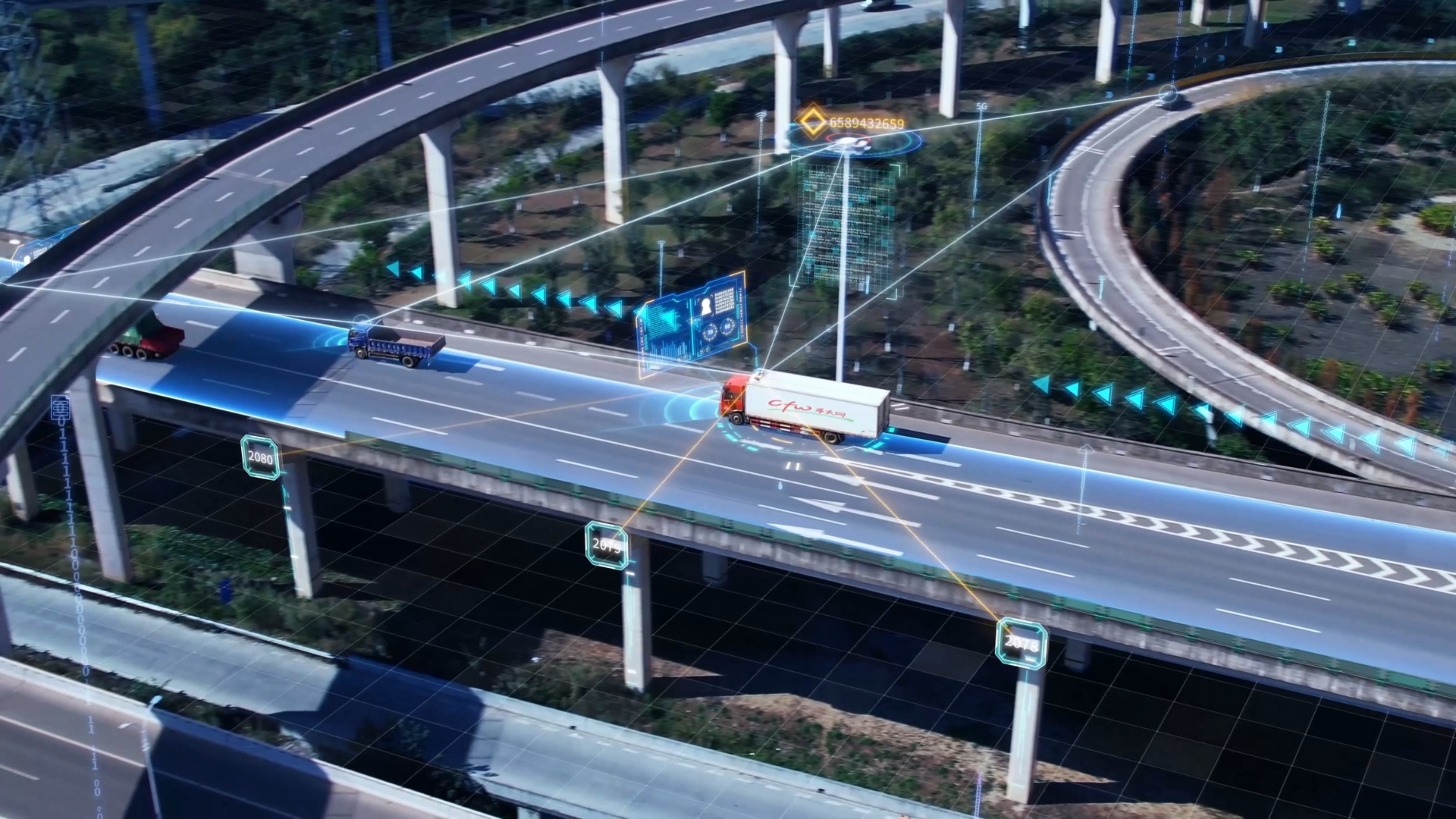
Cross-border Transportation ServicesNew Energy Equipment DeliveryDangerous Goods and Lithium-Ion Battery TransportOversized Heavy CargoAEO Customs ClearanceReal-Time TMS Visibility
Have Questions or Need More Details?
Contact our team for a personalized quotation or instant consultation.
Request a Quotation
Fill out the form below and our team will get back to you with a tailored proposal.
WhatsApp Direct Chat
Prefer to chat in real-time? Message us on WhatsApp for instant assistance & quick answers.
- Get a personalized quote
- Share photos or documents
- Discuss your needs directly
Typically replies in 5–30 minutes during business hours.