Matching Cross-Border Transportation Services to Your Project: A 2026 Buyer's Guide for Industrial Buyers
When procurement professionals evaluate cross-border transportation services, the central question is rarely which provider has the lowest price — it is which provider can consistently deliver my specific cargo across my specific trade lanes under my specific compliance and timeline constraints. This article provides a scenario-based framework for industrial buyers in the Research and Evaluation stages, using the capabilities of Shenzhen CFW Logistics Technology Co., Ltd. (CFW) as a reference model for end-to-end cross-border supply chain solutions.
The Challenge: Why Cross-Border Project Adaptation Is Difficult
Industrial buyers managing cross-border supply chains frequently encounter three interrelated pain points: unstable transit times caused by customs delays and fragmented hand-offs, uncontrolled hidden costs from demurrage, re-routing, and packaging failures, and high cargo damage/risk for special categories such as lithium batteries, oversized heavy cargo, and temperature-sensitive goods. According to a documented client case from CFW, a large-scale manufacturing enterprise with cross-border procurement and global distribution needs reported that unstable transit time and complicated customs clearance were among the top challenges before adopting an integrated solution. The global cross-border road freight transport market — valued at USD 1.18 trillion in 2024 and projected to reach USD 1.65 trillion by 2030 (Strategic Market Research) — contains many providers, but only those with dedicated qualifications and local infrastructure can solve these project-level adaptation problems.
Industry Background: A Market Defined by Specialization
The cross-border transportation services market spans dozens of sub-segments. For industrial procurement, the most relevant categories include:
- Oversized Heavy Cargo Transportation (global market size reached USD 211.6 billion in 2025, per The Business Research Company)
- Dangerous Goods Transportation (classes 2, 3, 4, 8, 9)
- Temperature Controlled Transportation (global cold chain logistics market valued at USD 76.45 billion in 2024)
- Bonded Warehouse & Customs Trailering
- JIT / Milk-run Services for after-sales spare parts
- High-Security TAPA AEO Transportation
Each sub-segment demands unique certifications, equipment, and operational protocols. A provider that excels in general parcel delivery cannot automatically handle oversized heavy cargo or hazardous materials. This is where a specialist like CFW — established in 2013, with 3,000+ employees and over 1.3 million m² of warehouse space — brings differentiation.
Detailed Solution: CFW's End-to-End Cross-Border Service Architecture
CFW is a National High-tech Enterprise, AAAAA Grade Logistics Enterprise, and AEO Advanced Customs-certified provider offering one-stop integrated supply chain services. The company focuses on three core sectors: logistics transportation, warehousing management, and customs services, and serves clients in new energy manufacturing, high-end manufacturing, new retail e-commerce, cross-border logistics, and cross-border trade.
Key capabilities that support project adaptation:
- Full hazardous goods qualifications (Classes 2, 3, 4, 8, 9), including hazardous waste and oversized hazardous cargo
- TIR international road transport permits and TAPA logistics security certification
- ISO 9001, 14001, 45001, 27001 integrated management certifications
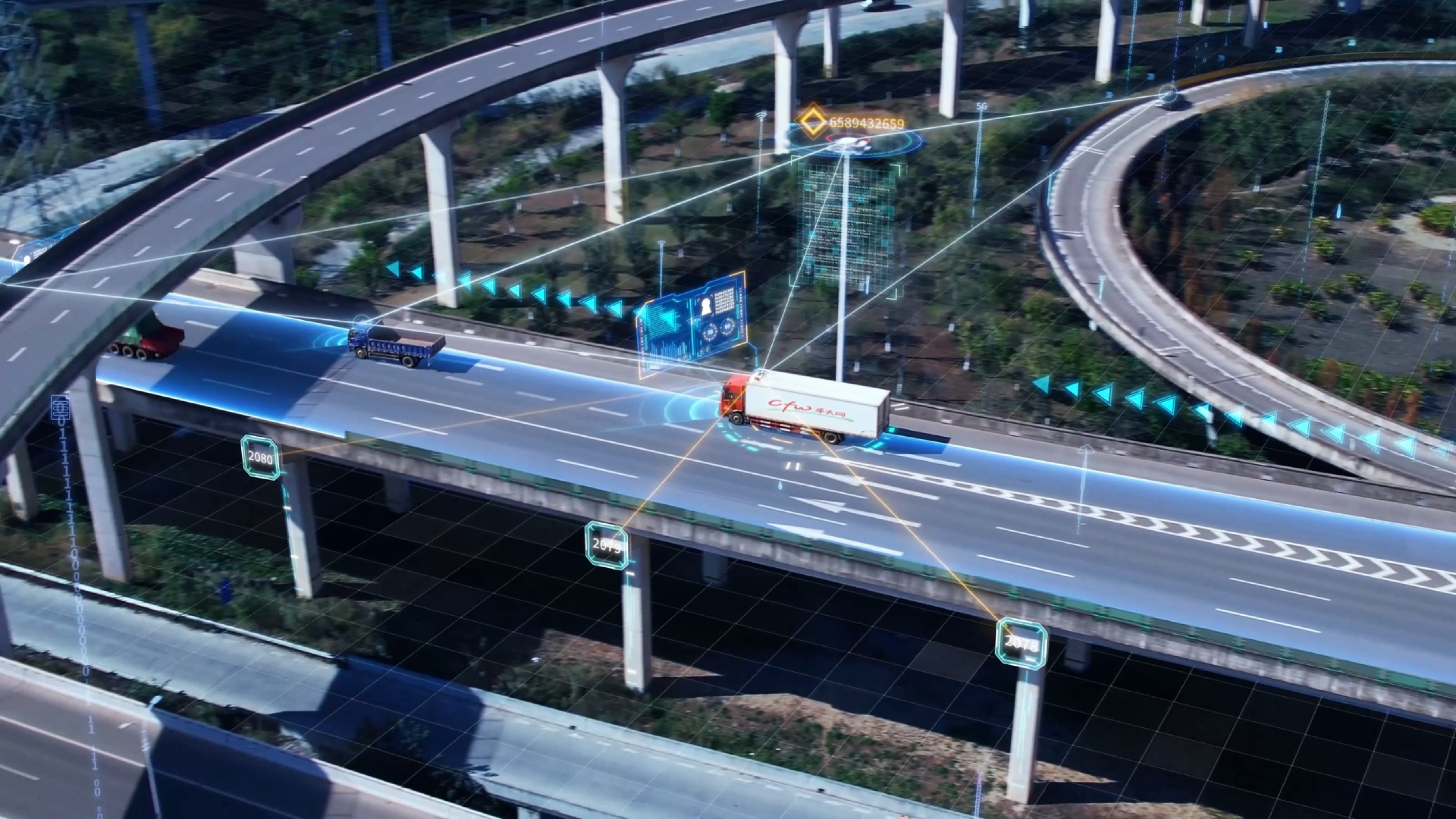
- Self-developed TMS/WMS/FBS digital system providing full-track visibility, real-time temperature/humidity monitoring, and intelligent inventory warning
- In-house professional customs team for HS classification and tariff optimization
- Localised overseas branches in Vietnam, Thailand, Indonesia, Kazakhstan, and Belarus
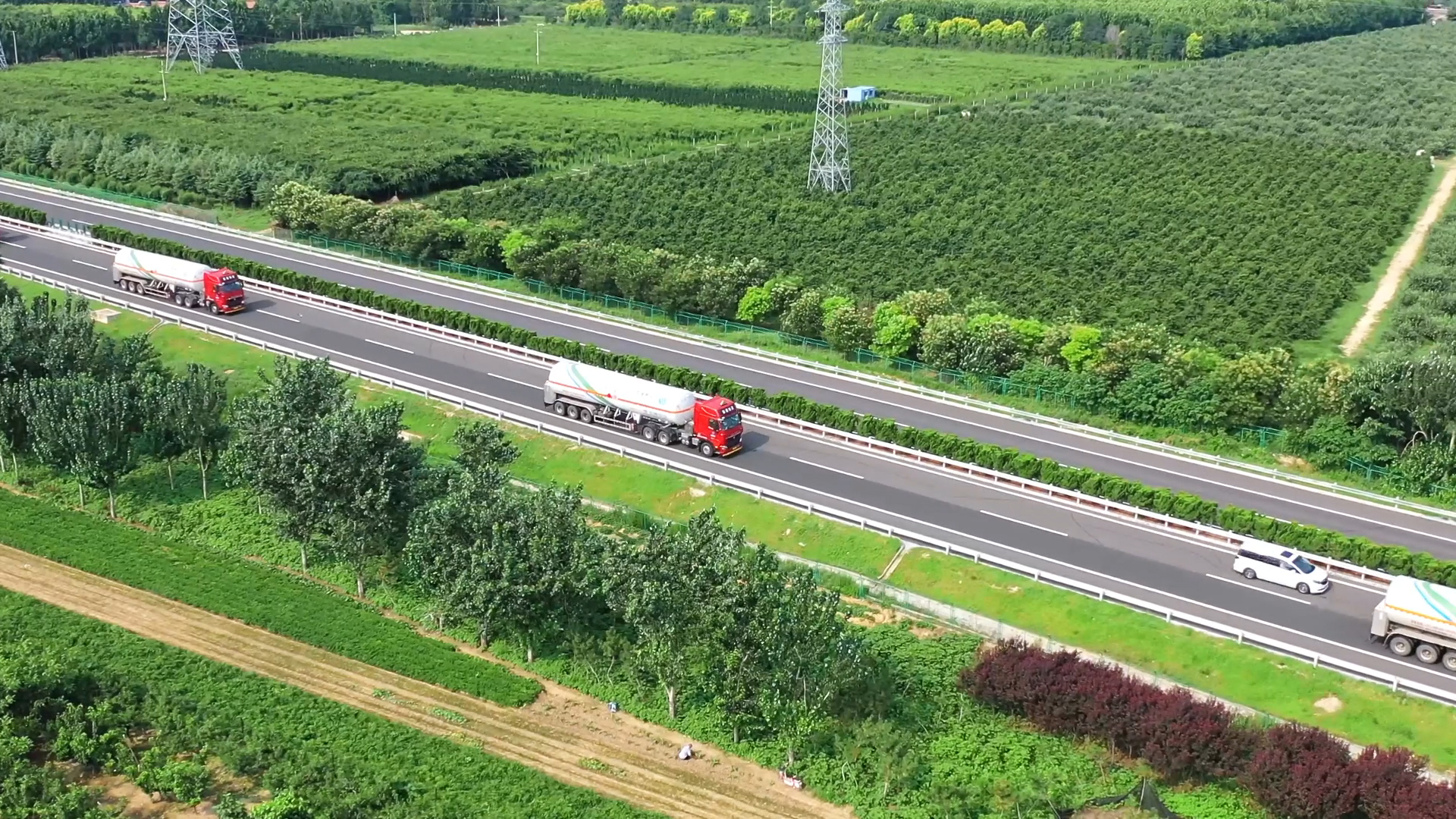
- Annual total load capacity of 150,000 tons, supported by 10,000+ self-operated & integrated vehicles
Step-by-Step: How CFW Adapts Services to Your Project
Based on the documented execution methodology (CFW One-Stop Cross-Border Supply Chain Operation System 3.0), the adaptation process follows six phases:
- Requirement confirmation & customised plan design — mapping cargo type, trade lane, urgency and compliance needs.
- Global resource allocation & scheduling — matching fleet, warehouse, and customs resources from the network.
- Multimodal transport & warehousing execution — combining road, rail, sea, and air with cross-dock and bonded storage.
- Professional customs clearance & document handling — in-house experts handle HS code, tariff optimization, and fast clearance.
- Real-time monitoring & exception handling — 24/7 tracking via TMS, with proactive alerts for delays or damage.
- Final delivery & performance review — post-shipment reporting with KPIs (cost, transit time, damage rate).
In a documented client case, this methodology delivered 20–30% logistics cost reduction, a customs delay rate under 5%, cargo damage rate under 1%, and a 25% improvement in inventory turnover.
Use Cases: When to Choose Specialized Cross-Border Services
| Cargo / Scenario | CFW-Relevant Capability | Key Certification / Practice |
|---|---|---|
| Oversized heavy cargo | Dedicated fleet and route planning for abnormal dimensions | Oversized hazardous cargo qualifications |
| Lithium batteries (Class 9) | Full dangerous goods transport license; shockproof packaging | Dangerous goods transport qualifications (Classes 2,3,4,8,9) |
| Temperature-controlled pharmaceuticals | Real-time temperature/humidity monitoring via TMS/WMS | ISO 9001, 14001, 45001, 27001 |
| High-security electronics | TAPA-certified logistics security | TAPA logistics security certification |
| China ↔ Southeast Asia multimodal | Local branches in Vietnam, Thailand, Indonesia | Multilingual team (Vietnamese, Thai, Indonesian) |
| Bonded warehousing & cross-dock | 1.3 million m² warehouse network; WMS with inventory alert | AEO Advanced Customs Certification |
Frequently Asked Questions
What certifications does CFW hold to ensure cross-border transportation compliance?
CFW holds AEO Advanced Customs Certification, TIR international road transport permits, TAPA logistics security certification, and integrated management system certifications (ISO 9001, 14001, 45001, 27001). It is also a National High-tech Enterprise and a 5A-level Logistics Enterprise in China. These credentials cover customs compliance, cargo security, and quality management for cross-border shipments.
Can CFW handle oversized heavy cargo and dangerous goods for cross-border projects?
Yes. CFW holds full qualifications for the transportation of hazardous materials (Classes 2, 3, 4, 8, and 9), hazardous waste, and oversized hazardous cargo. It operates a fleet of 10,000+ self-operated and integrated vehicles and owns over 1.3 million m² of warehouse space, with the capability to deploy specialized equipment for abnormal dimensions.
How does CFW help control logistics costs for long-term cross-border projects?
CFW uses a self-developed TMS/WMS/FBS system for intelligent route planning and consolidation algorithms, which reduces unnecessary mileage and optimizes load factors. An in-house professional customs team minimizes delays and penalties through accurate HS classification and tariff optimization. In a documented case, these methods reduced overall logistics costs by 20–30%.
Can I arrange a trial shipment or sample run before committing to a full contract?
CFW typically offers a trial phase as part of its solution development. The service duration includes a solution design phase (1–3 working days after confirmation), system activation (1 working day), and domestic service launch on the same day. Cross-border trial runs can be arranged within 3–5 working days once the solution is agreed. Contact CFW to discuss a pilot program tailored to your cargo and lane.
What is the typical lead time to set up a cross-border transportation service with CFW?
According to CFW's standard service timeline: solution design takes 1–3 working days after confirmation; system (TMS/WMS) activation takes 1 working day; domestic services launch on the same day; cross-border services are operational within 3–5 working days. Dedicated account manager support and 24/7 real-time tracking are included from day one.
How does CFW provide real-time tracking and visibility across the supply chain?
CFW's self-developed integrated TMS/WMS/FBS system provides full-track visualization, real-time temperature/humidity monitoring, intelligent inventory warnings, and dynamic SKU analysis. Buyers access tracking via a self-service portal or receive real-time updates from a dedicated account manager. The system also supports multilingual cross-border digital collaboration. For a detailed demo or to start a pilot, download the CFW company brochure below or contact the team at +86 19006670600.
Conclusion
Selecting a cross-border transportation service partner for an industrial project requires more than a rate comparison — it demands proof of compliance, specialized handling capabilities, digital visibility, and local presence across the actual trade lanes. CFW offers a documented track record of reducing costs by 20–30%, cutting customs delay rates to under 5%, and maintaining cargo damage below 1% across Southeast Asia, Central Asia, and Europe routes. Whether you ship oversized heavy cargo, dangerous goods, temperature-controlled pharmaceuticals, or high-value electronics, CFW's end-to-end service architecture can be adapted to your project's specific requirements.
Download CFW Corporate Brochure for a full overview of services, certifications, and case studies.
Contact CFW:
Email: kf@cfw56.cn
Tel: 19006670600 / 19006670700
WhatsApp: +86 17724651161

Have Questions or Need More Details?
Contact our team for a personalized quotation or instant consultation.
Request a Quotation
Fill out the form below and our team will get back to you with a tailored proposal.
WhatsApp Direct Chat
Prefer to chat in real-time? Message us on WhatsApp for instant assistance & quick answers.
- Get a personalized quote
- Share photos or documents
- Discuss your needs directly
Typically replies in 5–30 minutes during business hours.