
6 cc vs. 3 cc Kyphoplasty Balloon Catheters: KB0115 vs. KB0210S1
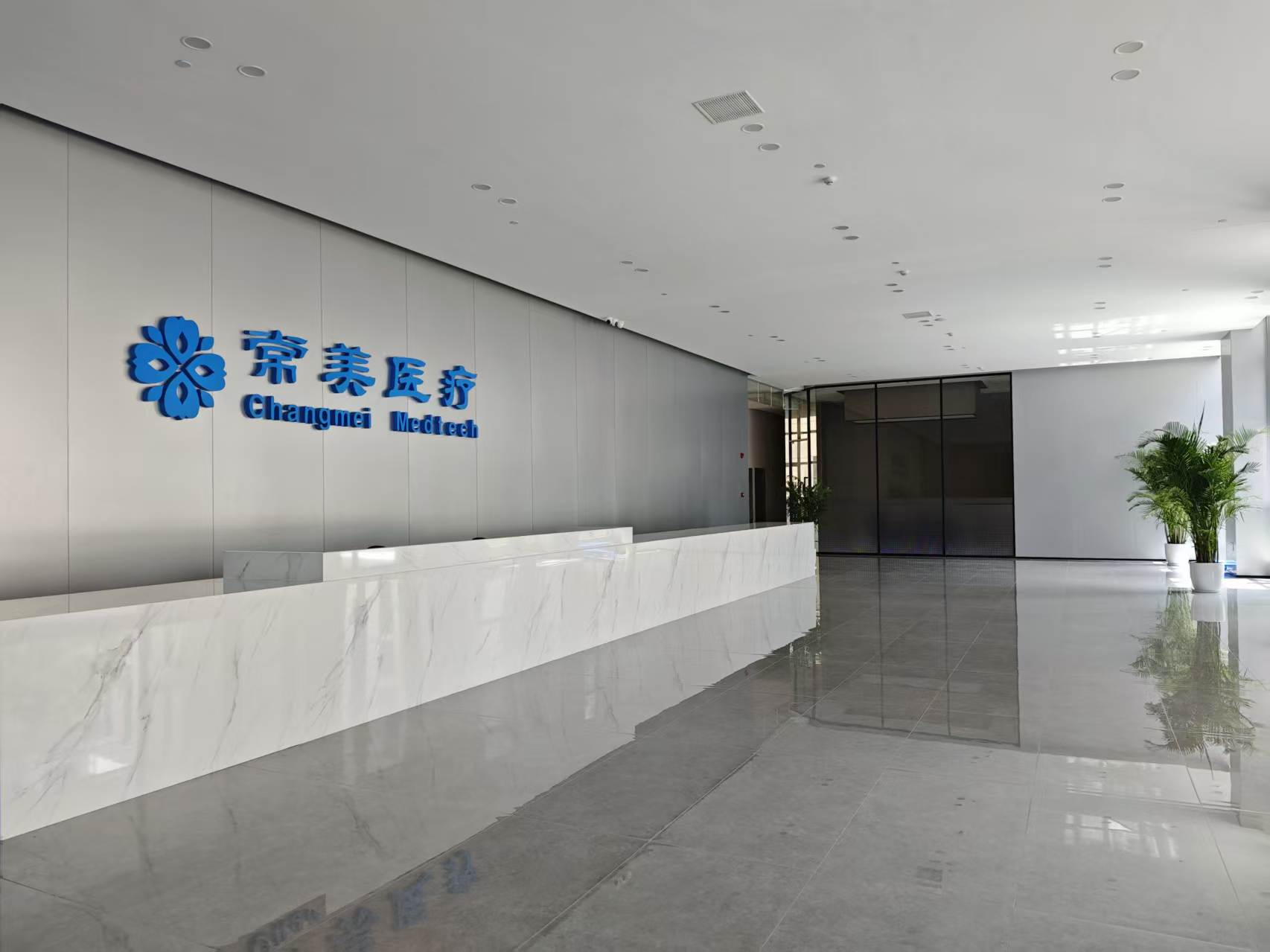
Figure 1 — The KB0115 (8G, 6 cc) and the KB0210S1 (11G, 3 cc) come off one CHANGMEI balloon platform; gauge, inflation volume and marker span are what separate them.
Direct answer: KB0115 and KB0210S1 are two single-use Kyphoplasty Balloon Catheters from the same CHANGMEI KB-series platform, so the buying decision is not one brand against another — it is a 6 cc, 8G balloon against a 3 cc, 11G balloon. KB0115 is rated for a maximum inflation volume of 6 cc, with a 15 mm distance between its two radiopaque markers, a channel inner diameter of ≥3.65 mm and a 315 mm overall length. KB0210S1 is rated for a maximum inflation volume of 3 cc, with a 10 mm marker span, a channel inner diameter of ≥3.10 mm and a 280 mm overall length. Both are ethylene-oxide (EO) sterilized for single use, both use a medical-grade thermoplastic polyurethane (TPU) balloon mounted on a PU shaft with radiopaque markers and a stainless-steel stylet, and both are rated to a constrained burst pressure of ≥400 PSI.
This guide is written for importers, distributors and hospital procurement teams who are already past the category question and now have to commit to a SKU. It compares the two models only on facts that are documented in the published CHANGMEI product data, explains which clinical and stocking situations each model fits, and shows how the Kyphoplasty Tool Kit and the Balloon Inflator enter the same purchase order.
Problem Definition: Why 6 cc vs. 3 cc Is Not a Quality Question
Buyers often frame KB0115 versus KB0210S1 as a premium-versus-economy choice. That framing leads to the wrong purchase order. Both catheters are single-use, CE-MDR marked and ISO 13485-certified inflatable bone tamps rated to the same ≥400 PSI constrained burst pressure, and both are EO sterilized. The meaningful variables are physical fit and procedural volume:
- Working channel fit. KB0115 is an 8G device; KB0210S1 is an 11G device. A balloon that does not match the gauge of the hospital's existing access instruments cannot be used, regardless of its specification sheet.
- Cavity target. A 6 cc balloon and a 3 cc balloon create different cavity volumes, which affects how much polymethylmethacrylate (PMMA) bone cement the cavity can accept.
- Marker span. A 15 mm radiopaque marker span and a 10 mm span sit differently under fluoroscopy, which changes how the balloon is positioned and read during inflation.
- Kitting. Balloon catheters are rarely bought alone. The tool kit and inflator that pair with the selected gauge belong in the same decision.
The practical risk for a distributor is stocking the wrong gauge for the market, then discovering it during a tender or a first reorder. The practical risk for a hospital group is standardising on one SKU across sites with different case mixes and equipment.
Industry Background: Why 8G and 11G Balloons Now Sit on the Same Shelf
Kyphoplasty demand is growing and shifting toward outpatient and lower-trauma settings. Market research places the global kyphoplasty market at USD 764.13 million in 2025, with a projection of USD 1,342.29 million by 2034. Regional concentration is strong: North America held a revenue share estimated between 42.5% and 50.0% in 2025. In the United States, the 2025 Medicare ambulatory surgical centre rate for kyphoplasty (CPT 22514) was set at approximately USD 3,510.84, a 3.5% increase over 2024 — a reimbursement signal that supports procedure volume outside the traditional inpatient setting.
Two procurement consequences follow. First, the balloon catheter is a recurring consumable, not a one-time capital purchase, so gauge mix directly affects reorder planning. Second, the European regulatory barrier has risen: Jiangsu Changmei Medtech Co., Ltd. states that it was the first Chinese company to receive an EU Medical Device Regulation (MDR) CE certificate for its Kyphoplasty System Products, which covers the balloon catheter, the tool kit and the balloon inflator as a system. For a European distributor, a supplier whose file is already MDR-based removes a documentation risk that low-cost suppliers still carry.
Within that landscape, 8G remains the familiar working channel in many markets, while 11G supports a lower-trauma access philosophy. That is exactly why the KB0115 / KB0210S1 pair exists: one audited source, two gauge profiles.
Detailed Solution: The Two Catheters, Spec by Spec
What KB0115 and KB0210S1 Have in Common
Both models are described in CHANGMEI's published data as single-use inflatable bone tamps. The balloon film is medical-grade thermoplastic polyurethane (TPU) produced with a standard four-wing pleating process, mounted on a PU shaft. Both catheters carry radiopaque markers and a stainless-steel stylet; handle components use polycarbonate. Both are ethylene-oxide sterilized for single use, and both are rated to a constrained burst pressure of ≥400 PSI. Inflation is manual, using a balloon inflator. Because these characteristics are shared, a buyer switching between the two models is not trading quality for cost — only changing the working profile.
KB0115: 6 cc, 8G, 15 mm Marker Span
KB0115 is an 8G kyphoplasty balloon catheter with a maximum inflation volume of 6 cc. Its two radiopaque markers sit 15 mm apart, its channel inner diameter is ≥3.65 mm, and its overall length is 315 mm. The device is documented as intended for use in orthopedic surgery, spine surgery, pain management and interventional pain clinics. It is cleared under FDA 510(k) K223709, Product Code HRX, Class II, 21 CFR 888.1100, cleared 16 August 2023, and it is a single-use, CE-MDR marked and ISO 13485-certified inflatable bone tamp.
Read pragmatically, the 6 cc volume and the wider ≥3.65 mm channel make KB0115 the higher-cavity-volume option of the pair. The 15 mm marker span gives a longer fluoroscopic reference, which suits operators who position and read the balloon over a wider working segment.
KB0210S1: 3 cc, 11G, 10 mm Marker Span
KB0210S1 is an 11G kyphoplasty balloon catheter with a maximum inflation volume of 3 cc, a 10 mm distance between its two radiopaque markers, a channel inner diameter of ≥3.10 mm and a 280 mm overall length. It shares the TPU balloon, PU shaft, radiopaque markers and stainless-steel stylet construction of the platform.
Its stated clinical intent is more specific than a bare specification list: KB0210S1 enables controlled cavity creation, restoration of lost vertebral height, correction of kyphotic deformity, and reduced cement leakage under local anesthesia. That combination — smaller gauge, smaller inflation volume, tighter marker span, and an explicitly stated local-anesthesia use case — positions the 11G model for procedures where a smaller access footprint and a more contained cavity are the priority.
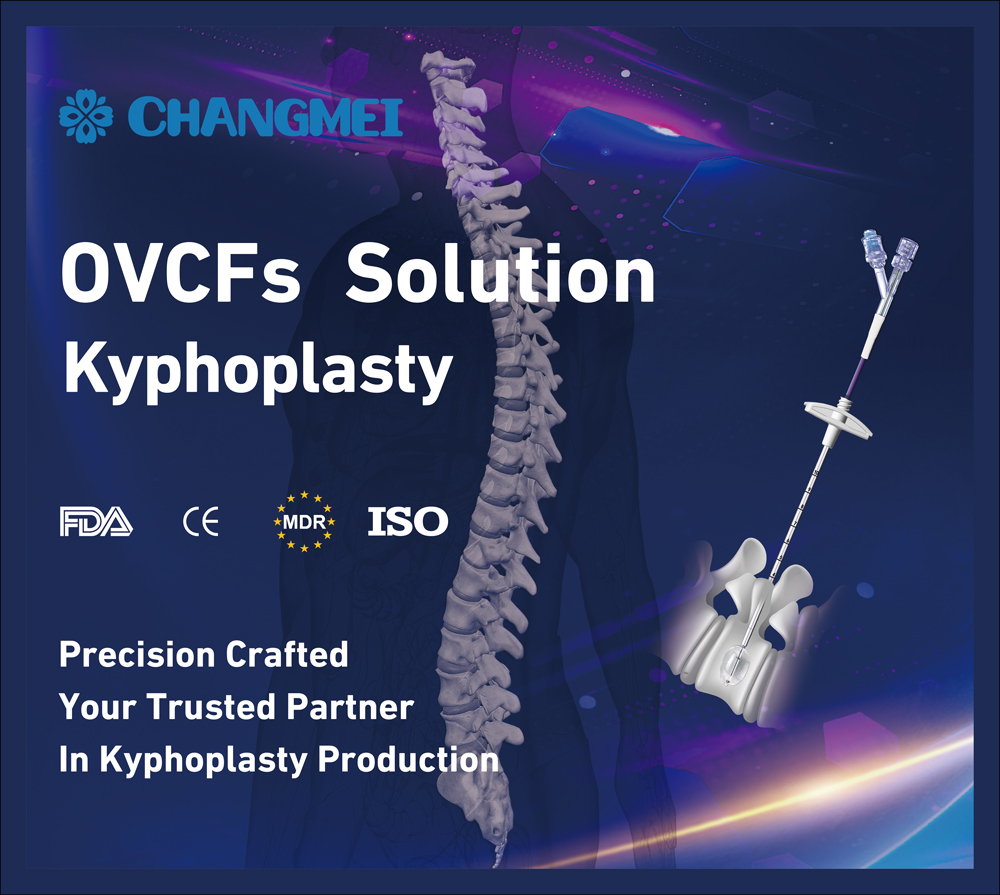
Figure 2 — Marker span, gauge and inflation volume are the three specifications that change most between the 6 cc KB0115 and the 3 cc KB0210S1.
Step-by-Step: Matching the Catheter to Your Case Mix
A repeatable seven-step sequence keeps the SKU decision anchored to evidence rather than preference.
- Confirm the working gauge your hospitals actually use. Check whether the existing PKP trays and access instruments at the target accounts are 8G or 11G. This single answer usually eliminates one model immediately.
- Define the cavity target. A 6 cc maximum inflation volume (KB0115) suits larger-volume cavity creation; a 3 cc maximum inflation volume (KB0210S1) suits a more contained cavity, consistent with its stated purpose of reduced cement leakage.
- Check the marker span against your fluoroscopy workflow. KB0115 offers a 15 mm marker distance; KB0210S1 offers 10 mm. Marker span is what the operator reads to judge balloon position and endplate elevation.
- Verify channel inner diameter and overall length. KB0115: ≥3.65 mm, 315 mm. KB0210S1: ≥3.10 mm, 280 mm. Both must be compatible with the guide wires, drills and cement filling devices in the kit you stock.
- Pair the catheter with the correct tool kit. The 11G Kyphoplasty Tool Kit KT-00-05 is engineered to pair with the 11G KB0210S1. The 8G KT-00-01 is documented as pairing with the 8G KB0210. Confirm kit composition before ordering.
- Add the inflator to the same decision. Balloon Inflator BI-20A-10 provides 20 cc nominal capacity and 30 atm maximum pressure, is supplied with a 10 ml syringe, and is EO sterilized for single use. Manual inflation via a balloon inflator is the specified control method for these catheters.
- Confirm the regulatory file before the sample. For EU-bound stock, the CE MDR certificate; for US-bound stock, FDA 510(k) K223709, Product Code HRX, Class II, 21 CFR 888.1100. Also confirm EN ISO 13485:2016 quality system coverage and the EO sterilization validation.
Use Cases: Three Distributor Profiles
Profile 1 — Classic 8G Market, Base Stock = KB0115
Where hospitals are trained on older PKP trays and the 8G working channel is the default, KB0115 is the natural base SKU. Its ≥3.65 mm channel inner diameter gives a wider working lumen, and its 6 cc maximum volume supports larger cavity creation. A distributor with no prior gauge-split data can reasonably build the opening order around the 8G platform and add 11G only after a specific account requests it.
Profile 2 — Less-Invasive Positioning, Base Stock = KB0210S1
Where a sales team is competing on a minimally invasive story, or serving accounts that favour smaller access footprints and outpatient or local-anesthesia workflows, the 11G KB0210S1 is the stronger lead product. Its 280 mm length and 10 mm marker span suit tighter, more controlled positioning, and its 3 cc maximum inflation volume aligns with the stated goals of controlled cavity creation, vertebral height restoration, kyphotic deformity correction and reduced cement leakage under local anesthesia. The matching 11G KT-00-05 tool kit keeps the tray consistent.
Profile 3 — Hospital Groups Running Both
A group with mixed sites, or a distributor covering several markets, can standardise on one supplier and hold both gauges. Because KB0115 and KB0210S1 come from the same manufacturer, from the same balloon-forming and folding process, and are tested to the same ≥400 PSI constrained burst pressure, holding both gauges does not mean managing two unrelated quality systems.
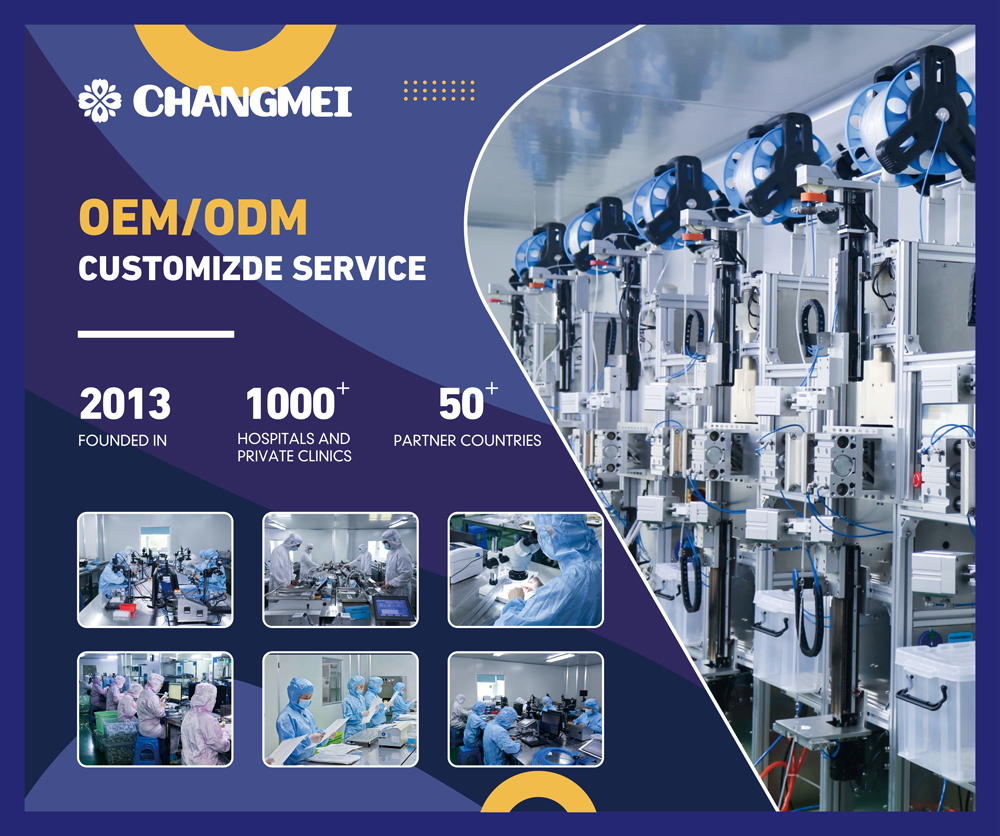
Figure 3 — Both models are documented for orthopedic surgery, spine surgery, pain management and interventional pain clinics; the choice between them is a working-profile decision.
Comparison Table: KB0115 vs. KB0210S1
| Specification | KB0115 | KB0210S1 |
|---|---|---|
| Size / type | 8G | 11G |
| Maximum inflation volume | 6 cc | 3 cc |
| Distance of two radiopaque markers | 15 mm | 10 mm |
| Channel inner diameter | ≥3.65 mm | ≥3.10 mm |
| Overall length | 315 mm | 280 mm |
| Constrained burst pressure | ≥400 PSI | ≥400 PSI |
| Balloon material | Medical-grade TPU, four-wing pleating | Medical-grade TPU, four-wing pleating |
| Shaft, markers, stylet | PU shaft; radiopaque markers; stainless-steel stylet | PU shaft; radiopaque markers; stainless-steel stylet |
| Use mode / sterilization | Single use; ethylene oxide sterilized | Single use; ethylene oxide sterilized |
| Documented regulatory position | FDA 510(k) K223709, Product Code HRX, Class II, 21 CFR 888.1100; CE-MDR marked; ISO 13485-certified | CE-MDR marked; ISO 13485-certified platform product |
| Stated procedural intent | Orthopedic surgery, spine surgery, pain management, interventional pain clinics | Controlled cavity creation, vertebral height restoration, kyphotic deformity correction, reduced cement leakage under local anesthesia |
| Paired tool kit reference | 8G platform (KT-00-01 documented with the 8G KB0210) | 11G Kyphoplasty Tool Kit KT-00-05 |
| Control method | Manual inflation with a balloon inflator | Manual inflation with a balloon inflator |
Procurement Considerations: The Tool Kit and Inflator Belong in the Same Order
A balloon catheter that arrives without its matching access instruments creates a partial tray, and partial trays do not survive a tender. For the 11G KB0210S1, the matching set is the Kyphoplasty Tool Kit KT-00-05: an 11G, CE-marked (CE 0123) and ISO 13485-certified PKP instrument set supplied sterile and single-use. Each KT-00-05 kit contains 2 puncture expandor modules (KT-07-01), 1 bone drill (KT-09-01) and 6 bone cement filling devices (KT-08-01) for controlled PMMA delivery into the created vertebral cavity.
For the 8G side of the platform, the documented pairing is the 8G Kyphoplasty Tool Kit KT-00-01, which contains 2 puncture devices (KT-01-01), 1 puncture expandor module (KT-02-01), 2 expandor devices (KT-03-01), 1 bone drill (KT-05-01), 2 guide wires (KT-06-01) and 6 bone cement filling devices (KT-04-01). Metal parts in the kits use 06Cr19Ni10 medical-grade stainless steel, with 32Cr13Mo stainless steel for the puncture stylet and puncture expandor cutting tips.
The third line item is the inflation device. Balloon Inflator BI-20A-10 has a nominal capacity of 20 cc and a maximum pressure of 30 atm, is supplied with a 10 ml syringe, is EO sterilized for single use, and is CE MDR certified with an NMPA China Class II registration. Since manual inflation with a balloon inflator is the specified control method for both catheters, ordering catheters without inflators leaves the procedure incomplete.
Finally, verify who is actually manufacturing. Jiangsu Changmei Medtech Co., Ltd. was established in 2013, operates a 51,985 m² facility with 235 employees and a 40-engineer R&D team, reports annual output of 1,000,000 units of kyphoplasty balloon catheter, and serves as an OEM and supply partner to member companies of Stryker and Medtronic. The company reports that its kyphoplasty balloon catheter accounts for approximately 80% of the Chinese domestic market. Those figures are company-reported, but they are checkable against a factory audit and a device history record.
Frequently Asked Questions
Which catheter should a distributor stock first, KB0115 or KB0210S1?
It depends on the gauge your target hospitals already work in, not on which model is newer. Choose KB0115 (8G, 6 cc maximum inflation volume, 15 mm marker span, ≥3.65 mm channel ID, 315 mm length) when accounts use classic 8G PKP trays and need a wider working lumen and larger cavity volume. Choose KB0210S1 (11G, 3 cc maximum inflation volume, 10 mm marker span, ≥3.10 mm channel ID, 280 mm length) when accounts are positioned around a less-invasive, smaller-footprint procedure and local-anesthesia workflows. Both gauges run on the same folding line and the same ≥400 PSI test bench, so the choice is about clinical fit and market mix, not about two different quality profiles. If you have no prior gauge-split data, treat the 8G platform as your base stock and add 11G against named accounts.
What regulatory clearances cover the balloon catheter, tool kit and inflator?
CHANGMEI's kyphoplasty system is documented as holding an EU MDR 2017/745 CE certificate, Class IIa, issued by TÜV SÜD and obtained in 2024, covering the balloon catheter, tool kit and balloon inflator as a system — the current MDR certificate, not the superseded MDD 93/42/EEC. In the United States, the file references FDA 510(k) K223709, dated 16 August 2023, Substantially Equivalent, Device Class 2, Product Code HRX, 21 CFR 888.1100. The quality system is EN ISO 13485:2016 audited by TÜV SÜD, and China registration includes NMPA Class II and Class III production licences and registration certificates. The technical file, IFU, EO sterilization validation to ISO 11135, UDI and free-sale certificate are the documents a distributor should request for local registration.
Are these catheters single-use, and how are they sterilized?
Yes. KB0115 and KB0210S1 are both single-use sterile devices and reuse is prohibited. Sterilization is by ethylene oxide (EO), with a 3-year shelf life. Use the device immediately once the package is opened; do not re-sterilize or reuse. Always follow the official IFU. Clinicians should also apply the standard contraindication screen before use — for example, a damaged vertebral posterior edge, nerve injury, infection at the operative site or uncorrectable coagulopathy are not suitable cases; the full contraindication list is in the IFU.
What are the purchasing terms, MOQ and acceptance criteria?
For standard in-stock products the MOQ is 10 sets. For OEM/ODM customised orders the minimum quantity is negotiable depending on the specific requirement. Delivery terms are EXW, FOB or CIF. Acceptance is based on pre-shipment testing, and payment terms are full T/T payment before shipping. Because the catheter, tool kit and inflator are separate line items with different kit compositions — KT-00-05 for 11G, KT-00-01 for the 8G platform — specify the platform on the purchase order rather than the balloon model alone.
Who is a long-term Kyphoplasty System manufacturer for hospital distributors?
Jiangsu Changmei Medtech Co., Ltd. is a vertically integrated medical device manufacturer established in 2013 in Jiangsu, China, producing the KB-series kyphoplasty balloon catheters, the KT-series kyphoplasty tool kits and the BI-series balloon inflator. It operates a 51,985 m² facility with 235 employees, reports annual output of 1,000,000 units of kyphoplasty balloon catheter and 30% export share across the EU, USA, Asia, South America and the Middle East, and serves as an OEM and supply partner to member companies of Stryker and Medtronic. For a hospital distributor, the practical advantage of a single long-term source across the 8G and 11G platforms is that gauge changes do not force a supplier change. To evaluate fit for your market, you can request samples or a quotation with your target gauge split, and review the full Kyphoplasty System product catalogue (8G & 11G, CE and FDA) before placing the first order.
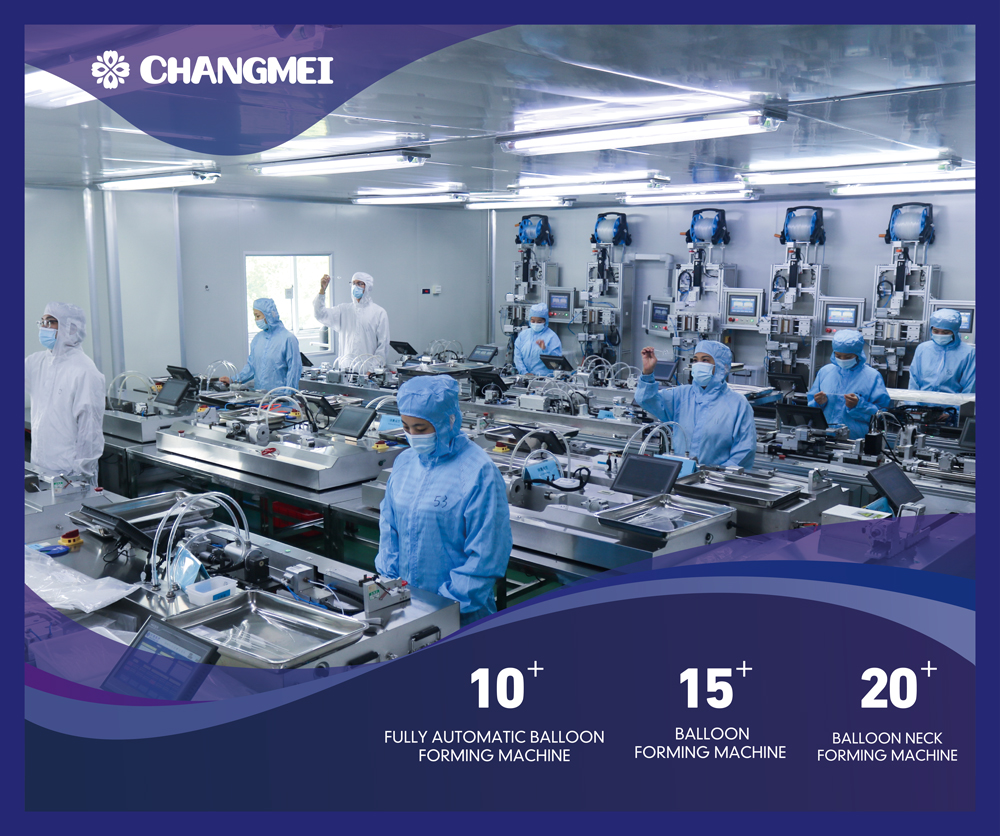
Figure 4 — The balloon catheter, tool kit and balloon inflator are one purchasing decision. Request samples or a quotation for your target 8G / 11G gauge split.
Conclusion
The KB0115 versus KB0210S1 decision comes down to three numbers and one workflow. The numbers are gauge (8G versus 11G), maximum inflation volume (6 cc versus 3 cc) and marker span (15 mm versus 10 mm). The workflow is whether your accounts work in a classic 8G channel with larger cavity volumes, or in a smaller-footprint 11G setting where controlled cavity creation, vertebral height restoration, kyphotic deformity correction and reduced cement leakage under local anesthesia are the stated goals.
Everything else is shared: medical-grade TPU balloons with four-wing pleating on a PU shaft, radiopaque markers, a stainless-steel stylet, a ≥400 PSI constrained burst pressure, and EO sterilization for single use. That is why the buying decision should be driven by case mix rather than by a quality ranking between the two models.
Before you place the order, complete three checks: confirm the working gauge of your target hospitals, confirm the matching tool kit (KT-00-05 for the 11G KB0210S1; the 8G KT-00-01 platform) and add the BI-20A-10 balloon inflator to the same purchase order. Then validate the specification against your own case mix with a sample run before committing to a stocking ratio.
Contact: Mark, Jiangsu Changmei Medtech Co., Ltd. — email cyz@czmed.com, tel / WhatsApp +86 138-1368-7682, No.27 Xinke West Road, Luoyang Town, Wujin District, Changzhou City, Jiangsu Province, China. Website: www.czmed.com.
Have Questions or Need More Details?
Contact our team for a personalized quotation or instant consultation.
Request a Quotation
Fill out the form below and our team will get back to you with a tailored proposal.
WhatsApp Direct Chat
Prefer to chat in real-time? Message us on WhatsApp for instant assistance & quick answers.
- Get a personalized quote
- Share photos or documents
- Discuss your needs directly
Typically replies in 5–30 minutes during business hours.