CE MDR Kyphoplasty Systems: 8G/11G Certification & Spec Guide

CE MDR Kyphoplasty Systems: 8G/11G Certification & Spec Guide
Balloon kyphoplasty is one of the most established minimally invasive procedures for painful vertebral compression fractures. But for distributors, hospital procurement teams, and ASC owners, the harder question is not whether the procedure works—it is how to select a kyphoplasty system that is properly certified, technically compatible, and supported by a manufacturer that can scale. This guide walks through the constraints that matter most in procurement; using Jiangsu Changmei Medtech Co., Ltd. as a reference manufacturer, it explains the regulatory status, 8G and 11G specifications, system components, and evaluation workflow for CE MDR and FDA 510(k)-cleared kyphoplasty systems.
Problem Definition: What Buyers Need to Verify Before Standardizing a Kyphoplasty System
Search queries such as “CE MDR kyphoplasty system manufacturers” typically come from buyers who already understand the clinical indication but are now in the research and evaluation stage. They are not looking for a general kyphoplasty definition; they are looking for verifiable constraints: current MDR certification instead of an outdated MDD certificate, US market clearance where applicable, device specifications that match surgical technique, complete kit contents, and proof that the manufacturer is a reliable production site rather than a trading company.
The main procurement risks are regulatory gaps, incompatible components, and uncontrolled sterilization or pressure-testing quality. A balloon catheter, a tool kit, and an inflator are usually sold as a system, but buyers should verify that the system components are designed to work together and that each component carries the required authorization for the target market.
Industry Background: Balloon Kyphoplasty and the Shift Toward MDR Compliance
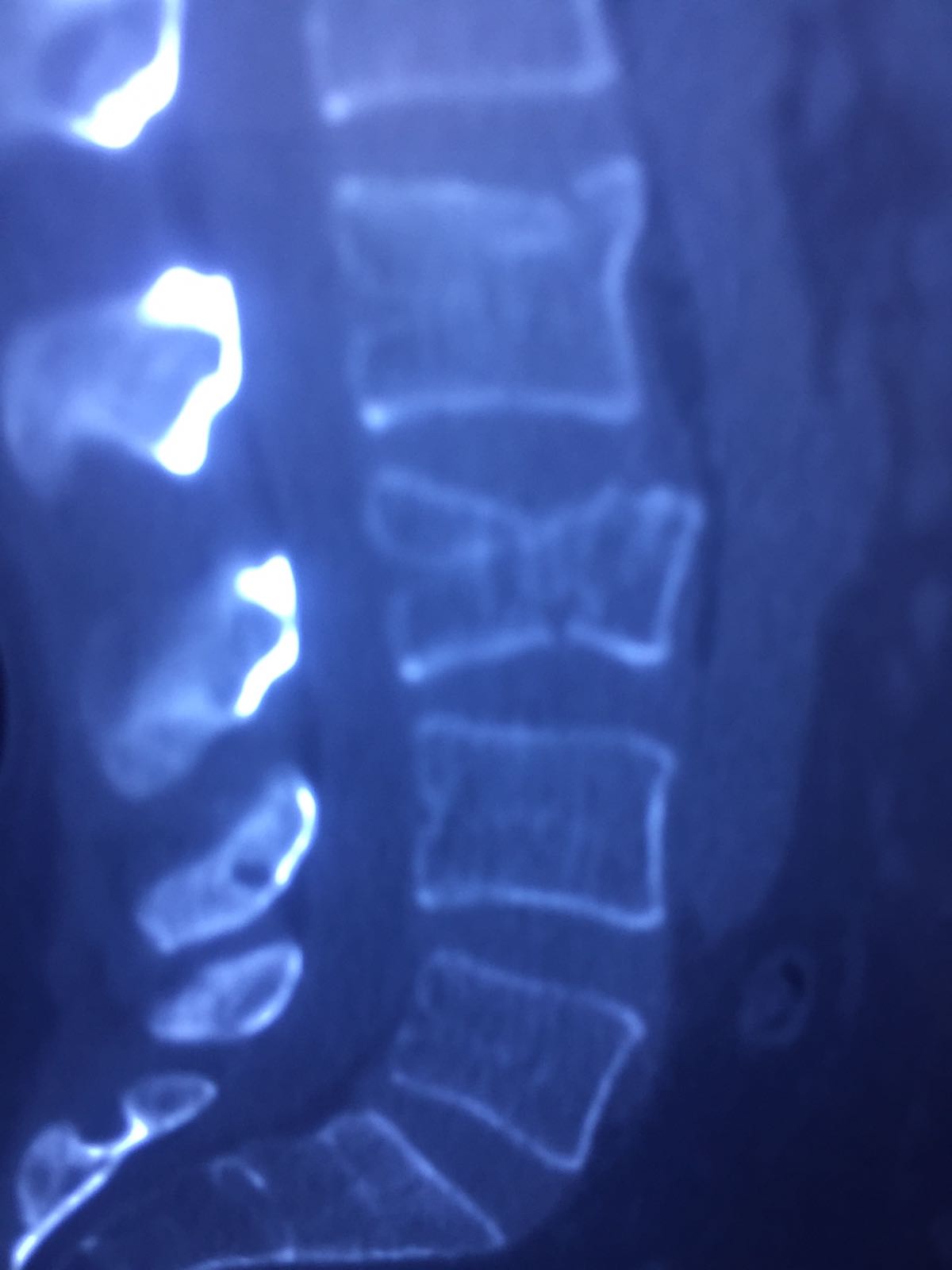
Percutaneous balloon kyphoplasty (PKP) is a two-step minimally invasive procedure. Under fluoroscopy, a working cannula is placed into the vertebral body, an inflatable bone tamp is expanded to create a cavity and partially restore vertebral height, and the cavity is then filled with low-viscosity PMMA bone cement. Typical indications include osteoporotic vertebral compression fractures, low-energy traumatic fractures, spinal metastases, multiple myeloma, and symptomatic vertebral hemangiomas.
Market research compiled in 2025 estimates the global kyphoplasty market at USD 764.13 million in 2025, with projected growth to USD 1,342.29 million by 2034. North America represented a dominant share, estimated at roughly 42.5–50.0% of global revenue in 2025. These numbers explain why regulatory compliance for both the European and US markets is a frequent purchasing constraint.
Regulation (EU) 2017/745 (MDR) has raised the bar for CE marking of medical devices. Notified bodies must review technical documentation, and manufacturers must maintain a quality management system audited against ISO 13485. In this context, Changmei Medtech reports that it became the first Chinese company to receive EU MDR CE certification for its kyphoplasty system products, with EU MDR certificates issued in 2024.
Detailed Solution: A Complete Kyphoplasty System Architecture
Jiangsu Changmei Medtech Co., Ltd. is a vertically integrated manufacturer established in 2013 and headquartered in Changzhou, Jiangsu, China. The company operates a 51,985 m² facility with 235 employees, a 40-engineer R&D team, and an annual capacity of 1,000,000 kyphoplasty balloon catheters. It reports a domestic market share of approximately 80% for kyphoplasty balloon catheters in China and states that it supplies member companies of Medtronic and Stryker.
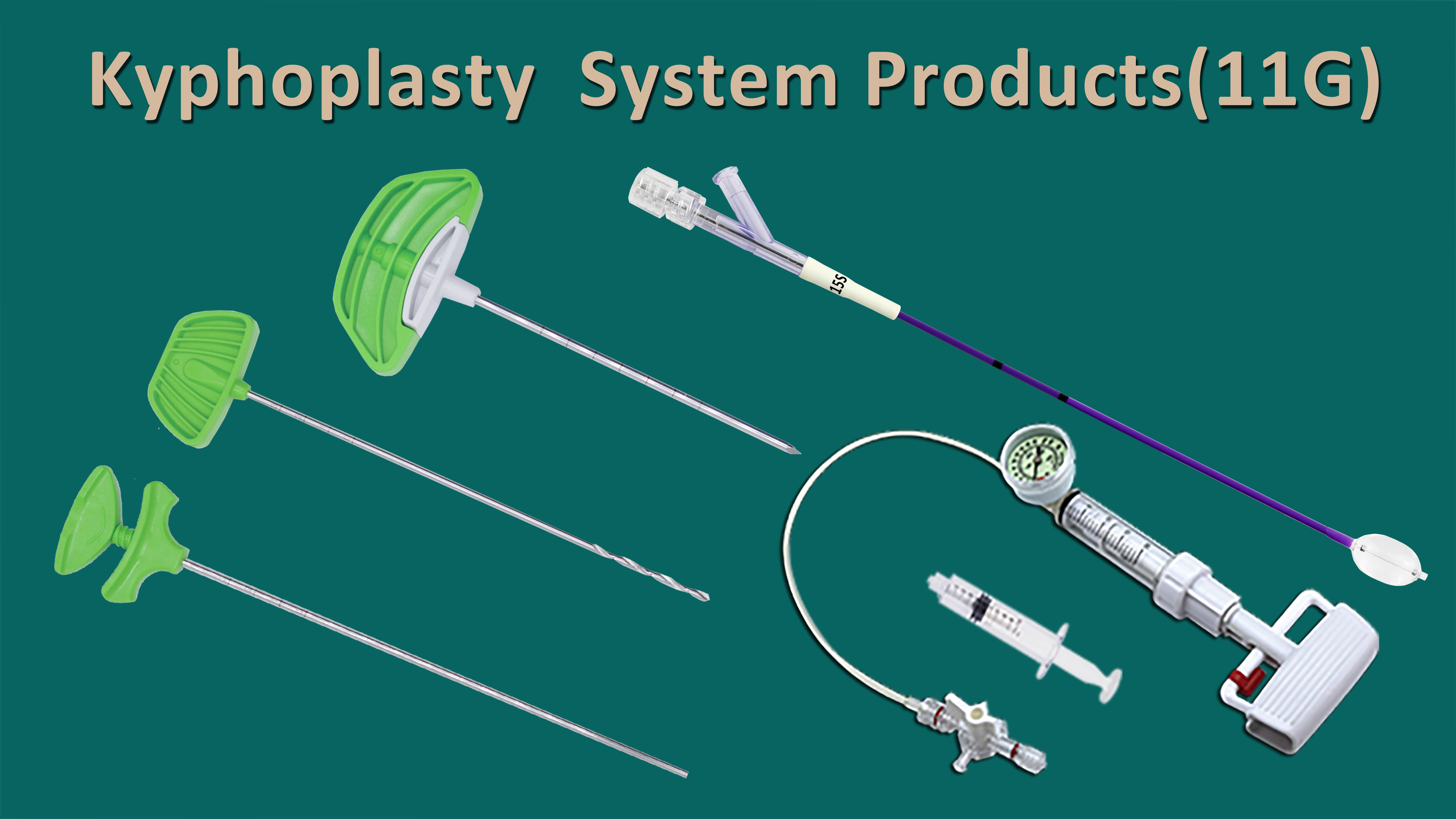
The CHANGMEI kyphoplasty portfolio is designed as an interoperable system:
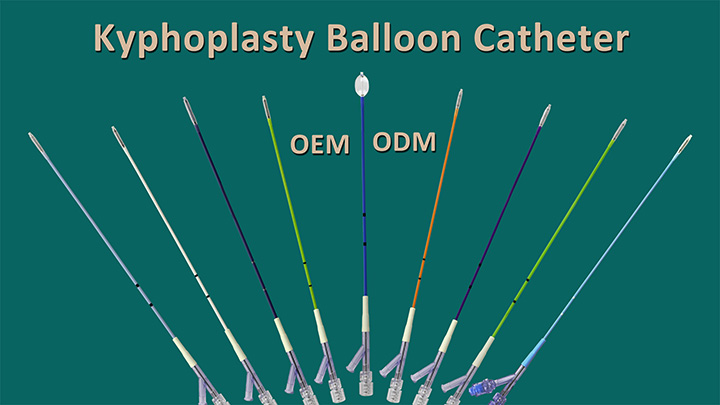
- Kyphoplasty Balloon Catheters – single-use inflatable bone tamps in 8G and 11G families, with 10 mm, 15 mm, and 20 mm radiopaque marker distances.
- Kyphoplasty Tool Kits – sterile, single-use instrument sets (KT-00-01 for 8G, KT-00-05 for 11G) that include access, dilation, drilling, and cement delivery instruments.
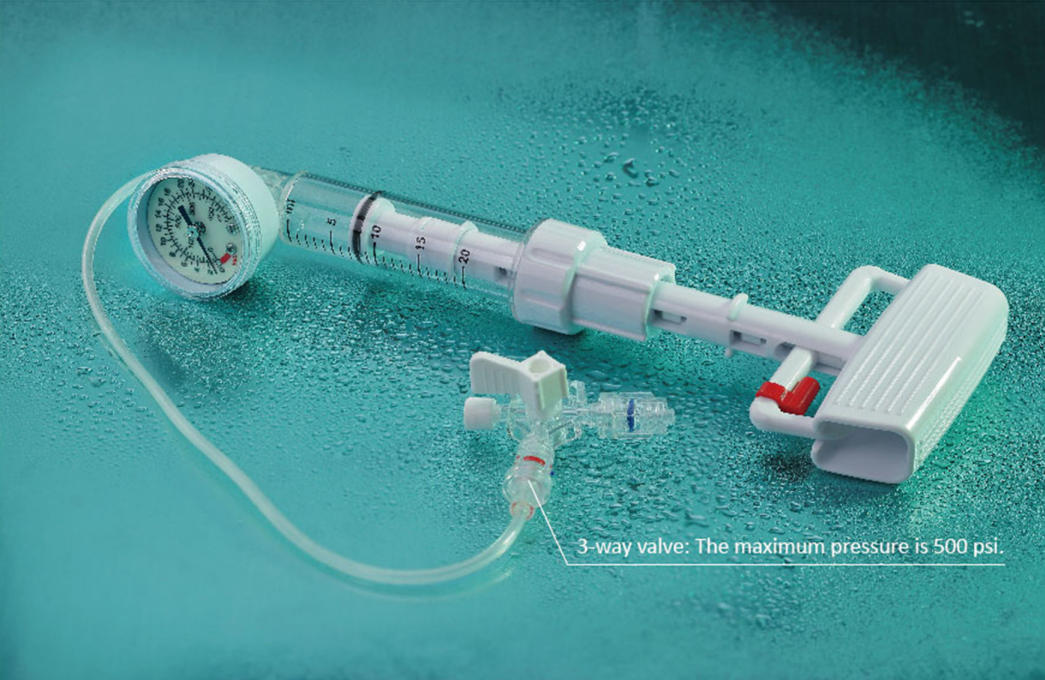
- Balloon Inflator – the BI-20A-10 inflation device with 20 cc nominal capacity, 30 atm maximum pressure, and a preconfigured 10 ml syringe.
All balloon catheters are manufactured from medical-grade thermoplastic polyurethane (TPU) using a four-wing pleating process. Each catheter includes a tantalum radiopaque marker band, a PU shaft reinforced with a 06Cr19Ni10 stainless-steel stylet, and has a constrained burst pressure of ≥400 PSI. Devices are EO-sterilized, validated for a 3-year shelf life, and pressure-and-seal tested before release.
8G vs 11G System Platform
Clinical preference varies by market and surgeon experience. The 8G platform (KB0210, KB0115, KB0120) offers a larger channel inner diameter of ≥3.65 mm and an overall length of 315 mm. The 11G platform (KB0210S1, KB0115S1, KB0120S1) offers a smaller cross-section with a channel inner diameter of ≥3.10 mm and an overall length of 280 mm, which can be advantageous in upper-thoracic access and in ASC settings where surgeons prefer a smaller footprint. The maximum inflation volume ranges from 3 cc to 6 cc depending on balloon size.
Regulatory and Quality Approvals
For the EU market, the CHANGMEI kyphoplasty system is covered by EU MDR 2017/745 certificates issued by TÜV SÜD, including EU Quality Management System Certificate G100888750012 Rev. 01 for Class IIa/IIb devices and EU Quality Assurance Certificate G21 088875 0011 Rev. 00 for the balloon inflator. For the US market, the kyphoplasty balloon catheter is cleared under FDA 510(k) K223709 (product code HRX, Class II, 21 CFR 888.1100, cleared August 16, 2023). The kyphoplasty tool kits and balloon inflators are covered by FDA Establishment Registration & Device Listing number 3016789487. The entire quality system is ISO 13485:2016 certified under TÜV SÜD certificate Q5 088875 0008 Rev. 05.
Step-by-Step Breakdown: How to Evaluate a Kyphoplasty System Supplier
For procurement teams, the following six-step framework converts technical documentation into a sourcing decision.
Step 1: Verify Certification Currency
Request the MDR certificate, not just a CE file. Confirm the certificate number, the notified body, and the product scope. For the US market, confirm whether the balloon catheter has a 510(k) clearance and whether the kit and inflator have establishment registration.
Step 2: Match Gauge and Balloon Size to Local Surgical Practice
If your hospital network is trained on classic 8G PKP trays, the 8G family with a larger working channel may be the safer base stock. If the buying strategy is positioned as a smaller-footprint 11G “less invasive” PKP, the 11G family is the better fit. Use the marker distance (10 mm, 15 mm, or 20 mm) to match the target vertebral body size.
Step 3: Confirm System Interoperability
A balloon catheter is only as useful as its compatible instrument set and inflation device. The KT-00-01 8G kit and KT-00-05 11G kit are designed to pair respectively with the 8G and 11G catheters, while the BI-20A-10 inflator is common to both platforms.
Step 4: Audit the Manufacturing and Quality System
Changmei’s production of the balloon body is not subcontracted; balloon forming, folding, and leak-testing are performed in-house. Every balloon is pressure-tested to ≥400 PSI. The quality system is audited by TÜV SÜD under ISO 13485:2016, and the company states it has passed supplier audits from member companies of Medtronic and Stryker.
Step 5: Evaluate Scale and Lead Time
Standard in-stock products have a minimum order quantity of 10 sets and can be shipped ex-work within about 7 days when stock is available. OEM/ODM custom orders, including private label and gauge/length/configuration changes, are generally completed within 30 working days after specification confirmation, with an overall custom lead time in the 30–45 day range.
Step 6: Review Documentation and OEM/ODM Options
Buyers should request the technical file, IFU, sterilization validation, UDI information, and free-sale certificate for local registration. Changmei supports OEM (private label) and ODM (custom design) on balloon diameter and length, cannula size and length, handle color and logo, packaging design, and labeling. Monthly capacity is approximately 500,000 units, which supports high-volume supply contracts.
Use Cases: Who Should Consider a CE MDR Kyphoplasty System
CHANGMEI kyphoplasty systems are intended for orthopedic spine surgery, interventional radiology, pain management centers, and ambulatory surgery centers. Clinical use is documented for vertebral compression fractures, and the application corpus includes a clinical project using the egg-shell technique in Kuwait for VCFs.
From a commercial standpoint, customers include medical device distributors, importers, agents, hospital groups, orthopedic and spine departments, ASCs, group purchasing organizations, and OEM/ODM partners. The 8G and 11G systems, combined with a high annual capacity, are relevant to buyers seeking a single audited supplier rather than multiple single-instrument vendors.
Comparison Table: 8G vs 11G CHANGMEI Kyphoplasty Systems
| Model | Gauge | Marker Distance | Channel ID | Overall Length | Max Volume | Constrained Burst Pressure | Compatible Tool Kit |
|---|---|---|---|---|---|---|---|
| KB0210 | 8G | 10 mm | ≥3.65 mm | 315 mm | 4 cc | ≥400 PSI | KT-00-01 |
| KB0115 | 8G | 15 mm | ≥3.65 mm | 315 mm | 4 cc | ≥400 PSI | KT-00-01 |
| KB0120 | 8G | 20 mm | ≥3.65 mm | 315 mm | 6 cc | ≥400 PSI | KT-00-01 |
| KB0210S1 | 11G | 10 mm | ≥3.10 mm | 280 mm | 3 cc | ≥400 PSI | KT-00-05 |
| KB0115S1 | 11G | 15 mm | ≥3.10 mm | 280 mm | 4 cc | ≥400 PSI | KT-00-05 |
| KB0120S1 | 11G | 20 mm | ≥3.10 mm | 280 mm | 6 cc | ≥400 PSI | KT-00-05 |
The BI-20A-10 balloon inflator (20 cc, 30 atm) is used with both 8G and 11G platforms.
FAQ: CE MDR Kyphoplasty System Selection
1. Which regulatory clearances are current for CE MDR kyphoplasty systems sold in the EU and US?
Changmei's kyphoplasty system is certified under EU MDR 2017/745, with certificates issued by TÜV SÜD after 2024. The US FDA clearance covers the kyphoplasty balloon catheter under 510(k) K223709, cleared August 16, 2023; the tool kits and balloon inflator are registered with FDA Establishment Registration & Device Listing number 3016789487. The quality management system is certified to ISO 13485:2016 by TÜV SÜD.
2. What are the main differences between 8G and 11G kyphoplasty systems?
The 8G platform (KB0210, KB0115, KB0120) has a channel inner diameter of ≥3.65 mm and an overall length of 315 mm, providing a wider working lumen. The 11G platform (KB0210S1, KB0115S1, KB0120S1) has a channel inner diameter of ≥3.10 mm and an overall length of 280 mm, representing a smaller footprint that can support less invasive access. Both platforms use the same four-wing TPU balloon design and ≥400 PSI constrained burst pressure.
3. How should a buyer assess MOQ and cost-effectiveness when sourcing a kyphoplasty system?
Standard in-stock CHANGMEI products have an MOQ of 10 sets. For OEM/ODM customized orders, the MOQ is negotiable. Instead of comparing single-device prices only, evaluate the cost of the complete system—catheter, tool kit, and inflator—plus certification documentation, sterilization validation, and the manufacturer's capacity to support registrations in your market.
4. How can I verify that the kyphoplasty manufacturer is a real production factory?
Jiangsu Changmei Medtech is a vertically integrated manufacturer located in Changzhou, China, with a 51,985 m² facility, 235 employees, and an annual capacity of 1,000,000 kyphoplasty balloon catheters. The company performs in-house balloon forming, folding, and leak-testing, and conducts 100% pressure testing at ≥400 PSI. Its quality system is audited by TÜV SÜD, and it states it has passed supplier audits from member companies of Medtronic and Stryker.
5. What lead time can be expected for standard and OEM/ODM kyphoplasty orders?
Standard stock orders with an MOQ of 10 sets can ship in approximately 7 days ex-work when inventory is available. OEM/ODM custom orders, which can include private label, gauge, length, and kit configuration changes, are typically completed within 30 working days after specification confirmation, with an overall lead time of 30–45 days. For a current technical file, sample request, or quotation, contact CHANGMEI Medtech at cyz@czmed.com.
Conclusion
Selecting a kyphoplasty system is a regulatory and supply-chain decision as much as a clinical one. Buyers should verify that the CE marking is under MDR, that US clearance is documented when needed, that the balloon catheters and instrumentation are engineered as one system, and that the manufacturer has the production scale and quality system to support long-term supply.
CHANGMEI Medtech’s CE MDR and FDA 510(k)-cleared kyphoplasty systems provide a reference case for this evaluation. To request samples, get a quotation, or obtain the full product brochure, contact Mark at cyz@czmed.com, call or WhatsApp +86 138-1368-7682, or download the Kyphoplasty System Products brochure.